Gratisversand in ganz Deutschland!
Bookbot

Marcus du Sautoy

    26. August 1965

    Dieser Autor erforscht die Welt der Zahlen und Mathematik mit einer fesselnden Leidenschaft, die abstrakte Konzepte für den alltäglichen Leser lebendig werden lässt. Seine Arbeit befasst sich mit den grundlegenden Fragen der Existenz und unserem Platz im Universum, wobei er sich oft auf die Eleganz und Schönheit mathematischer Prinzipien konzentriert. Er macht komplexe Ideen auf klare und ansprechende Weise zugänglich und lädt die Leser zu einer Entdeckungsreise ein, bei der die Mathematik zum Schlüssel zum Verständnis der Welt um uns herum wird. Sein Schreiben ist eine Feier der menschlichen Neugier und der unendlichen Möglichkeiten wissenschaftlichen Verständnisses.

    Marcus du Sautoy
    What we cannot know. From consciousness to the cosmos, the cutting edge of science explained
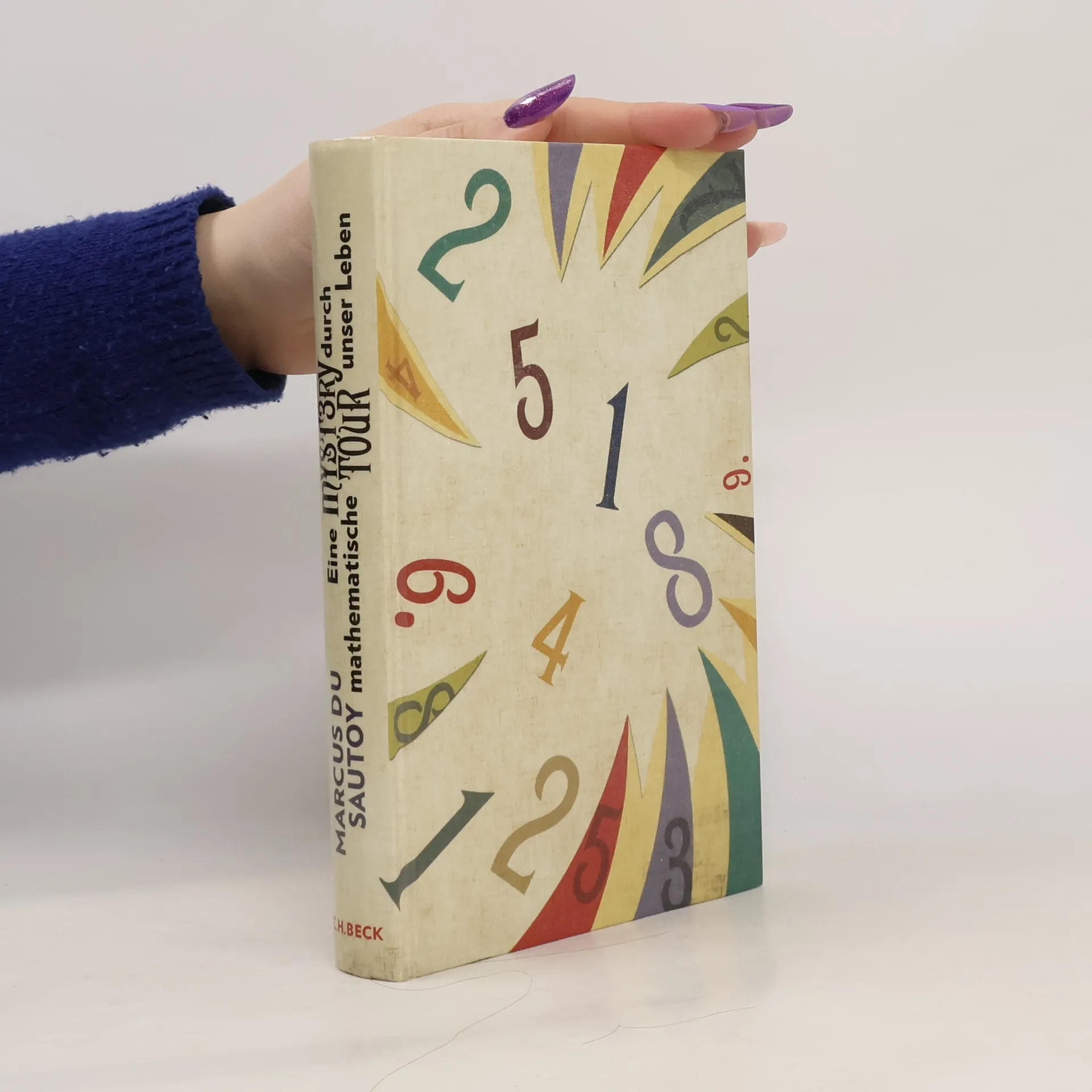
    Eine mathematische Mystery-Tour durch unser Leben
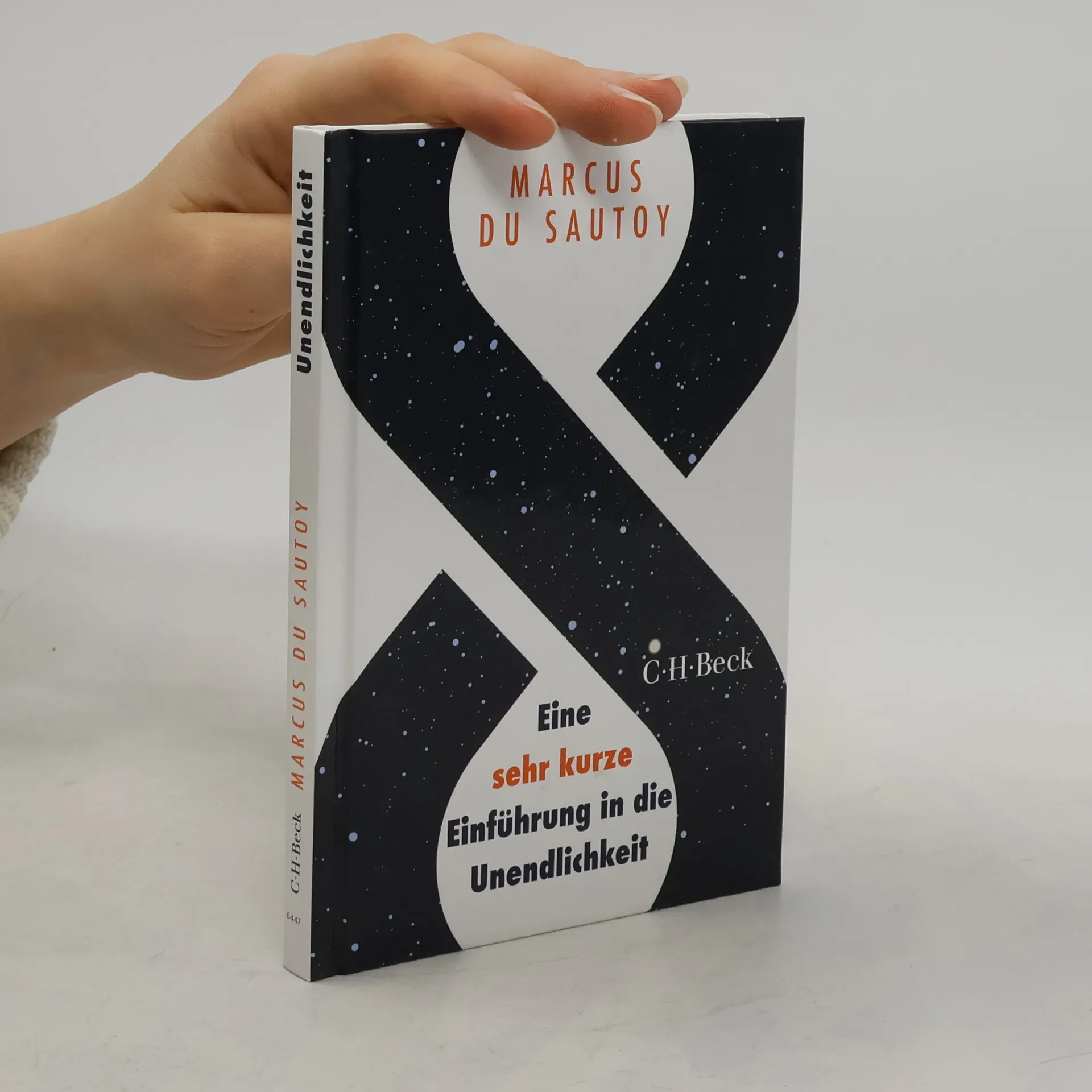
    oo - Eine sehr kurze Einführung in die Unendlichkeit
    Der Creativity-Code
    Die Musik der Primzahlen
    Das Geheimnis der Symmetrie
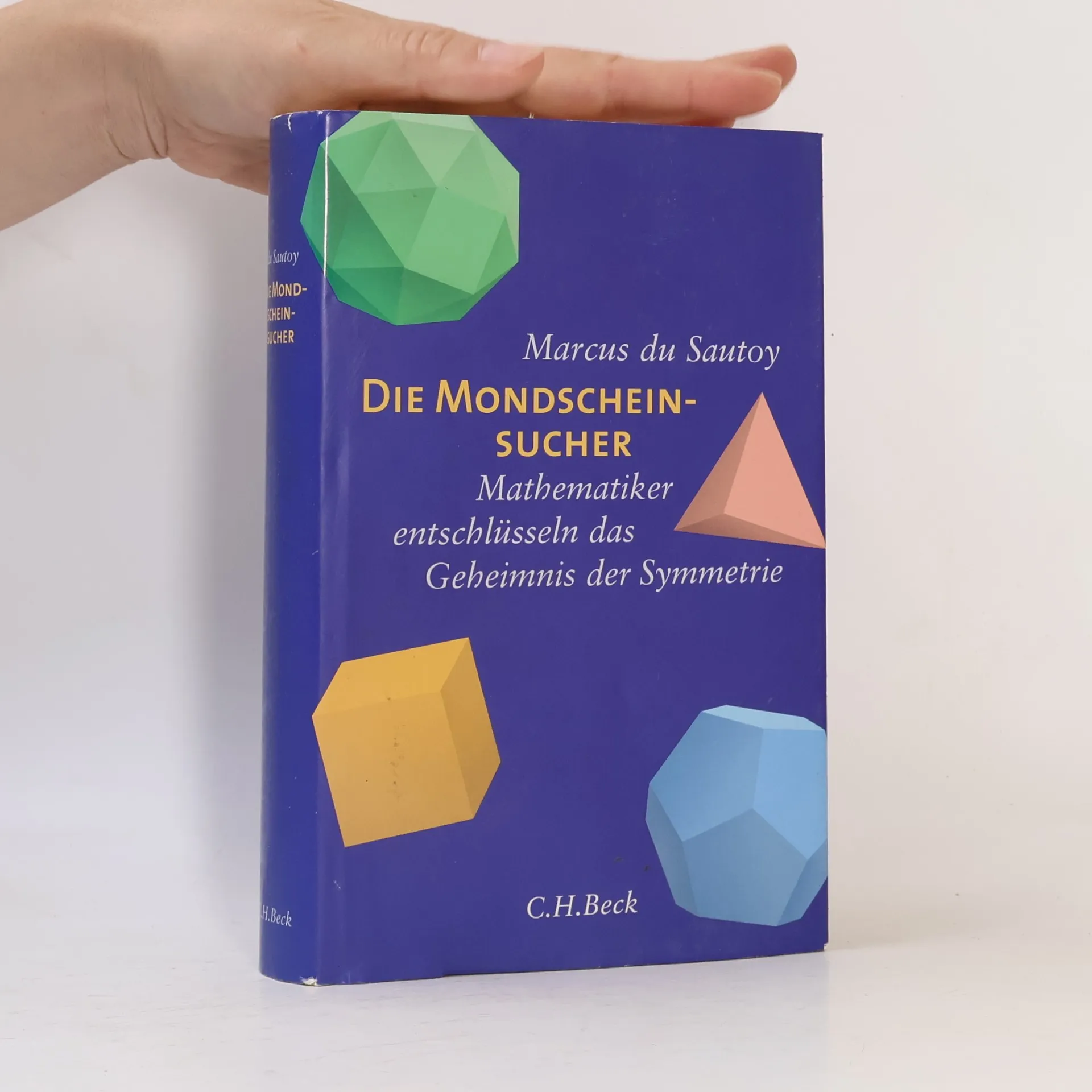
    • Symmetrie steht für Schönheit Die Suche nach dem Geheimnis der Symmetrie führt Du Sautoy zwölf Monate lang rund um die Welt, durch die Wüste Sinai ebenso wie ans Mathematische Institut der Universität Princeton, in die Gärten der Alhambra oder ins Paris der Französischen Revolution. Der Leser begegnet auf den Reisen des Autors zahlreichen ebenso brillanten wie skurrilen mathematischen Köpfen. Die größte Herausforderung aber ist „monstrous moonshine“, monströser Mondschein, so der Name einer der aufregendsten mathematischen Entdeckungen der letzten Jahrzehnte. Damit könnte der entscheidende Schritt zur Entschlüsselung des Geheimnisses der Symmetrie gemacht sein. Als Hardcover erschienen unter dem Titel: Die Mondscheinsucher. Mathematiker entschlüsseln das Geheimnis der Symmetrie

      Das Geheimnis der Symmetrie
    • Die Suche nach dem Heiligen Gral der Mathematik, der Formel für die Berechnung von Primzahlen. Primzahlen sind der Heilige Gral der Mathematik und ebenso rätselhaft. Es gibt unendlich viele und es gibt bis heute keine Formel, mit der man ihr Auftreten berechnen kann. Für die moderne Technologie sind sie unverzichtbar. Jede einzelne Kontenbewegung, jeder Banktransfer, der gesamte Internethandel sind vorrangig durch Codes geschützt, die auf Primzahlen beruhen. Die Suche nach der Formel hat schon vielen Menschen zum Ruhm oder zum Wahnsinn verholfen. »Sautoys charmanten Erzählungen über einige Geistesriesen der Mathematik kann selbst der größte Zahlenhasser nicht widerstehen.« The Observer

      Die Musik der Primzahlen
    • Der Creativity-Code

      Wie künstliche Intelligenz schreibt, malt und denkt

      4,0(1120)Abgeben

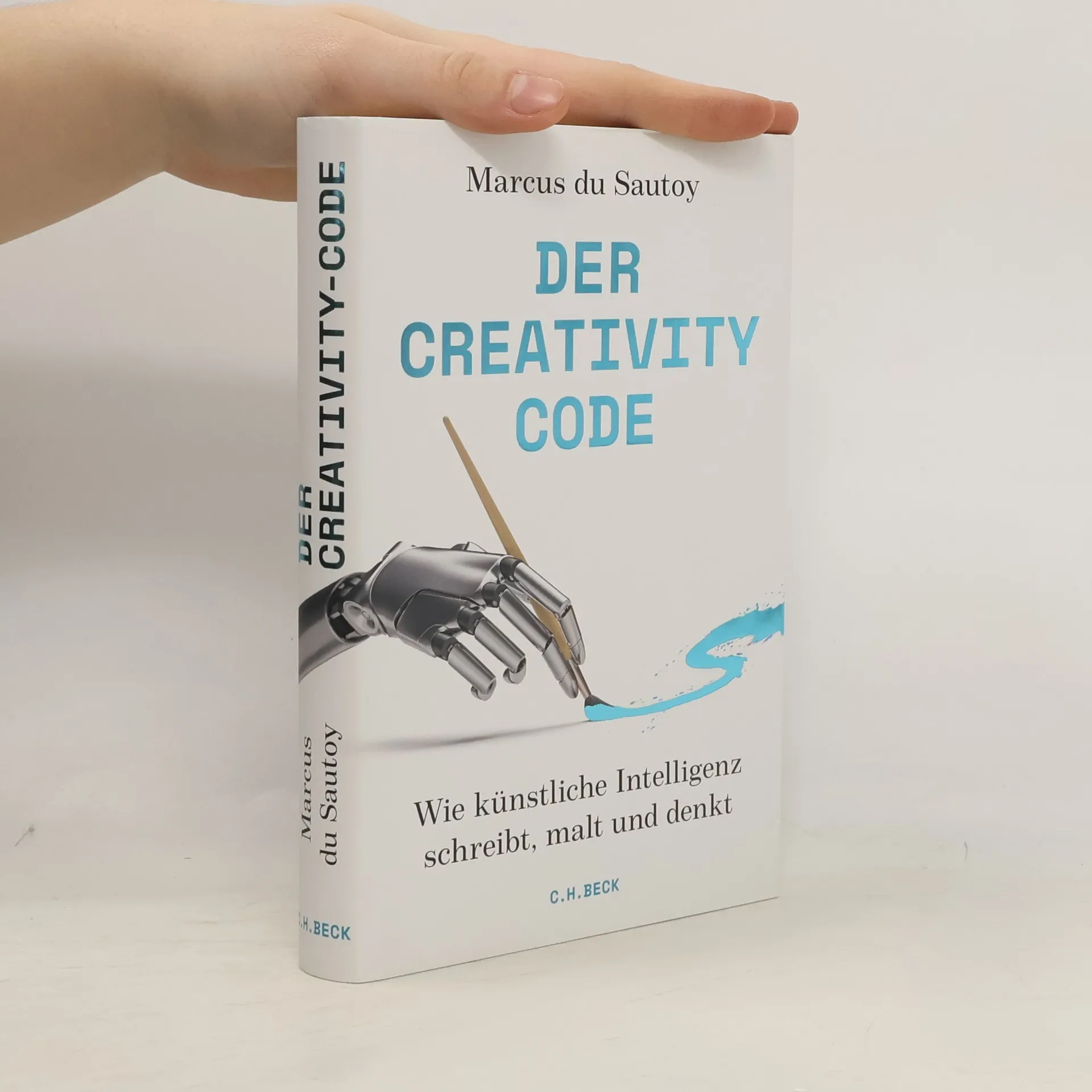
      Werden Computer schon bald Musik komponieren, Bücher schreiben, Bilder malen und mathematische Sätze beweisen? Und wenn ja, werden wir den Unterschied zu von Menschen gemachten Werken überhaupt bemerken? Der preisgekrönte Autor von "Die Musik der Primzahlen" erforscht die Zukunft der Kreativität und untersucht, wie maschinelles Lernen unser Verständnis davon, was Menschen können, sprengen, bereichern und verändern wird. "Der Creativity-Code" ist eine glänzend geschriebene Studie über Kreativität und zugleich ein wunderbarer Leitfaden durch den Dschungel von Algorithmen und den Regeln, die ihnen zugrunde liegen. Der Oxforder Mathematiker und begnadete Erzähler Marcus du Sautoy untersucht, wie Gefühl und Gehirn in unseren Reaktionsweisen auf Kunst zusammenspielen und was es genau bedeutet, in Mathematik, Kunst, Sprache und Musik kreativ zu sein. Er erklärt, wovon es abhängt, ob Maschinen wirklich etwas Neues hervorbringen, und ob ihre Funktion nicht darin bestehen könnte, uns Menschen kreativer zu machen. Das Ergebnis ist ein faszinierendes Buch über künstliche Intelligenz und zugleich darüber, was es bedeutet, ein Mensch zu sein.
      Der Creativity-Code
    • EINE SEHR KURZE EINFÜHRUNG IN DIE UNENDLICHKEIT Willkommen im Hotel Unendlichkeit. Es verfügt über eine unendliche Zahl von Zimmern, und in jedem der ankommenden Reisebusse sitzt eine unendliche Zahl von Menschen, die dort übernachten wollen. Wie sie unterbringen? Marcus du Sautoy, bekannt für die Zugänglichkeit und den Witz, mit denen er die Welt der Mathematik verständlich macht, entschlüsselt das Geheimnis der Unendlichkeit.

      oo - Eine sehr kurze Einführung in die Unendlichkeit
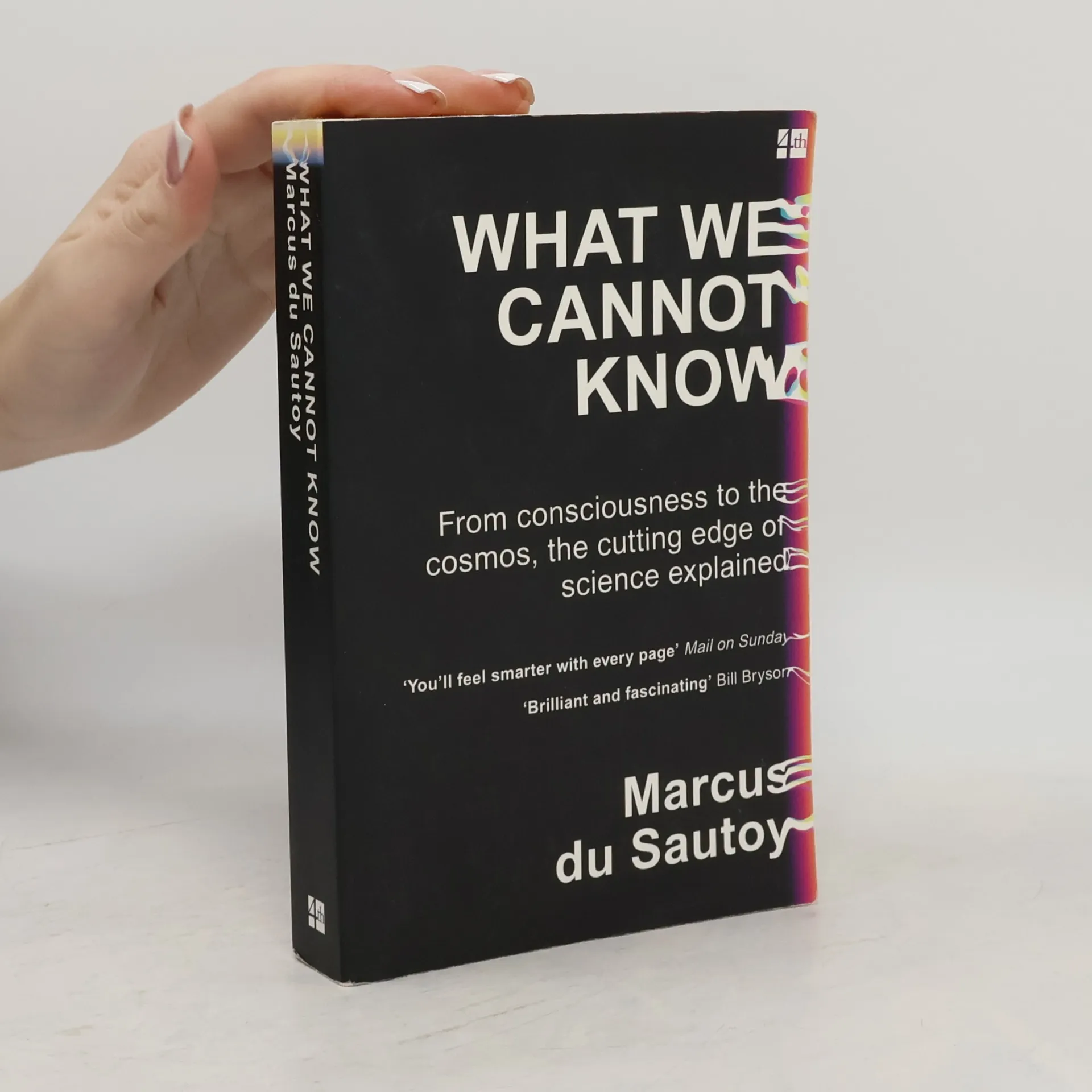
    • Brilliant and fascinating. No one is better at making the recondite accessible and exciting. Britain's most famous mathematician takes us to the edge of knowledge to explore what lies beyond our understanding. Is the universe infinite? What occurred before the Big Bang? Where is human consciousness located in the brain? Are there undiscovered particles beyond the Higgs boson? In a world where science dominates headlines with breakthroughs and once-inscrutable mathematical problems are solved, we must ask: are there limits to our discoveries about the physical universe? This personal journey delves into the boundaries of knowledge, as Marcus du Sautoy engages with leading experts in quantum physics, cosmology, sensory perception, and neuroscience. He navigates the complexities of current understanding, grappling with contradictory narratives and cutting-edge data. Will we ever know everything, or are there realms of research that will always elude human comprehension? If so, how do we reconcile our existence in a universe filled with mysteries? This thought-provoking expedition challenges us to consider the extent of our knowledge and whether there are indeed things we cannot know. Prepare to journey to the edge of knowledge and discover the limits of human understanding.

      What we cannot know. From consciousness to the cosmos, the cutting edge of science explained
    • Will a computer ever compose a symphony, write a prize-winning novel, or create a masterpiece? As humans, we possess a remarkable ability to produce art that elevates and transforms our existence. However, advancements in AI are challenging traditional notions, revealing that many tasks can be performed as well, if not better, by machines. This raises the question: can machines truly be creative? Can they learn from the art that resonates with us and discern the difference between the extraordinary and the ordinary? In this exploration of creativity, the author delves into the nature of artistic expression while providing insights into how algorithms function and the mathematical principles that guide them. He investigates the emotional responses we have to art, considering how much of it stems from our brains responding to patterns and structures. The discussion extends to creativity in mathematics, art, language, and music, probing how soon machines might produce original creative works and whether this could inspire greater imagination in humans. The outcome is a thought-provoking examination of both AI and the fundamental essence of humanity.

      The creativity code : how AI is learning to write, paint and think
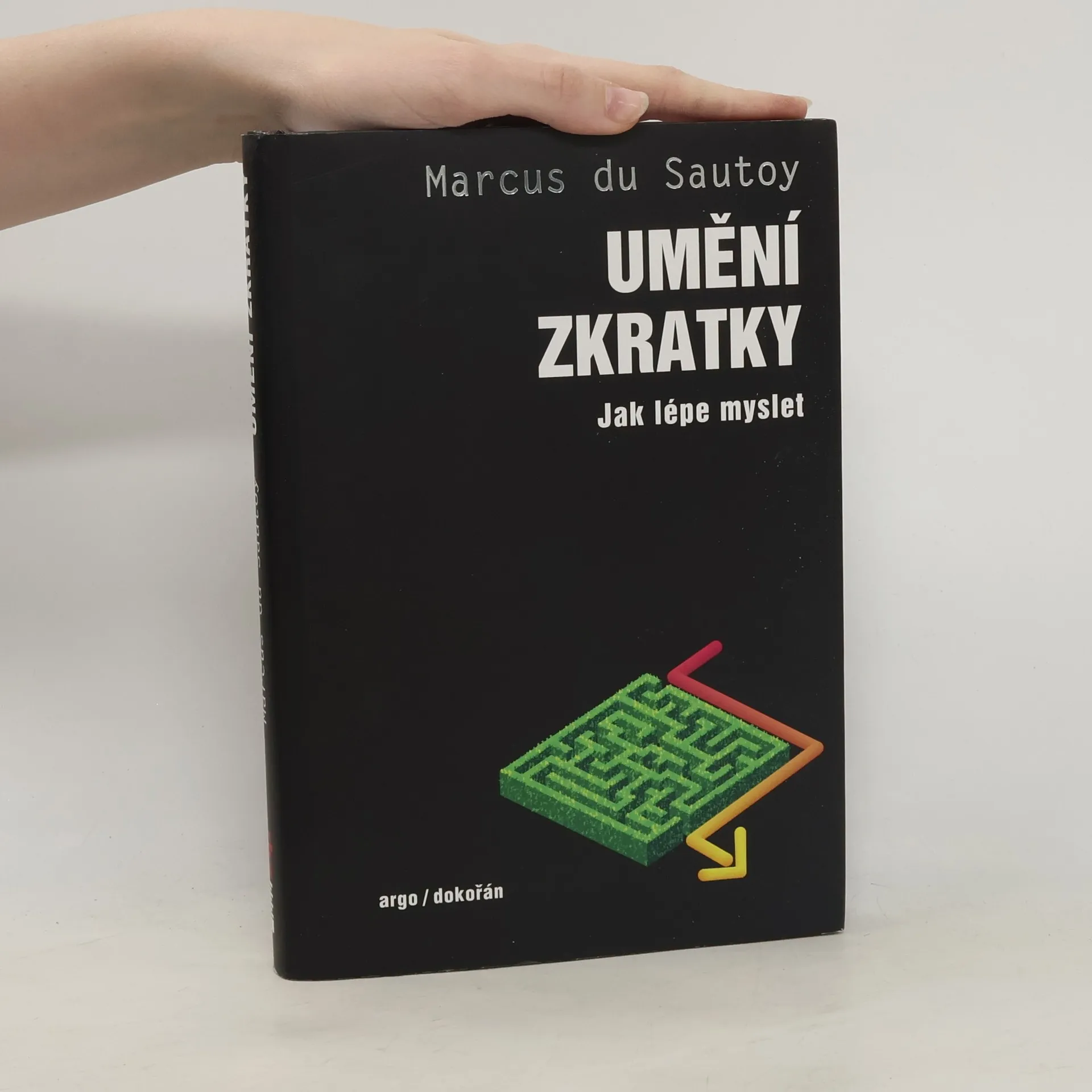
    • How do you remember more and forget less? How can you earn more and become more creative just by moving house? And how do you pack a car boot most efficiently? This is your shortcut to the art of the shortcut. Mathematics is full of better ways of thinking, and with over 2,000 years of knowledge to draw on, Oxford mathematician Marcus du Sautoy interrogates his passion for shortcuts in this fresh and fascinating guide. After all, shortcuts have enabled so much of human progress, whether in constructing the first cities around the Euphrates 5,000 years ago, using calculus to determine the scale of the universe or in writing today's algorithms that help us find a new life partner. As well as looking at the most useful shortcuts in history - such as measuring the circumference of the earth in 240 BC to diagrams that illustrate how modern GPS works - Marcus also looks at how you can use shortcuts in investing or how to learn a musical instrument to memory techniques. He talks to, among many, the writer Robert MacFarlane, cellist Natalie Clein and the psychologist Suzie Orbach, asking whether shortcuts are always the best idea and, if so, when they use them. With engaging puzzles and conundrums throughout to illustrate the shortcut's ability to find solutions with speed, Thinking Better offers many clever strategies for daily complex problems.

      Thinking Better
    • Blueprints

      • 304 Seiten
      • 11 Lesestunden

      An award-winning mathematician and Oxford professor looks to the arts to uncover the key mathematical structures that underpin both nature and human creativity. Many of the artists that we encounter are completely unaware of the mathematics that bubble beneath their craft, while some consciously use it for inspiration. Our instincts might tell us that these two subjects are incompatible forces with nothing in common - mathematics being the realm of precise logic and art being the realm of emotion and aesthetics - but what if we're wrong? Blueprints asks us to consider that mathematics and art may not be polar opposites after all. Their complementary relationship spans a vast historical and geographic landscape, from the earliest stone circles to Mozart's obsession with numbers and the radically modern architecture of Zaha Hadid. Whether we are searching for meaning in an abstract painting or finding patterns in poetry, there are blueprints everywhere: symmetry, prime numbers, the golden ratio and more. In this bold and philosophical exploration of human creativity, Marcus du Sautoy unpacks how we make art, why a creative mindset is vital for discovering new mathematics, and how a fundamental connection to the natural world intrinsically links these two subjects.

      Blueprints
    • I is a Strange Loop

      • 96 Seiten
      • 4 Lesestunden

      Each begins to long for what the other has, luring them into a strange loop. In this play for two variables, Marcus du Sautoy and Victoria Gould use mathematics and theatre to navigate the known and unknown reaches of our world.

      I is a Strange Loop