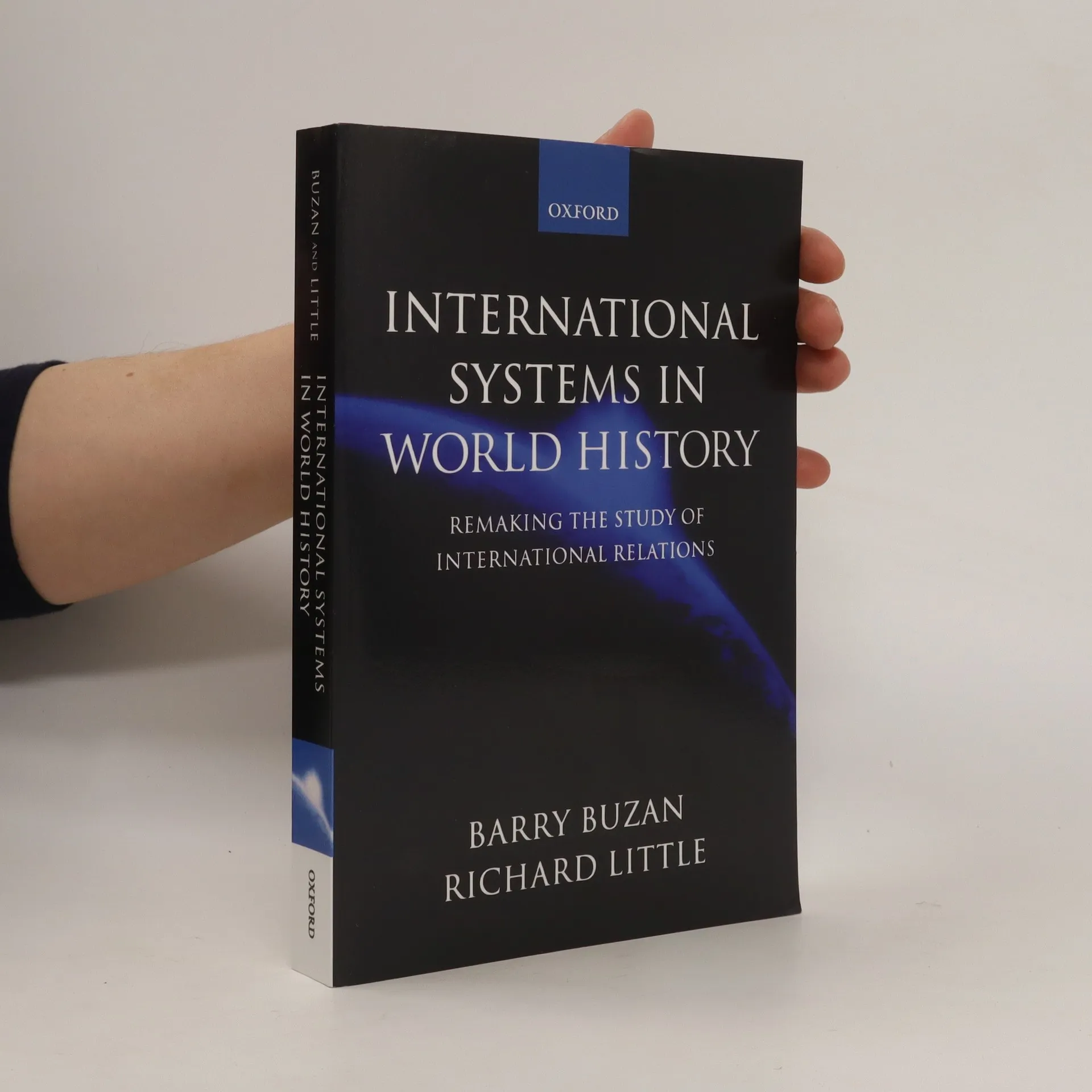

Barry Buzan proposes a new approach to making International Relations a truly global discipline that transcends both Eurocentrism and comparative civilisations. He narrates the story of humankind as a whole across three eras, using its material conditions and social structures to show how global society has evolved. Deploying the English School's idea of primary institutions and setting their story across three domains - interpolity, transnational and interhuman - this book conveys a living historical sense of the human story whilst avoiding the overabstraction of many social science grand theories. Buzan sharpens the familiar story of three main eras in human history with the novel idea that these eras are separated by turbulent periods of transition. This device enables a radical retelling of how modernity emerged from the late 18th century. He shows how the concept of 'global society' can build bridges connecting International Relations, Global Historical Sociology and Global/World History.

Barry Buzan Reihenfolge der Bücher


- 2023
- 2022
- 2021
Aimed at readers interested in constructing a less West-centric, more global discipline of International Relations, this book provides a concise, thorough introduction to the thought and practice of international relations from premodern India, China and the Islamic world, and how it relates to modern IR.
- 2020
Rethinking Sino-Japanese Alienation
- 400 Seiten
- 14 Lesestunden
Contemporary political and societal relations between China and Japan are poisoned by divergent historical memories. This book addresses this problem from novel outsider perspectives.
- 2019
The Making of Global International Relations
- 396 Seiten
- 14 Lesestunden
This book encourages international relations scholars to broaden their perspectives by integrating insights from the Global South with established Western theories. It emphasizes the importance of recognizing diverse viewpoints and experiences in the evolution of the field, fostering a more inclusive and comprehensive understanding of global dynamics.
- 2010
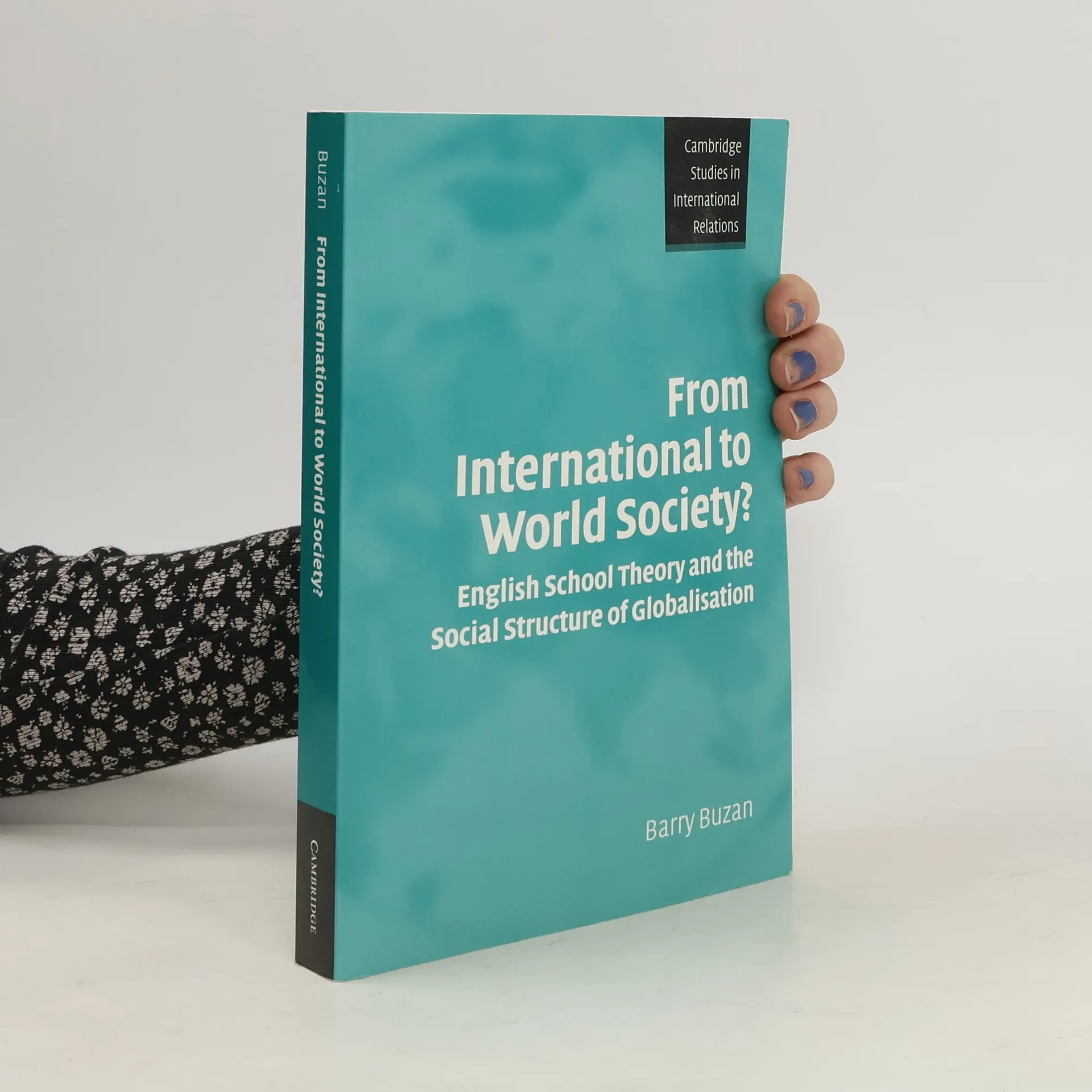
From International to World Society?
English School Theory and the Social Structure of Globalisation
- 320 Seiten
- 12 Lesestunden
The 2004 publication presents a critical examination and reworking of English school theory, proposing a novel theoretical framework. It delves into the complexities of international relations, challenging established ideas and introducing innovative concepts to enhance understanding of global interactions. The book aims to stimulate academic discourse and provide fresh perspectives on the dynamics of states and societies in the international arena.
- 2010
The potential of the human mind is absolutely phenomenal, and Tony Buzan is one of the world's leading experts on how people can maximize their brainpower. Now, in his most comprehensive book yet on the topic, Buzan reveals exciting new ways to improve one's memory, concentration, creativity, ability to learn, and more.
- 2008
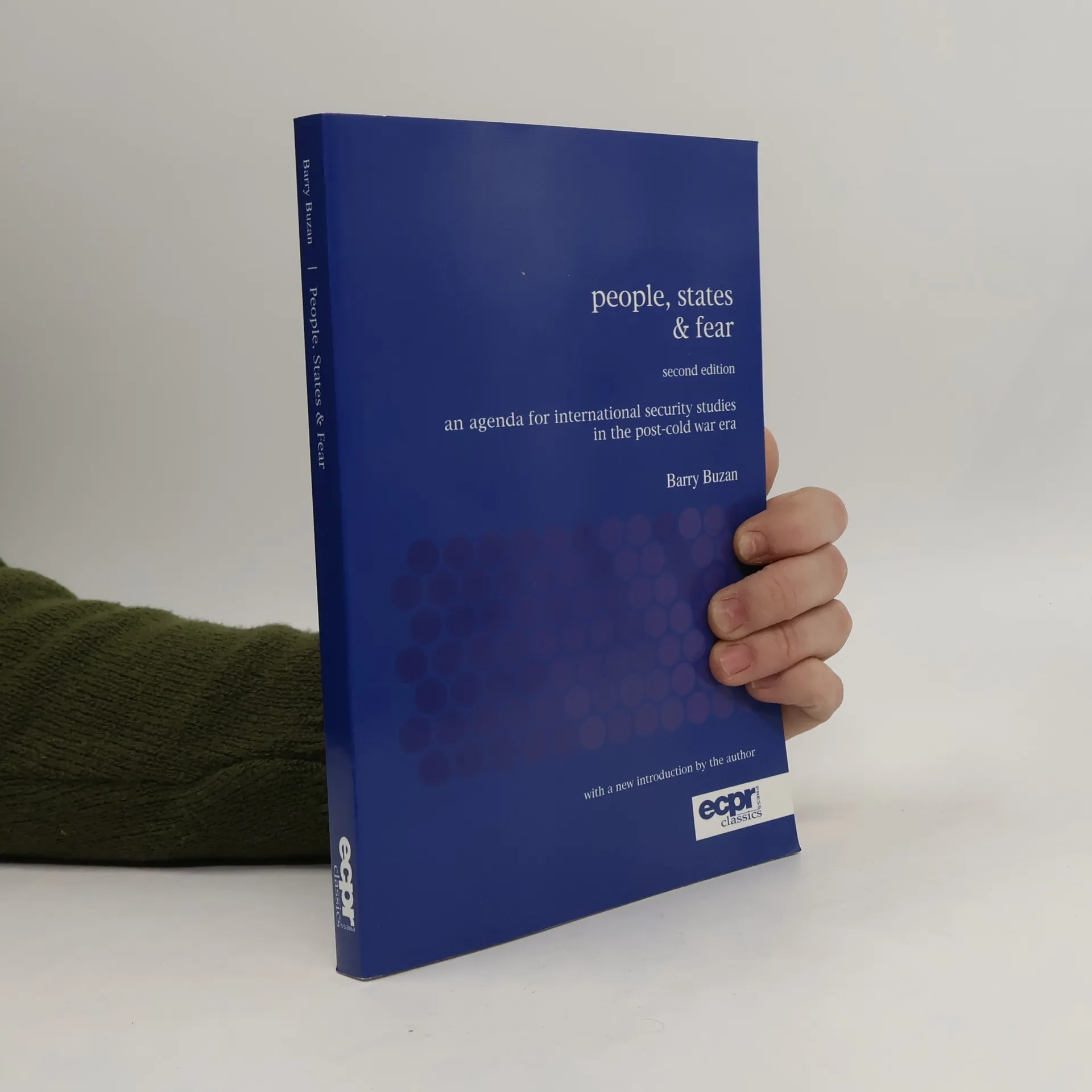
People, States and Fear. An Agenda for International Security Studies in the Post-cold War Era
- 311 Seiten
- 11 Lesestunden
The second edition of this widely acclaimed book takes as its main theme the question of how states and societies pursue freedom from threat in an environment in which competitive relations are inescapable across the political, economic, military, societal and environmental landscapes. Throughout, attention is placed on the interplay of threats and vulnerabilities, the policy consequences of overemphasizing one or the other, and the existence of contradictions within and between ideas about security. Barry Buzan argues that the concept of security is a versatile, penetrating and useful way to approach the study of international relations. Security provides an analytical framework which stands between the extremes of power and peace, incorporates most of their insights and adds more of its own.
- 2005
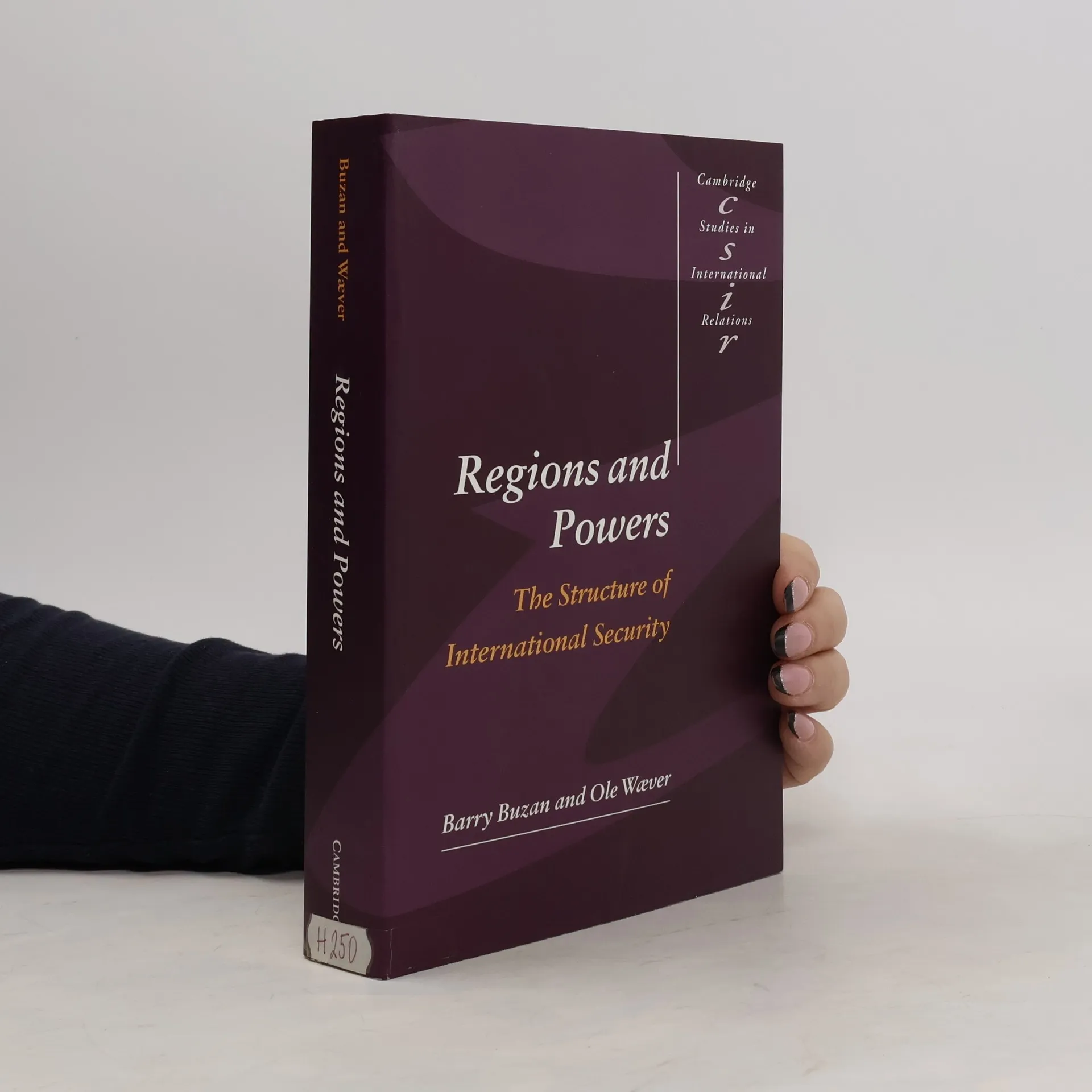
Publikace přibližuje principy tzv. rozšířené agendy bezpečnosti, jež zohledňuje vojensko-politické, ekonomické, společenské a environmentální aspekty. V bezpečnostních studiích dnes existují dvě myšlenkové školy: tradicionalisté, kteří chtějí omezit předmět studia na politicko-vojenské záležitosti, a progresivisté, již chtějí studium rozšířit do ekonomické, společenské a environmentální oblasti. Autoři tvrdí, že bezpečnost je specifický typ politiky aplikovatelný na širokou škálu problémů, a nabízejí konstruktivistickou pracovní metodu pro rozlišení procesu sekuritizace od procesu politizace. Zároveň ukazují, že i v dnešním světě zůstává relevantní teorie regionálních bezpečnostních komplexů.