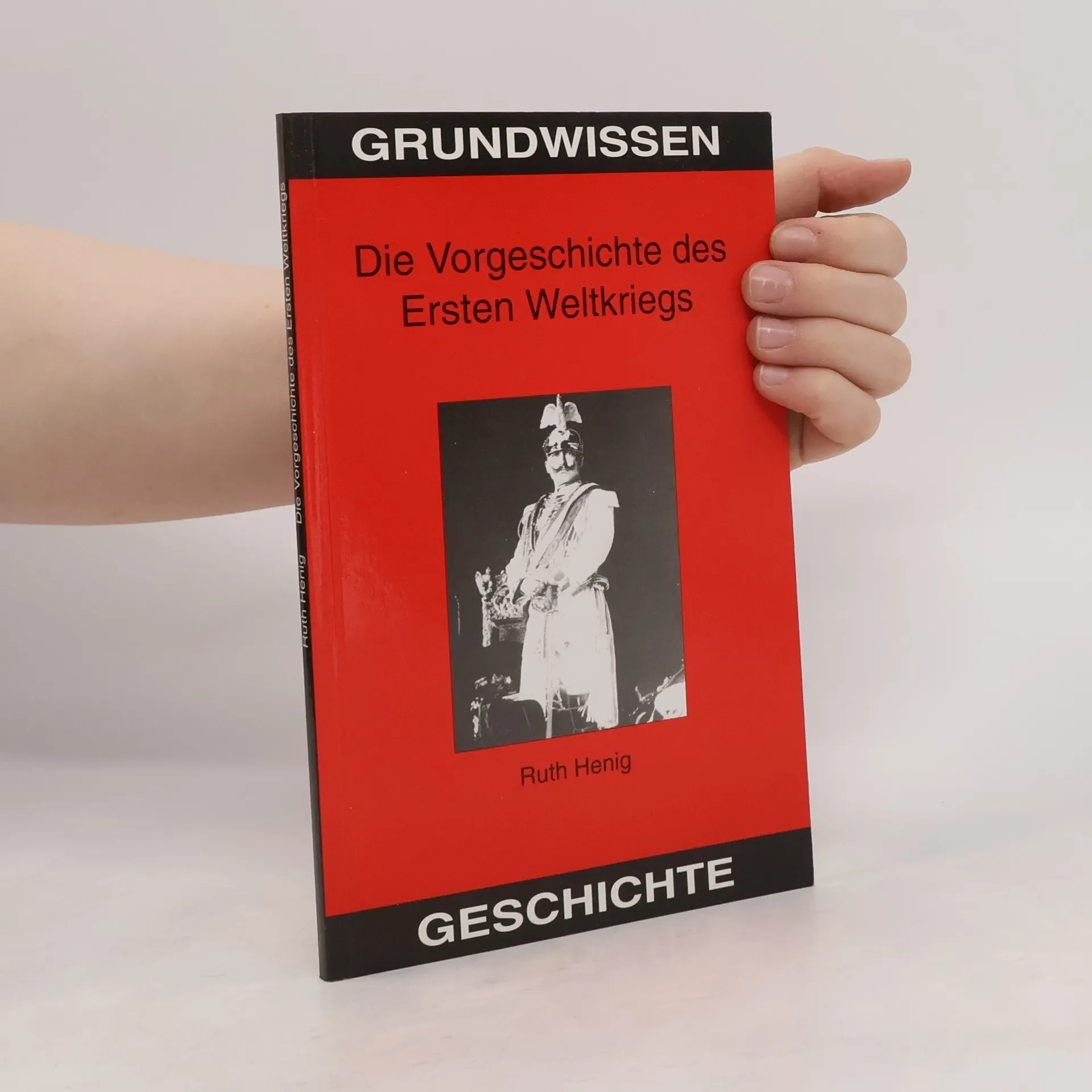
Die Vorgeschichte des Ersten Weltkriegs
- 65 Seiten
- 3 Lesestunden



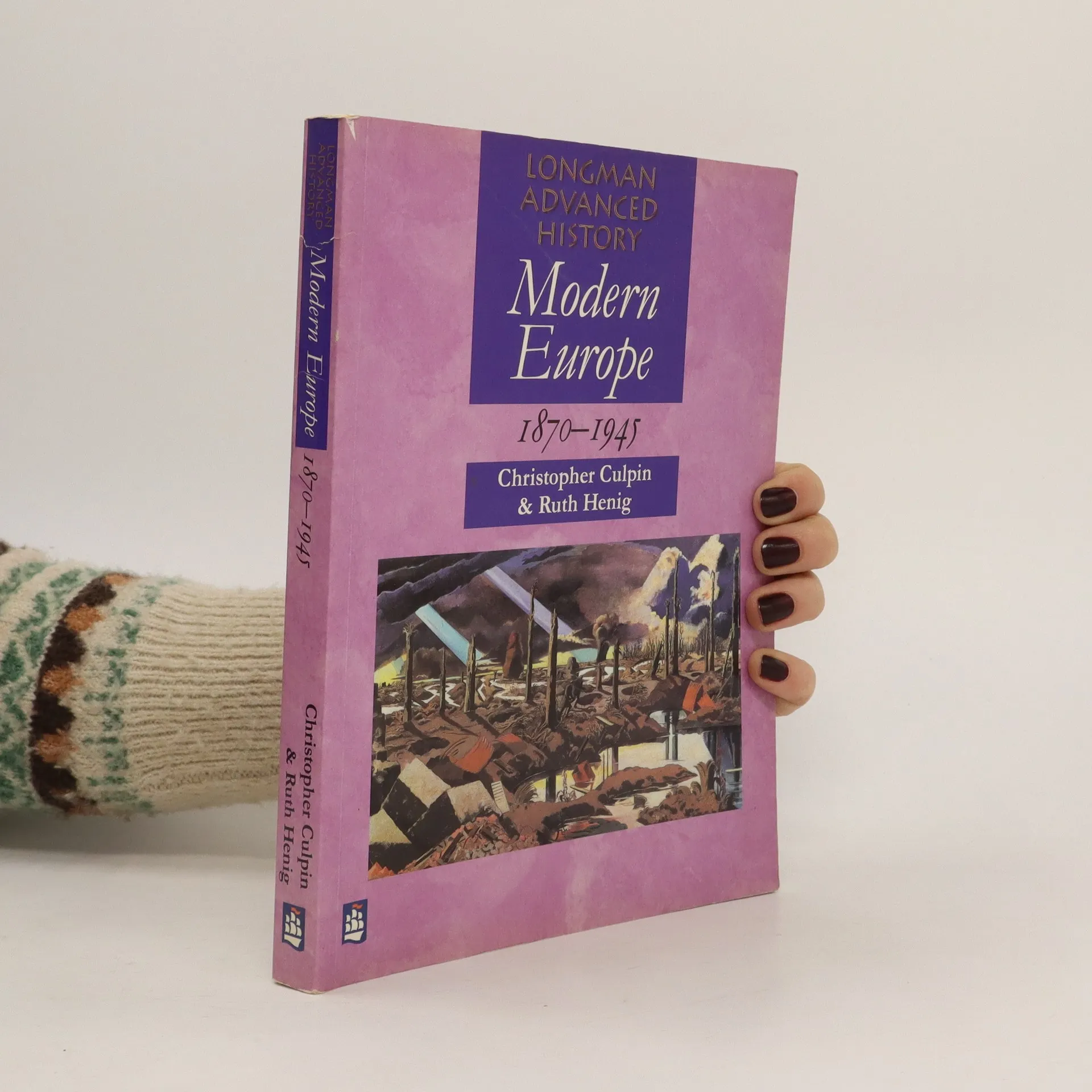
This series features sharp, accessible writing by expert authors and is designed to meet the requirements of the new history subject core, covering the full range of new syllabuses. The text is divided into concise units with clearly-identified historical skills providing a focus for each chapter. Key questions guide readers through authoritative content, extensive visual material deepens readers' understanding of the topics, and examples of tasks develop pupils' study skills and examination technique.
A study of Germany between the wars, examining the aims of the new republic, their failure, and how they led to Nazism, and eventually World War II. Henig includes an outline of the historiography and the changing attitudes to the Weimar Republic
Ninety years ago, the League of Nations convened for the first time hoping to create a safeguard against destructive, world-wide war by settling disputes through diplomacy. This book looks at how the League was conceptualized and explores the multifaceted body that emerged. This new form for diplomacy was used in ensuing years to counter territorial ambitions and restrict armaments, as well as to discuss human rights and refugee issues. The League’s failure to prevent World War II, however, would lead to its dissolution and the subsequent creation of the United Nations. As we face new forms of global crisis, this timely book asks if the UN’s fate could be ascertained by reading the history of its predecessor.