Tourism and gastronomy
- 256 Seiten
- 9 Lesestunden
This book draws together a group of international experts in order to develop a better understanding of the role, development and future of gastronomy and culinary heritage in tourism.



This book draws together a group of international experts in order to develop a better understanding of the role, development and future of gastronomy and culinary heritage in tourism.
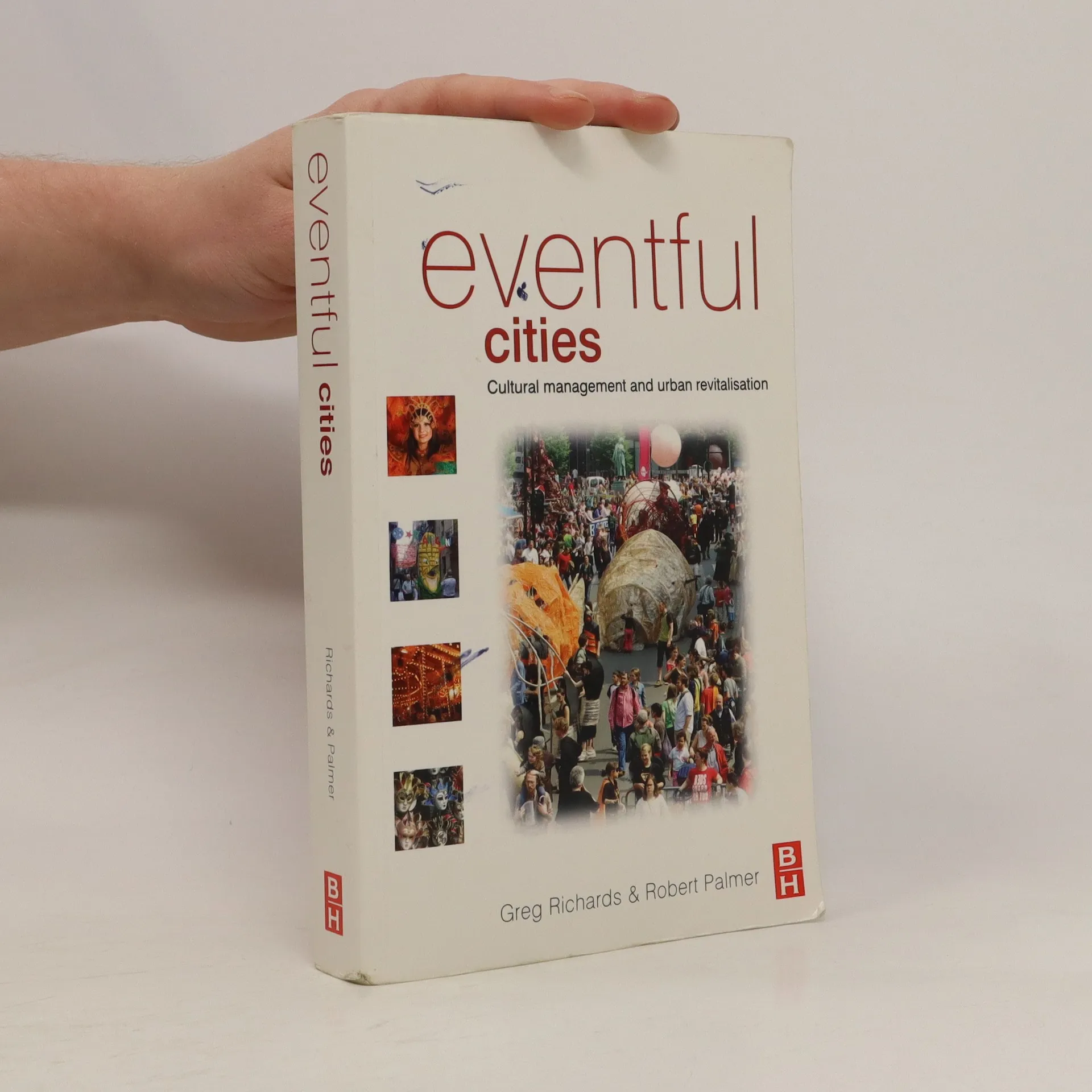
Processes of globalization, economic restructuring and urban redevelopment have placed events at the centre of strategies for change in cities. Events offer the potential to achieve economic, social, cultural and environmental outcomes within broader urban development strategies. This Eventful Cities evaluates theoretical perspectives and links theory and practice through case studies of cities and events across the world. Critical success factors are identified which can help to guide cities and regions to develop event strategies. This book is essential reading for any undergraduate or graduate student and all practitioners and policy-makers involved in event management, cultural management, arts administration, urban studies, cultural studies and tourism.
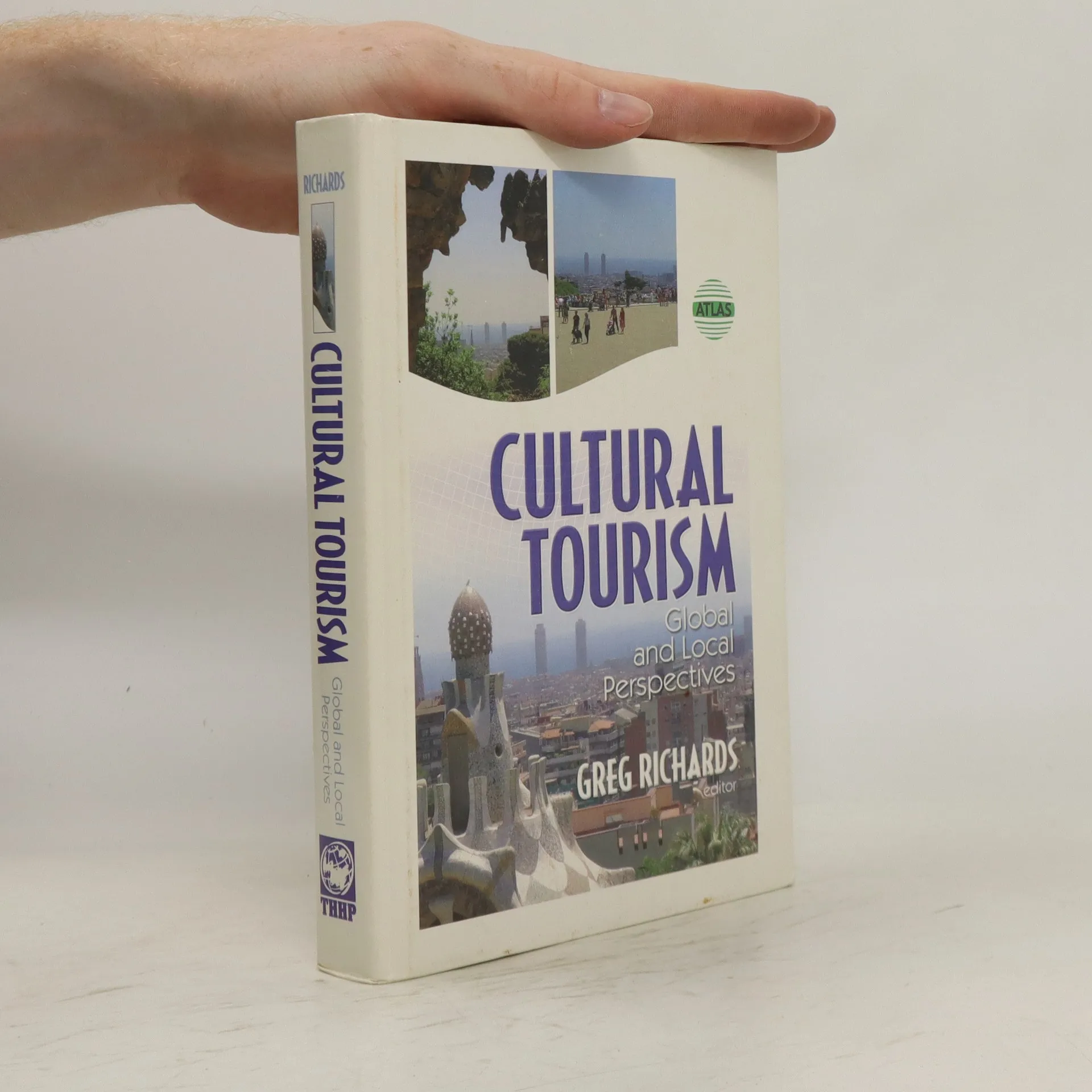
For many nations around the world, cultural tourism is not only a major industry but also a support for national identity and a means for preserving heritage. Cultural Tourism: Global and Local Perspectives brings together in one volume interdisciplinary explorations of cultural tourism from leading international authorities in different locations around the world. Experts from the Cultural Tourism Research Group of the Association for Tourism and Leisure Education (ATLAS) discuss major issues that have emerged from the ATLAS research program over the past decade. Students and practitioners can examine important global and local issues such as authenticity, 'placelessness', the changing relationships between local communities and tourists, the changing meaning of religious heritage, festivals, and special events. This book presents a unique view of global and local cultural tourism issues in four main sections. The first part is a collection of discussions on the tensions caused by globalization, with an emphasis on the issue of authenticity. The second part focuses on cultural tourism demand, with examinations on the motivations and behavior of cultural tourists in various destinations. The third section spotlights the relationship between tourists, residents, and local culture. The final part examines ways cultural events can develop tourism