

Matthi Forrer Reihenfolge der Bücher (Chronologisch)


Hiroshige
- 288 Seiten
- 11 Lesestunden
This lavishly produced authoritative monograph presents an in-depth view of the life and work of Utagawa Hiroshige, one of Japan’s most revered artists. Presented in a style as stunning as the prints it celebrates, this survey of Hiroshige tells the fascinating story of the last great practitioner of ukiyo-e, or "pictures of the floating world." Hiroshige is considered to be the tradition’s most poetic artist and his work had a marked influence on Western painting towards the end of the 19th century. Vincent van Gogh, Claude Monet, Paul Cézanne, and James Whistler were inspired by Hiroshige’s serene depictions of the natural world. Arranged chronologically, this book illustrates through text and magnificent reproductions Hiroshige’s youth and early career; his artistic development in the genre of landscape prints; his depictions of Edo and the provinces; the flower and bird prints; and his many popular books and paintings. It discusses the historic and cultural environment in which Hiroshige flourished and the many reasons his art continues to be revered and imitated. Filled with 300 color reproductions, and featuring a clamshell box and Japanese-style binding, this volume is destined to become the definitive examination of Hiroshige’s oeuvre.
Book by Forrer, Matthi
Hokusai
- 18 Seiten
- 1 Lesestunde
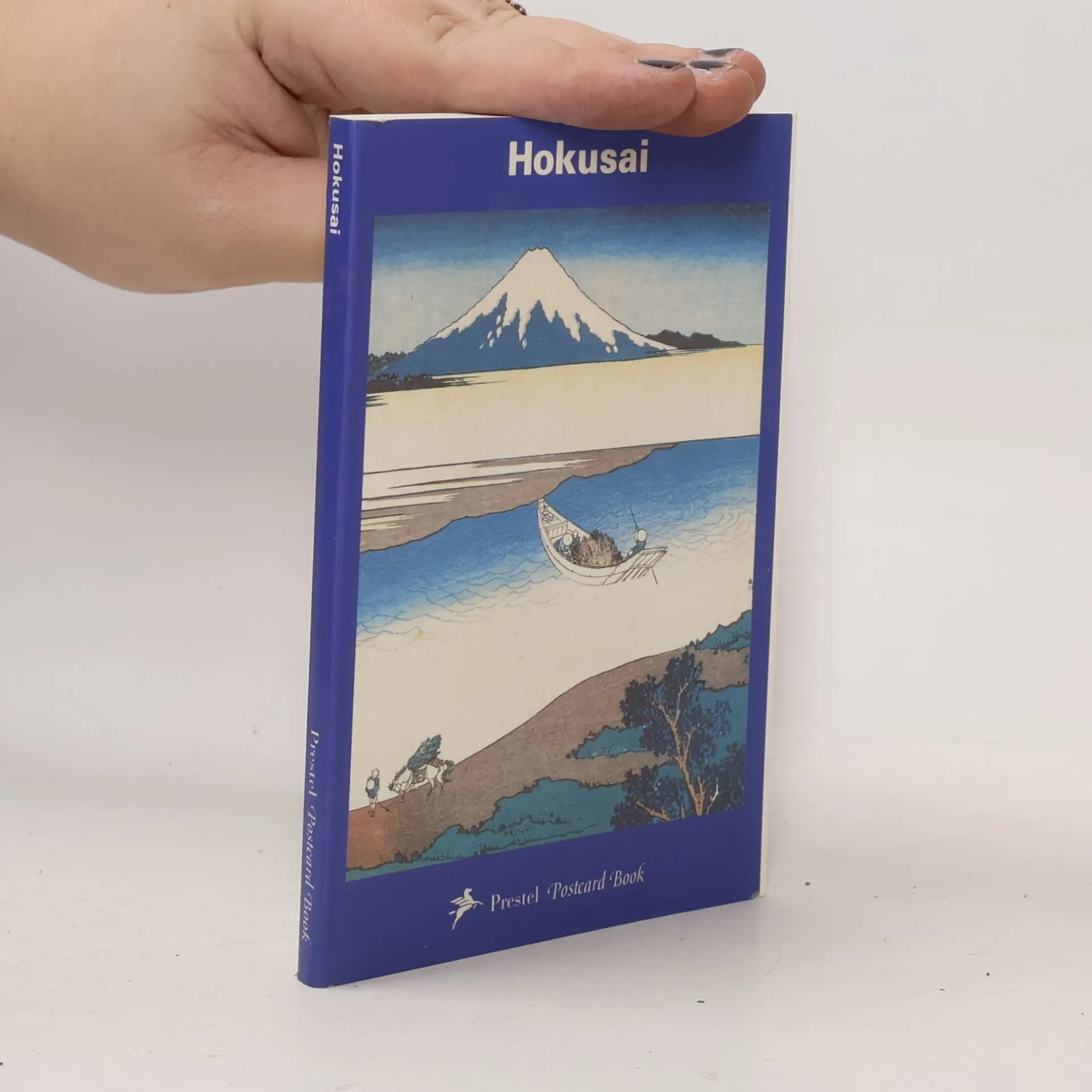
Meisterhafte Holzschnittkunst Katsushika Hokusai (1760-1849) gilt als der bedeutendste Vertreter der japanischen Holzschnittkunst in der Ukiyoe-Tradition. Neben seinen weltberühmten Holzschnitten, wie etwa den 36 Ansichten des Berges Fuji, die als Ikonen der Kunstgeschichte gelten, schuf er auch Gemälde, schrieb und illustrierte Romane und prägte den bis heute populären Begriff des Manga. Seine farbenprächtigen Motive haben die westliche Kunst stark beeinflusst; insbesondere im Impressionismus und Japonismus finden sich zahlreiche Anleihen an Hokusais Werk. Diese ebenso extravagant wie ästhetisch gestaltete Monografie würdigt den Künstler in allen Facetten und präsentiert gleichzeitig den neuesten Forschungsstand.
Hokusai and his School
Paintings, Drawings and Illustrated Books, arranged by the Society for Japanese Arts and Crafts
- 164 Seiten
- 6 Lesestunden