Boyé Lafayette De Mente Bücher
Boyé Lafayette De Mente ist ein Autor, dessen umfangreiches Werk aus einem tiefen Verständnis der japanischen, chinesischen, koreanischen und mexikanischen Kulturen schöpft. Seit Mitte des 20. Jahrhunderts als Journalist und Autor in diesen Regionen tätig, beleuchtet er deren Geschäftspraktiken und sozialen Feinheiten. De Mente war ein Pionier bei der Einführung wichtiger japanischer Geschäftskonzepte in die westliche Welt und bereicherte unser Verständnis der japanischen Geschäftsethik und -abläufe. Seine vielfältigen Schriften umfassen Sprachlerninhalte, kulturelle Denkweisen und zwischenmenschliche Dynamiken und bieten den Lesern eine einzigartige Perspektive auf diese faszinierenden Gesellschaften.

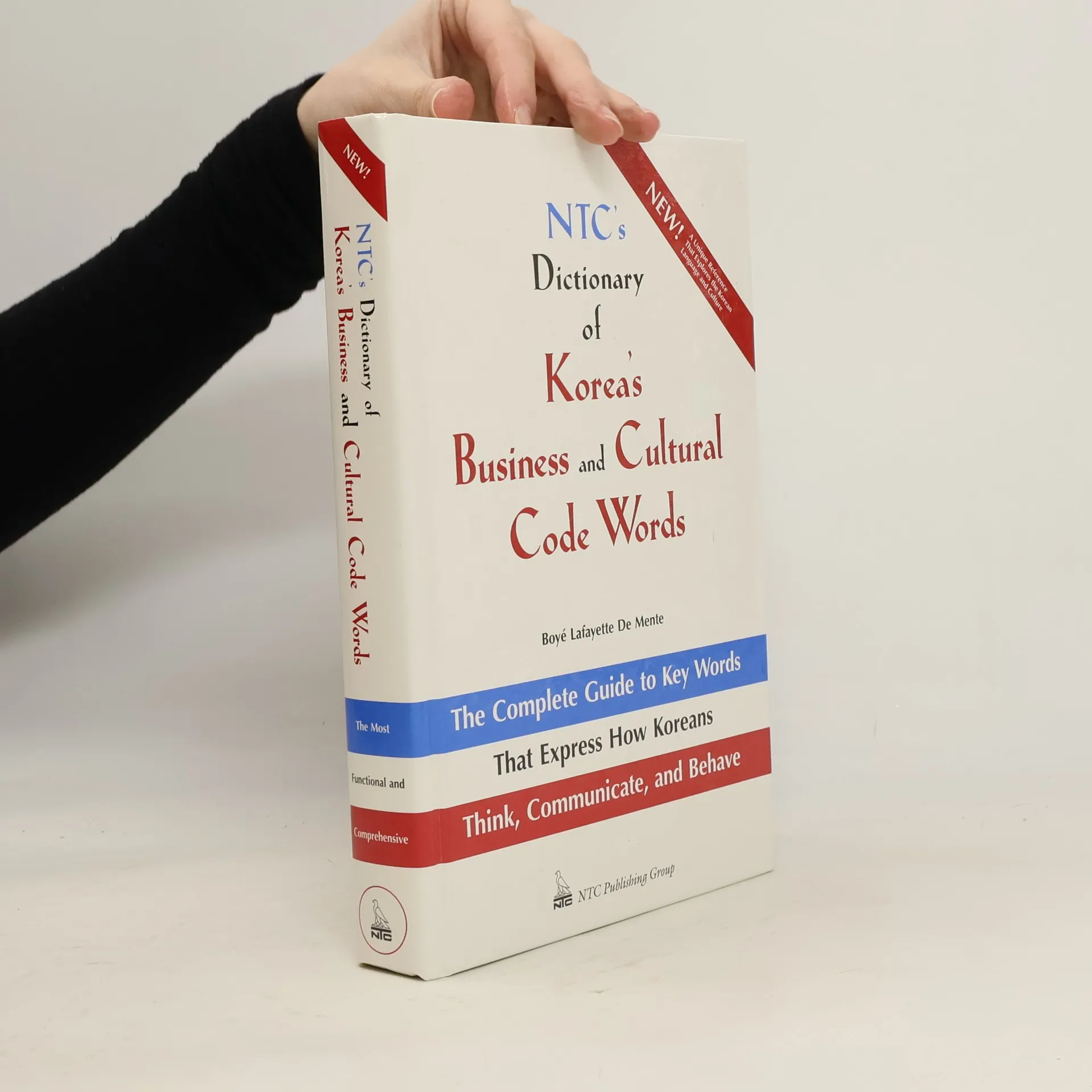
NTC's Dictionary of Korea's Business and Cultural Code Words
- 462 Seiten
- 17 Lesestunden
In NTC's Dictionary of Korea's Business and Cultural Code Words, Boye Lafayette De Mente explores the meanings and cultural context of the most important "code words" of the Korean language, terms whose significance goes well beyond their literal definitions. The reader is given insights into the character and personality of the Korean people, providing bridges for communicating and interacting with them. NTC's Dictionary of Korea's Business and Cultural Code Words features an exploration of more than 230 essential Korean expressions, specific guidelines on how to use and respond to the essential expressions, and a guide to the key cultural themes, linking related code words throughout the book. Businesspeople, students, vacationers, and others who want to know more about the Koreans will find this an invaluable resource.
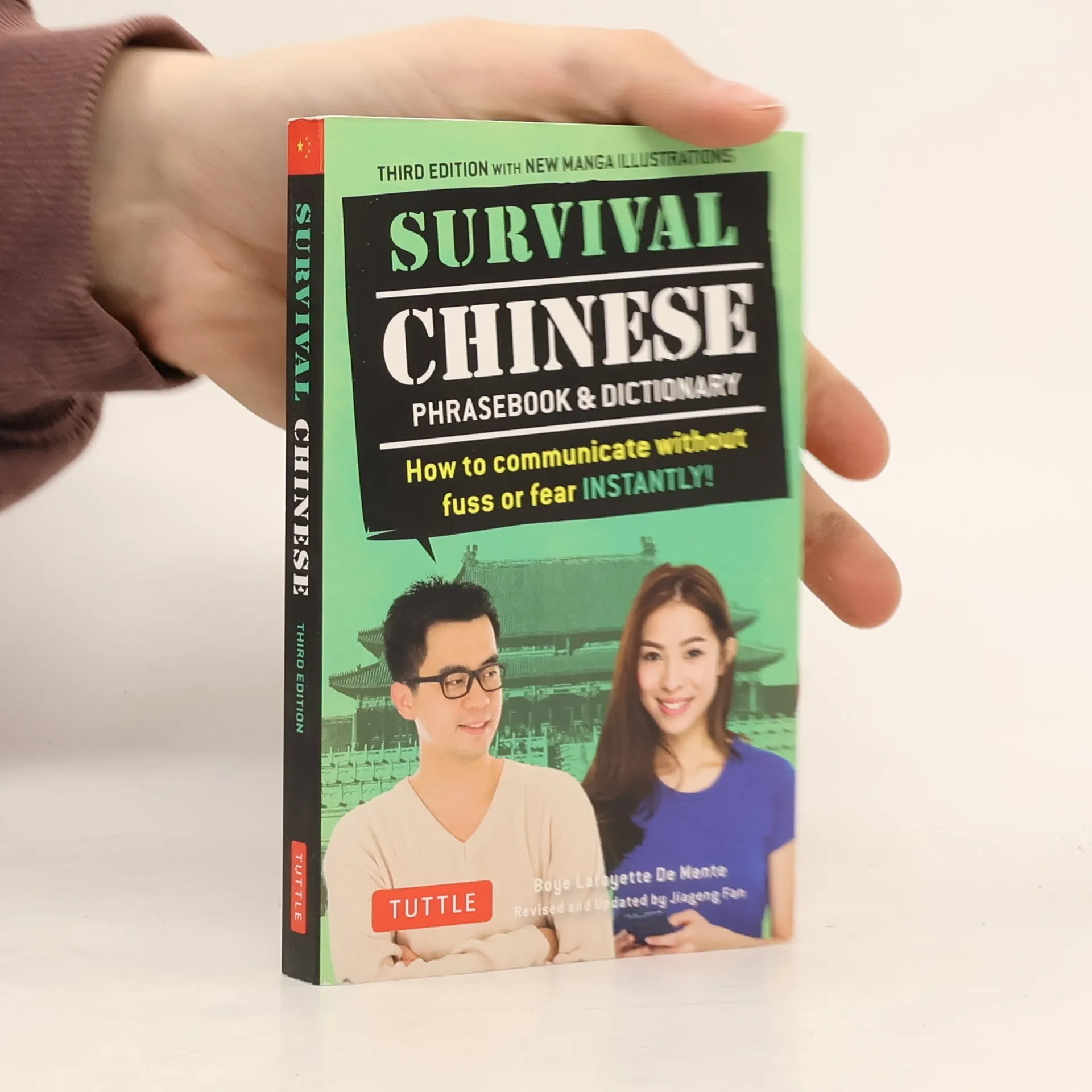
Survival Chinese Phrasebook & Dictionary - Third Edition with New Manga Illustrations
- 192 Seiten
- 7 Lesestunden
"This book contains all the necessary words and phrases for speaking Mandarin Chinese in any kind of setting. Perfect for students, tourists, or business people learning Mandarin or traveling to China or Taiwan, it also contains a beginner guide to the Mandarin language, allowing for a deeper understanding of Chinese than a typical Mandarin phrasebook or Chinese dictionary. The book is broken into four basic sections: Common Chinese Expressions and Key Words, Essential Chinese Communication Tools, Chinese Travel Vocabulary, and making your own sentences. All Chinese words and phrases are written in Romanized form (pinyin) as well phonetically, making pronouncing Chinese a breeze. For example, the word for "reservation", yuding is also written as yuu-deeng. Authentic Chinese characters are also included so that in the case of difficulties the book can be shown to the person the user is trying to communicate with."--Publisher's description
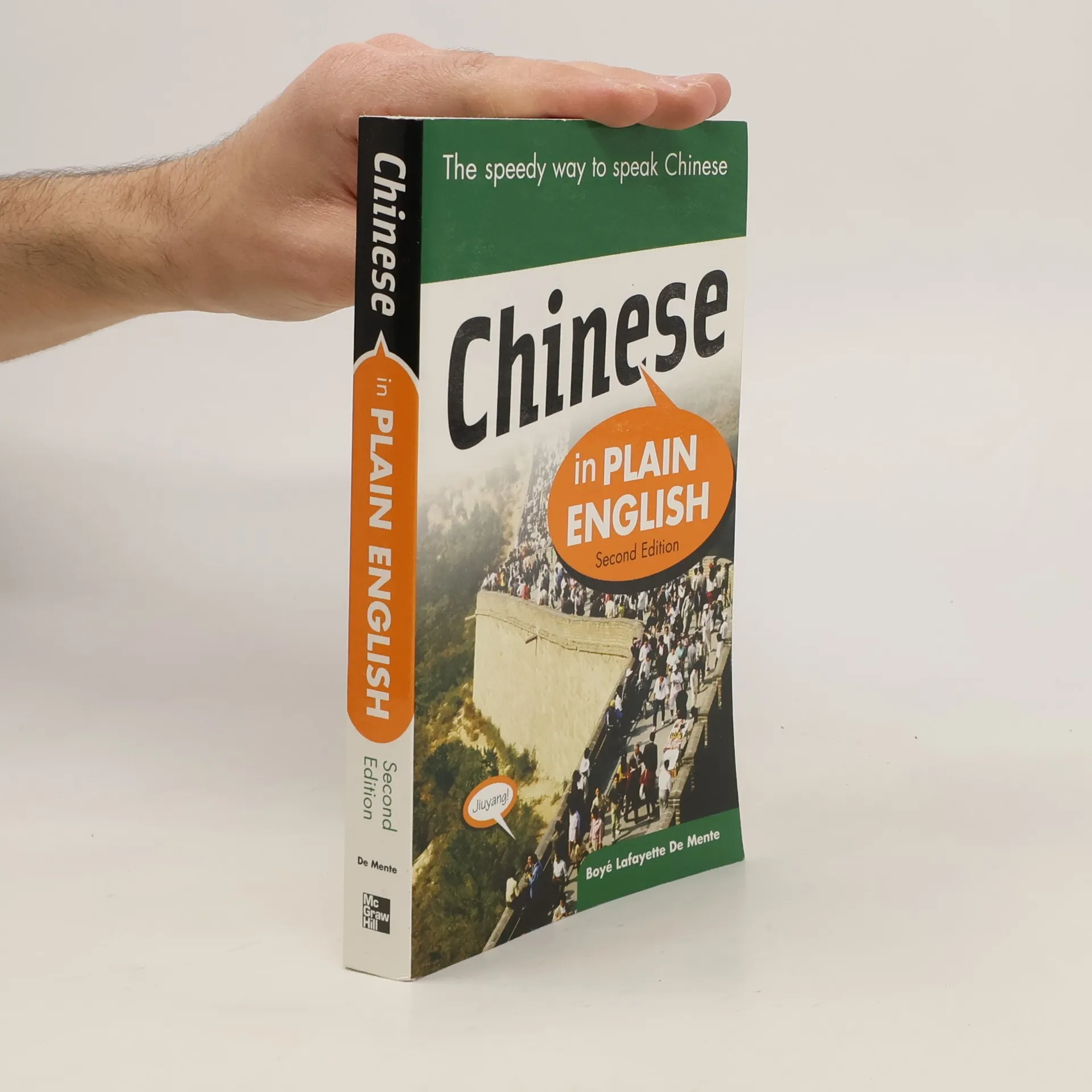
Chinese in Plain English
- 352 Seiten
- 13 Lesestunden
Next time someone asks if you know how to speak Chinese, you can say Wo zhidao (Waw jr-dow).* With Chinese in Plain English , you can speak Chinese in no time! Its easy-to-use pronunciation system and straightforward presentation of the basics of the language--with plenty of useful sentences--help you break the language barrier quickly and confidently. How? All the words and phrases in this book are written in Roman script--in plain English--in a form you can use immediately and in the right context. Instantly you'll know the basics of Chinese, from polite pleasantries to the latest technological jargon. Start on the right foot and speak Chinese with ease: Good morning! Zaoshang hao! (Zow-shahng how) Thank you! Xiexie! (She-eh-she-eh) Please call the doctor. Qing jiao yiwei yisheng. (Cheeng jee-ow ee-way ee-shuung) Another round, please. Qing zai lai yi-ge. (Cheeng zigh lie ee-guh) Is Beijing hot during the summertime? Beijing-de xiatian re ma? (Bay-jeeng-duh shee-ah-tee-in run mah) I will be here for about two weeks. Wo meiyou yao baoguan-de dongxi. (Waw may-yoe yow bow-gwahn-duh doong-she) *I know!
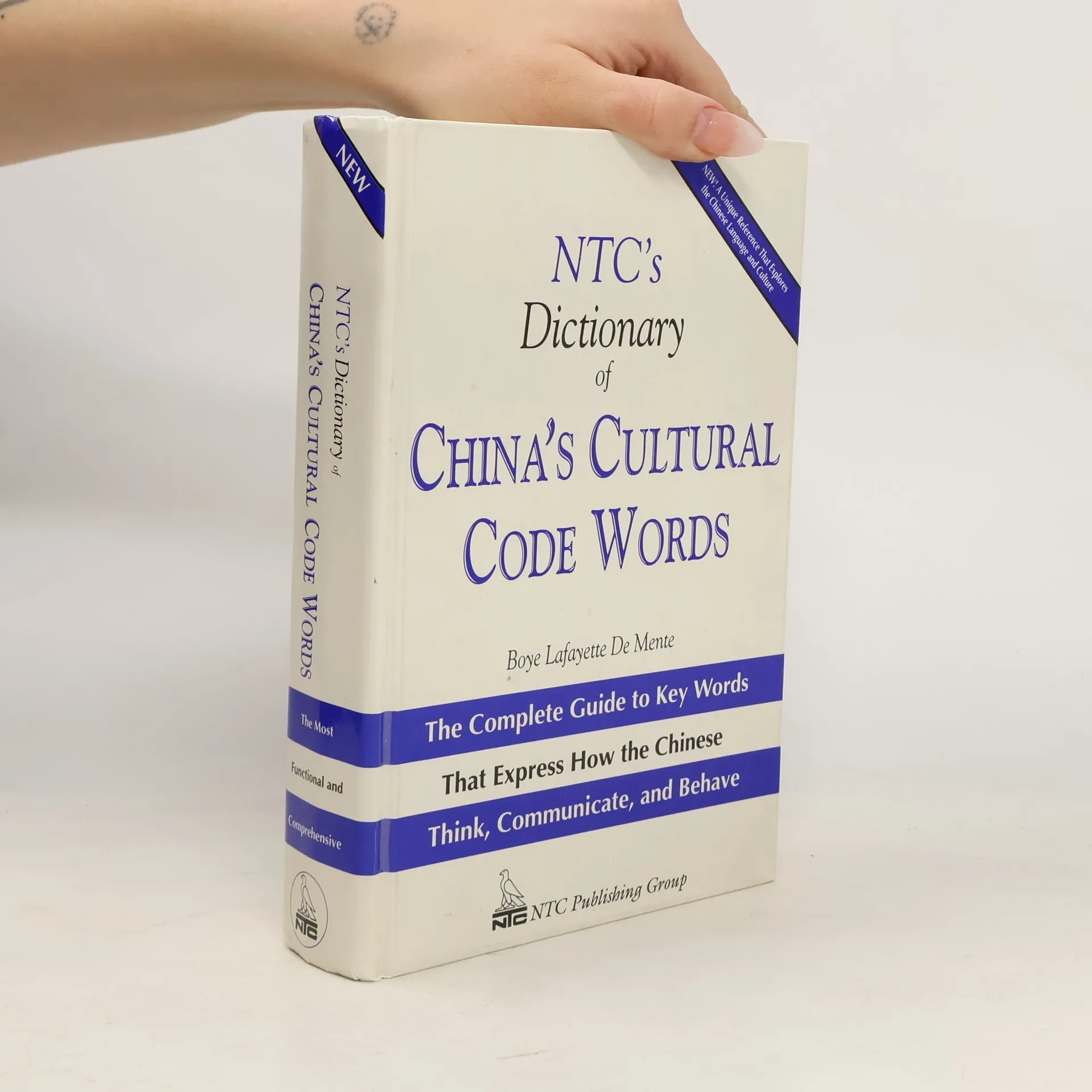
National Textbook Language Dictionaries: NTC's Dictionary of China's Cultural Code Words
- 506 Seiten
- 18 Lesestunden
Book by De Mente, Boye
Bachelor's Japan
- 174 Seiten
- 7 Lesestunden
Etiquette Guide to Japan
- 120 Seiten
- 5 Lesestunden
Etiquette Guide to Japan offers an inside look at the social norms of the Japanese-when to bow, how to propose a toast, when to pay the bill, the careful art of gift-giving, how to deal with public transportation, dating, weddings, funerals, and last, but not least, how to say good-bye at the end of your stay. If you want to save yourself from possible embarrassment during your stay in Japan, you will find the Etiquette Guide to Japan to be a much-needed companion.
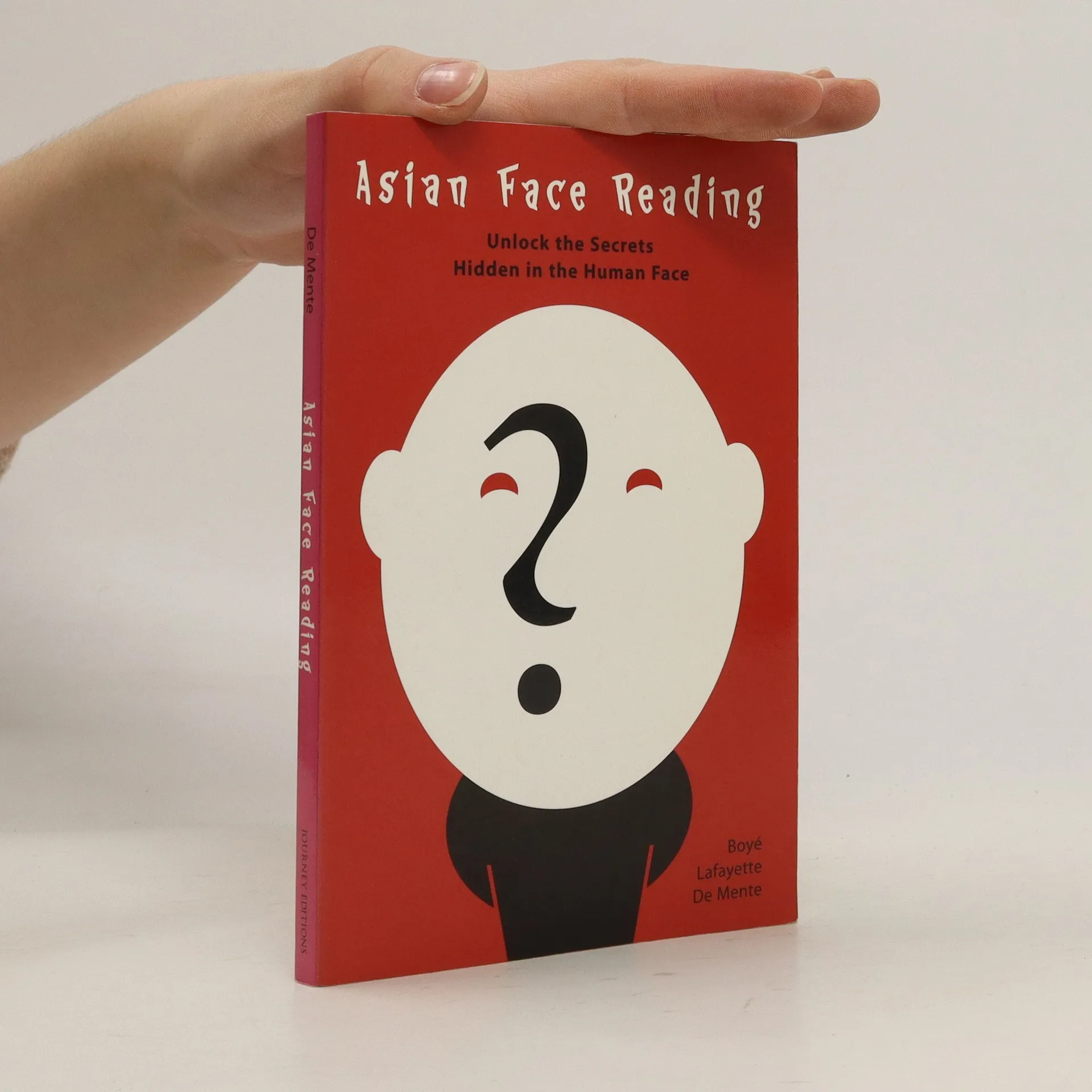
Asian Face Reading
- 128 Seiten
- 5 Lesestunden
Imagine how much you could learn if you knew how to evaluate a person's character, health, fortune, social status, sexual charisma, and life expectancy from a careful reading of his or her face.Face reading, a practice as old as man, is a universal art that we all use every daywith varying degrees of skill. We all know and respond to facial expressions that indicate fear, anger, merriment, and other moods, and we know from experience that facial characteristics, such as unusually large eyes or big noses, have an important influence on our lives. In China and Japan, face reading is a respectable analytical tool used to make business decisions, arrange marriages, and evaluate partnerships and friendships.Asian Face Reading offers a quick, practical, easy-to-understand and easy-to-apply introduction to the basic principles of face reading. The book is fully illustrated with dozens of examples readers can use to learn this increasingly popular practiceand to analyze their friends, colleagues, and loved ones.
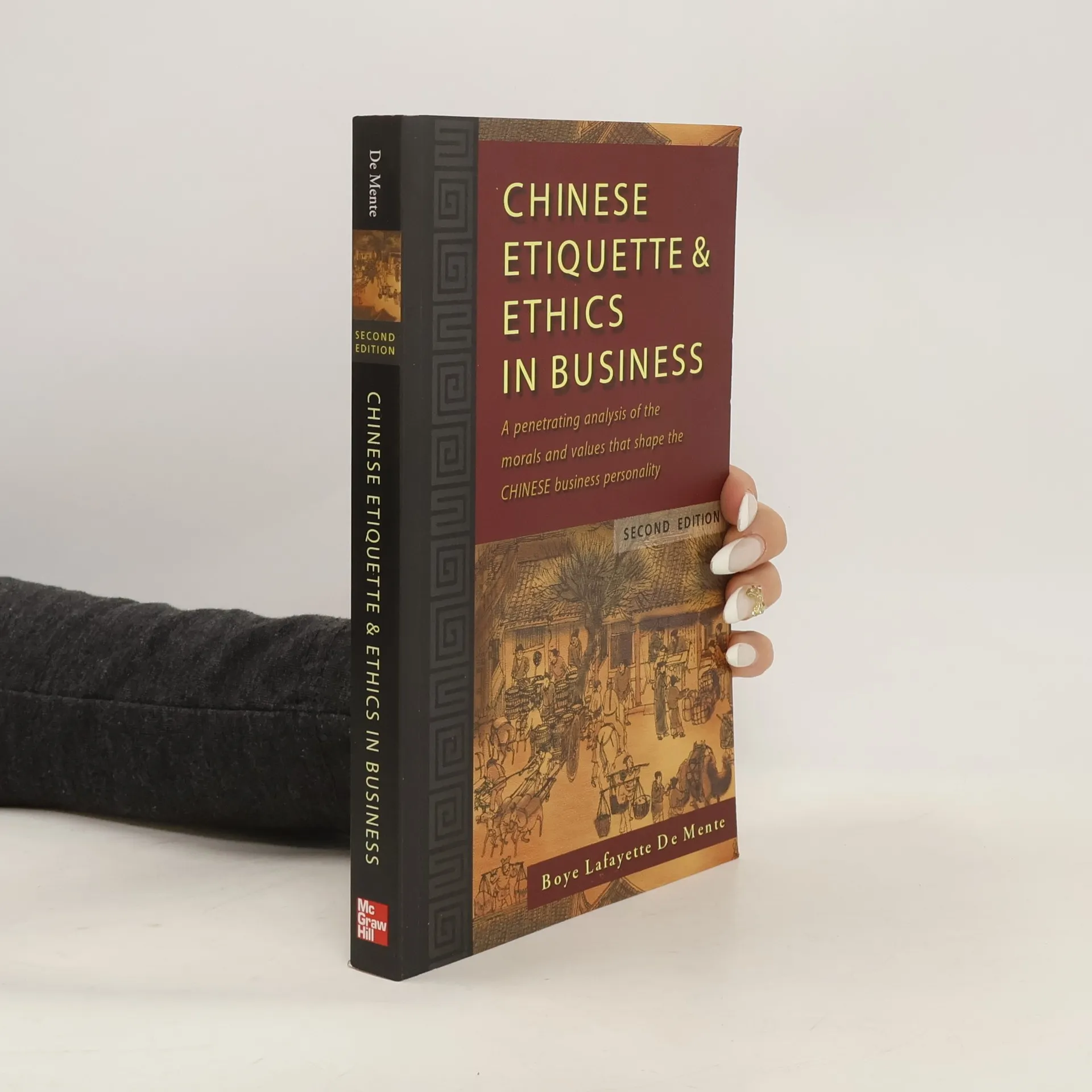
Chinese Etiquette & Ethics in Business
- 230 Seiten
- 9 Lesestunden
In this new edition of Chinese Etiquette & Ethics in Business, Boye Lafayette De Mente, who has lived and worked in the Far East for over thirty years, reveals the historic factors, collective traits, and individual qualities that determine how the Chinese do business today and the direction their economies will take in the future His is an insider's view, whether he is discussing the overhaul of laws controlling business development or the importance of good social relationships to successful business relationships. If you are a businessperson who'd like to do business with the Chinese successfully--Chinese Etiquette & Ethics in Business should be at the top of your "must read" list.
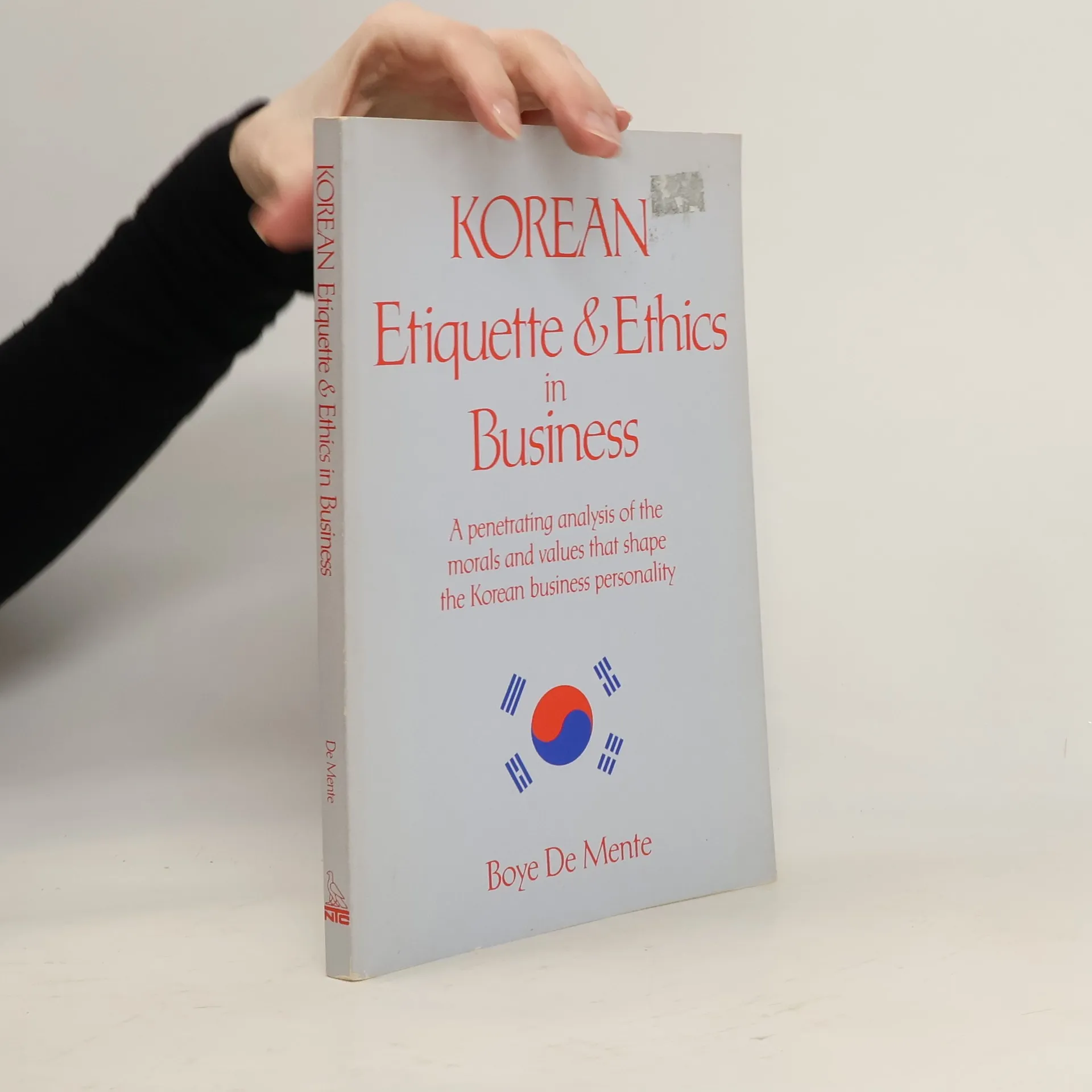
Boye Lafayette De Mente has been writing about the Far East for more than three decades. In this second edition of Korean Etiquette & Ethics in Business, he examines the Korean national character, its strong sense of tradition, and the intricate networks of personal connections that are essential to South (and North) Korea's economic growth. If you are considering entering the Korean marketplace or working with Korean's, this book will show you what really makes them tick--and how to do business the Korean way.
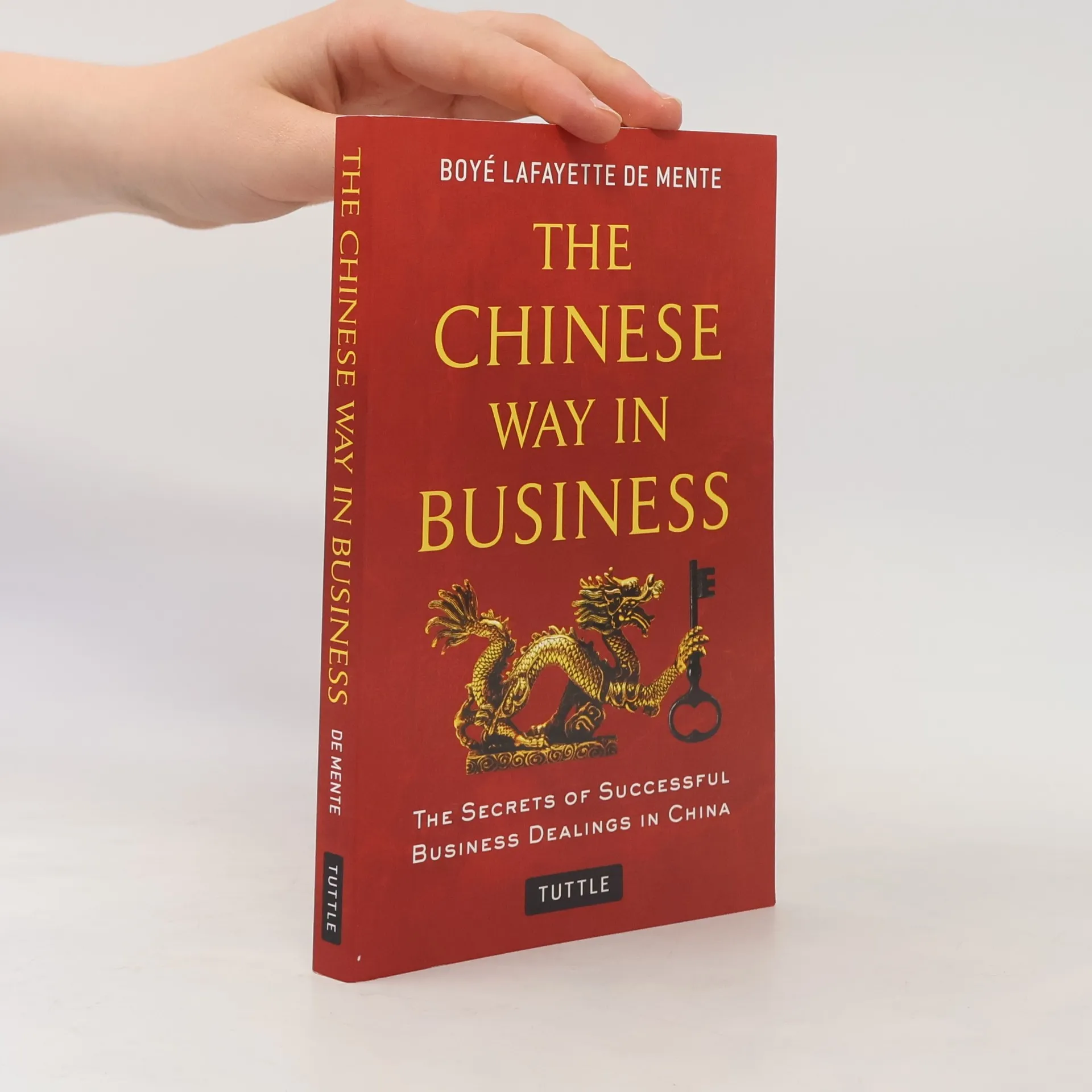
"Western technology, management expertise and capital have fueled an incredible expansion of China's economy. Trade with China is at an all-time high, and so are the numbers of Westerners traveling to China for business. Business from China has also picked up as Chinese firms look to expand abroad. Understanding the ins and outs of the confusing and often contradictory Chinese business culture can lend an enormous advantage. The Chinese Way in Business is an invaluable tool that teaches Westerners the basic Chinese philosophy of doing business and how to cultivate strong personal relationships with Chinese business people and Chinese nationals." -- Amazon website
Instant Chinese
- 192 Seiten
- 7 Lesestunden
It's amazing how 100 key words and phrases provide instant communication!Do you want to speak simple Mandarin Chinese but are too busy to study it? Are you visiting China for a short time and want a Mandarin phrase book to help you communicate in the Chinese language? If so, this Mandarin phrasebook is for you. It's tiny 0.4 x 4.1 x 5.9 inches size makes it incredibly convenient to travel with but without losing the most essential content for communication.The idea of Instant Chinese is simple—learn 100 words and phrases and say 1,000 things. The trick is knowing which 100 words to learn, but the author Boye Lafayette De Mente has solved the problem, choosing only those words you'll hear again and again. Even with a vocabulary this small, you'll be surprised how quickly and fluently you too can communicate in Mandarin Chinese. Words are repeated in different combinations, building familiarity without effort. All phrases are given in both simplified Chinese characters and standard Hanoi Pinyin romanization. A brief guide to pronunciation allows the user to say the phrases correctly. An English–Chinese glossary makes looking up a word or phrase simple and quick. Here's a sample of what you'll be able to do with this chinese
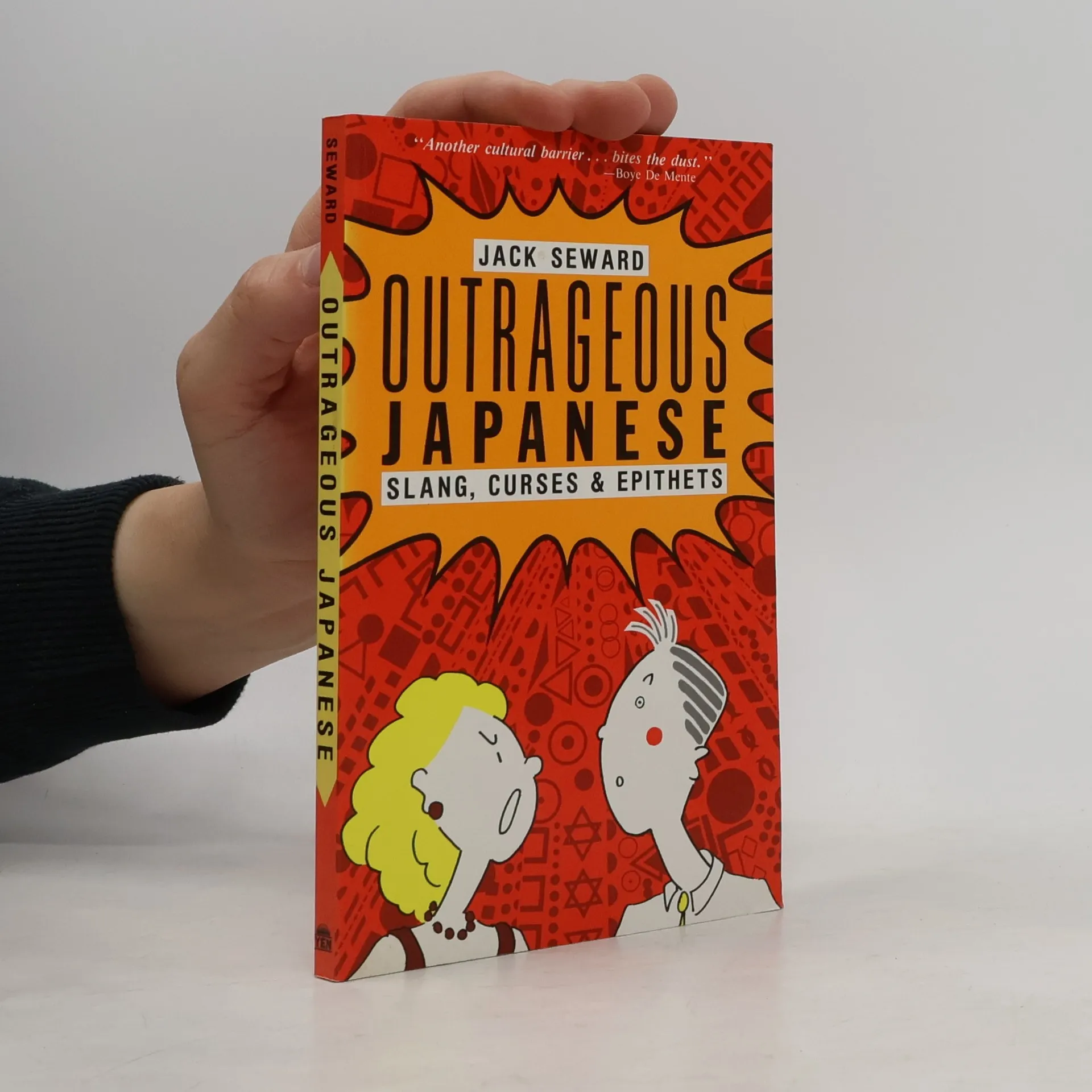
Fun and instructive, this book is perfect for those looking to taste the flavor of informal Japanese, and those who want to shock or surprise a Japanese friend or enemy with a pithy phrase.
Japan's Cultural Code Words
- 352 Seiten
- 13 Lesestunden
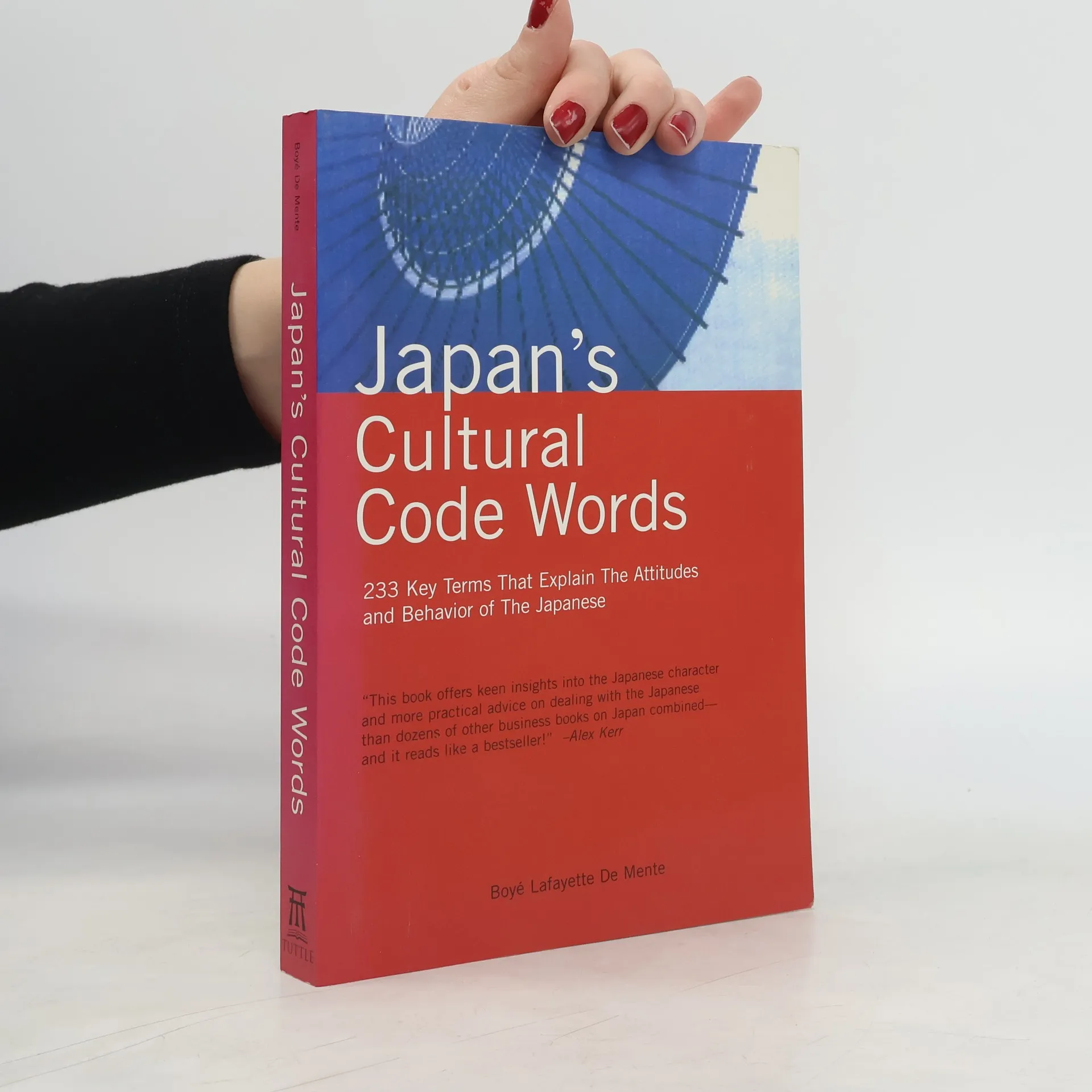
Japan's Cultural Code Words is a study of Japanese society through the understanding of the key terms and concepts that define their attitudes and behaviors. Japan's traditional culture is still so powerful that it continues to be the prevailing force in molding and tuning the national character of the Japanese, with the result that they still have two faces—one modern and rational, the other traditional and emotional. The best and fastest way to an understanding of the traditional and emotional side of Japanese attitudes and behavior is through their "business and cultural code words"—key terms that reveal, in depth, their psychology and philosophy. In 234 essays, arranged alphabetically from "Ageashi / Tripping on Your Own Tongue" to "Zenrei / Breaking the Molds of the Past". Long-term expatriate and internationally renowned expert on Japan, Boye Lafayette De Mente offers personal insights into the extremes of Japanese behavior and into the dynamics of one of the world's most fascinating societies.
Japan: A Guide to Traditions, Customs and Etiquette
- 224 Seiten
- 8 Lesestunden
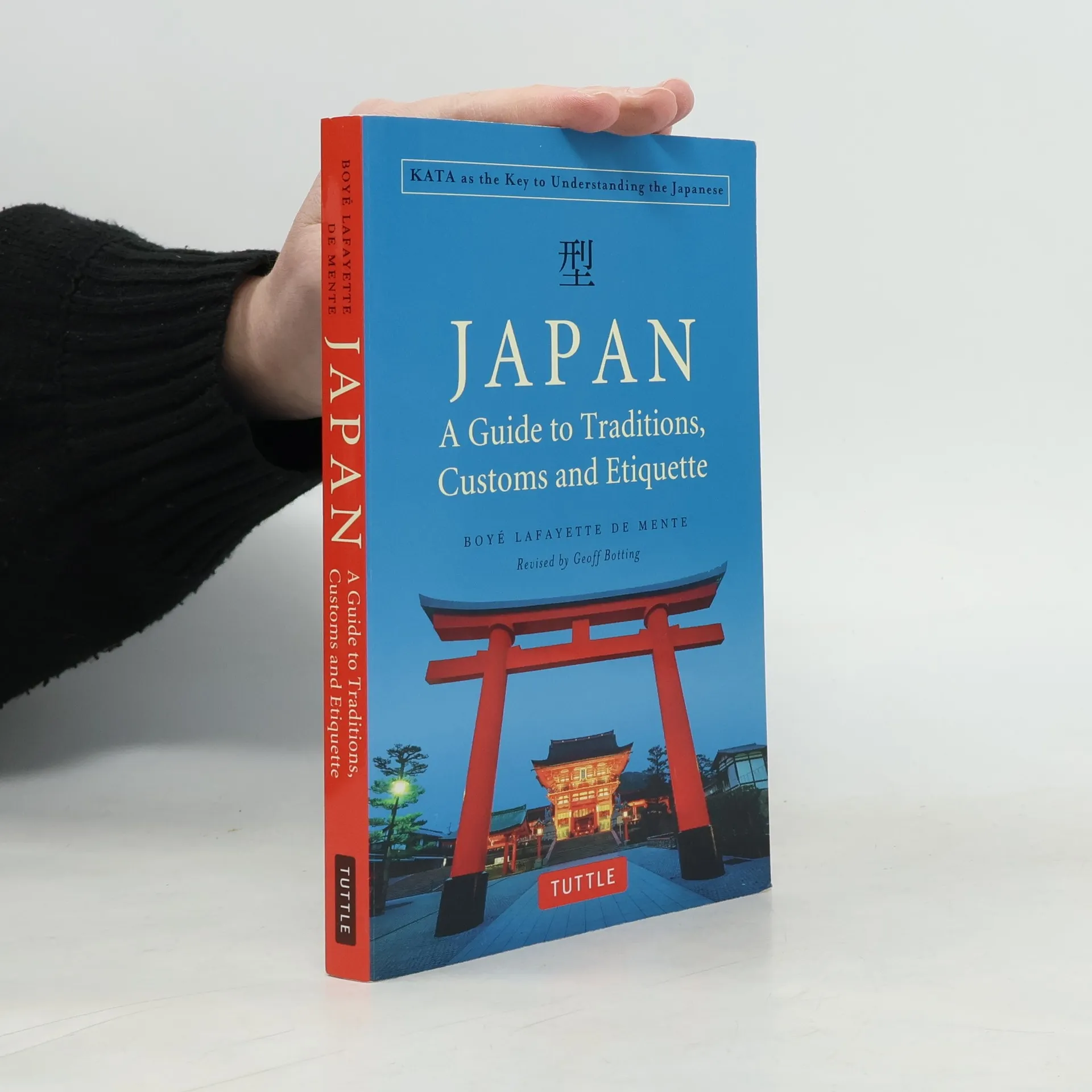
In Japan: A Guide to Traditions, Customs and Etiquette veteran Japanologist Boye Lafayette De Mente unlocks the mysteries of Kata the cultural forms that shape and define Japanese attitudes, behavior and character.
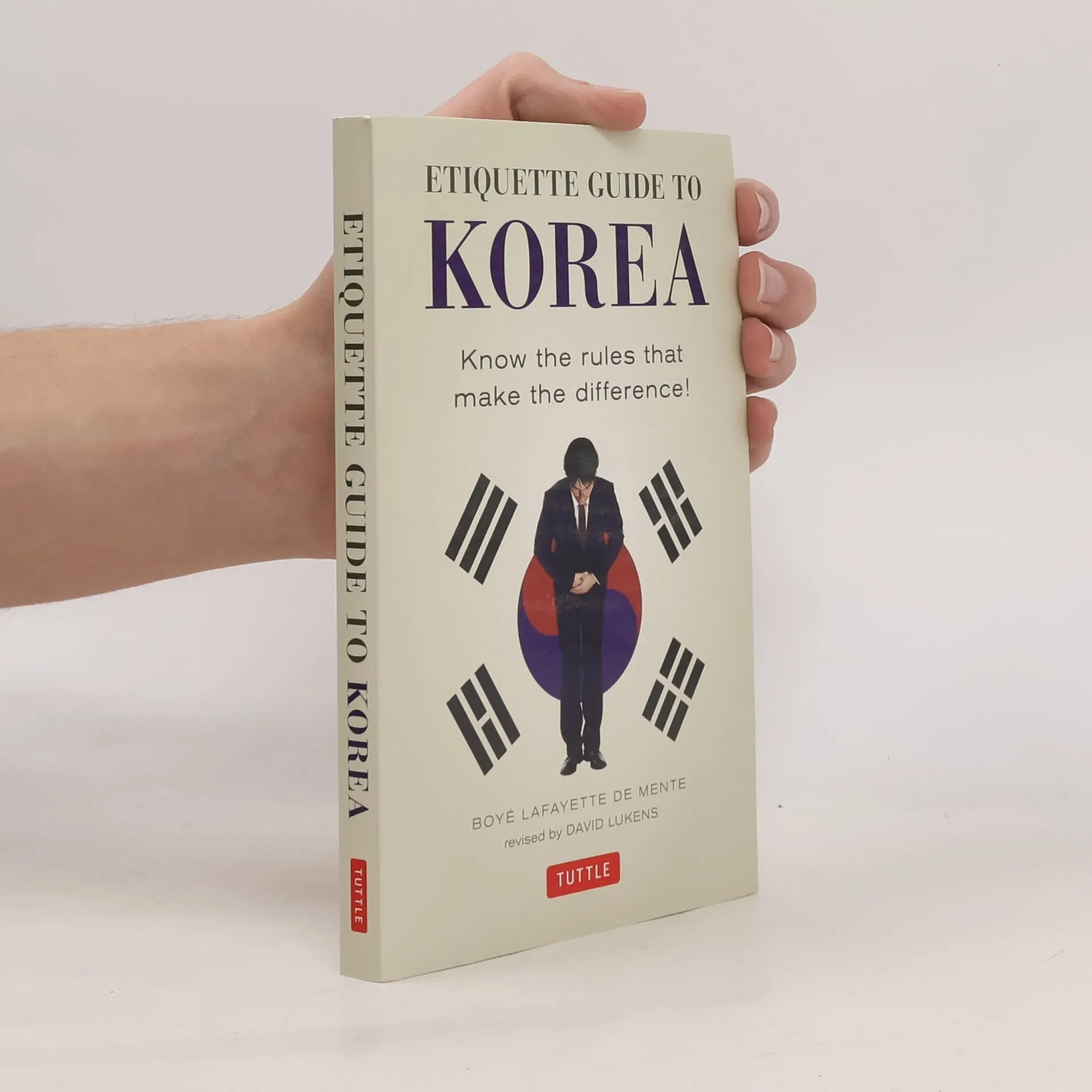
Farewell to faux pas! South Korea is one of the greatest economic success stories of the past 60 years, and more and more Westerners are traveling to this bustling, modern country for business and pleasure. But no matter why you visit, an understanding of Korea's etiquette and culture is essential to an enjoyable and successful trip. With Etiquette Guide to Korea, you'll never need to worry about making an embarrassing mistake—this authoritative guide covers everything the courteous traveler needs to know, including the importance of names and how to use them, shaking hands versus bowing, table manners for celebrations and everyday meals, and how to negotiate in Korea. Also included are invaluable lists of Korean vocabulary and helpful phrases, making this book the most important item you can pack for your trip or extended stay in Korea.
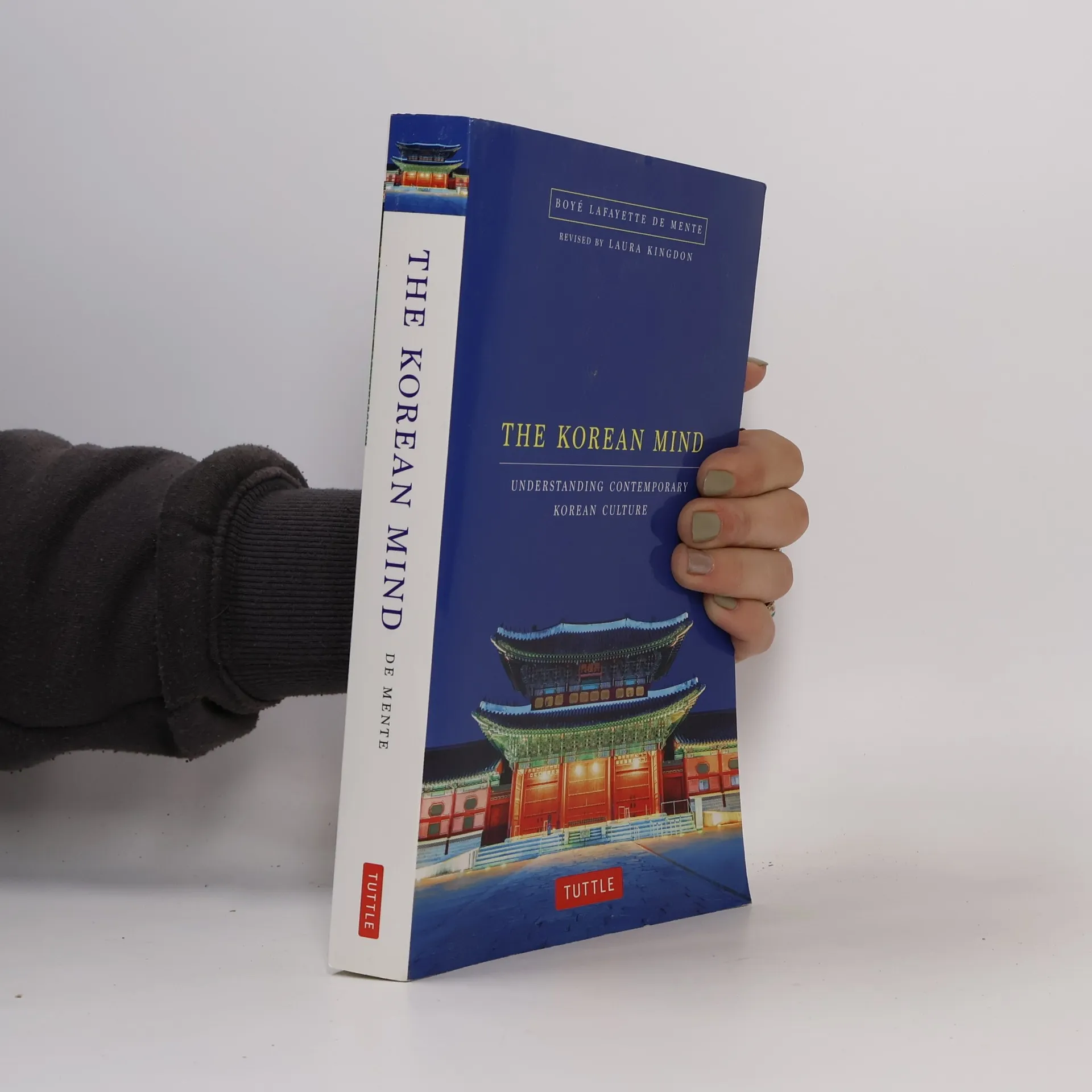
Korean Mind
- 384 Seiten
- 14 Lesestunden
Understanding a people and their culture through code words and language.
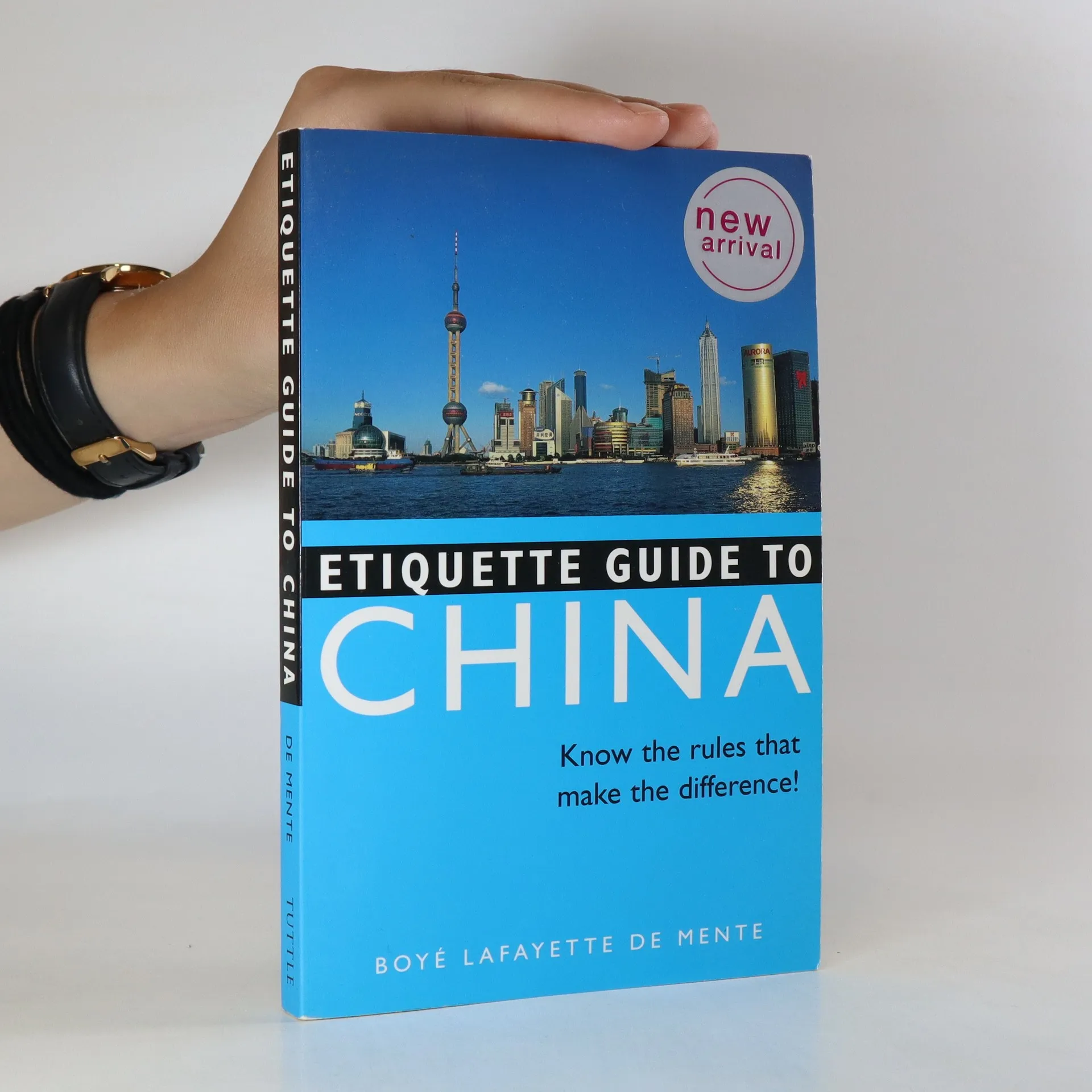
Say farewell to faux pas! Understanding Chinese culture enhances your travel experience, whether for business or pleasure. This essential guide is invaluable for businessmen, tourists, or students visiting China. It covers key interactions, including manners and etiquette, addressing people, body language, and appropriate behavior in various settings like social outings, boardrooms, or weddings. Filled with practical advice, this guide is a must-read for anyone traveling to China or engaging in business there. The author, Boye Lafayette De Mente, brings over thirty years of experience as a journalist and business consultant in Asia, providing an authoritative perspective on East Asian business and Chinese culture. He explores historical factors, collective traits, and individual qualities that shape Chinese interactions and business practices. The book is organized into several parts: The Middle Kingdom, which discusses the origins and influences on Chinese etiquette; Minding Your Manners in China, covering personal etiquette and celebrations; Business in China, focusing on the Chinese approach to business; and Negotiating in China, detailing negotiation strategies and expectations. An extensive appendix offers titles and useful Mandarin expressions, making this guide comprehensive and practical for navigating Chinese culture.
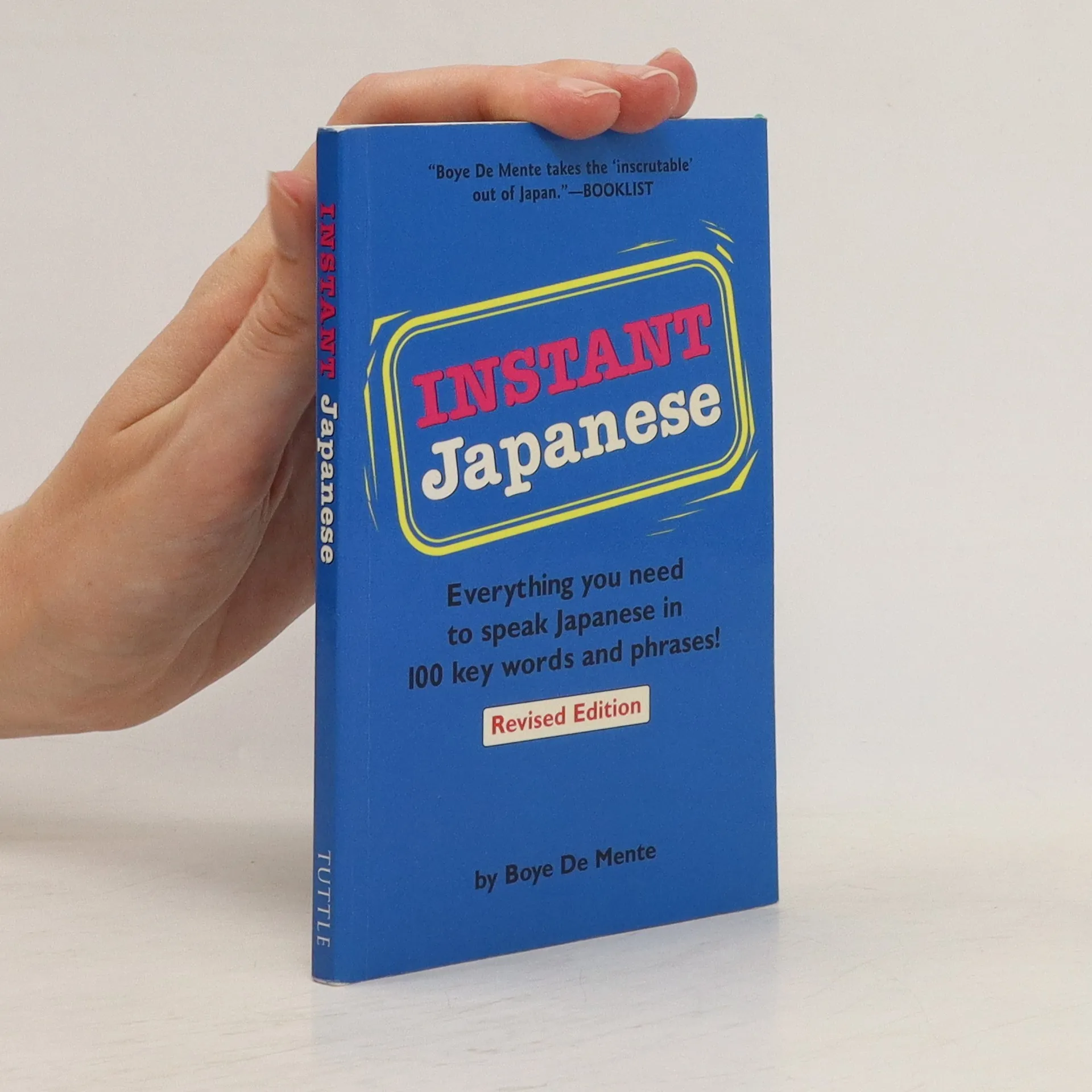
Instant Japanese
- 96 Seiten
- 4 Lesestunden
It's amazing how 100 key words and phrases provide instant communication!Do you want to speak simple Japanese but are too busy to study it? Are you visiting Japan for a short time and want an Japanese phrase book to help you communicate? If so, than this thoroughly revised second edition of Boye Lafayette De Mente's classic, bestselling phrase book is for you. It's tiny 0.4 x 4.1 x 5.9 inches size makes it incredibly convenient to travel with but without losing the most essential content for communication. The idea of Instant Japanese is simple—learn 100 words and phrases and say 1,000 things. The trick is knowing which 100 words to learn, but the author, De Mente has solved the problem, choosing only those words you'll hear again and again. Even with a vocabulary this small, you'll be surprised how quickly and fluently you too can communicate in the Japanese language. Words are repeated in different combinations, building familiarity without effort. A brief guide to pronunciation allows the user to say the phrases correctly. Here's a sample of what you'll be able to do with this Japanese phrasebook:Meet people.Go shopping.Ask directions.Ride the subway.Order food and drinks.And much more.
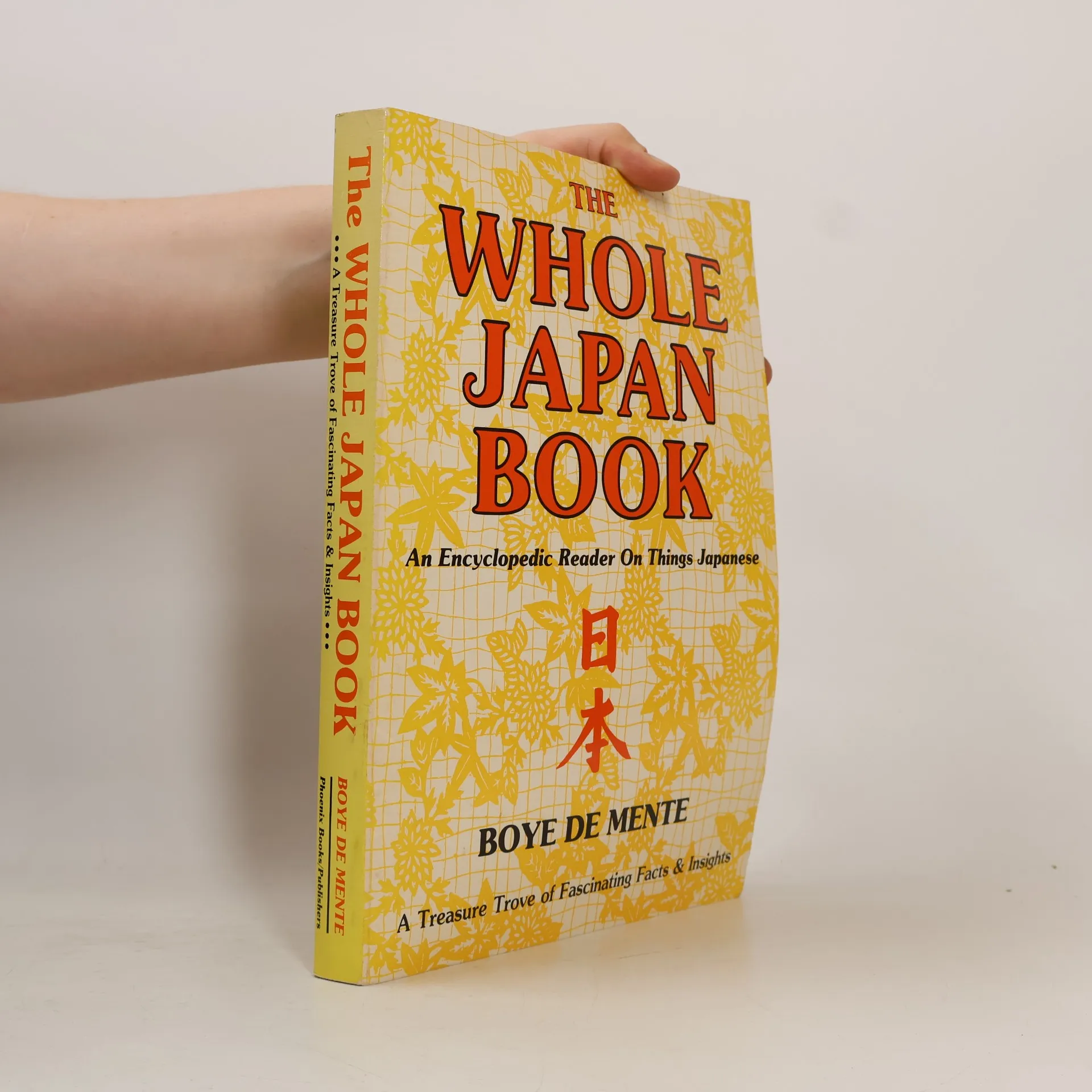
The whole Japan book
- 352 Seiten
- 13 Lesestunden
Book by De Mente, Boye
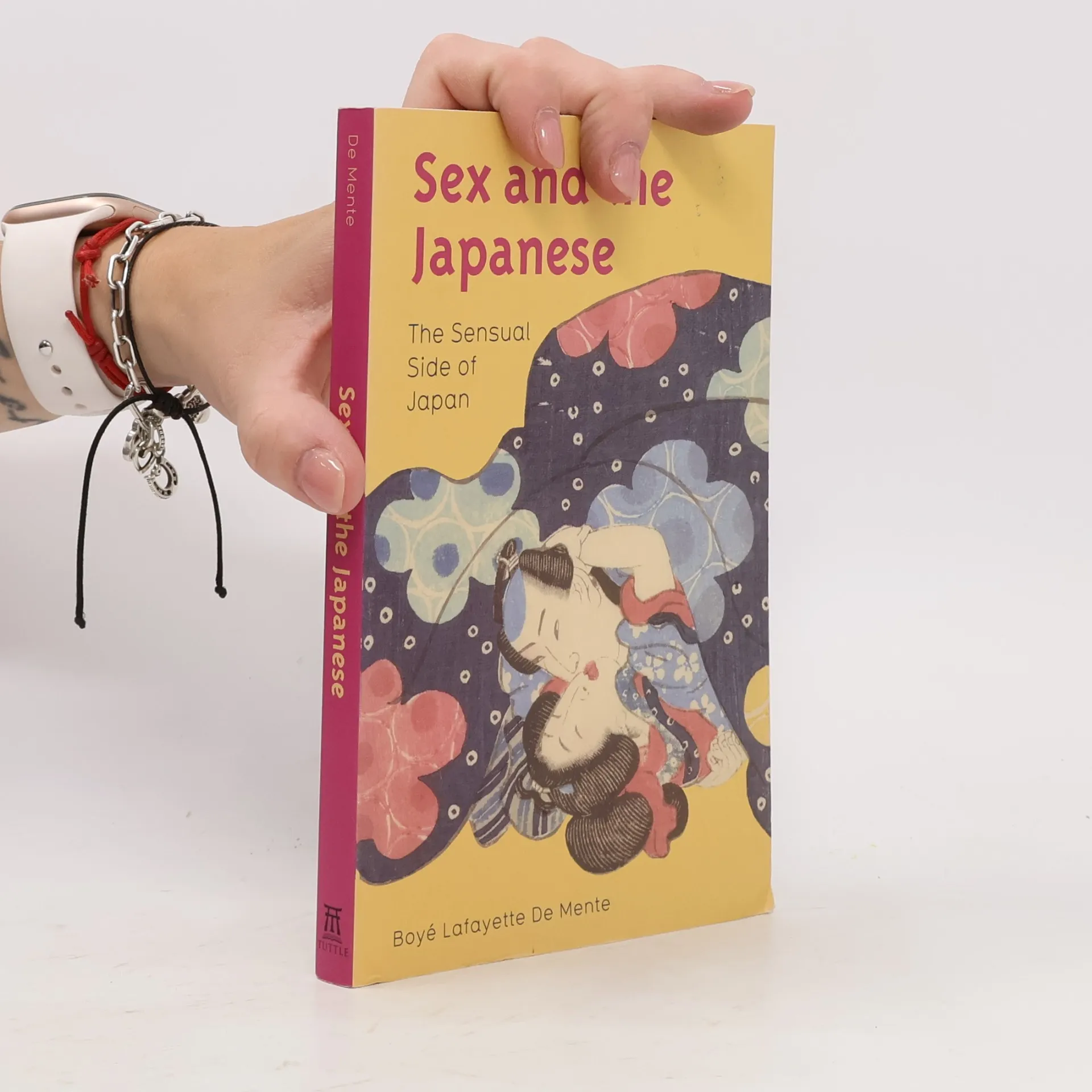
Sex and the Japanese provides a broad look at the changing concepts of sexuality in Japanese culture. From the days of concubines and geishas to the present, sex and sexuality in Japan have been more openly discussed and available than in the West—due for the most part to Shinto, the native religion of Japan that recognizes, celebrates and respects the sensual side of life.The sexual attitudes and customs of present-day Japan continue to reflect this ancient wisdom in ways that are both practical and imaginative. Sex and the Japanese reveals the ins and outs of these attitudes and customs, from the institutions of "love hotels" and erotic massage parlors, weekend trysts at hot spring spas, the use of cell phones and the Internet, to well-publicized date clubs and escort services.Chapters
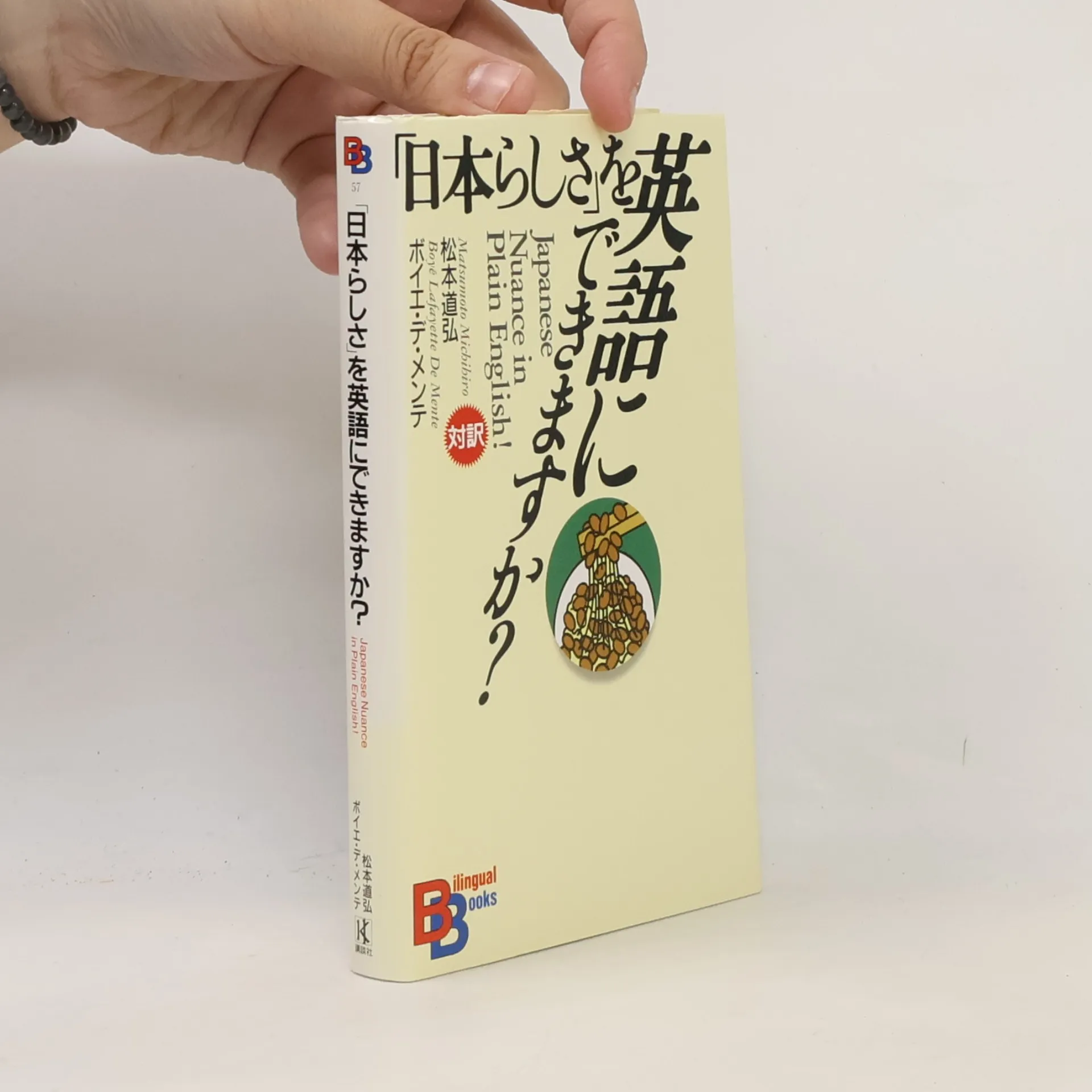
講談社バイリンガル・ブックス - 57: Nihon rashisa o Eigo ni dekimasu ka? =
Japanese Nuance in Plain English! 対訳
- 255 Seiten
- 9 Lesestunden
16世紀のカトリックの神父が、日本語に対して最初に示した反応とは、「人に苦しみを与える意図で、悪魔によってつくられた言語に違いない」というものでした。彼らはなぜ、かくも日本語に苦しんだのでしょうか。それは多くの日本語には、表面的な意味ではうかがい知れないニュアンスや文化的な陰影がたくさん秘められているからです。外国の人が、それに気づかなければ、言葉を誤解し、ビジネスや生活で、大きな行き違いを生み出しかねません。あなたは、はたして「ウソも方便」「けじめ」「水に流す」といった日本語を、英語にできますか?そして外国の人たちに、英語でわかりやすく説明できますか。
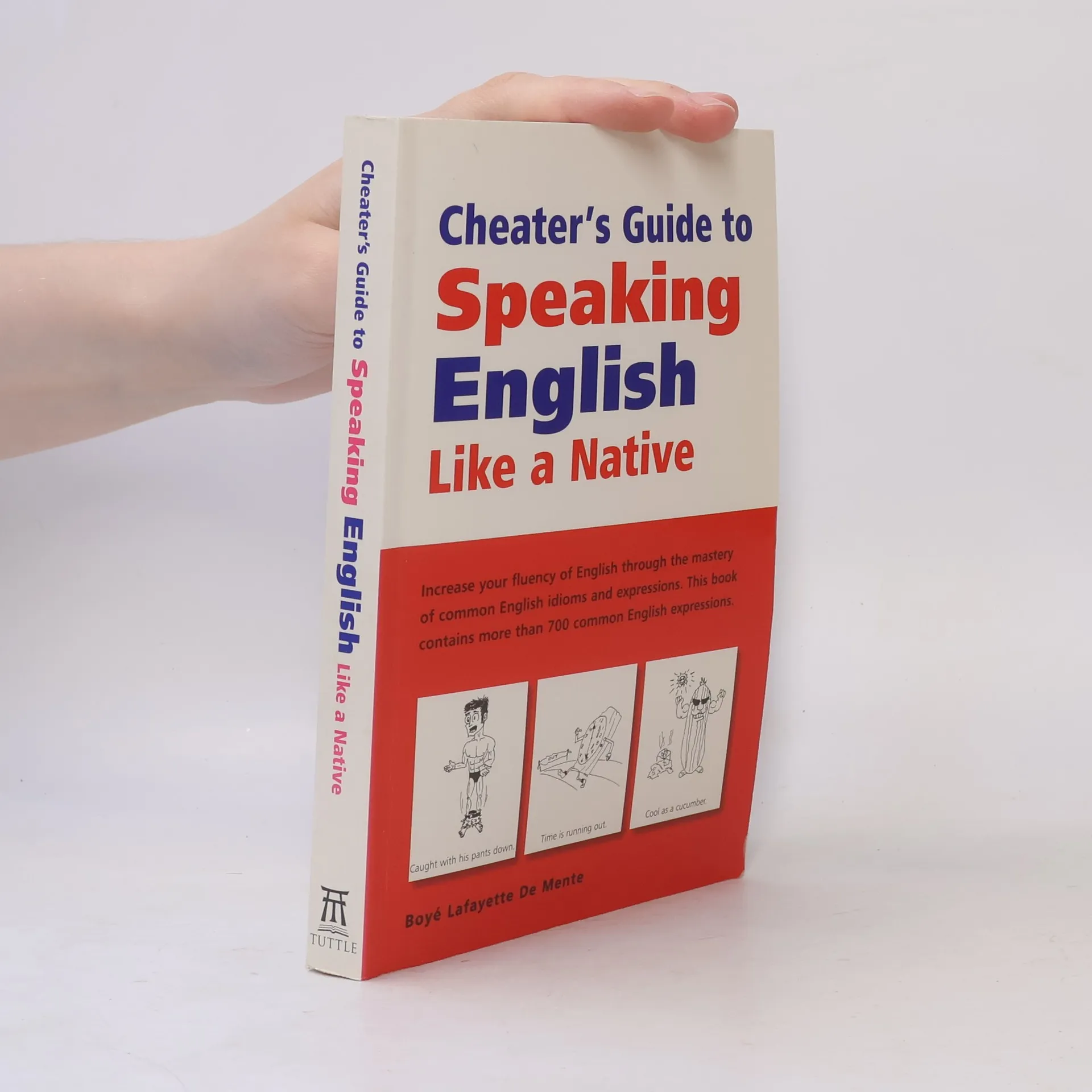
Cheater's Guide to Speaking English Like a Native
- 255 Seiten
- 9 Lesestunden
Native English-speakers use a large number of proverbs and colloquial expressions in their daily conversations. These common sayings, which evolved over the centuries, are like "codes" that reveal the cultural values and attitudes of the speakers. To fully understand and communicate in English, it's necessary to be familiar with these expressions and know how and when to use them. The Cheater's Guide to Speaking English like a Native is a shortcut to achieving that goal.
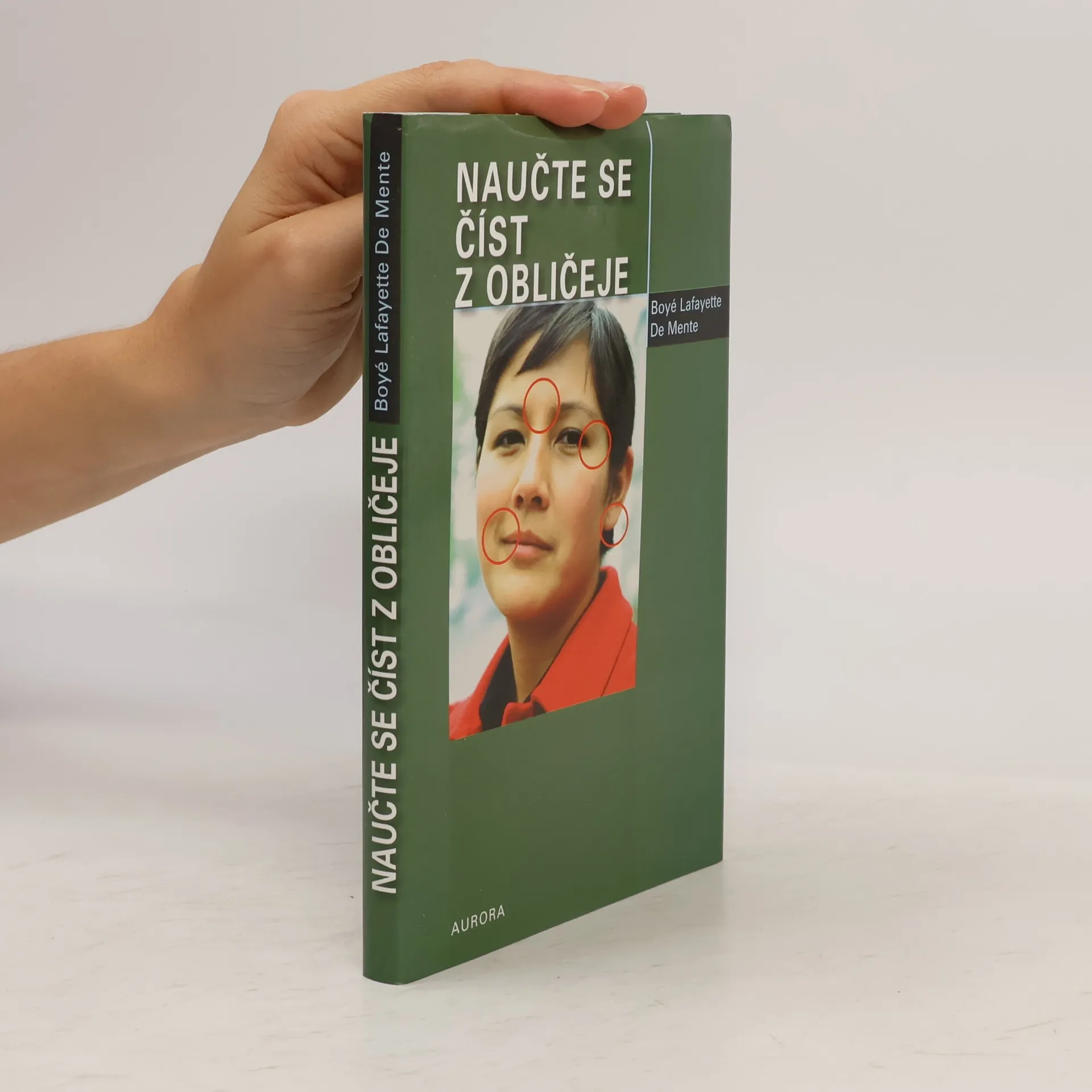
Naučte se číst z obličeje
- 127 Seiten
- 5 Lesestunden
V Číně nebo Japonsku je čtení z obličeje uznávaná analytická metoda, která se využívá např. při obchodních jednáních či při uzavírání manželství. Naučte se číst z obličeje nabízí srozumitelný a snadno použitelný úvod do základních principů této techniky. Knížka je bohatě ilustrována řadou příkladů, které čtenáři usnadní studium této techniky – a při hodnocení svých přátel, kolegů a milovaných osob.
NTC's Dictionary of Mexican Cultural Code Words
The Complete Guide to Key Words That Express How the Mexicans Think, Communicate, and Behave
- 336 Seiten
- 12 Lesestunden
NTC's Dictionary of Mexican Cultural Code Words explores the meanings of, and cultural context for, over 100 essential Mexican expressions, providing the reader with a map to the character and personality of the Mexican people.
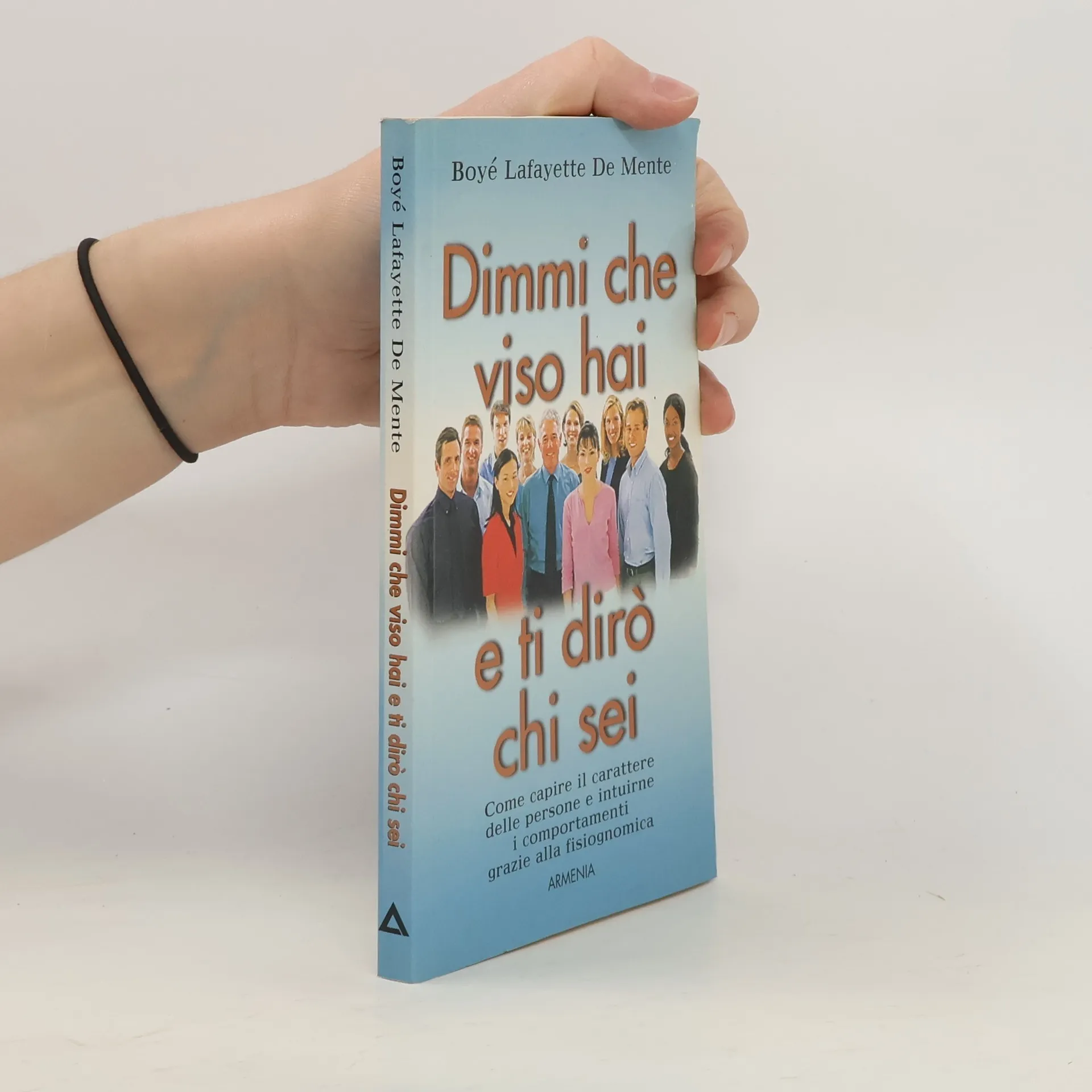
Dimmi che viso hai e ti dirò chi sei
- 153 Seiten
- 6 Lesestunden
J'Apprends Le Chinois
- 160 Seiten
- 6 Lesestunden
Vous voulez parler un chinois simple mais n'avez pas le temps d'apprendre? Vous allez faire un court voyage en Chine et avez besoin d'un petit manuel pratique pour vous aider à communiquer ? Voici l'outil dont vous avez besoin. J'apprends le chinois c'est apprendre 100 mots et expressions clefs et communiquer avec 500 phrases. L'auteur a sélectionné les mots que vous entendrez répéter tout le temps. Même avec un vocabulaire aussi réduit, vous serez surpris de la vitesse à laquelle vous réussirez à vous exprimer couramment en chinois. Voici un échantillon de ce que vous pourrez faire sans peine : rencontrer des gens, prendre le métro, faire des courses, commander à boire et à manger, demander votre chemin, et plein d'autres choses.