San Francisco
- 224 Seiten
- 8 Lesestunden


Kevin Starr war ein amerikanischer Historiker, der vor allem für seine mehrbändige Reihe zur Geschichte Kaliforniens mit dem Sammeltitel „America and the California Dream“ bekannt ist. Sein Werk bietet eine umfassende und nuancierte Untersuchung der Entwicklung Kaliforniens von seinen Anfängen bis in die Neuzeit. Starr analysiert akribisch die sozialen, politischen und kulturellen Kräfte, die die einzigartige Identität dieses Staates geprägt haben. Seine Schriften bieten tiefe Einblicke in den kollektiven Traum und seine Wandlungen im Laufe der amerikanischen Geschichte.


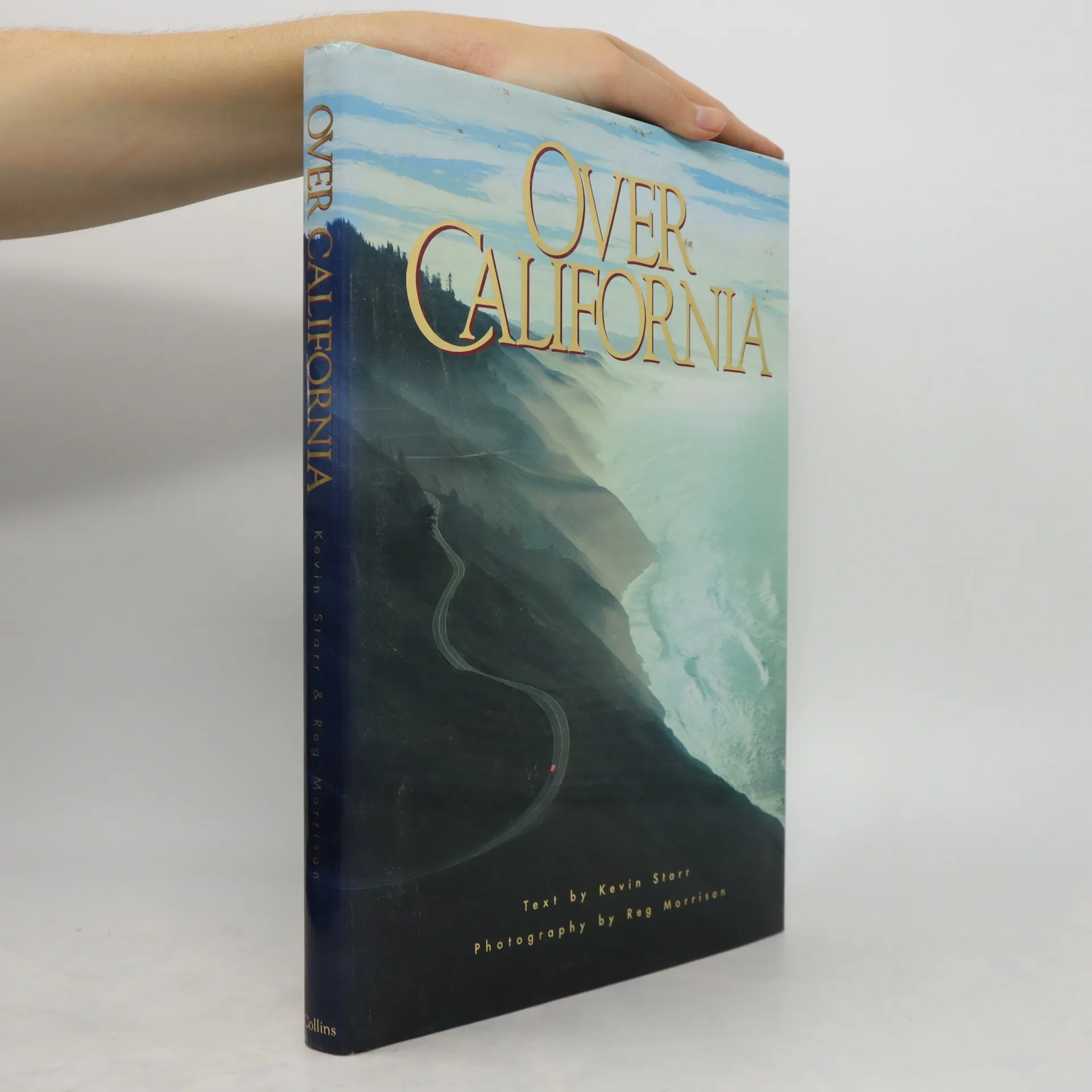
"Over California is a unique and spectacular aerial portrait of America's "Golden State." Through dramatic images photographed high above the cities and mountains of California, this book provides unusual and beautiful perspectives of a place that is, according to author Kevin Starr, a state of mind as well as a state"--Book jacket
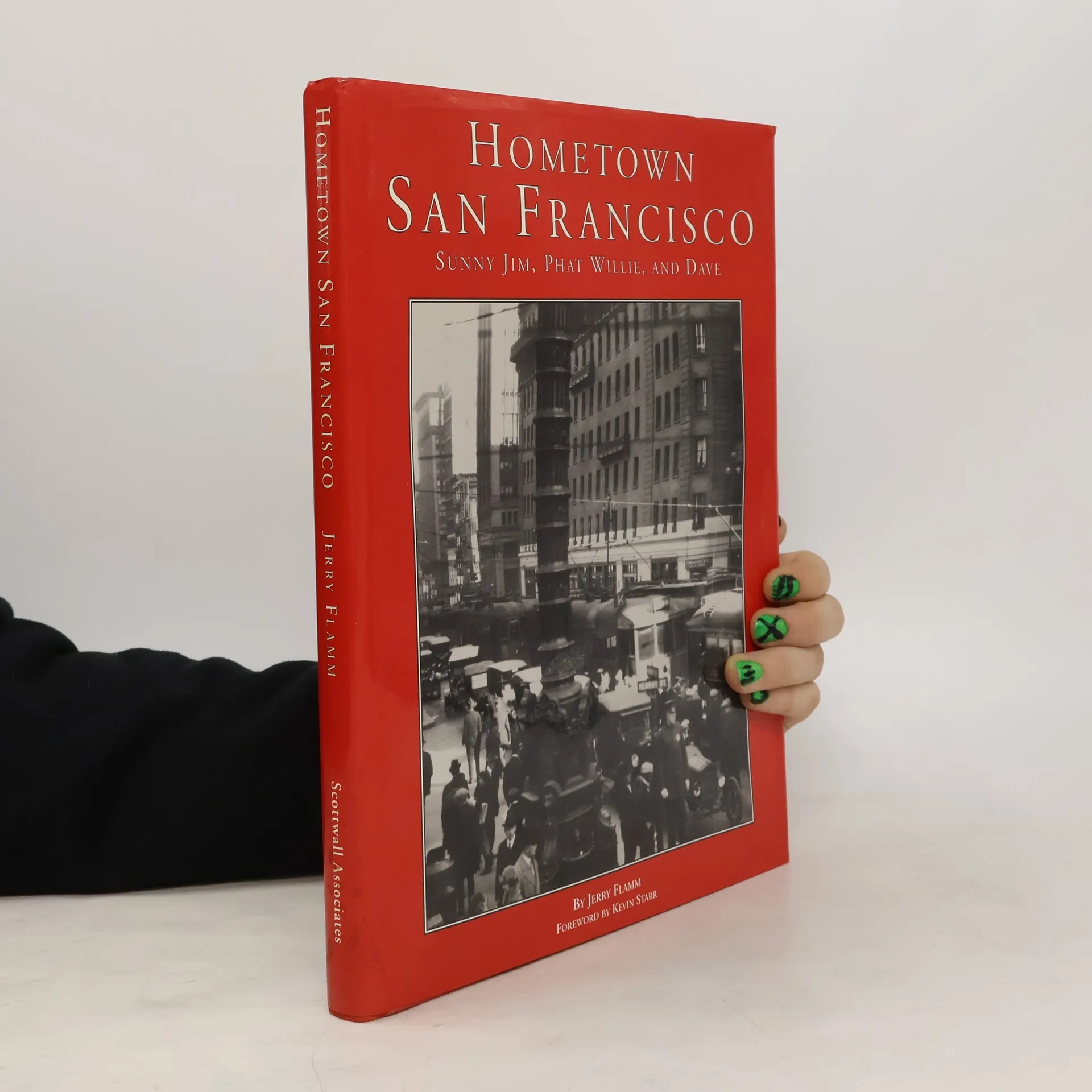
San Francisco reporter Jerry Flamm has compiled a treasure trove of facts and anecdotes about the colorful personalities who roamed San Francisco in the first third of this century. 'Hometown San Francisco' shows us the city as it was from 1906 to the middle of the century, during the Great Depression. History, biography, reminiscence and anecdote are here woven together to form a tapestry of San Francisco when it was a wide-open town, when anything could happen, and often did. The book features Mayor Sunny Rolph, who ruled the city with a smile and had a weakness of pretty girls. Other characters include a comical prizefighter named 'Phat Willie' Meehan who beat Heavyweight Champion Jack Dempsey twice, in the days of the Four Round Game. Before his fights he often sang a song or two to warm up the audience. There was also Policeman David Flamm who kept stability and order on his downtown beat, hobnobbed with gamblers, bookies, boxers, boorblacks, madams, millionaires and eccentrics. There was also the great female impersonator Walter Hart, star of Finocchio's show, who was sentenced to 30 days in jail for singing naughty songs. Finally, there was the officer who arrested Inez Burns, the abortion queen and found a fortune in cash hidden in her piano. She told him to keep it; he refused and used it as evidence instead.
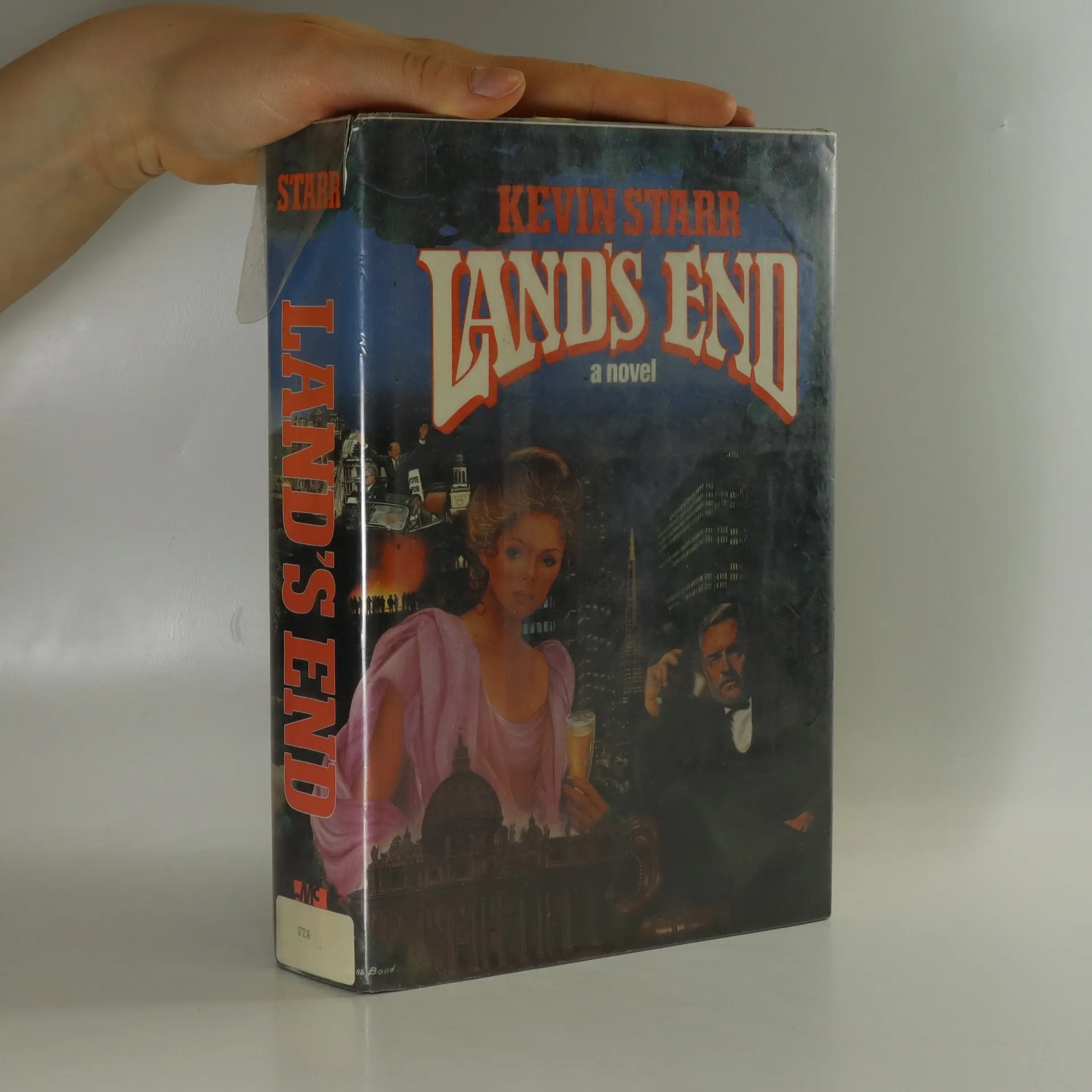
First edition. Complex narrative creates a mythical history of San Francisco. Sebastian Collins, a winemaker and scholar of the Baroque, joins forces with others to create a center for the book and the arts. Information on libraries and characters such as Jack London and Robert Louis Stevenson make an appearance. x , 854 pages. dust jacket.. cloth-backed boards.
"California has always been our Shangri-la - the promised land of countless pilgrims in search of the American Dream. Now the Golden State's premier historian, Kevin Starr, distills the entire sweep of California's history into one splendid volume. From the age of exploration to the age of Arnold, this is the story of a place at once quintessentially American and utterly unique. Arguing that America's most populous state has always been blessed with both spectacular natural beauty and astonishing human diversity, Starr unfolds a rapid-fire epic of discovery, innovation, catastrophe, and triumph. For generations, California's native peoples basked in the abundance of a climate and topography eminently suited to human habitation. By the time the Spanish arrived in the early sixteenth century, there were scores of autonomous tribes were thriving in the region.-
Diese fotografische Hommage an die „Stadt der Engel“ dokumentiert die gesamte Stadtgeschichte von den ersten Fotografien bis zu aktuellen Panoramabildern. Durch die Aufnahmen zahlreicher Fotografen wird die kulturelle, politische, industrielle und soziologische Entwicklung der Stadt nachgezeichnet, beginnend mit dem Immobilienboom der 1880er Jahre bis zur unkontrollierten Zersiedelung im späten 20. Jahrhundert. Über 500 Bilder zeigen den Wandel von einer Wüste zu einem grünen Garten Eden durch künstliche Bewässerung. Wichtige Ereignisse wie die Olympiaden, die Ermordung Robert Kennedys und die Rodney-King-Unruhen verdeutlichen die Vielfalt der Stadt. Neben Hollywood und seinen Stars werden auch bedeutende Persönlichkeiten, Architekten, Künstler und Musiker portraitiert. Zudem werden popkulturelle Phänomene wie Surfen und Ernährungstrends sowie berüchtigte Verbrechen thematisiert. Dank kürzlich entdeckter Bilder von Fotografen wie Julius Shulman und Garry Winogrand wird die visuelle Geschichte der Stadt neu erlebbar. Die Aufnahmen stammen aus bedeutenden Archiven, Museen und Privatsammlungen und werden von fundierten Texten des kalifornischen Historikers Kevin Starr und des Literaturexperten David L. Ulin ergänzt.