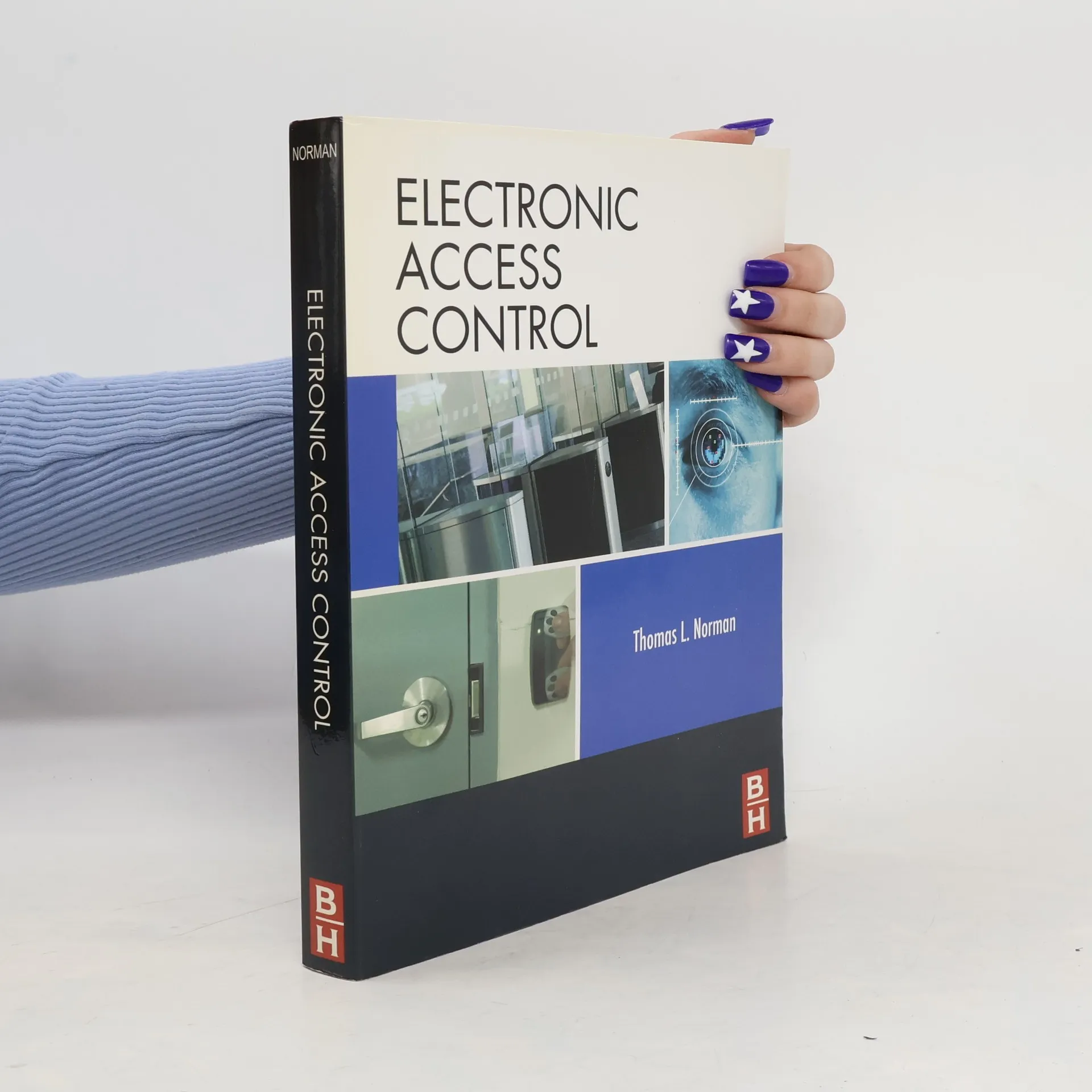
Access Control Systems are difficult to learn and even harder to master due to the different ways in which manufacturers approach the subject and the myriad complications associated with doors, door frames, hardware, and electrified locks. Electronic Access Control consolidates this information, covering a comprehensive yet easy-to-read list of subjects that every Access Control System Designer, Installer, Maintenance Tech or Project Manager needs to know in order to develop quality and profitable Alarm/Access Control System installations. Within these pages, Thomas L. Norman, a master at elec
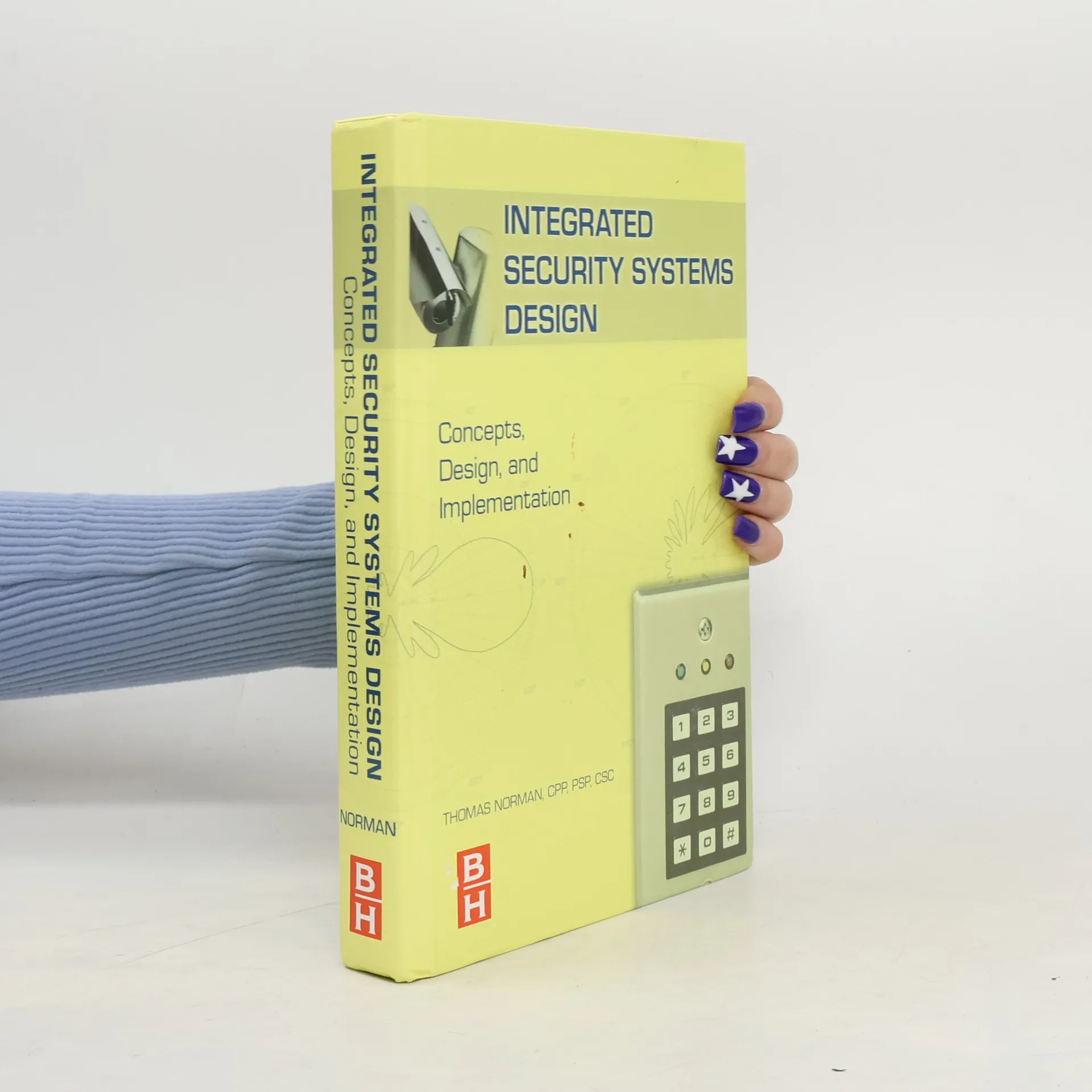
Integrated Security Systems Design is a one-stop resource for security directors, consultants, engineers and installation managers who are interested in providing the best possible security while saving millions in improved operations efficiency. An integrated security system is a system that has been incorporated into other programs (such as Access Control, Private Branch Exchanges, Human Relations, Security Video, and Intercommunications) to perform tasks in a manner consistent with corporate or agency policies and procedures. This book explains how to accomplish such integration, thereby saving a company both time and money. Integrated Security Systems Design is arranged to go from the strategic to the technical to the tactical. The strategic section covers the why of design, the technical section explains how it’s done, and the tactical section provides the cultural knowledge that leads to project success. Norman also offers guidance in avoiding pitfalls out of which legal action have arisen. Many of the subjects covered, such as how to make a security system invisible on an Information Technology System network, include material not available in any other book.* Centralize monitoring of security, of business processes and of adherence to policy* Learn the what-not-to-do's of security design from an experienced practitioner* Maximize your organization's safety while reducing liability and operating costs
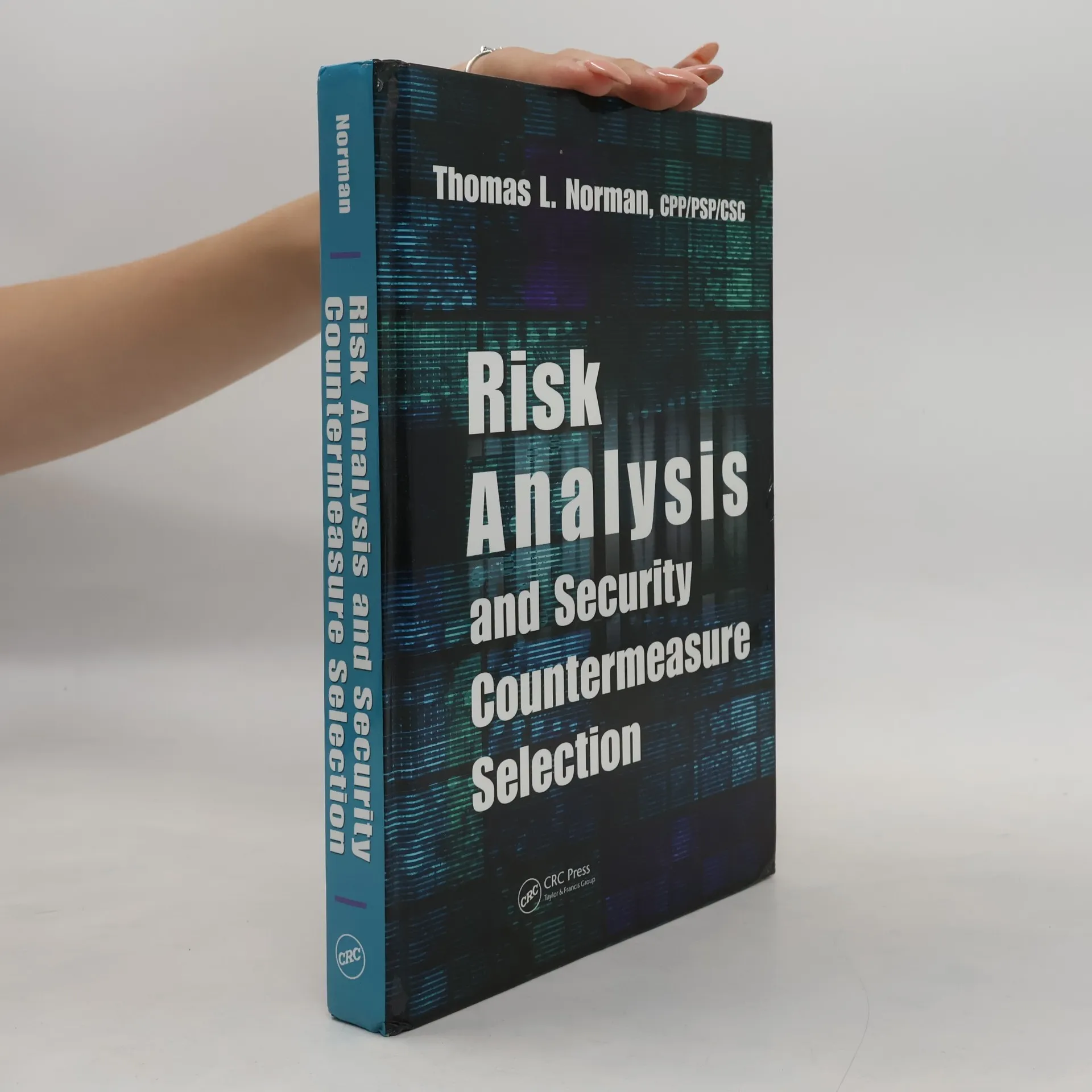
When conducted properly, risk analysis enlightens management, helping prioritize cost-effective actions. Conversely, poor analysis leads to vague programs lacking clear direction and measurable metrics. While information on risk analysis is abundant, few resources explain this complex subject with such clarity, particularly focusing on critical thinking's application. This comprehensive resource details the risk analysis process in accessible language, guiding readers from basic principles to complex evaluations of countermeasures from a cost-effectiveness perspective. It covers DHS-approved risk assessment methods, including CARVER, API/NPRA, RAMCAP, and Sandia methodologies, through step-by-step explanations. The text illustrates the five core principles of the risk analysis lifecycle—assets, threats, vulnerabilities, risks, and countermeasures—using numerous case studies. Additionally, it provides a user-friendly, adaptable graphic risk analysis tool applicable in both public and private sectors, compatible with all DHS-approved methods. This guide equips readers with the necessary tools and insights to analyze risks effectively and secure facilities across various industries, including critical infrastructure in chemical, transportation, energy, telecommunications, and public health sectors.