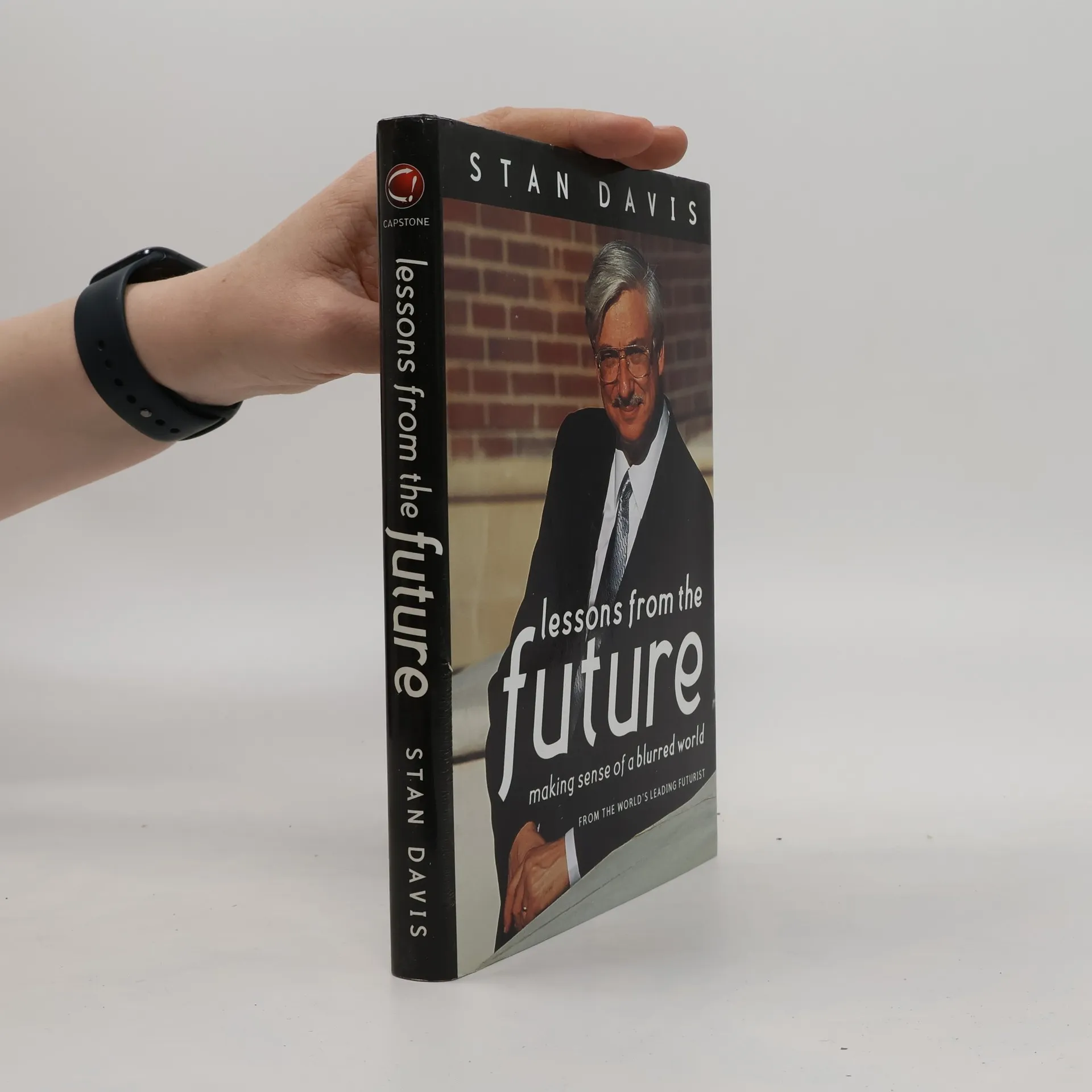
A collection of writing on the current thinking in business. It contains extracts from the author's bestselling titles "Blur" and "Future Perfect" as well as presenting his new ideas on the changes now transforming business.
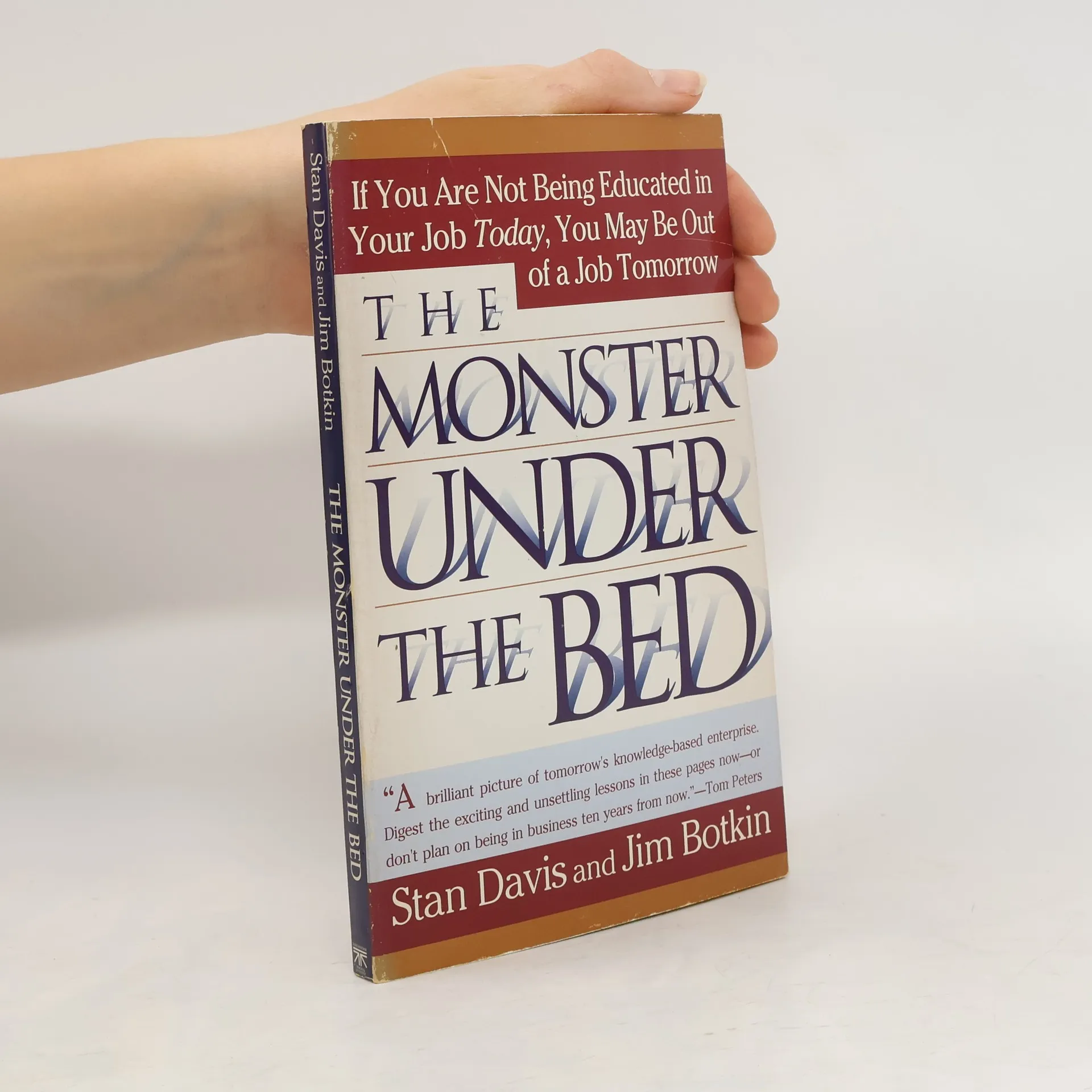
Companies in the business of providing knowledge -- for profit -- will dominate the 21st-century global marketplace.Can your business compete?In today's fast-paced world, knowledge is doubling nearly every seven years, while the life cycle of a business grows increasingly shorter. The best way -- and perhaps the only way -- to succeed is to become a "knowledge-based" business. In The Monster Under the Bed, Stan Davis and Jim Botkin show * Every business can become a knowledge business* Every employee can become a knowledge worker* Every customer can become a lifelong learnerThe Monster Under the Bed explains why it's necessary for businesses to educate employees and consumers. Consider the fact that the vast majority of 60 million PC owners, for example, learned to use their computers not at school but at work or at home. Davis and Botkin explain how any high-tech, low-tech, or no-tech company can discover new markets and create new sources of income by building future business on a knowledge-for-profit basis -- and how, once it does, its competitors must follow or fail.Filled with examples of high-profile companies that are riding the crest of this powerful wave, The Monster Under the Bed is an insightful exploration of the many ways that the knowledge-for-profit revolution will profoundly affect our businesses, our educational processes, and our everyday lives.
A radical realignment in wealth is transforming individuals into stewards of their financial futures, with corporations becoming risk managers. Deep shifts in financial markets are changing the nature of wealth, empowering workers to become active participants in the economy. By mid-1998, American households controlled 59 percent of all stocks, indicating that wealth is increasingly accessible. Business practices are evolving rapidly, with traditional management activities like pricing moving into the marketplace. Human resource departments will shift from administrative roles to managing human asset portfolios, as the labor market begins to assign value to each employee. Strategic risk units will help companies identify and trade risks effectively.
In this companion volume to their previous work, the authors present a vision of the future shaped by three key developments: viewing risk as an opportunity, enhancing financial market efficiency for human capital, and fostering new forms of social capital. Wealth creation is becoming more about financial management than production, with a shift from earned to unearned income. Individuals will invest in their human capital, while companies will treat business units as financial risk assets. As citizens gain investment knowledge, they will embrace higher risks for greater rewards. However, the future will also require robust social safety nets to balance individual freedoms with s
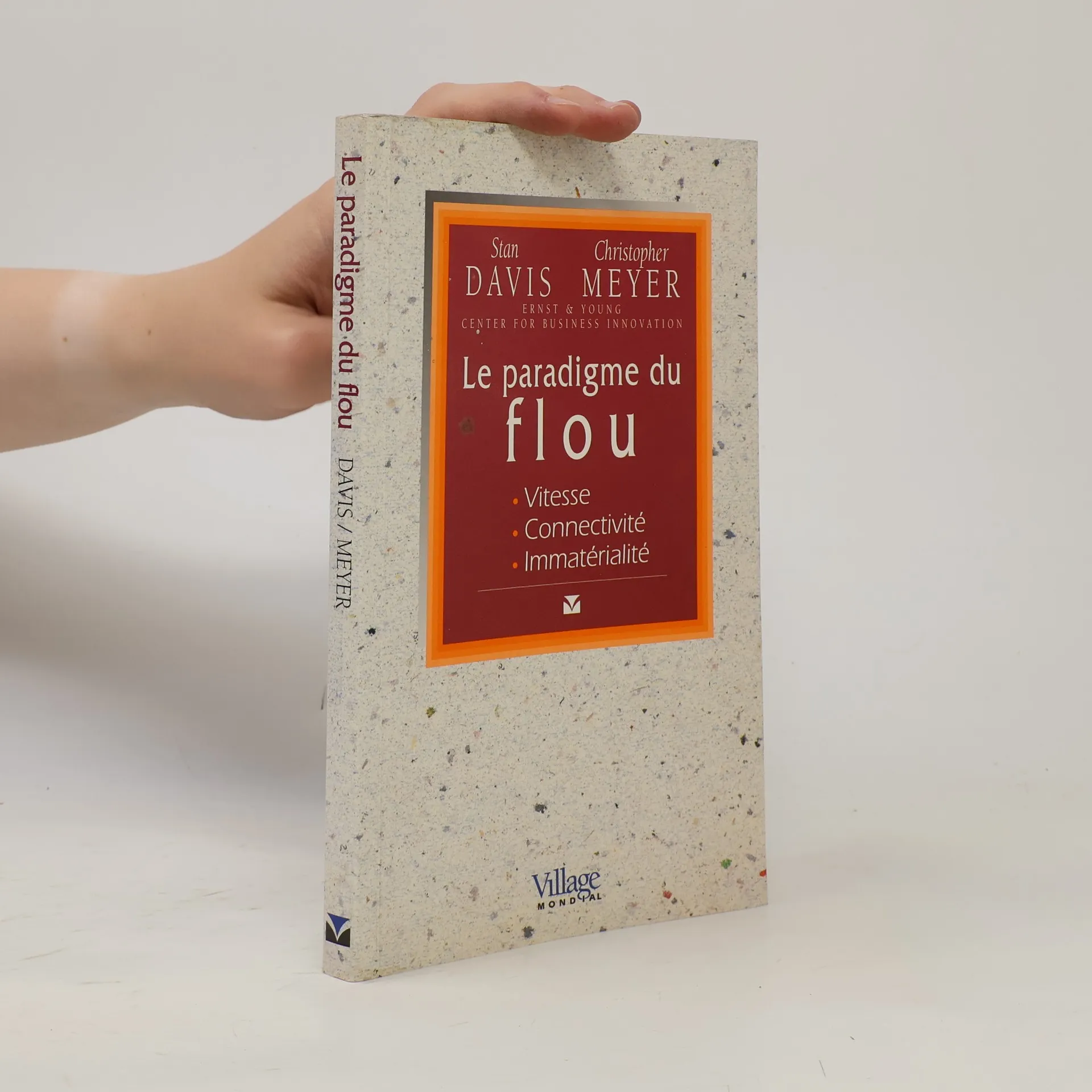
Pour appréhender les nouvelles forces qui influencent la vie de l'entreprise et adapter sa stratégie à un environnement turbulent, il est essentiel de transformer la déstabilisation croissante en levier de réussite. L'accélération du changement a rendu obsolètes les règles qui guidaient nos décisions, car les facteurs de ces mutations sont aussi fondamentaux que les éléments de l'univers : vitesse, connectivité et immatérialité. Ces éléments redéfinissent l'entreprise et la vie, remettant en question des solutions traditionnelles telles que la fabrication en série et la stabilité organisationnelle. Dans cette nouvelle économie, les distinctions traditionnelles s'effacent : produits et services se confondent, acheteurs et vendeurs échangent des rôles, et les chaînes de valeur se transforment en réseaux économiques complexes. Les frontières entre salarié et patron, structure et procédé, possession et utilisation, savoir et apprentissage, réel et virtuel deviennent floues. Sur tous les fronts, les opposés se mélangent. Le Paradigme du Flou offre une perspective permettant de comprendre ces forces et les nouvelles règles. Cependant, il n'existe pas de solutions toutes faites ; chaque acteur, qu'il soit dirigeant, consommateur ou individu, doit s'approprier ce paradigme pour avancer à son rythme et retrouver une vision claire du monde.