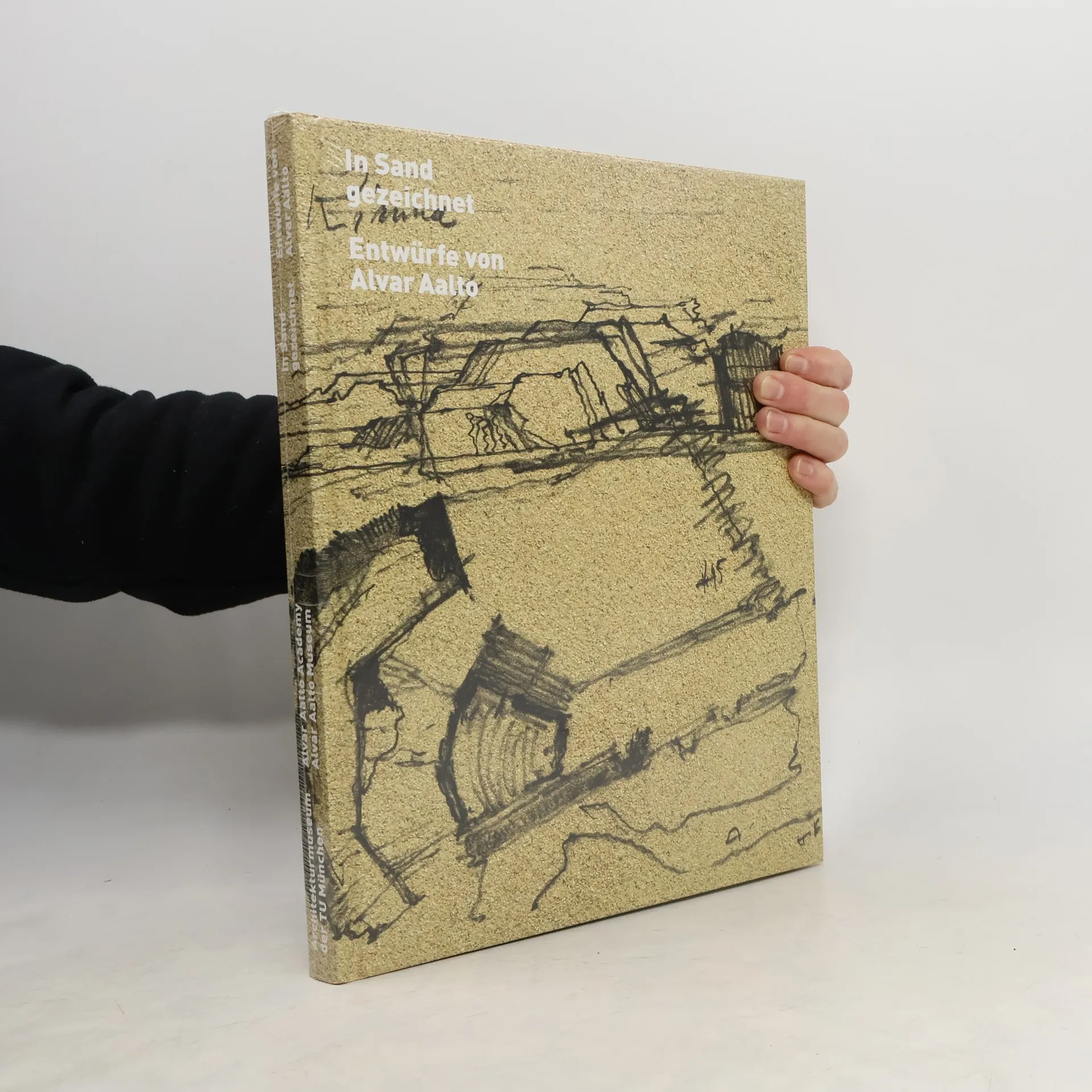
In Sand gezeichnet - Entwürfe von Alvar Aalto
- 159 Seiten
- 6 Lesestunden




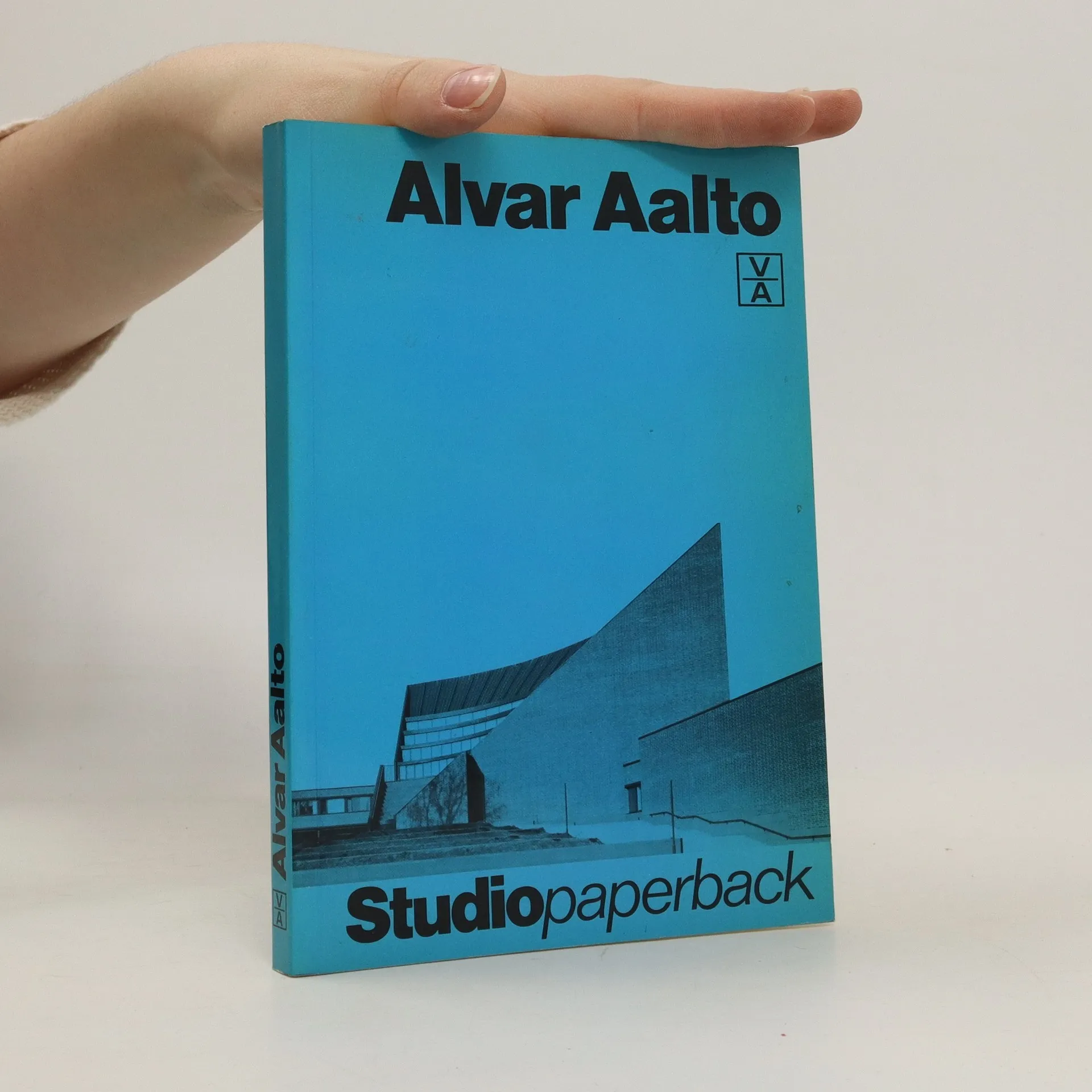

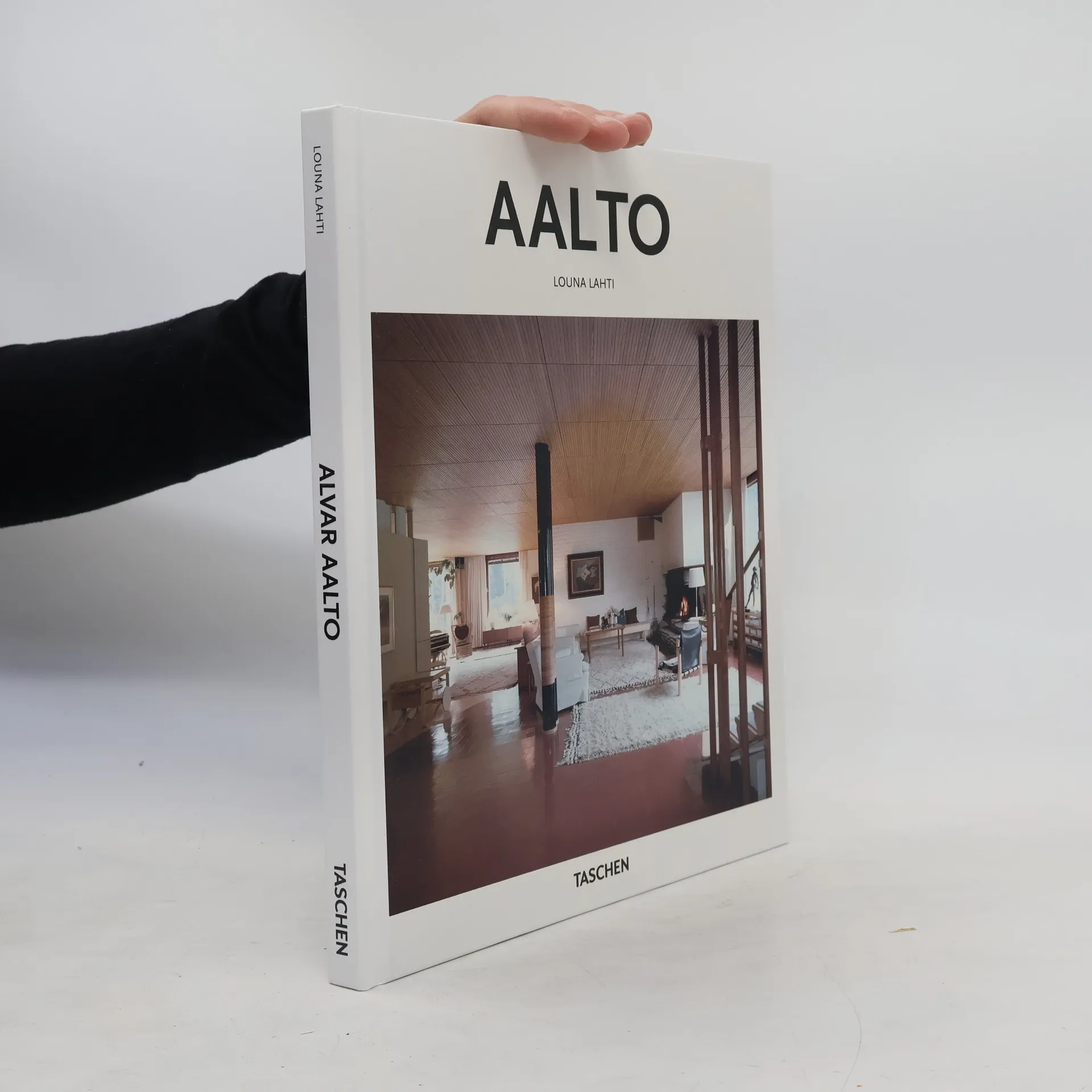
Alvar Aalto (1898–1976) ist ein sehr eigenwilliger Vertreter der Moderne. Der von der Landschaft und politischen Unabhängigkeit Finnlands inspirierte Architekt entwarf warme, geschwungene, humane Gebäude, die sich völlig von den vorwiegend glatten, mechanistischen, geometrischen Bauten anderer europäischer Architekten abhoben. Ob Kirche, Villa, Sauna oder Bücherei: Aalto verwendete für seine organischen Strukturen oft Ziegelsteine und Holz anstatt Beton und Stahl und integrierte Wellenformen, die sich auch in seinen Entwürfen für Stühle, Glasobjekte und Lampen wiederfinden. Aalto plädierte für eine humane Architektur mit sozialem Anspruch. So sagte er: „Moderne Architektur bedeutet nicht, dass man unter allen Umständen neue Materialien einsetzt; das Wichtigste ist, mit entsprechenden Materialien eine humanere Form zu finden.“ Viele seiner öffentlichen Bauwerke, darunter das Rathaus von Säynätsalo, ein Vortragssaal der Technischen Universität Otaniemi sowie das Volkspensionsamt und das Haus der Kultur in Helsinki, waren für Finnland nicht nur physische, sondern auch psychologische Wahrzeichen des Wiederaufbaus nach den Zerstörungen des Kriegs. Dieser Band präsentiert Aaltos wichtigste Werke und stellt einen zutiefst heimatverbundenen Architekten vor, der als Meister des ökologischen progressiven Designs gilt.
For the first time, an exciting volume that spans every aspect of the career of Alvar Aalto, one of the masters of 20th-century architecture and design. From Aalto s origins in Nordic Classicism through his International-style Modernism and finally to the breathtaking beauty and warmth of his late designs, the architect s work is showcased in this richly illustrated compendium, compiled by the experts at the Aalto Museum in Finland. Though Aalto died in 1976, his buildings stand as testaments to the balance and humanism of his vision. His beautiful yet practical furniture and home designs, from his free-form vases to his plywood stools, are immediately recognizable and still being produced using groundbreaking techniques that he developed. The only book of its kind, Alvar Aalto Designer takes the reader from lighting fixtures to living rooms, using original sketches and photographs of Aalto s chairs, lamps, and glassware. Aalto said, "We should work for simple, good, undecorated things, but things which are in harmony with the human being and organically suited to the little man in the street". This book weaves the designer s biography with examples of his life's work, showing how Aalto reached out to an international audience with his borderless, approachable, yet supremely elegant, style.
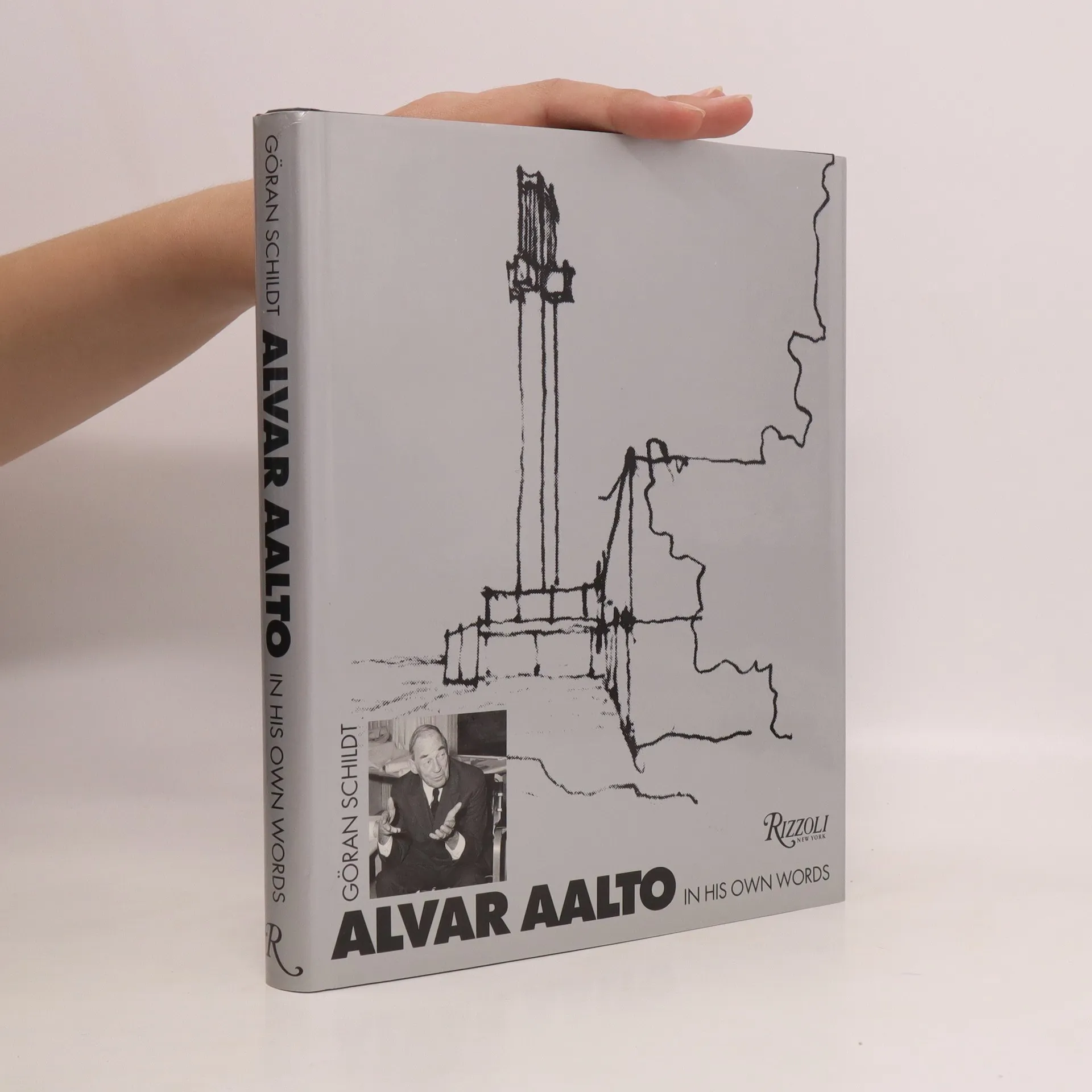
Aalto's often-idealistic reform projects - his Renaissance revival, his rationalistic utopia - his writings as a propagandist during the war years; his comments on his own crucial travels to Italy, the 1939 New York World's Fair, and the "decadence of public buildings"; critiques of building and furniture design - all reveal the progression of ideas and convictions that grew and changed throughout Aalto's life, both reflecting and influencing the course of architecture in the twentieth century.
Von den unbestreitbar großen Persönlichkeiten der Architektur des 20. Jahrhunderts ist Alvar Aalto in vielerlei Hinsicht der menschlichste, der am wenigsten starre und der relevanteste für unser zeitgenössisches Empfinden und die aufkommende Zukunft. Dieses opulente Buch bietet eine umfassende Studie eines innovativen und produktiven Meisters, den Frank Lloyd Wright als Genie bezeichnete. Diese frische, tiefgehende Untersuchung von Aaltos Werk und Einfluss umfasst Essays von fünf namhaften Kritikern und Historikern. Etwa 50 von Aaltos Projekten – Häuser, Rathäuser, kulturelle Institutionen, Fabriken, Möbel- und Glasdesigns sowie regionale Pläne – aus allen Phasen seiner außergewöhnlich produktiven Karriere werden illustriert und beschrieben, wobei viel bisher unveröffentlichtes und neu fotografisches Material verwendet wird.