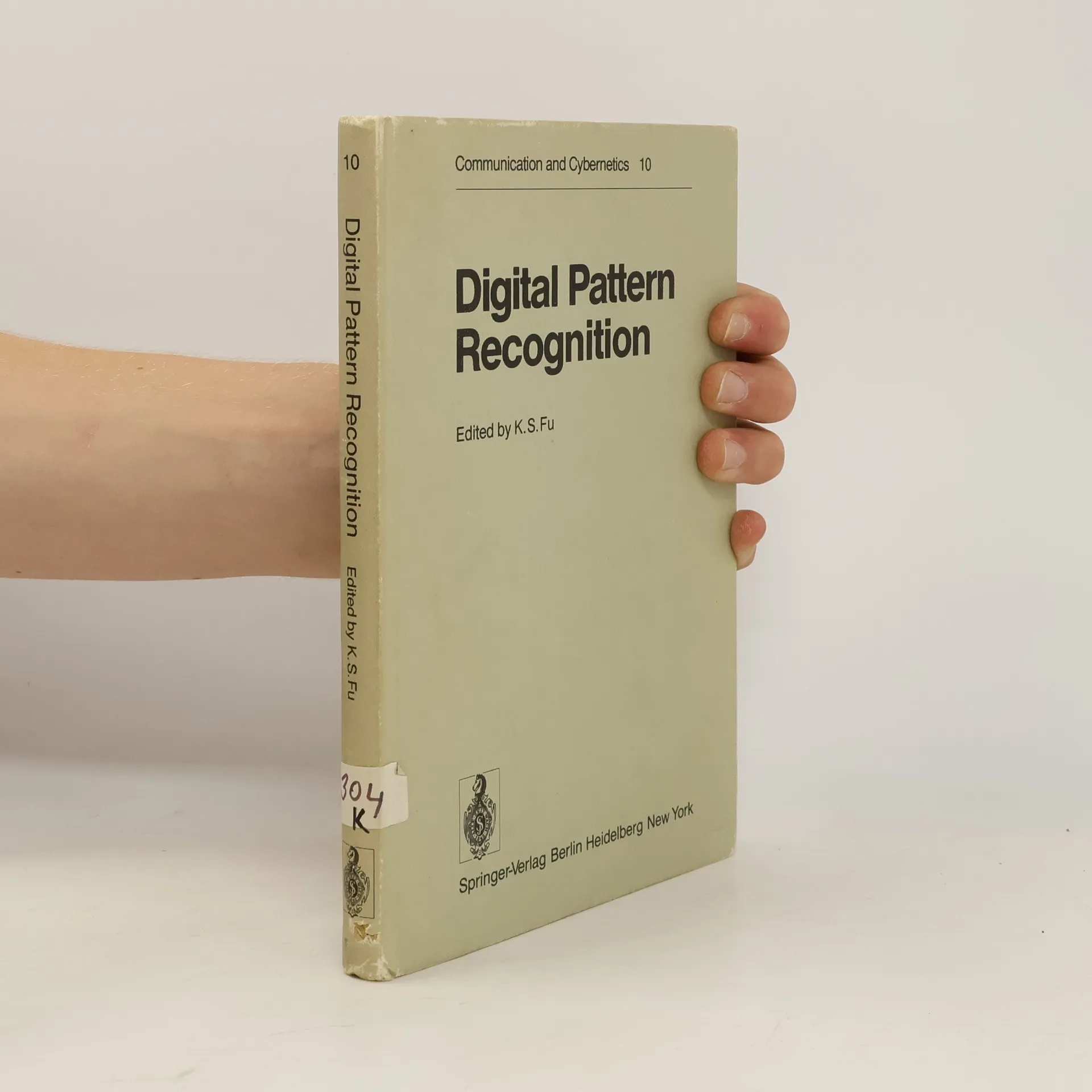
Digital Pattern Recognition
- 206 Seiten
- 8 Lesestunden


Engineering has traditionally been viewed as a profession divided into branches such as electrical, mechanical, and civil engineering. While this classification served its purpose for decades, recent developments have blurred these boundaries. The shift from practical applications to theoretical foundations has led to a convergence of technology and science, transforming engineering into a multidisciplinary field. Modern engineering now encompasses materials, energy, and information, reflecting the complexities of our technologically-driven society. Organizations are inundated with vast amounts of management information, raising challenges related to the efficient use of this knowledge. The increasing complexity of information systems demands new theories and techniques for addressing these issues. We require immediate access to historical data for decision-making, alongside innovative methods for analysis, recognition, processing, and display. Consequently, information science has emerged as a vital discipline, focusing on the theoretical aspects of organizing, controlling, storing, retrieving, processing, and communicating information through both natural and artificial systems. This field is inherently multidisciplinary, spanning a wide range of topics within the physical and biological sciences.