Bookbot

E.H. Gombrich

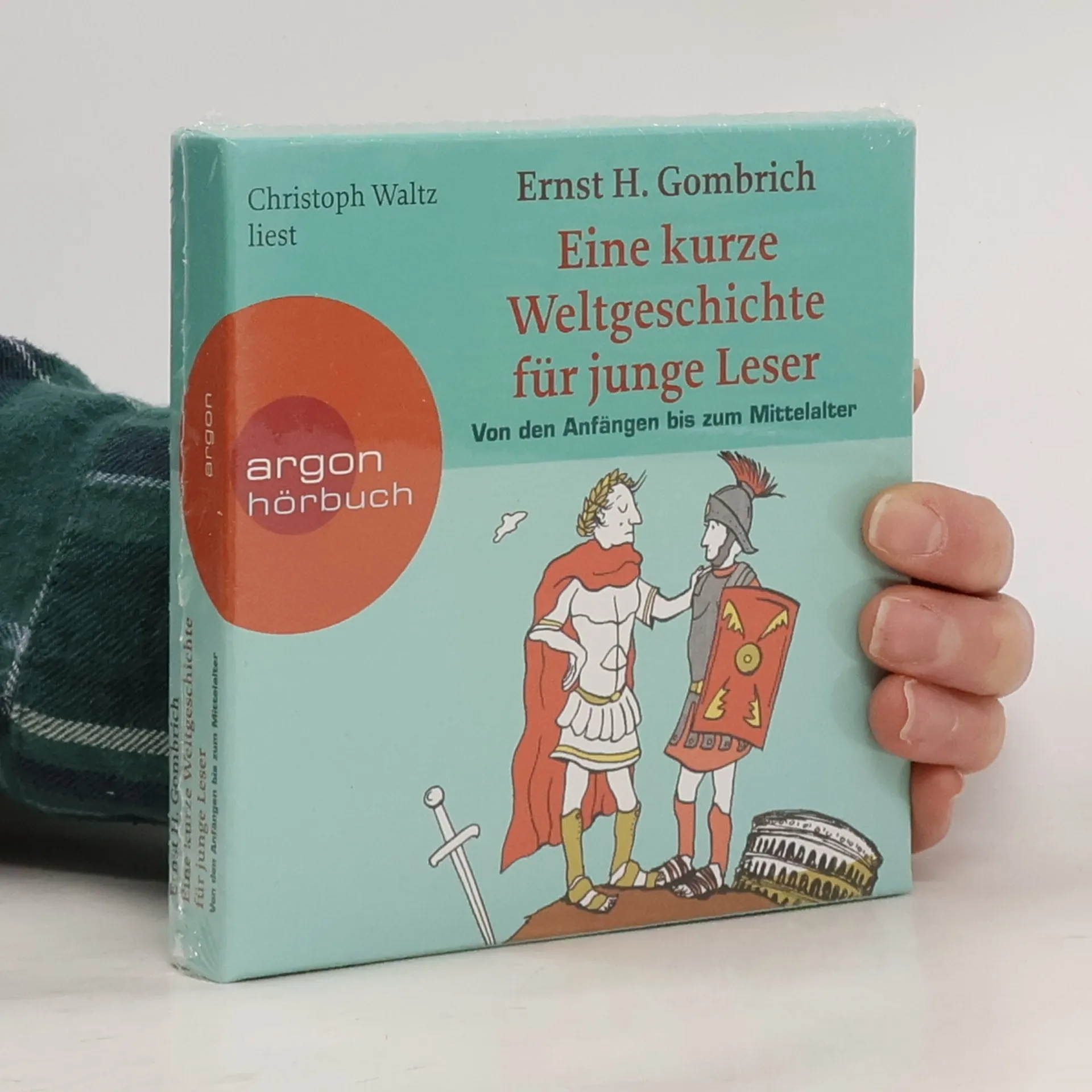
    Eine kurze Weltgeschichte für junge Leser
    Image and Code
    Gombrich On The Renaissance - 2: Symbolic Images
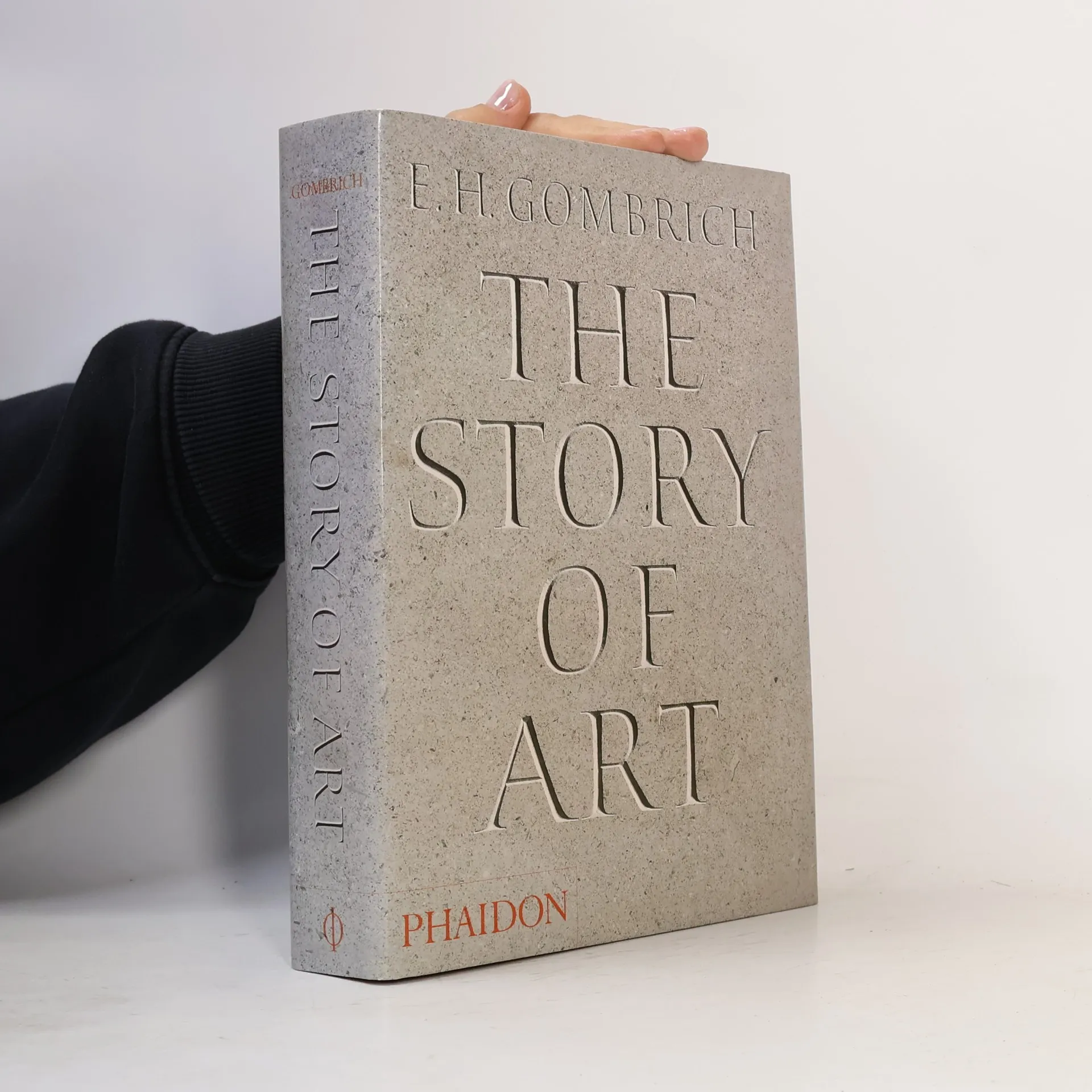
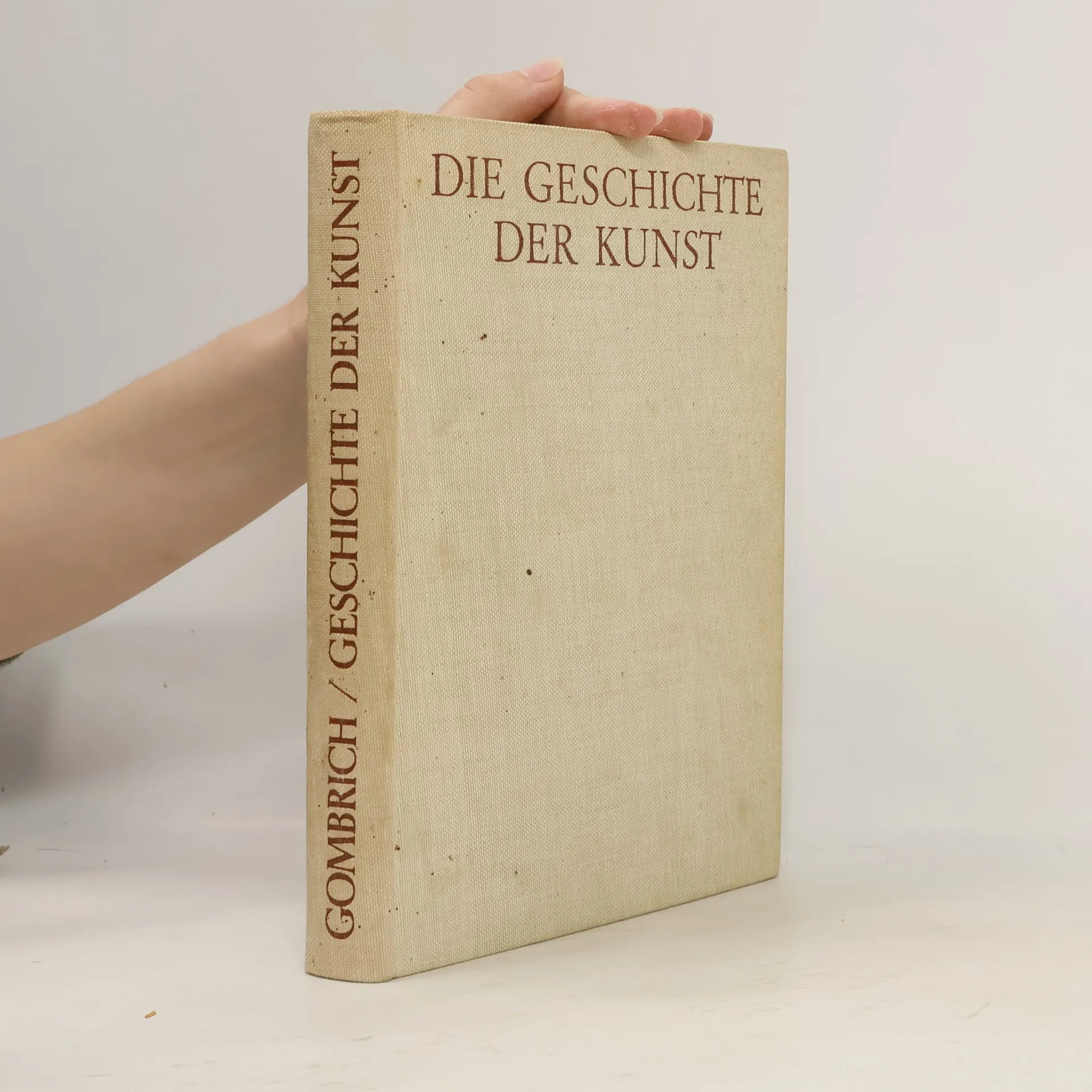
    Die Geschichte der Kunst
    Die Geschichte der Kunst
    Eine kurze Weltgeschichte für junge Leser
    • Eeuwige schoonheid / druk 21

      • 688 Seiten
      • 25 Lesestunden

      Renowned not only as the best concise introduction to art history, but also as a classic of art historical literature, this book reflects the vast knowledge, insights, and expertise of one of this century's greatest art historians and thinkers. Extensively illustrated, it treats the history of art -- both chronologically and geographically -- as a continuous unfolding story. Offers a vivid, enthusiastic, and interpretive narrative written in direct, straightforward language with technical terms always explained when they are introduced. KEY TOPICS: Focuses on the most significant works of Western art. Considers each work of art in its context: shows how art reflects the historical setting, the artist's intentions, and the values of that civilization, and how each artist built upon, or sometimes reacted against, the style of his/her predecessors. Contains chronological charts, maps, and notes on art books. Illustrates all works that are discussed. Features a new design with each illustration appearing on the same spread as the narrative that discusses it.
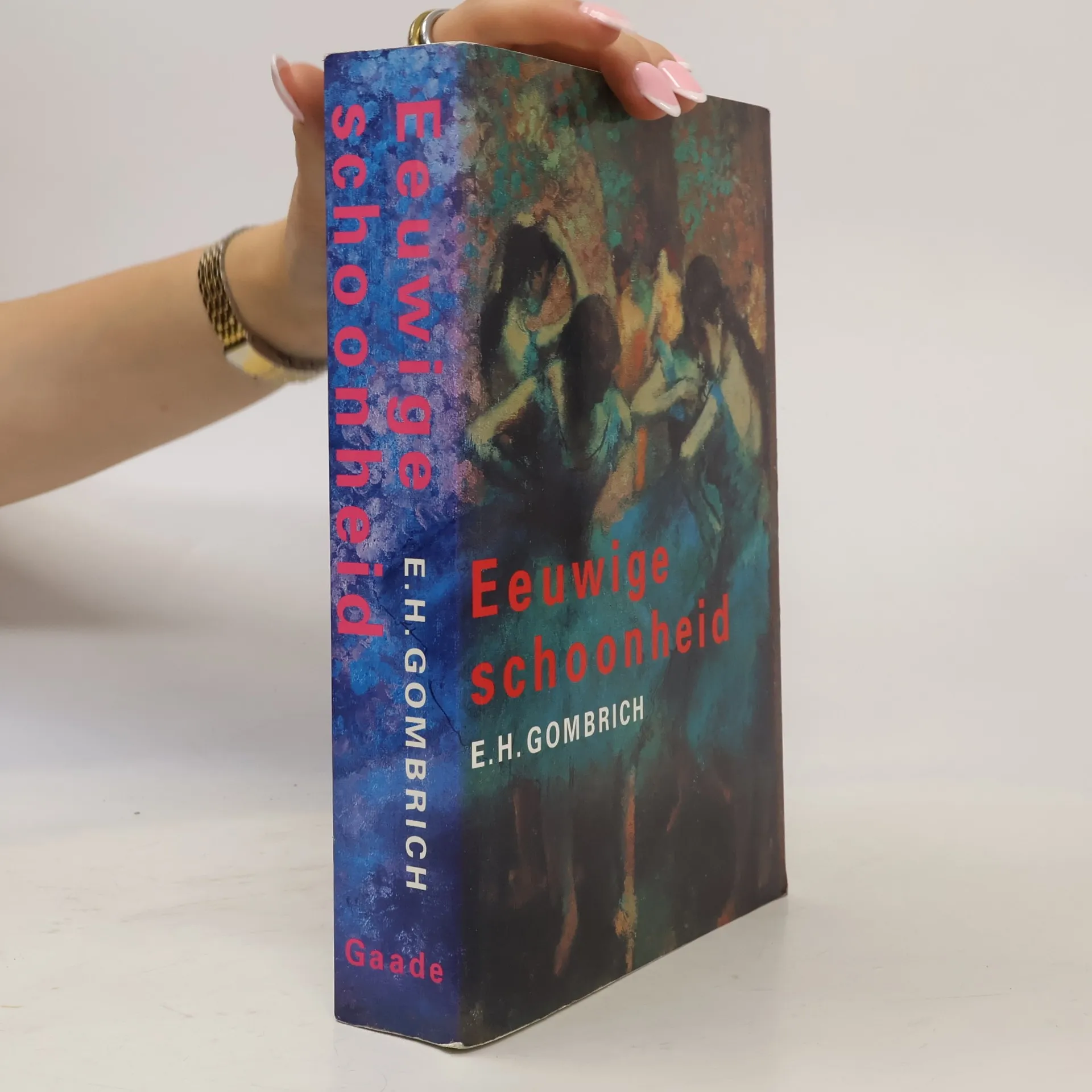

      Eeuwige schoonheid / druk 212007
    • Eine kurze Weltgeschichte für junge Leser

      Von der Renaissance bis heute

      In 1935, with a doctorate in art history and no prospect of a job, the 26-year-old Ernst Gombrich was invited by a publishing acquaintance to attempt a history of the world for younger readers. Amazingly, he completed the task in an intense six weeks, and Eine kurze Weltgeschichte für junge Leser was published in Vienna to immediate success, and is now available in seventeen languages across the world. Toward the end of his long life, Gombrich embarked upon a revision and, at last, an English translation. A Little History of the World presents his lively and involving history to English-language readers for the first time. Superbly designed and freshly illustrated, this is a book to be savored and collected. In forty concise chapters, Gombrich tells the story of man from the stone age to the atomic bomb. In between emerges a colorful picture of wars and conquests, grand works of art, and the spread and limitations of science. This is a text dominated not by dates and facts, but by the sweep of mankind’s experience across the centuries, a guide to humanity’s achievements and an acute witness to its frailties. The product of a generous and humane sensibility, this timeless account makes intelligible the full span of human history.

      Eine kurze Weltgeschichte für junge Leser2006
    • Eine kurze Weltgeschichte für junge Leser

      Von den Anfängen bis zum Mittelalter

      Ernst H. Gombrich, einem der herausragendsten Gelehrten des 20. Jahrhunderts, gelang, was heute unglaublich erscheint: auf wenigem Raum die Geschichte der Menschheit prägnant und überzeugend zu schildern. Eine bis heute nicht erreichte und schon gar nicht überholte Leistung dieses großen Mannes. In seiner ebenso leichten wie bildreichen Sprache veranschaulicht er Entwicklungen und Zeitenwenden und charakterisiert Persönlichkeiten und Auseinandersetzungen so lebendig, dass seine Schilderungen den Hörer das große und komplexe Geschehen in einem Zug erfassen lassen. (5 CDs, 342 Minuten)

      Eine kurze Weltgeschichte für junge Leser2006
      4,3
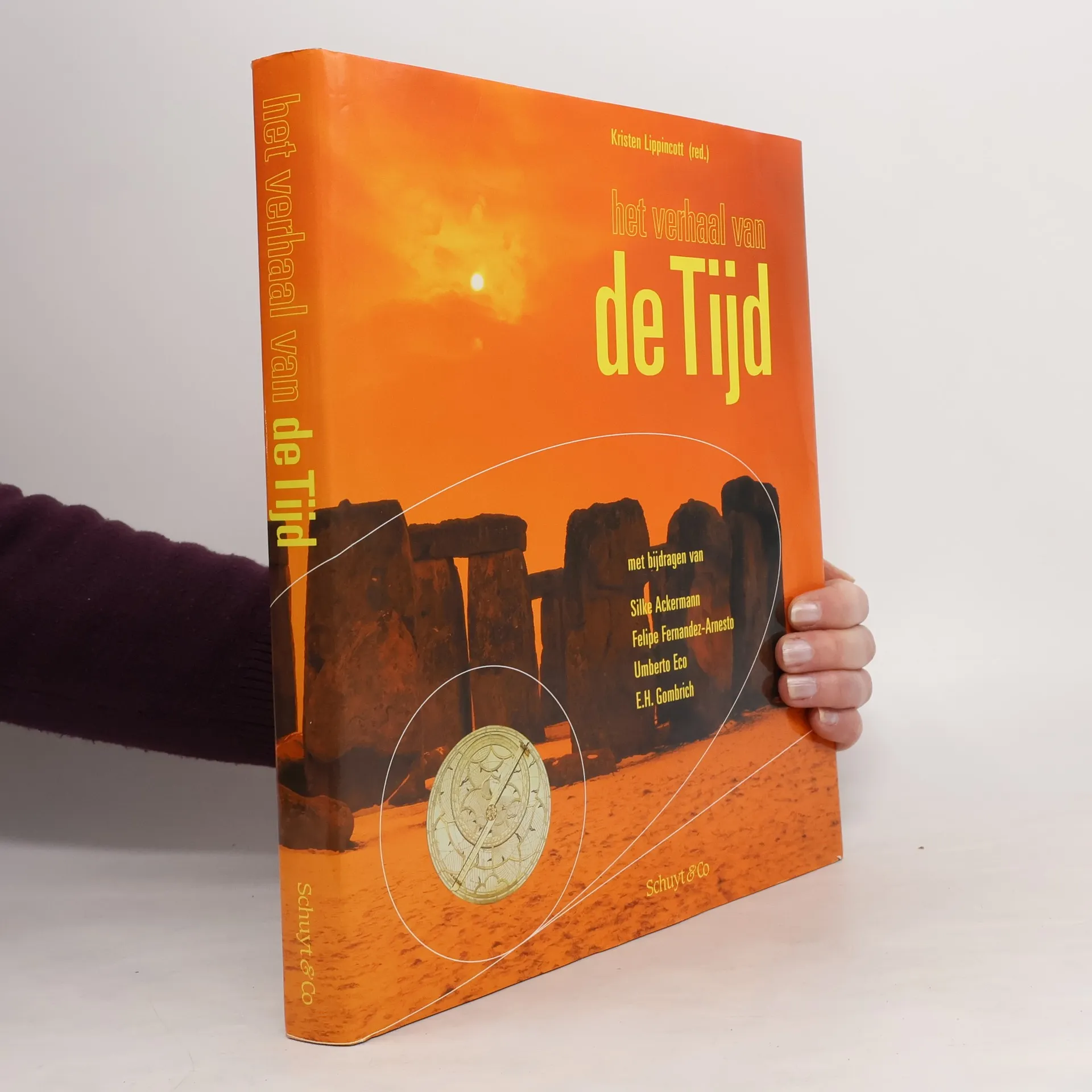
    • Het verhaal van de tijd

      • 304 Seiten
      • 11 Lesestunden

      Studie over en beredeneerde catalogus bij een tentoonstelling over het verschijnsel 'tijd'.

      Het verhaal van de tijd1999
    • Die Geschichte der Kunst

      • 688 Seiten
      • 25 Lesestunden

      Das im Grunde schon über jedes Lob erhabene, 1950 erstmals erschienene Standardwerk zur Kunstgeschichte erscheint in der 16. Ausgabe. Die komplizierte Editionsgerschichte des vielübersetzten Werkes mit Direktübersetzungen der englischen Ausgabe ( BA 1/79, 382) und um deutsche Künstler ergänzte Ausgaben (eine solche wurde zuletzt besprochen: BA 4/87) führte zu einem Bruch in der Auflagenzählung. Hier handelt es sich um die neueste Ausgabe, 1995 im englischen Original erschienen, direkt (von Gombrich selbst) übersetzt, wobei die Ergänzungen der letztbesprochenen Ausgabe zum Teil wegfielen. Dies wird mehr als wettgemacht durch die Erweiterungen und Aktualisierungen im Text und in der Bibliographie und das weiter verbesserte und vergrößerte Bildmaterial (mehrere Ausklapptafeln). Wer es sich nur irgend leisten kann, sollte die Neuausgabe anschaffen, auf jeden Fall gehört eine nicht zu alte Ausgabe des Titels zum Grundbestand. (1 J,S).

      Die Geschichte der Kunst1989
      4,4
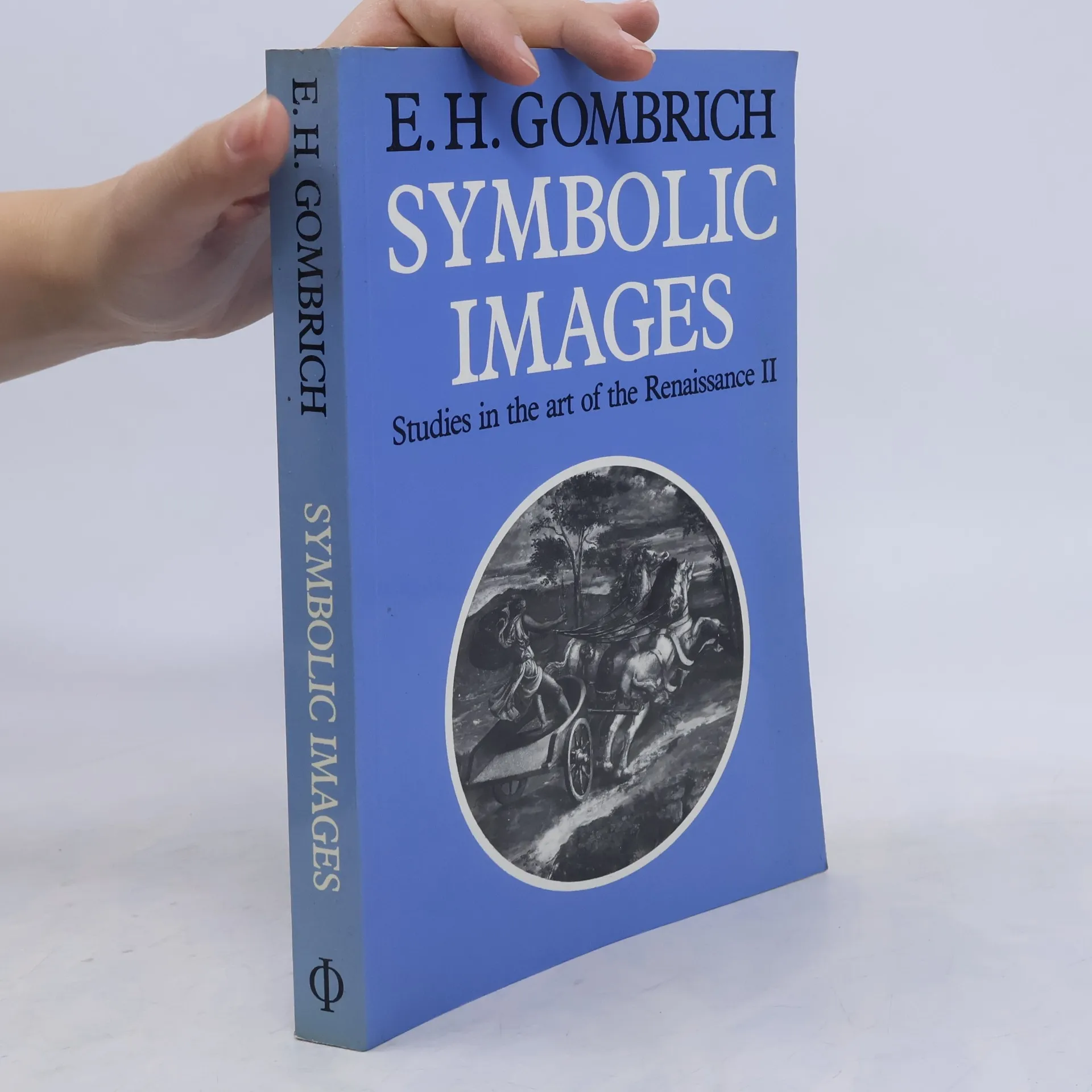
    • Gombrich On The Renaissance - 2: Symbolic Images

      Studies in the Art of the Renaissance

      • 340 Seiten
      • 12 Lesestunden

      In this second volume of his classic essays on the Renaissance, E H Gombrich focuses on a theme of central importance: visual symbolism. He opens with a searching introduction ('The Aims and Limits of Iconology'), and follows with detailed studies of Botticelli, Mantegna, Raphael, Poussin and others. The volume concludes with an extended study of the philosophies of symbolism, demonstrating that the ideas which preoccupied the philosophers of the Renaissance are still very much alive today.Like its predecessor, Norm and Form, this volume is indispensable for all students of Renaissance art and thought as a work that has itself helped to shape the evolving discipline of art history. Reflecting the author's abiding concern with standards, values and problems of method, it also has a wider interest as an introduction to the fundamental questions involved in the interpretation of images.

      Gombrich On The Renaissance - 2: Symbolic Images1985