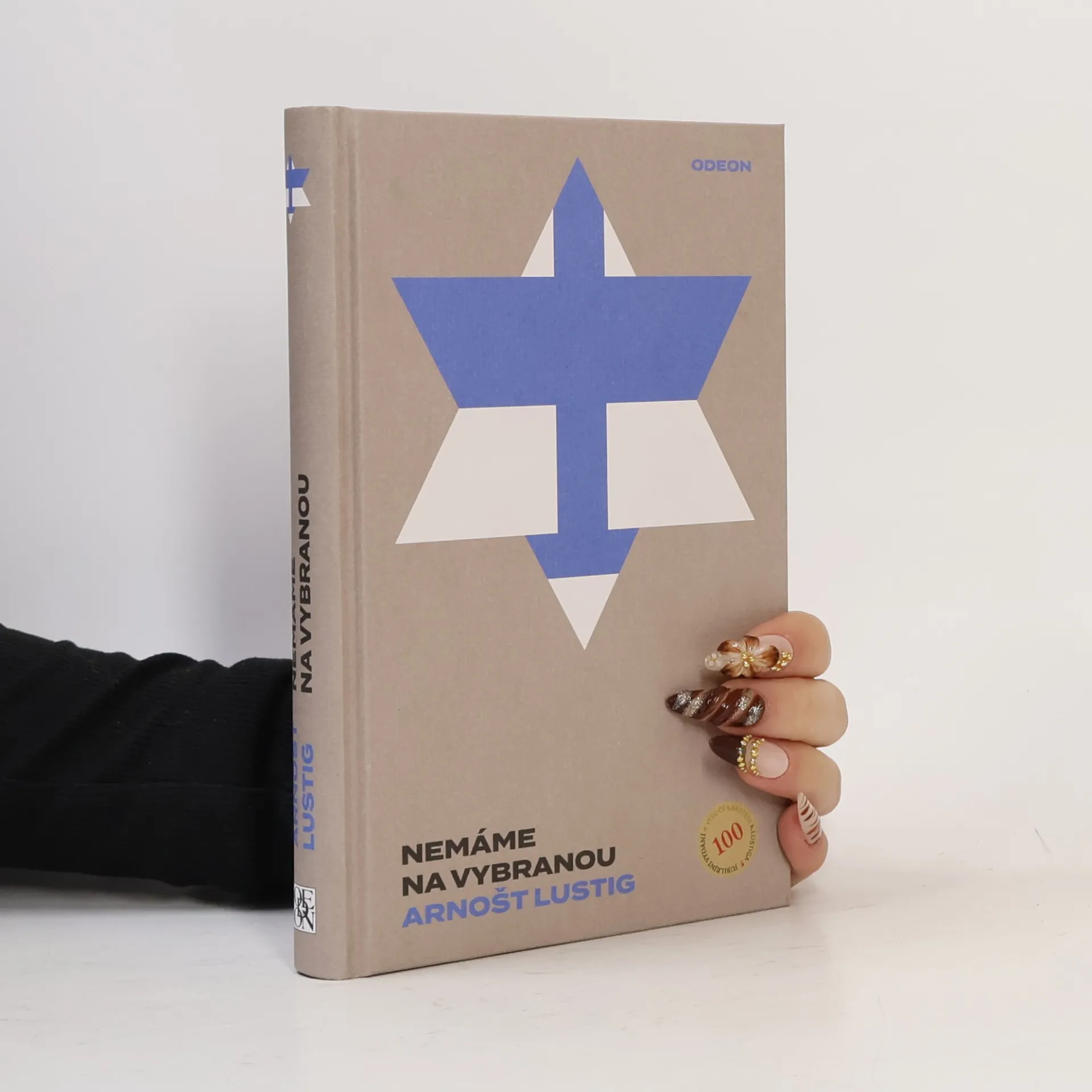
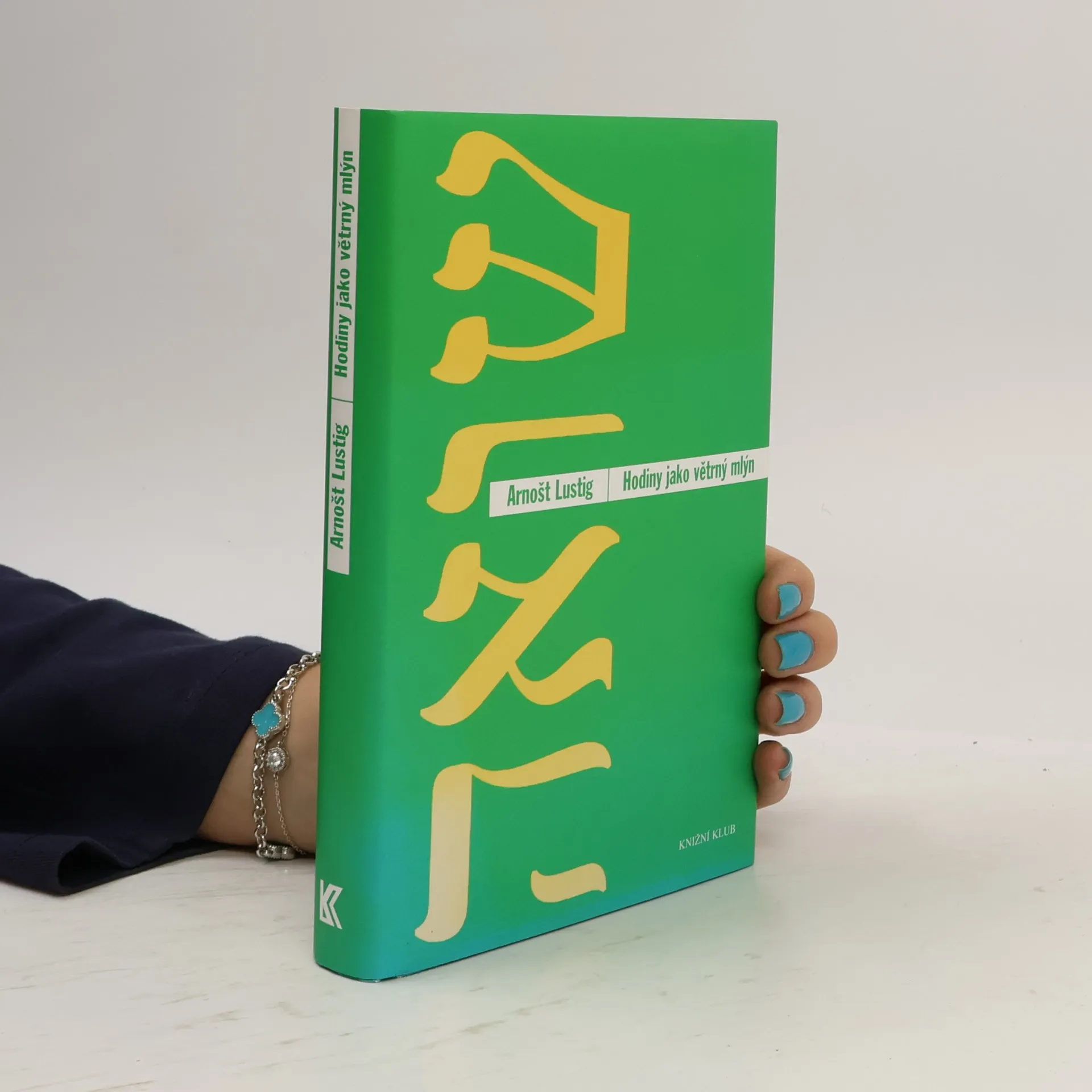
Finsternis wirft keine Schatten
- 253 Seiten
- 9 Lesestunden
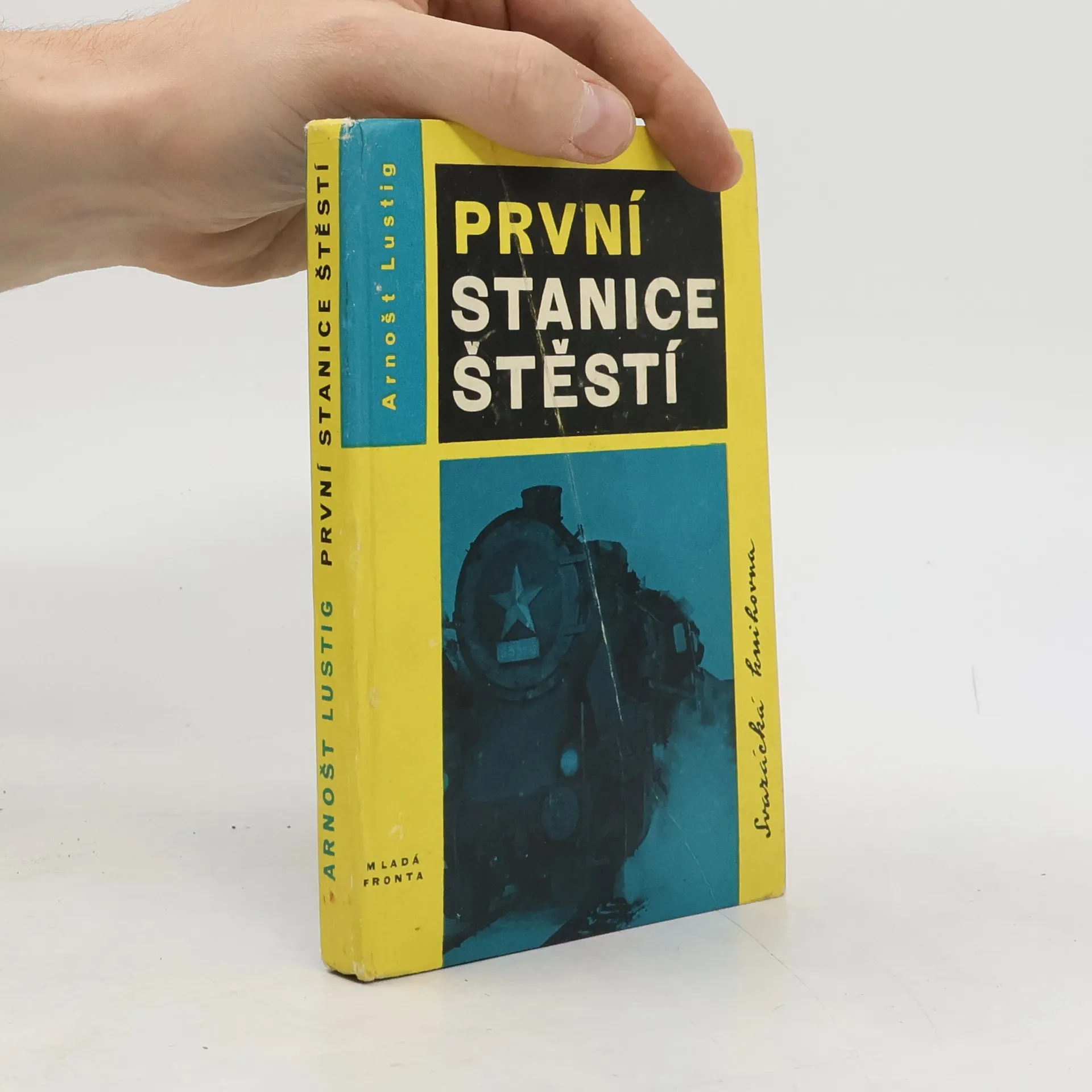
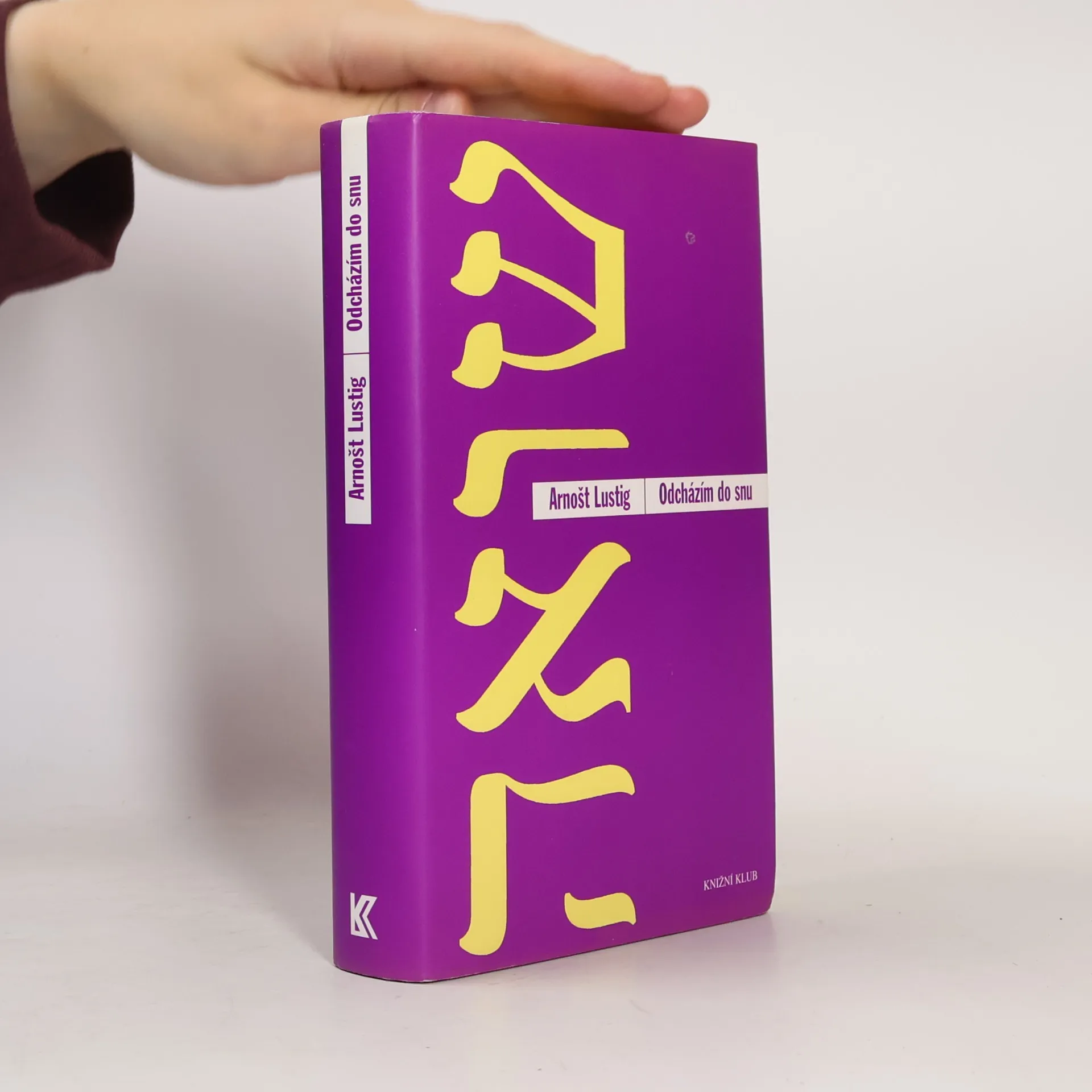
Zwei jungen Juden gelingt beim Transport ins KZ Auschwitz die Flucht. Hunger und Erschöpfung zwingen sie, zu einem Bauernhof zu gehen und sich den Menschen dort zu stellen.


Arnošt Lustig war ein tschechischer Schriftsteller, dessen Werke sich häufig mit dem Holocaust befassten. Seine Erfahrungen in den Konzentrationslagern Theresienstadt, Auschwitz und Buchenwald prägten sein Schreiben tiefgreifend, in dem er Themen wie Überleben, menschliche Würde und die Auswirkungen immenser Tragödien erforschte. Lustigs Stil zeichnet sich durch eine kraftvolle erzählerische Stimme und die Fähigkeit aus, komplexe emotionale Landschaften in seinen Charakteren darzustellen. Seine Prosa zeugt von der Widerstandsfähigkeit des menschlichen Geistes angesichts unvorstellbaren Leids.

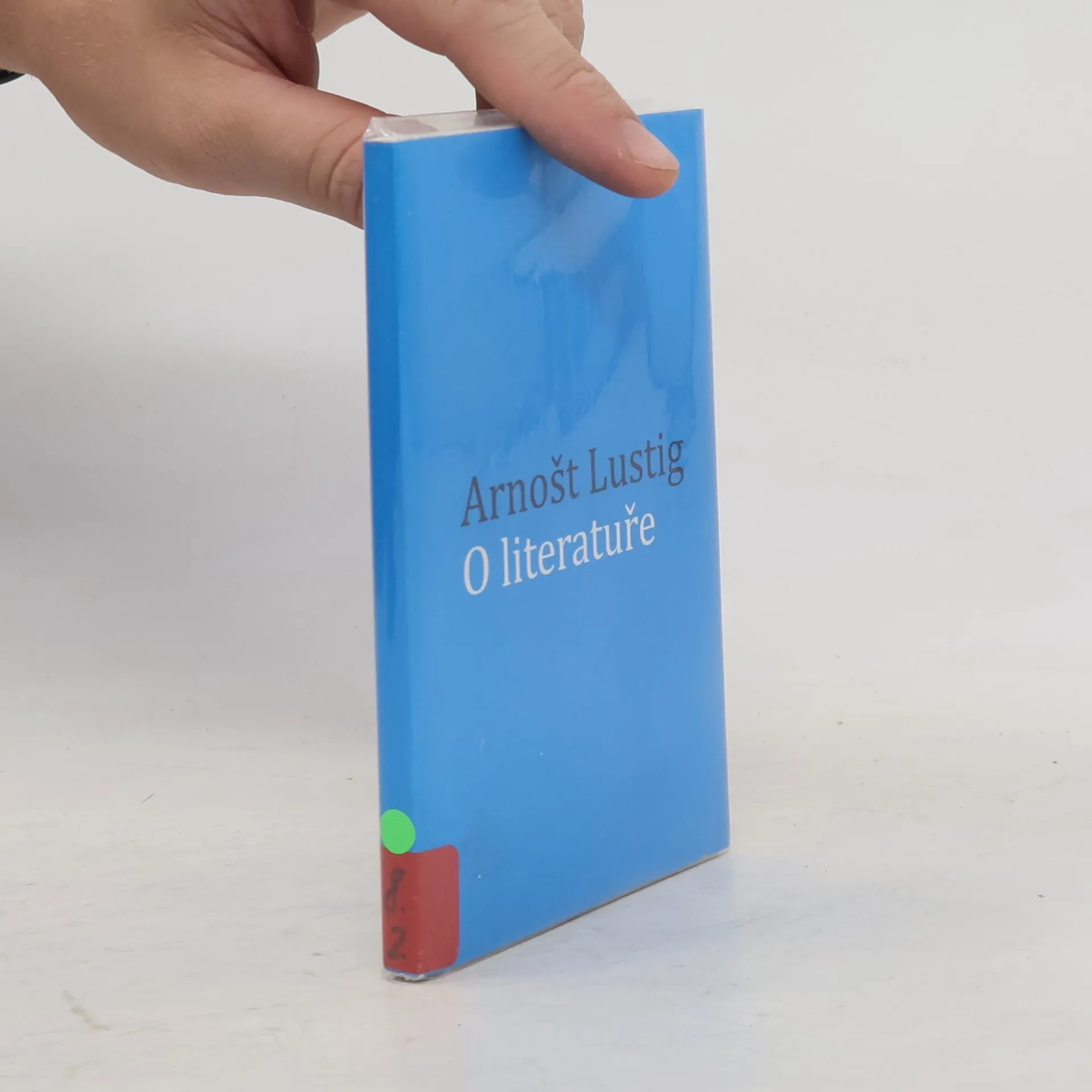
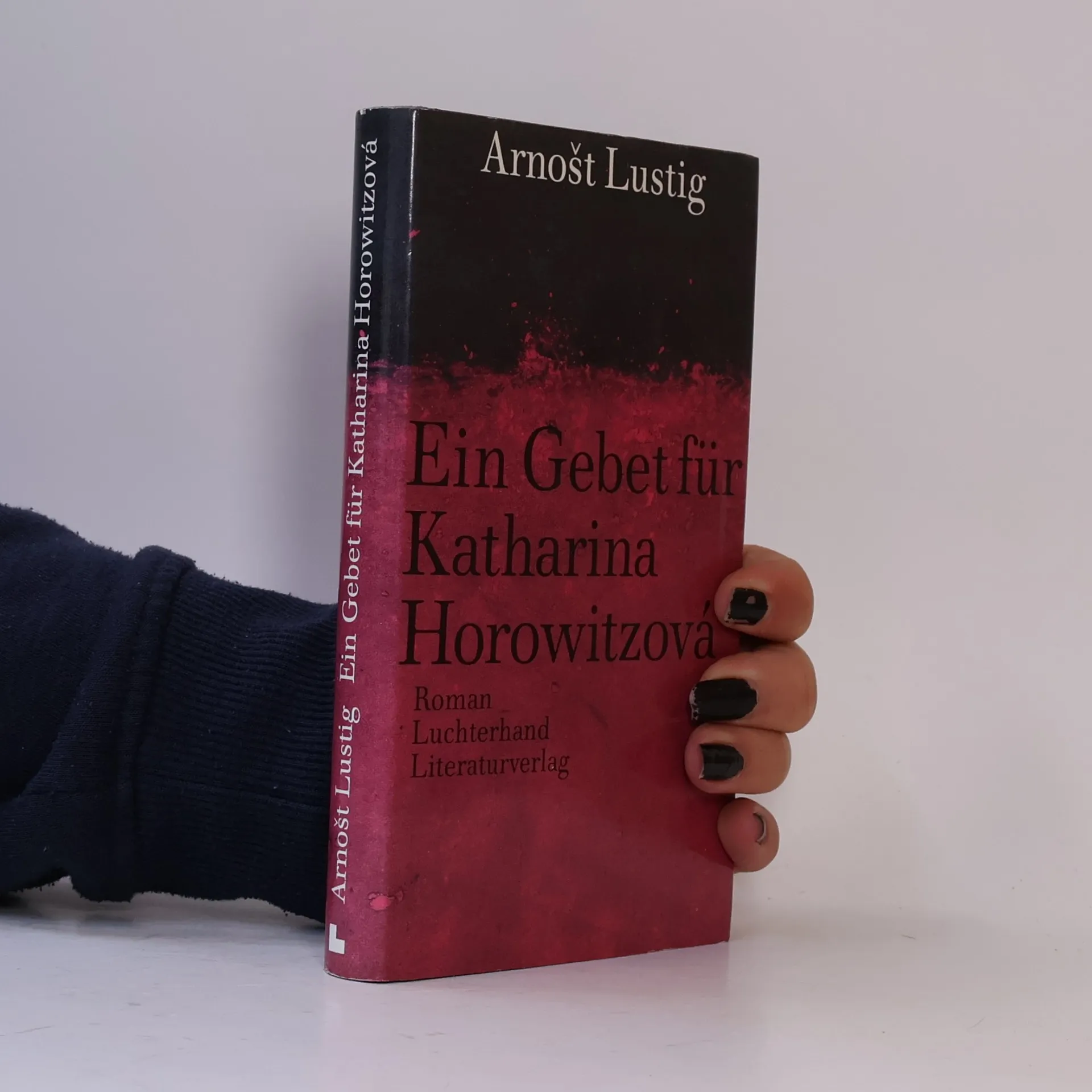
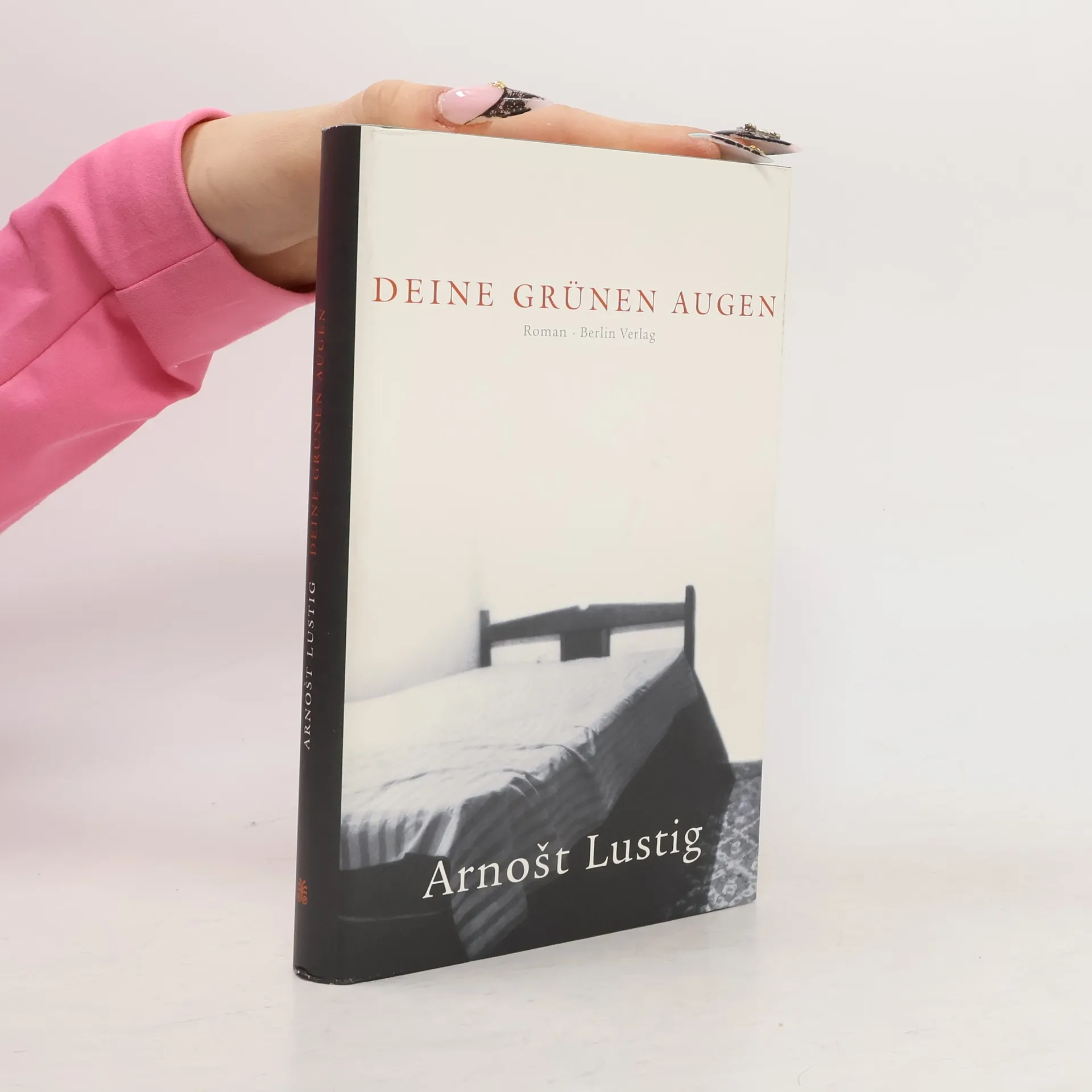
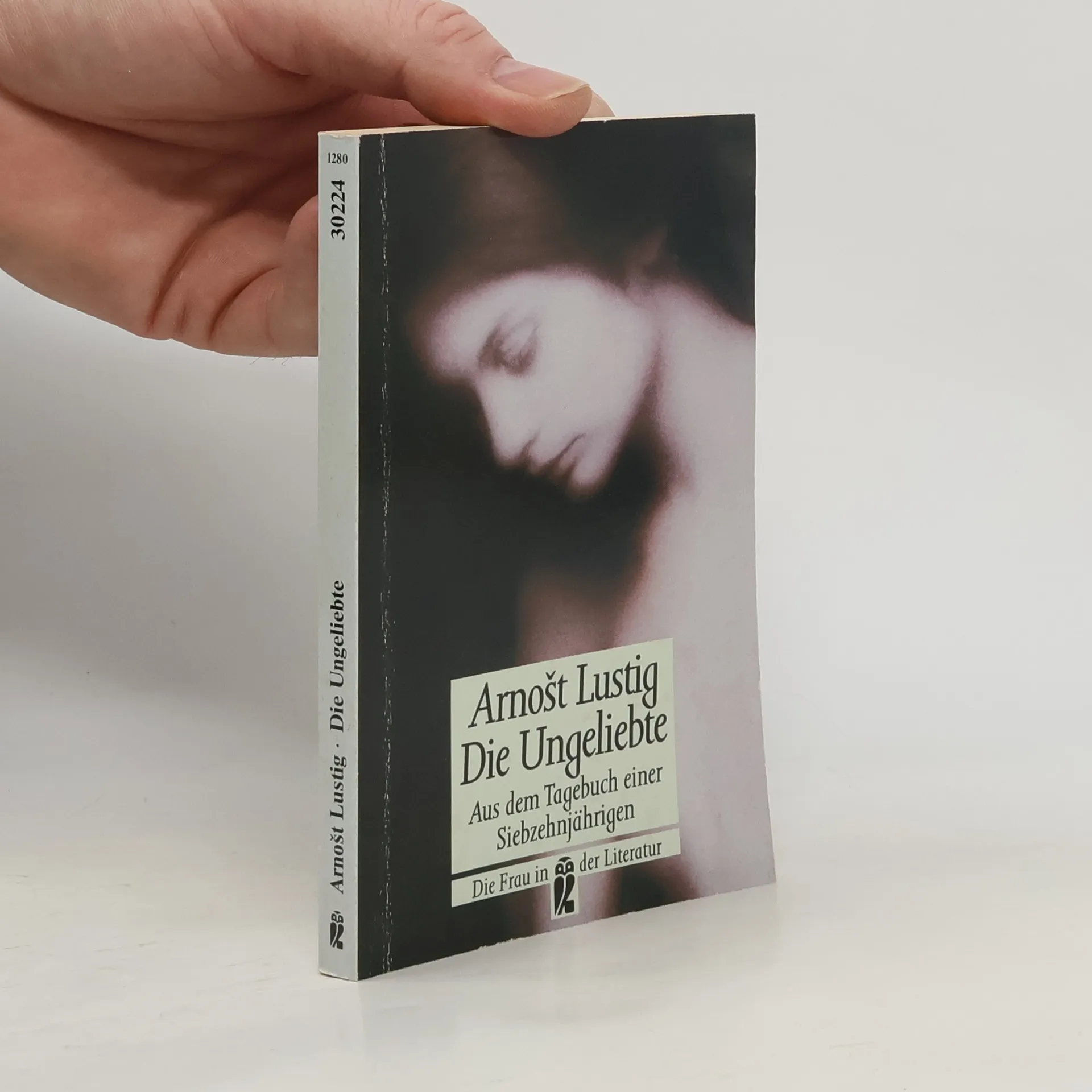
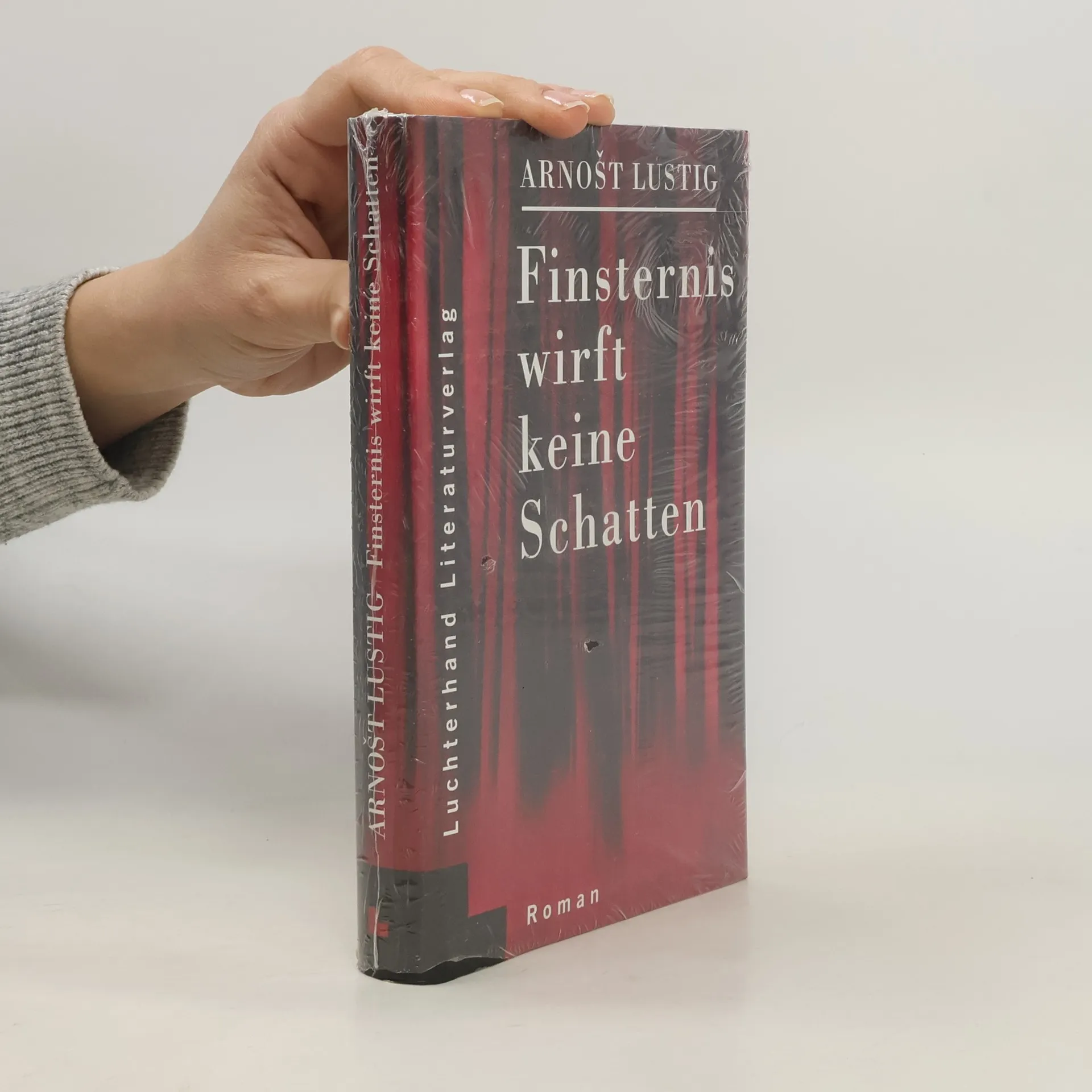
Zwei jungen Juden gelingt beim Transport ins KZ Auschwitz die Flucht. Hunger und Erschöpfung zwingen sie, zu einem Bauernhof zu gehen und sich den Menschen dort zu stellen.
She has hair of ginger and lovely green eyes, and she has just been transported with her family from Terezin to Auschwitz. In short order, her father commits suicide, and her mother and younger brother are dispatched to the gas chambers, but 15 year old Hanka Kaudersova is still alive. Faced with the choice of certain death in the camp or working in a German military brothel on the eastern front, she chooses a chance at life. Passing as an Aryan, Hanka's days in the brothel are full of cold and hunger, fear and shame. She is sustained by her loathing of the men who visit her and by a fierce, indomitable will to live. This devastatingly beautiful novel soars beyond the nightmare to leave the reader with a transcendent sense of hope.
20 reiche amerikanische Juden sollen angeblich 1943 im Austausch gegen einen deutschen Offizier aus dem KZ in die Freiheit entlassen werden. Als eine junge Frau begreift, dass ihr Weg doch in den Tod führt, erschiesst sie zwei der SS-Schergen.
Nakladatelství Franze Kafky vydává k životnímu jubileu spisovatele Arnošta Lustiga dlouholetého čestného presidenta Společnosti Franze Kafky, knížku úvah o literatuře a Franzi Kafkovi, doplněnou povídkou Štěpán a Anna ve třech jazycích – česky, anglicky a francouzsky. Knihu uvádí vzpomínka Lenky Reinerové, spisovatelky s podobným životním osudem.
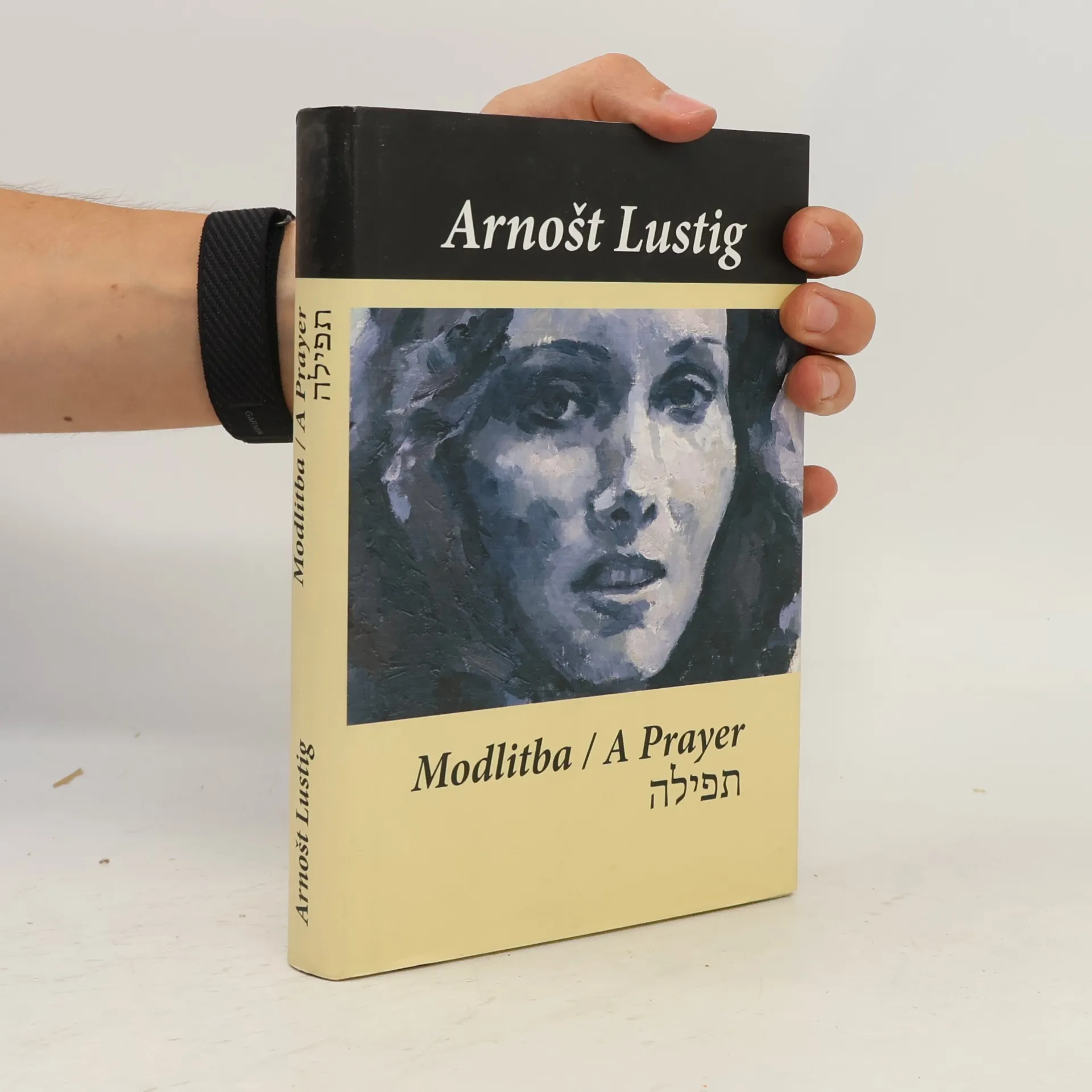
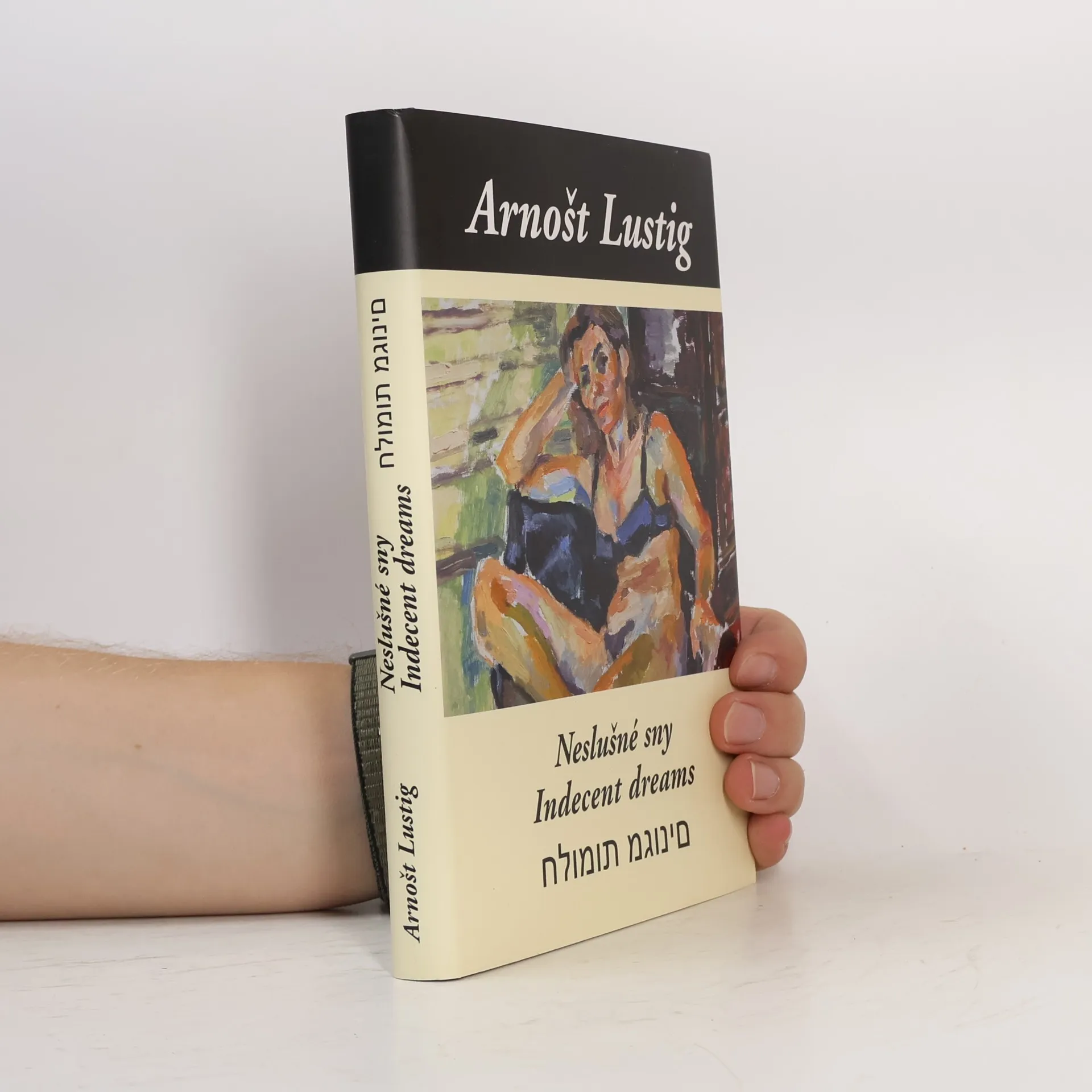
Atmosféra na sklonku války je v povídce vykreslená prostřednictvím sond do duší nacistických velitelů, obyčejných německých vojáků, mladého muže mstící ho se za smrt židovské dívky. Matky, chránící svou dceru před muži, zatím co ona sní své neslušné sny o lásce a milování. Novela Arnošta Lustiga vychází v unikátním česko-hebrejsko-anglickém vydání. Symbolicky tak představuje tři místa, kde autor našel během svého života domov.
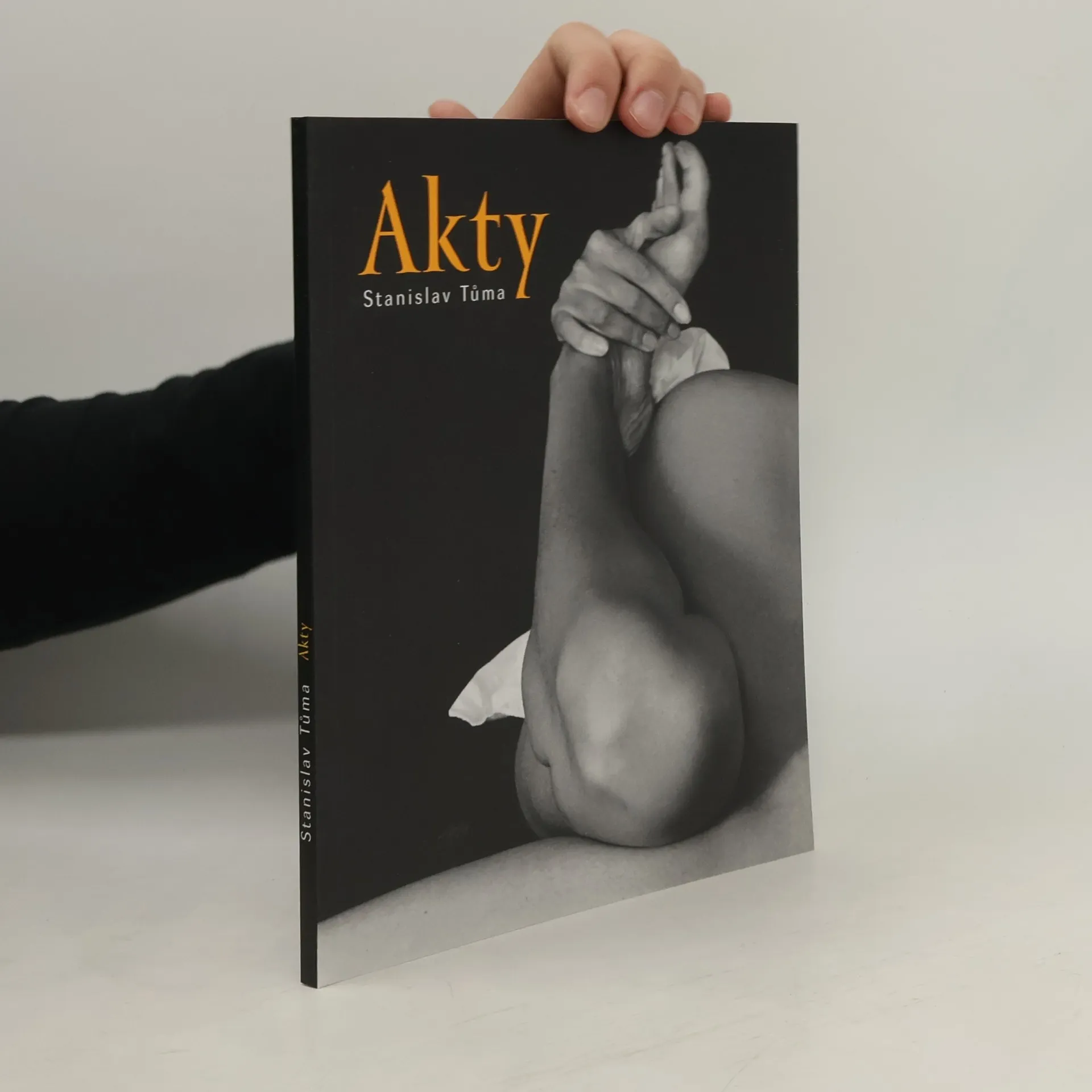
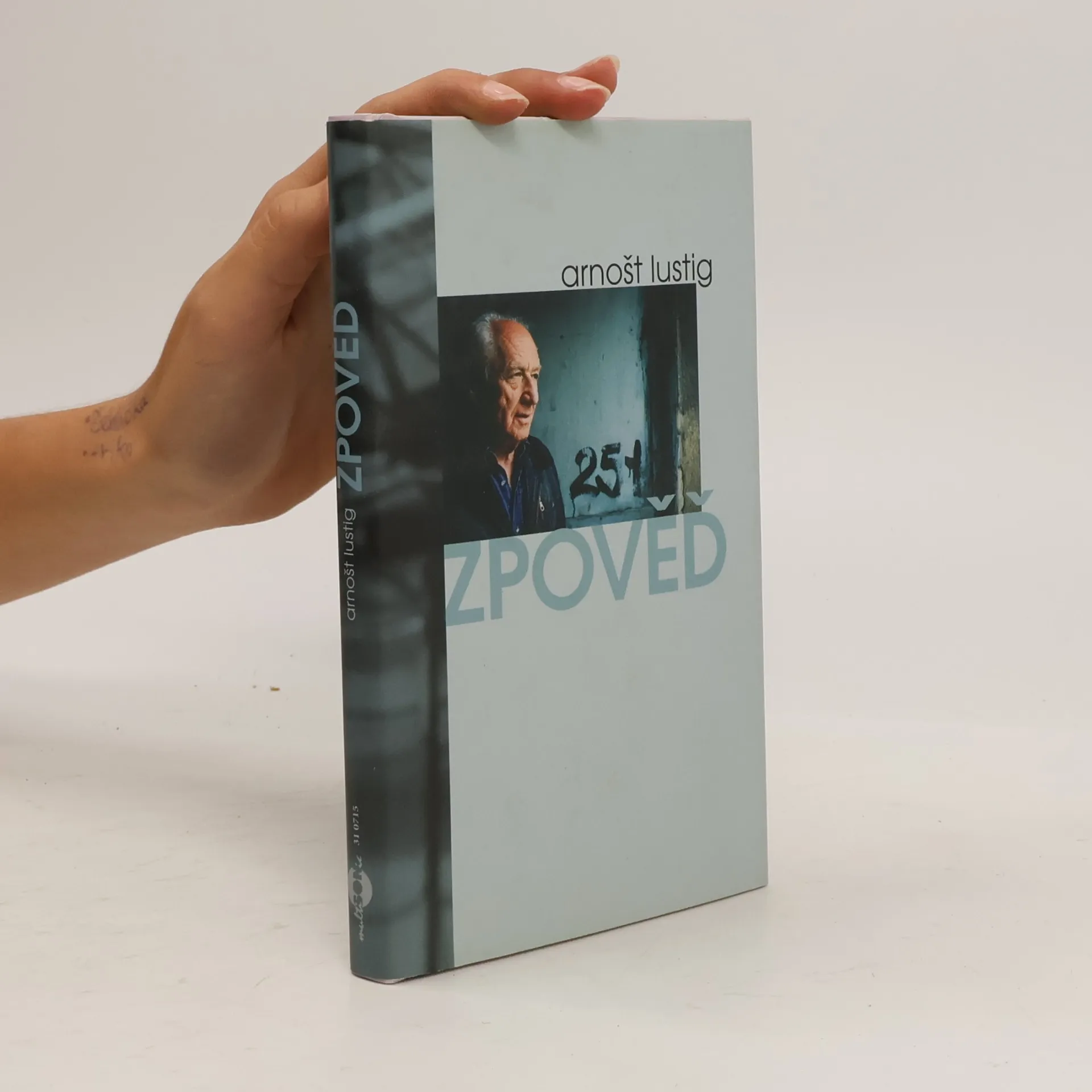
Kniha fotografií Stanislava Tůmy. Texty napsali Arnošt Lustig a Jiří David.
Stories about young people in the unique concentration-camp ghetto organized by the Nazis in the Czech city of Terezin are based on the author's own childhood experiences and observations
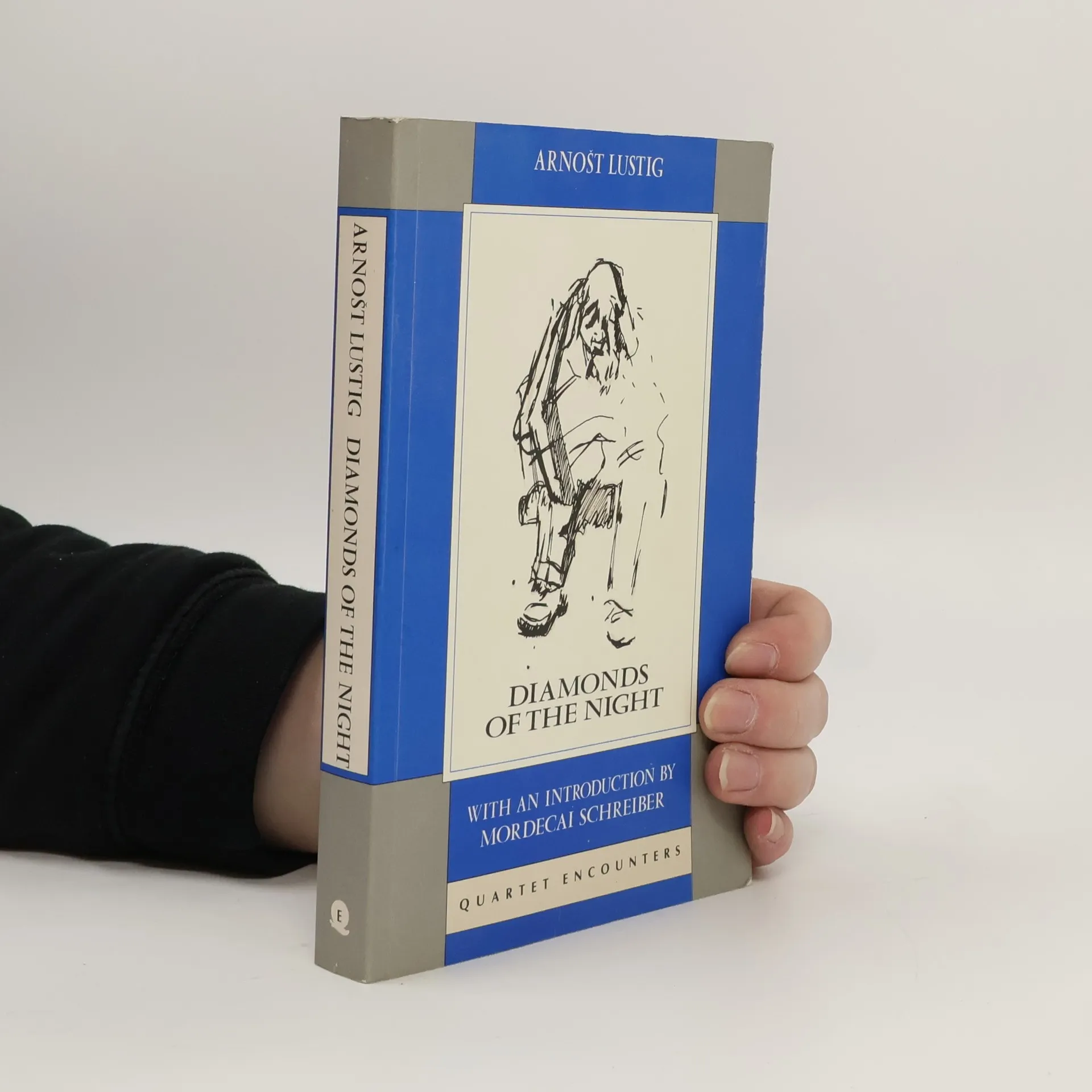
The stories in this collection take place in the Nazi concentration campus, on death transports, and during the last turbulent days of World War II. Lustig explores the very essence of humanity. His characters, mostly children and old people, are ravaged by torture and loss. Faced by conditions of extreme inhumanity and moral nightmare, each must fight his way forward realizing his particular identity and fate, salvaging some form of inner sanity and decency. Out of this chaos, in moments of resistance and improbable acts of heroism, Lustig's characters discover truths about the human condition which shine like diamonds in the night of Nazi terror.
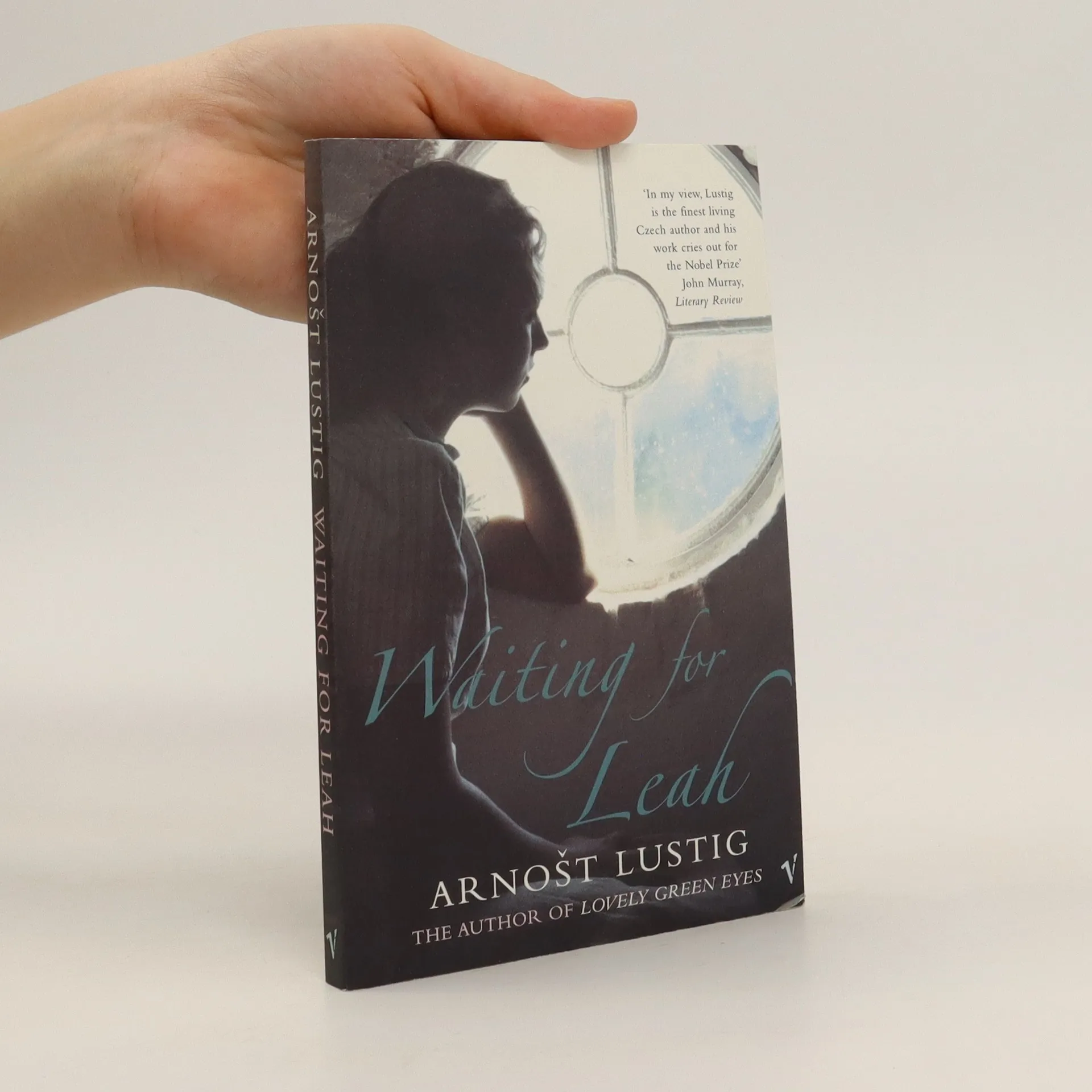
It is September 1944; the war is going badly for the Germans, and they are in a hurry to complete their 'final solution'. Compromises are being made on all sides, conditions are unspeakable, rumours are rife, but nothing definite is known of the Nazis' intentions. On the outskirts of a concentration camp in northern Bohemia three people - two eighteen-year-old men and a desperately lost young woman, Leah - are thrown together, sharing their precarious existence in an attic room. While the world disintegrates around them their relationships are charged with passion, their days filled with erotic and spiritual attraction. Caught in the web of their relationships, their futures are uncertain and any choices they have left to make will be made in the face of almost certain death...
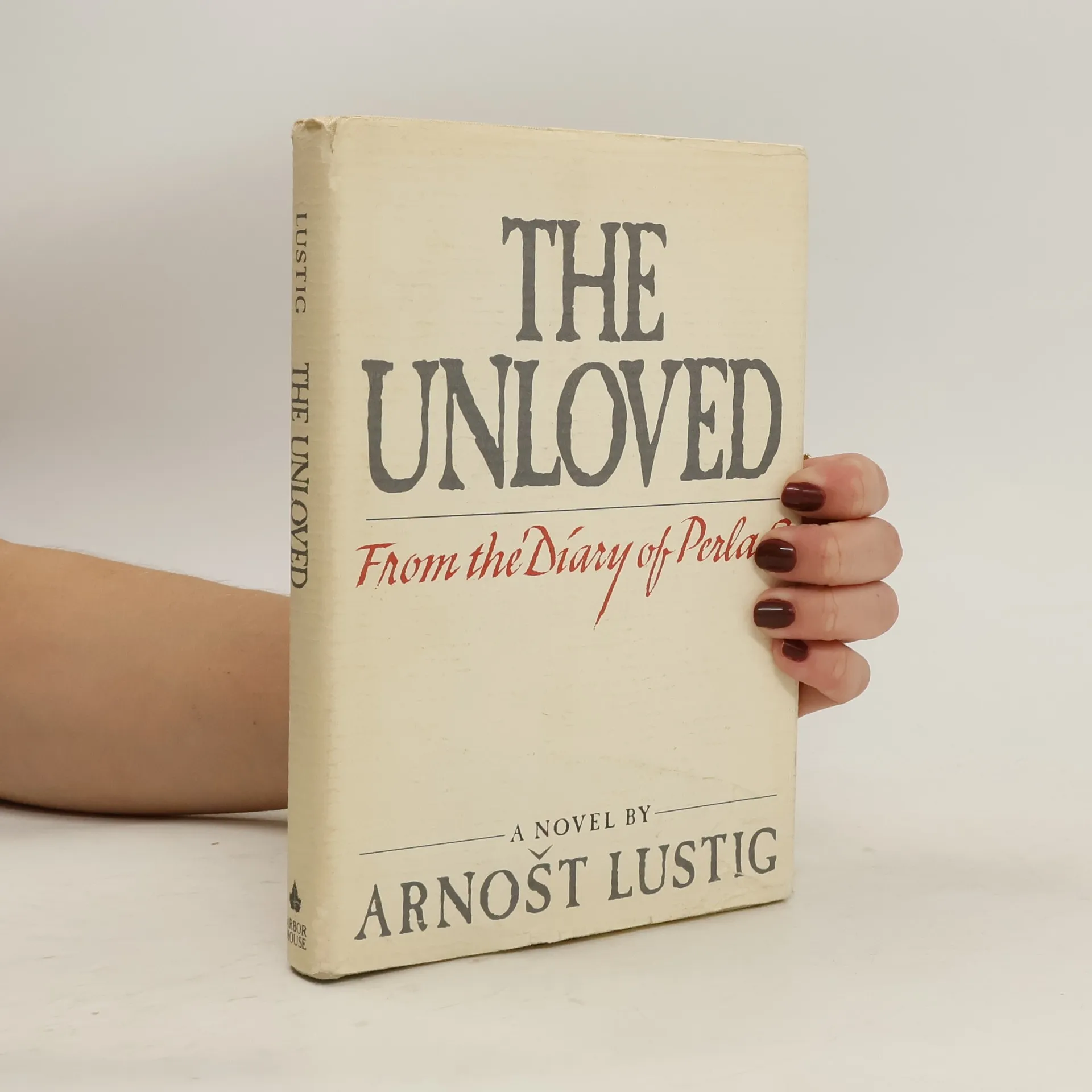
The Unloved traces five months in the life of Perla S., a beautiful seventeen-year-old girl who, while living in the Theresienstadt concentration camp, becomes a prostitute. Capturing Perla's voice through a series of entries in her diary, Lustig tells how she, living in a world of lies and horror, maintains her integrity, honesty, and hope. This first paperback edition of The Unloved has been extensively revised and expanded by Lustig.
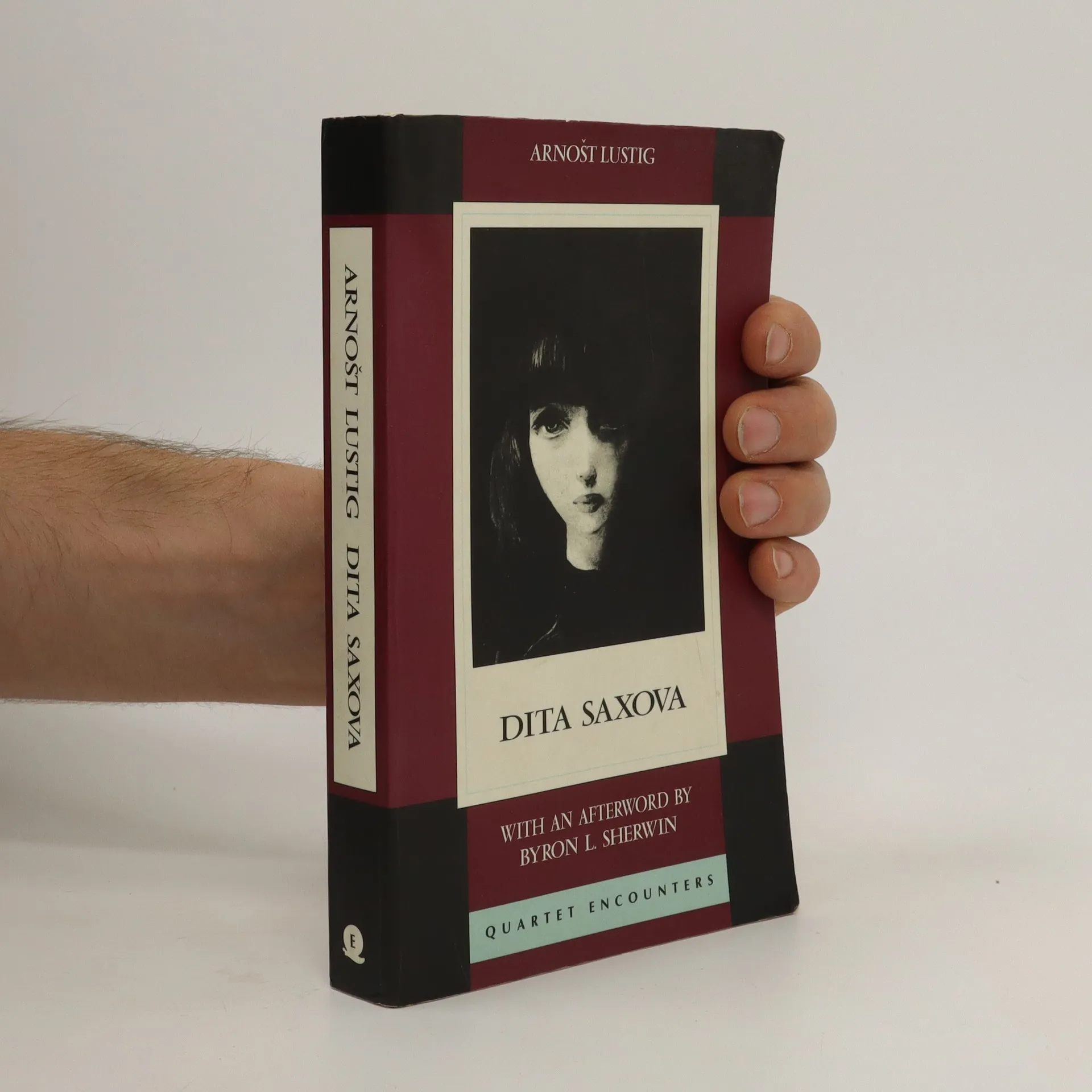
Dita Saxova is an eighteen-year-old concentration camp survivor trying to start a new life in postwar Prague. Living in a special hostel for orphans from the camps, too old to be cared for parentally, too young to be fully adult, too soaked in reality to harbor many illusions, Dita struggles to reconcile struggles to reconcile her unfathomable past with her enigmatic future. First published in Czech in 1962, then in English in 1979, Dita Saxova confirms Arnost Lustig's place as one of the masterful storytellers of the Holocaust period.
Three novellas about resisting brutality, and the stupidity of dehumanizing power: a German prostitute assigned to Prague; a girl in a Nazi home for orphans; and a young woman working as a cashier in a movie theatre.
Selected Research and Analysis from Radio Free Europe/Radio Liberty
Book by
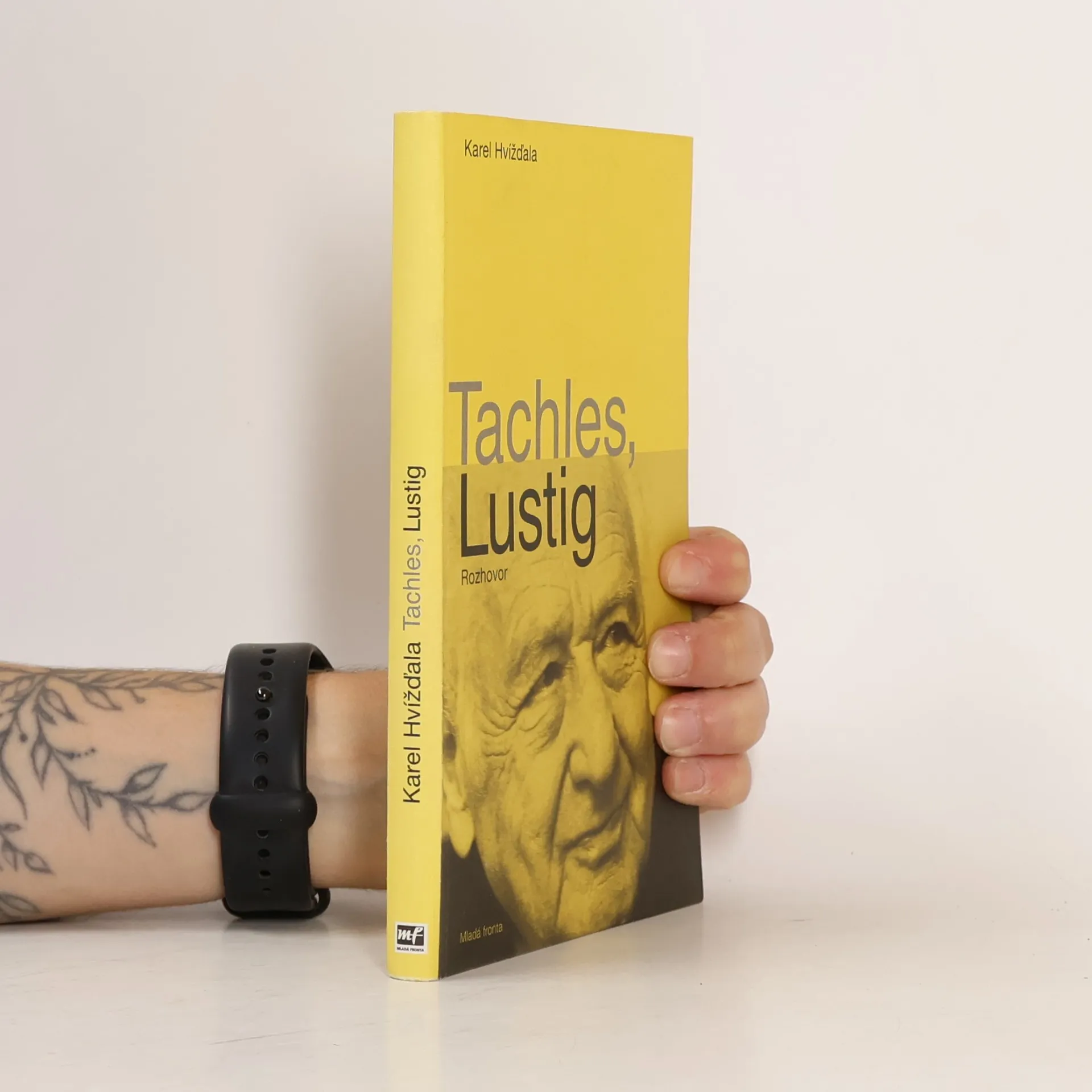
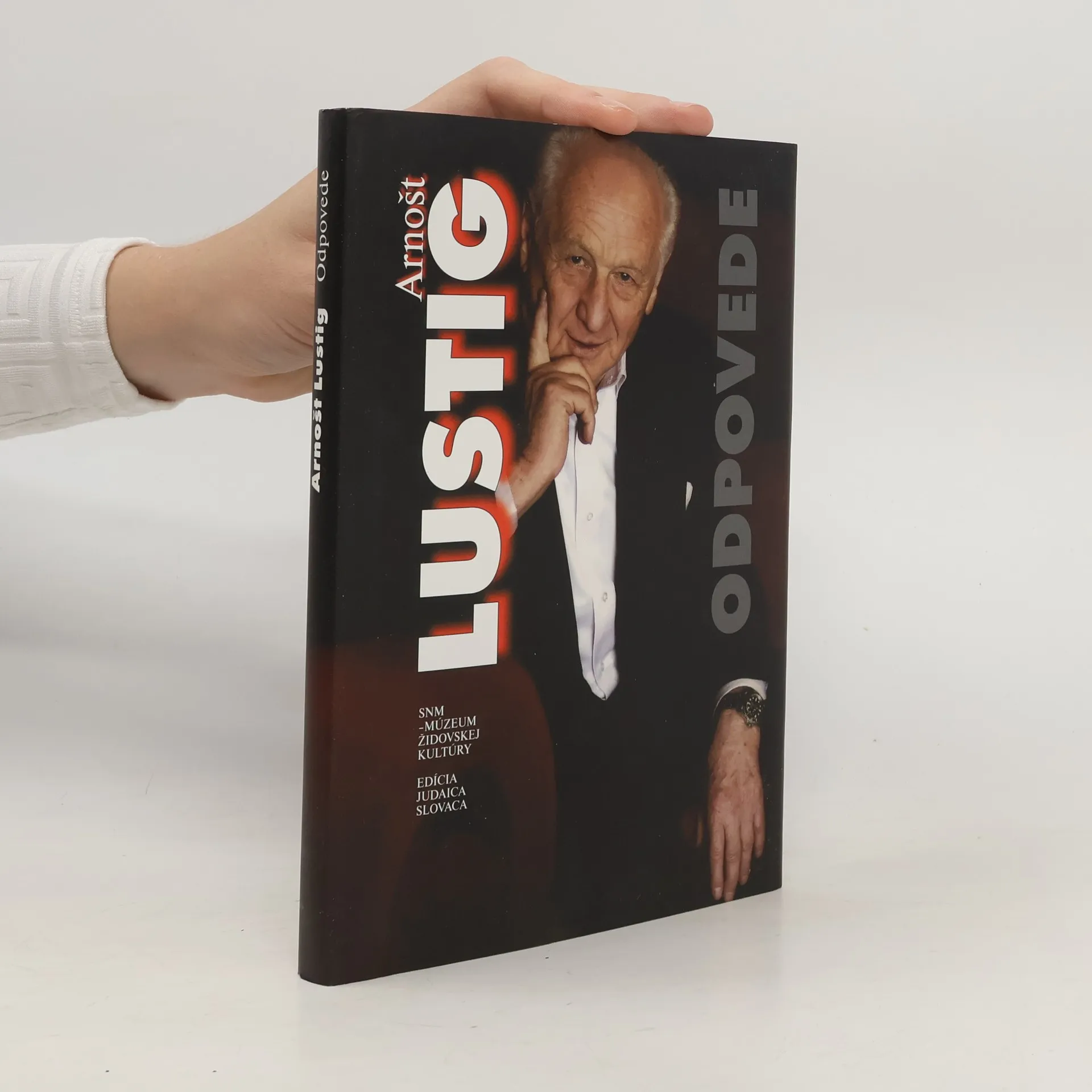
Rozhovor představuje významného spisovatele, který svým dílem a mistrovským vypravěčským talentem připomíná tragédii šoa. V bilančním rozhovoru vedeném od května do července 2010, v době jeho těžké nemoci, vypráví nejen o době prožité v lágrech, o tom, co znamená být Židem v XXI. století, ale i o svých kamarádech Otu Pavlovi, Ludvíku Aškenázym a pilotu Josefu Plačkovi. Hovoří o učení kreativního psaní na americké univerzitě ve Washingtonu, o svých láskách a roli erotiky a sexu v životě. V tomto interview na sebe Arnošt Lustig, český Žid, prozrazuje, že jeho skutečná národnost se jmenuje spisovatel.
Literárně zpracovaný fonetický záznam vzpomínek a úvah Arnošta Lustiga. Úprava a literární zpracování Eva Hlavsová.
Kniha úvah, vzpomínek a rozhovorů s předním českým spisovatelem 20. století.
Tři osudy a jeden proces: pohled do zákulisí nacistických vyhlazovacích záměrů.
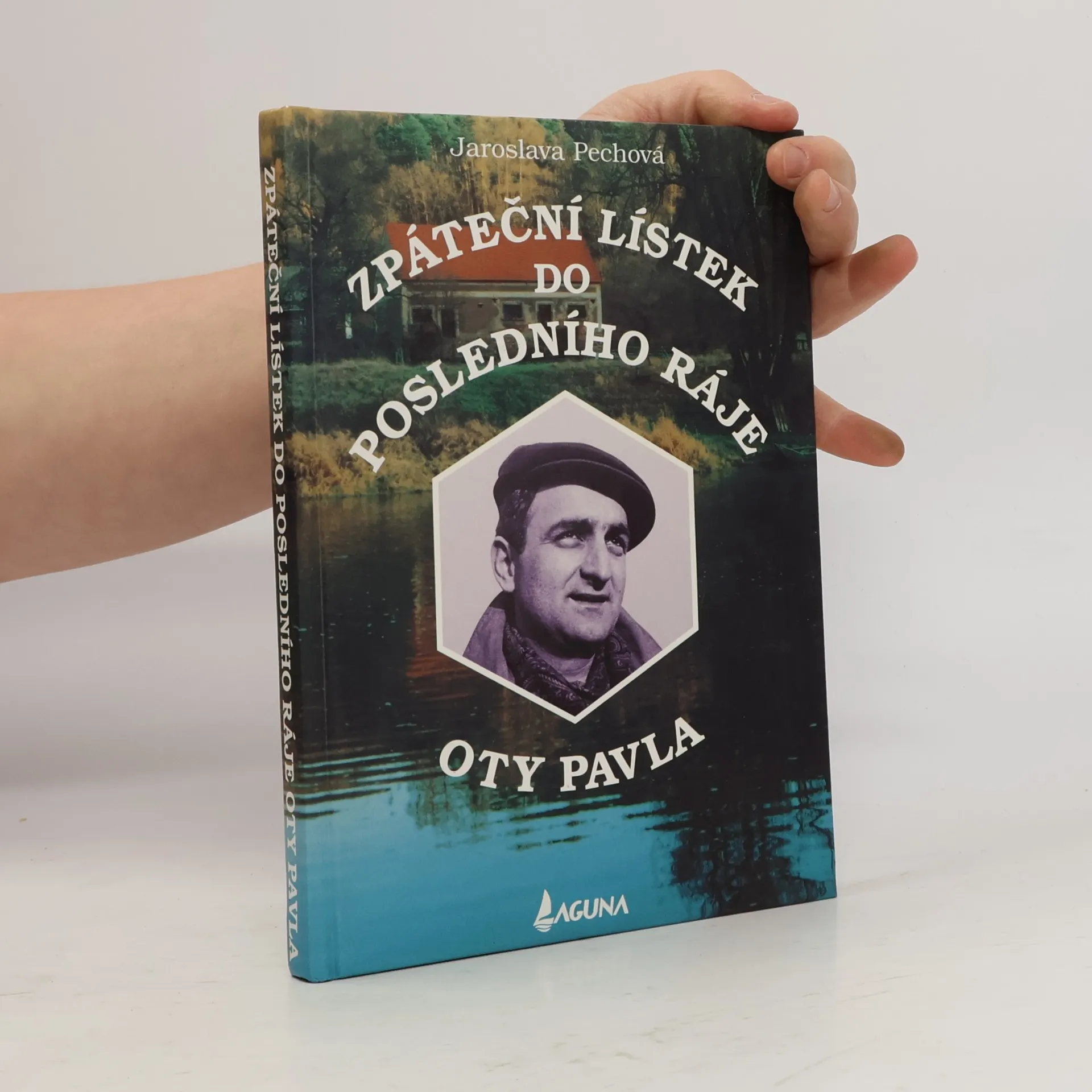
Zpáteční lístek do posledního ráje Oty Pavla je vyznáním kraji autorčina dětství. Především je však vyznáním velkému člověku Otu Pavlovi. Byl spisovatelem, který tak jako autorce - vstoupil do života nekonečné řadě čtenářů a posléze i filmových diváků a posluchačů v mnoha zemích světa. Ve své knize Jaroslava Pechová použila úryvky z korespondence a Pavlovy tvorby, neboť poodhalují jeho křehkou a poetickou duši. Autorčiným přáním je, aby tato kniha vzbudila ve čtenářích touhu stále se navracet k Pavlovým knihám, aby v nich probudila i chuť podívat se do líbezného kraje pod hradem Křivoklátem, jímž se vine jako dlouhá mnohobarevná stuha tajemná řeka Berounka.
Čtyři novely o utrpení židovského obyvatelstva za 2. světové války, jejichž životní cesta jednoznačně vedla do plynových komor koncentračních táborů. Jsou otřesným svědectvím o utrpení židovského obyvatelstva za 2. světové války. Zároveň jsou dokumentem o morálních lidských kvalitách těchto lidí, kteří mnohdy stáli před vážným mravním rozhodnutím, ať již šlo o mladého chlapce vracejícího se z koncentráku a váhajícího mezi pomstou a odpuštěním nebo starého profesora, který se měl rozhodnout k dobrovolné smrti.
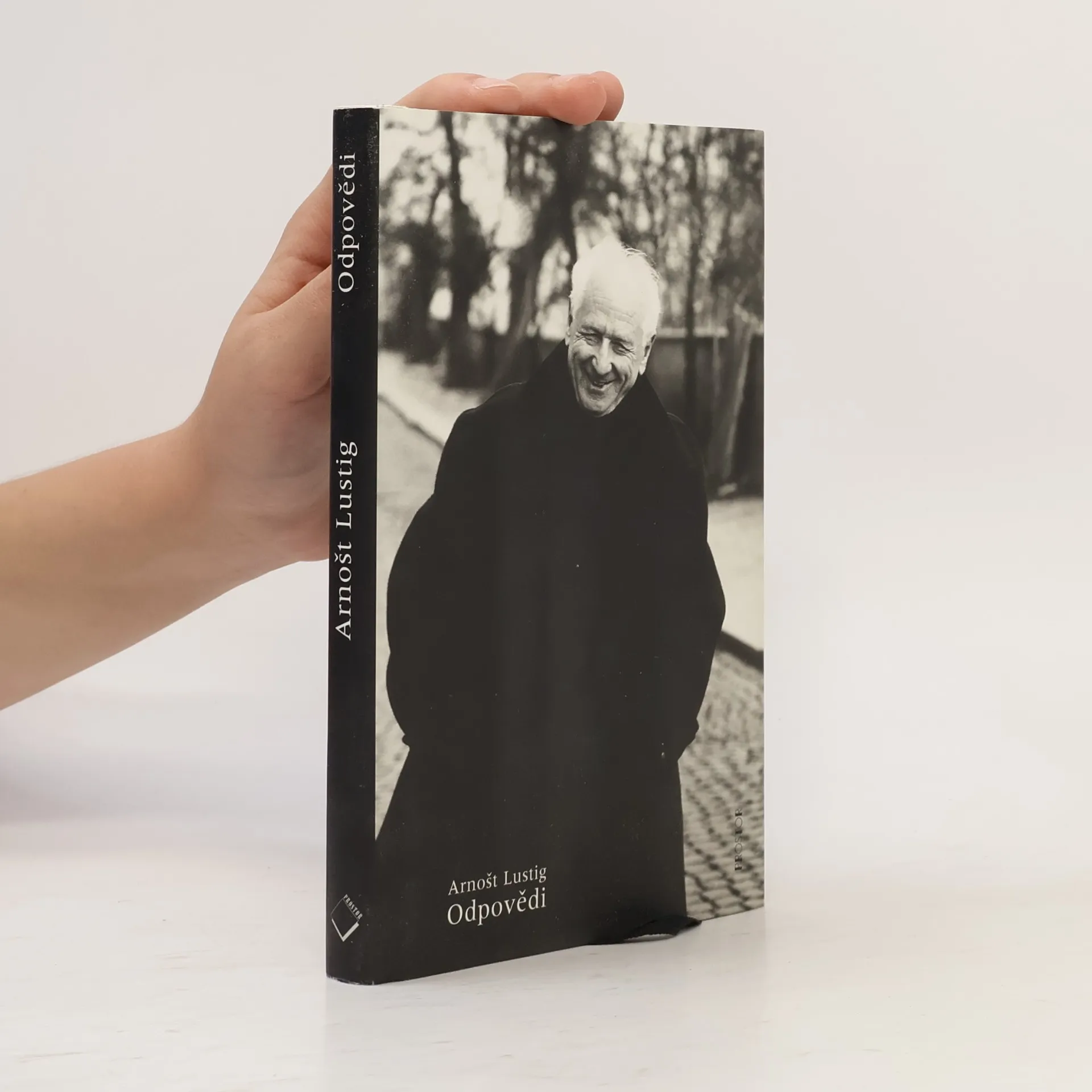
Nové, rozšířené vydání zásadních rozhovorů profesora univerzity v St. Louis Harryho Jamese Cargasse a literárního historika Michaela Bauera s českým spisovatelem a publicistou. První rozhovor, pořízený v roce 1992 a publikovaný o rok později v knize Witnesses of Catastrophe (Svědkové katastrofy), představuje Lustiga jako vnímavého svědka největší lidské tragédie 20. století. V dialogu s Michaelem Bauerem, publikovaném v roce 1998 v časopise Tvar, zastihujeme Lustiga o několik let staršího a naléhavěji uvažujícího o smyslu a poslání literárního díla. Sherwinův esej je nejstarší – vznikl už v roce 1979 –, avšak otázky, které si klade a na něž se pokouší najít odpověď, neztratily nic na své aktuálnosti. Knihu doprovázejí fotografie Lustigovy "dvorní" portrétistky Petry Růžičkové.
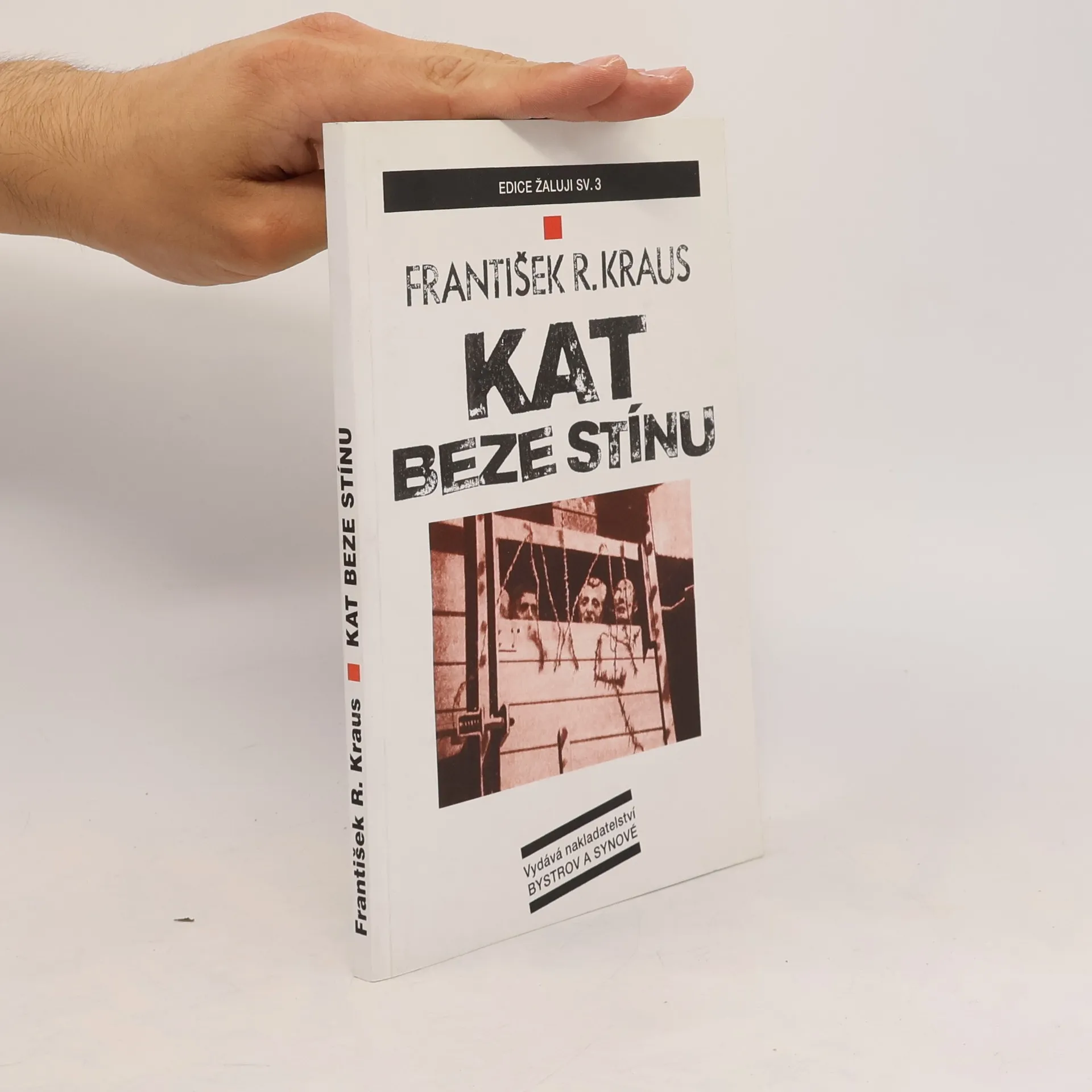
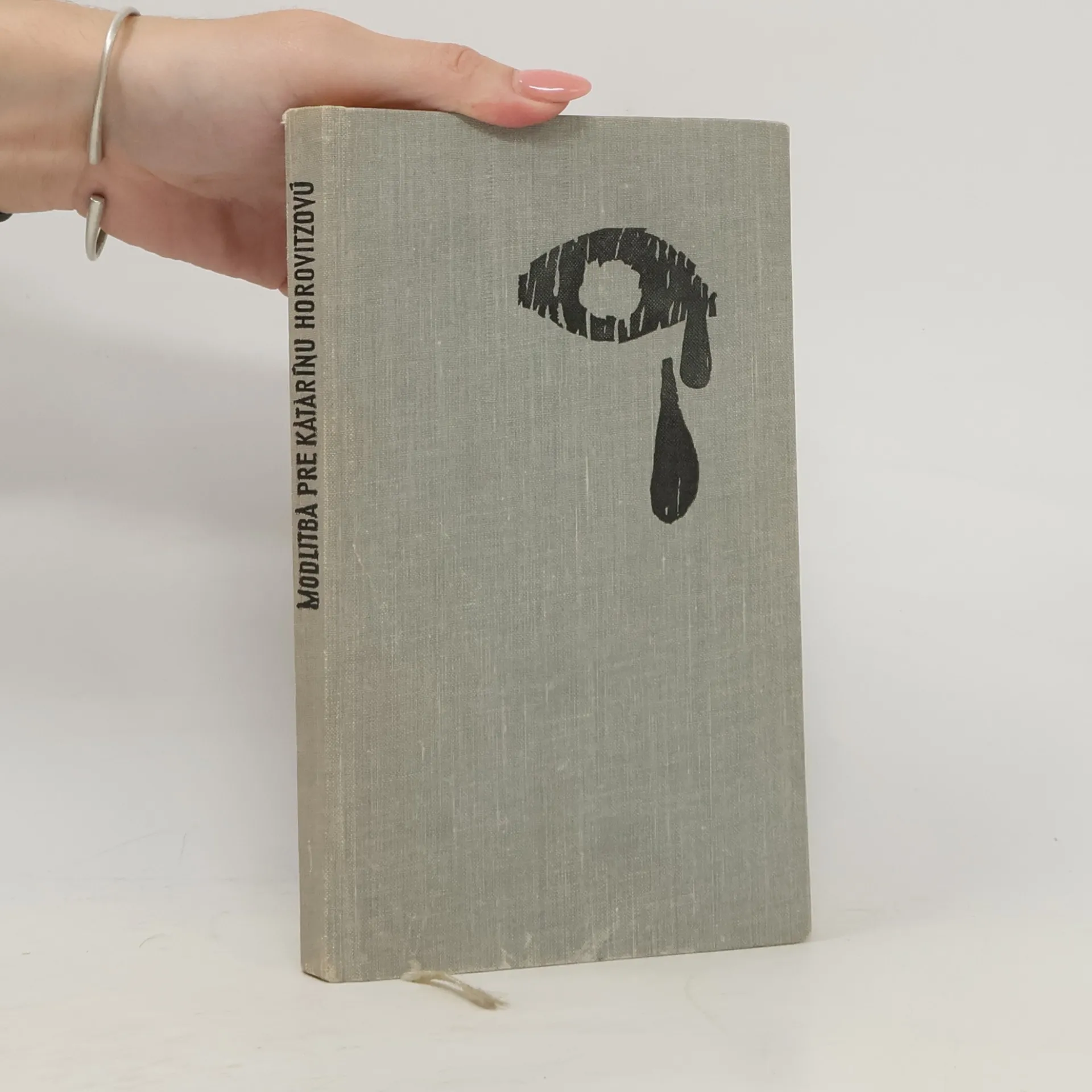
Autor vydává strhující autentické svědectví o holocaustu v Čechách. Tuto tématiku ztvárnil v pozdní expresionistické rovině, kdy do protikladu se svéráznými staropražskými obrázky, hemžící se spoustou figurek a místopisných detailů, klade řadu symbolických obrazů s brutálními až naturalistickými podrobnostmi. Kat beze stínu je syntézou celoživotní autorovy literární dráhy a představuje klasické dílo české poválečné literatury.
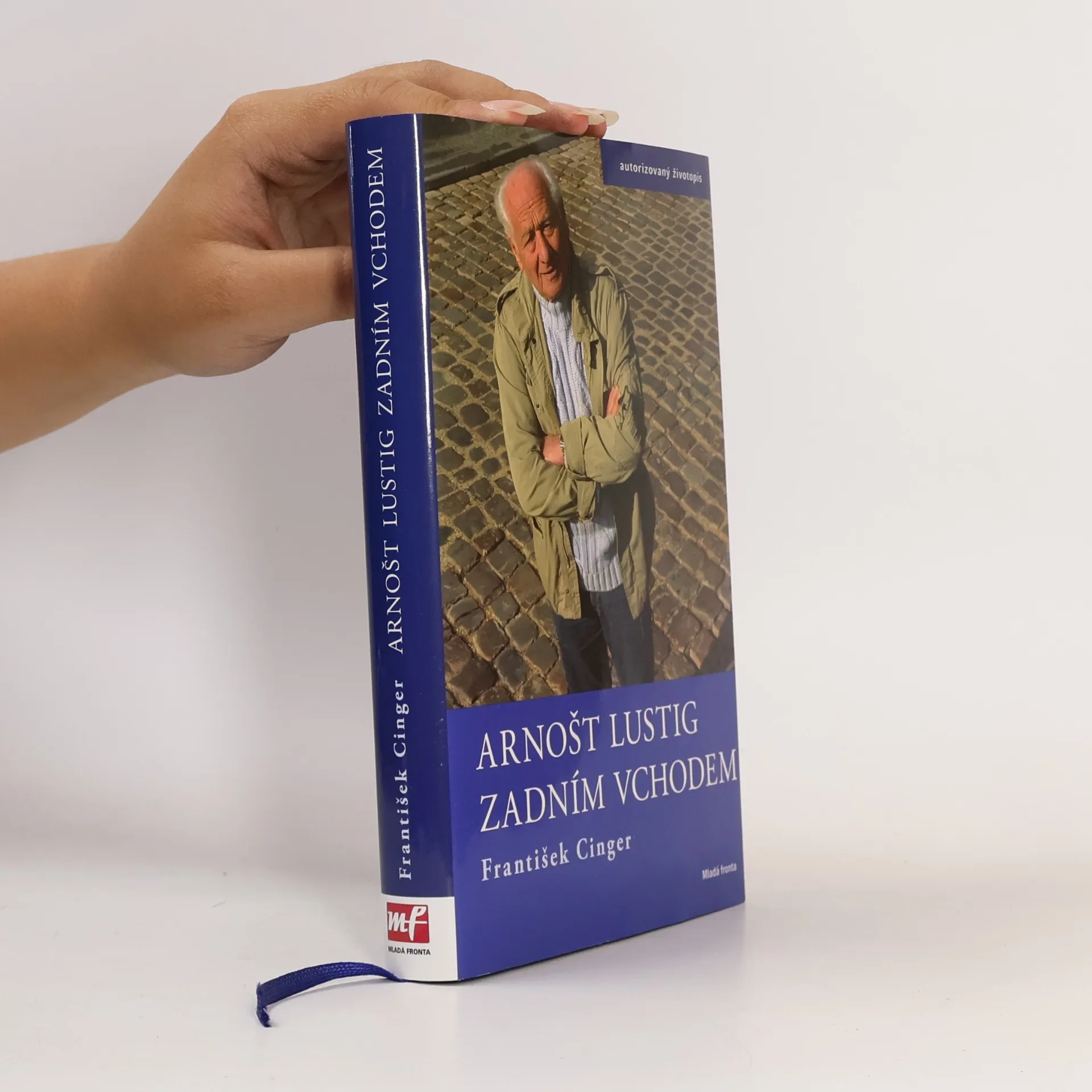
Volně pojatý, autorizovaný životopis jednoho z nejpopulárnějších a mezinárodně nejproslulejších současných českých spisovatelů. Napsal ho literární kritik a historik František Cinger, spoluautor knihy 3x18, portréty a postřehy. Vyzpovídal v něm Lustigova kamaráda, spoluvězně Jiřího Justice, aby se dozvěděl, jak společně přežili Terezín, Osvětim i Meuselwitz, pobočný koncentrační tábor Buchenwald. Cituje první novinový příspěvek dvacetiletého Lustiga i jeho první povídky, zveřejněné osm let před prvotinou Noc a naděje (1959). Odhaluje zákulisí spisovatelova působení jako šéfredaktora české verze časopisu Playboy. Prozrazuje jeho inspirační zdroje a neznámé zážitky z amerického exilu i z pedagogické praxe na Americké univerzitě ve Washingtonu. Zároveň nepomíjí bolesti, s nimiž se člověk rozdávající jinak dobrou náladu a optimismus svěřuje jen nejbližším. Knihu provází 32 stran většinou naprosto neznámých fotografií.
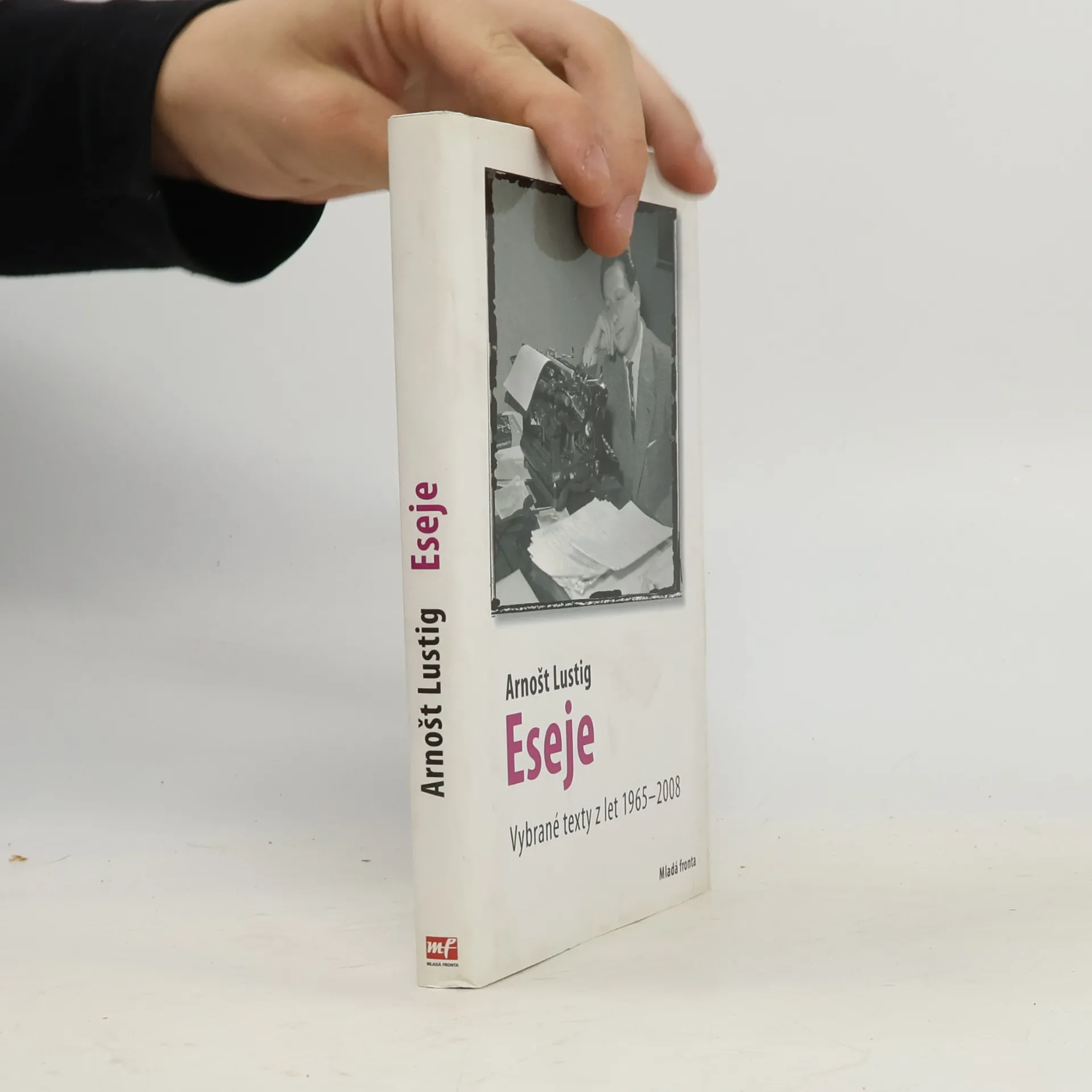
Vybrané eseje Arnošta Lustiga z let 1965–2008: Svět, do kterého jsme se narodili. Osvětim-Březinka. O smyslu života. Zabil tvého otce, nezapomeň! Král promluvil, neřekl nic. Paměť. Jediná dosažitelná nesmrtelnost člověka. Projev při otevření výstavy o terezínském divadle 15. března 2000. Ještě jednou o mrtvých, kteří žijí. Exil jako osud. Naděje a skutečnost. O literatuře. Pro koho píšu.
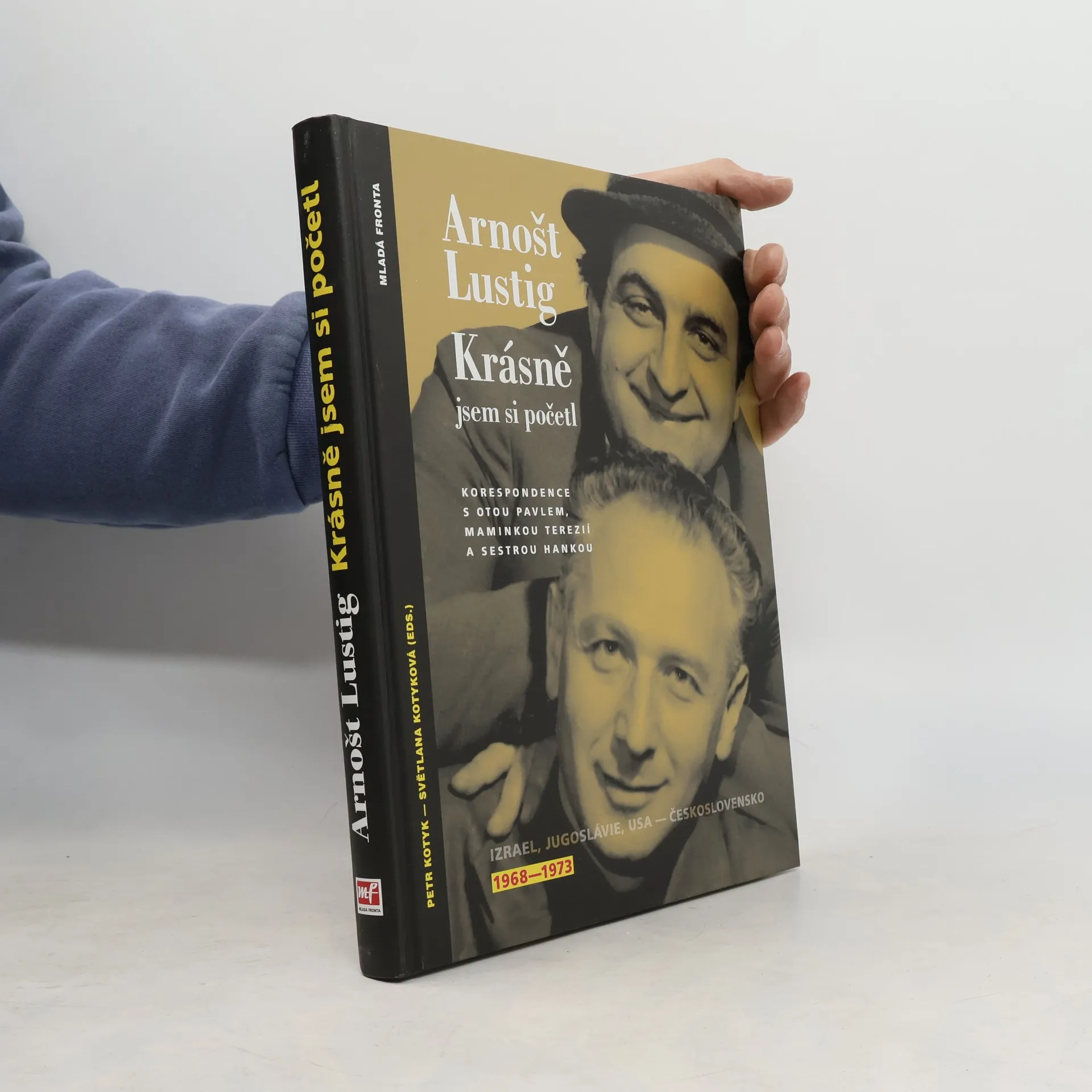
Izrael, Jugoslávie, USA – Československo 1968-1973 Kniha dopisů, koncipovaná jako mezerovitá kronika života Arnosta Lustiga a jeho rodiny po odchodu do exilu v roce 1968, přináší jedinečný výběr autentických dokumentů a fotografií vedle původních neupravovaných strojopisů a rukopisů korespondence Arnošta Lustiga a jeho ženy Věry, dcery Evy a syna Pepiho, babičky Terezie, její dcery Hany Hnátové (sestry Arnošta) a dalších příbuzných až po přátele Zdenu a Josefa Škvorecké v Torontu. Korespondence je svědectvím o síle lidských a rodinných pout, lásky a přátelství v těžkých dobách. O slovech vysílaných do dálky, která posilují. Svědectvím o velkých přátelstvích, z nichž jedno, to Arnošta Lustiga a Oty Pavla, nepřervala ani Otova smrt v roce 1973. Arnoštovy dopisy Otovi se ztratily, ale vzpomínky na Otu, které napsal, i vzpomínky dalších přátel snad tuto chybějící korespondenci doplní tak, aby čtenář pochopil, co nejen pro sebe navzájem Arnošt s Otou znamenali. A jak přátelská a rodinná pouta a v minulosti zaslaná slova pomáhají navzdory odloučení, dálce, času a smrti i dnes. Korespondence a vzpomínky jsou rovněž svědectvím o komunistických mocenských a cenzurních praktikách a zásazích do životů jednotlivců a rodin.
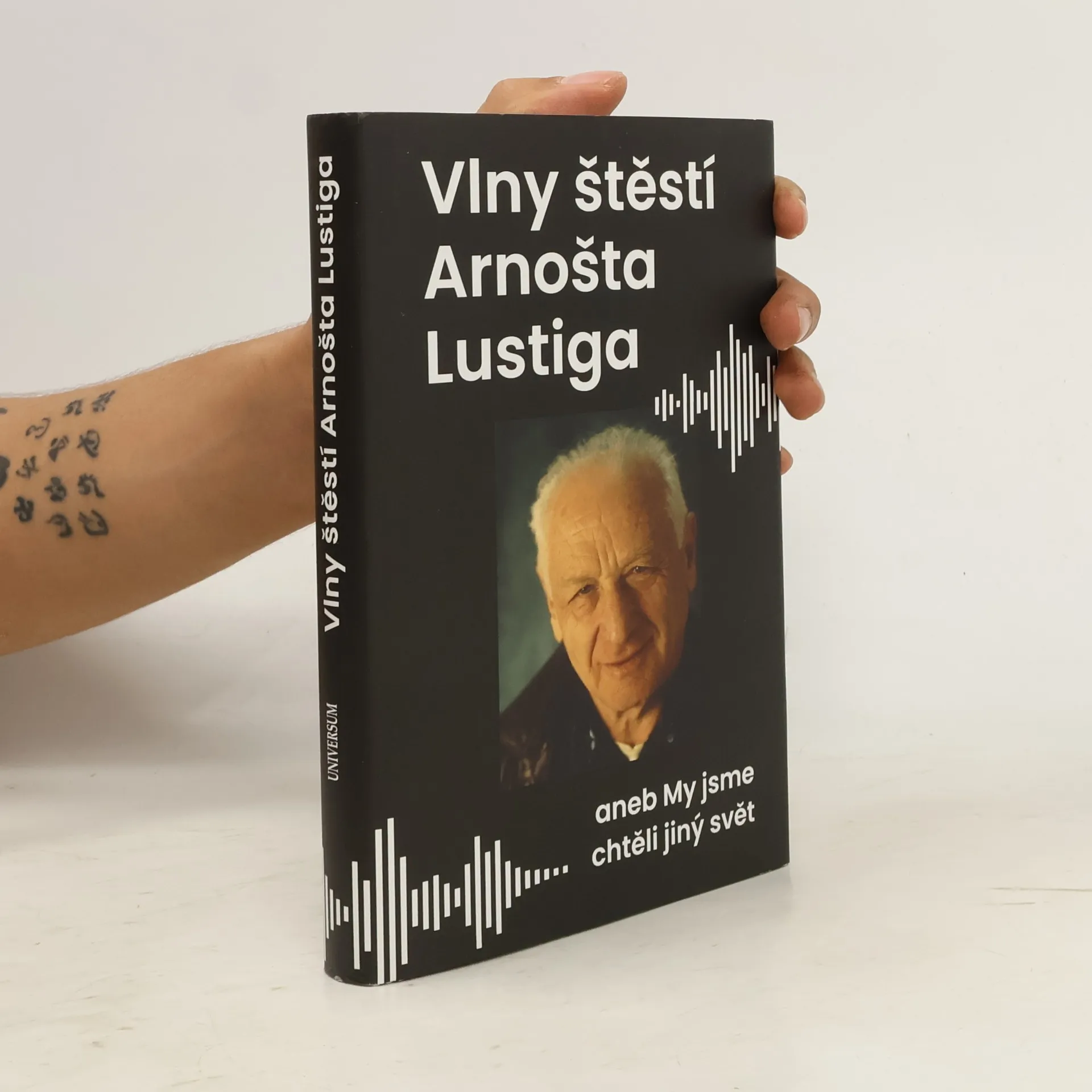
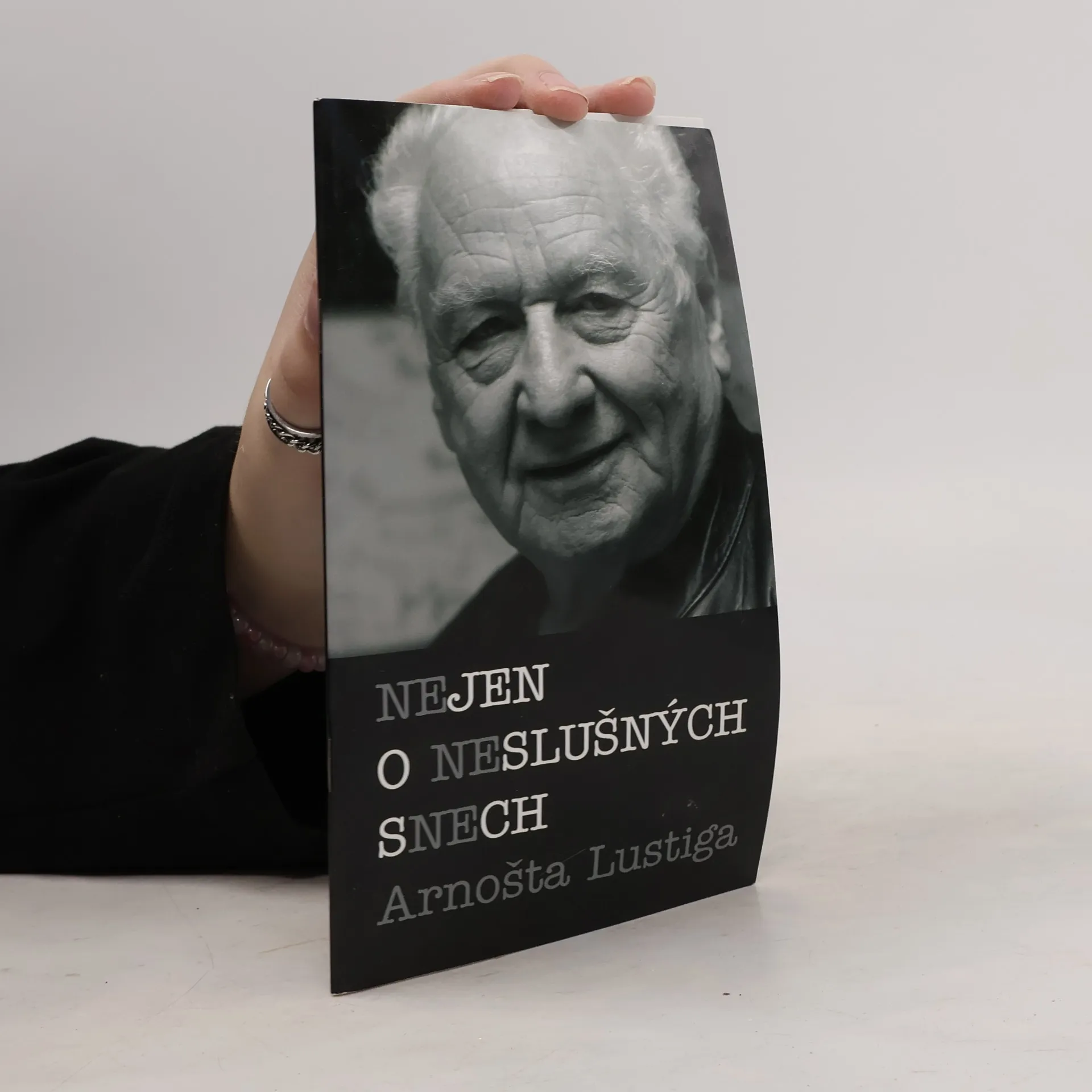
Unikátní, vůbec první výbor z dosud nepublikovaných rozhovorů a rozhlasových relací světově uznávaného spisovatele Arnošta Lustiga z let 1953–2010 přináší nadčasové, stále platné úvahy o životě, svobodě, tvorbě i o tom, co si člověk musí za každou cenu udržet, a co naopak mít nemusí. Publikace mapuje prostřednictvím dobových publicistických textů i pozdějších Lustigových osobitých postřehů jeho novinářské literární začátky, vztah k pražskému jaru, emigraci a návrat po sametové revoluci, ale stejně tak jeho názory na výuku literatury a filmu a na jeho vlastní literární tvorbu. Kniha obsahuje odkaz na audiozáznamy s vybranými rozhlasovými relacemi včetně adaptací některých Lustigových literárních děl.
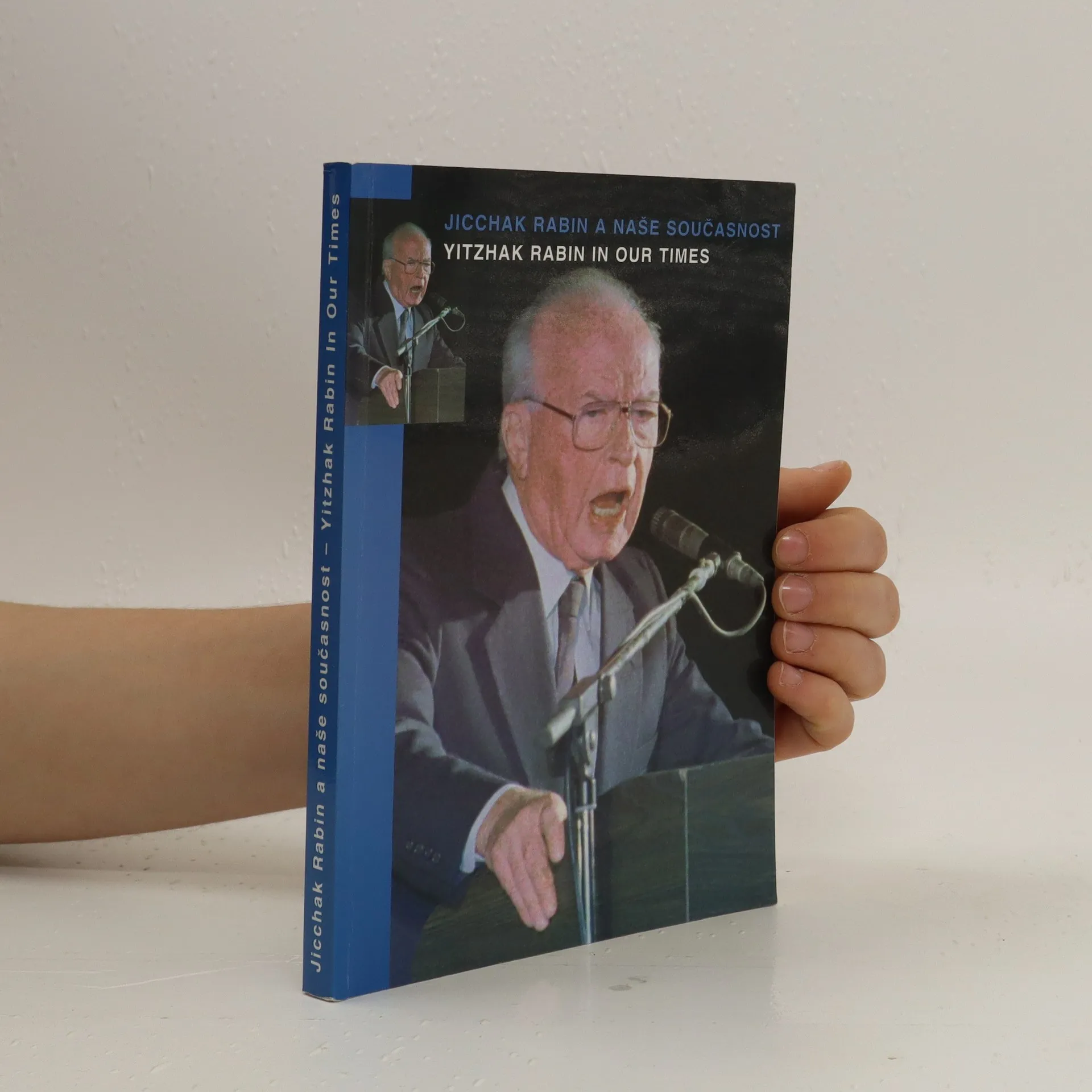
Strhující autobiografie legendárního českého spisovatele obsahující i řadu unikátních portrétů osobností světového významu, které autor osobně poznal. Kniha je zároveň rozsáhlou freskou života druhé poloviny 20. stol. První vydání vzpomínkové knížky vypráví o autorově dětství v Praze, jeho novinářských i spisovatelských začátcích i třicetileté cestě světem, na které potkal Bohouška Hrabala, Josefa Škvoreckého, Che Guevaru, Jicchaka Rabina, Miloše Formana a mnoho dalších.
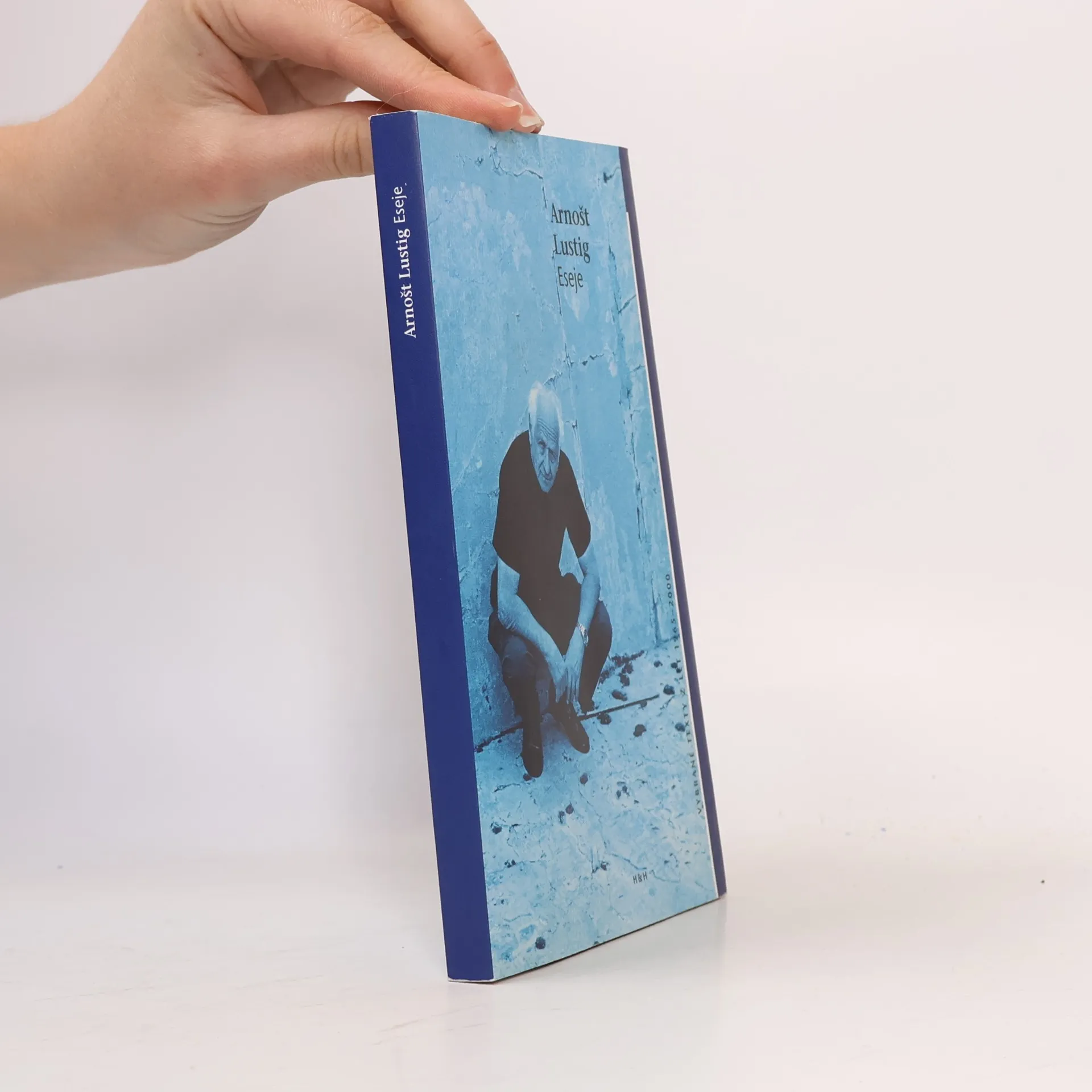
Vybrané eseje Arnošta Lustiga z let 1965–2000: Svět, do kterého jsme se narodili. Osvětim-Březinka. O smyslu života. Zabil tvého otce, nezapomeň! Král promluvil, neřekl nic. Paměť. Jediná dosažitelná nesmrtelnost člověka. Projev při otevření výstavy o terezínském divadle 15. března 2000. Ještě jednou o mrtvých, kteří žijí. Exil jako osud. Odvaha k paměti: válka jako nejdůležitější zkušenost člověka 20. století (Michal Bauer).
Čtrnáct reportáží - příběhů, které vyšly ještě necenzurované a psané typickým autorovým rukopisem.
Vydáno u příležitosti autorova jubilea panem Jiřím Šubrem.
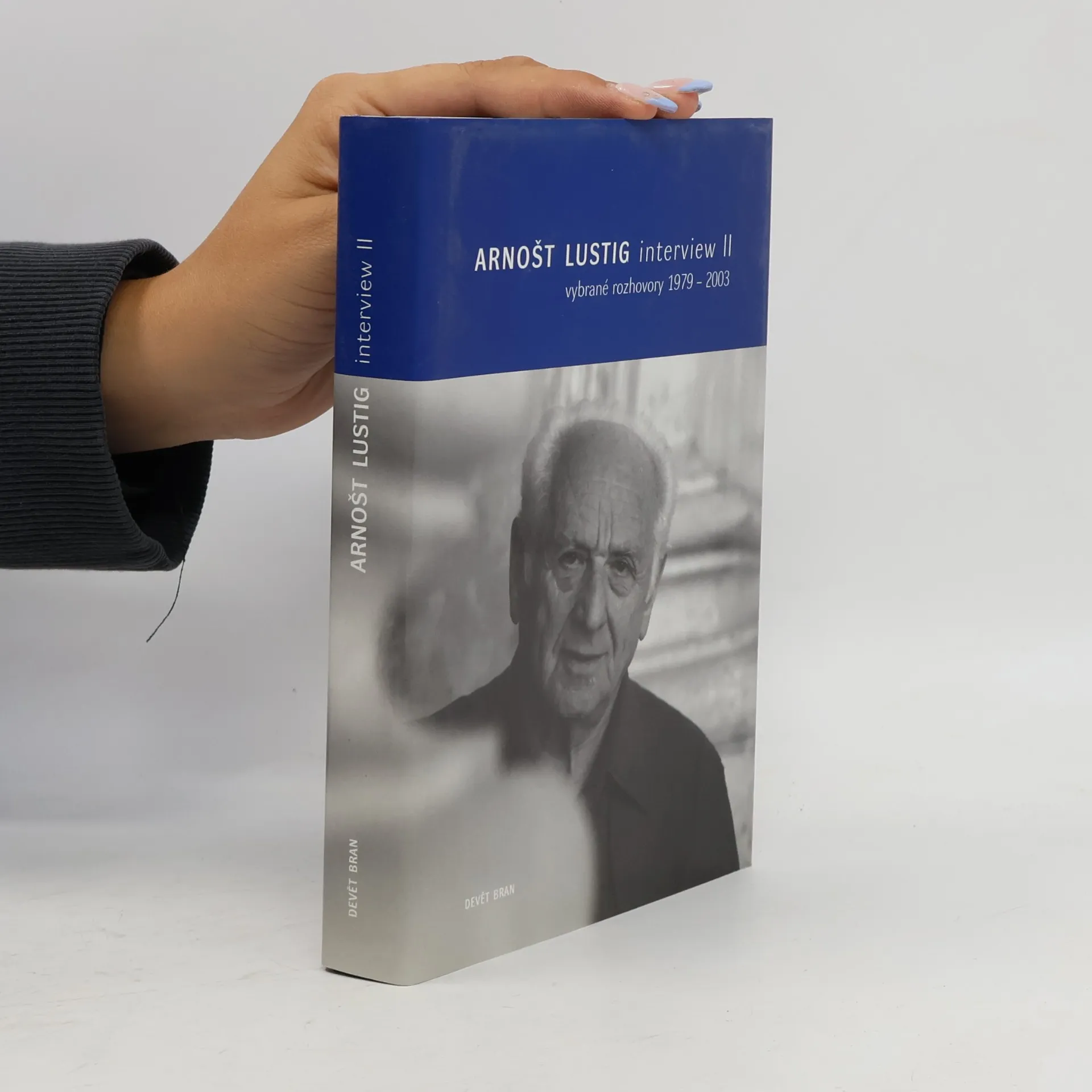
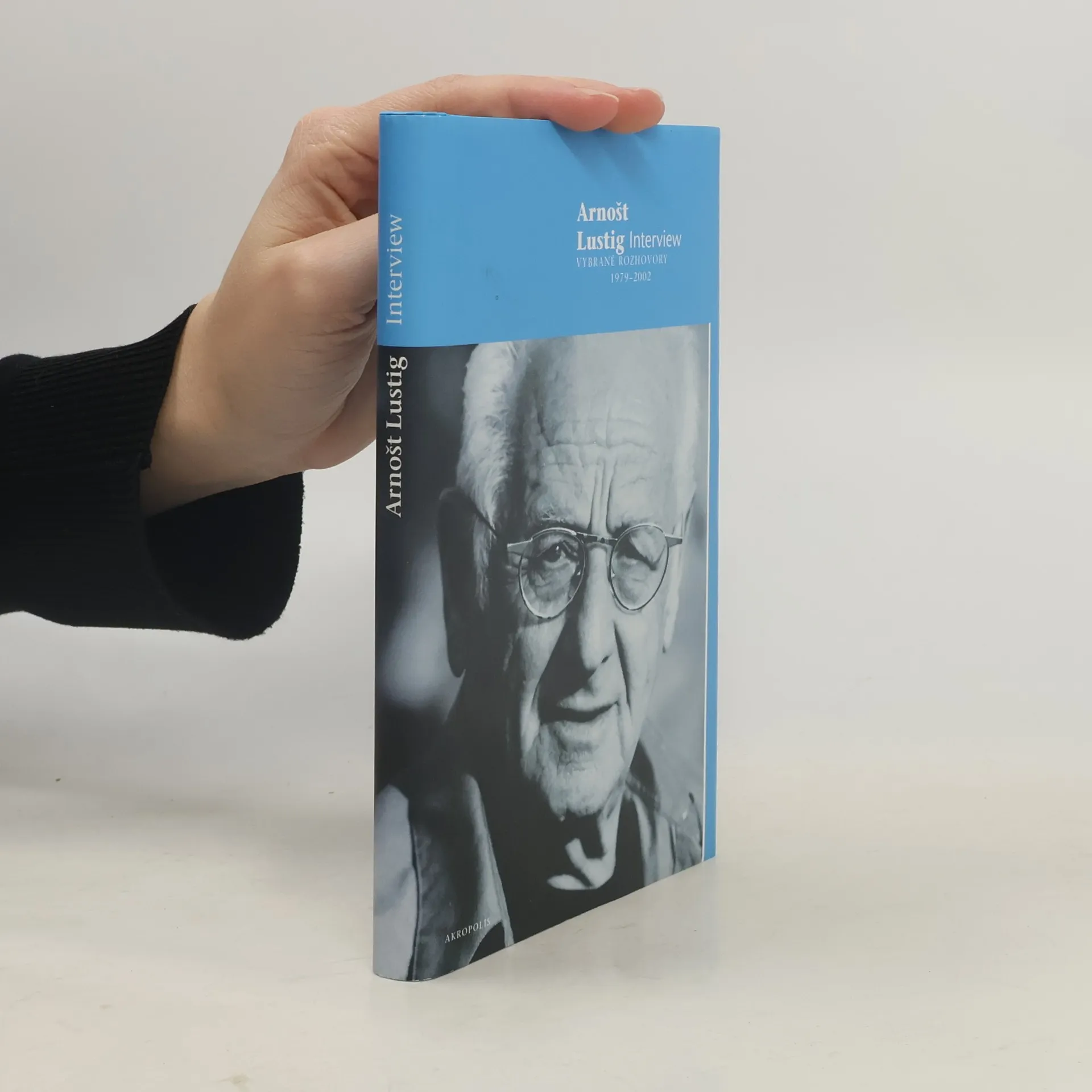
Druhé doplněné vydání rozhovorů s Arnoštem Lustigem rozšířené o dalších dvacet interview, která se objevila jednak v amerických periodikách, jednak po roce 1989 v českém tisku.
Tématem této novely je jak jinak válka a to jak se bolestně dotkla dvou dvacetiletých mužů.
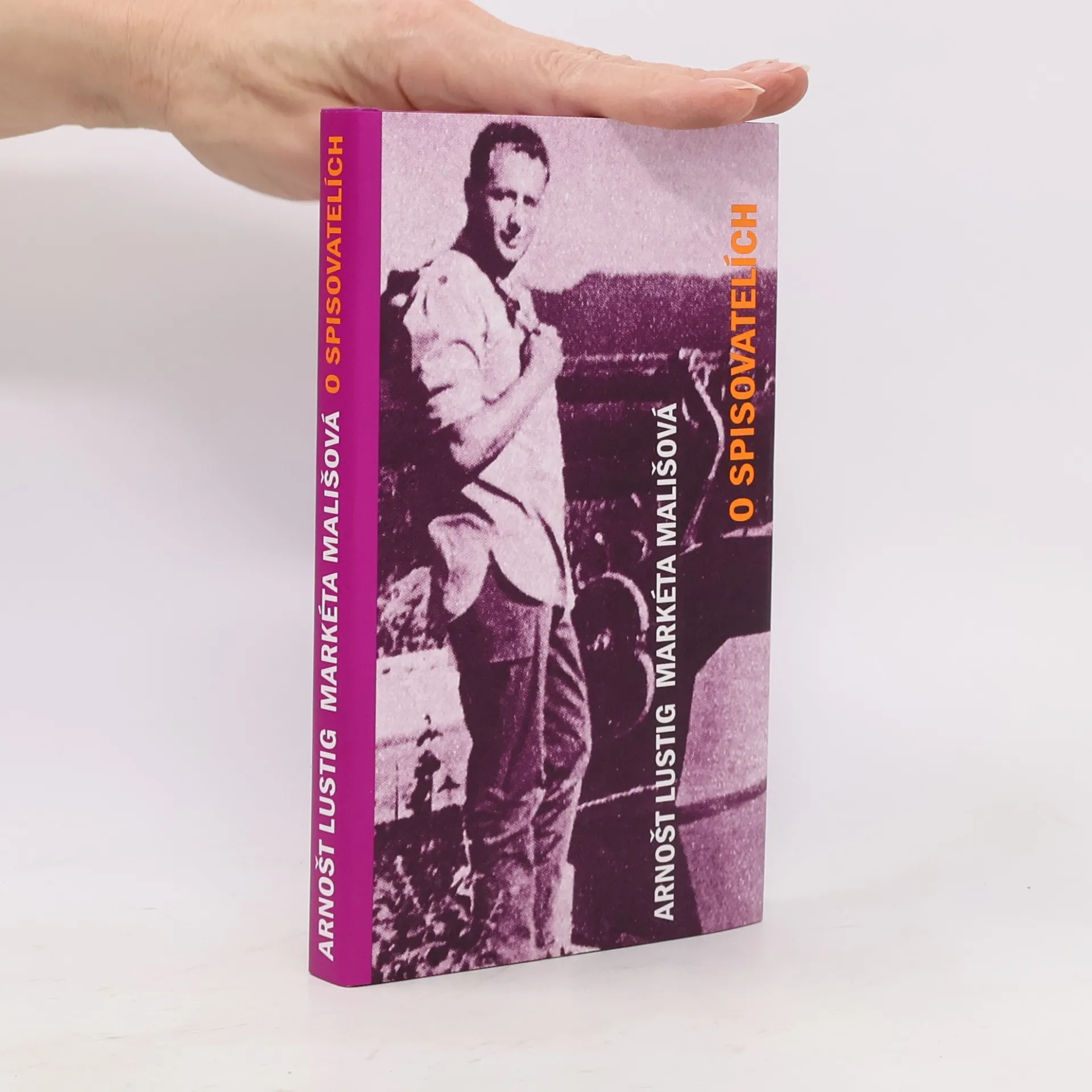
Kniha Arnošta Lustiga O Spisovatelích navazuje na edici Arnošt Lustig O…. "Spisovatel musí stát pevně na zemi a současně se vznášet do oblak" - jak sám autor říká. Arnošt Lustig poutavě vypráví nejen o setkáních se svými kamarády a kolegy, které během svého života v Čechách, Americe a Izraeli potkal, ale i o autorech, které má rád. Mezi více než dvaceti světovými spisovateli nalezneme jména jako Salman Rushdie, Ernst Hemingway, Arthur Miller, Baševis Singer, Ota Pavel, Václav Havel, Ludvík Aškenazy, Bohumil Hrabal a další.
Soubor dvanácti povídek z nacistických ghett a koncentračních táborů za 2. světové války, inspirovaných autentickými zážitky z autorova dětství, je vybrán především ze sbírek Démanty noci, Noc a naděje, Hořká vůně mandlí. Lustig se ve svých prózách dělí se čtenářem o svou vlastní, zkušeností potvrzenou víru, že lidskost a lidská solidarita nezaniká ani v nejhorších dobách a je silnější než sobectví a zbabělost, k nimž nutí člověka prostředí a doba. Vyprávějí o lidech, kteří si i v děsivých životních podmínkách dokázali zachovat svou lidskou důstojnost a víru v základní lidské hodnoty. Některé zachycují mládí, zmrzačené v podmínkách ghetta, jiné velikost lásky tváří v tvář hrůze očekávaného transportu a některé otevřenou vzpouru proti násilí, všechny pak sugestivně líčí běžný život v podmínkách koncentráků, přičemž neokázale oslavují člověka, deptaného, ale žijícího nadějí, že na světě nemůže trvale převládat zlo a násilí. Doslov: František Dvořák.
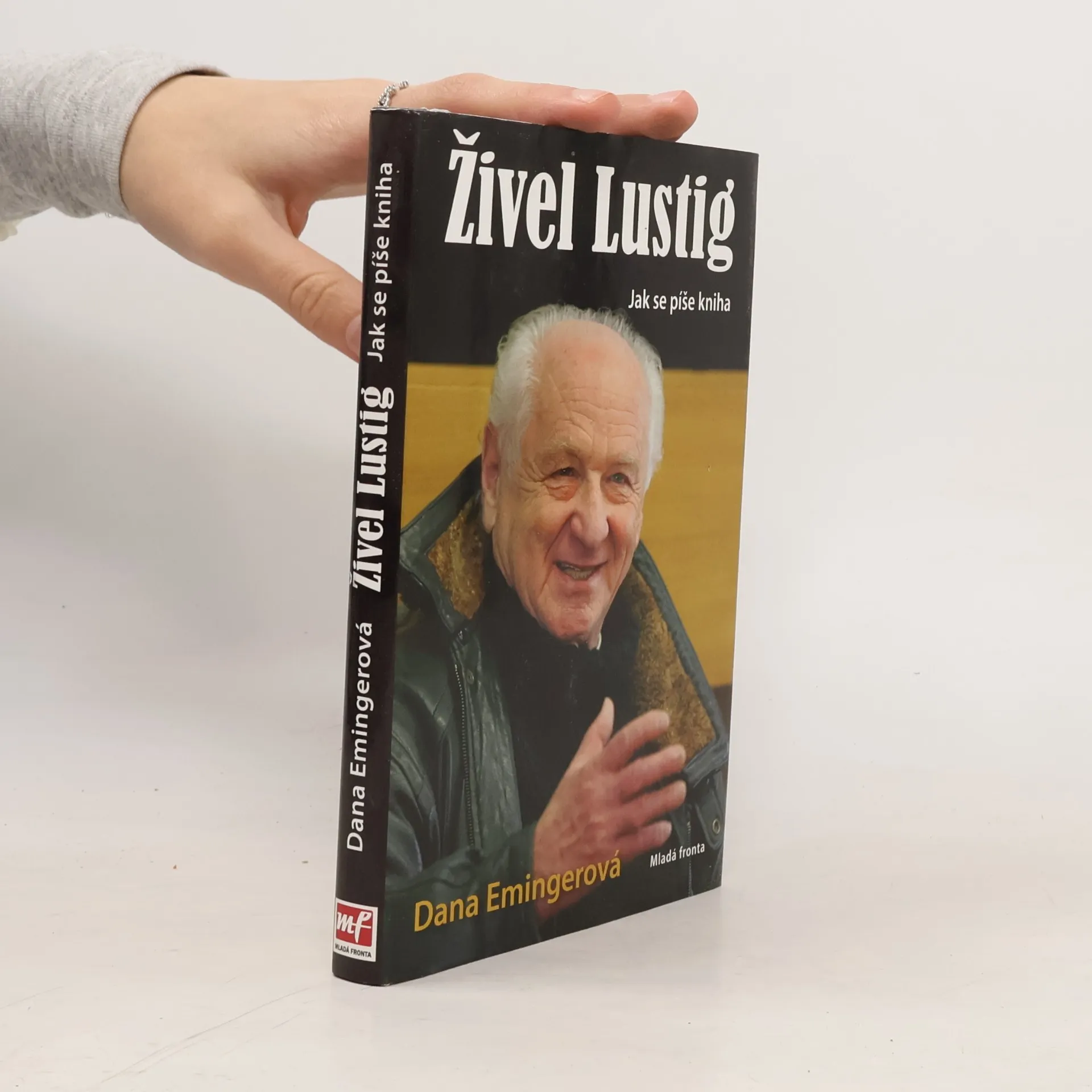
Nejzábavnější učebnice světové literatury a tvořivého psaní, zmixovaná s životní filozofií a lechtivými anekdotami Arnošta Lustiga. Spisovatel hlásal, že literatura nesmí být nuda. A tím se řídil i při svých literárních seminářích tvůrčího psaní. Jejich atmosféru zachycuje Dana Emingerová, které se podařilo lehkým perem skloubit spisovatelův smysl pro humor se závažnými tématy jeho života.
Hodnota Lustigových povídek spočívá i v tom, že i v terezínském ghettu, v lágrech evokují každodennost, že uprostřed utrpení a lidských tragédií dokázaly zachytit žízeň po životě, nezničitelný zázrak života, a právě toto sdělení propůjčuje autorovu zážitku holocaustu neskutečnou sílu. Jako by svými povídkami Lustig říkal: život je všude - tato deviza se náhodou ve stejném čase programově objevila v názvu rukopisného sborníku, v němž se sešli Kolář se Škvoreckým, Hiršal s Julišem, Zábrana s Havlem. Uprostřed padesátých let byl ve vzduchu společný životní pocit, třeba pramenil z nestejné zkušenosti - pohlédneme-li za hranice, nejpopulárněji se formoval v neorealismu, nikoli náhodou také zhruba deset let po válce. I Arnošt Lustig vydal svědectví, když dozrál a pochopil, že ho může nejpravdivěji zprostředkovat jenom s odstupem a jenom psaním, jež mu poskytuje svobodu dostat se skutečnosti pod povrch a sdělit pravdu o základních hodnotách života, o jeho étosu. Proto není jeho dílo nikdy hotové, v každém novém vydání je doplňuje o nové detaily a obsahy, aby bylo co nejpravdivější. Aby v podtextu dokázalo varovat před ideologií nenávisti, jež přesvědčivě nezobrazena by byla stěží pochopitelná, a tragedie by se mohla kdykoli znovu opakovat.
Kniha je třetím svazkem volného triptychu, který navazuje na již vydaná díla Odpovědi (2000, 2001) a Eseje (2001). Z téměř nepřehledného a knižně dosud jen zčásti publikovaného množství je zde soustředěn výběr z Lustigových rozhovorů, které známý autor v posledních zhruba dvou desetiletích poskytl redakcím novin a časopisů jak u nás doma, tak i za Atlantickým oceánem. Rozhovory výrazně přibližují jeho životní i uměleckou filozofii. Editor Jan Suk z rozsáhlého materiálu vytvořil jakési nepřerušované pásmo, kaleidoskop, v němž jediným svorníkem je autorova rigorózní, byť nementorská etika a radost z bytí navzdory všem překážkám, které život přinesl a stále přináší.
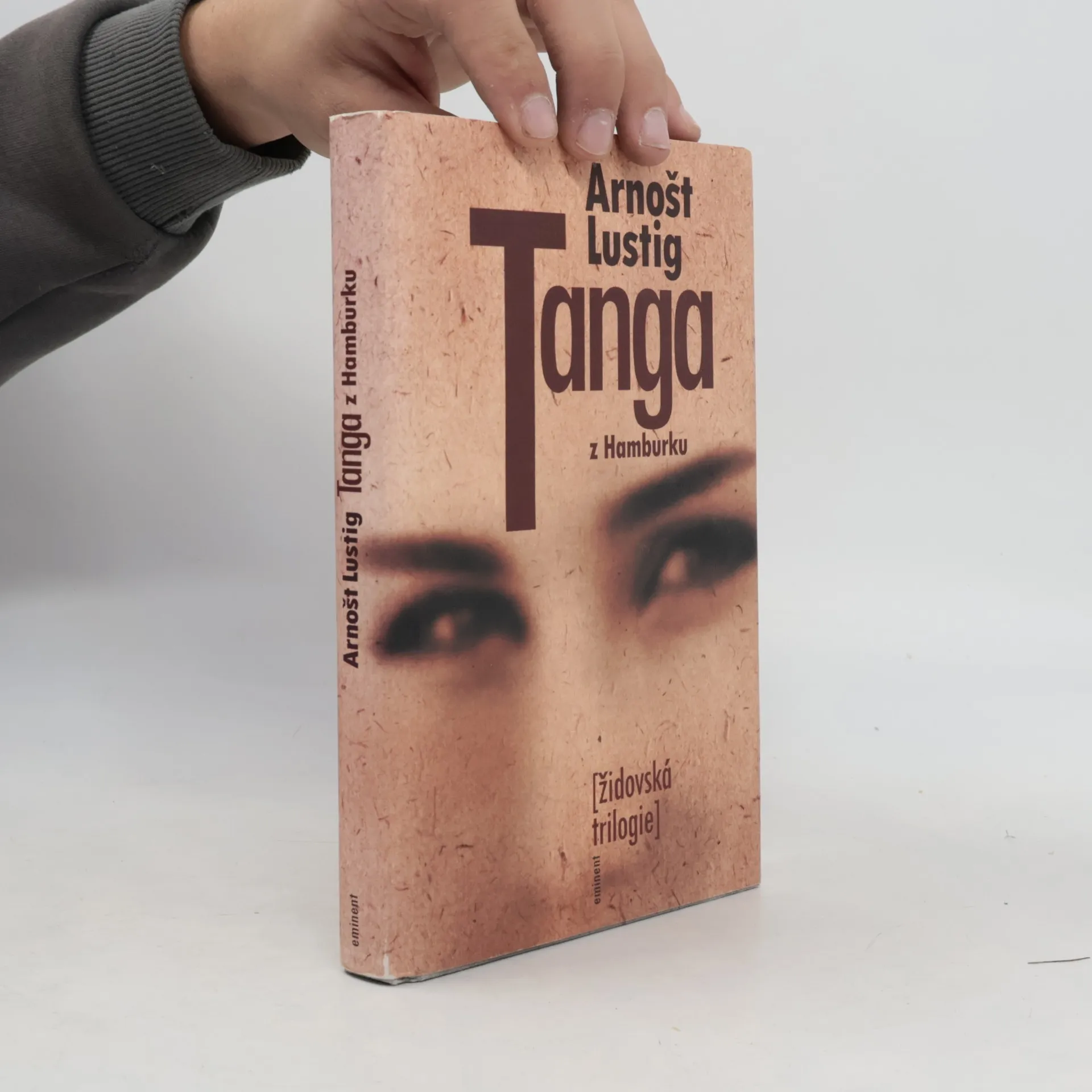
Tři texty, v nichž se autor vrací k zážitkům z Terezína a lágru v Auschwitz-Birkenau. V povídce Potopa je popsáno mučení rabína sadistickými příslušníky SS před očima zastrašených vězňů. Novela Lea z Leuwardenu je vzpomínkou na milostný prožitek před transportem. Enzo - židovská povídka vypráví o významu vzpomínek na válečné utrpení těch, kteří přežili
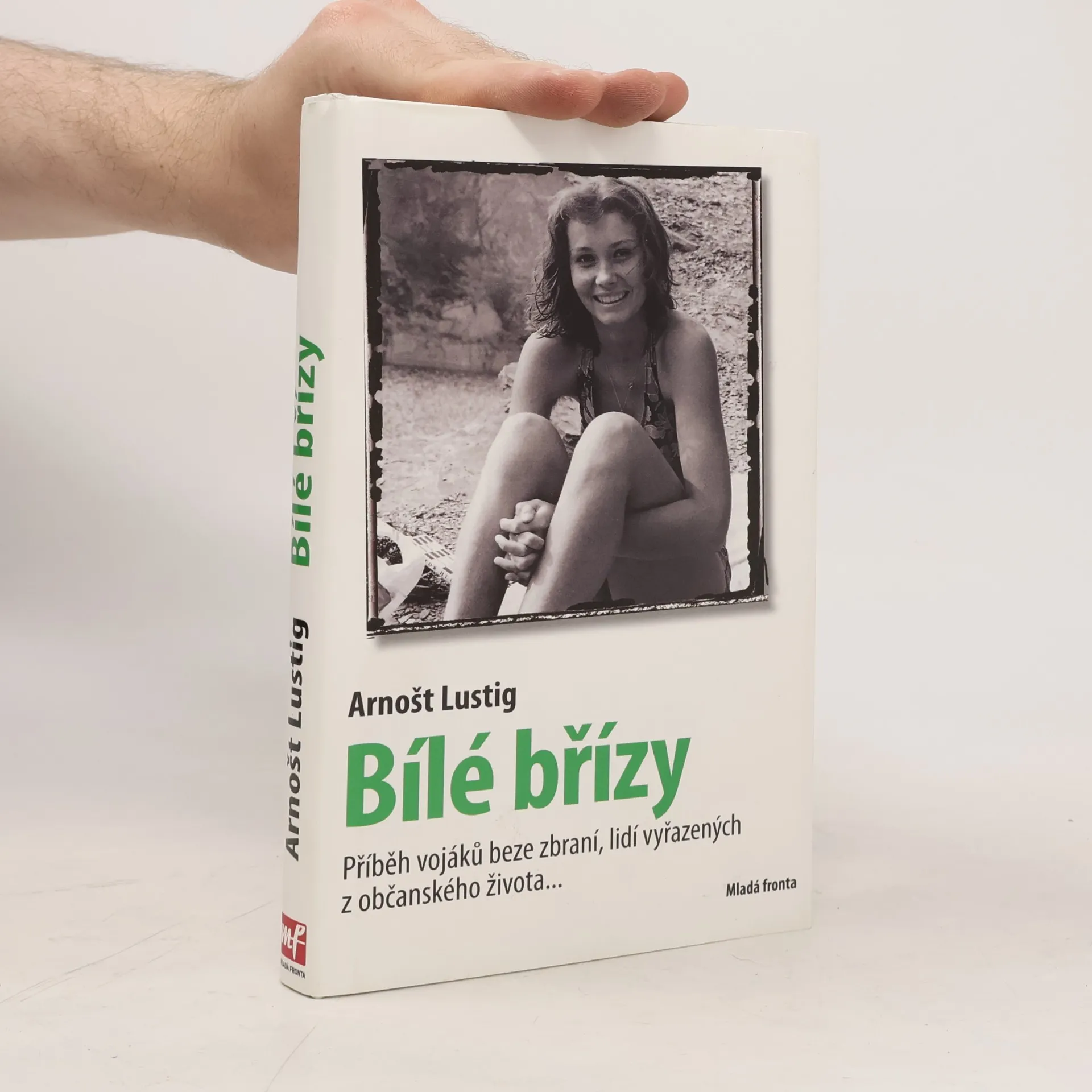
Příběh vojáků beze zbraní, takzvaných PTP, pomocného praporu, lidí vyřazených z občanského života, postižených třídní nedůvěrou, mužů vlastní morálky i nemorálnosti. Příběh vojáka a dívky, pro kterou dezertuje a která se před tím, než utečou, vyspí se všemi v místnosti. Příběh kapitána, který tohoto svého vojáka buď chytí, nebo zastřelí, jak mu nařídili z politického oddělení vojenského okruhu v Karlových Varech. Kniha dříve nesměla vyjít bez cenzurních zásahů a nyní se dostává k českému čtenáři v doplněném vydání.
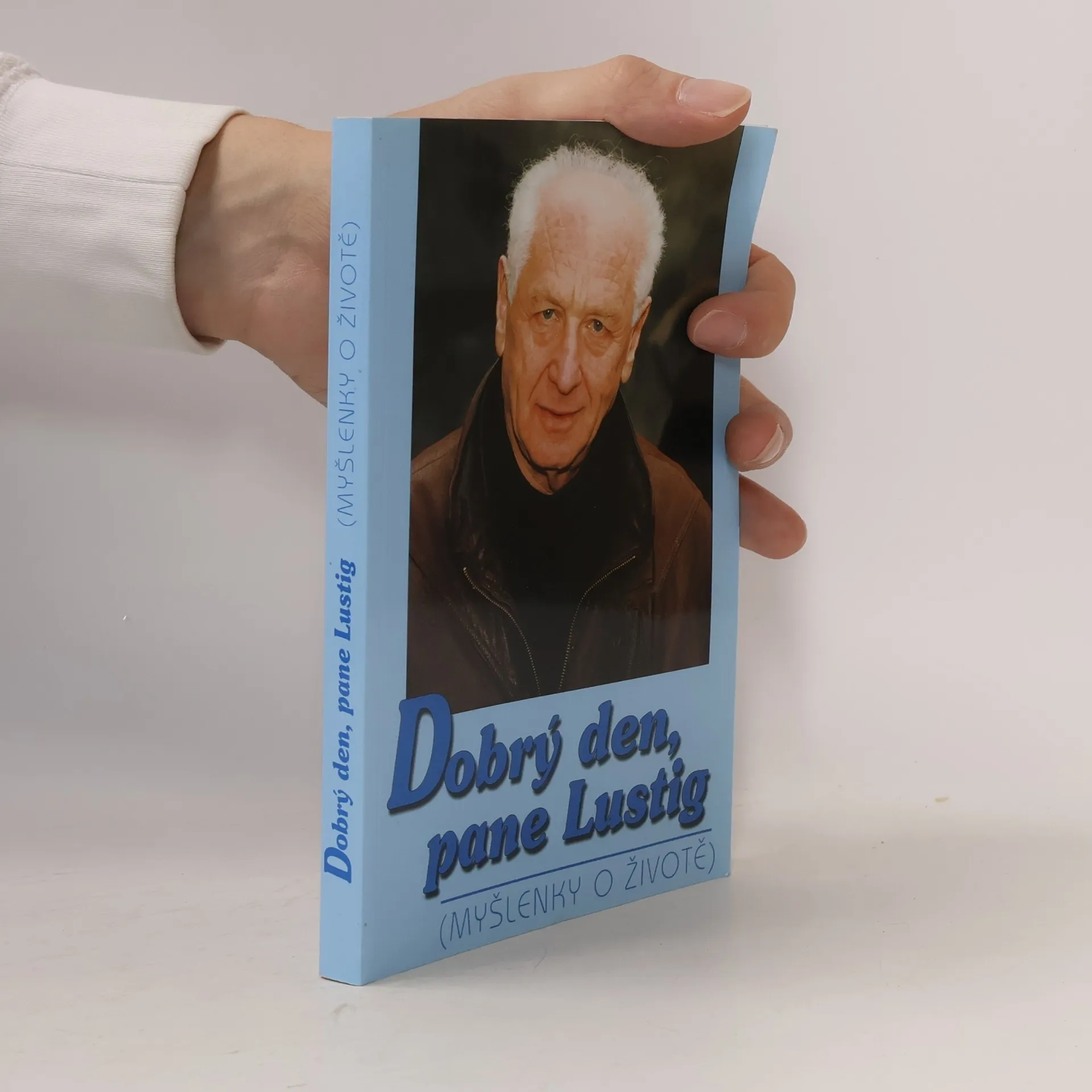
Autor sám v úvodu prohlásil:“Tahle knížka vznikla nápadem nakladatele Andreje Šťastného vybrat ze všech mých knih citáty, které si to zaslouží. Také podpořit studenty, protože některé knížky, z nichž citáty pocházejí, jako Kateřina Horovitzová a další, se staly školní četbou a předlohou k maturitním otázkám. Je určena i starším čtenářům, kteří mají maturitu dávno za sebou, a mladším, kteří k ní mají daleko, a koneckonců i těm, kteří žádnou maturitu nepotřebují, a z jejichž citátů by se také dala sestavit podobná knížka.“ Z knih a dalších textů Arnošta Lustiga vybrali František Cinger a Andrej Šťastný.
Lustigův realistický román má silně autobiografické prvky - chce být především holdem autorovu otci, který za nacistické okupace českých zemí, v době bezprostředního ohrožení židovské komunity, vede svůj marný boj o záchranu své nejbližší rodiny, ale i o uchování hrdosti a důstojnosti lidské existence vůbec, a to i za těch nejtěžších podmínek.
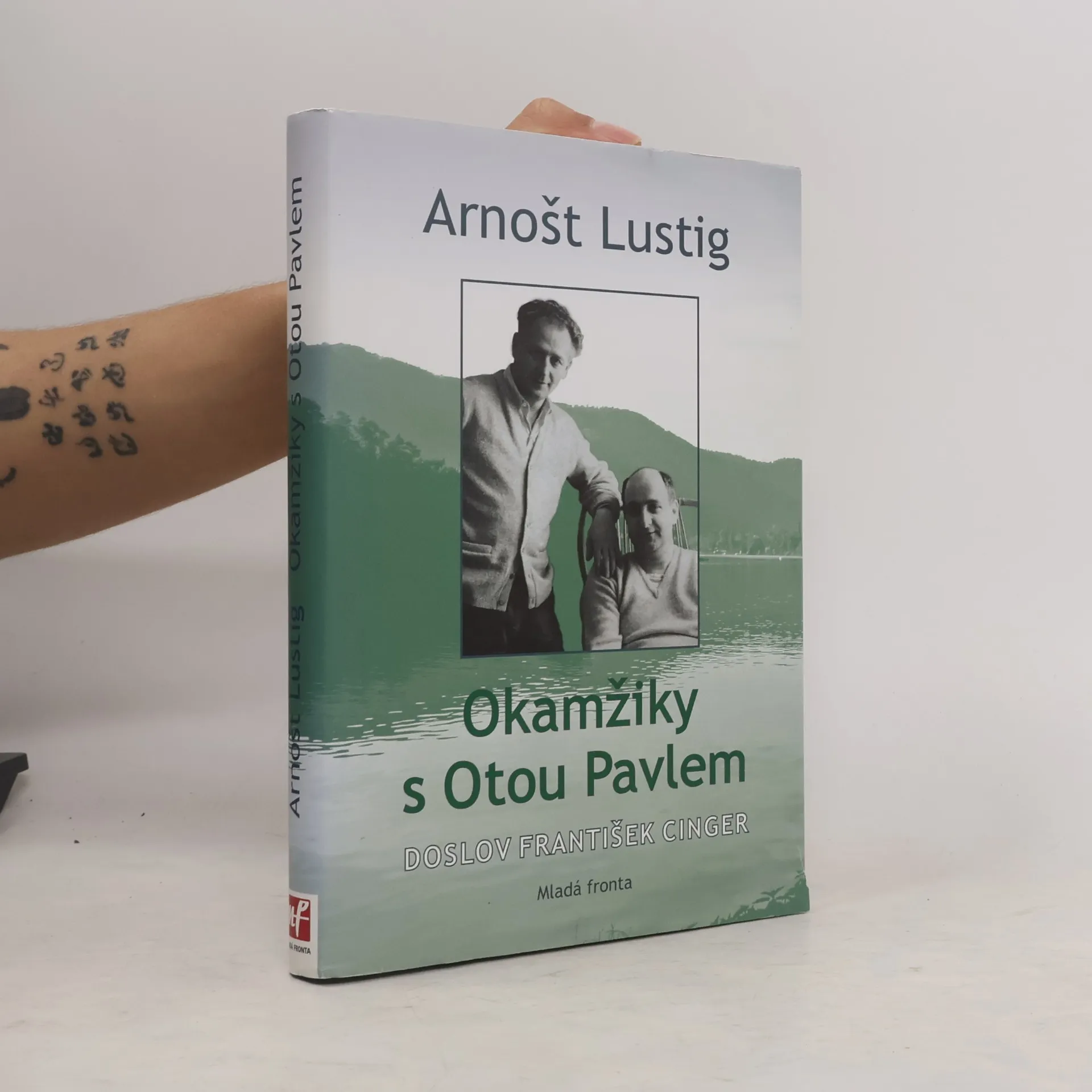
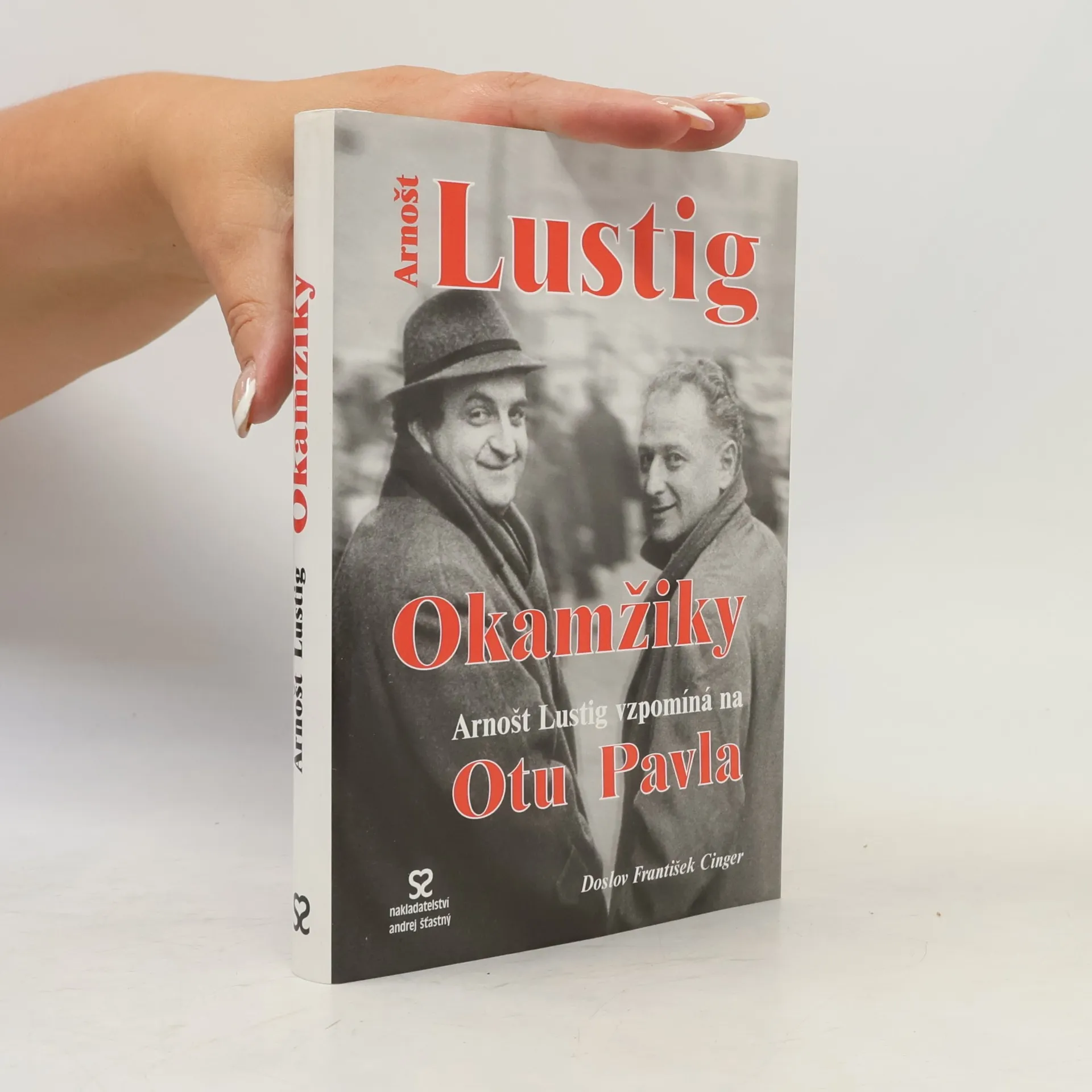
Vzpomínky na báječného člověka a spisovatele Otu Pavla jsou jako teskná píseň s radostnými akordy. Jsou to zážitky dvou kamarádů, nádherné okamžiky jejich společného mládí, které strávili prací v rozhlase, novinách a časopisech a prvními pokusy na jejich úspěšné literární dráze, kterou v případě Oty Pavla ukončila předčasná smrt. Kniha je zároveň dobovou freskou charakterizující českou společenskou a politickou scénu po druhé světové válce.
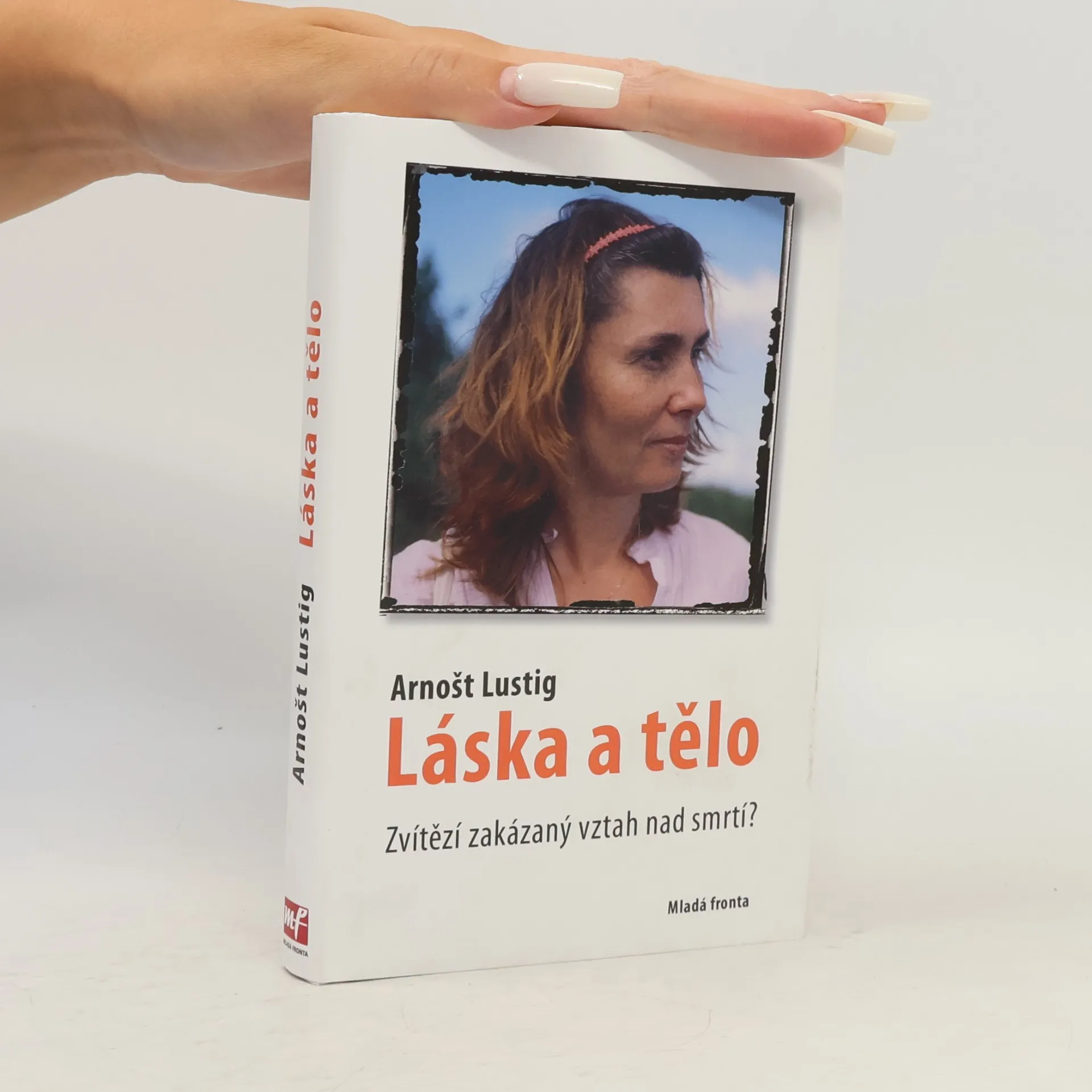
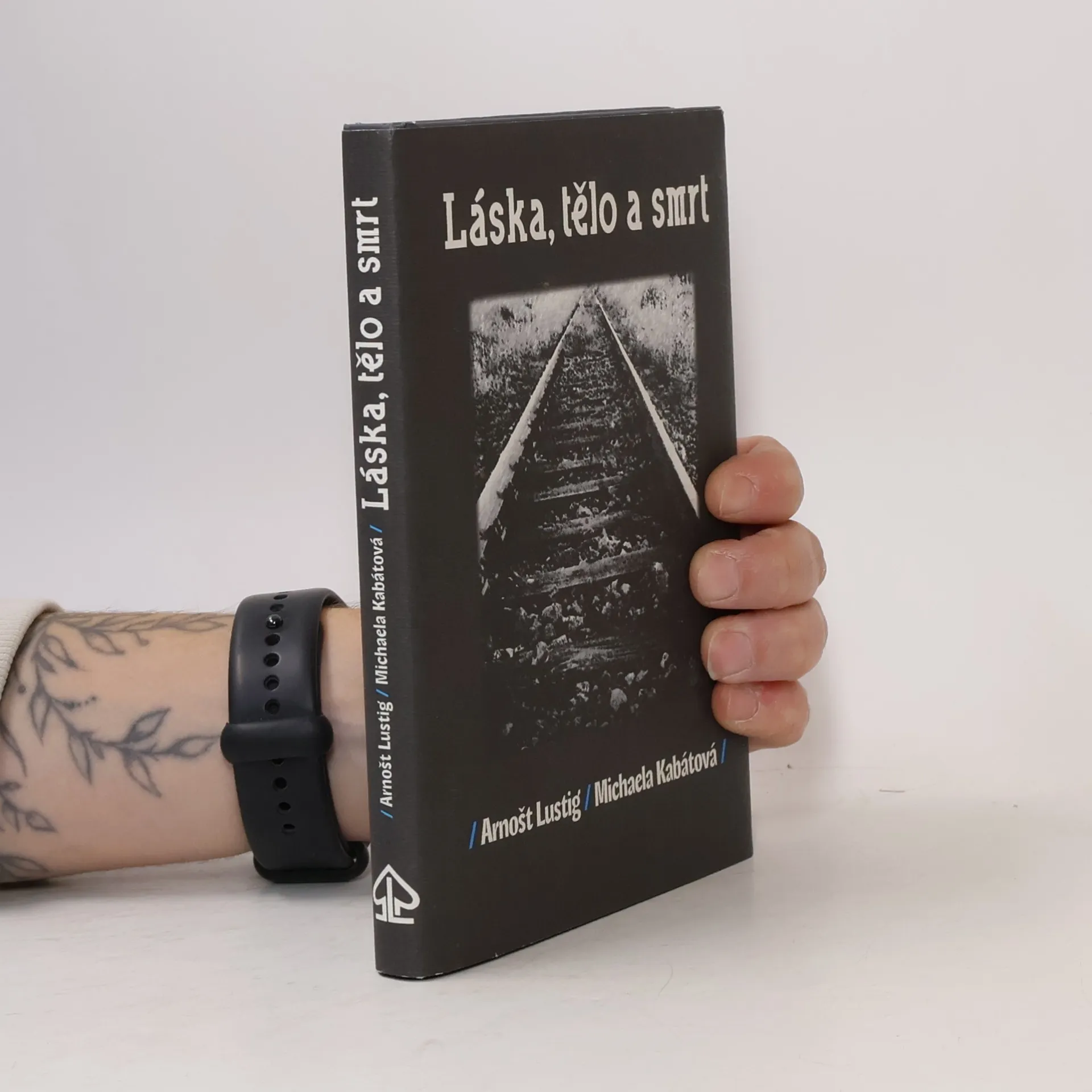
Ve své knize se Arnošt Lustig pokusil o konečné zúčtování s tématy, která poznamenávají celou jeho tvorbu nepochopitelnost nacistické myšlenky na vyhlazení Židů na straně jedné a láska k životu a ke všemu tělesnému na straně druhé. Hlavní představitelé, mladí lidé plní tělesných tužeb Gabriela Lágusová a Josef Reinisch, prožívají v terezínském ghetu svou zakázanou lásku. Transport může přijít každým dnem, a tak útěchu nacházejí hrdinové knihy pouze jeden v druhém. Žijí naplno a vyslovují věci, které by nebýt tlaku okolností možná ze sebe možná nikdy nevypustili. Výsledkem je příběh plný milostných vyznání i esejistických podobenství o smyslu života. Arnošt Lustig se po sérii menších prozaických útvarů konečně po dlouhé době odhodlal napsat delší novelu, která je zároveň autorovou oslavou sexuality, jež člověku dává novou sílu. Zároveň při četbě knihy Láska a tělo člověk pocítí dotek něčeho, co je silnější než válka
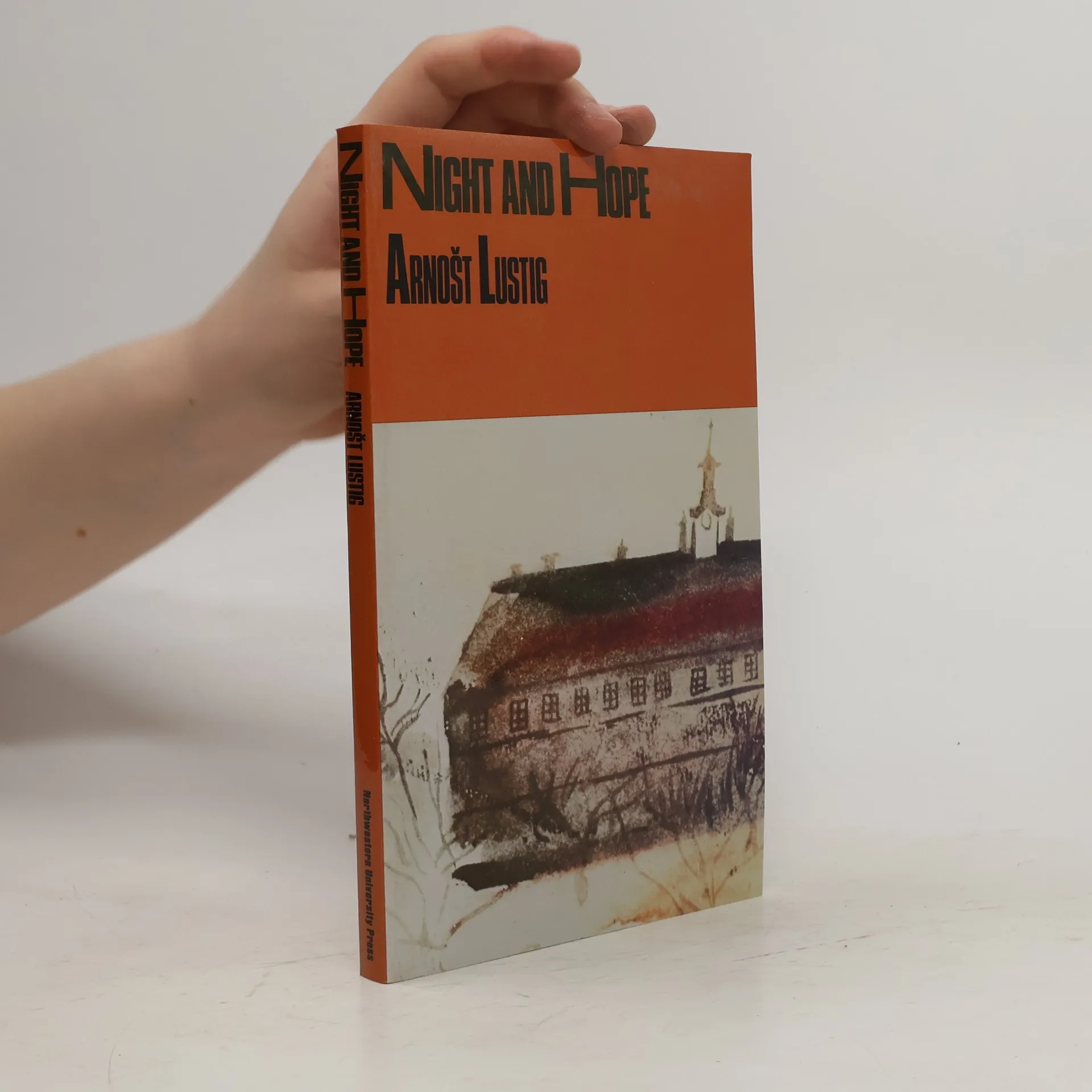
Soubor povídek, který poprvé vyšel v roce 1959. Tento svazek však vychází z nové autorovy verze s novými či editovanými pasážemi a novými příběhy. Autor se opět drží tematiky holocaustu.
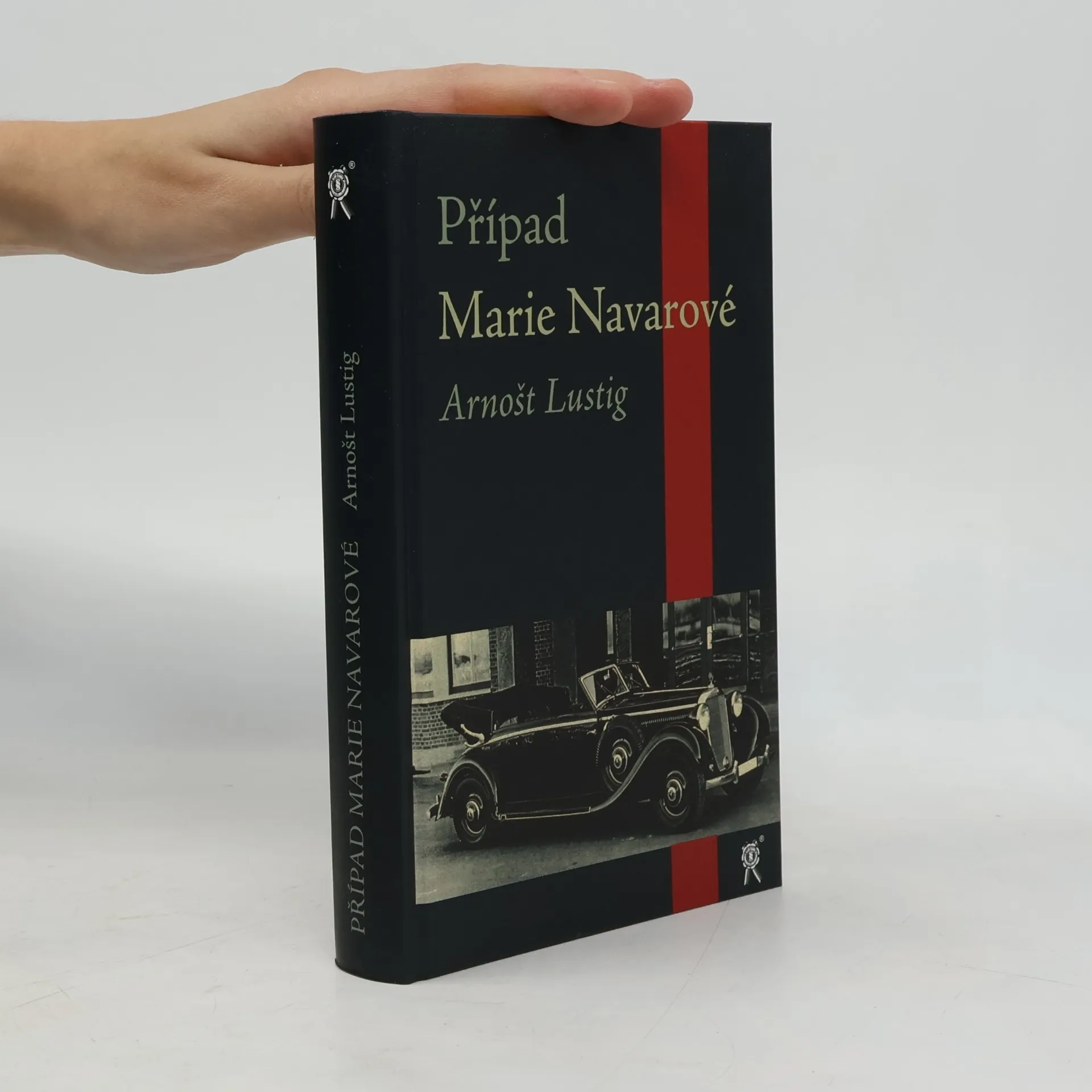
Tři režimy, příběh jedné ženy, případ jednoho advokáta. Jen výjimečná zběsilost dějinných zvratů 20. století byla způsobilá nastolit v průběhu jediného desetiletí takové podmínky, že jedna a tatáž causa byla posuzována a souzena v rámci tří funkčně diametrálně odlišných a ideologicky jinak zaměřených právních systémů. A jen výjimečný spisovatel, kterým Arnošt Lustig bezesporu je, byl schopen skutečný příběh Marie Navarové literárně převyprávět tak, aby otisk těchto zvratů v osudech lidí zůstal zachován. Přitom průvodní poznatek, že žádná změna režimu nevede ke změně etiky výkonu obhájce, která byla, je a bude pro všechny vždy jen jedna, dává na chvíli zapomenout na názor, že advokáti musí být jen samí padouši, jak se nám mnozí snaží dnes a denně namluvit.
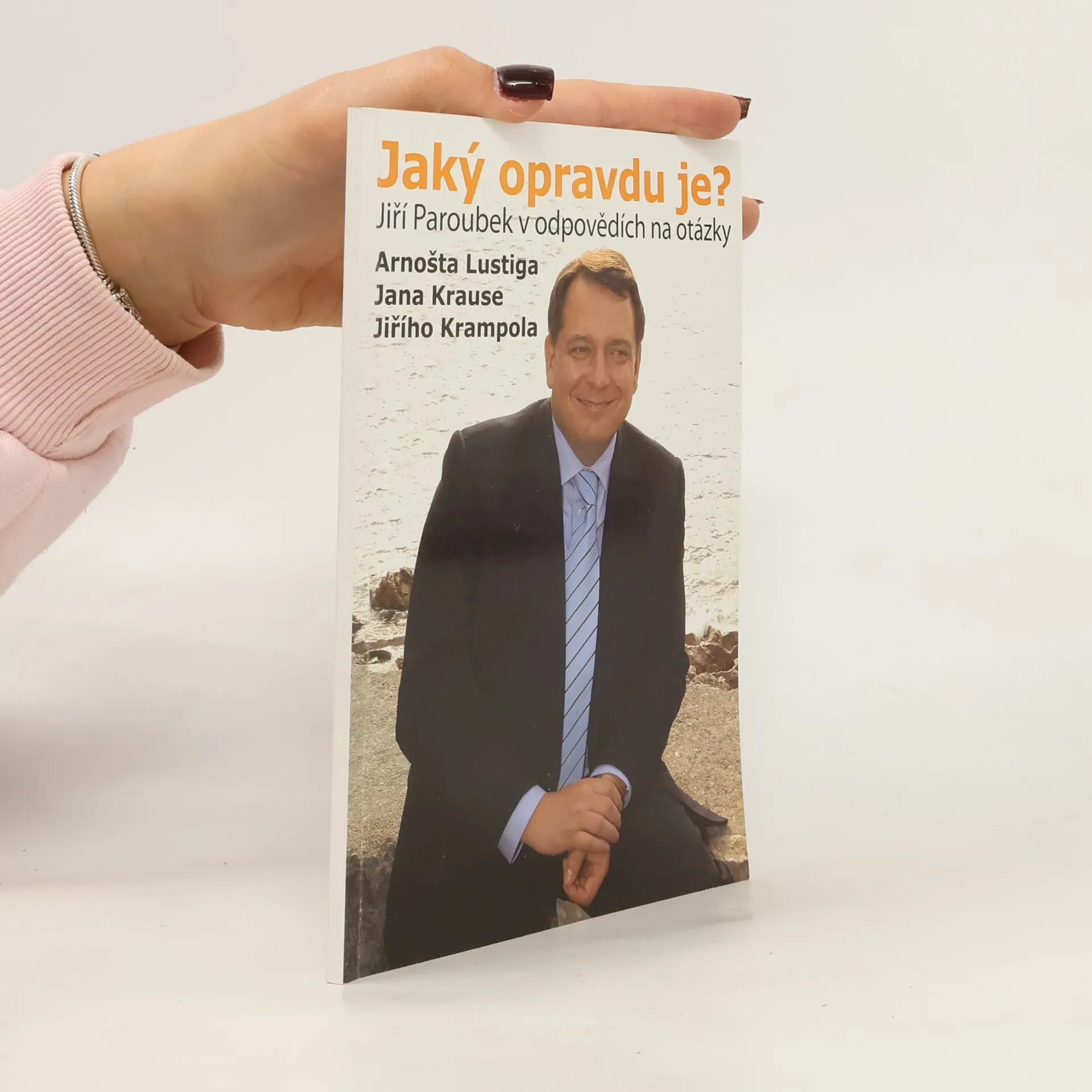
Jiří Paroubek v odpovědích na otázky Arnošta Lustiga, Jana Krause, Jiřího Krampola.
Novela o síle a moci iluzí. Bilingvní vydání.
Posledné dni života mladej židovky z Varšavy, ktorá hoci chce veľmi žiť, ani v najhlbšom ponížení nestráca ľudskú dôstojnosť.
Lustigův milostný příběh z terezínského gheta doplňuje dlouhá povídka teprve třiadvacetileté Michaely Kabátové o židovské rodině, prchající na počátku války z Polska. Výtečně napsaný příběh vypráví desetiletá Bronia.
Kniha je volným pokračováním titulu 3x18 (portréty a postřehy). Autor ji věnoval vzpomínce na báječného člověka a spisovatele Otu Pavla. Jsou to zážitky dvou kamarádů líčící nádherné okamžiky jejich společného mládí, které strávili prací v rozhlase, novinách a časopisech a prvními pokusy na jejich úspěšné literární dráze, kterou v případě Oty Pavla ukončila předčasná smrt. Kniha je zároveň dobovou freskou charakterizující českou společenskou a politickou scénu po druhé světové válce....
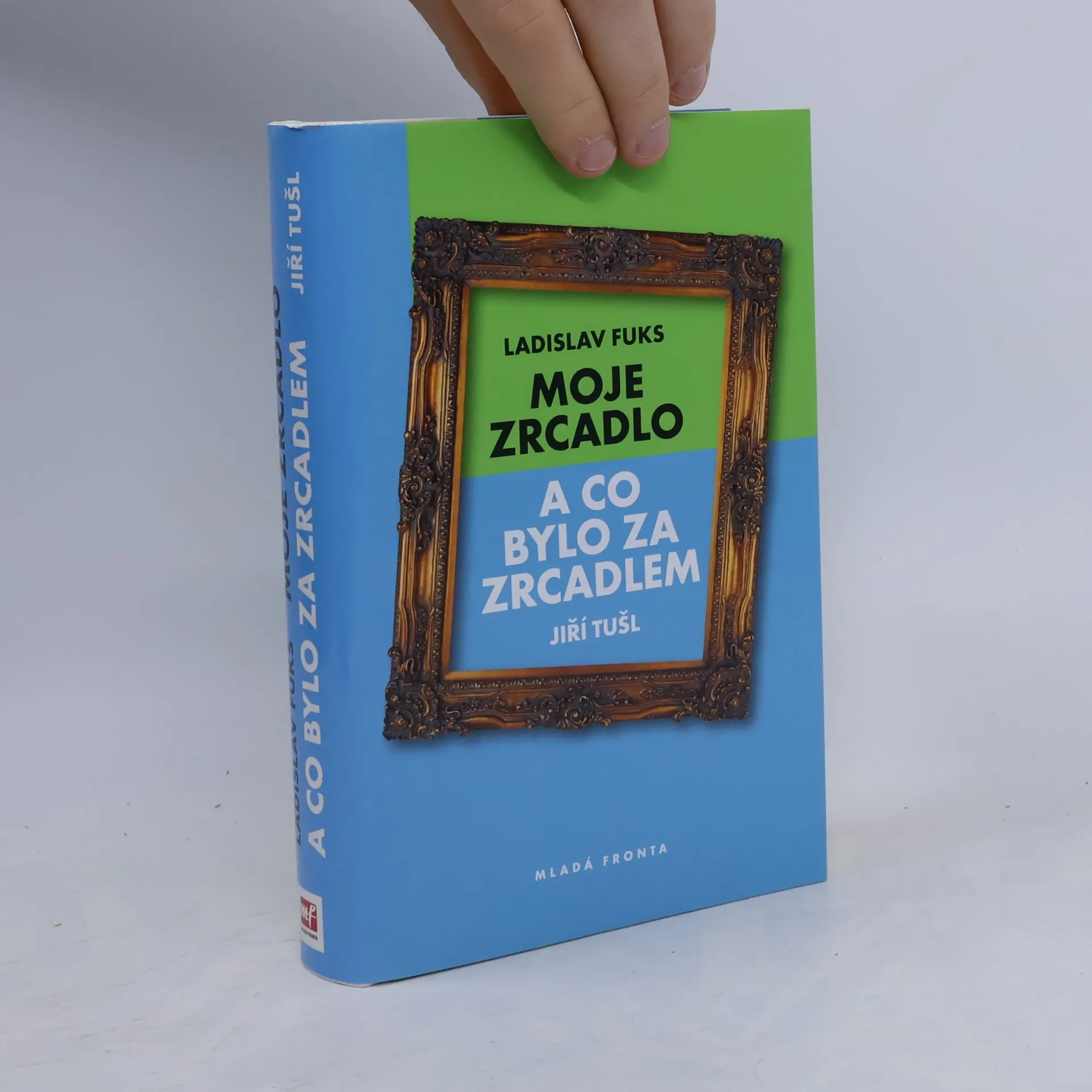
A co bylo za zrcadlem
Své paměti dopsal Ladislav Fuks koncem roku 1993, kdy odevzdal poslední dvě kapitoly redaktoru a příteli Jiřímu Tušlovi. V následujících měsících oba spolupracovali na konečné úpravě knihy. Po smrti Ladislava Fukse rozšířil Jiří Tušl paměti o svá intermezza podle dohody, uzavřené již při vzniku rukopisu v roce 1992. Vzniklo tak pozoruhodné svědectví o velkém českém spisovateli. Kniha v současné podobě je rozšířeným a doplněným vydáním z roku 1995...
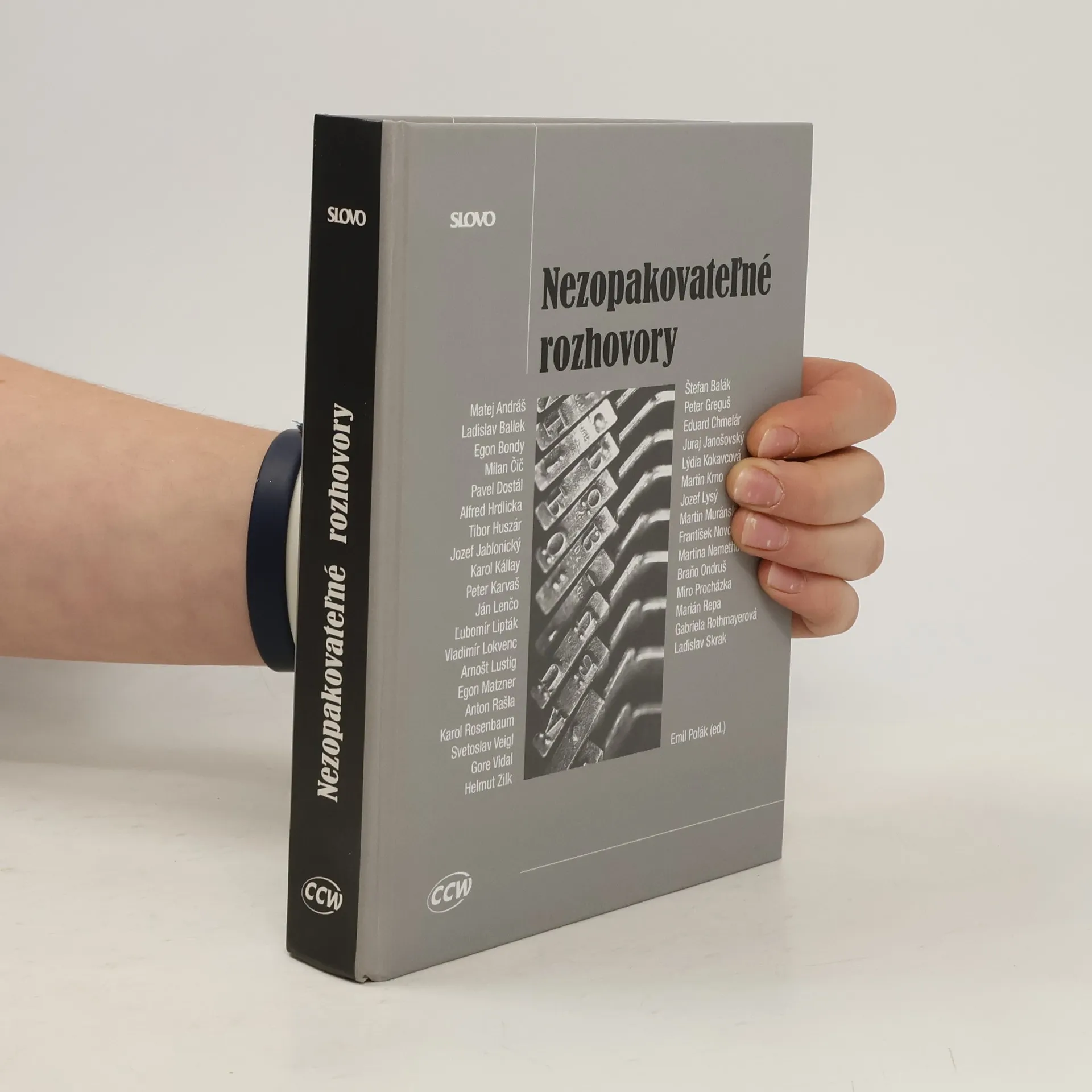
Kniha prináša 20 rozhovorov s našimi i zahraničnými osobnosťami, ktorá vyšli na stránkach týždenníka Slovo prevažne na prelome dvadsiateho a dvadsiateho prvého storočia. Títo ľudia, ktorých dielo a život sa už uzavreli, boli nielen svedkami, ale aj aktérmi udalostí druhej polovice dvadsiateho storočia, no aj aktívnymi účastníkmi či pozorovateľmi prevratných zmien po roku 1989, ktoré v čase vzniku rozhovorov už nadobúdali jasné kontúry. Zahraničné osobnosti sa rôznym spôsobom viažu aj k Slovensku, k prelomovej dobe, ktorú sme žili a žijeme. Väčšina oslovených bola aktívna už v čase druhej svetovej vojny. Prišli na svet v prvej tretine minulého storočia a do ich osudov výrazne zasiahlo Povstanie, ktorého sa viacerí zúčastnili. Čítanie rozhovorov, aj keď to iste vtedy redakcia Slova tak nekoncipovala, je ako čítanie jedného príbehu Slovenska.
Román o dětech, které byly válkou donuceny začít přijímat skutečnost očima dospělých. Kniha je o morálním kodexu ponižovaných a urážených, o instinktech chlapců a děvčat, kteří musí lhát, aby se dobrali pravdy, krást, aby si uchránili, co je jejich, a přizpůsobit se, aby dokázali přežít. Některé vysvobozuje z nesnesitelné reality přátelství, jiné láska....
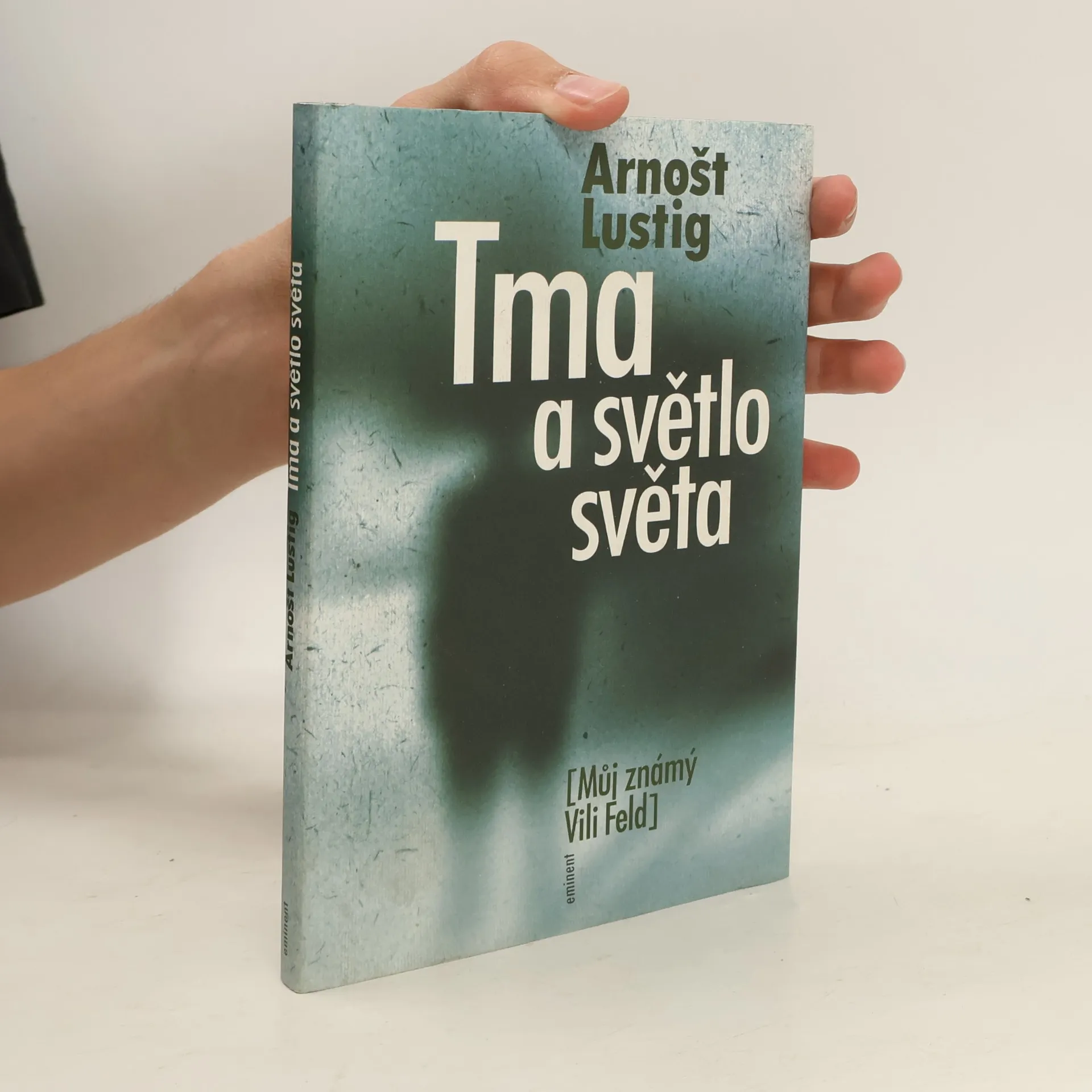
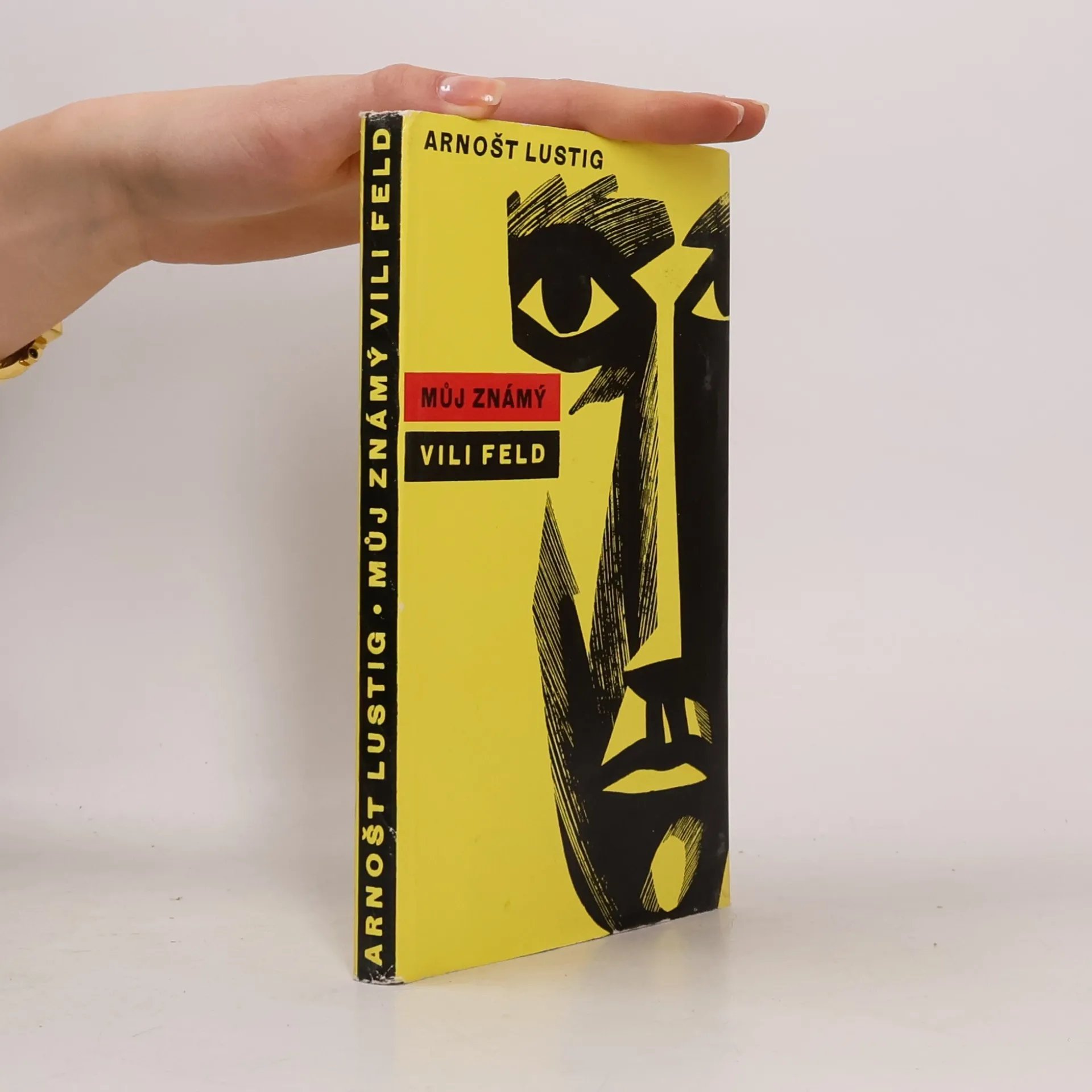
Podtitul: (můj známý Vili Feld) Novela s řadou autobiografických prvků je obrazem životního dramatu člověka, jehož osud nenapravitelně poznamenala druhá světová válka. Hrdina Vili Feld byl za první republiky typickým návštěvníkem společenských salónů a svůj život si uměl zařídit co nejpohodlněji. S příchodem nacistů se jeho život prudce změnil: jako Žid byl vězněn v Terezíně a později v Osvětimi. Po návratu se marně snaží zapomenout na otřesné zážitky z tábora a navázat na předválečný životní styl. Děsí se ztráty jistot svého bývalého světa a po únoru 1948 se rozhodne pro emigraci v naději, že minulost nechá za sebou. Pobyt v Itálii, kam odešel, ho ale přivádí k pocitu zoufalství a promarněného života.
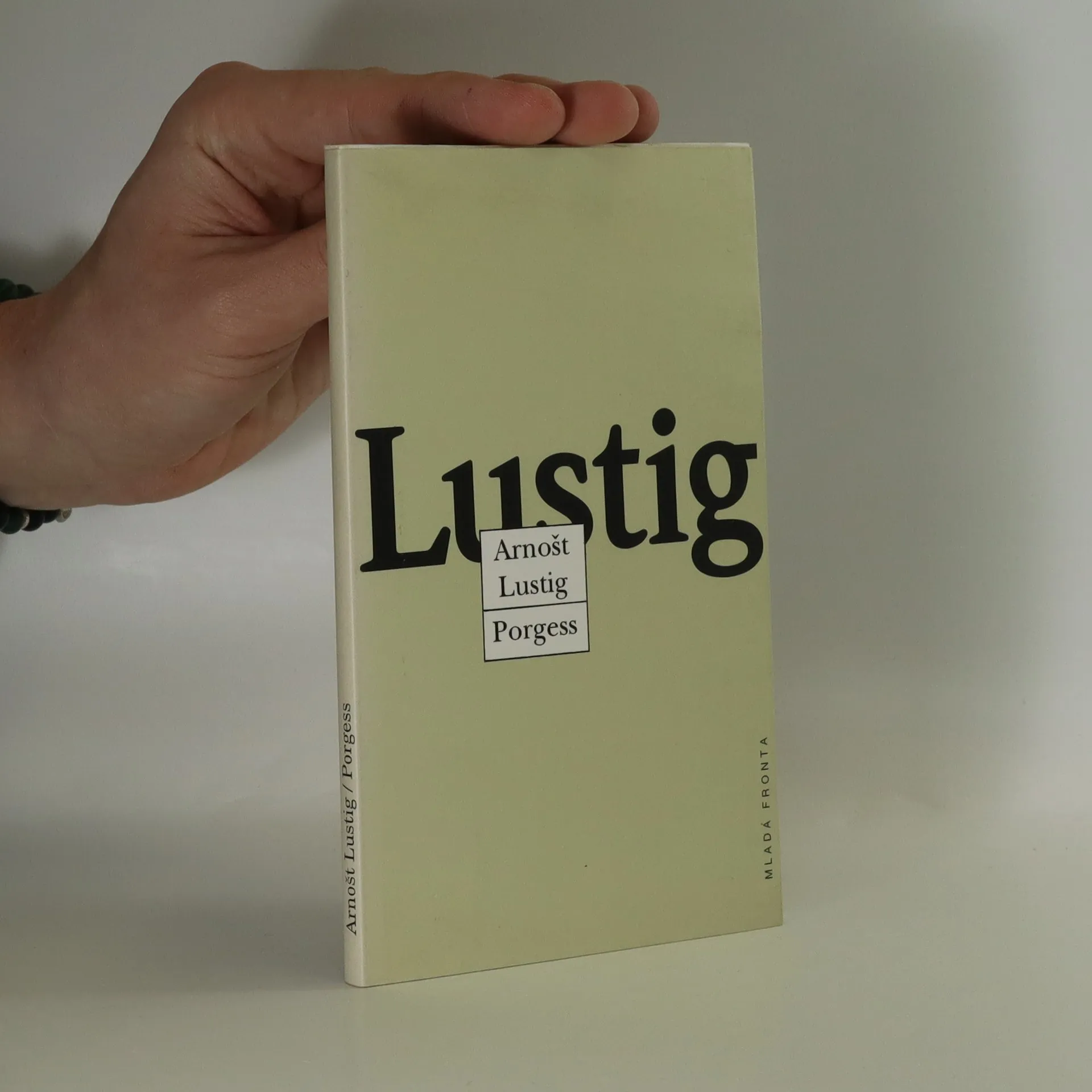
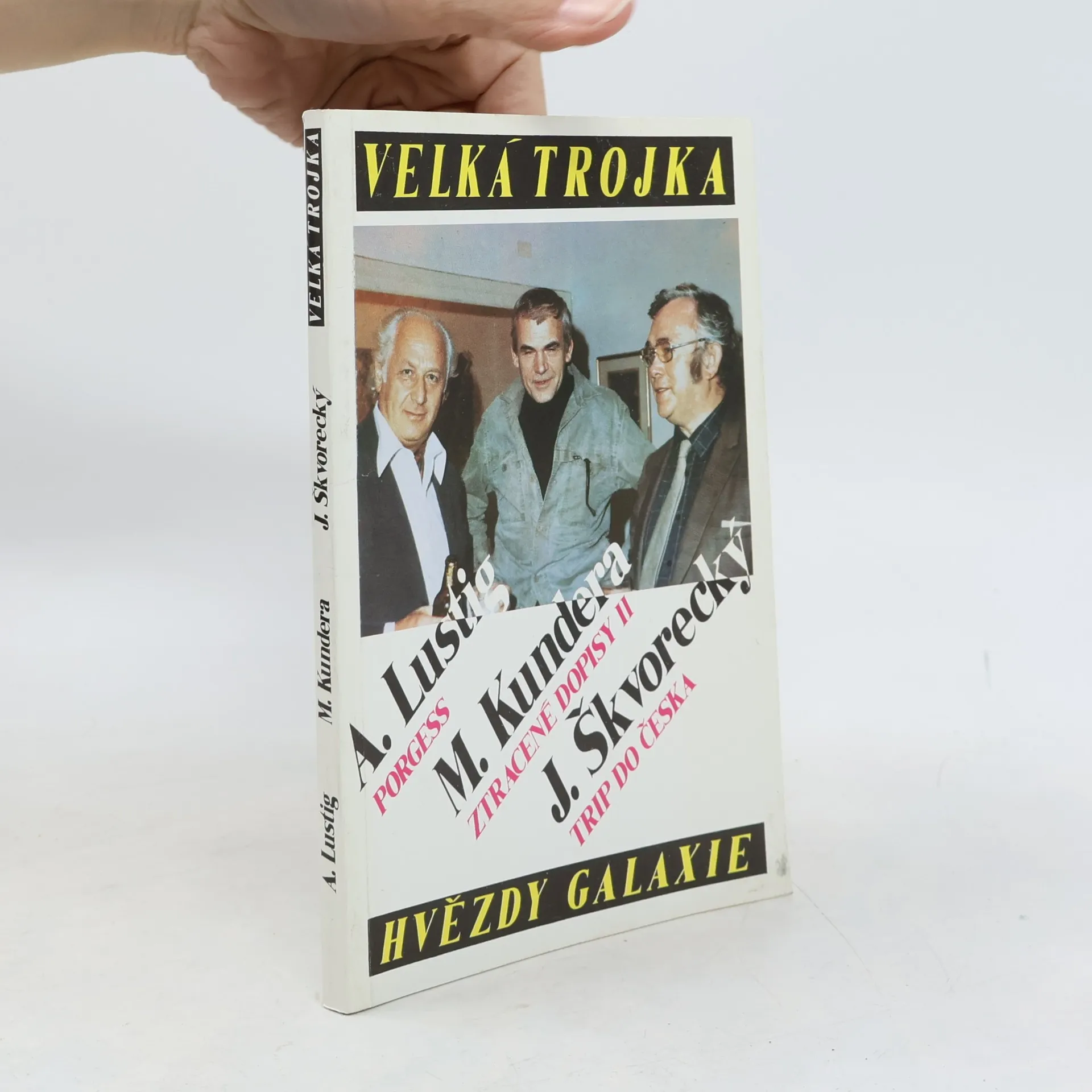
Svazek obsahuje po jedné povídce od tří významných českých spisovatelů – Arnošta Lustiga (Porgess), Milana Kundery (Ztracené dopisy) a Josefa Škvoreckého (Trip do Česka).
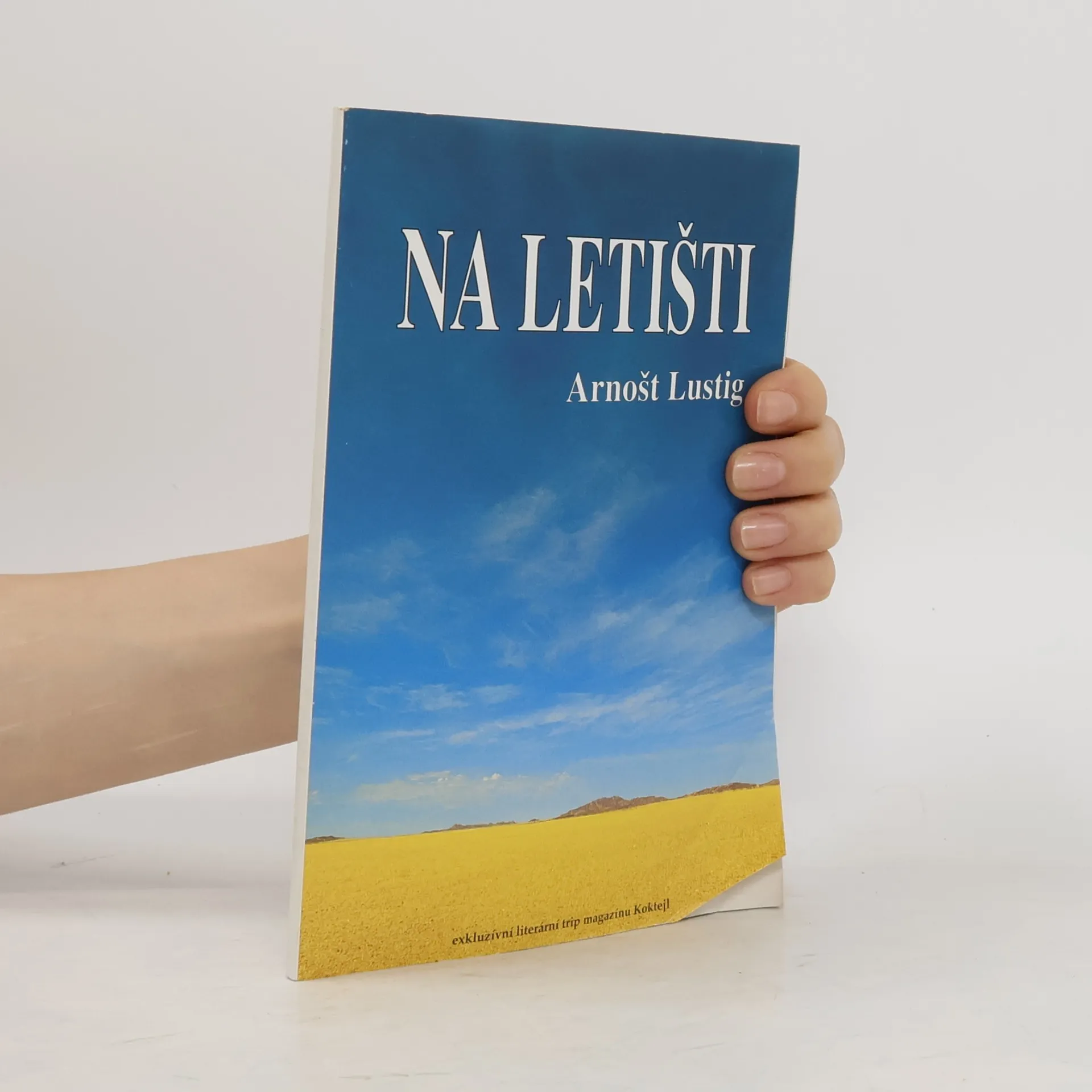
Zkušenost koncentračního tábora zažitá chlapcem napověděla spisovateli, že sdělit ji co nejautentičtěji, znamená zachovat její „přirozenou“ povahu: to, co se čtenářům mělo jevit jako apokalypsa, nabylo paradoxního účinu tím, že se ve vypravěčových očích znovu stalo tím, čím bylo chlapci, totiž každodenností. Apokalypsa, která zevšedněla – to je zorný úhel, ze kterého Arnošt Lustig vyvolává obrazy systematického masového ničení a vraždění. Posedlost zážitkem zevšednělé apokalypsy nedovolila Lustigovi po celý život volit jinou látku, ačkoli si vzpomínám, že na začátku jeho literární dráhy mu jeden z českých kritiků doporučoval, aby židovskou tragédii opustil a neutkvíval v minulosti. Kritik netušil, že si velký spisovatel příběh nevolí, nýbrž že si příběh volí jeho. Pokud se nemýlím, zabrousil Lustig do skutečnosti mimo holocaust výjimečně, a i při tom zůstal věrný mezním situacím. Všechny Lustigovy prózy, ať jsou to povídky, novely nebo romány, jsou si podobné právě tím základním zorným úhlem založeným v mezní situaci. Líčení útěku dvou chlapců z koncentračního tábora přes německé území, které vyvrcholí honem, jejž zorganizují stařičcí členové místní myslivecké jednoty, vyznívá v Lustigově podání jako střízlivá zpráva o normálním jevu. Z doslovu Milana Uhdeho.
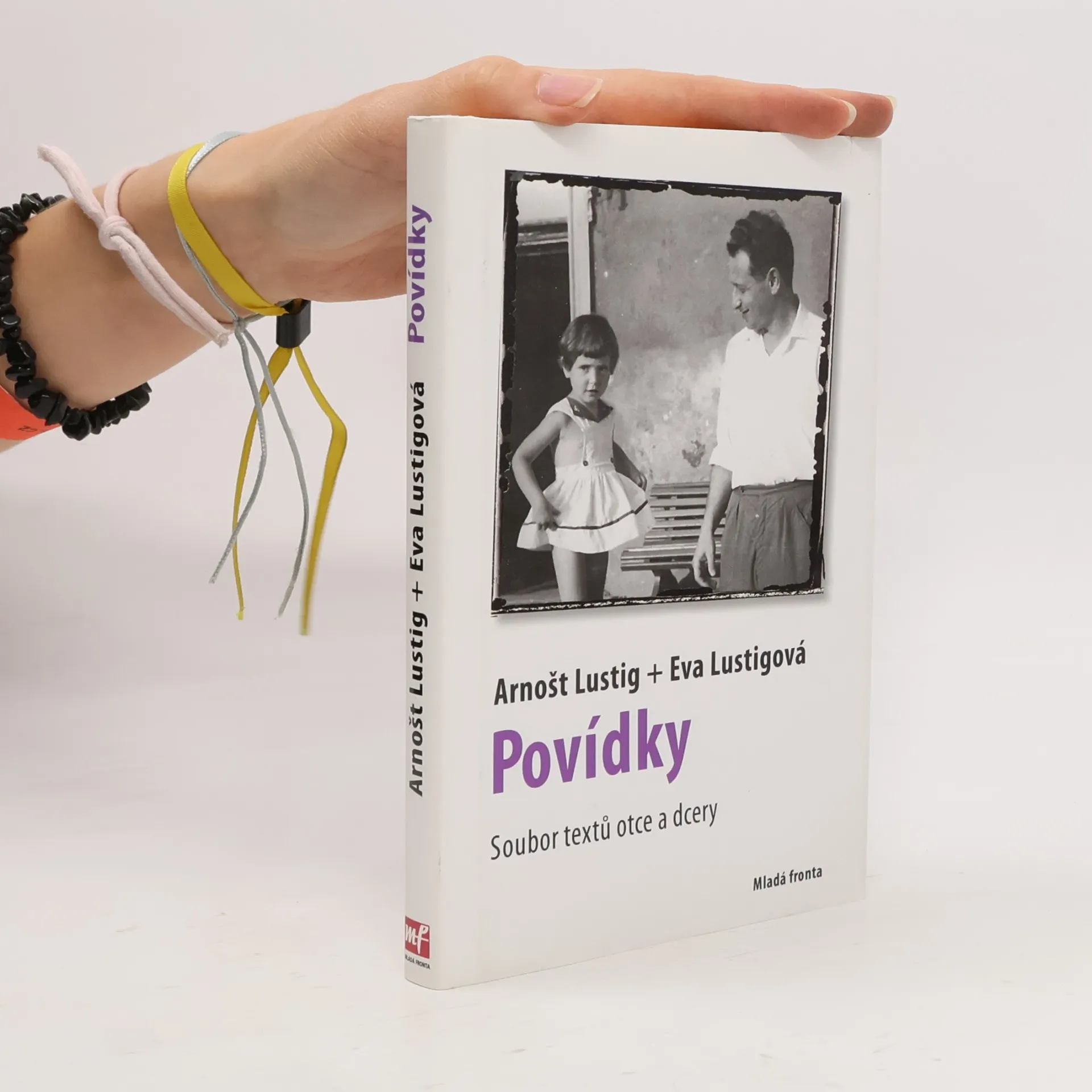
Do tohoto souboru vybral Arnošt Lustig nedlouho před smrtí své dvě povídky Poslední den ohňů a Chvíle hned po ránu, další dvě povídky přidala jeho dcera Eva - Bílý vítr a Sláva Chaima Steina. Vznikla tak výjimečná sbírka raných textů obou spisovatelů. Čtenář tak má možnost porovnat jak či zda Lustig ovlivnil tvorbu své dcery.
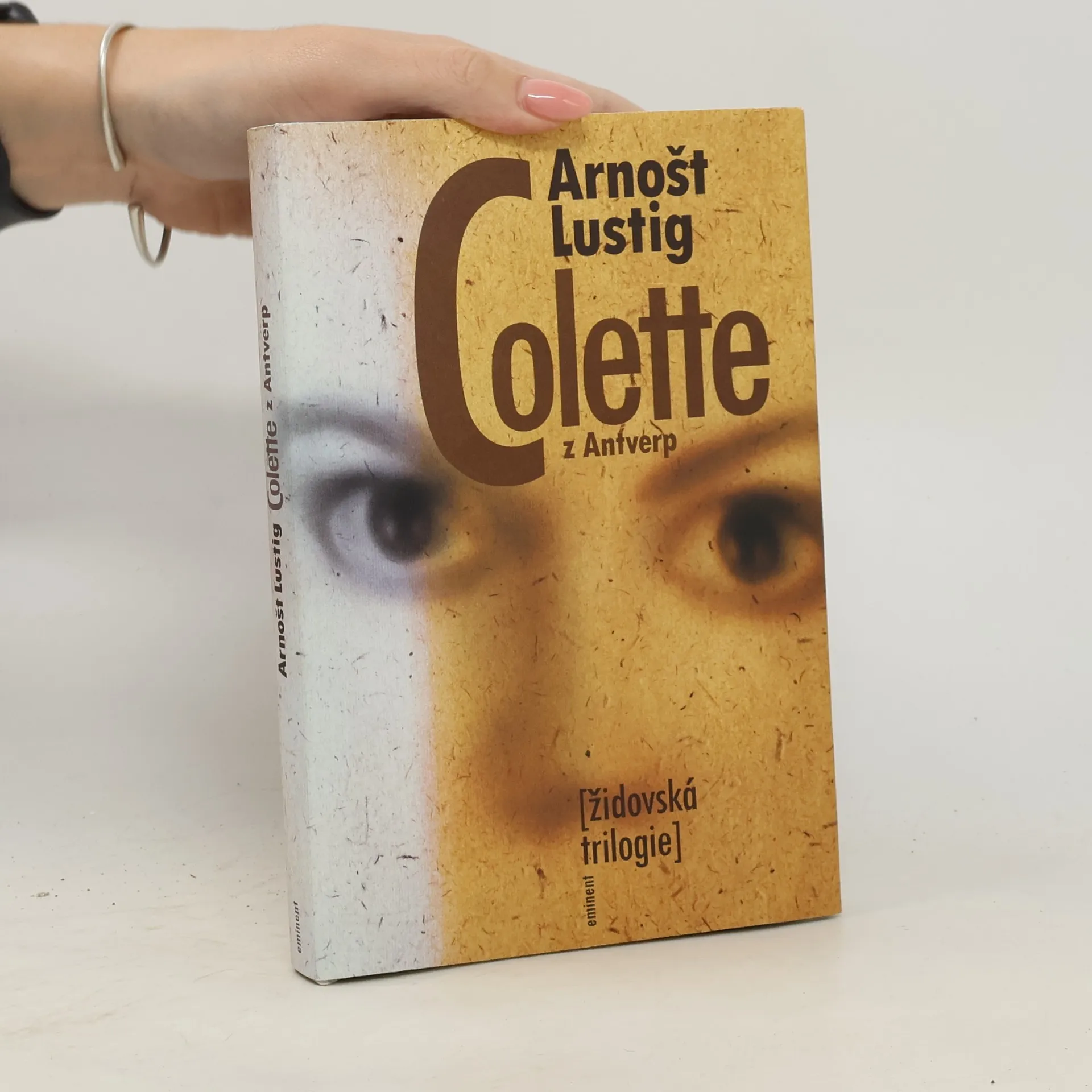
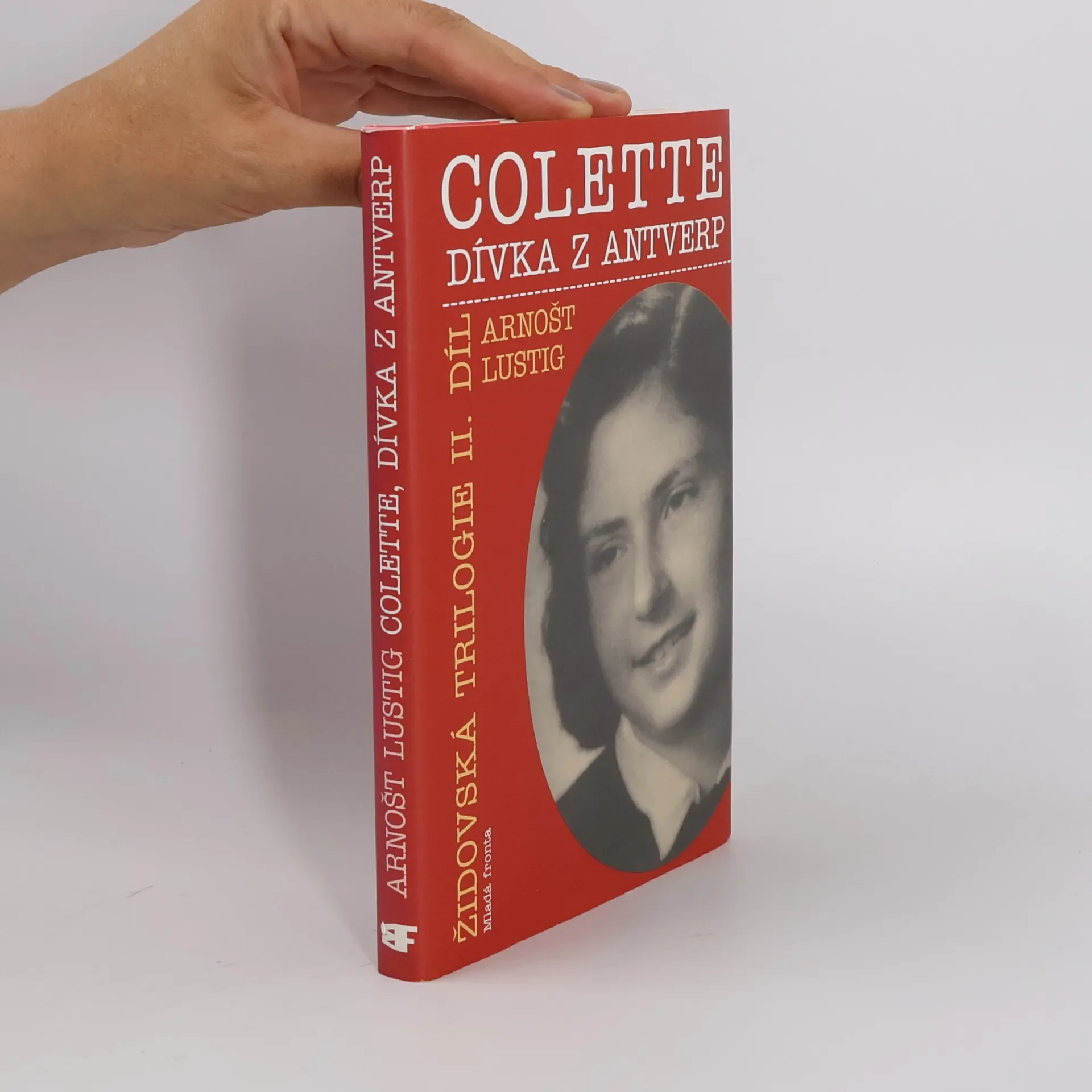
Colette Cohenová, devatenáctiletá belgická židovka s démantem pod jazykem, je zmítána mezi hlubokým milostným citem a brutálním sexuálním násilím. Dvě podoby lásky tak odlišné a tak podobné jako pravda a lež. Milostný příběh z prostředí osvětimského lágru je tak i příběhem o zmatení všech lidských hodnot, kdy je jen tenká hranice mezi dobrem a zlem, pravdou a lží, láskou a nenávistí.
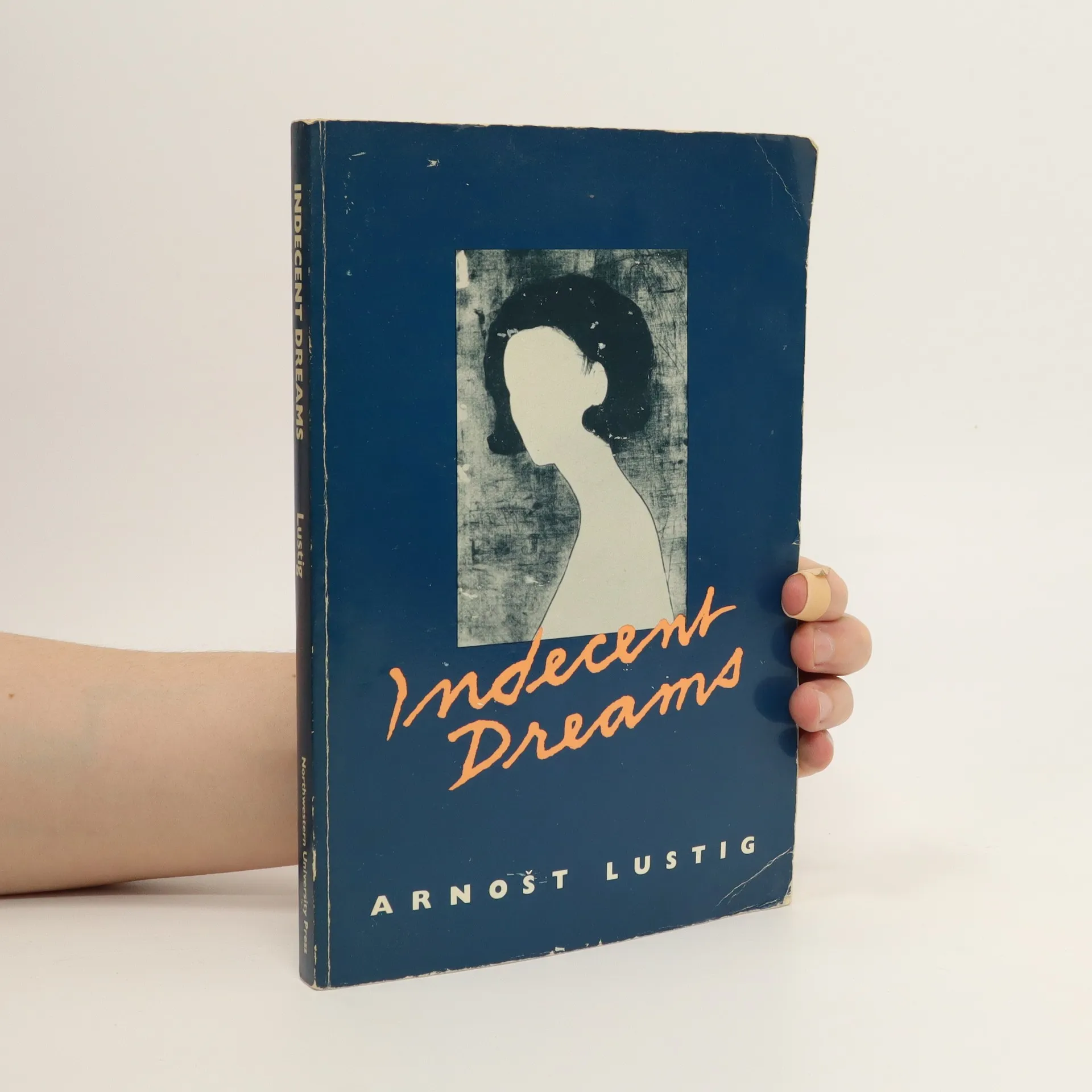
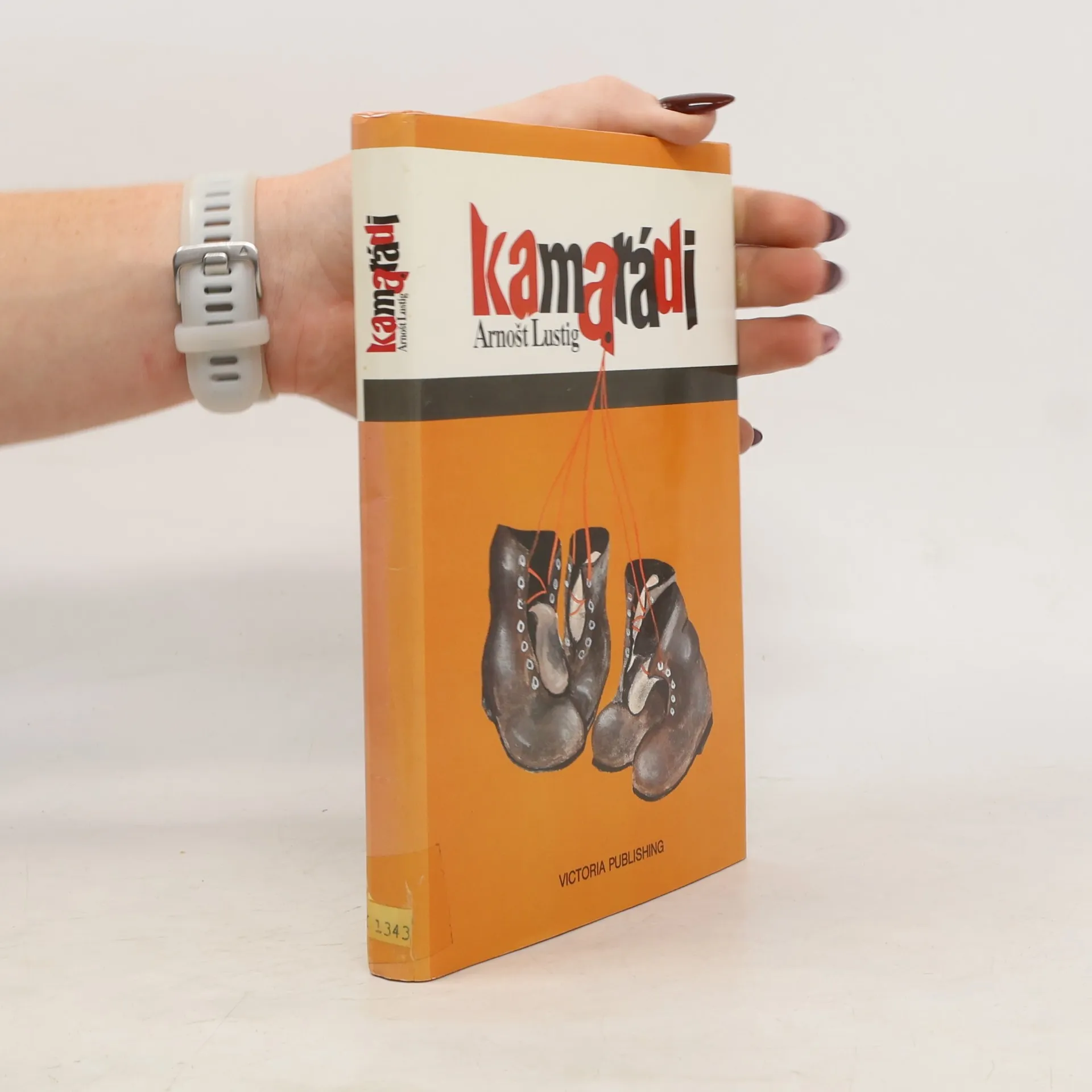
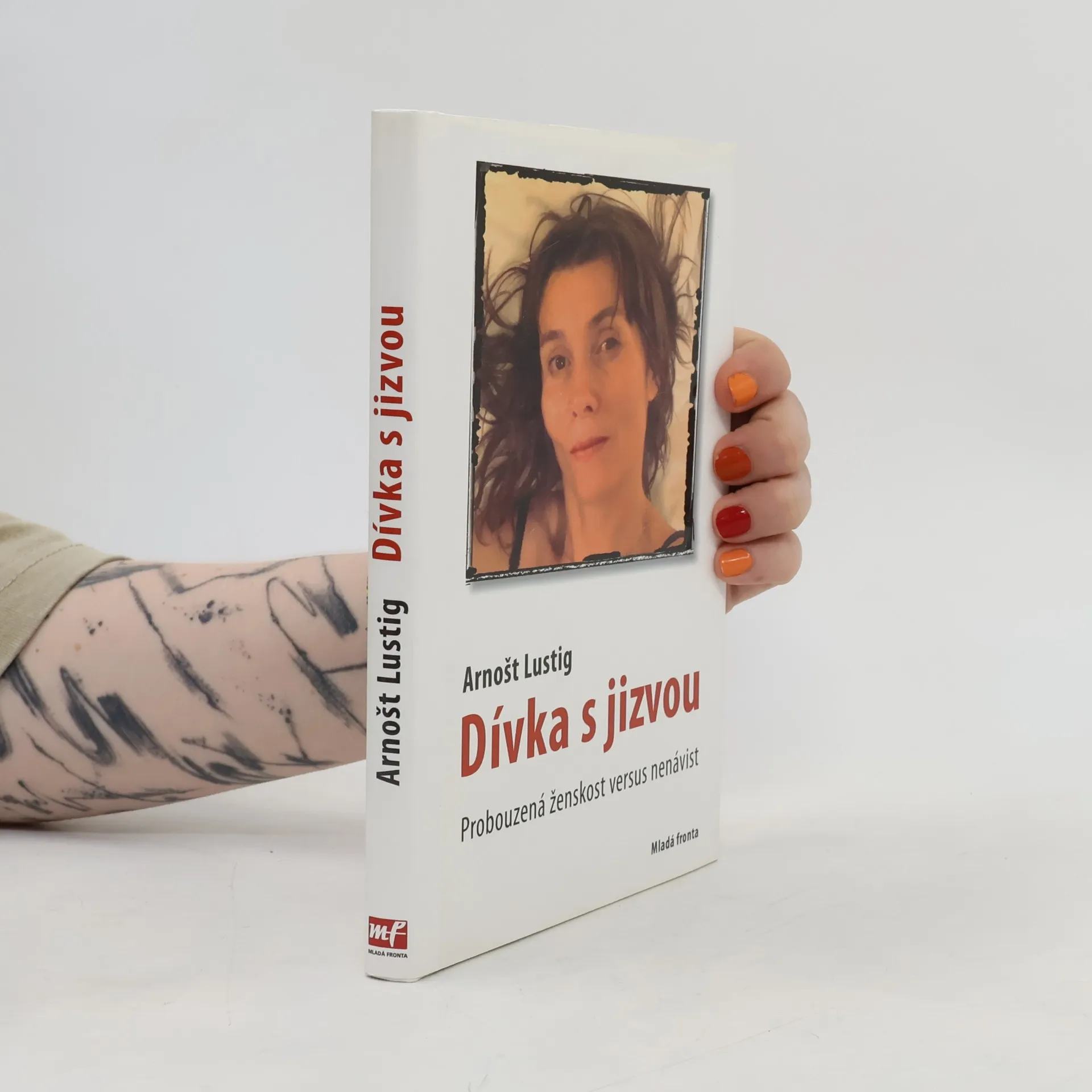
Kniha je složena ze 3. novel. Modrý den, Dívka s jizvou, Neslušné sny.
Autor předkládá novou prózu, která vznikla přepracováním stejnojmenné povídky. Podle této knihy připravuje režisér Milan Cieslar (mj. Krev zmizelého, Pramen života apod.) nový film. V příběhu se setkáváme s Jitkou Thelénovou, vychovávanou v Pražském ústavu pro rasově čisté dívky. Tam se dostala po smrti svých rodičů, kteří se stali obětí teroru po atentátu na Heydricha. V hlavní hrdince se sváří právě probuzená ženskost s nenávistí vůči všem, kdo se podíleli na ztrátě jejích nejbližších.
Ludvíček a Markétka. Jí je dvanáct a on je o dva roky starší. Taky je už dva roky v Terezíně: Ludvíček je čtvrtinový Žid a sirotek, přišel sem z dětského domova, zatímco Markétka přijela společně s rodiči a bratrem. Chlapec vykonává různé práce, přivydělává si jako nosič kufrů, zametá ulice, vozí mrtvé Především však kufry vykrádá - vybírá si ty, které mohou být bohatých lidí, bere si, co se mu hodí nebo co potřebuje, co by mohl vyměnit. Postupem času se naučil odhadovat kufry i jejich majitele, takže se nesplete. Bere bohatým, protože těm chybět nebude, zatímco chudým to málo nechává. Pravidla, která platí v běžném světě, přece neplatí. Krást? Krást! I Markétka, která tohle chování nedovede vůbec pochopit, s ním později souhlasí. Abys přežila, musíš se přizpůsobit, musíš udělat cokoli. I v tomhle pekle můžeš být šťastná, vysvětluje Ludvíček dívce. Je do ní zamilovaný až po uši. Ještě nikdy nebyl tak šťastný!
Jeden den příměří izraelsko-arabského konfliktu: na přistávací ploše letiště v Rechaviahu se chystá večírek pilotů, na kopcích nad Jeruzalémem planou arabské ohně. Je to pár dnů, co se dva piloti nevrátili z průzkumného letu. V hlavě Johnyho Cohena se rodí plán pomsty. Psychologická novela přináší napínavý děj i příběh života a smrti.
Kladu si otázku, proč povídkové texty tohoto autora tak urputně pronikají pod kůži a rozrušují nás? Ludvík Aškenazy to vystihl: odmítá jakoukoli „realistickou“ popisnost, spojuje poezii s prózou a opakuje pohled na postavy nesoucí břímě příběhu. Vylíčení hrůz nacistických zločinů připomíná šílenství, stejně jako utrpení židovských obětí. Ivan Klíma, přeživší nacistického lágru, nazval své paměti Moje šílené století, což naznačuje, že v nezaujatém líčení životních okolností, jimž se museli židovští „muklové“ podřídit, je cosi šíleného. Život obrácený naruby není lidským životem; člověk zahlcený cyklonem B je odsouzencem smrti. Civilizace, která potlačuje své svědomí, aby mohl být zločin dokonán, není lidskou civilizací, ale lidojedstvím. Ukázka z textu: Po sobotním dešti bylo hezky, kavárny v Praze se otevřely. Byl pátek, druhý den po válce. Na Národní třídě se mísili vojáci čtyř armád s civilním obyvatelstvem. Počasí opláchlo dlažbu. Z oken bývalých německých bytů vyhazovali noví nájemníci německé knihy, vlajky a portréty Hitlera a dalších pohlavárů. Dlažební kostky si podržely své barvy, ale změnil se jen ten, kdo po nich šlapal.
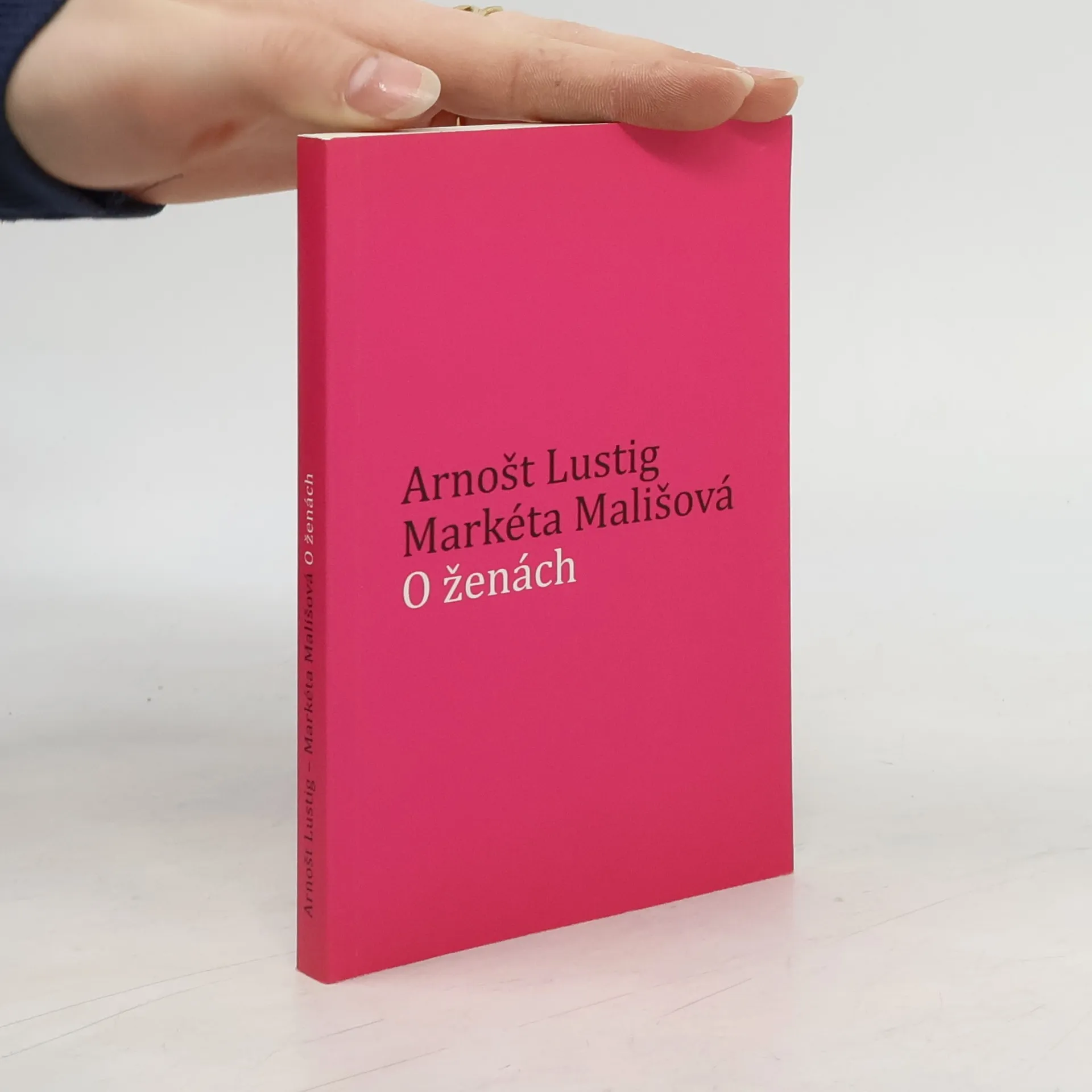
Rozhovor Arnošta Lustiga s Markétou Mališovou na téma žena žena jako matka, milenka, přítelkyně. Žena múza mužů a žena nepokořená tichá bojovnice. Takto a v mnoha dalších rolích Arnošt Lustig vnímá ženu. S nadhledem svého věku a životních zkušeností se ze svého hlubokého vztahu k něžnému pohlaví a lásce Arnošt Lustig vyznává v knize formou přátelského rozprávění.
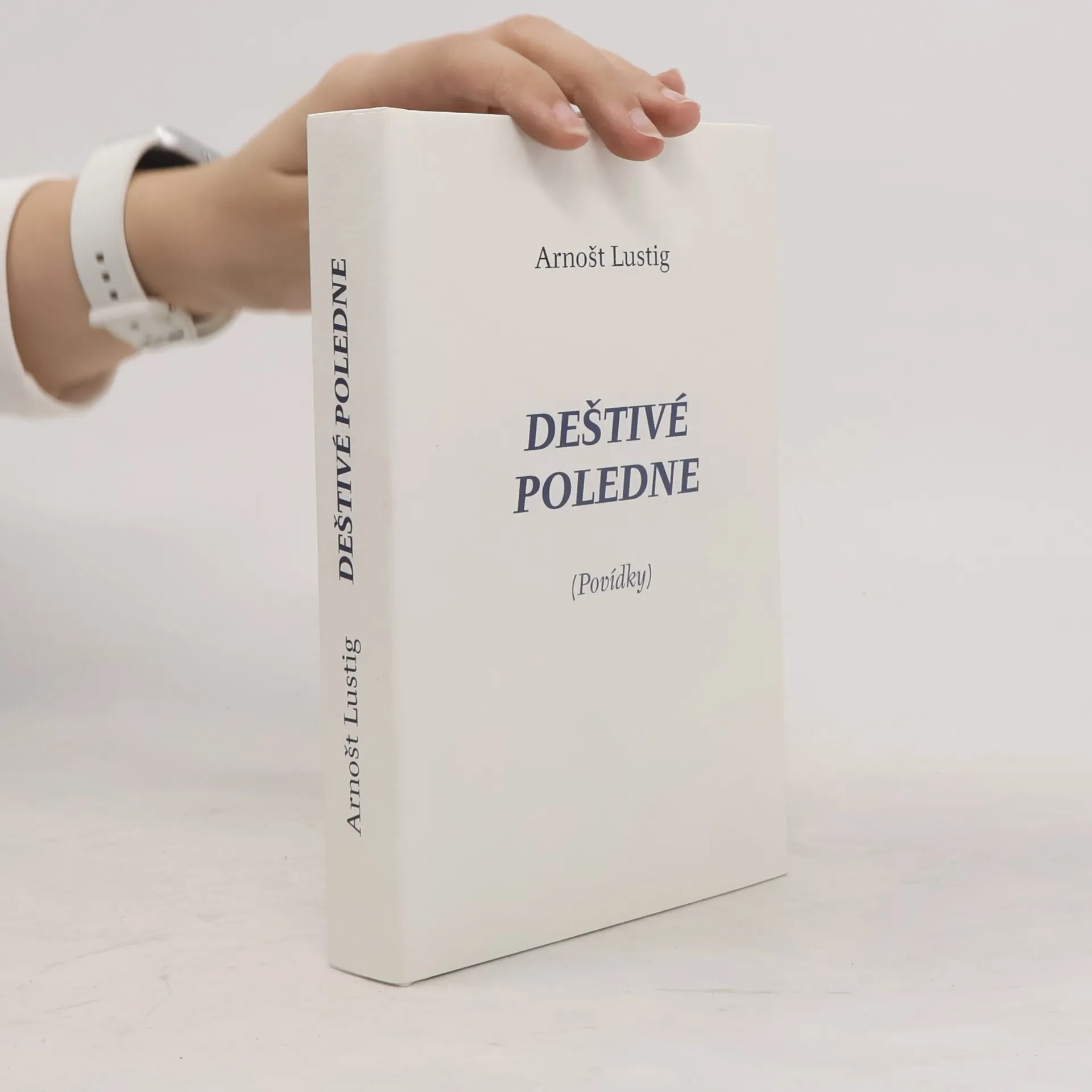
Knihou Deštivé poledne obnovuje Mladá fronta vydávání sebraných spisů Arnošta Lustiga, které započalo a nedokončilo nakladatelství Hynek. Jedná se o soubor osmnácti novel a povídek věnovaných převážně holocaustu Židů za 2. světové války. Zatímco úvodní povídky zachycují prožitky a pocity židovských obyvatel před transportem, jádro knihy tvoří prózy zabývající se postavením bezmocného jedince v soukolí nelidské mašinérie koncentračních táborů. Na závěr knihy autor zařadil i řadu povídek odehrávajících se krátce po válce, jejichž hrdinové zápasí se svými válečnými traumaty. Na základě vlastní neopakovatelné zkušenosti nám Lustig ve svých prózách dává nahlédnout samotnou podstatu člověka i to, jak se projevuje v mezních životních situacích.
Samostatně neprodejná příloha magazínu Koktejl. Novela o osudech židovských mladíků kteří bojují v izraelsko - arabské válce.
Psychologický román z prvního období autorovy tvorby je sugestivním příběhem člověka, který kdysi nesplnil svůj slib a pro zbytek života trpí výčitkami svědomí. Román přibližuje čtenáři charakterový a myšlenkový vývoj hrdiny, který si život dokázal vždy zařídit bez ohledu na druhé co nejpohodlněji. Za první republiky byl hrdina typickým hejskem a příživníkem, za okupace byl sice pro svůj židovský původ vězněn v Terezíně a Osvětimi, ale i tam si našel parazitický způsob existence. Po osvobození brzy vytuší nadcházející změnu poměrů a po roce l948 opouští republiku. V emigraci slíbí pomoc příteli v nouzi, jeho egoismus a zbabělost je však silnější a on přítele nechá na holičkách. Život v Itálii, bez domova a přátel ho nutí zamýšlet se nad minulostí a on se stále hlouběji propadá do deprese a pocitu zmarněného života. Jeho pocity krystalizují při setkání s neznámým člověkem v Římě, v němž na několik dnů nachází přítele. Toto setkání dává autorovi příležitost konfrontovat životní osudy dvou zcela odlišných lidí a zamyslet se nad otázkou základních hodnot v životě člověka.
Colette Cohenová, devatenáctiletá belgická židovka s démantem pod jazykem, je zmítána mezi hlubokým milostným citem a brutálním sexuálním násilím. Dvě podoby lásky tak odlišné a tak podobné jako pravda a lež. Milostný příběh z prostředí osvětimského lágru je tak i příběhem o zmatení všech lidských hodnot, kdy je jen tenká hranice mezi dobrem a zlem, pravdou a lží, láskou a nenávistí.
Balada o zrození čistého snu a marné touze po jeho uskutečnění uprostřed brutálních životních podmínek.
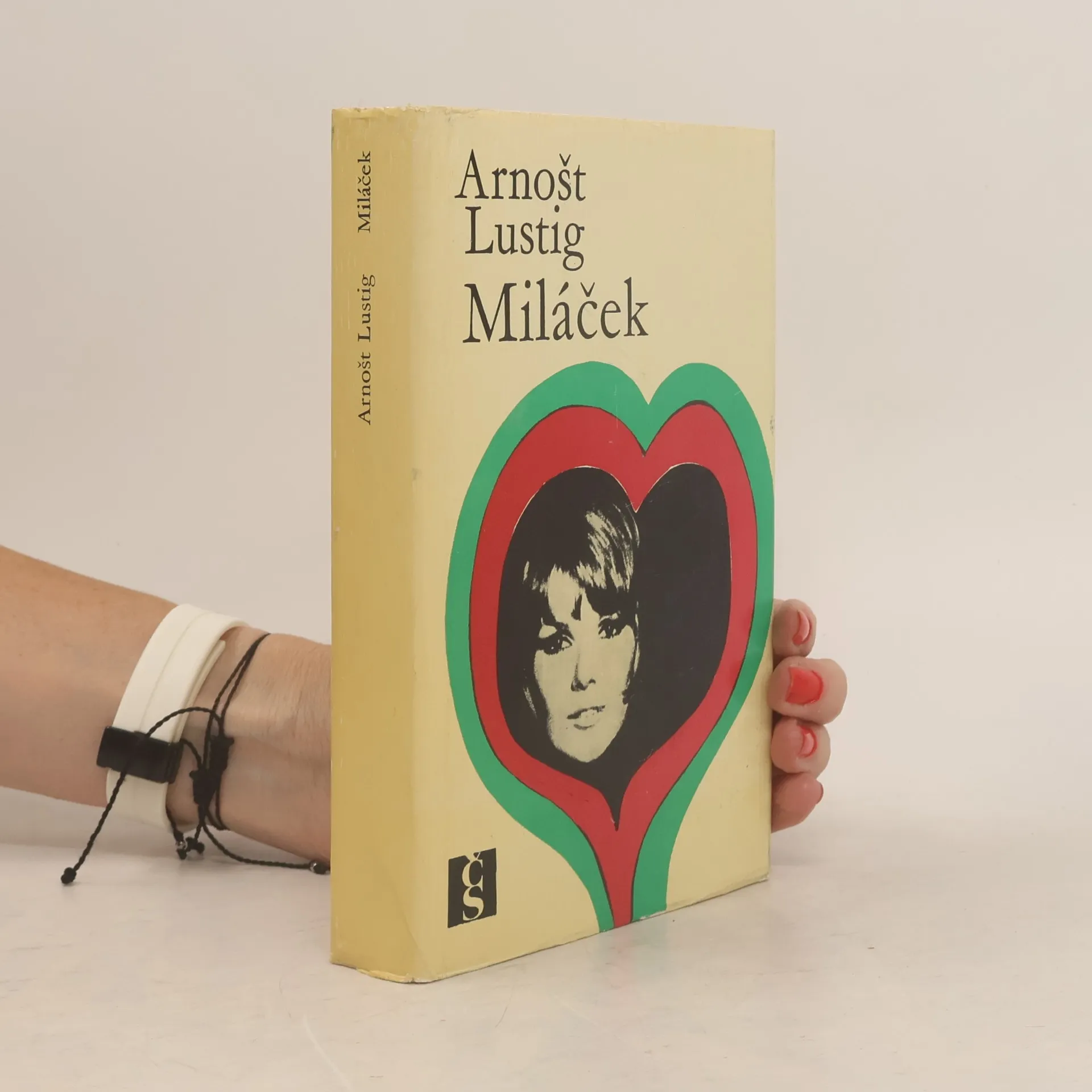
Miláček je inspirovaný Lustigovým novinářským pobytem v Izraeli během války za nezávislost v letech 1948-1949. Poprvé vychází roku 1969, ale vzápětí je zakázán a vydávají jej manželé Škvorečtí až roku 1973 v Torontu. Je to příběh vášnivé lásky Danyho Polnauera k Magdě Wilderové,příslušnici rodící se izraelské armády.
„Teď, tenkrát a ještě dřív než tenkrát.“ Hrdinové tří Lustigových novel přežili válku a koncentráky, ale na jejich poválečném „teď“ se nesmazatelně podepsalo to, co bylo „tenkrát“. Ve svých úvahách se nepřestávají vyrovnávat s válečnými zážitky, ale chtějí-li svůj život pochopit v úplnosti, musejí se ve vzpomínkách vrátit ještě před ono tragické „tenkrát“ – do doby před válkou, do svého dětství a dospívání. Novely Propast, Porgess a Enzo tak vedle válečné tematiky spojuje také motiv vzpomínání. Kniha vychází jako jedenáctý svazek sebraných spisů Arnošta Lustiga.
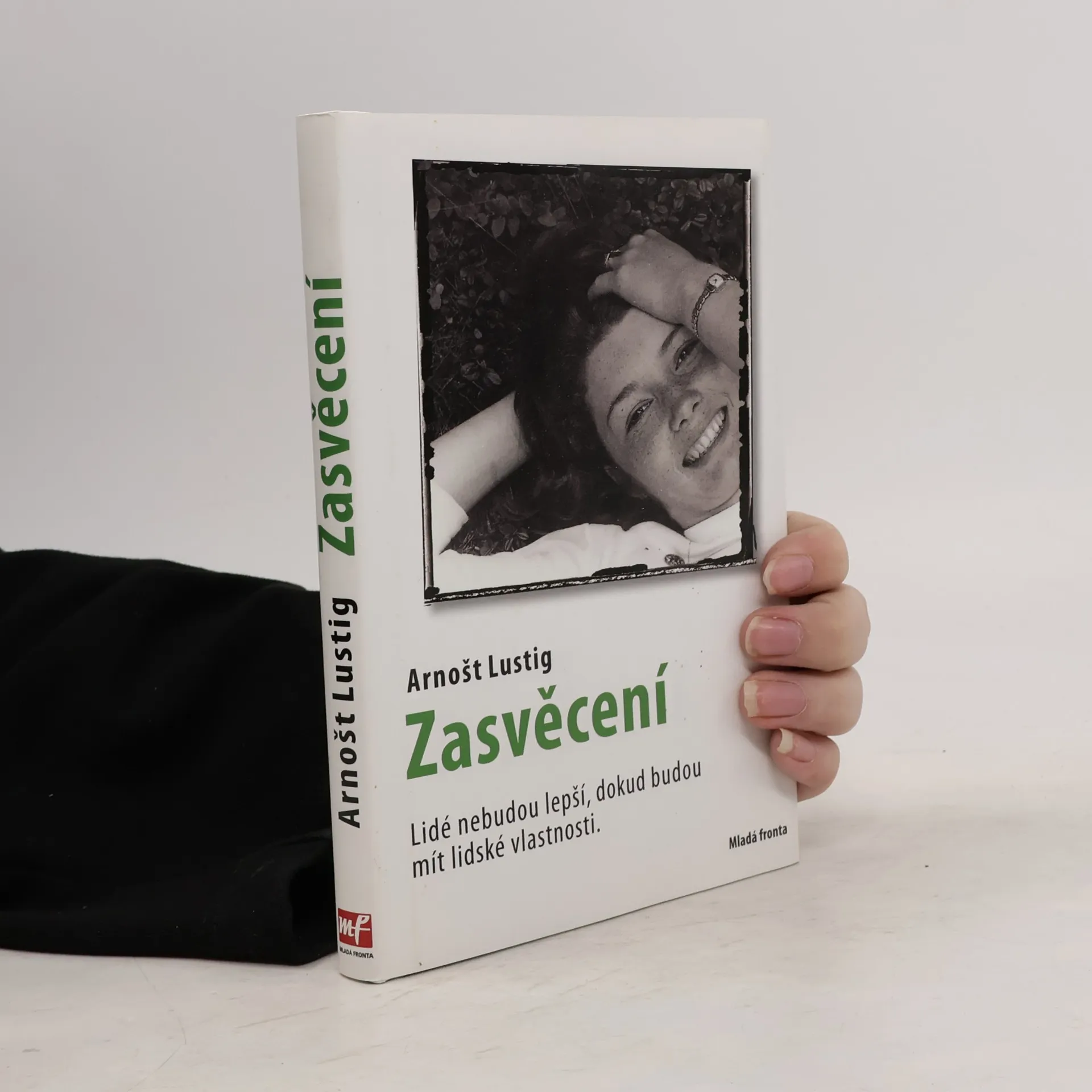
Lidé nebudou lepší, dokud budou mít lidské vlastnosti. Tak zní podtitul nového svazku sebraných spisů Arnošta Lustiga, který vypráví příběh o sexuálním a životním zrání mladého Richarda Ludviga. V tomto prozaickém triptychu se události i myšlení ústřední postavy, která má nejen autobiografické východisko, ale je navíc prohloubena autorovou životní zkušeností, soustřeďují kolem trojjediného mystéria lásky, erosu a sexu, jež dospívající chlapec postupně objevuje a v kulminujícím aktu zasvěcení rozpoznává jako aspekt vždy ohrožené existence člověka i lidstva.
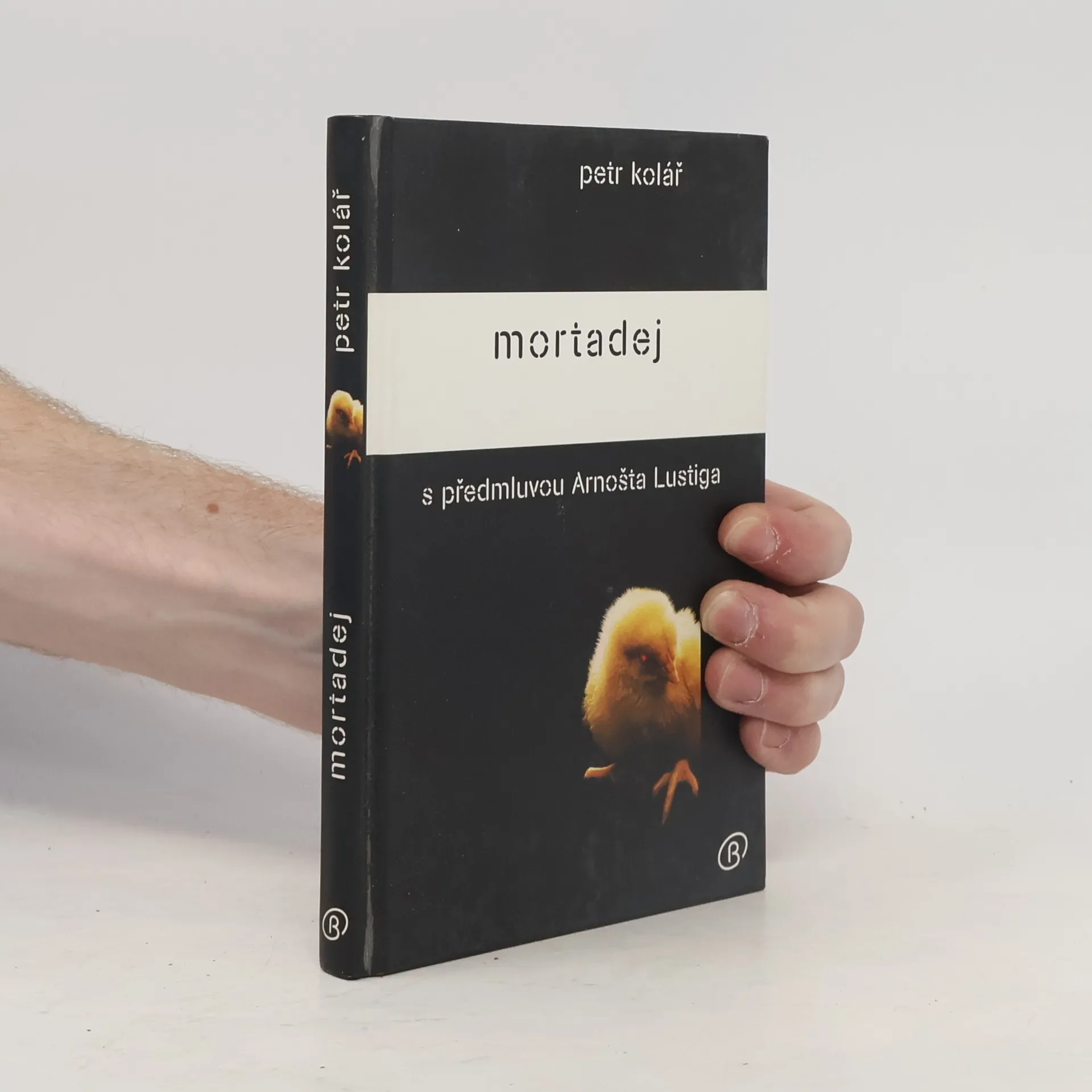
Kniha Petra Koláře, jeho první, je absolutní originál. Je to příběh naší takzvané postmoderní doby, které zcela nerozumíme a jež, jak se zdá, nerozumí nám. Záhada člověka, stará jako člověk - od dob, které ještě nemají ani názvy. - Arnošt Lustig Kniha je opatřená předmluvou Arnošta Lustiga.
Jiří Paroubek v odpovědích na otázky
Podtitul: Rozhovory Harryho Jamesa Cargassa, Michala Bauer a Pavla Mešťana s Arnoštom Lustigom a esej Byrona Sherwina