
Brian J. Bruya ist ein renommierter Übersetzer chinesischer Klassiker und Professor für Geschichte und Philosophie. Seine Arbeit widmet sich der Zugänglichmachung des reichen intellektuellen Erbes Chinas für westliche Leser. Seine umfangreichen Übersetzungsbemühungen bringen die tiefgründigen Einsichten antiker chinesischer Denker einem zeitgenössischen Publikum näher. Bruyas akademischer Hintergrund in Philosophie und Sinologie ermöglicht es ihm, sich tiefgehend mit den Nuancen originaler Texte auseinanderzusetzen und diese auf fesselnde und verständliche Weise zu präsentieren.
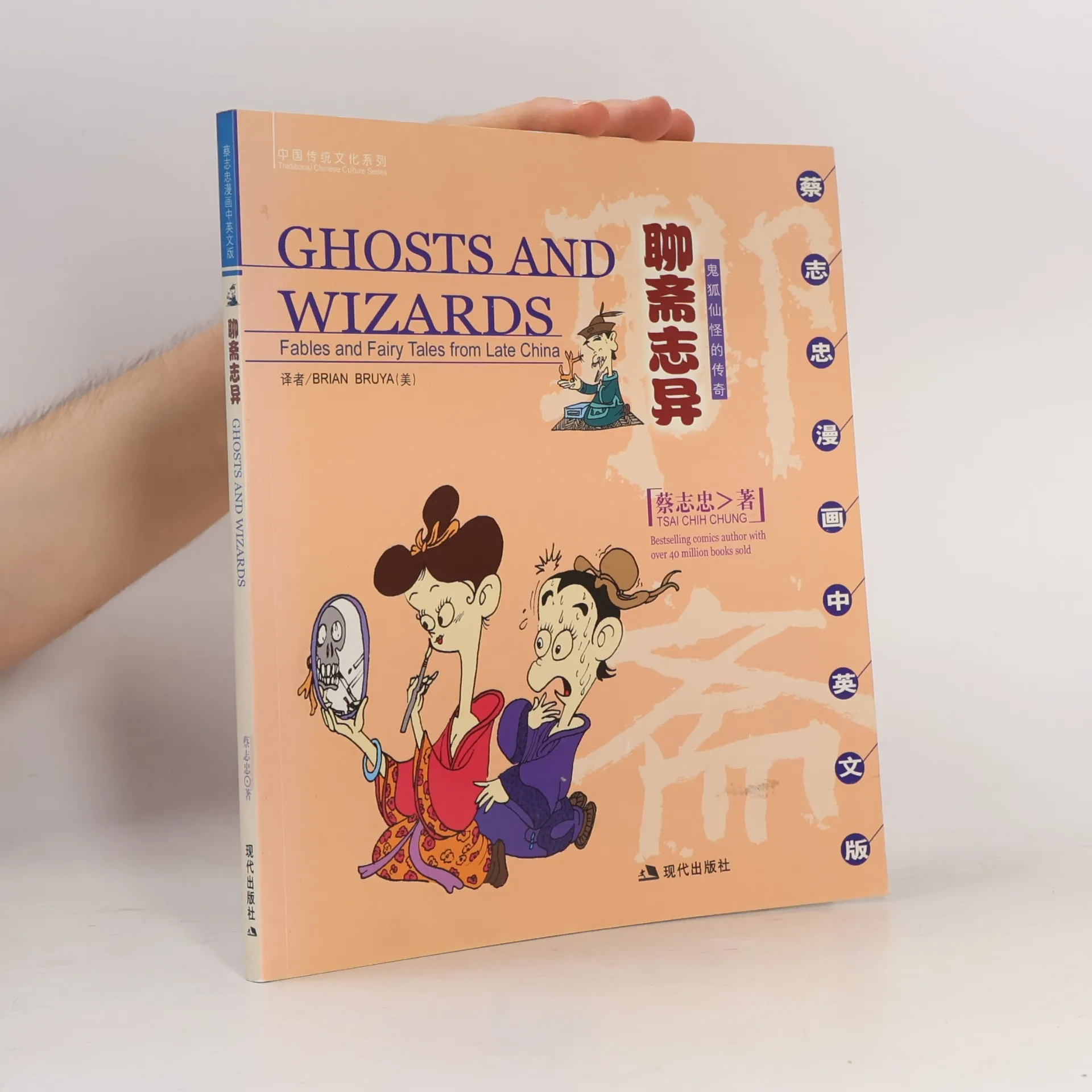
Fables and Fairy Tales from Late China / 鬼狐仙怪的传奇 - Bilingual Edition
121 Seiten
5 Lesestunden
Part of the Traditional Chinese Culture series, this book is an illustrated adaptation of Pu Songlings influential look at the odd, the peculiar and the supernatural. Collected and popularized by the immensely popular Chinese illustrator Tsai Chih Chung, the book includes 12 tales for the reader of today through cartoon panels with a text that is irreverently humorous. It is a great and easy tool to learn Chinese classics.
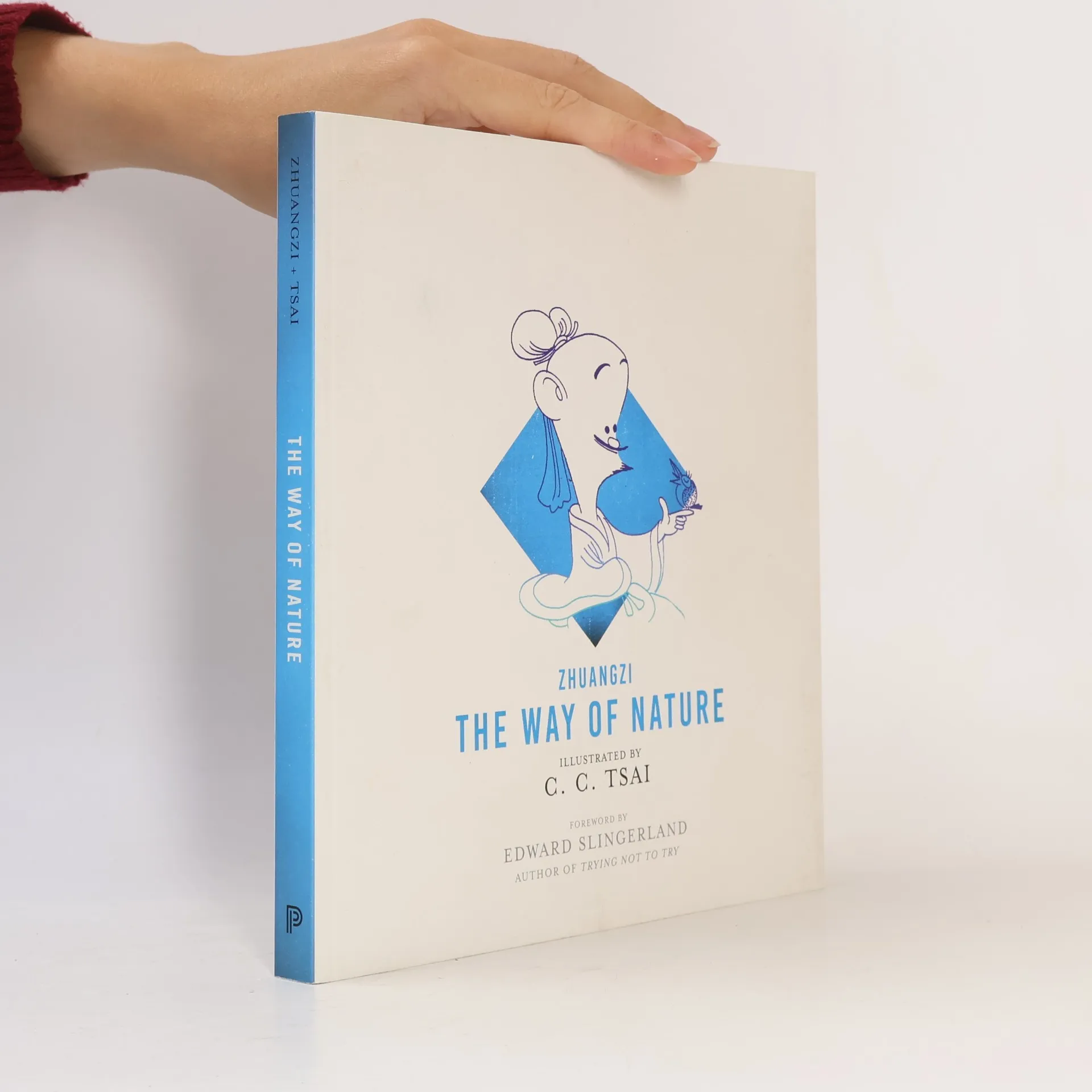
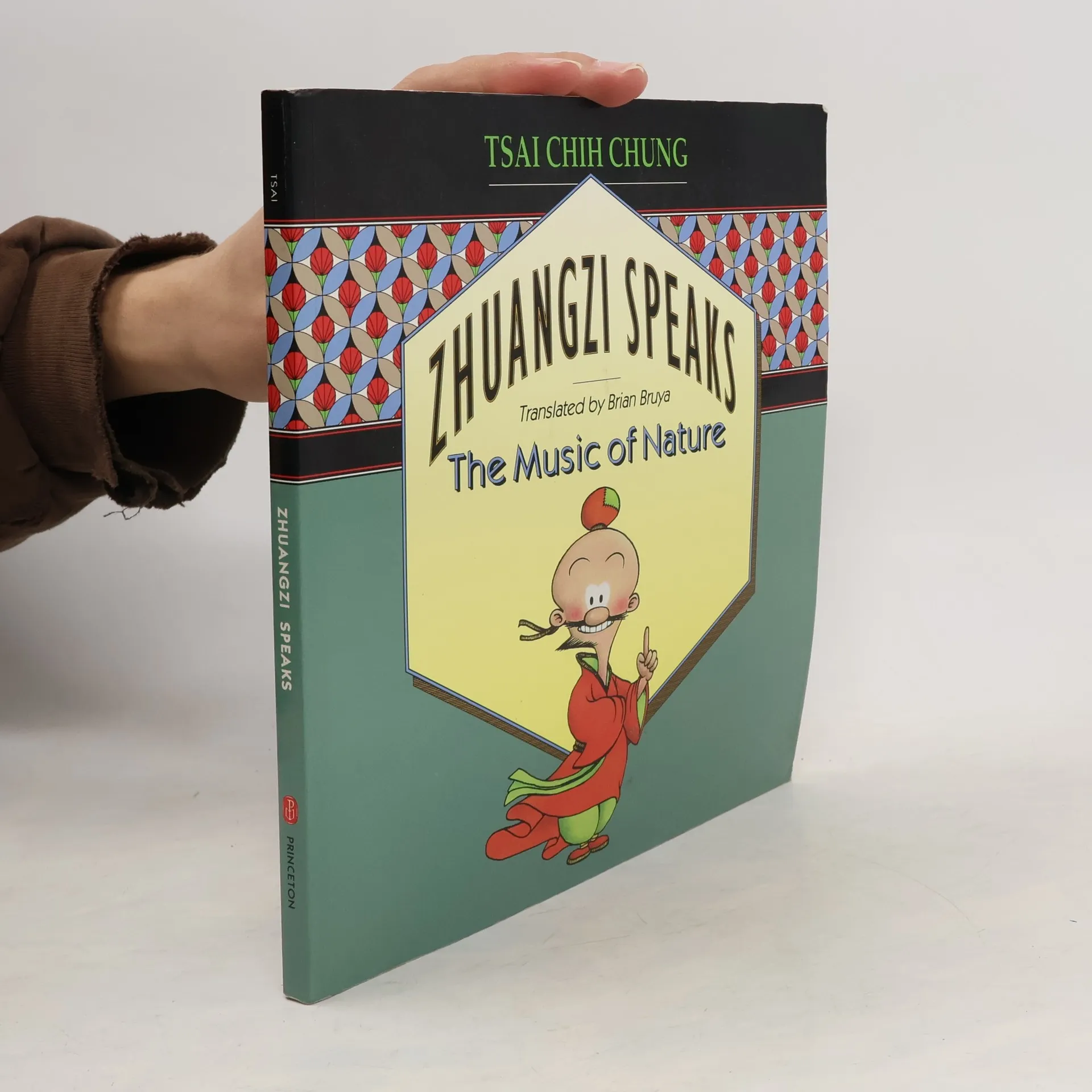
During a time of political and social upheaval in China, the insights of the Daoist sage Zhuangzi (369?-286? B.C.) offered a path to natural living. Inspired by Zhuangzi's wisdom, Taiwanese cartoonist Tsai Chih Chung created a bestselling comic book that brings his key parables to life, translating Zhuangzi's enlightening sayings into modern Chinese. Tsai's work made the core parts of Zhuangzi accessible to millions of Chinese speakers who might not otherwise engage with this significant Daoist text. Now translated into English by Brian Bruya, the comic book reaches a Western audience, featuring the classical Chinese text in the margins. Through playful illustrations and the translation, readers are encouraged to embrace spontaneity, letting go of presuppositions and ambitions to attune themselves to the music of nature. Alongside Laozi's writings, Zhuangzi's philosophy has profoundly influenced Chinese culture, impacting painting, literature, and martial arts, and significantly shaping Chan Buddhism (Japanese Zen). An afterword by Donald Munro provides historical and cultural context for Daoism and the Zhuangzi, enriching the reader's understanding of its enduring legacy.