
Bookbot

Stephen P. Kramer

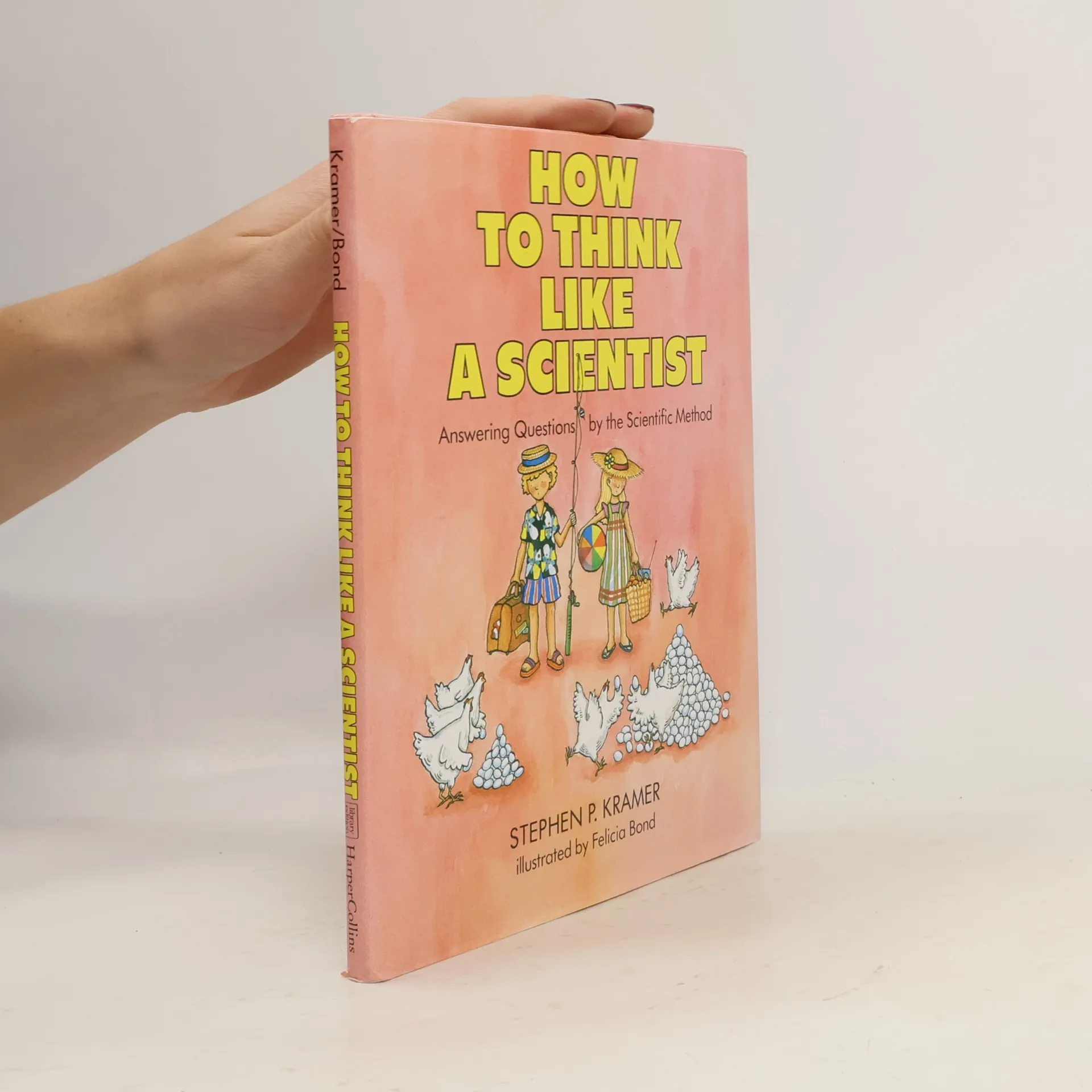
    How to Think Like a Scientist
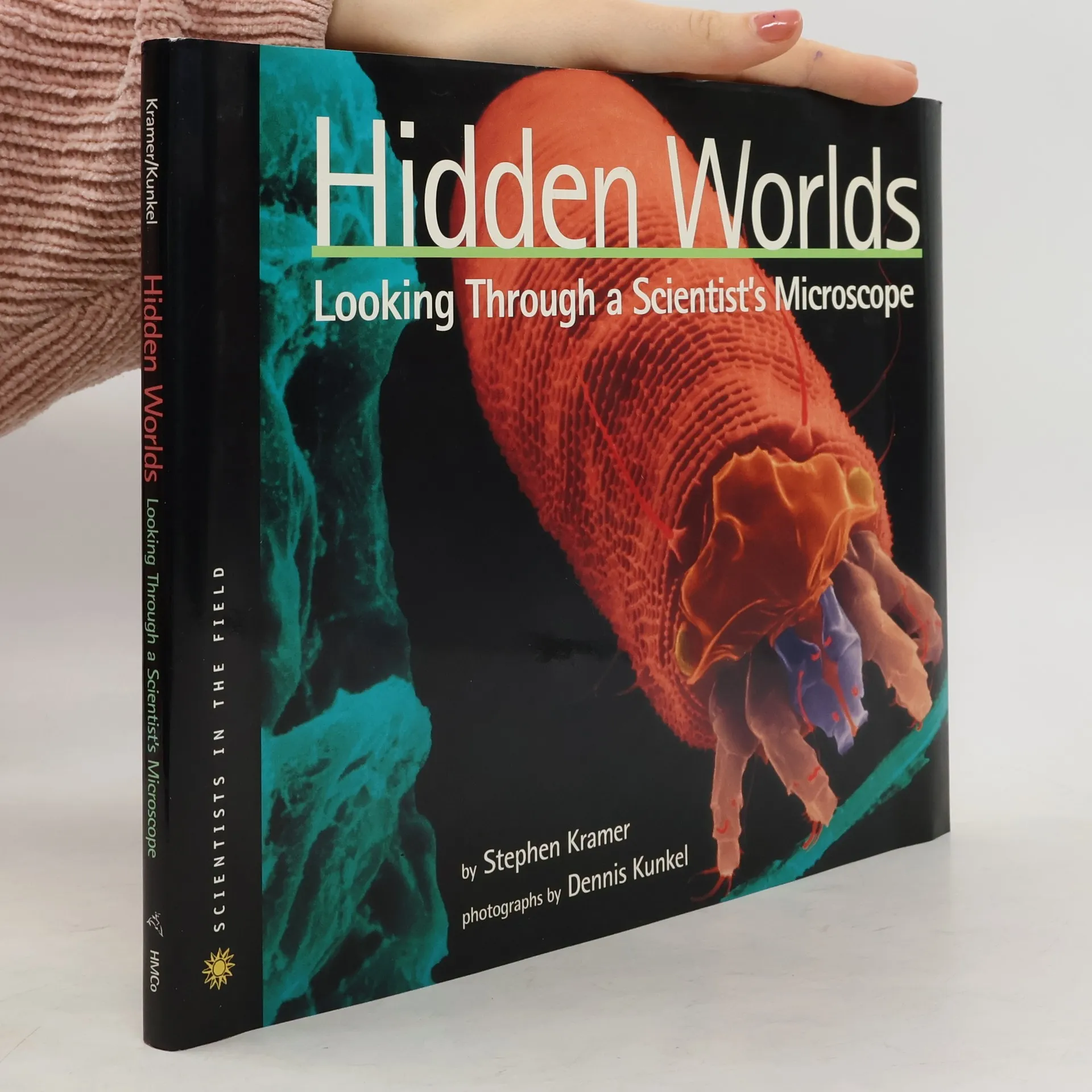
    Scientists in the Field: Hidden Worlds
    • Scientists in the Field: Hidden Worlds

      Looking Through a Scientist's Microscope

      • 64 Seiten
      • 3 Lesestunden

      There are hidden worlds in nature—places you can visit only with a microscope. For more than twenty-five years, Dennis Kunkel has been exploring these worlds. Through the lenses of powerful microscopes, he has examined objects most people have never even thought about: a mosquito’s foot, a crystal of sugar, a grain of pollen, the delicate hairs on a blade of grass. Hidden Worlds takes you behind the scenes of Dennis’s work and explains how he captures his remarkable images of microscopic life and objects. You’ll learn how Dennis became interested in microscopes as a boy, how he prepares specimens for study, and how different kinds of microscopes work. You’ll also have the chance to follow Dennis as he collects in the field—from the ash-covered slopes of Mount St. Helens to the lava tubes, rainforests, and beaches of his home state of Hawaii.

      Scientists in the Field: Hidden Worlds
      4,0
    • How to Think Like a Scientist

      Answering Questions by the Scientific Method

      • 48 Seiten
      • 2 Lesestunden

      Every day you answer questions-dozens, even hundreds of them. How do you find the answers to questions? How can you be sure your answers are correct? Scientists use questions to learn about things. Scientists have developed a way of helping make sure they answer questions correctly. It is called the scientific method. The scientific method can help you find answers to many of the questions you are curious about. What kind of food does your dog like best? Is your sister more likely to help you with your homework if you say please? Can throwing a dead snake over a tree branch make it rain? The scientific method can help you answer these questions and many others. Stephen Kramer's invitation to think like a scientist, illustrated by Felicia Bond's humorous and appealing pictures, will receive enthusiastic response from young readers, scientist and nonscientist alike.

      How to Think Like a Scientist