


Bookbot

Eric Mosbacher

    Meridian Classic: Fontamara
    Der Meister des Jüngsten Tages
    Franz Kafka aus Prag
    Secret Tibet
    • Secret Tibet

      • 436 Seiten
      • 16 Lesestunden

      Fosco Maraini looks back at the world he first unfolded nearly 50 years ago in his classic account of the visits he made to Tibet. He brings back to life a world which will never be seen again. In the tradition of Italian travellers from the days of Marco Polo, Maraini went to Tibet to learn, to understand, to give and to receive. His encounter with the people of Tibet, from princesses to peasants, aided as he was by a good knowledge of the language, is a true meeting of minds. The text, which attests to the disciplines of the scholar allied to the sensitivity of the poet, is enriched by the narrative value of the author's photographs, including many Buddhist temple artefacts now forever lost. From the Hardcover edition.

      Secret Tibet
      4,3
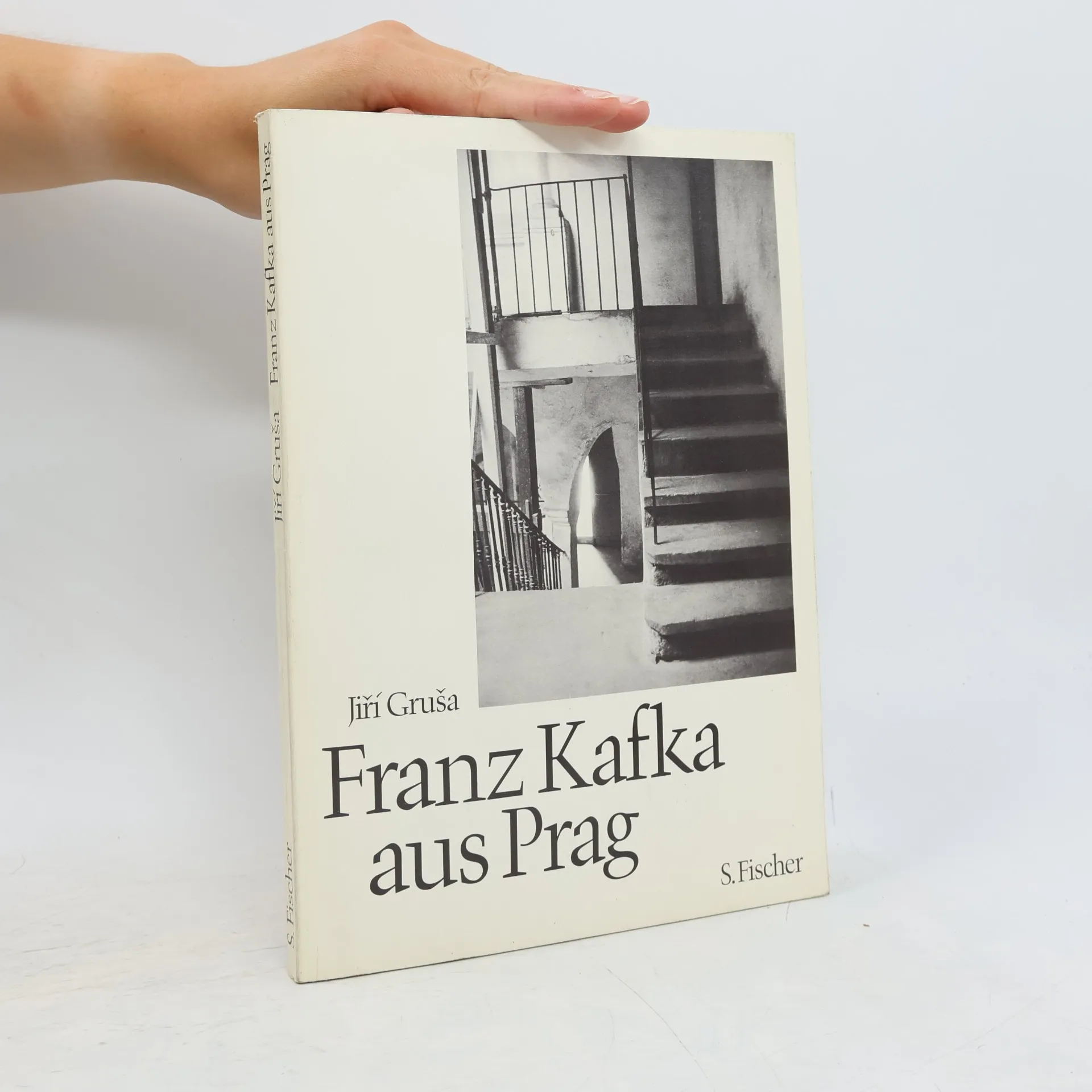
    • Versammelt Fotografien von Kafka, seiner Familie und Prag, sowohl aus seiner Zeit als auch aus der Gegenwart, und enthält Zitate aus seinem Werk.

      Franz Kafka aus Prag
      3,6
    • Wien, vor dem Ersten Weltkrieg: Eine rätselhafte Todesserie erschüttert die Gesellschaft. War es Selbstmord? Oder Mord? Kaum beachtete Nebensächlichkeiten verdichten sich allmählich zu Indizien gegen den Ich-Erzähler des Romans, dem der Ehrenkodex seines Standes nur noch den Weg des Selbstmordes offen zu lassen scheint. „Leo Perutz ist der größte magische Realist unserer Sprache, ein Virtuose des Rätsels.“ (Daniel Kehlmann) Ein meisterhaft konstruierter Blick in die Abgründe Wiens vor den letzten Tagen der Menschheit.

      Der Meister des Jüngsten Tages
      3,9
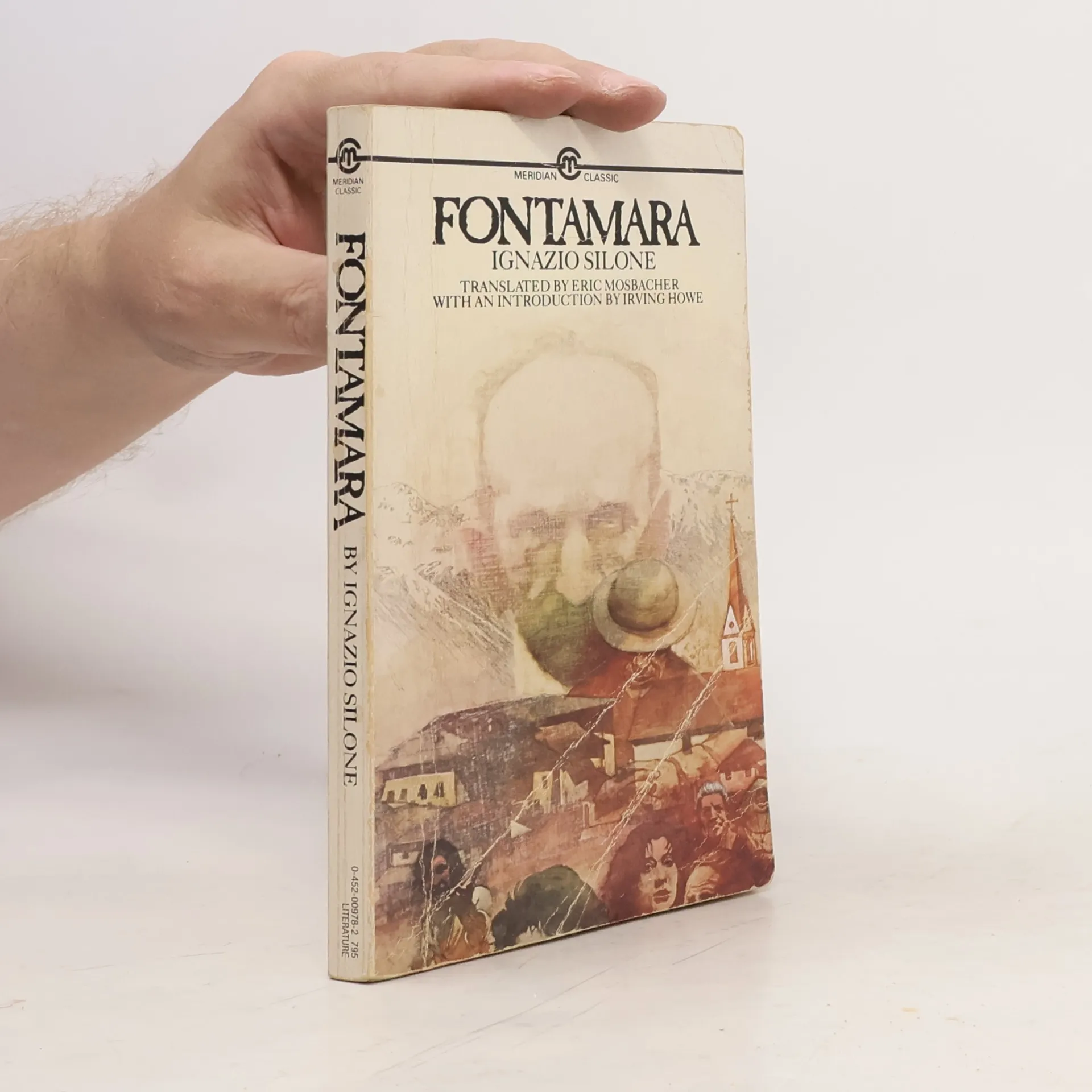
    • Meridian Classic: Fontamara

      • 165 Seiten
      • 6 Lesestunden

      Silone's first novel, published in German in 1933 and in English in 1934, garnered worldwide acclaim, selling over a million and a half copies in twenty-seven languages. Set against the backdrop of the impending Spanish Civil War and shortly after Hitler's rise to power, the narrative had a profound impact on public opinion, becoming a symbol of resistance and a significant anti-Fascist document in the late 1930s. The story unfolds in the fictional rural village of Fontamara, located in the Abruzzo region, where the impoverished inhabitants, the Fontamaresi, are largely unaware of global events, including the rise of Fascism. They live in stark contrast to the wealthy Impresario, who represents the power and immorality of the Fascist regime. The Fontamaresi, disconnected from modernity and technology, struggle for survival through agriculture and emigration, while remaining vulnerable to exploitation. Their ignorance leads to tragic consequences, including violence against women by Fascist squads. Berardo Viola emerges as a key figure, sacrificing himself to disseminate socialist ideas and incite rebellion. Ultimately, the government's brutal actions result in the deaths of many villagers, highlighting the dire consequences of their naivety and the oppressive political climate.

      Meridian Classic: Fontamara