

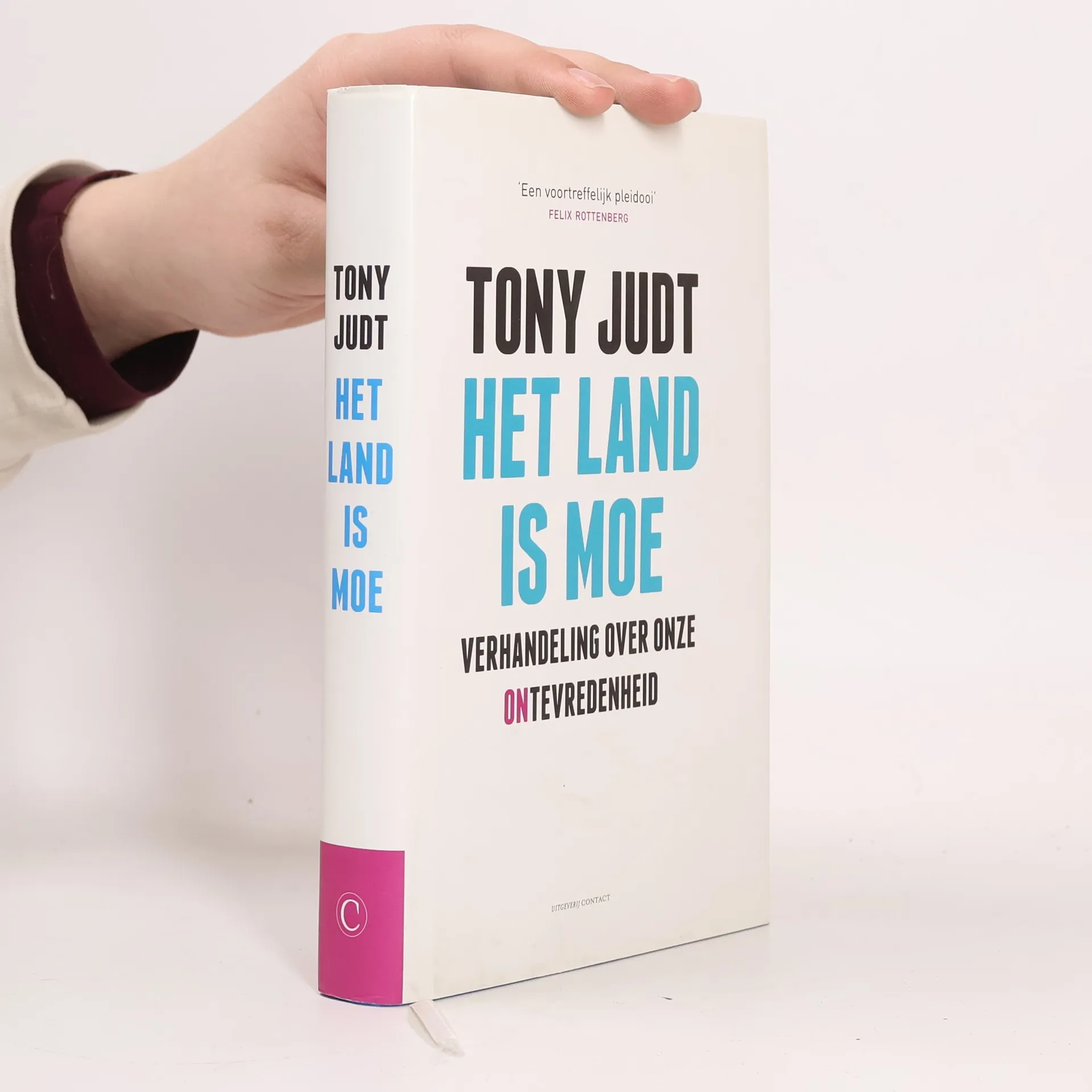
Something is profoundly wrong with our contemporary way of living. In this insightful work, Tony Judt, a prominent historian and thinker, examines how we've reached this confusing moment. He articulates the collective unease regarding the current state of affairs, particularly highlighted by the 2008 economic collapse, which exposed the fragility of the postwar social contract that promised security, stability, and fairness. This contract is now absent from public discourse. Judt provides the necessary language to address our shared needs, opposing the nihilistic individualism of the far right and the outdated socialism of the past. To move forward, we must draw lessons from our recent history and embrace social democracy, prioritizing fairness over mere efficiency. Social democrats advocate for an enhanced role of the state in our lives without compromising our freedoms. Rather than placing blind faith in the market, as we have done for the past three decades, they emphasize trust in citizens and the state. This work challenges us to confront societal issues and take responsibility for our world. Hope persists, and by reintroducing alternatives to the status quo, Judt revitalizes our political dialogue, equipping us with the tools to envision a new governance and way of life.
Tony Robert Judt Reihenfolge der Bücher (Chronologisch)
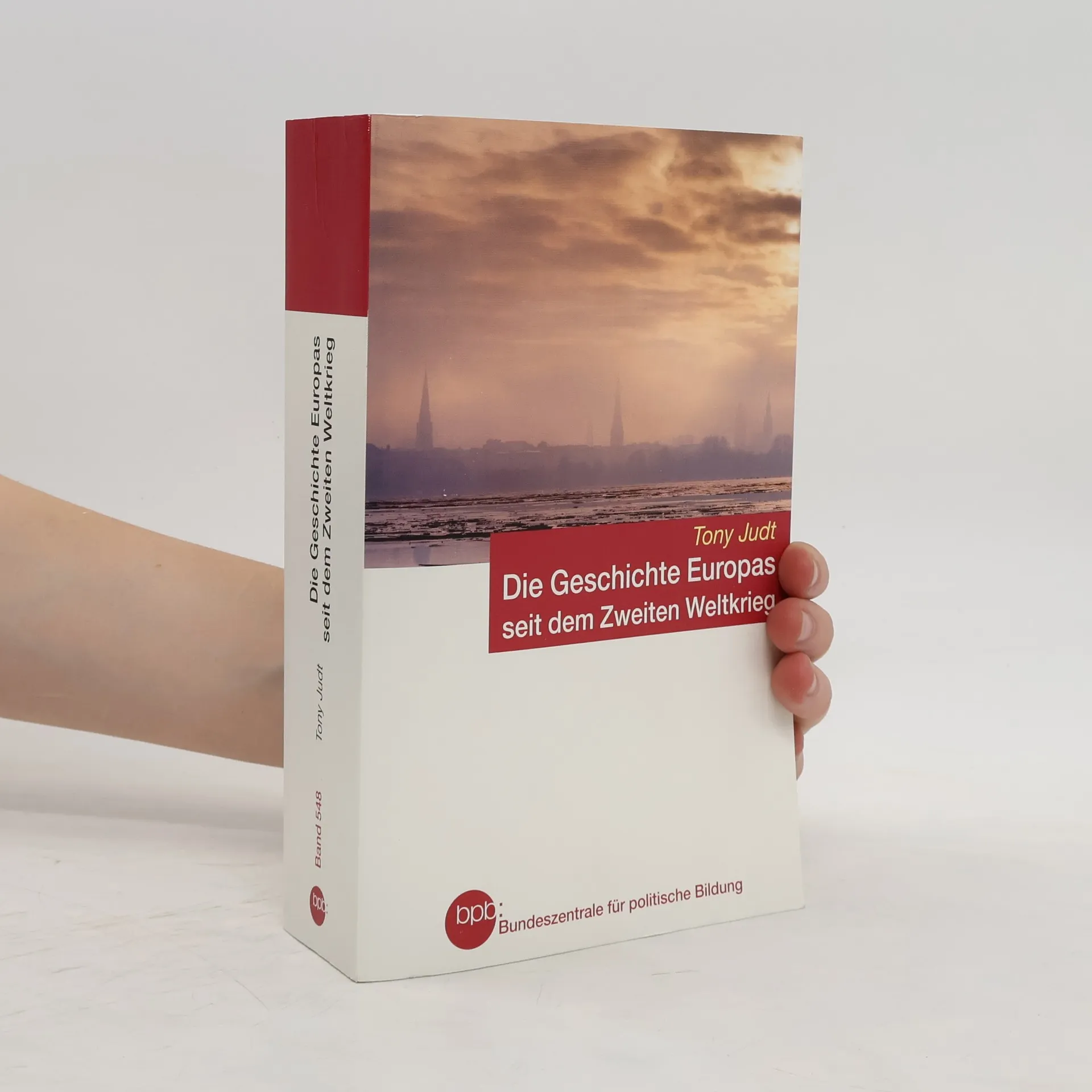
Die Geschichte Europas seit dem Zweiten Weltkrieg
- 1024 Seiten
- 36 Lesestunden
"Der Zweite Weltkrieg mit seinen ungeheuren Verlusten an Menschen, an ökonomischer Kraft und kulturellen Werten warf noch Jahrzehnte nach Kriegsende seinen Schatten auf Europa. Gemeinsam suchten Europäer und Amerikaner einen Weg aus dem Desaster in eine friedliche, demokratische, prosperierende Zukunft. Tony Judt, Direktor des von ihm 1995 gegründeten Remarque Institute der Universität New York und einer der besten Kenner der Geschichte Europas, zeichnet die Entwicklung vom Kalten Krieg bis zum ungeteilten Europa des 21. Jahrhunderts nach. Dabei liegt die besondere Leistung des Autors darin, in der Fülle des Materials die großen Linien der politischen, gesellschaftlichen und wirtschaftlichen Prozesse sichtbar zu machen und sie zugleich detailreich, zuweilen kritisch und wertend, in jedem Fall aber fesselnd und anschaulich darzustellen. Das neue Europa, so der Autor, sei eine bemerkenswerte Leistung. Dennoch trage der Kontinent für immer die Hypothek seiner schrecklichen Vergangenheit." (bpb)