

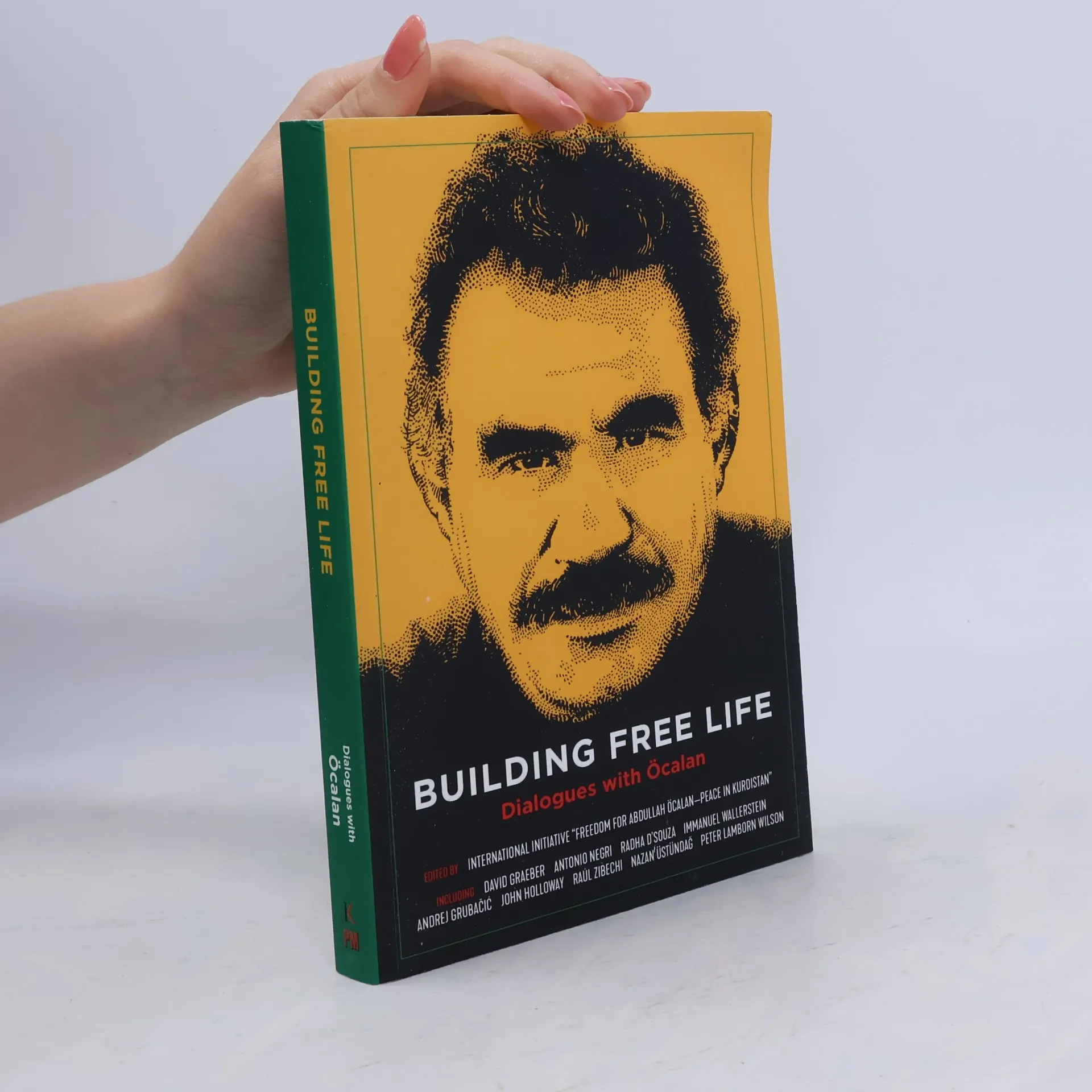
From his solitary jail cell, Abdullah Ocalan has penned daring works that give profuse evidence of his position as one of the most significant thinkers of our day. His prison writings have mobilised tens of thousands of people and inspired a revolution in the making in northern Syria, while also penetrating the walls of academia triggering debate and reflection among countless scholars. So how do you engage in a meaningful dialogue with Abdullah Ocalan when he has been held in total isolation since April 2015? You compile a book of essays written by a diverse cast of luminaries, send it to Ocalan's jailers and hope that they deliver it to him.
Andrej Grubačić Reihenfolge der Bücher (Chronologisch)
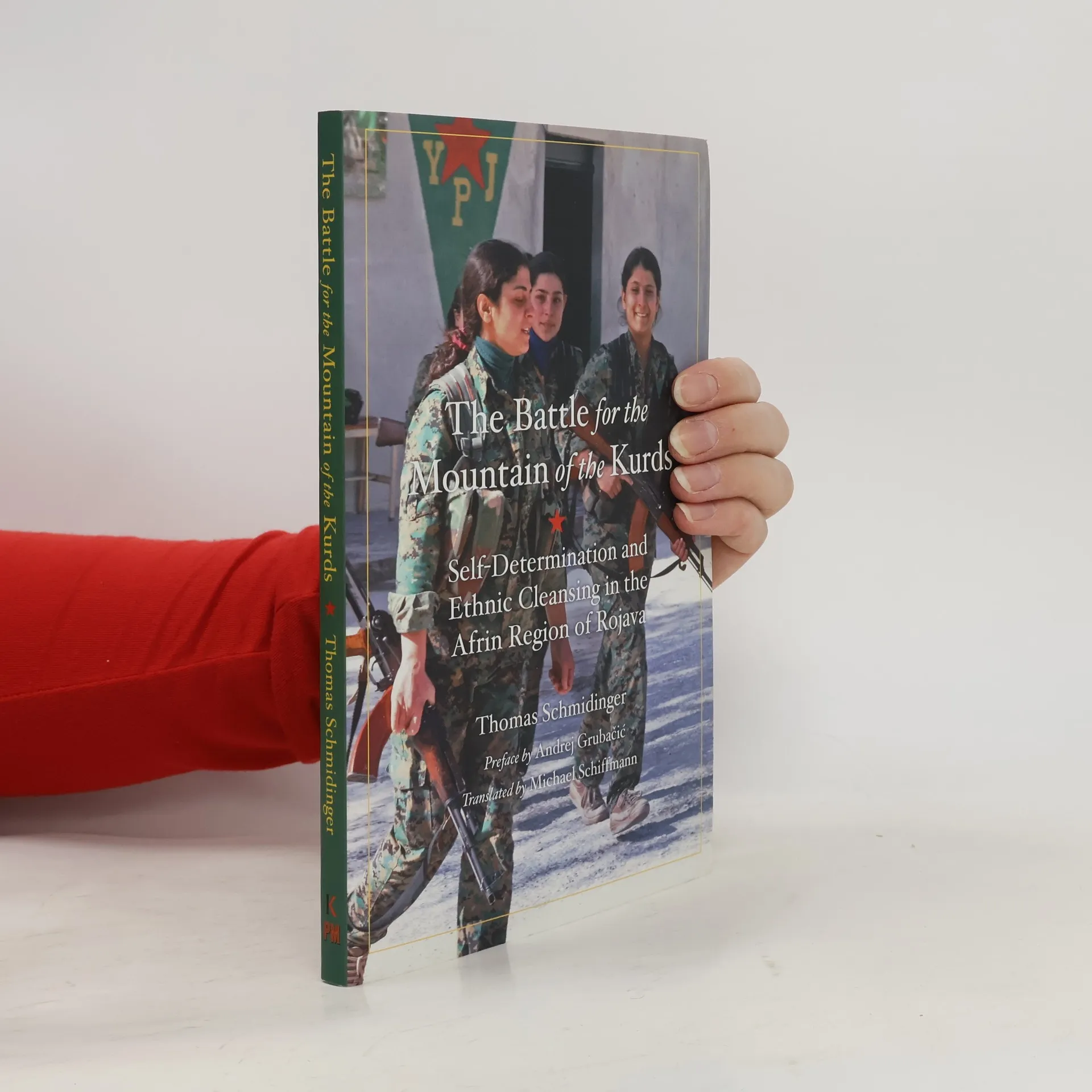
Battle for the Mountain of the Kurds
Self-Determination and Ethnic Cleansing in Rojava
- 192 Seiten
- 7 Lesestunden
In early 2018, Turkey invaded the autonomous Kurdish region of Afrin in Syria and is currently threatening to ethnically cleanse the region. Between 2012 and 2018, the "Mountain of the Kurds" (Kurd Dagh) had been one of the quietest regions in a country otherwise torn by civil war. After the outbreak of the Syrian civil war in 2011, the Syrian army withdrew from the region, enabling the Party of Democratic Union (PYD) to introduce a Kurdish self-administration and later to establish the Canton Afrin as one of the three parts of the heavily Kurdish Democratic Federation of North-Syria, or Rojava. This self-administration, which had seen multi-party elections in 2017, included autonomy for a number of ethnic and religious groups, and provided a safe haven for up to 300,000 Syrian refugees, is now at risk of being annihilated. In this volume, Schmidinger provides a comprehensive history of the region and gives inhabitants of a variety of ethnicities, religions, political orientations, and walks of life the opportunity to speak for themselves. As things stand now, the book might seem to be in danger of becoming an epitaph for the "Mountain of the Kurds," but as the author writes, "the battle for the Mountain of the Kurds is far from over yet."