
Bookbot

Hatice Pınar Şenışık

    Revolutionaries
    Library of Ottoman Studies - 26: The Transformation of Ottoman Crete
    • Library of Ottoman Studies - 26: The Transformation of Ottoman Crete

      Revolts, Politics and Identity in the Late Nineteenth Century

      • 352 Seiten
      • 13 Lesestunden

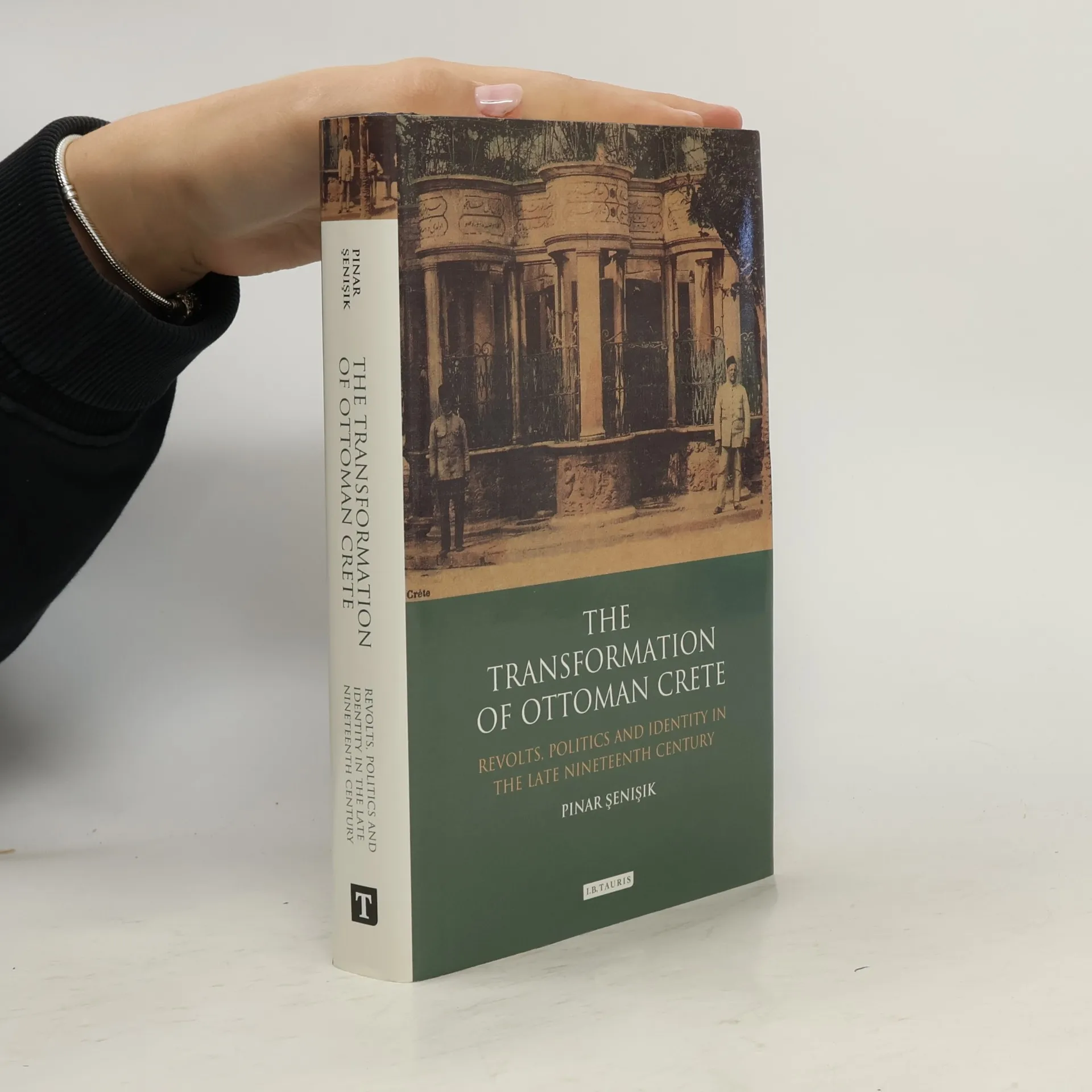
      The island of Crete under Ottoman rule in the nineteenth century saw successive revolts from its majority Christian population, who were set on union with the newly-independent Greece. This book offers an original perspective on the social, political and ideological transformation of Ottoman Crete within the nationalist context of the late nineteenth century. It focuses on the Cretan revolts of 1896 and 1897, and examines the establishment of the autonomous Cretan State and the withdrawal of Ottoman troops from the island in 1898. Based on Ottoman, British and American archival sources, the author demonstrates that, contrary to the standard view that the uprisings were merely an expression of discontent at Ottoman rule, Cretan Christians in fact aimed to radically change the socio-economic and political structure of Cretan society and to actually overthrow and expel the Ottoman administration. This book provides a deeper understanding of the Cretan experience, and of the wider politics of the Eastern Mediterranean, in the late nineteenth century.

      Library of Ottoman Studies - 26: The Transformation of Ottoman Crete
    • Revolutionaries

      • 336 Seiten
      • 12 Lesestunden

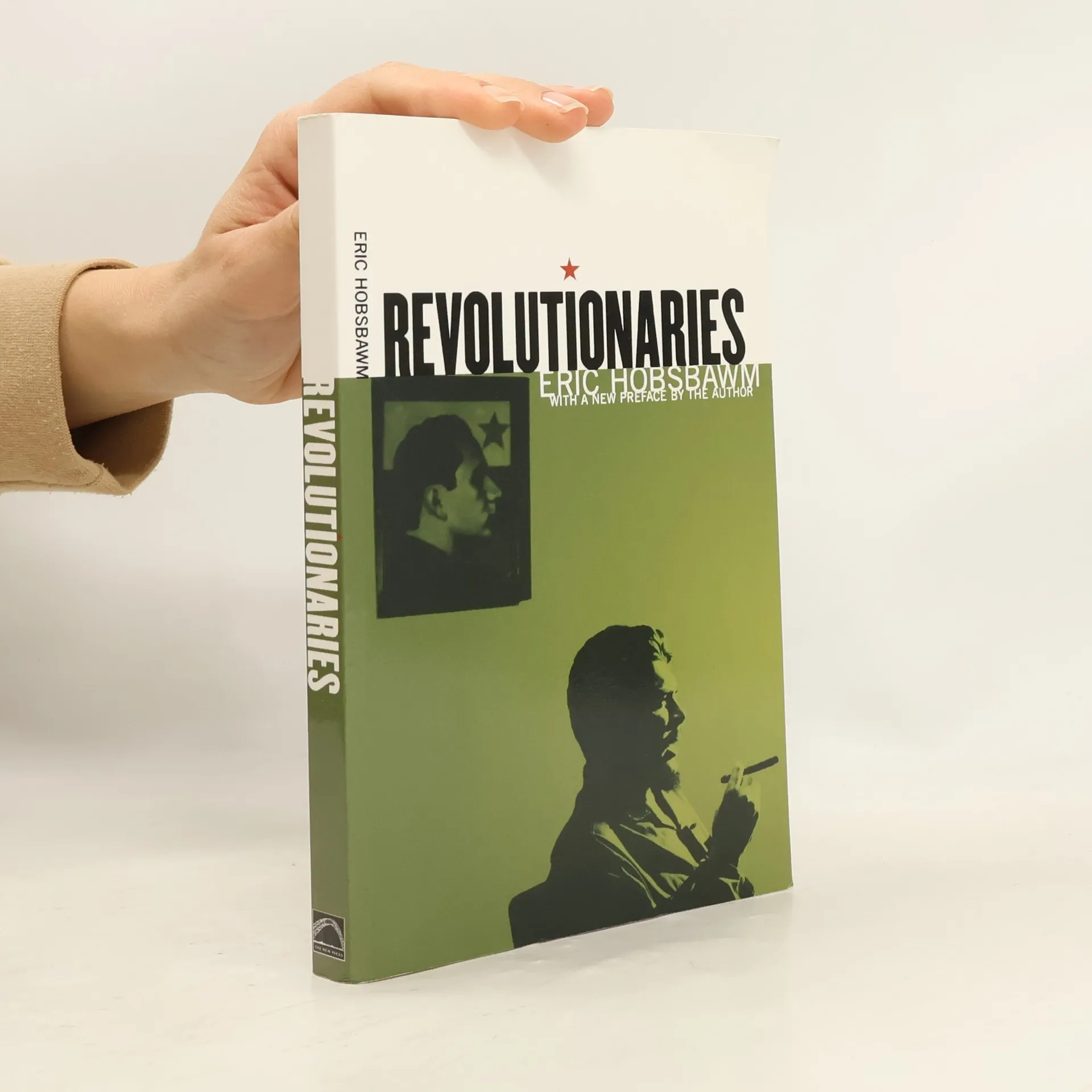
      “One of the few genuinely great historians of our century” according to the New Republic, Eric Hobsbawm has produced a canon of landmark books—including The Age of Capital, The Age of Revolution, Bandits, and The Age of Extremes—that has both set the standard for radical scholarship and influenced historical thinking across the political spectrum.Now back in print after thirty years, Revolutionaries is vintage Hobsbawm, written masterfully amid one of the century’s most intense periods of political and social upheaval, putting those events in historical context. Few observers were as astute as Hobsbawm at probing, criticizing, and clarifying radical movements, whether in Beijing or Berkeley. Ranging from historical investigations into communism to contemporary appraisals of revolutionary movements and meditations on Marxism, Hobsbawm’s commentaries are essential guides to ideas and people that changed the face of the twentieth century.Hobsbawm’s essays retain a freshness that speaks both to his brilliance as a writer and scholar, as well as to the perennial importance of his subjects. At a time when the very concept of revolution has been largely discredited, these essays remind us of the enduring importance of radical investigations into—and solutions to—society’s persistent inequalities and injustices.

      Revolutionaries
      3,7