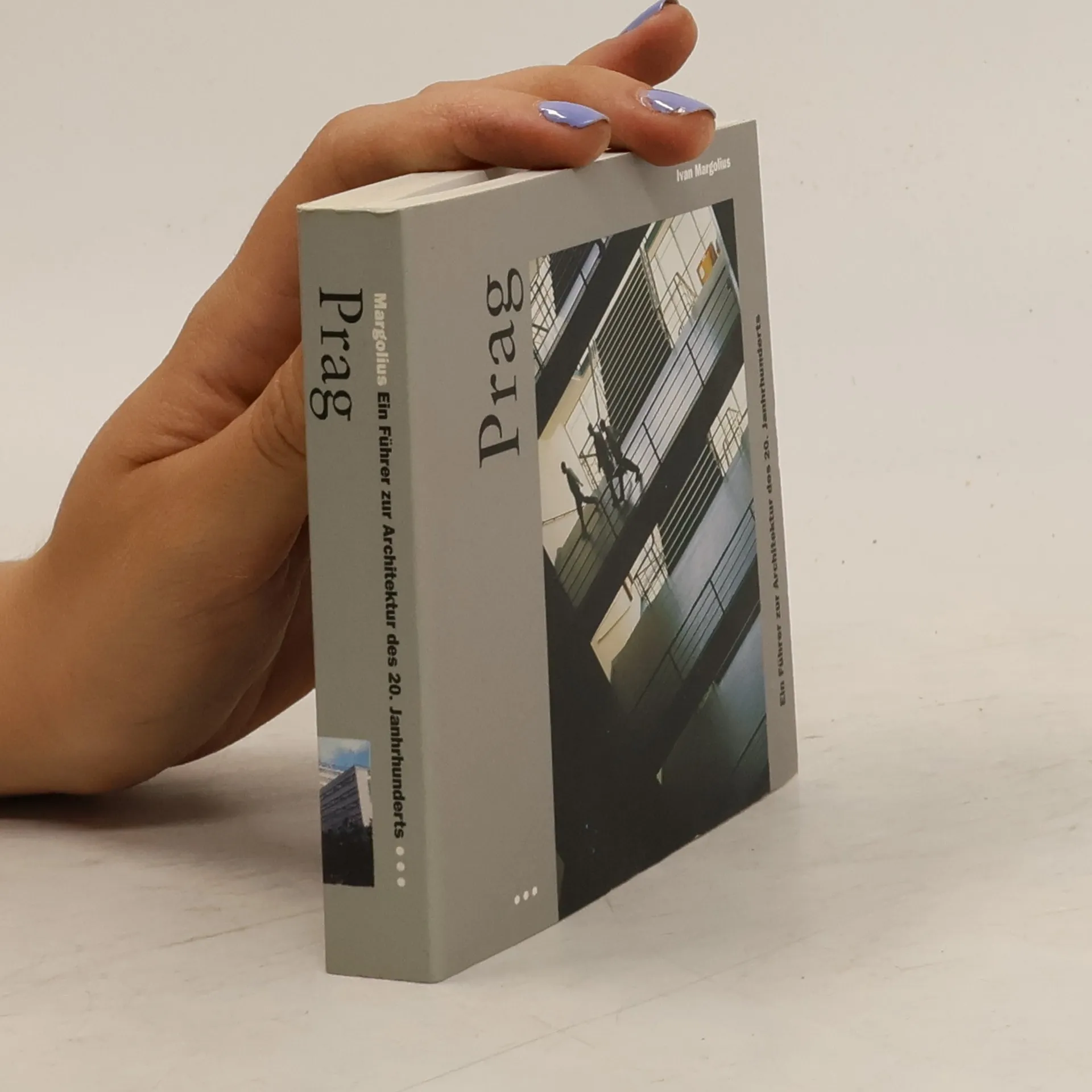
Dieser Führer betrachtet eine breite Palette von Architektur in Prag und vermittelt ein Verständnis der historischen und politischen Kontexte, die sie geprägt haben. Er konzentriert sich auf bedeutende Projekte, die seit 1990 errichtet wurden, und bietet praktische Informationen für Besucher.
Ads from the space age With the consumerist euphoria of the fifties still going strong and the race to the moon at its height, the mood of advertising in the sixties was cheerful, optimistic, and at times, revolutionary. The decade's ads touted perceived progress (such as Tang-?just add water?) while striving to reinforce good old American values. Stars like Raquel Welch, Sean Connery, Woody Allen, and Sammy Davis Jr. endorsed everything from sunglasses to bourbon to handmade suits in an attempt by Madison Avenue to urge Americans to open their wallets and participate in one giant consumer binge. Social change at the end of the era brought psychedelic swirls and liberated women and minorities to a newly conscious public. From forgotten cars such as the Studebaker Avanti, to cigarettes (?Marlboro... a man's world of flavor?) to food, clothing, consumer products, furniture, travel, and much more, this colorful collection of print ads explores the wide, wonderful world of 60s Americana.
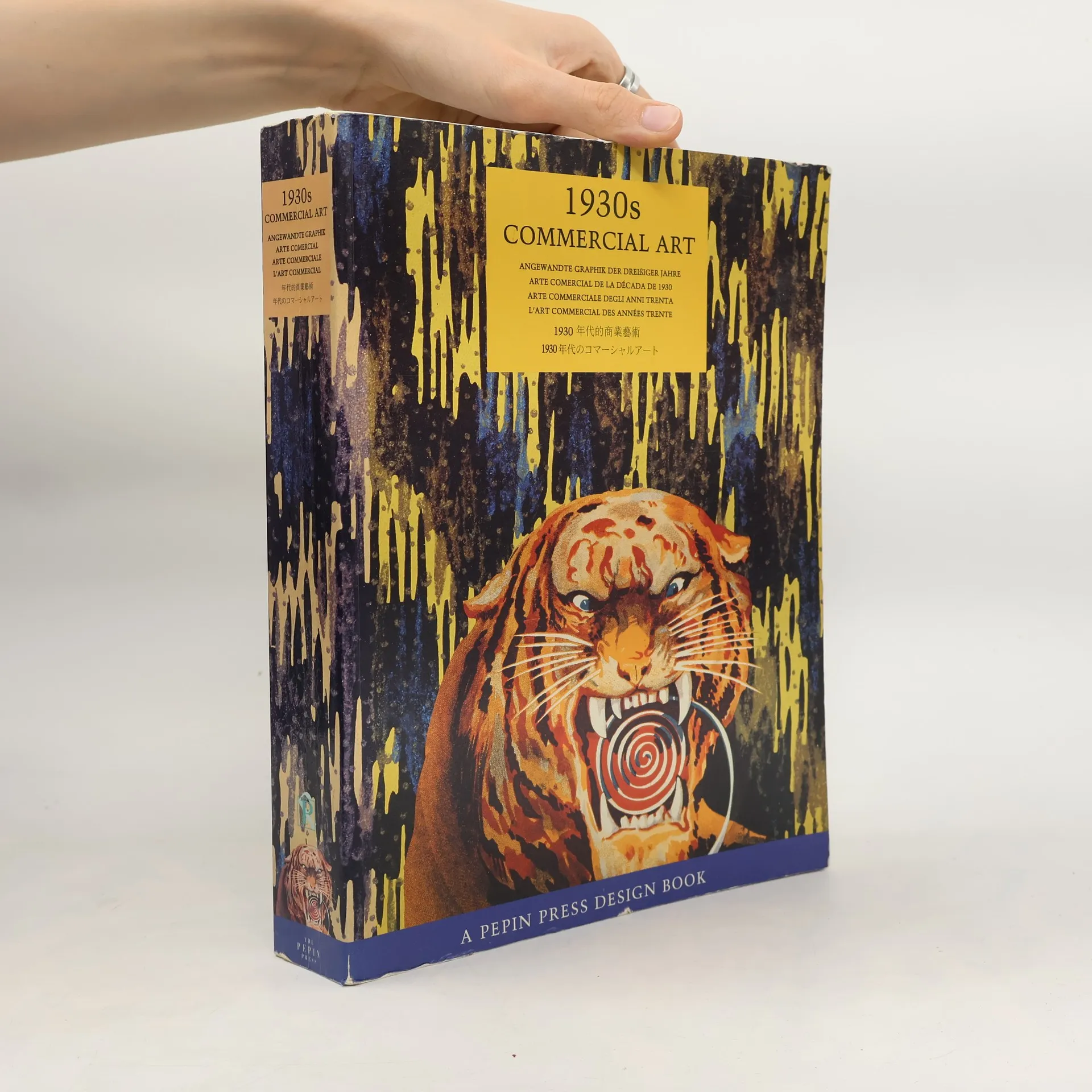
Illustration, advertising, decorative patterns and designs for packaging = Angewandte Graphik der Dreissiger Jahre: Illustrationen, Werbung, Dekormuster und Verpackungsdesigns = Arte comercial de la década de 1930: Ilustraciones, publicidad, diseños decorativos y de embalajes = Arte commerciale degli anni trenta: Illustrazione, pubblicità, modelli decorativi e disegni per confezioni = L'art commercial des années trente: Illustration, publicité, motifs décoratifs et motifs pour emballages.
479 Seiten
17 Lesestunden
This volume presents a large selection of commercial illustrations and patterns from the 1930s. The focus is on designs which were painted or drawn, not on (typo)graphic composition. Although no specific decorative style was dominant in the period covered, many of the characteristics of the principal style of the 1920s, Art Deco, were still in evidence - notably Cubism and the manifestations of Oriental influences.Modernity and originality were key principles in 1930s commercial art, and this accounts for those instances where heavy ornamentation was replaced by a bold gesture of form and colour, or by a geometric pattern. However, as opposed as they may have been to the European decorative tradition, Modernists were often interested in ethnic or folk designs, and these can be discerned in several examples shown in this book. Furthermore, avant-garde expressions were not to everybody's taste, and traditional designs continued to be popular. Especially in wallpaper designs, many people favoured baroque and floral compositions. Still, even in these traditional designs, contemporary concepts are to be seen.