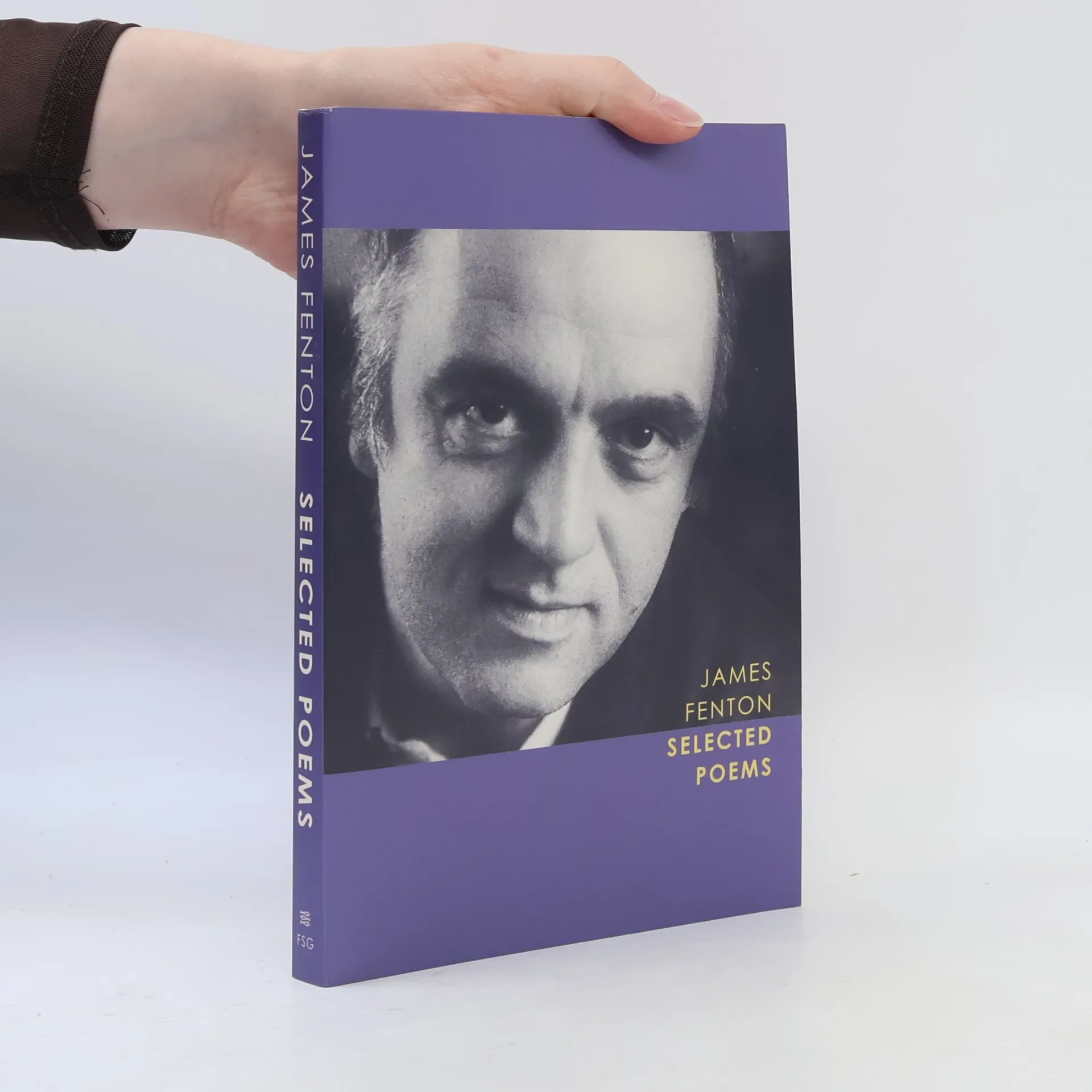
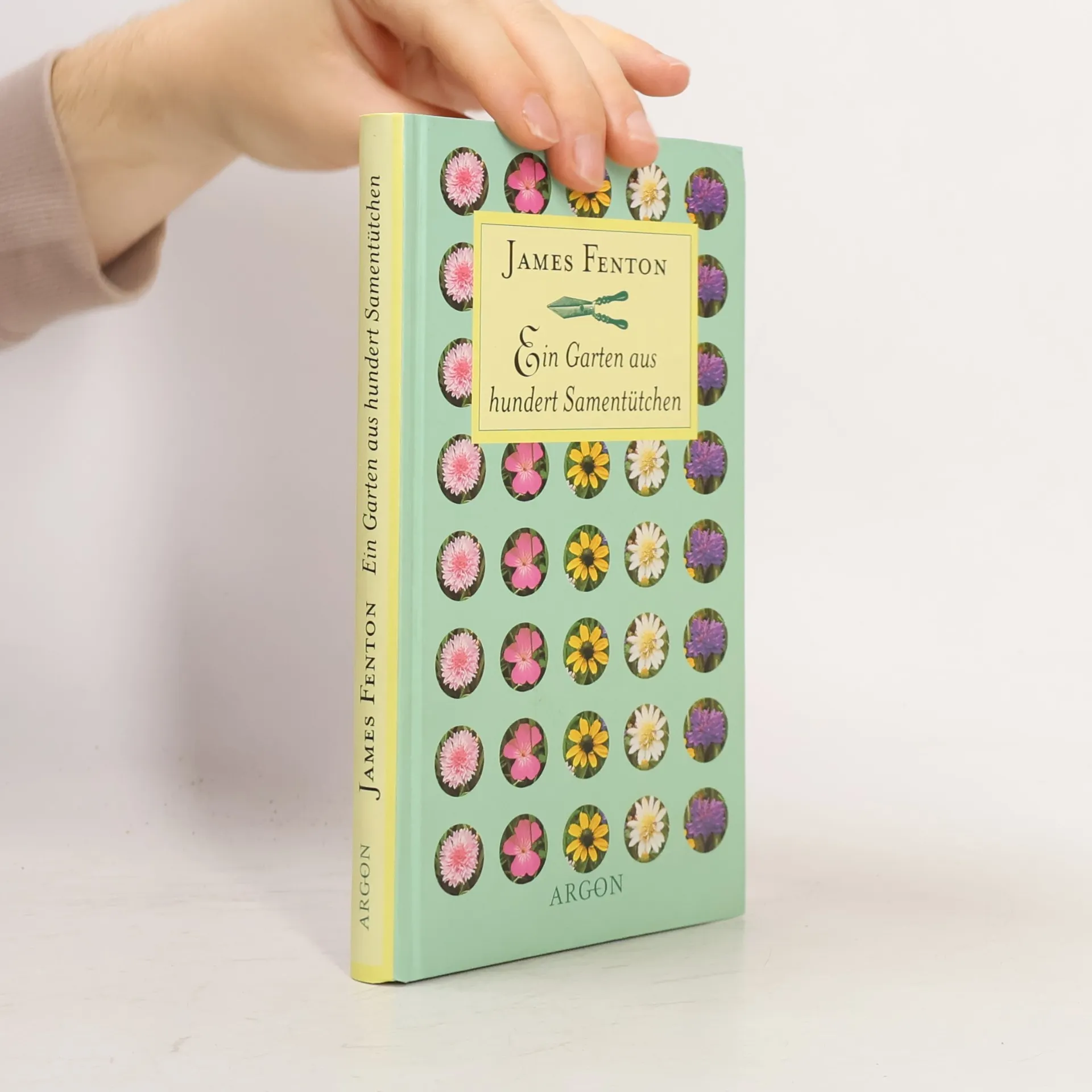
Ein Garten aus hundert Samentütchen
- 120 Seiten
- 5 Lesestunden


James Fenton ist ein Dichter, dessen Werk sich durch scharfe Beobachtung und politischen Einblick auszeichnet. Seine frühen Erfahrungen im Journalismus und als Kriegsberichterstatter prägten seine Fähigkeit, die Essenz von Ereignissen und menschlichen Schicksalen einzufangen. Fentons Stil ist präzise und doch eindringlich, oft verwebt er persönliche Reflexionen mit breiteren gesellschaftlichen Kommentaren. Seine Poesie erforscht die Komplexität der modernen Welt mit einer einzigartigen Mischung aus Intelligenz und Empathie.

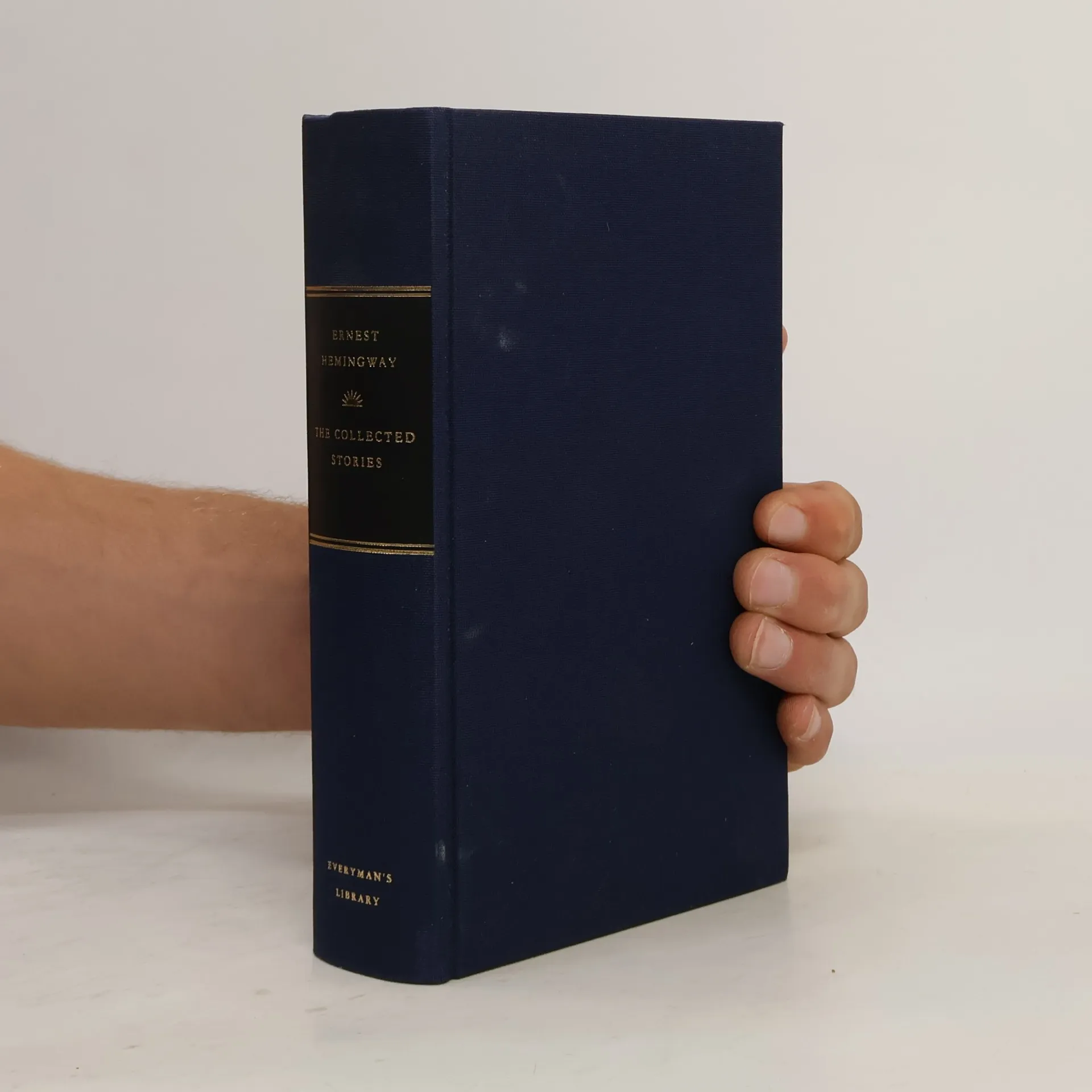
Ernest Hemingway (1899-1961) is celebrated as a novelist and man of action. He is perhaps most famous for WHOM THE BELL TOLLS and A FAREWELL TO ARMS. But he was equally prolific as a writer of short stories which touch on the same themes as the novels: war, love, the nature of heroism, reunciation, and the writer's life. The present collection includes all Hemingway's shorter fiction arranged chronologically from 'Up in Michigan' (1923) to 'Old Man at the Bridge (1938) and contains stories not currently available in any other UK edition of Hemingway's work's
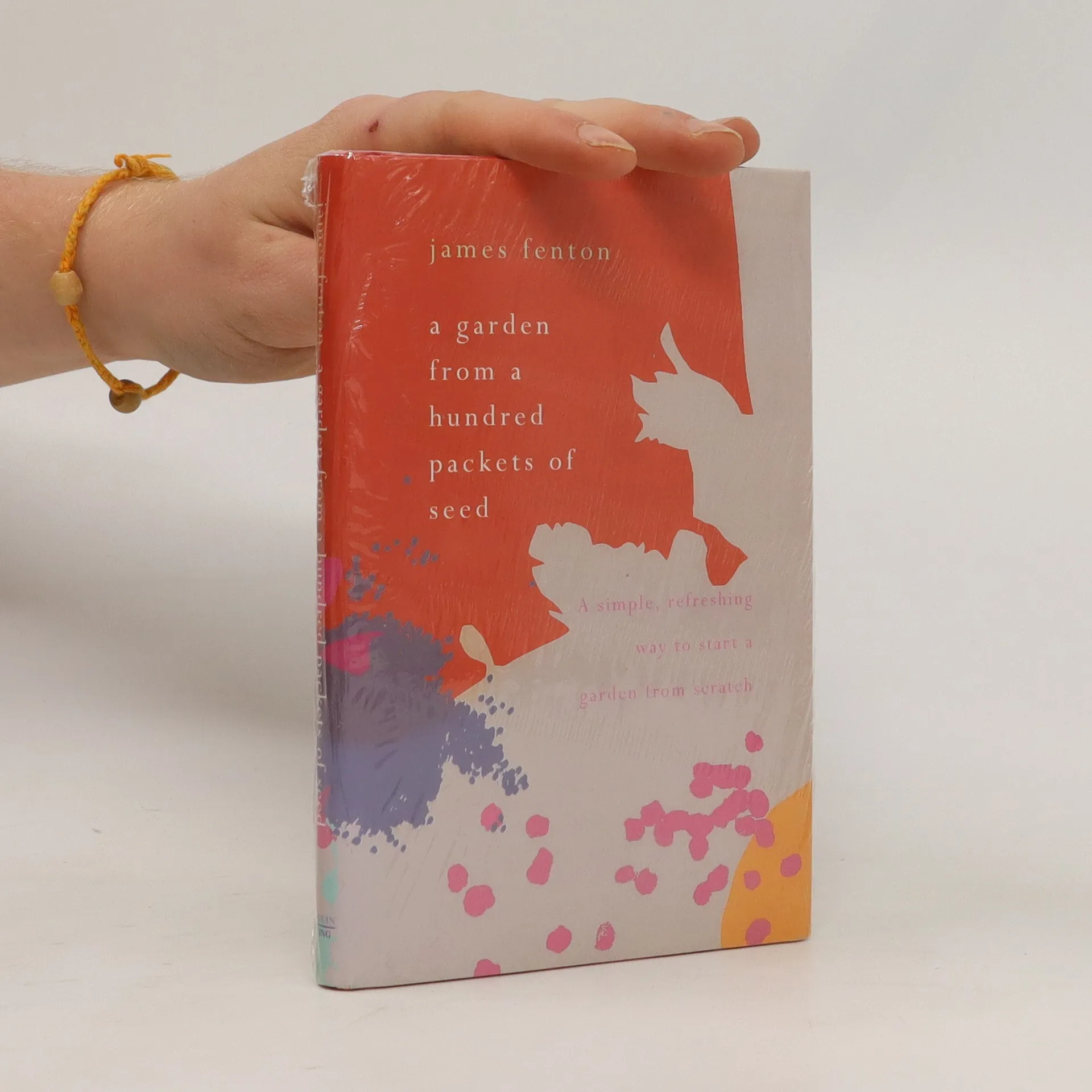
What plants would you choose to grow, given an empty patch, and given the stipulation that you don't want to spend six months first designing it on a piece of graph paper and that everything you grow in this garden must be raised by you from seed? What would you like to eat next year, which flowers would give you most pleasure? With this simple premise, James Fenton sets out his happy vision of a garden, and devises the perfect starter kit for gardens as modest as a face flannel on a windowsill, or as grand as Versailles.
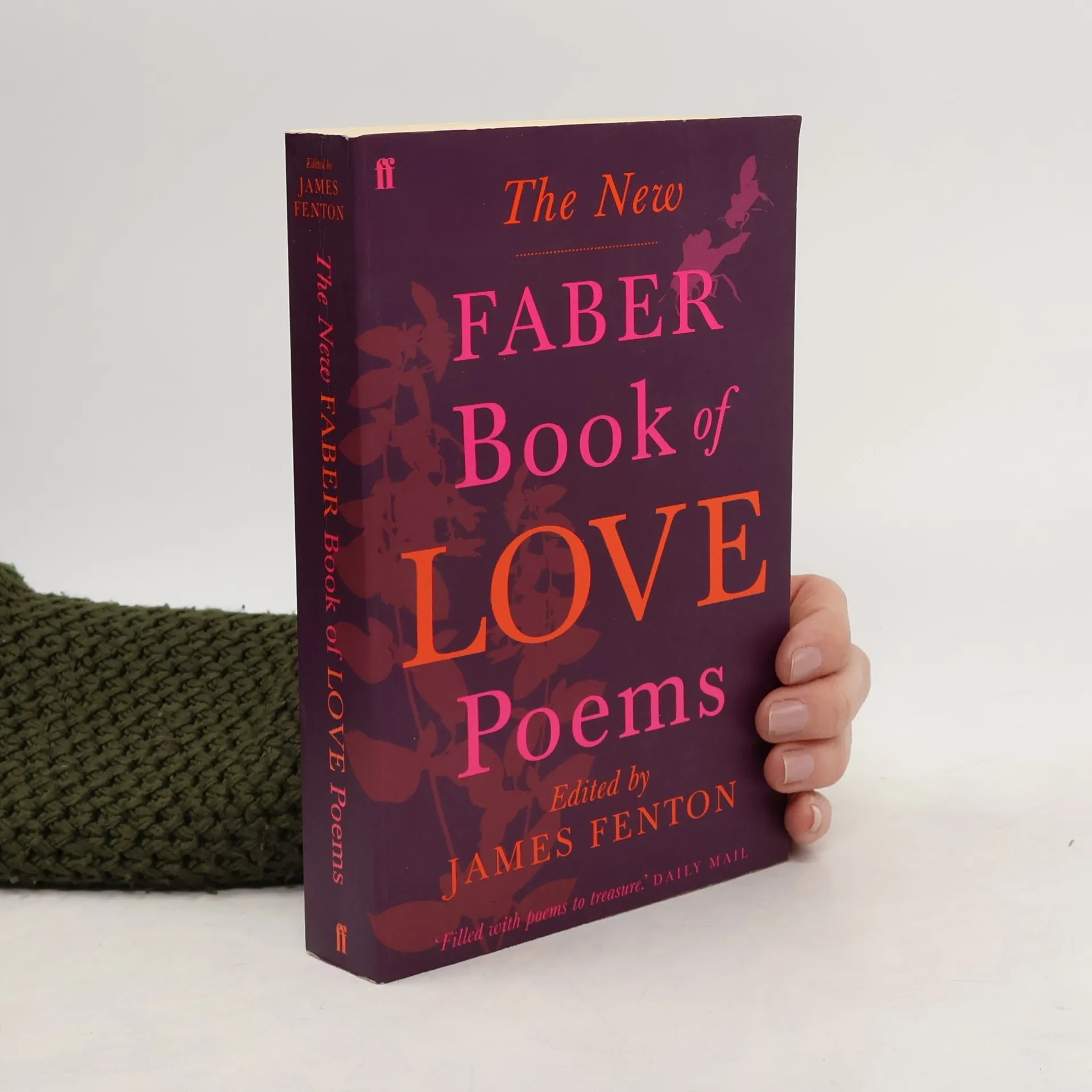
'The New Faber Book of Love Poems' presents some of the most emotive and memorable lyric poems produced in the English language from the Renaissance to the present.
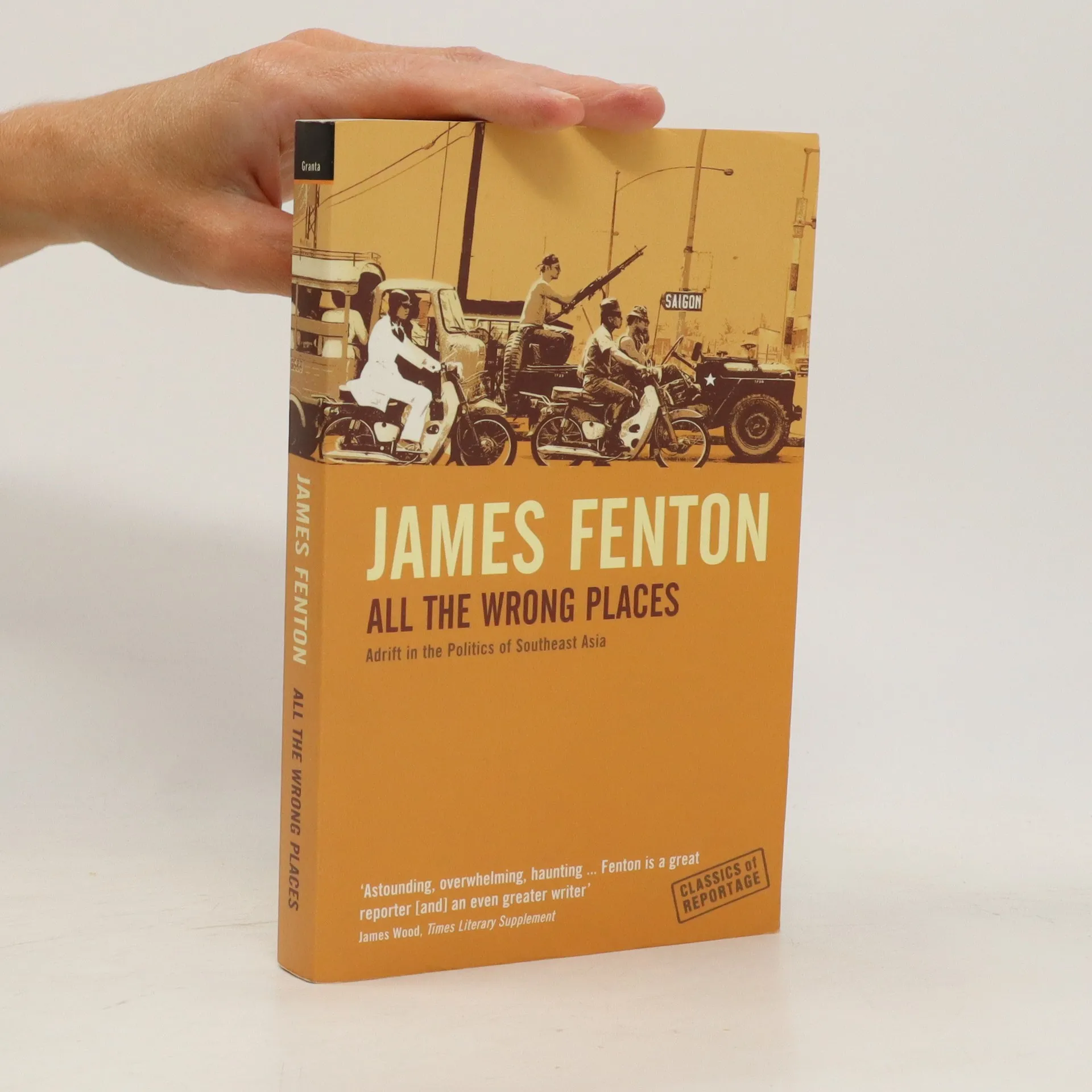
Reportage resists easy definition and comes in many forms - travel essay, narrative history, autobiography - but at its finest it reveals hidden truths about people and events that have shaped the world we know. This new series, hailed as 'a wonderful idea' by Don DeLillo, both restores to print and introduces for the first time some of the greatest works of the genre. A visceral, on-the-spot, and unforgettable account of the fall of Saigon, war-ravaged Cambodia, and the Philippines in the midst of revolution from James Fenton, the right man in the wrong place in dangerous times.
In this series, a contemporary poet selects and introduces a poet of the past.
The narrative delves into the consequences of actions taken by individuals, exploring themes of accountability and morality. It invites readers to reflect on the impact of choices made and the ripple effects they create in the lives of others. Through compelling storytelling, the book examines complex characters and their motivations, prompting a deeper understanding of human behavior and ethics. As the plot unfolds, it challenges perceptions and encourages critical thinking about right and wrong in various situations.
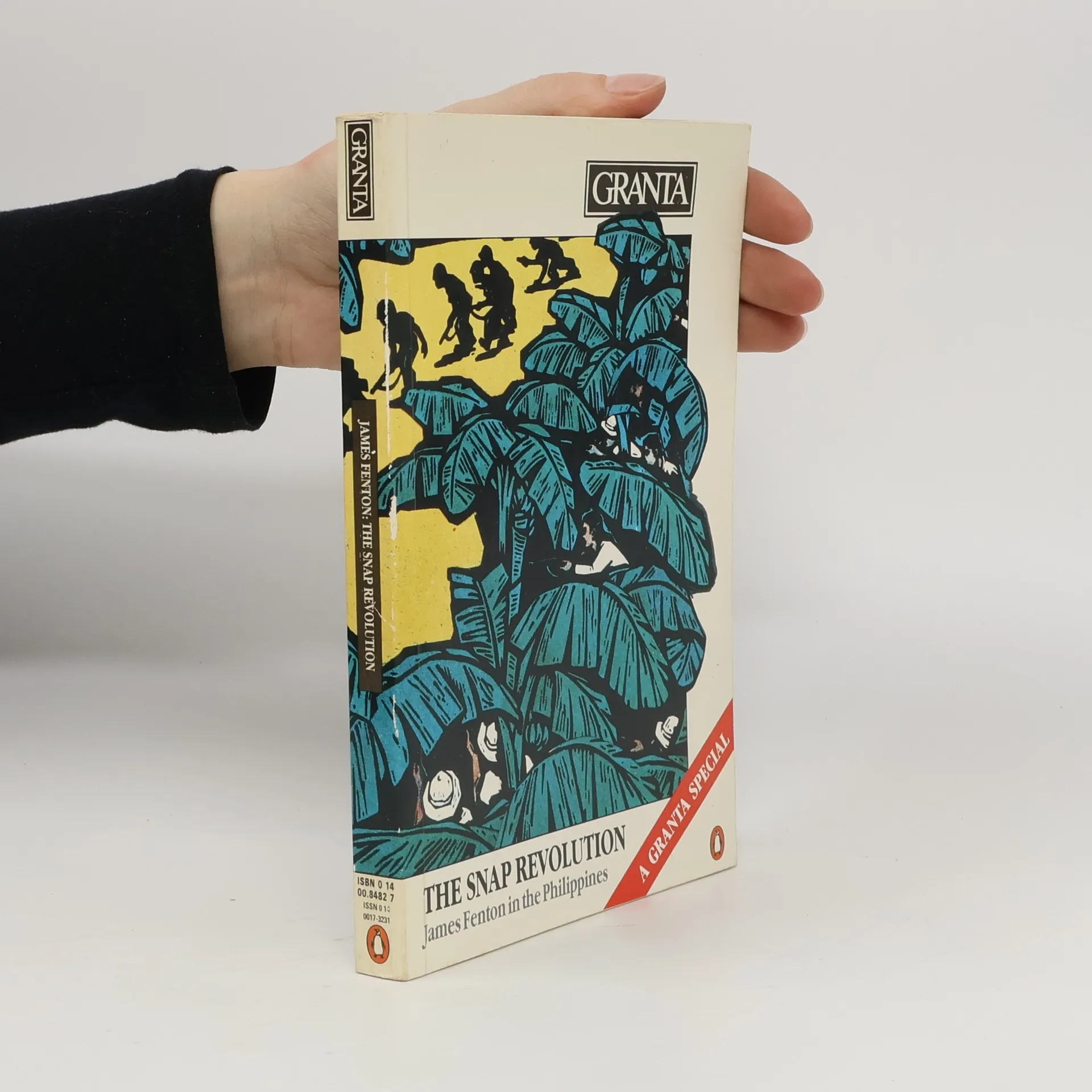
‘We had found our way, we realized, into the Marcoses’ private rooms. It seemed to me that in every room I saw, practically on every available surface, there was a signed photograph of Nancy Reagan. But this can hardly be true. It just felt as if there was a lot of Nancy in evidence.’ Also in this issue: Seamus Deane, Primo Levi, David Hare, and John Berger.