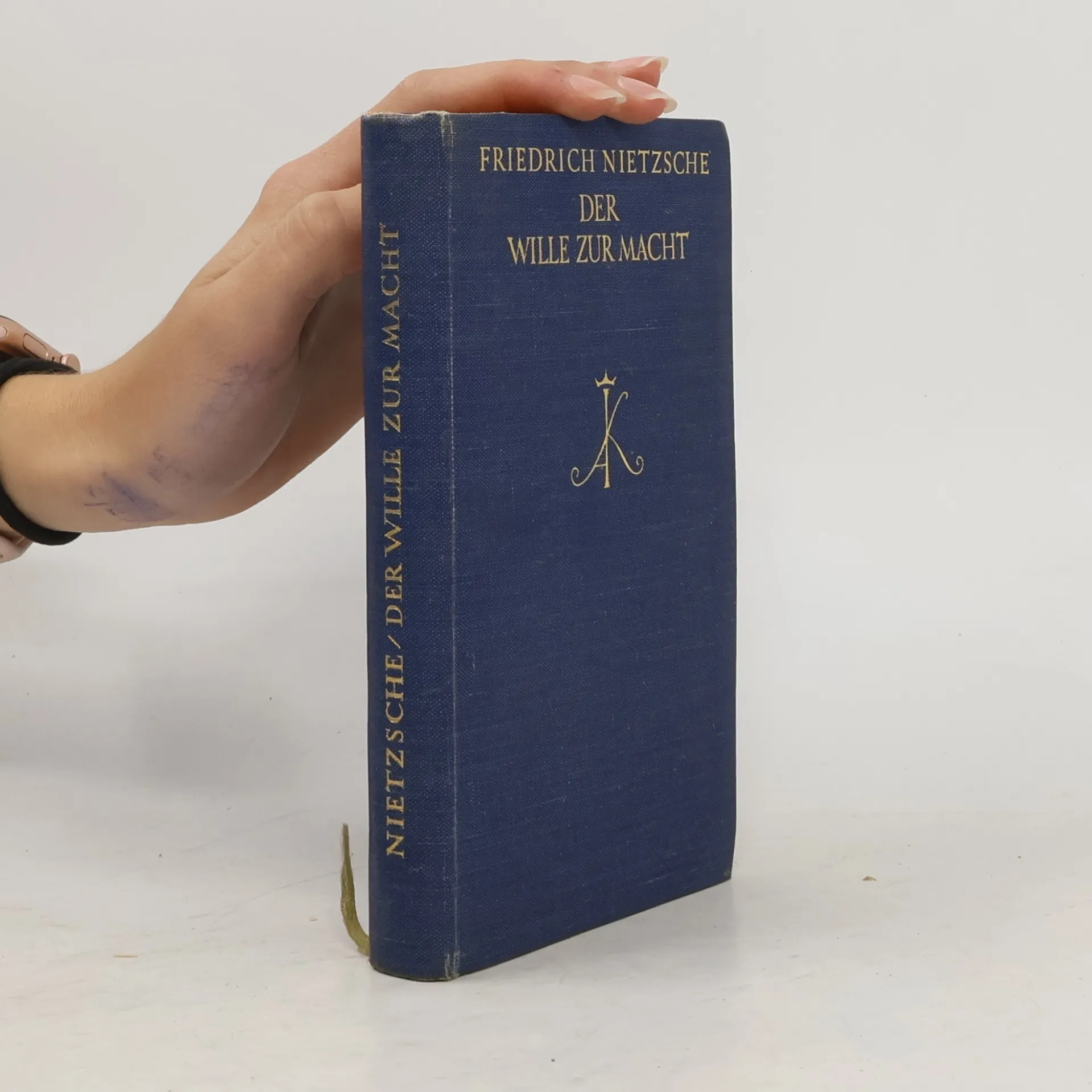
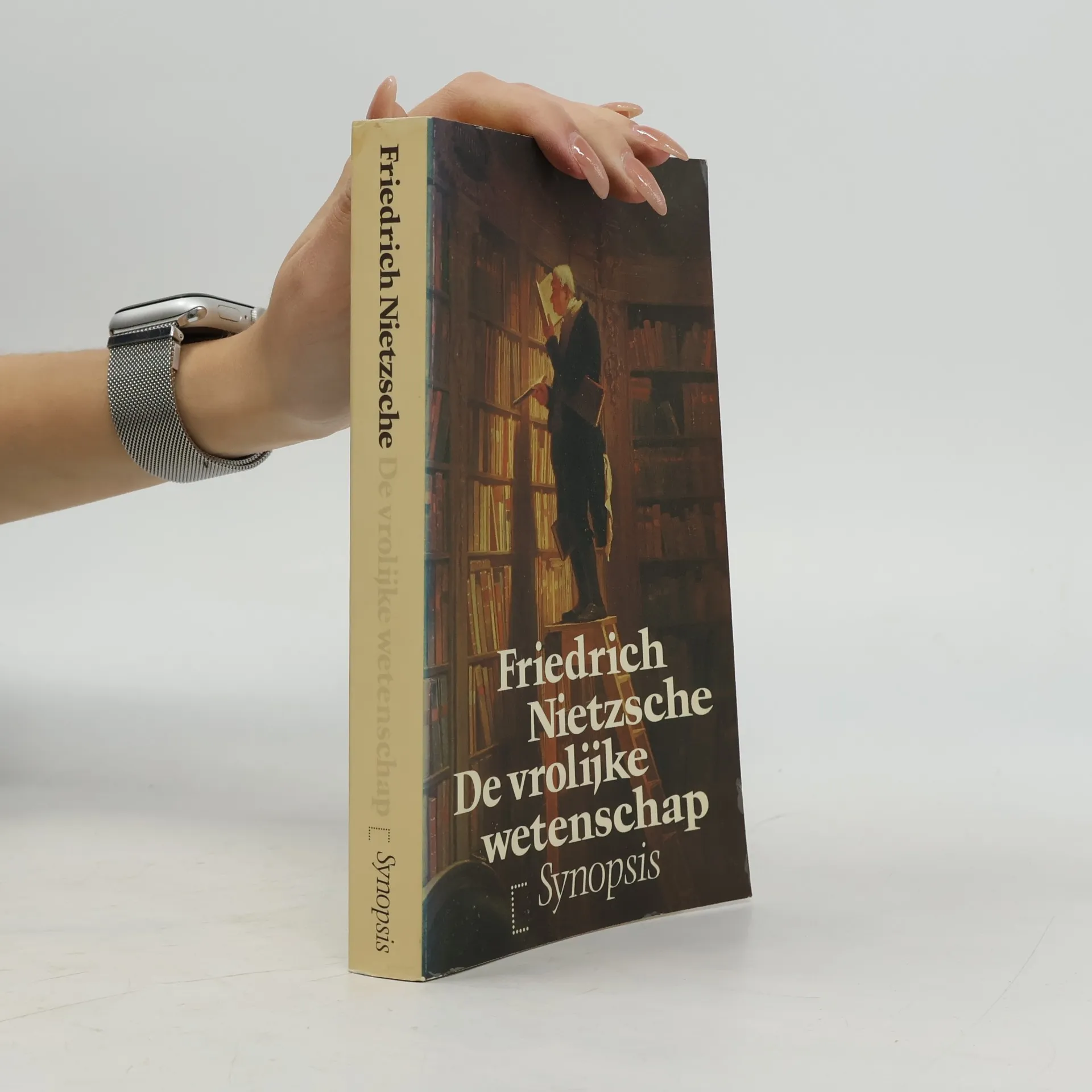
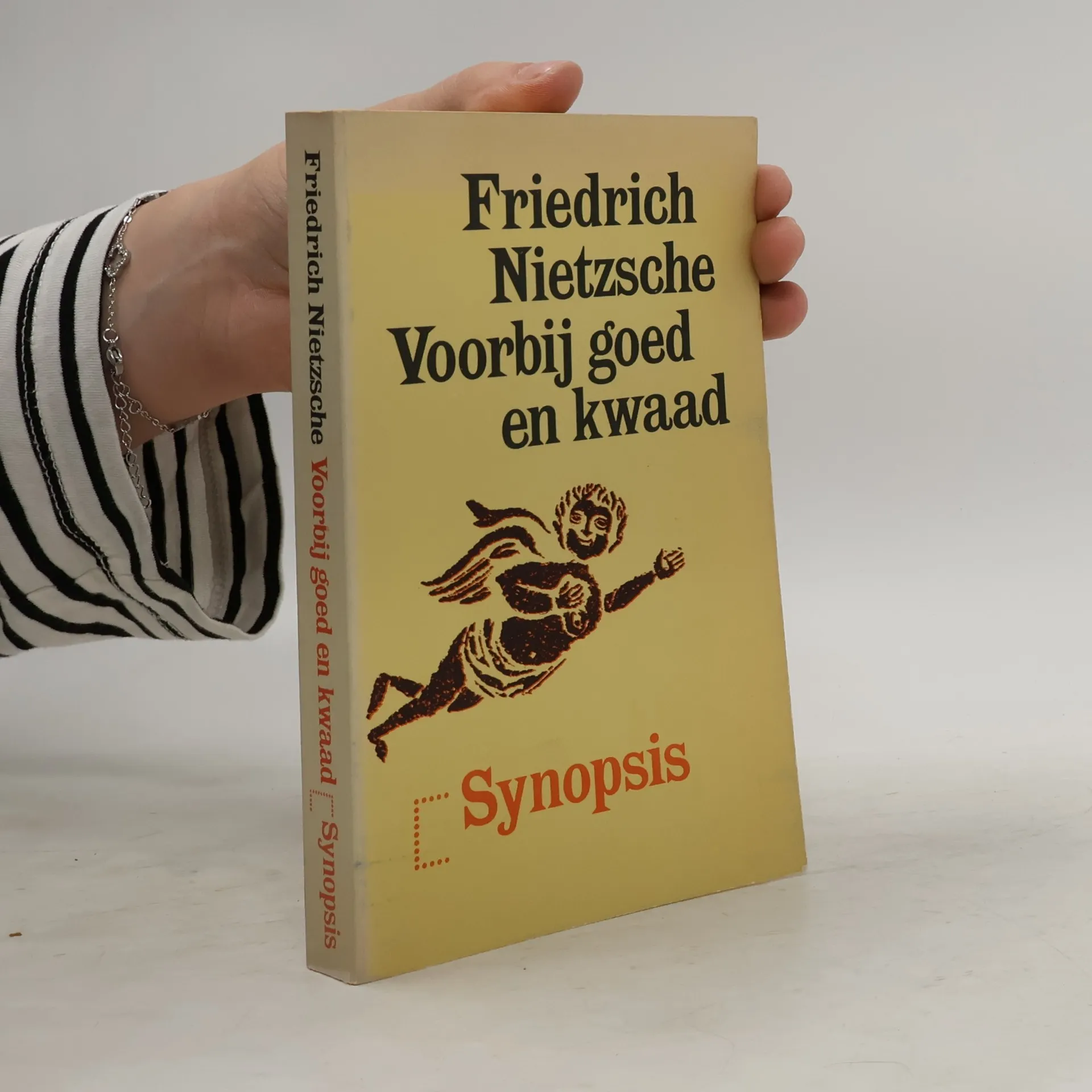
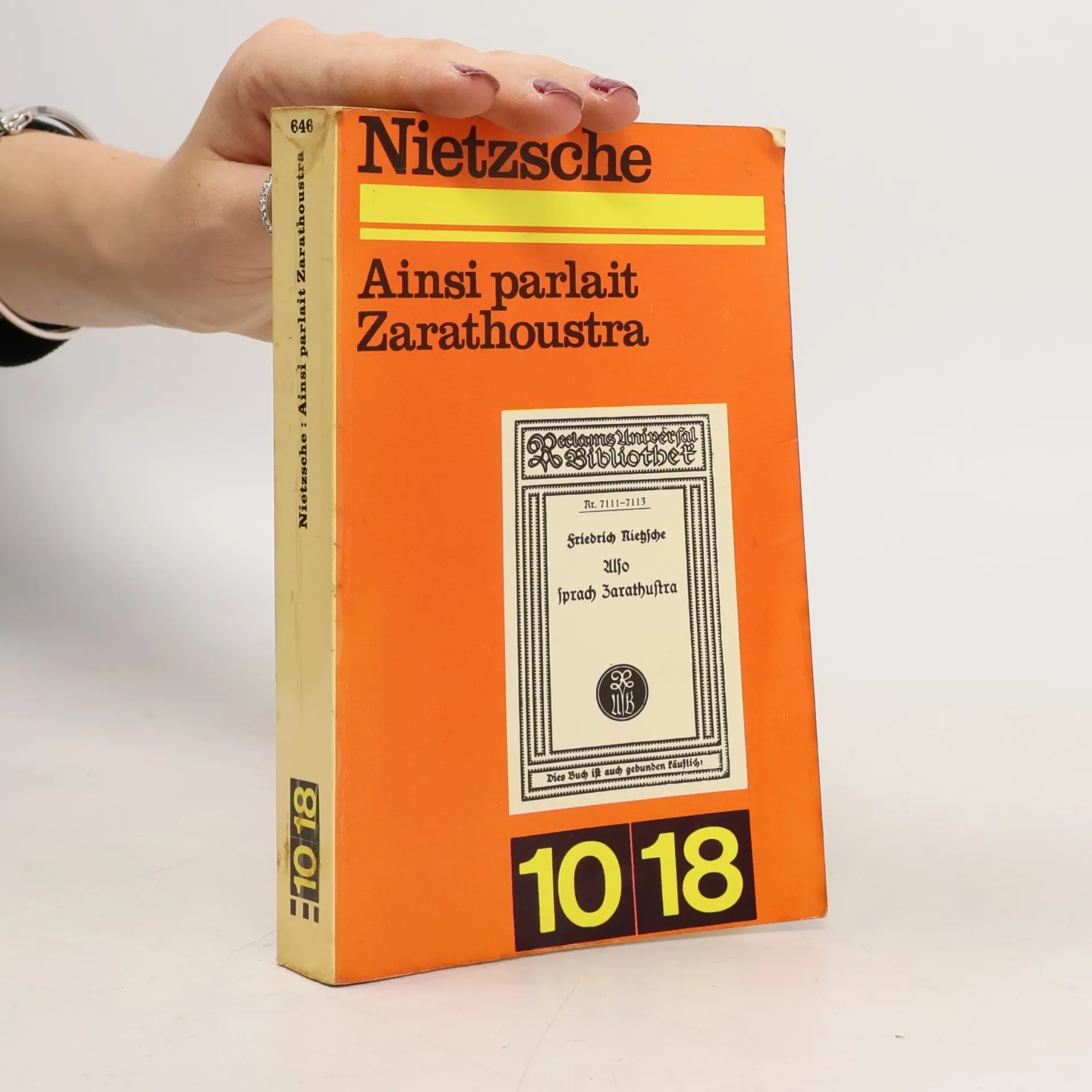
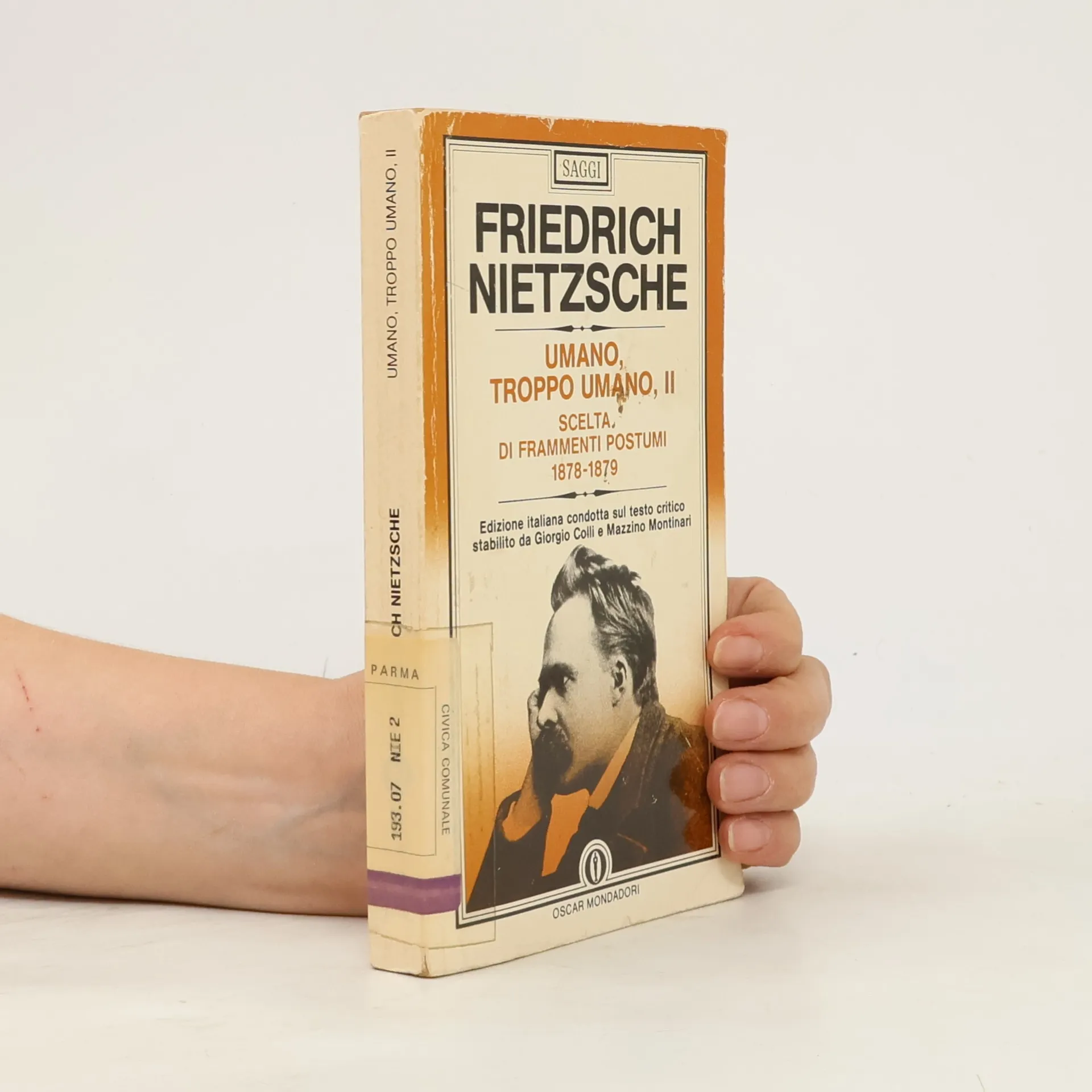
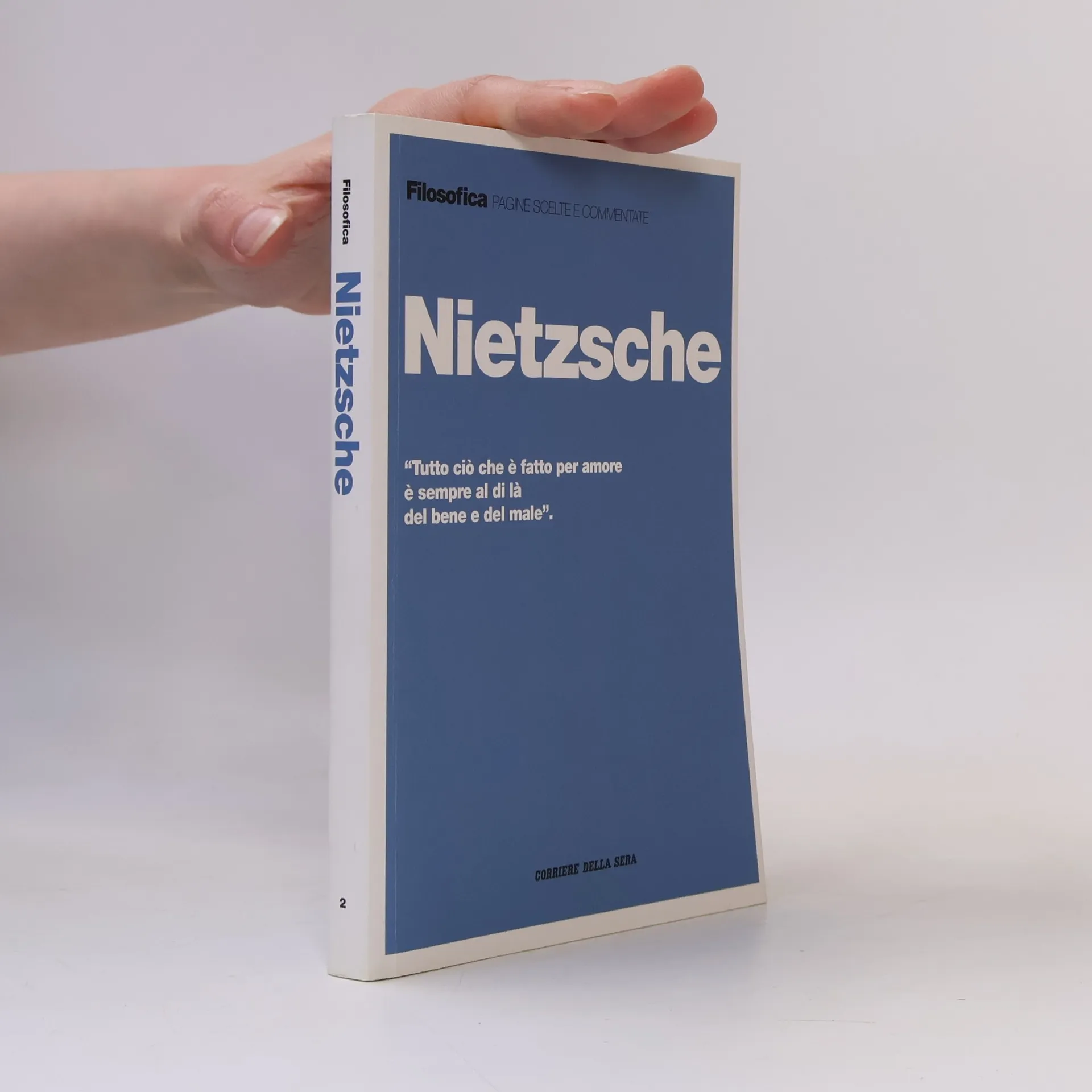
Friedrich Nietzsche Bücher



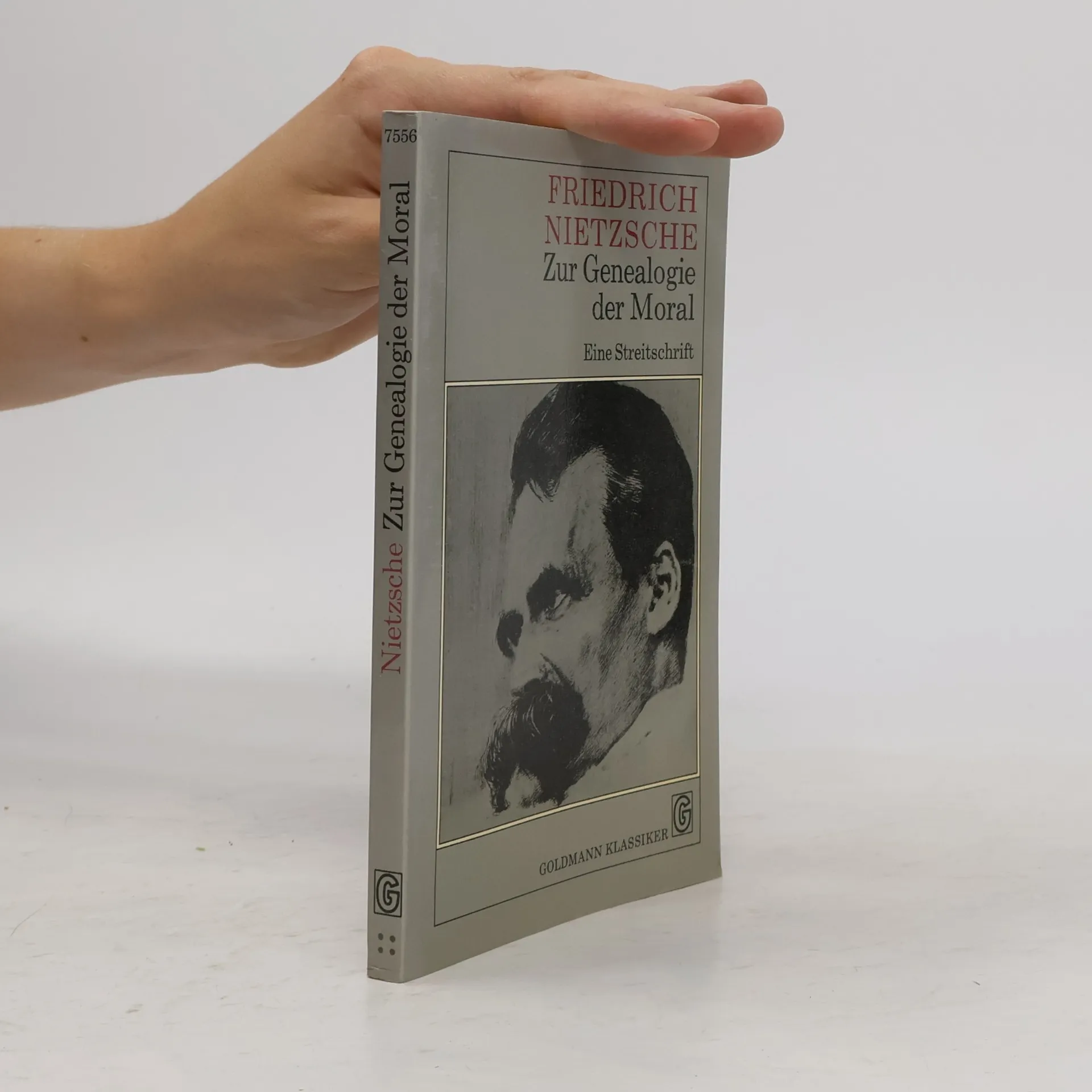
Zur Genealogie der Moral
Eine Streitschrift
»Die Selbstverkleinerung des Menschen ist die Gefahr, die Nietzsche für den modernen Menschen sieht. Dieser Gefahr sucht er mit seiner ›Genealogie der Moral‹ entgegenzutreten. Und vielleicht verstehen wir, was er meint, wenn wir in dieser Schrift nicht nur die Geschichte eines Niedergangs, sondern auch die Ahnentafel des selbstbewußten, selbständigen Menschen zu lesen lernen.« Volker Gerhardt
Vollständige Taschenbuchausgabe
Philosoph. Schriften
Auswahl
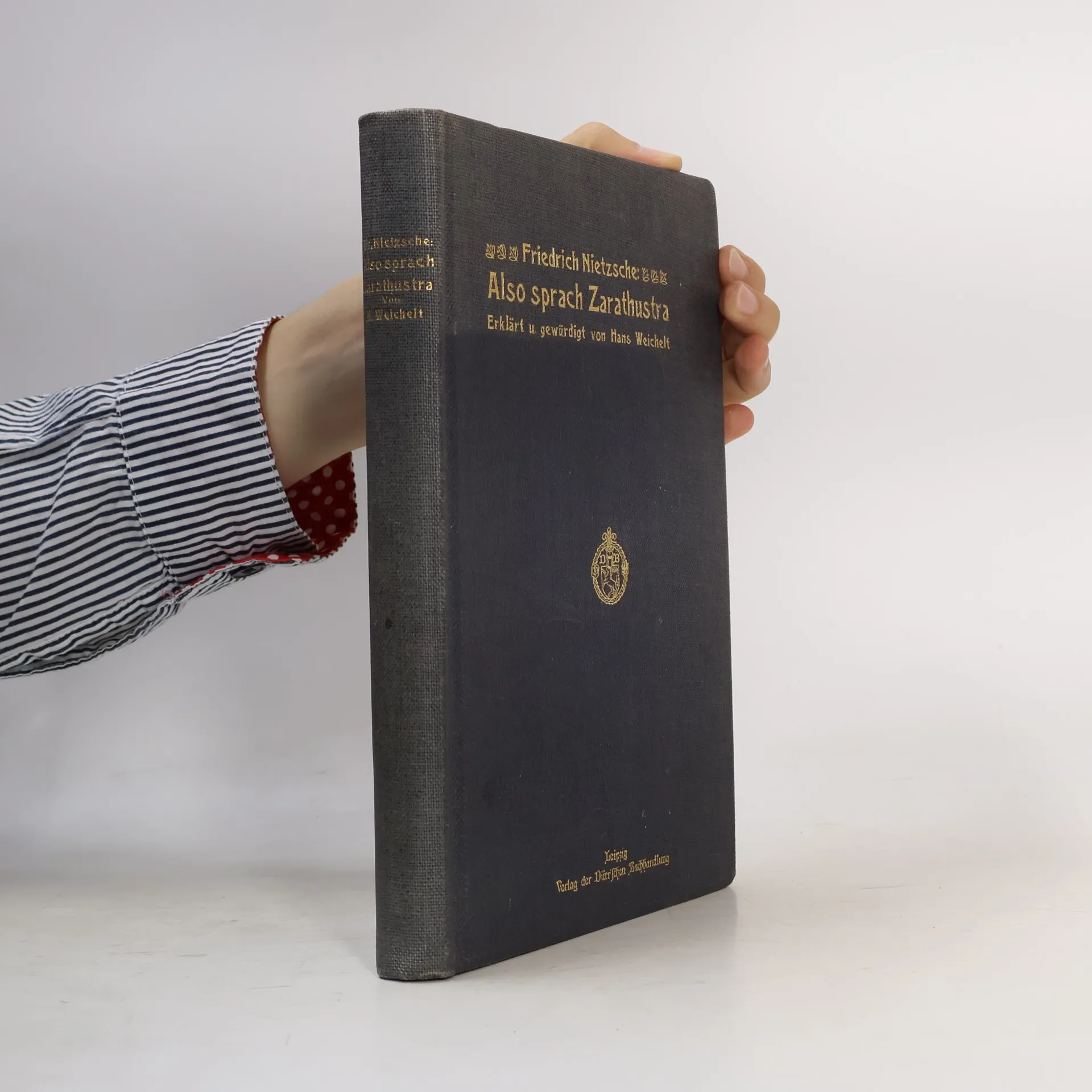
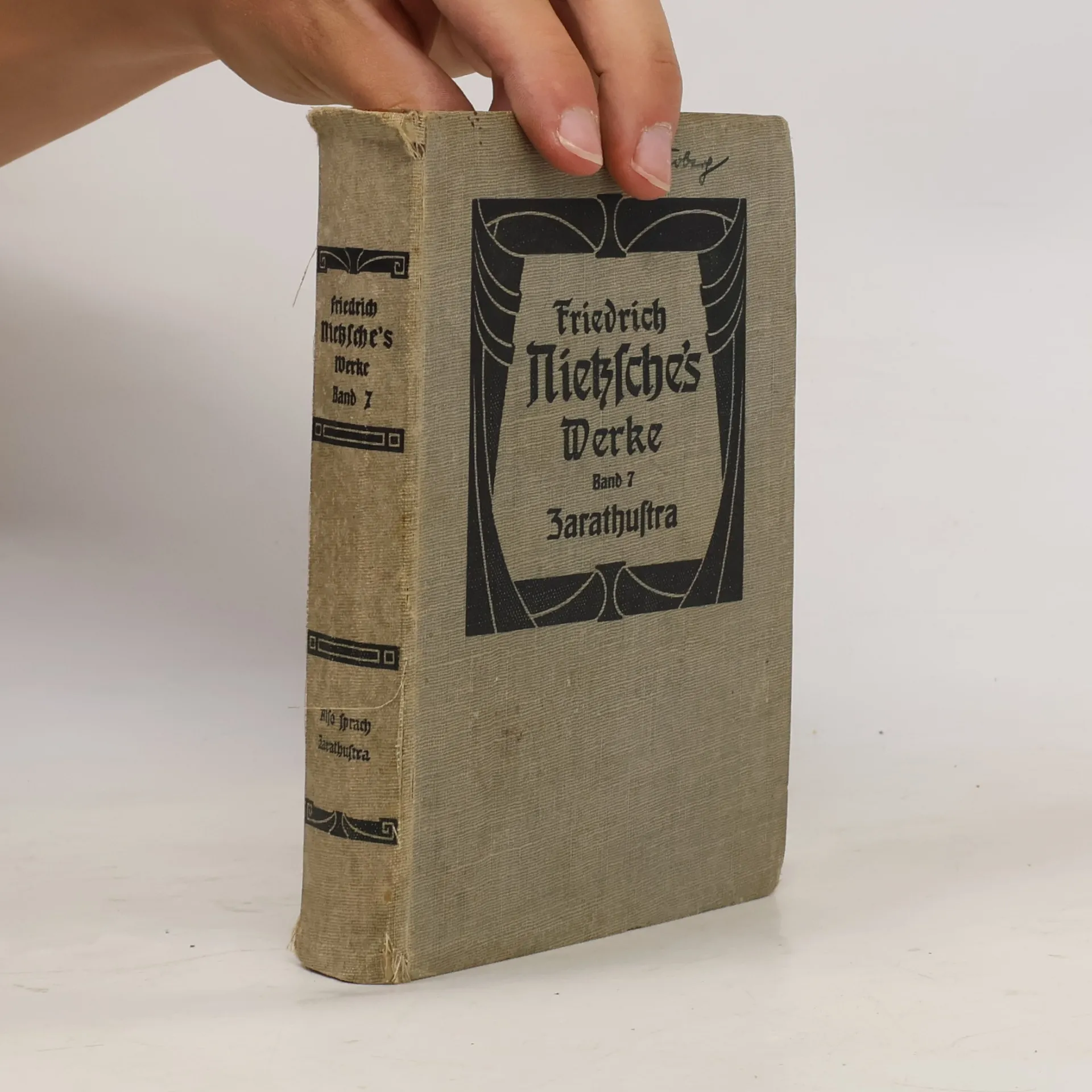
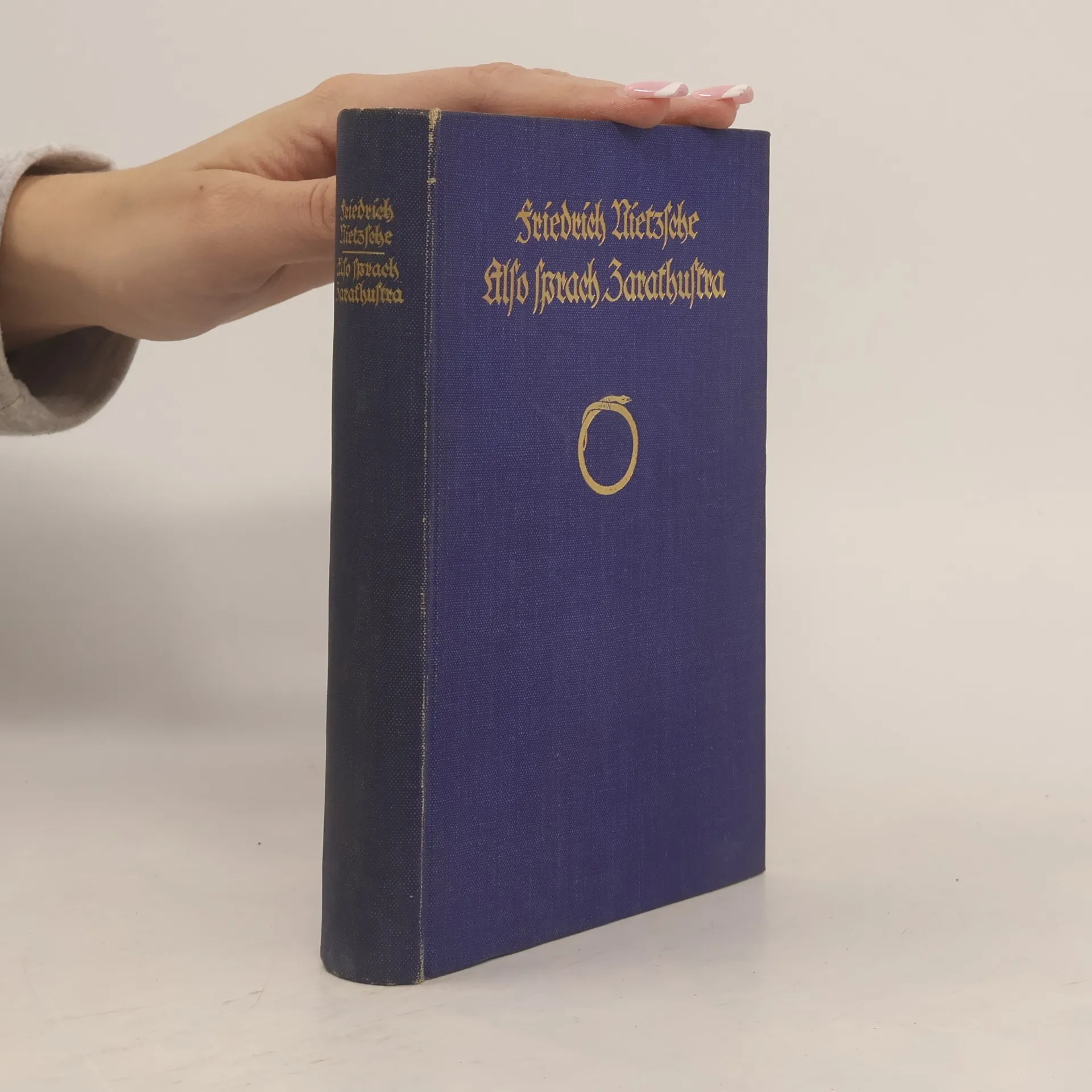
Also sprach Zarathustra
Erklärt u. gewürdigt von Hans Weichelt
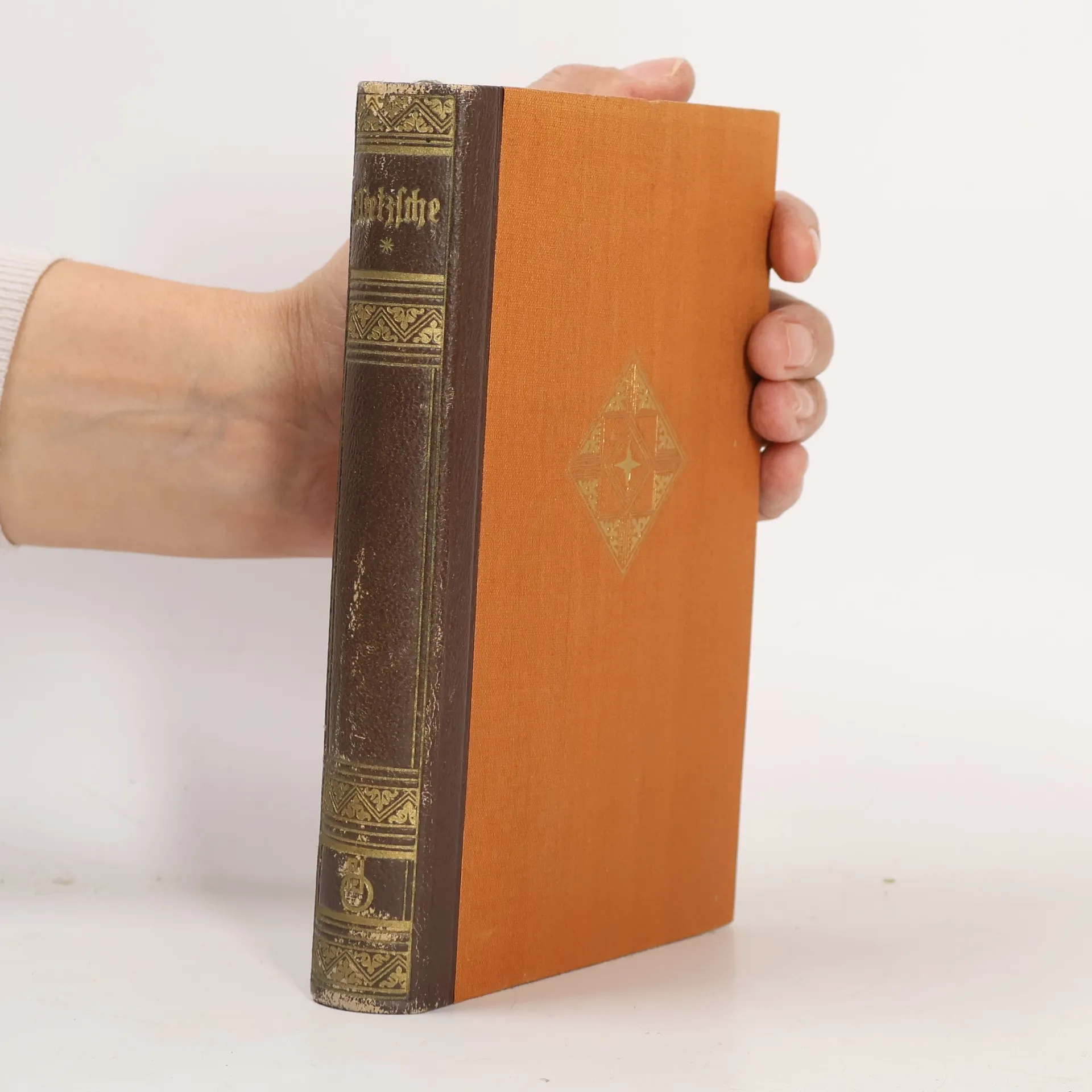
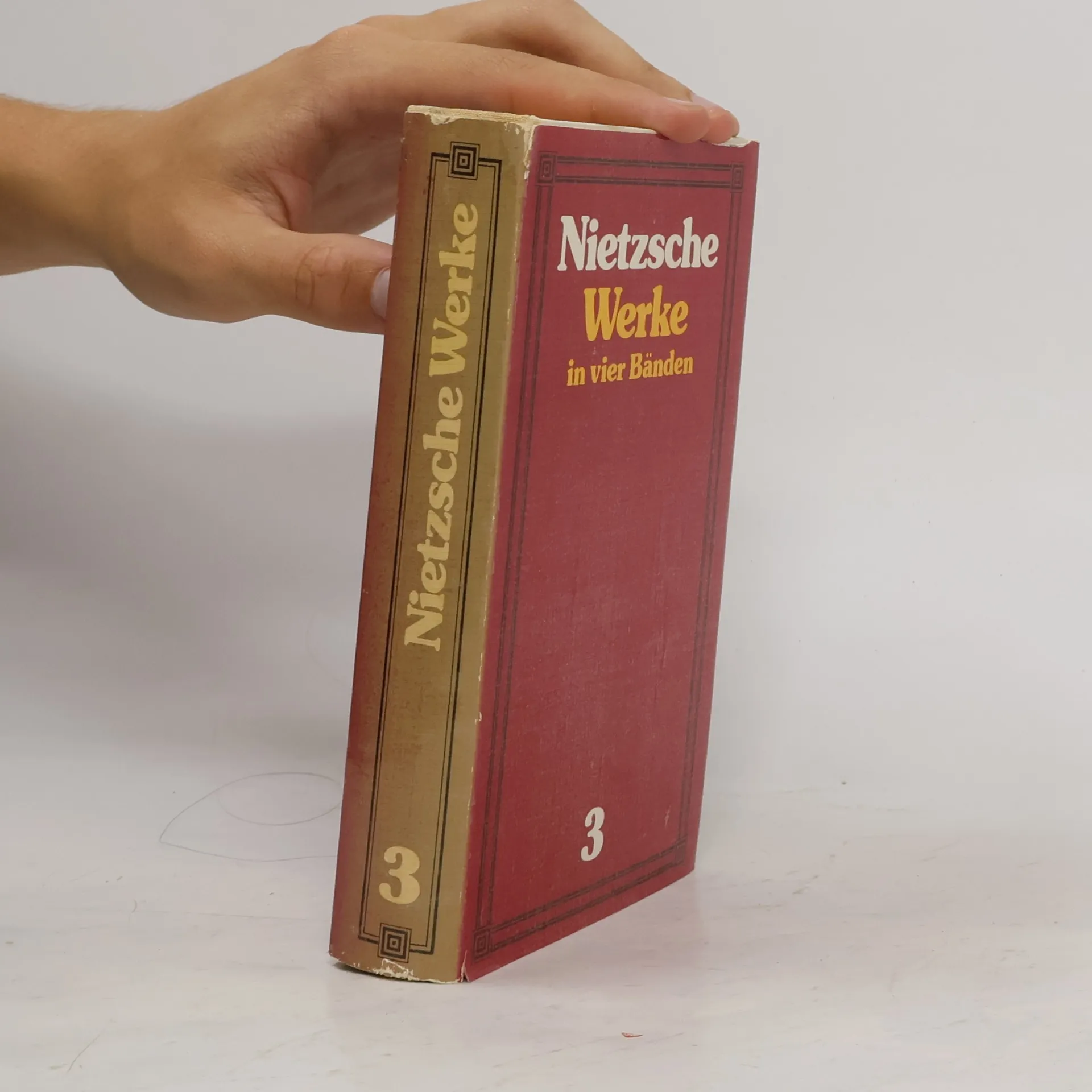
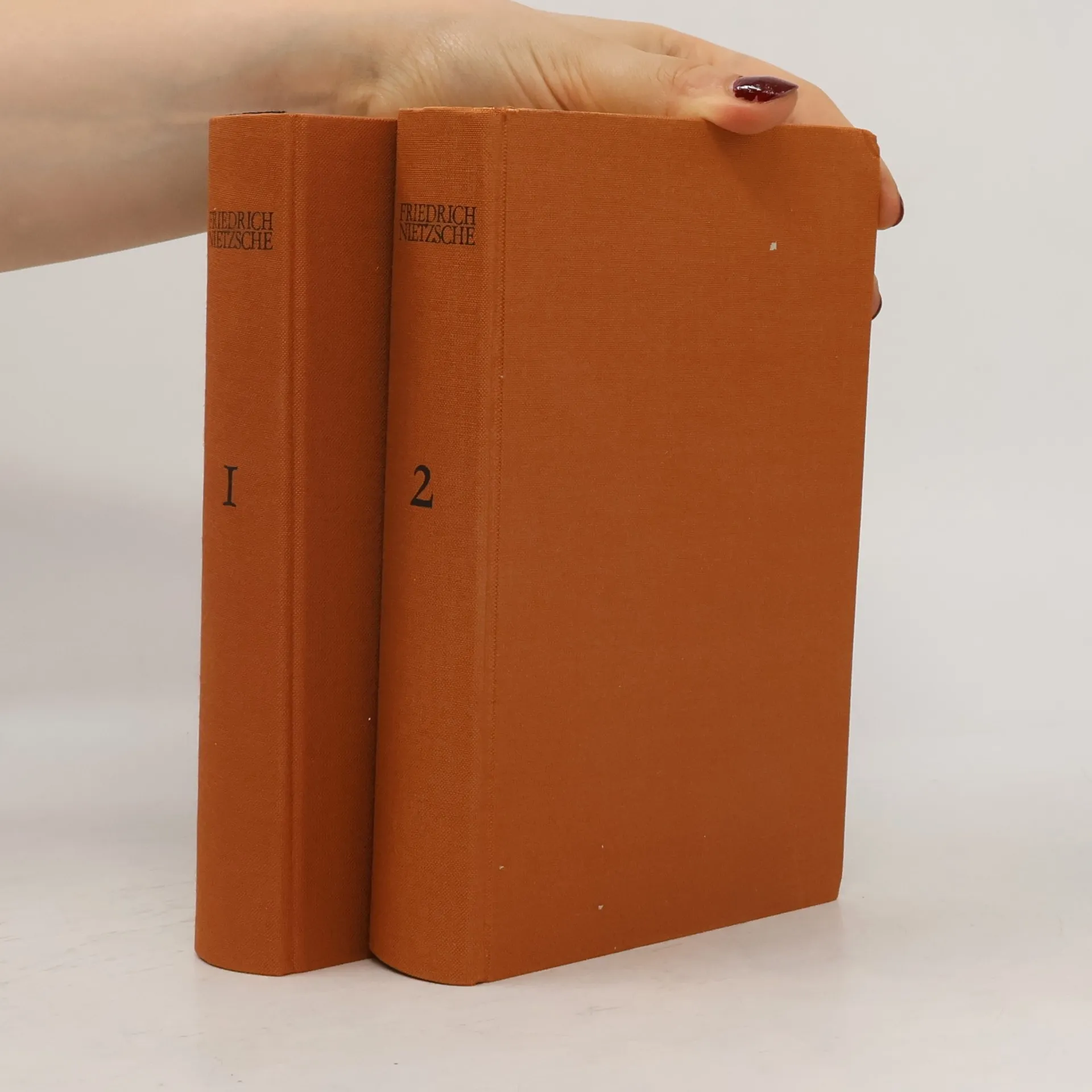
Nietzsche Werke 3
in vier Bänden
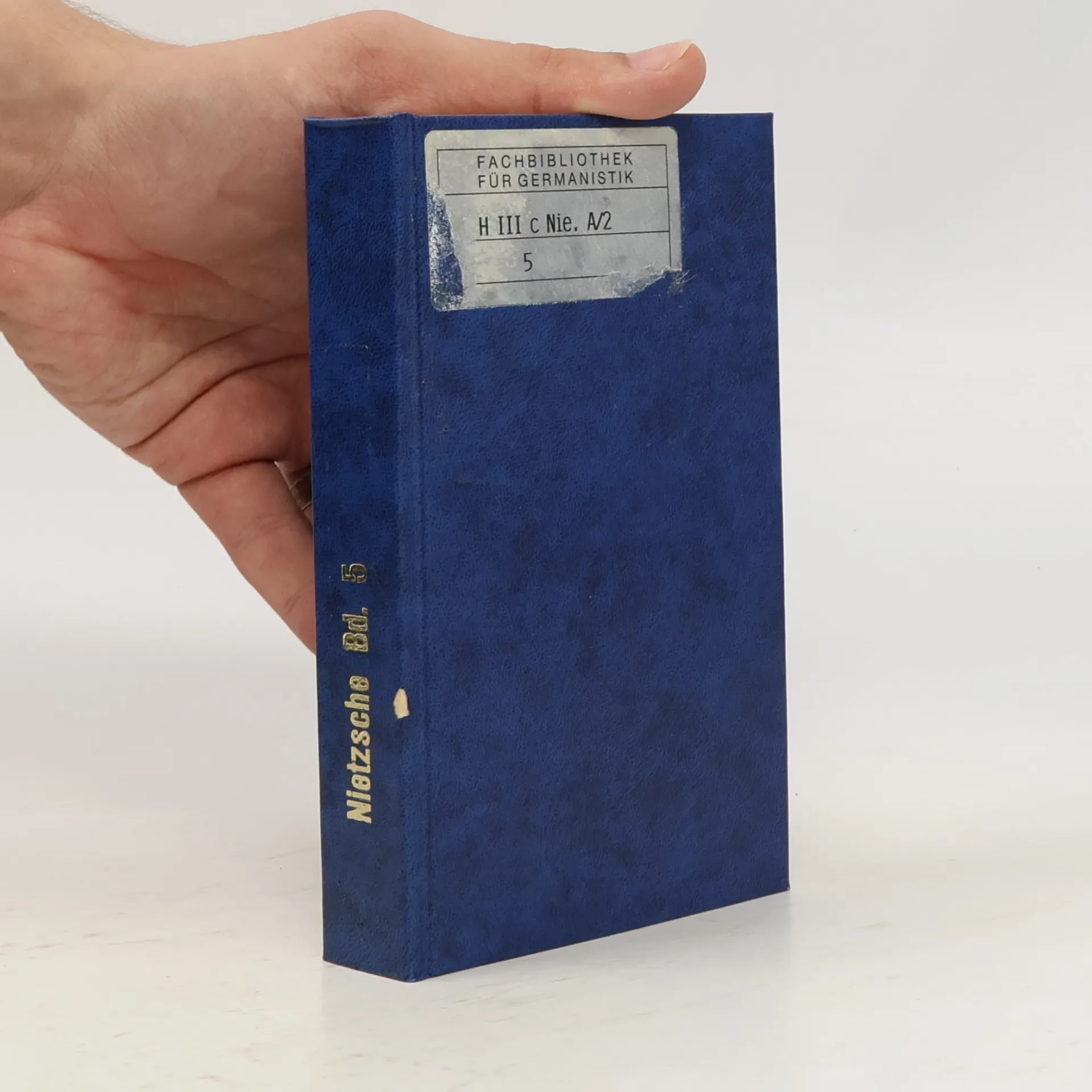
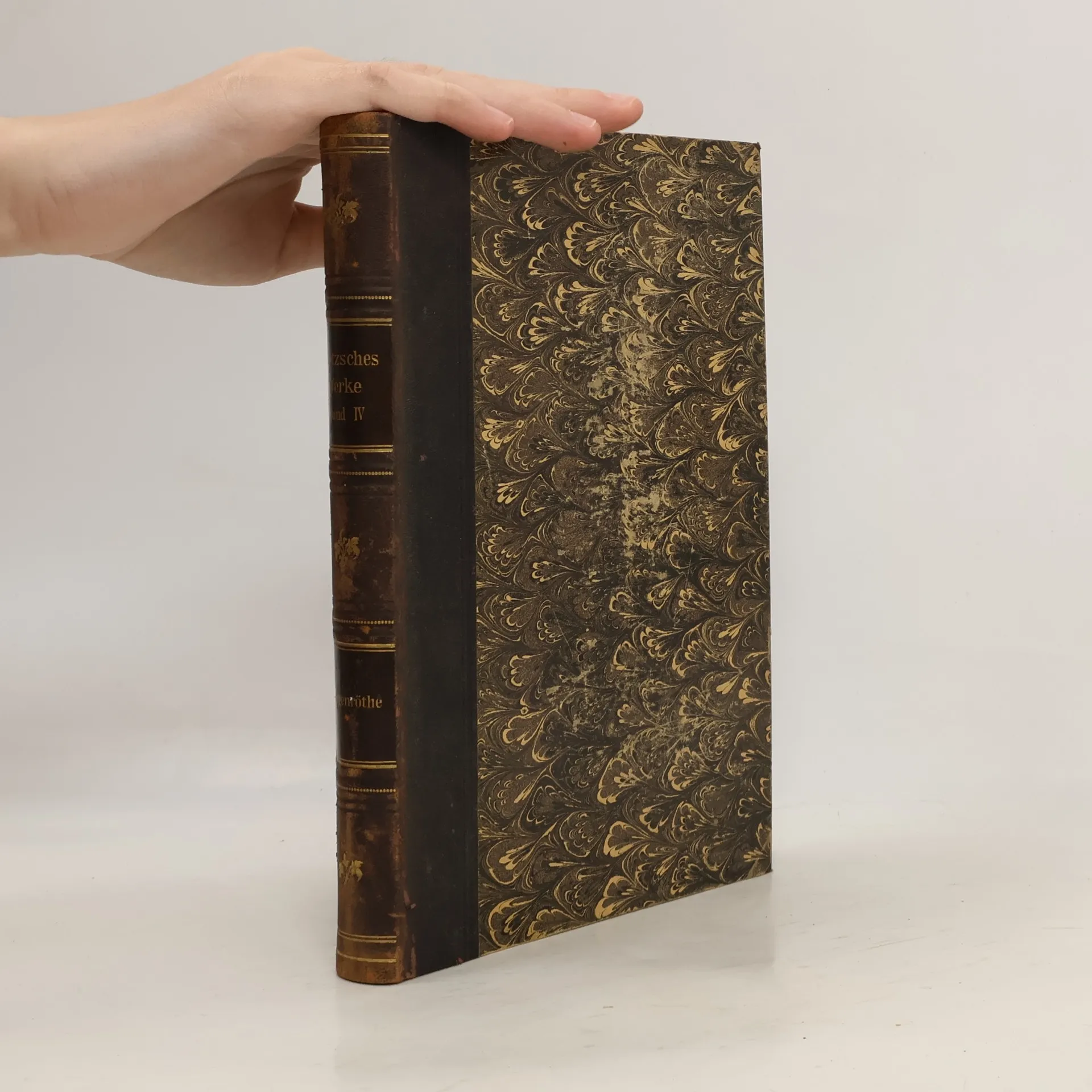
Nietzsches Werke 5
Morgenröthe - Aus dem Nachlaß 1880–1881
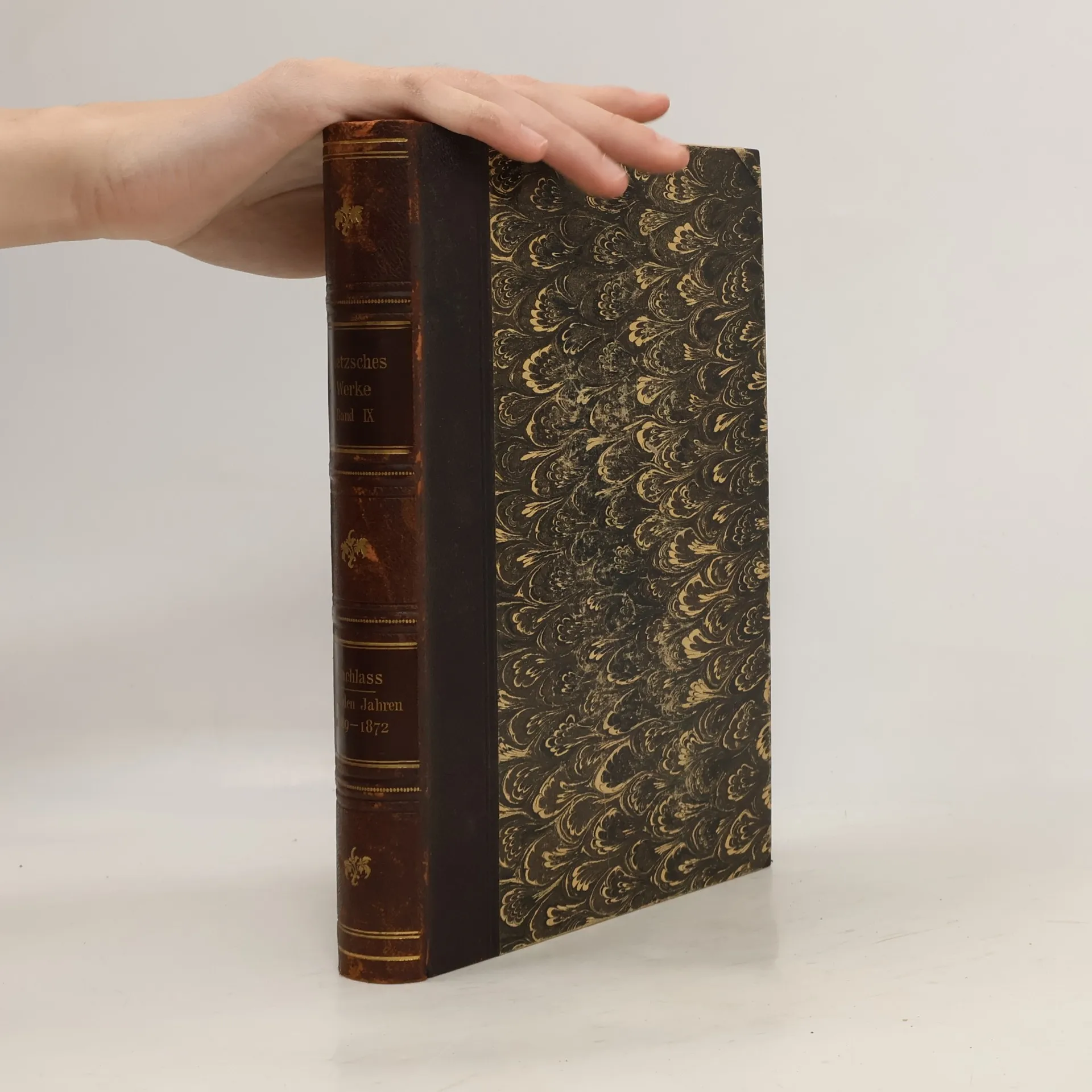
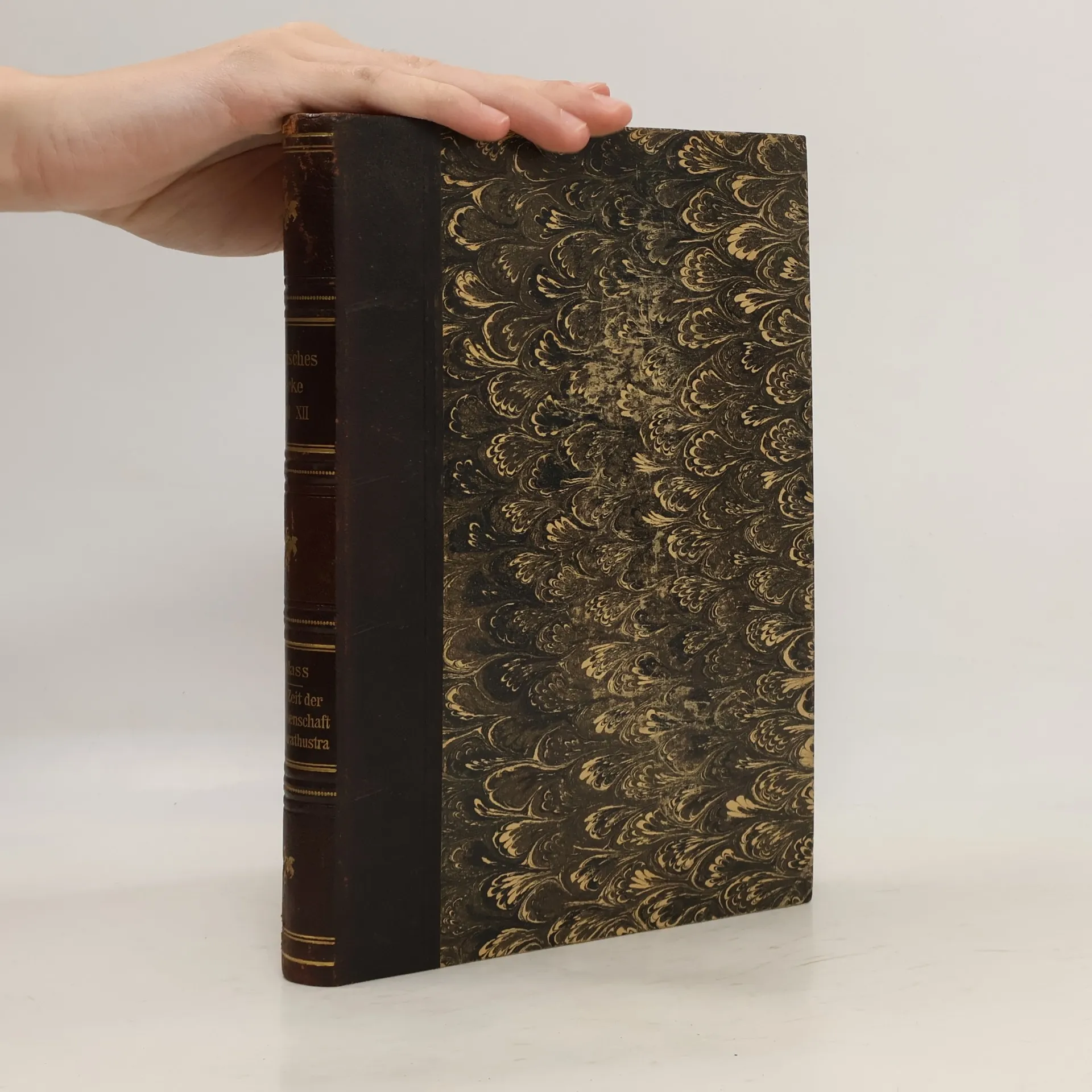
Nietzsche´s Werke. Zweite Abtheilung. Band XII.
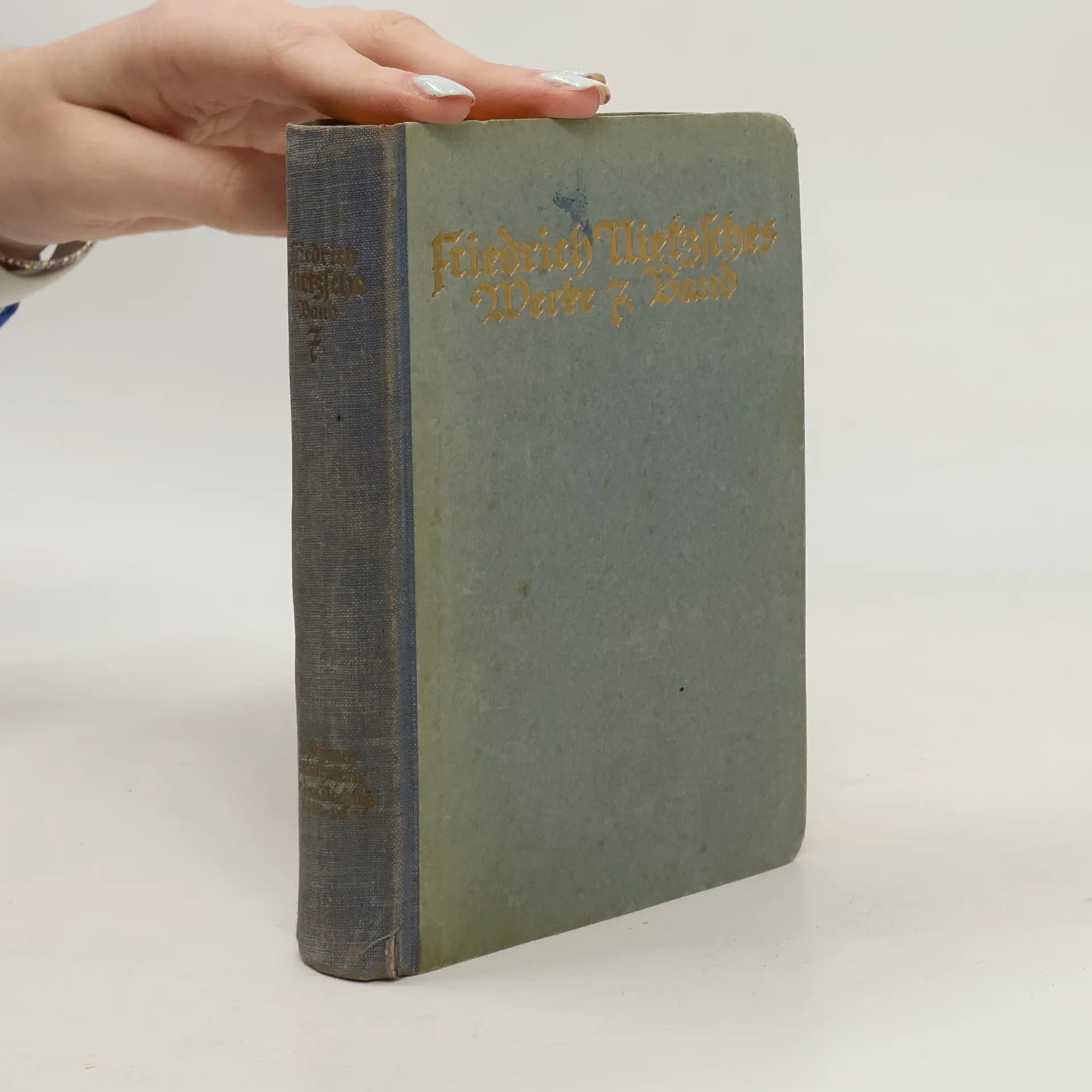
Nachgelassene Werke
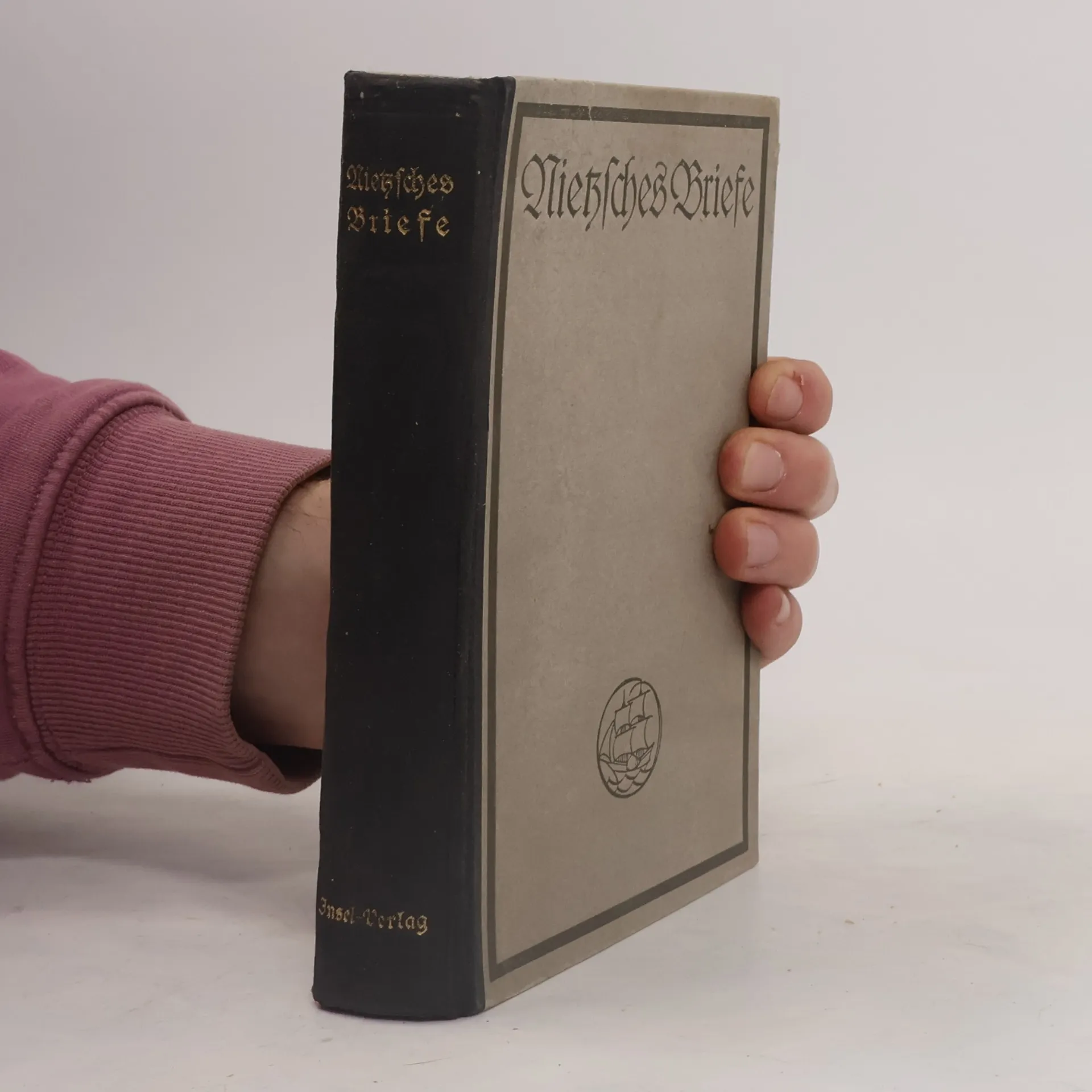
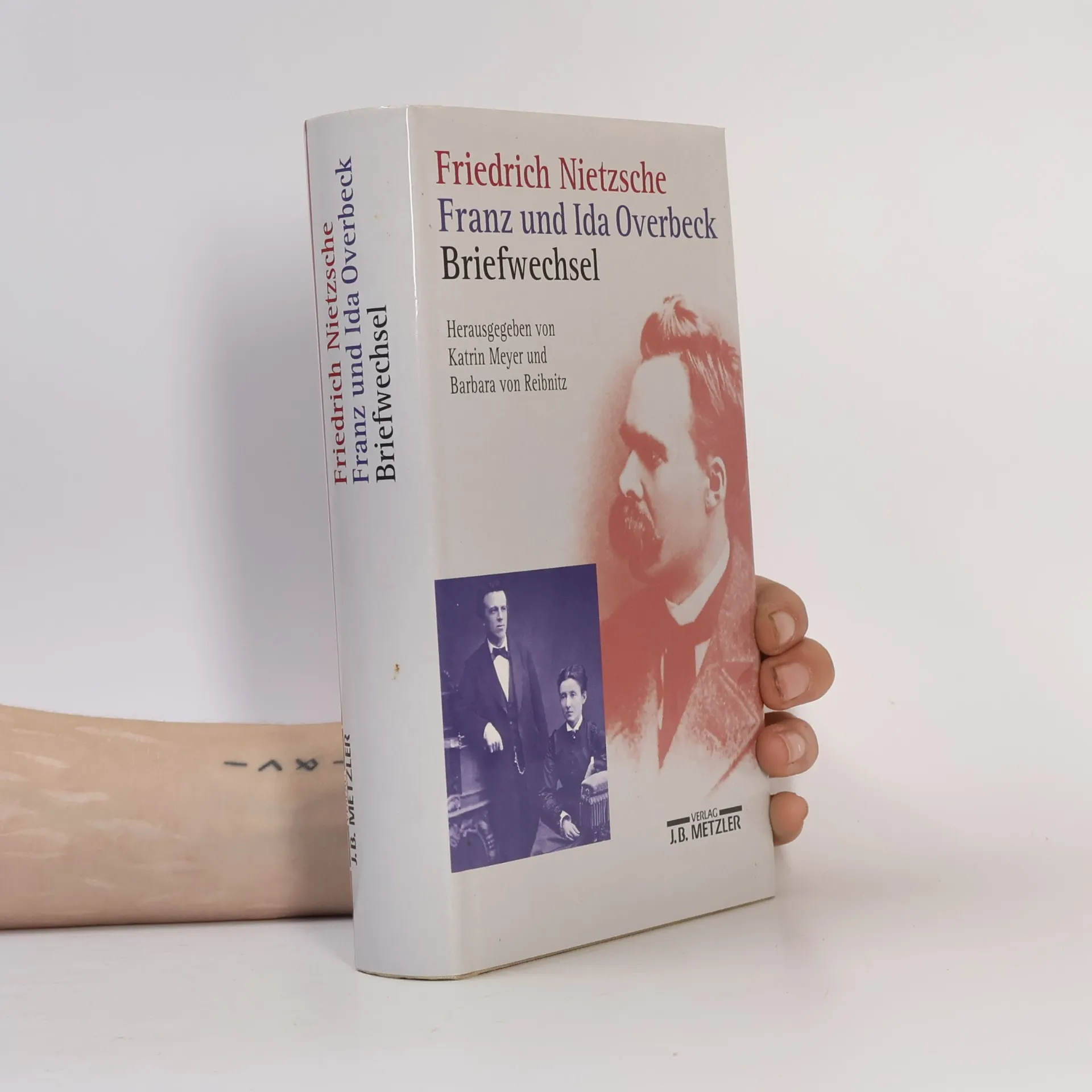
Nietzsches Briefe
Ausgewählt und herausgegeben von Richard Oehler
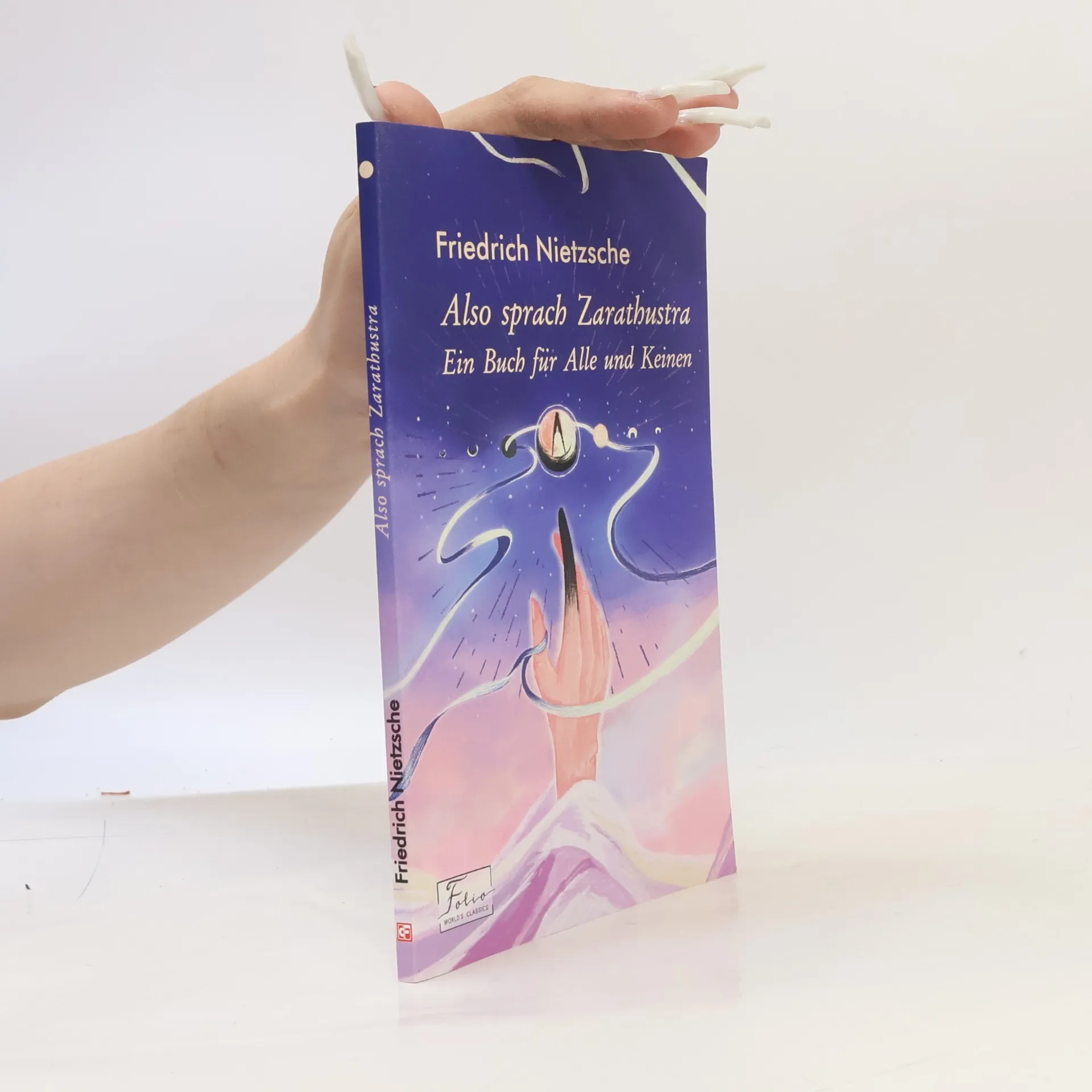
Also sprach Zarathustra. Ein Buch für Alle und Keinen.
ein Buch für alle und keinen
- 495 Seiten
- 18 Lesestunden
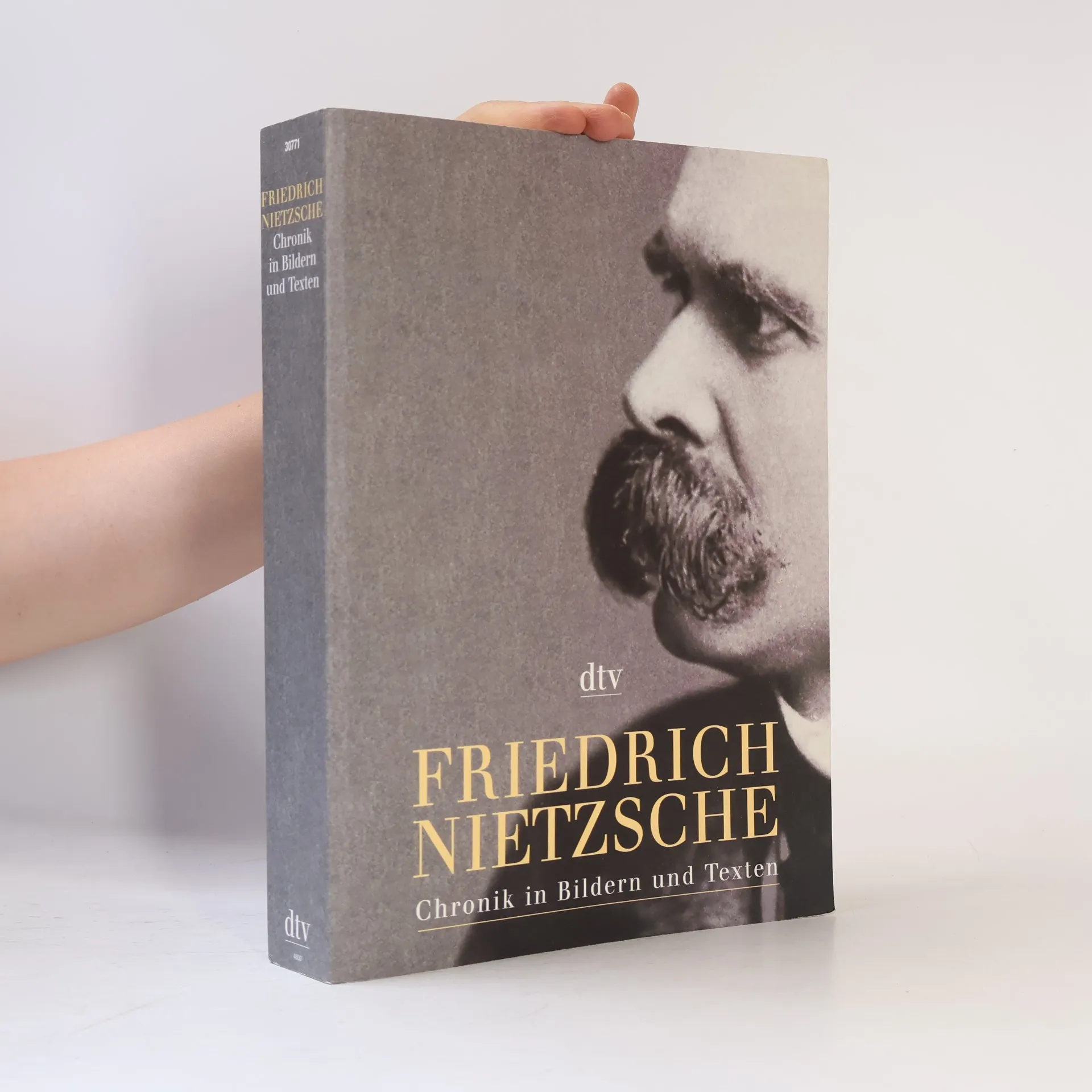
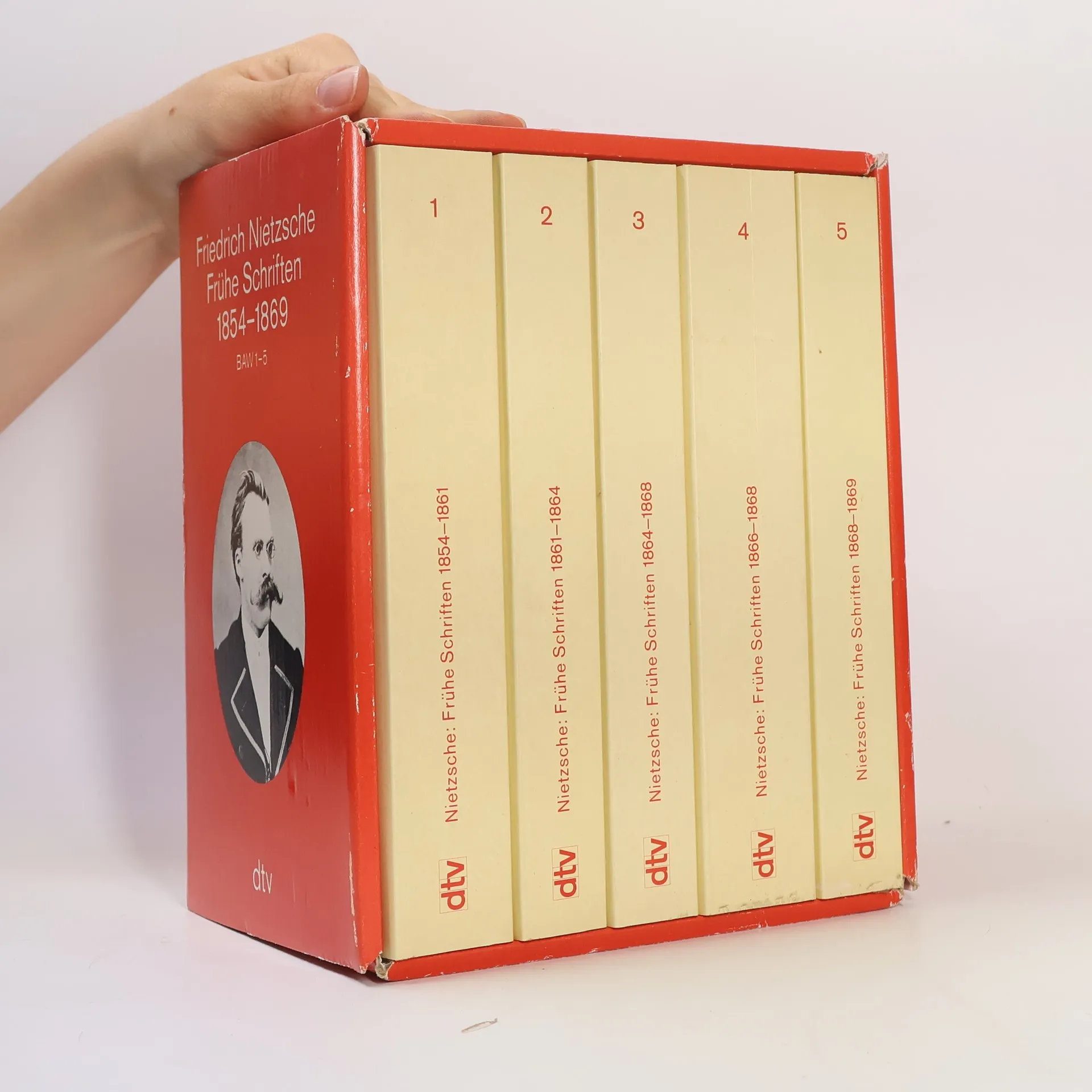
Benders, Raymond J./ Oettermann, Stephan (Hrsg.). Friedrich Nietzsche - Chronik in Bildern und Texten. Erste Auflage. München, Deutscher Taschenbuchverlag, 2000. 21 x 28 cm. 855 Seiten. Original Softcover/Kartoniert. Sehr guter Zustand mit minimalen Gebrauchsspuren. [Stiftung Weimarer Klassik bei Hanser] Friedrich Wilhelm Nietzsche, geboren am 15. Oktober 1844 in Röcken und gestorben am 25. August 1900 in Weimar, war ein deutscher klassischer Philologe, dessen philosophische Schriften posthum weltberühmt wurden. Neben seiner akademischen Karriere als Professor für klassische Philologie in Basel, die er 1879 aus gesundheitlichen Gründen aufgab, verfasste er auch Dichtungen und musikalische Kompositionen. Nach seiner Übersiedlung nach Basel 1869 war er staatenlos und reiste in der Folgezeit durch Frankreich, Italien, Deutschland und die Schweiz, um Linderung für seine gesundheitlichen Beschwerden zu finden. Ab 1889 litt er unter einer schweren psychischen Krankheit, die ihn arbeitsunfähig machte. Den raschen Ruhm, den er in den 1890er Jahren erlangte, erlebte er nicht mehr bewusst. Er verbrachte seine letzten Jahre in der Obhut seiner Familie und starb im Alter von 55 Jahren. Nietzsche wurde stark von Schopenhauers Philosophie beeinflusst, wandte sich jedoch von dessen Pessimismus ab und stellte eine radikale Lebensbejahung in den Mittelpunkt seiner eigenen Philosophie. Seine Werke kritisieren scharf Moral, Religion, Wissensch
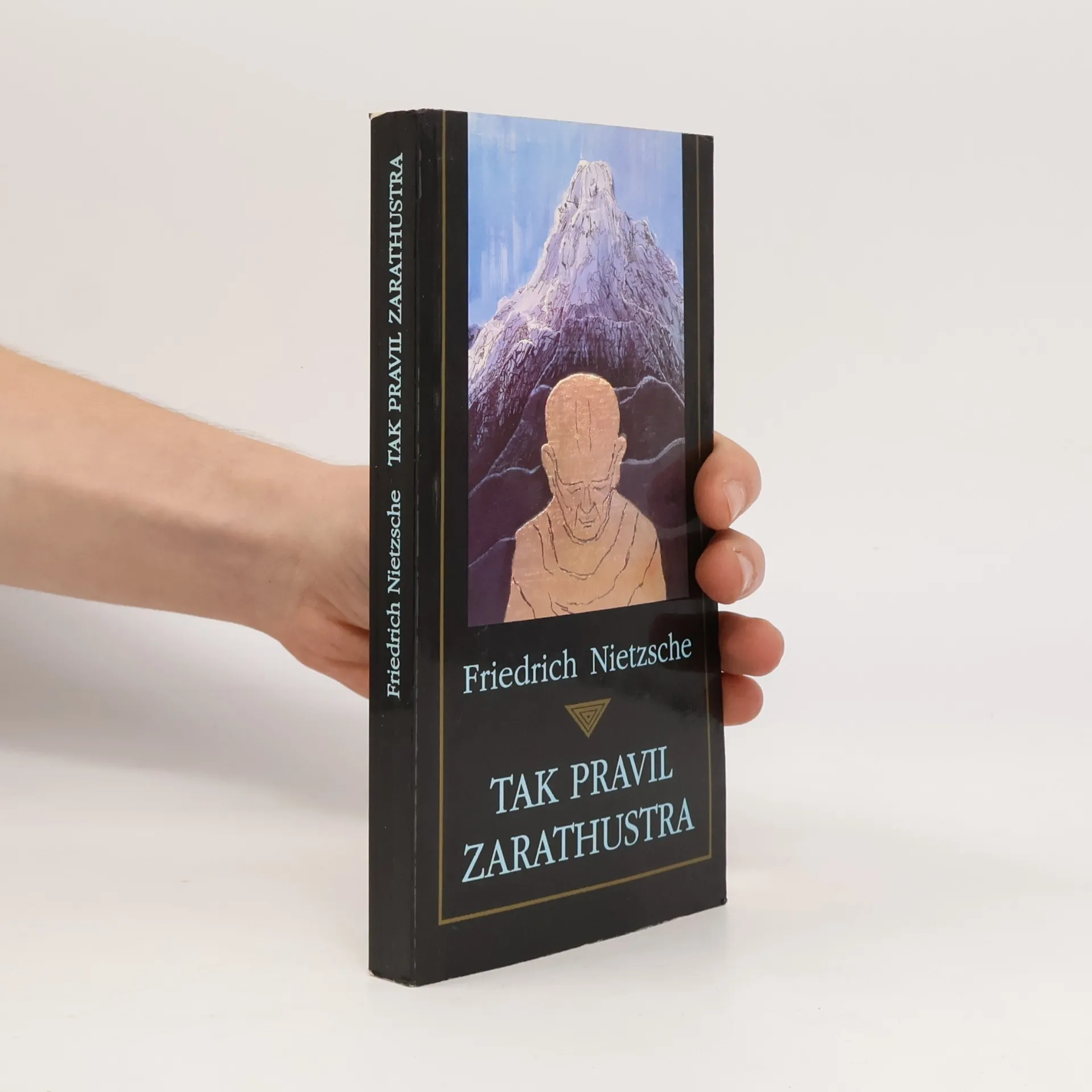
Also sprach Zarathustra
Werke 2
Also sprach Zarathustra
Ein Buch für Alle und Keinen
«Так мовив Заратустра» твір німецького філософа Фрідріх Ніцше (1844-1900). У ньому розповідається про долю та вчення мандрівного філософа, який називає себе Заратустрою, тобто ім'ям пророко однієї з найстародавніших релігій світу, яка ґрунтується на вченні про вільний вибір людини між добром і злом. Also sprach Zarathustra - ist das Werk des deutschen Philosophen Friedrich Nietzsche (1844-1900). Es erzählt vom Schicksal und den Lehren eines wandernden Philosophen, der sich Zarathustra nennt, den Namen des Propheten einer der ältesten Religionen der Welt, basierend auf der Lehre von der freien Wahl des Menschen zwischen Gut und Böse.
Die Werke des Jungen Nietzsche, aus der ersten Schulzeit, den Pforta'er Jahren, der Studienzeit in Bonn und Leipzig bis zu den Anfängen seiner Professur in Basel, sind zusammengestellt. Einige Texte sind allerdings nur im griechischen oder lateinischen Original enthalten. Es sind Texte enthalten, die in der KSA von Colli & Montinari fehlen.
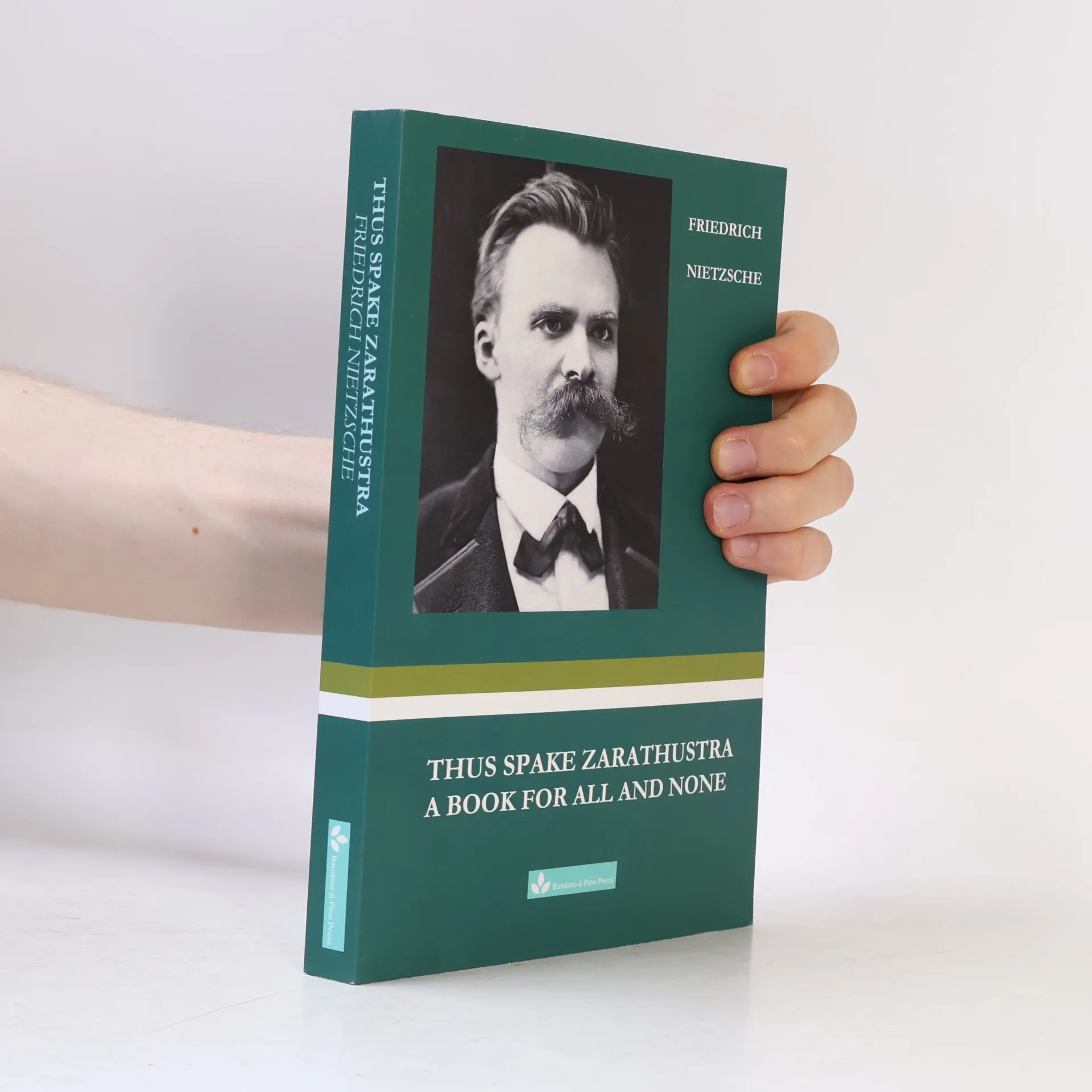
Great Minds Masterworks: Thus Spake Zarathustra: A Book for All and None
- 324 Seiten
- 12 Lesestunden
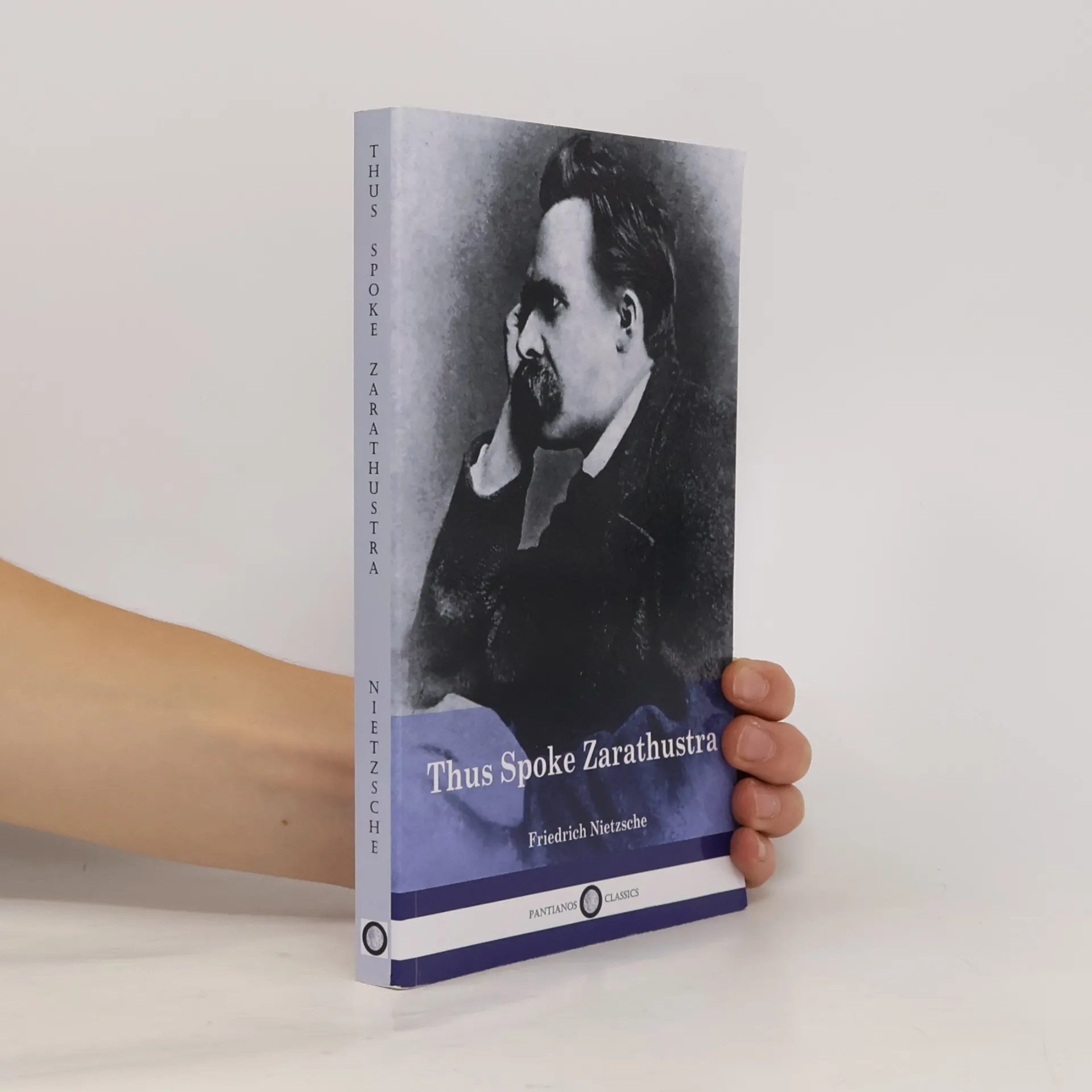
Classics: Thus Spoke Zarathustra
- 254 Seiten
- 9 Lesestunden
This edition of Thus Spoke Zarathustra by Friedrich Nietzsche boasts an authoritative English translation, allowing the reader strong comprehension of the text. First published between 1883 and 1891, this philosophical novel is written in a distinct and original style which combines dialogue with verse. It established Nietzsche as a bold and original thinker; a reputation that would only be enhanced by later works such as Beyond Good and Evil. Thus Spoke Zarathustra has several recurring themes, placing the main character - the creator of one of the first monotheistic faiths - in a story which deals with ideas such as the "eternal recurrence of the same", the parable on the "death of God", and the "prophecy" of the Übermensch. This combination proved potent in philosophic circles, with the text passionately discussed in academic circles to this day. As well as its digestible translation, the book also contains an introduction by the sister of Friedrich Nietzsche, Elizabeth Forster-Nietzsche, explaining her sibling's convictions and motivations behind authoring this philosophic book.
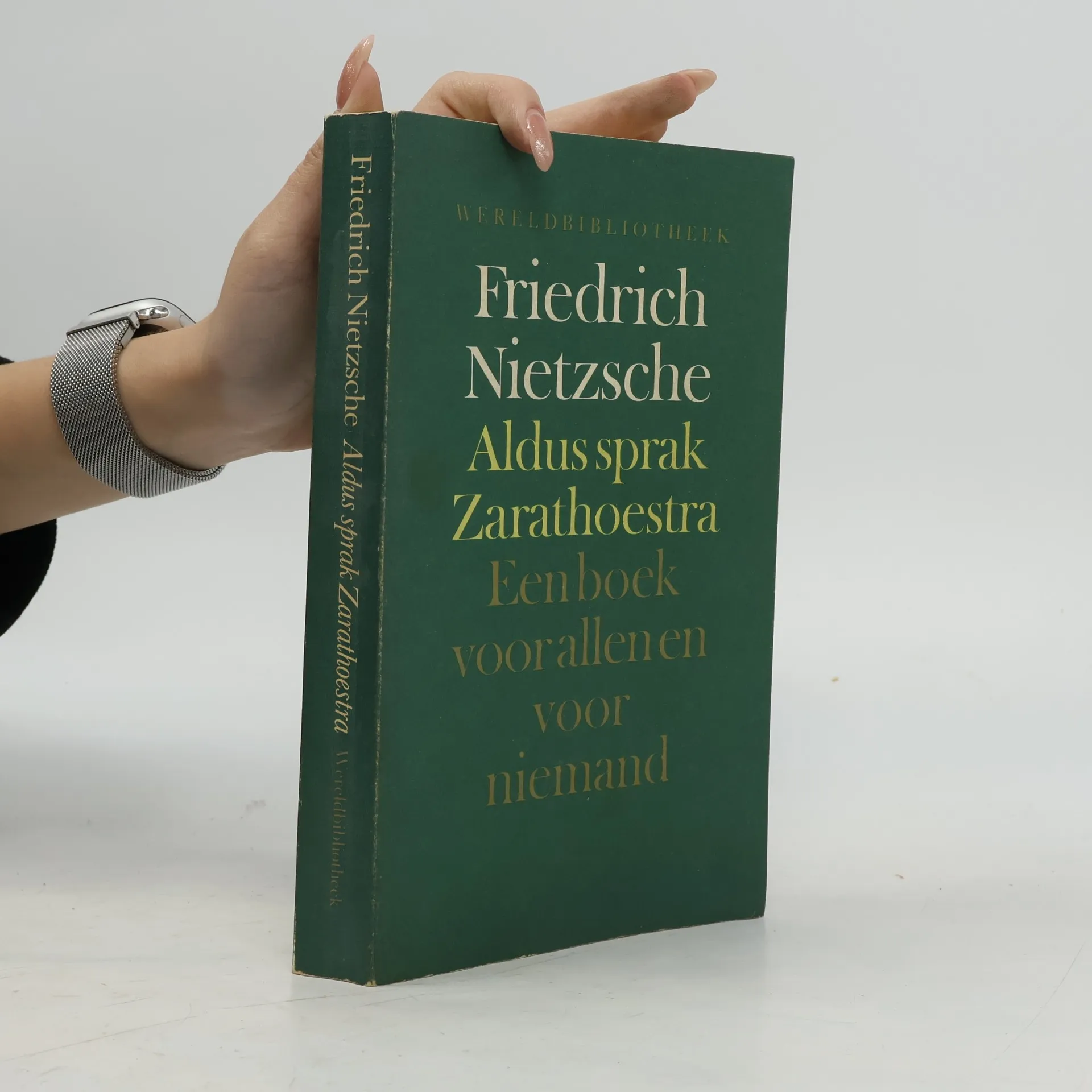
Aldus sprak Zarathoestra
Een boek voor allen en voor niemand
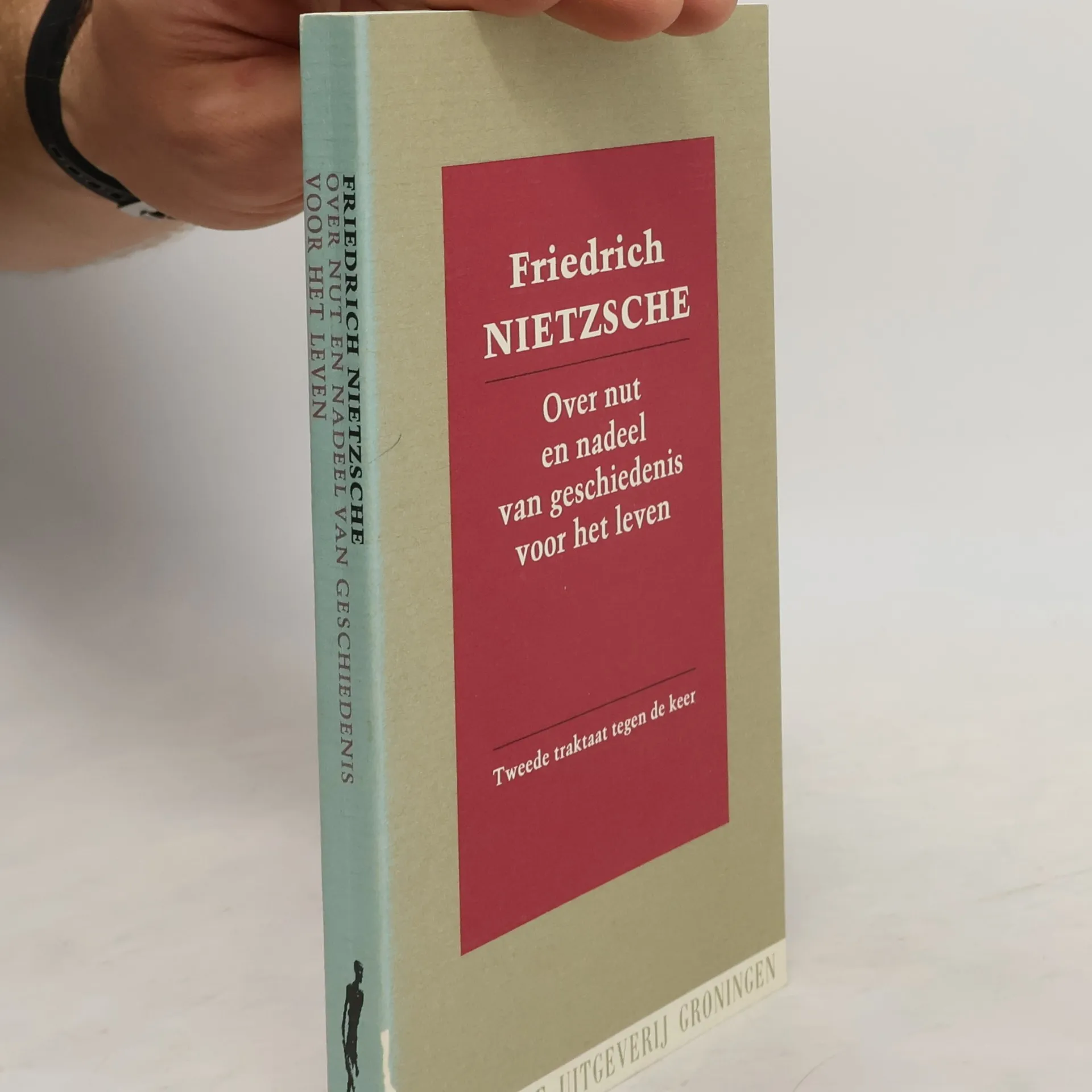
Over nut en nadeel van geschiedenis voor het leven
Tweede traktaat tegen de keer
Umano, troppo umano, II
Scelta di frammenti postumi 1878-1879
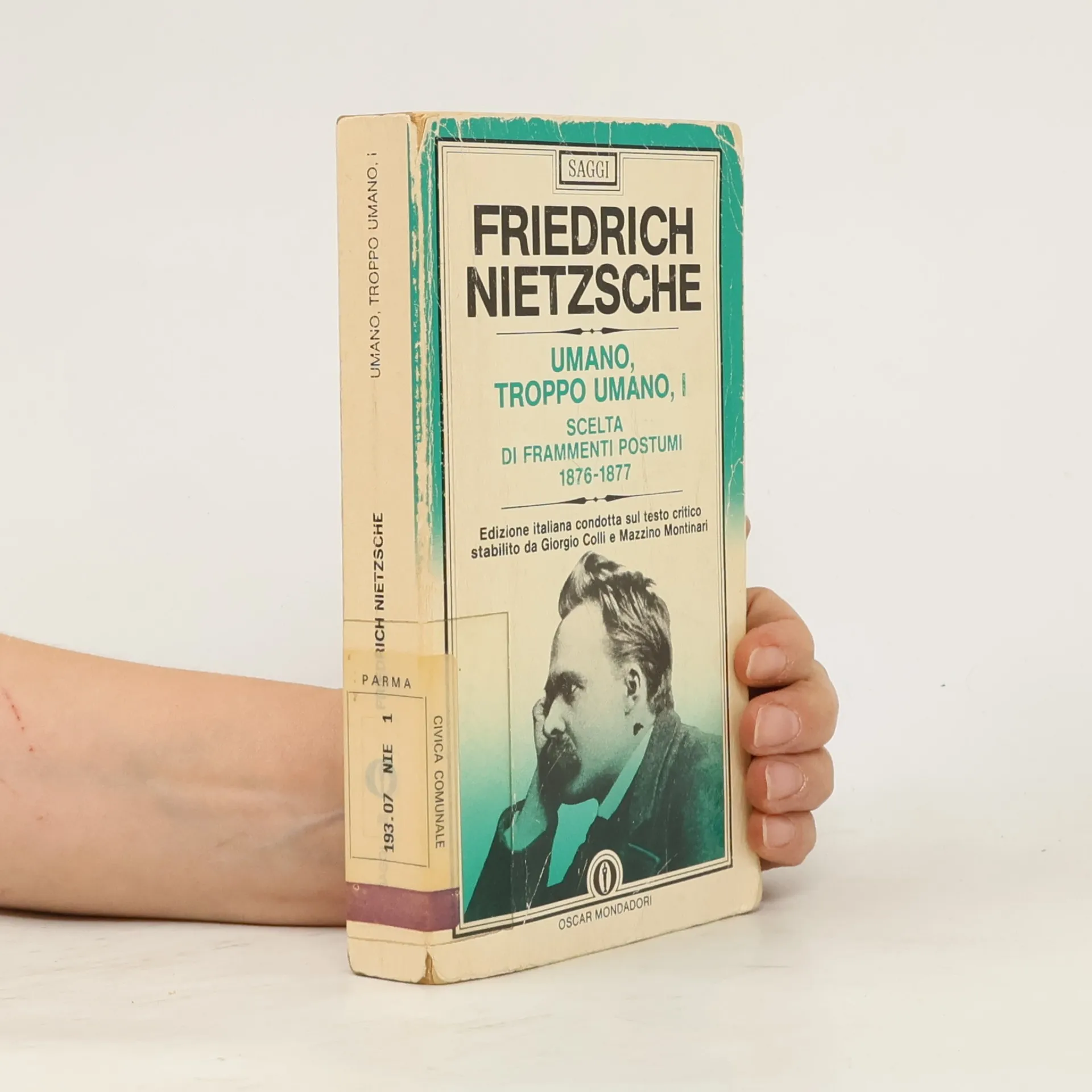
Umano, troppo umano, I
Scelta di frammenti postumi 1876-1877
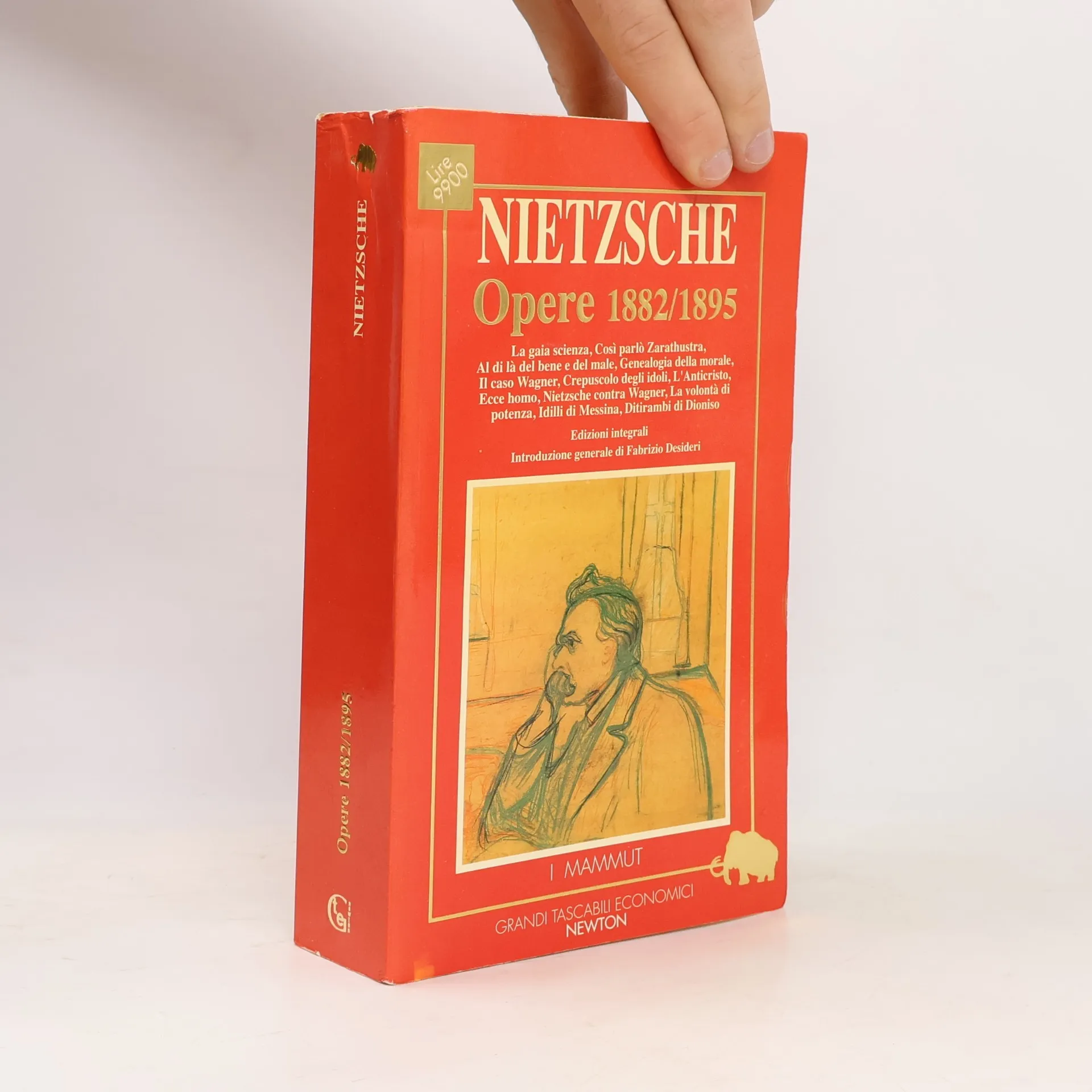
Opere 1882/1895
- 1086 Seiten
- 39 Lesestunden
Contiene: Verità e menzogna e altri scritti giovanili ; La nascita della tragedia ; La filosofia dell'età tragica dei greci ; David Strauss ; L'uomo di fede e lo scrittore (Considerazioni inattuali, 1.) ; Sull'utilita e il danno della storia per la vita (Considerazioni inattuali, 2.) ; Schopenhauer come educatore (Considerazioni inattuali, 3.) ; Richard Wagner a Bayreuth (Considerazioni inattuali, 4.) ; Umano, troppo umano ; Aurora.Edizioni integrali.
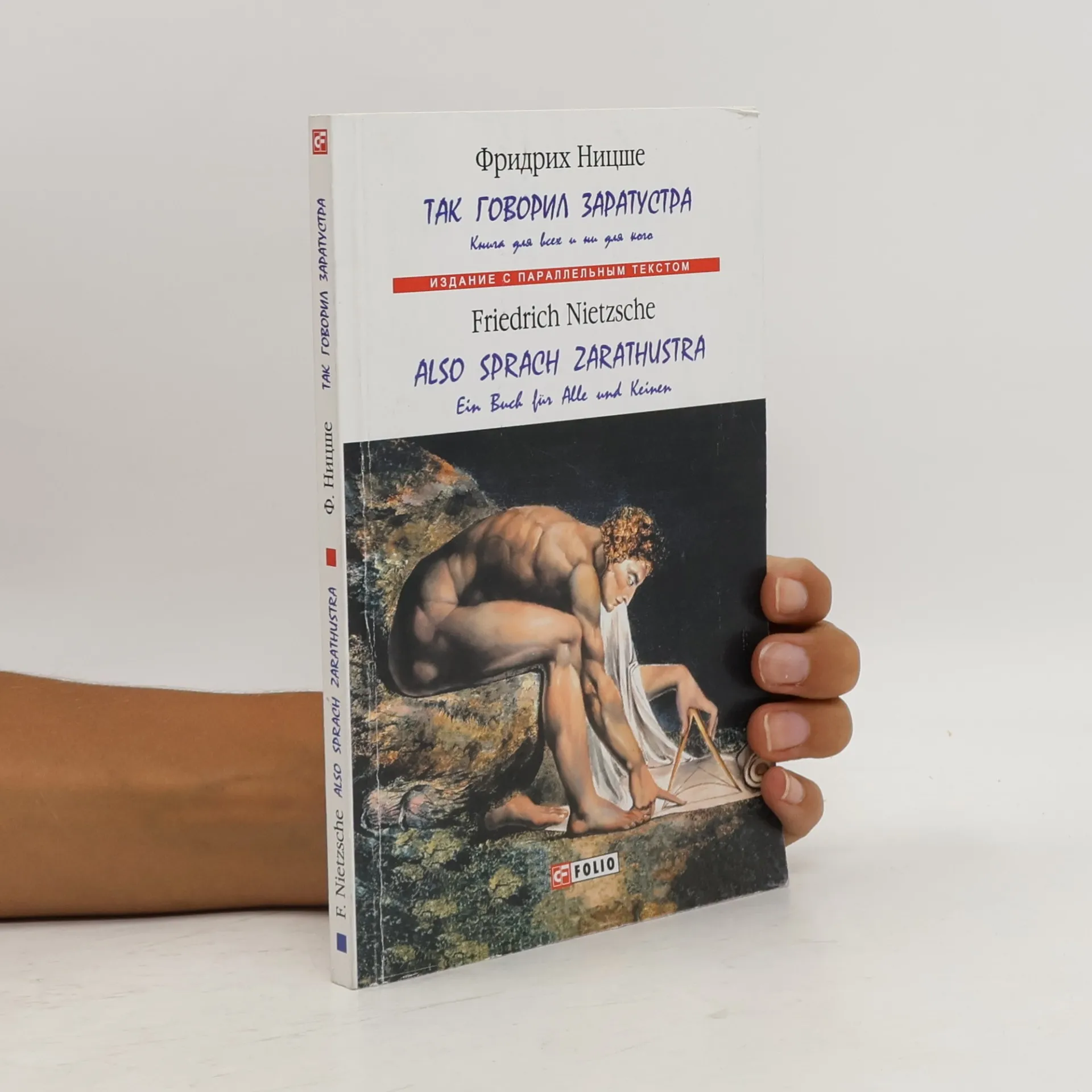
Так говорил Заратустра / Also sprach Zarathustra
Книга для всех и ни для кого / Ein Buch für Alle und Keinen - Издание с параллельным текстом
- 187 Seiten
- 7 Lesestunden
«Так говорил Заратустра» — самое знаменитое произведение выдающегося немецкого философа и мыслителя Фридриха Ницше (1844-1900). В нем повествуется о судьбе и учении бродячего философа, называющего себя Заратустрой, т.е. именем пророка одной из древнейших религий мира, в основе которой — учение о свободном выборе человека между добром и злом. Эту книгу Ницше называл «самой глубокой из всех книг, которыми обладает человечество».
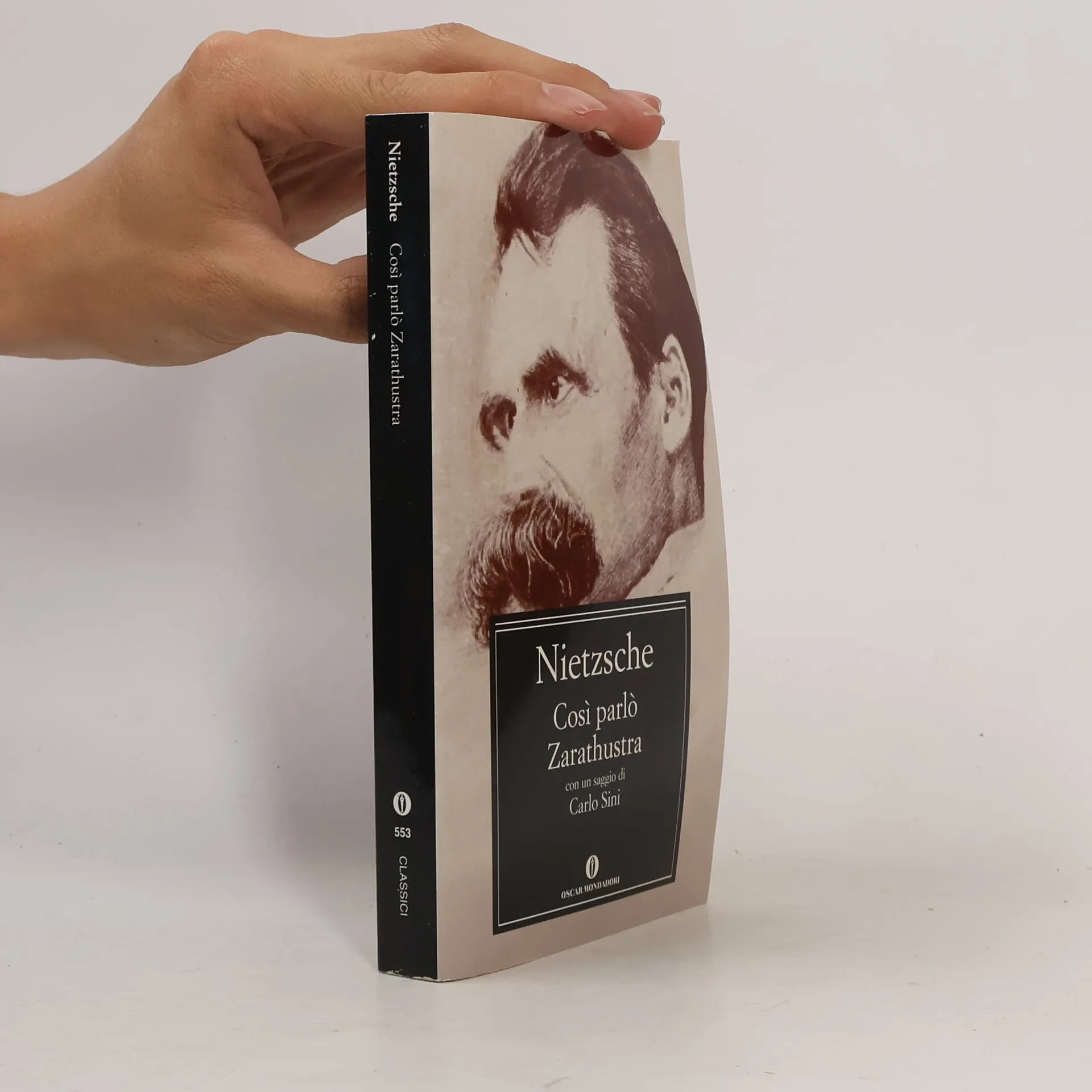
Così parlò Zarathustra
- 345 Seiten
- 13 Lesestunden