

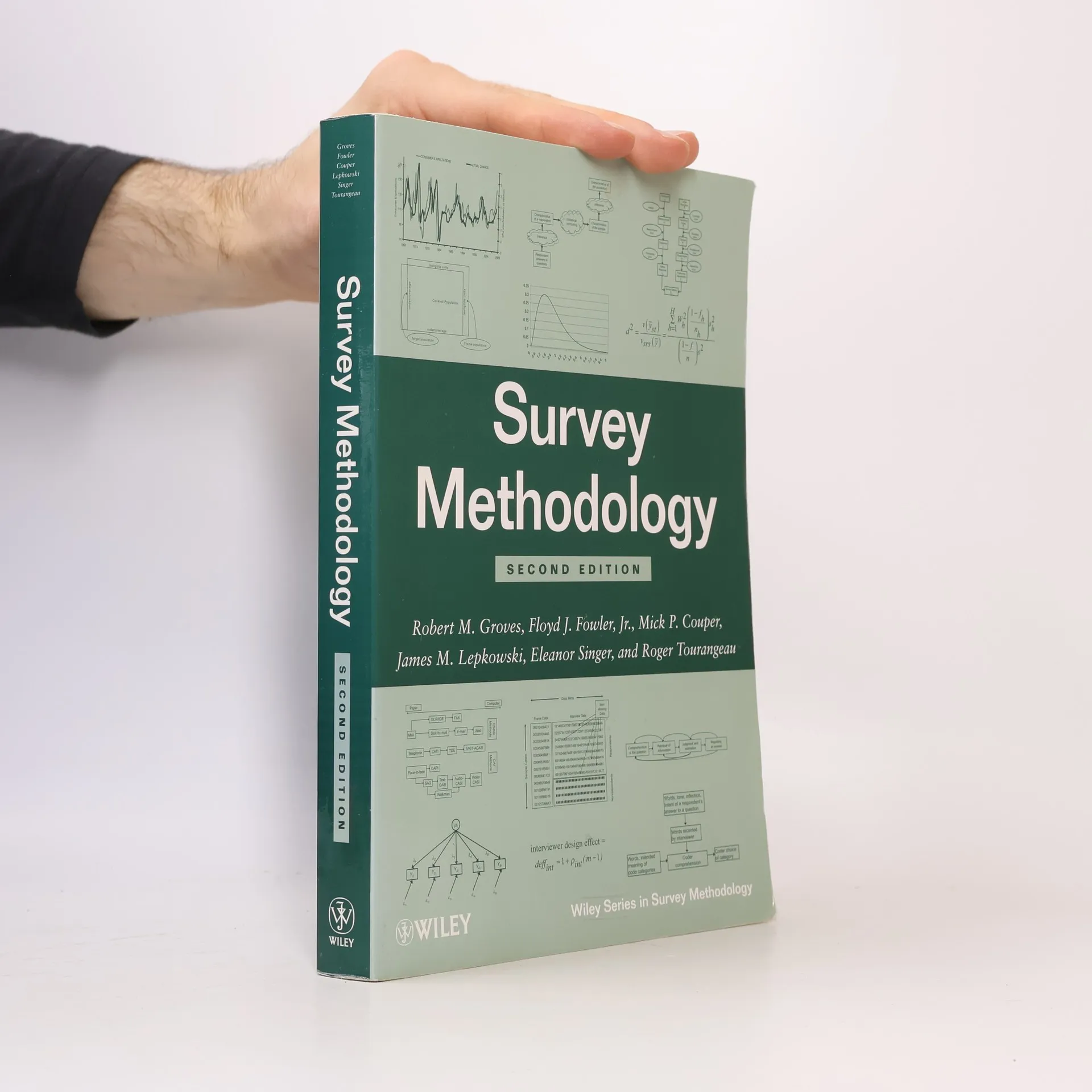
Praise for the First Edition highlights the book's valuable contribution to synthesizing current research and identifying future investigation areas within the survey process. The new edition continues to present essential survey methodology topics and techniques, updated by six world-renowned authors. It offers emerging approaches to survey research and comprehensive coverage of major considerations for designing and conducting sample surveys. Key topics include sampling frame evaluation, sample design, questionnaire development, question evaluation, alternative data collection modes, interviewing, nonresponse, post-collection data processing, and maintaining scientific integrity. The Second Edition addresses advances in research and technology with updated explanations of sampling frame issues for mobile and web surveys, new insights on nonresponse rates and errors, and a restructured discussion of ethical issues, emphasizing privacy and informed consent. It also includes the latest findings on effective questionnaire development techniques, 50% more exercises at the end of each chapter, and an expanded FAQ chapter addressing concerns with newly established methods. Providing valuable perspectives on modern survey methods, this edition is ideal for upper-undergraduate and graduate survey research courses and serves as an indispensable reference for practicing survey methodologists and professionals utilizing survey resea
Floyd J. Fowler Jr. Bücher

Survey Research Methods
- 184 Seiten
- 7 Lesestunden
The Fifth Edition of Floyd J. Fowler Jr.'s bestselling Survey Research Methods presents the very latest methodological knowledge on surveys. Offering a sound basis for evaluating how each aspect of a survey can affect its precision, accuracy, and credibility, the book guides readers through each step of the survey research process. This fully updated edition addresses the growth of the Internet for data collection and the subsequent rapid expansion of online survey usage, the precipitous drop in response rates for telephone surveys, the continued improvement in techniques for pre-survey evaluation of questions, and the growing role of individual cell phones in addition to--and often instead of--household landlines. Throughout the book, the author puts the profound changes taking place in the survey research world today into perspective, helping researchers learn how to best use new and traditional options for collecting data.
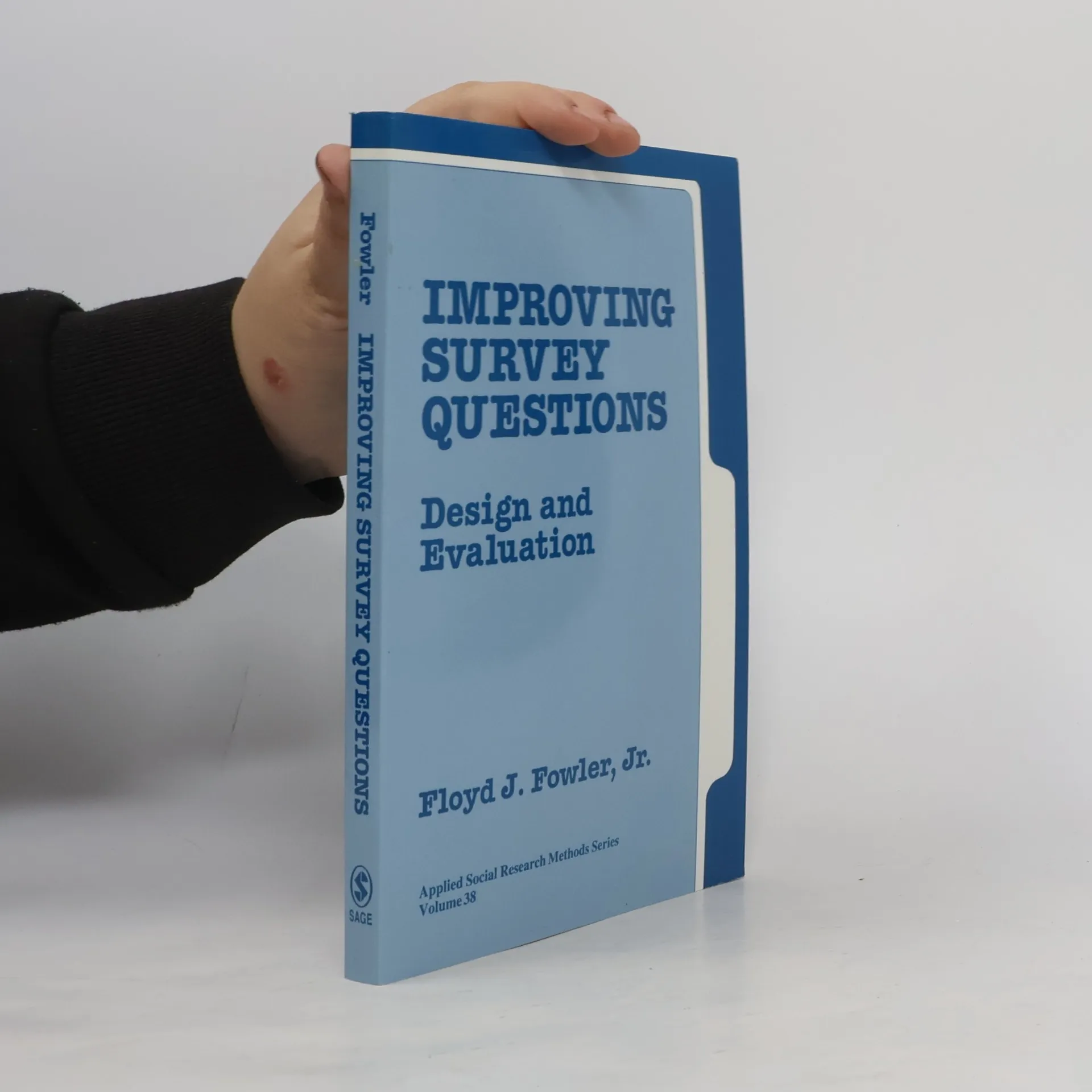
Applied Social Research Methods Series - 38: Improving Survey Questions
Design and Evaluation
- 200 Seiten
- 7 Lesestunden
What is a good question? Although there are several potential sources for error in survey data, the validity of surveys is dependent upon the design of the question asked. This invaluable book shows how to word and format questions that will evoke the kind of answers for which they are designed and how to evaluate empirically survey questions. In addition, the book covers how to write good questions aimed at collecting information about objective facts and events, measuring subjective phenomena, some alternative methods for attacking common measurement problems, how to evaluate the extent to which questions are consistently understood and administered, and how to evaluate the data resulting from a set of questions.