

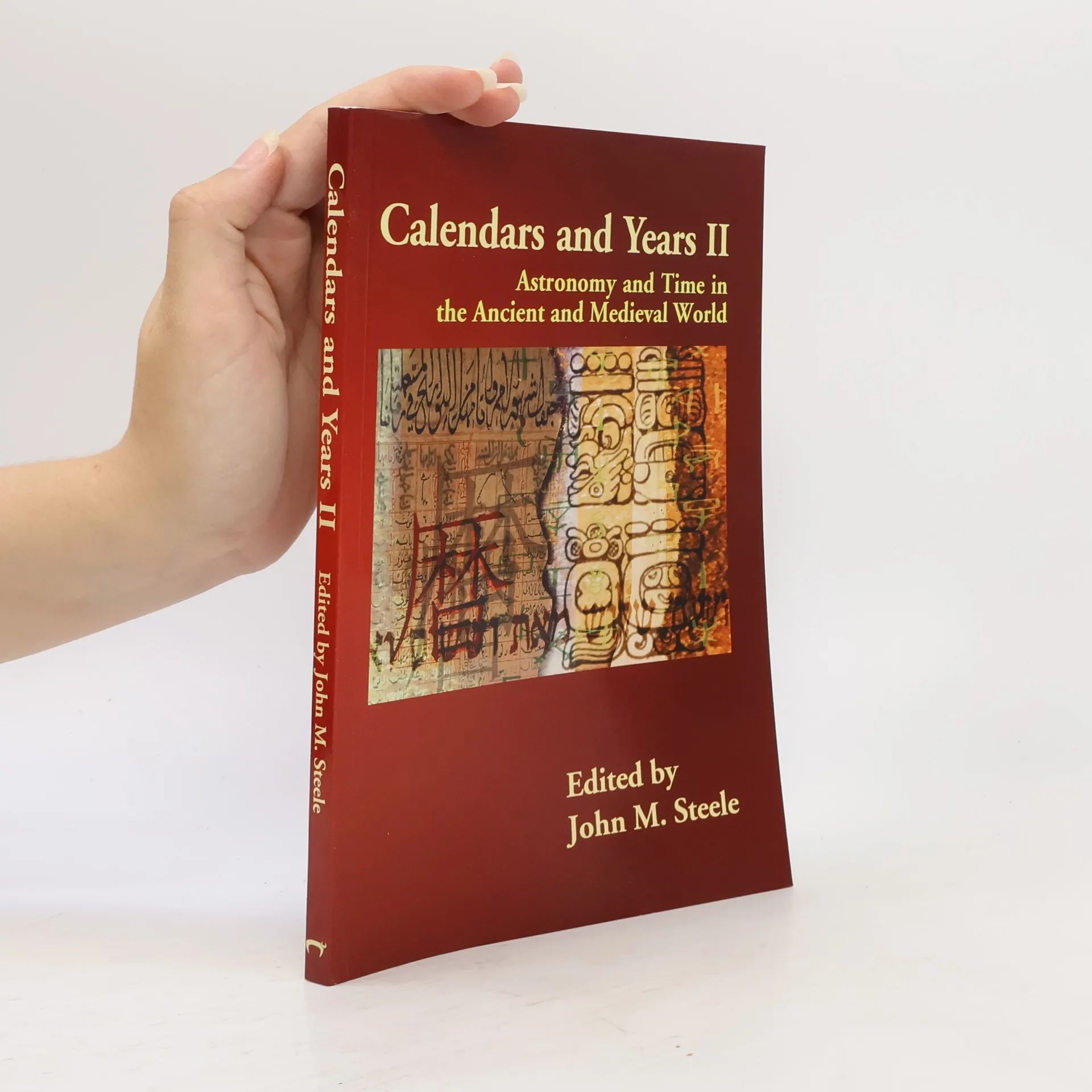
Understanding the calendars used by ancient and medieval cultures is essential to the writing of history. Equally important, however, is understanding the basis upon which our current knowledge of these calendars rests. This second volume of Calendars and Years explores the calendars of ancient and medieval China, India, the ancient Jewish world, the medieval Islamic world, and the Maya. Particular attention is given to the preserved evidence on which our understanding of these calendars lie, the modern historiography of their study, and the role of calendars in ancient and medieval society. Topics covered include the origin of the Chinese sexagenary cycle, evidence for the 364-day year in the ancient Jewish world, and the history of attempts to establish a correlation between Mayan dates and the Julian and Gregorian calendars. 176p, b/w illus (Oxbow Books 2011) Praise for Volume I: "Steele has assembled an essential foundation for the further study of calendariography and chronography in the ancient Near East and Egypt." Francesca Rochberg Journal for the History of Astronomy (November 2008) "It is a book from which there are absolute nuggets of incredible information to be mined." Peter A Clayton
John M. Steele Bücher
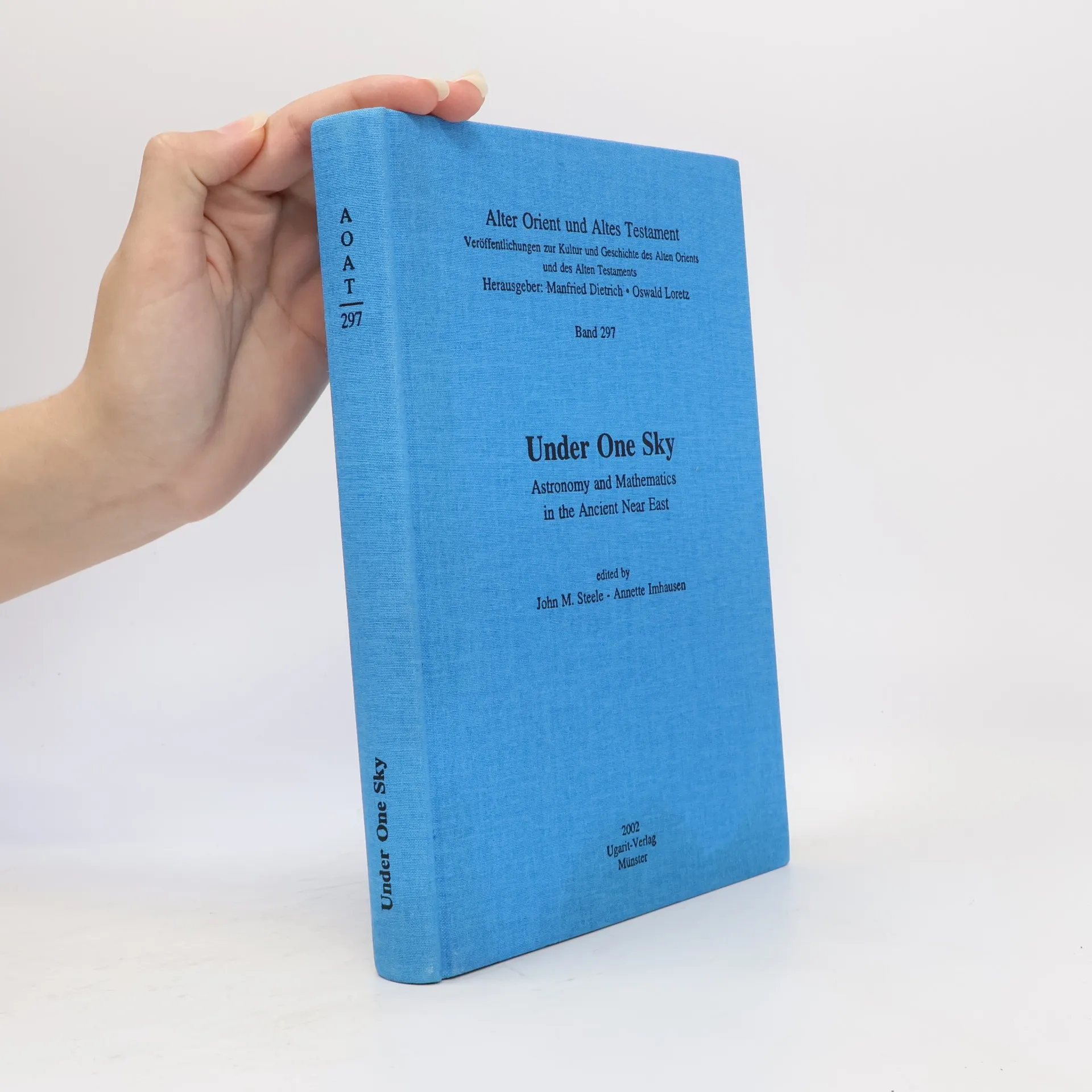
26 revised and expanded contributions to a conference that took place at the British Museum, June 2001. The authors examine the many interdependencies of Egyptian and Mesopotamian astronomy and mathematics.
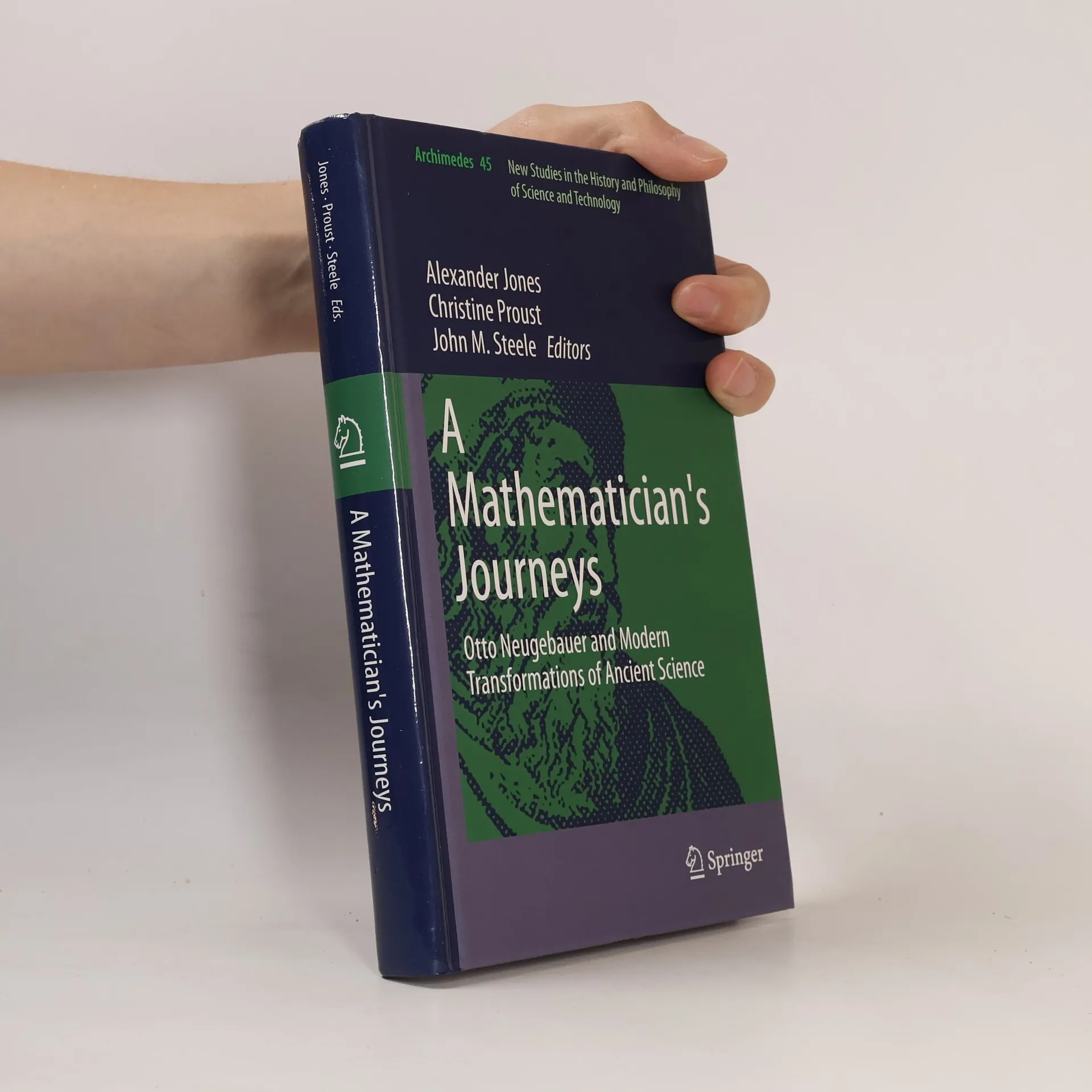
Archimedes - 45: A Mathematician's Journeys
Otto Neugebauer and Modern Transformations of Ancient Science
- 353 Seiten
- 13 Lesestunden
This book examines Otto Neugebauer's influential career in mathematics and his lasting impact on the history of science. It highlights his innovative approach to ancient and medieval mathematics and astronomy, emphasizing the interconnectedness of knowledge across cultures from the ancient Near East to India.