

Bookbot

Dmitri Siegel

    Graphic Design Theory
    So finden Sie Ihren Weg als Grafikdesigner: Aktualisierte und erweiterte Neuausgabe
    • Gerade nach Abschluss des Studiums sind Designer oft ratlos: Wohin soll die berufliche Reise nur gehen? Gerüstet mit den handwerklichen Fähigkeiten und der eigenen Kreativität steht die Marschroute längst noch nicht fest. In diesem Band wird all das Wissen vermittelt, welches in der Ausbildung kaum oder gar nicht zur Sprache kommt: Wie finde ich einen Job? Ist die Selbständigkeit für mich eine Option? Wie führe ich ein Studio? Wie vermarkte ich mich selbst? Wie gelingt mir der erfolgreiche Umgang mit Kunden? Und vor allen Dingen: Wie verkaufe ich Kreativität und nicht mich selbst? Erst nach Lektüre dieses praxis- und lebensnahen Wegweisers, der durch Interviews mit renommierten Designern die unterschiedlichen Themen untermauert, ist man wirklich fit und gestärkt für den beruflichen Alltag.

      So finden Sie Ihren Weg als Grafikdesigner: Aktualisierte und erweiterte Neuausgabe2011
    • Graphic Design Theory

      • 151 Seiten
      • 6 Lesestunden

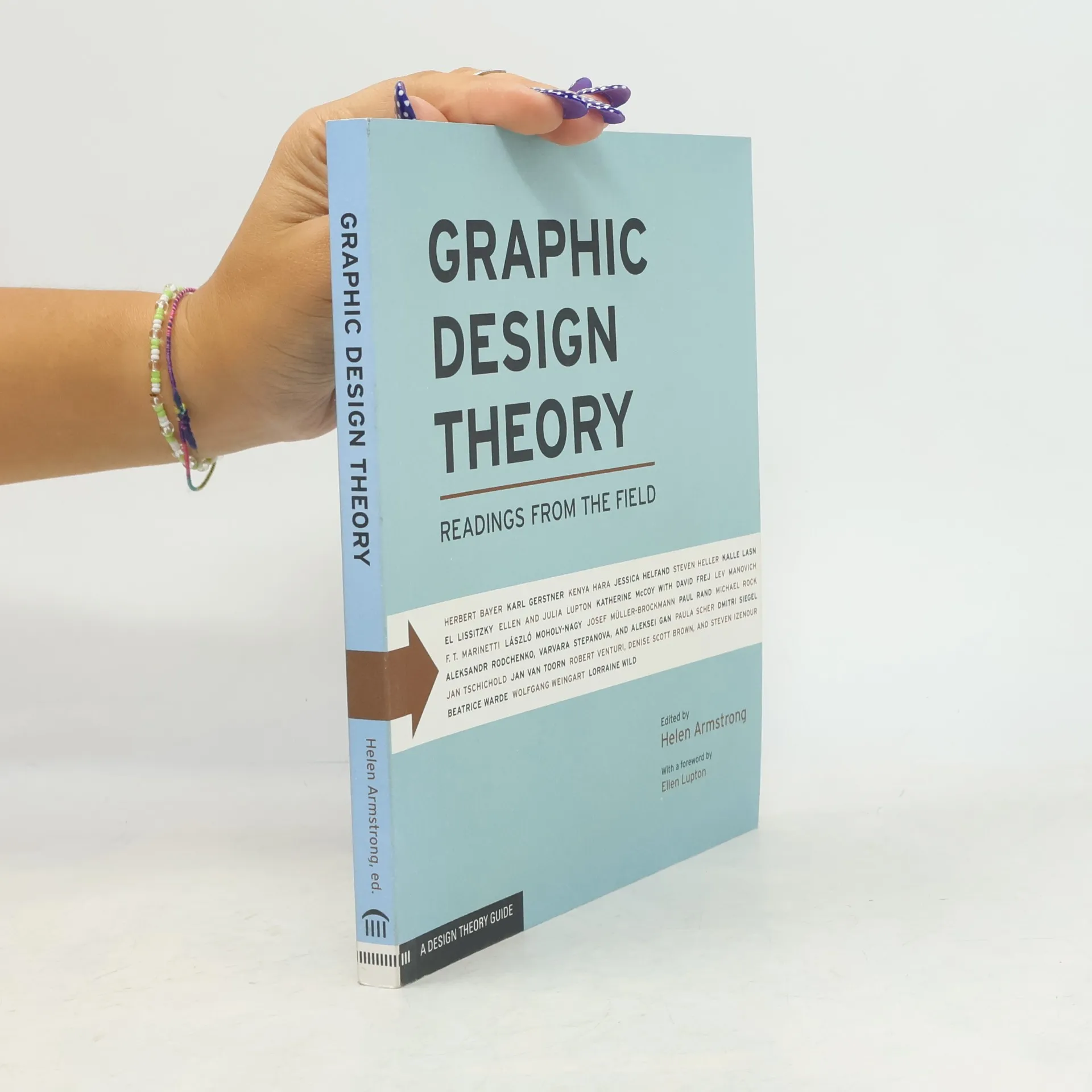
      Graphic Design Theory presents groundbreaking, primary texts from the most important historical and contemporary design thinkers. From Aleksandr Rodchenko’s "Who We Are: Manifesto of the Constructivist Group" to Kenya Hara’s "Computer Technology and Design," this essential volume provides the necessary foundation for contemporary critical vocabulary and thought. Graphic Design Theory is organized in three sections: "Creating the Field" traces the evolution of graphic design over the course of the early 1900s, including influential avant-garde ideas of futurism, constructivism, and the Bauhaus; "Building on Success" covers the mid- to late twentieth century and considers the International Style, modernism, and postmodernism; and "Mapping the Future" opens at the end of the last century and includes current discussions on legibility, social responsibility, and new media. Striking color images illustrate each of the movements discussed and demonstrate the ongoing relationship between theory and practice. A brief commentary prefaces each text, providing a cultural and historical framework through which the work can be evaluated.

      Graphic Design Theory2009