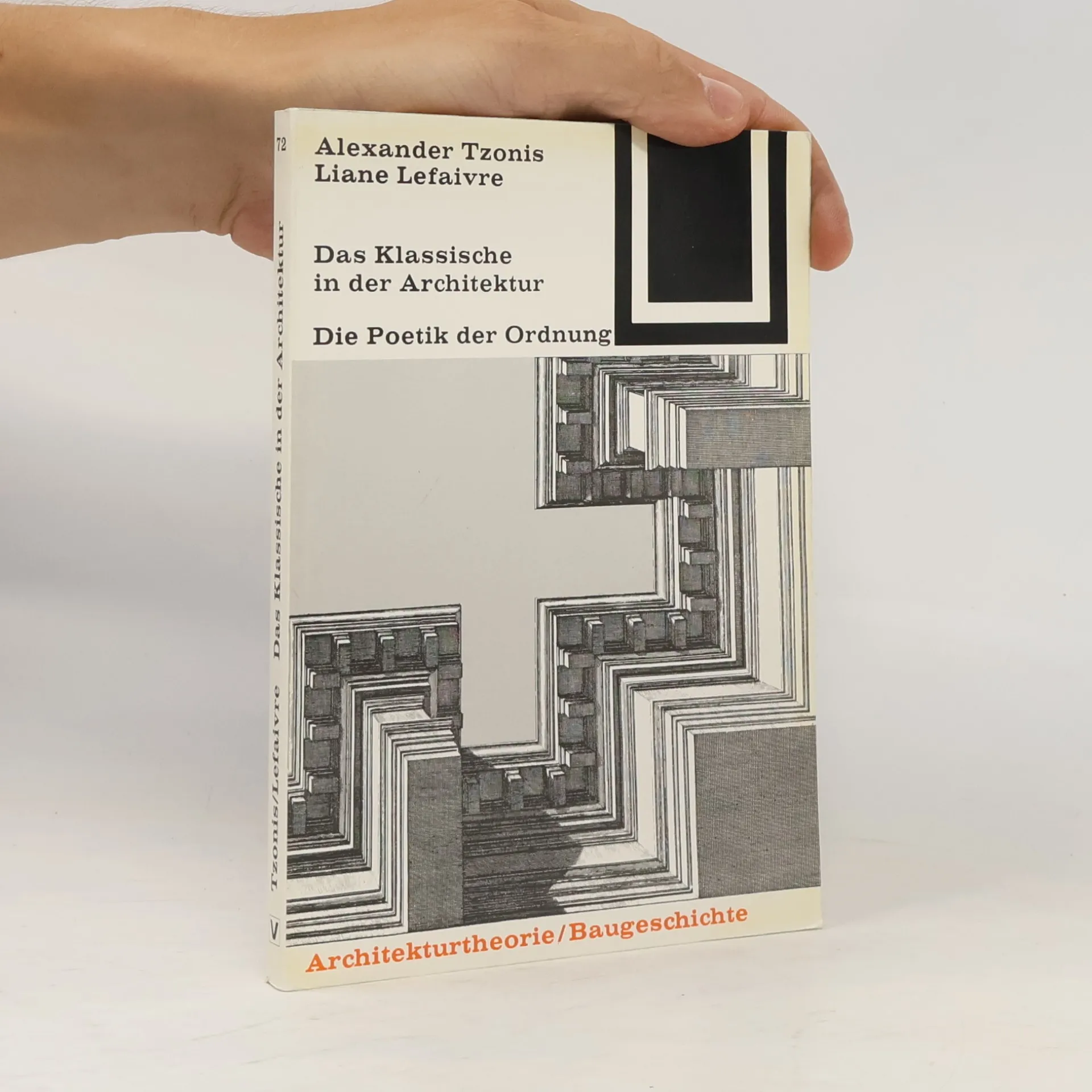
InhaltsverzeichnisZur deutschen Ausgabe.Einführung: Logos Optikos.1 Die Kompositionsregeln.Taxis.Genera.Symmetrie.2 Anthologie.Architektonisches Skandieren.Parataxis, die architektonische Parade.3 Warum das Klassische?.Entaxis, Konfrontationen und Konflikte.Das kritisch Klassische und seine tragische Funktion.Auswahlbibliographie.Bildquellen.
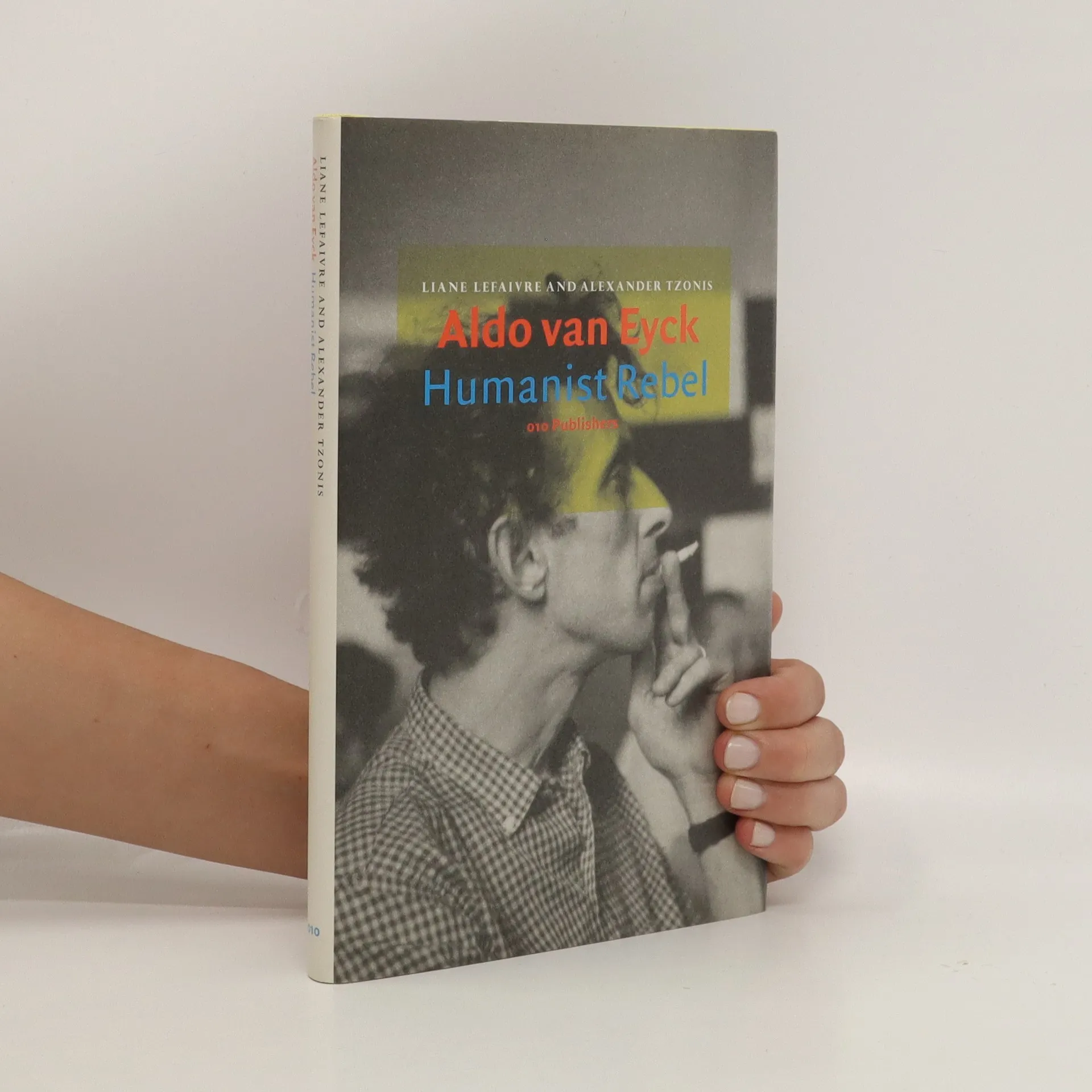
One of the most influential architects of his time, van Eyck had an immediate impact on the buildings of the fifties and sixties. For half a century, van Eyck composed manifestoes, crafted images, and created structures that shaped the critical sensibilities of his contemporaries, a rebel advancing some of the most creative design ideas of this century.
Tropical Architecture presents a selection of essays by architectural historians and theoreticians on key issues in tropical architecture today. Alongside these are examples of work (both architectural and urbanist) from leading tropical architecture practitioners - including emerging practitioners and established architectural stars. Contributors include Ken Yeang, Michael Pearce, Charles Correa and many more.
Climbing frames, arches, igloos, tumbling bars, jumping stones, and climbing walls all found their way into unsightly wastelands and boring squares thanks to the visionary help of architect Aldo van Eyck, who transformed urban spaces in Amsterdam into more than 700 playgrounds between 1947 and 1978. Beyond the sites' spatial designs, van Eyck also developed a whole series of sandpits, climbing frames, and other equipment in his radical, charming recreation of the city into a space for play. This book considers the importance of the playground in general and more specifically within the international postwar developments in city planning. Van Eyck's sources of inspiration, from Kurt Schwitters to Jacoba Mulder, are surveyed. The playgrounds themselves are examined on the basis of how they were received at the time of construction, through letters from neighborhood residents, memoranda by public officials, and the reactions of contemporary architects. A separate essay traces what happened to the playgrounds after 1978, and how van Eyck's ideas resonate in the design practices and spatial planning policy of today.