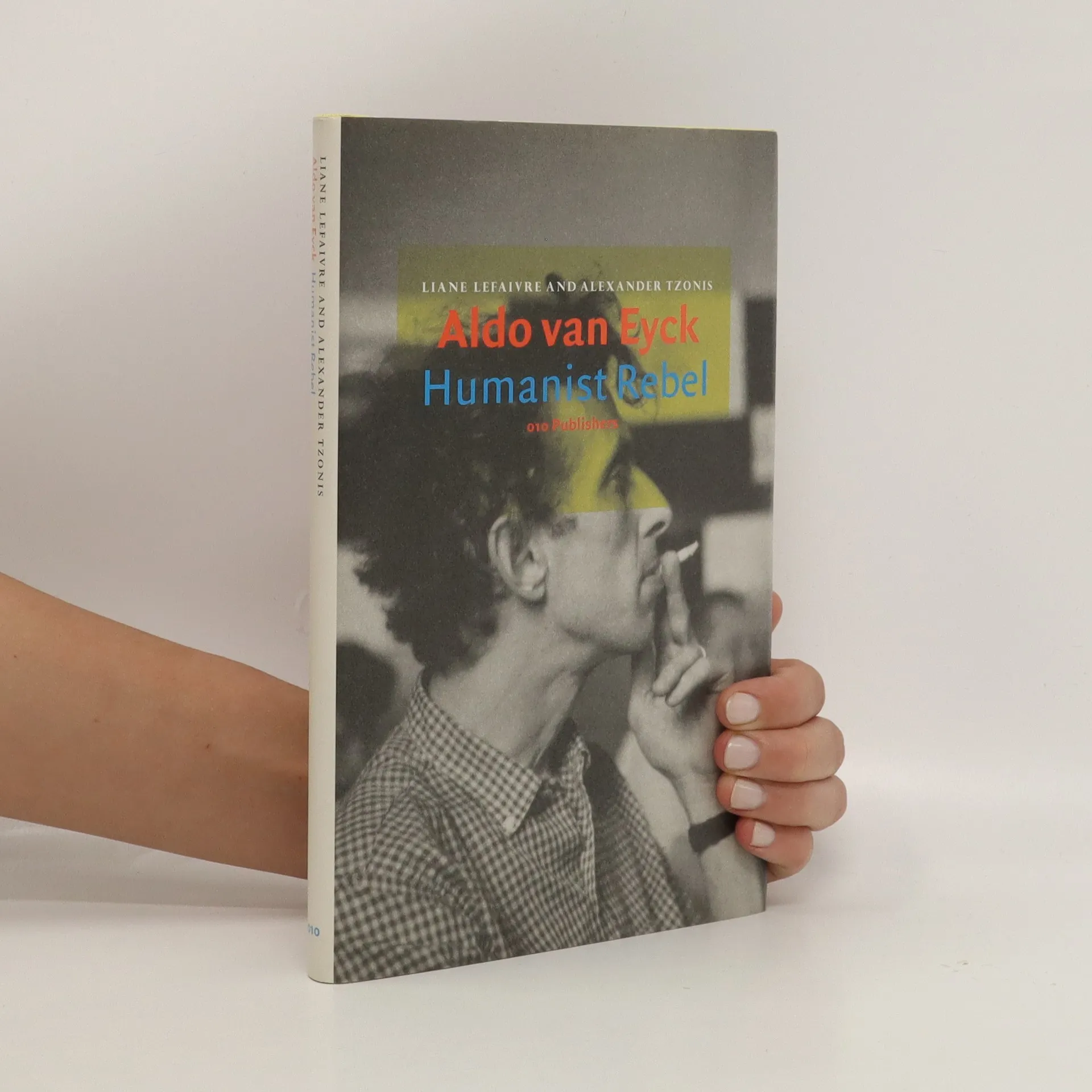
One of the most influential architects of his time, van Eyck had an immediate impact on the buildings of the fifties and sixties. For half a century, van Eyck composed manifestoes, crafted images, and created structures that shaped the critical sensibilities of his contemporaries, a rebel advancing some of the most creative design ideas of this century.
Die 1969 von Aldo van Eyck erbaute Pastoor van Ars-Kirche in Den Haag ist einer der wenigen bedeutenden Kirchenbauten der zweiten Hälfte des 20. Jahrhunderts. Dieses Buch beleuchtet die einzigartigen architektonischen und räumlichen Qualitäten des Gebäudes. Obwohl er selbst nicht katholisch war, bemühte sich Van Eyck um den Bau eines authentischen und zeitgemäßen katholischen Gotteshauses. Zu diesem Zweck griff er auf die ursprüngliche Typologie der frühchristlichen Basilika zurück, deren Bestandteile er in die neue Raumauffassung der Avantgarde des 20. Jahrhunderts einfügte, insbesondere in die dynamische Ordnung der Archetypen von Mondrian und Brancusi. Der Autor, der bereits eine umfangreiche Monografie über die Ideen und das Werk des niederländischen Architekten verfasst hat, widmet dem intensiven Entwurfsprozess besondere Aufmerksamkeit, den er anhand von mehr als hundert Entwurfsskizzen aus dem Van Eyck-Archiv rekonstruiert. Ed.: Architecture Curating Practice npo.
Climbing frames, arches, igloos, tumbling bars, jumping stones, and climbing walls all found their way into unsightly wastelands and boring squares thanks to the visionary help of architect Aldo van Eyck, who transformed urban spaces in Amsterdam into more than 700 playgrounds between 1947 and 1978. Beyond the sites' spatial designs, van Eyck also developed a whole series of sandpits, climbing frames, and other equipment in his radical, charming recreation of the city into a space for play. This book considers the importance of the playground in general and more specifically within the international postwar developments in city planning. Van Eyck's sources of inspiration, from Kurt Schwitters to Jacoba Mulder, are surveyed. The playgrounds themselves are examined on the basis of how they were received at the time of construction, through letters from neighborhood residents, memoranda by public officials, and the reactions of contemporary architects. A separate essay traces what happened to the playgrounds after 1978, and how van Eyck's ideas resonate in the design practices and spatial planning policy of today.