

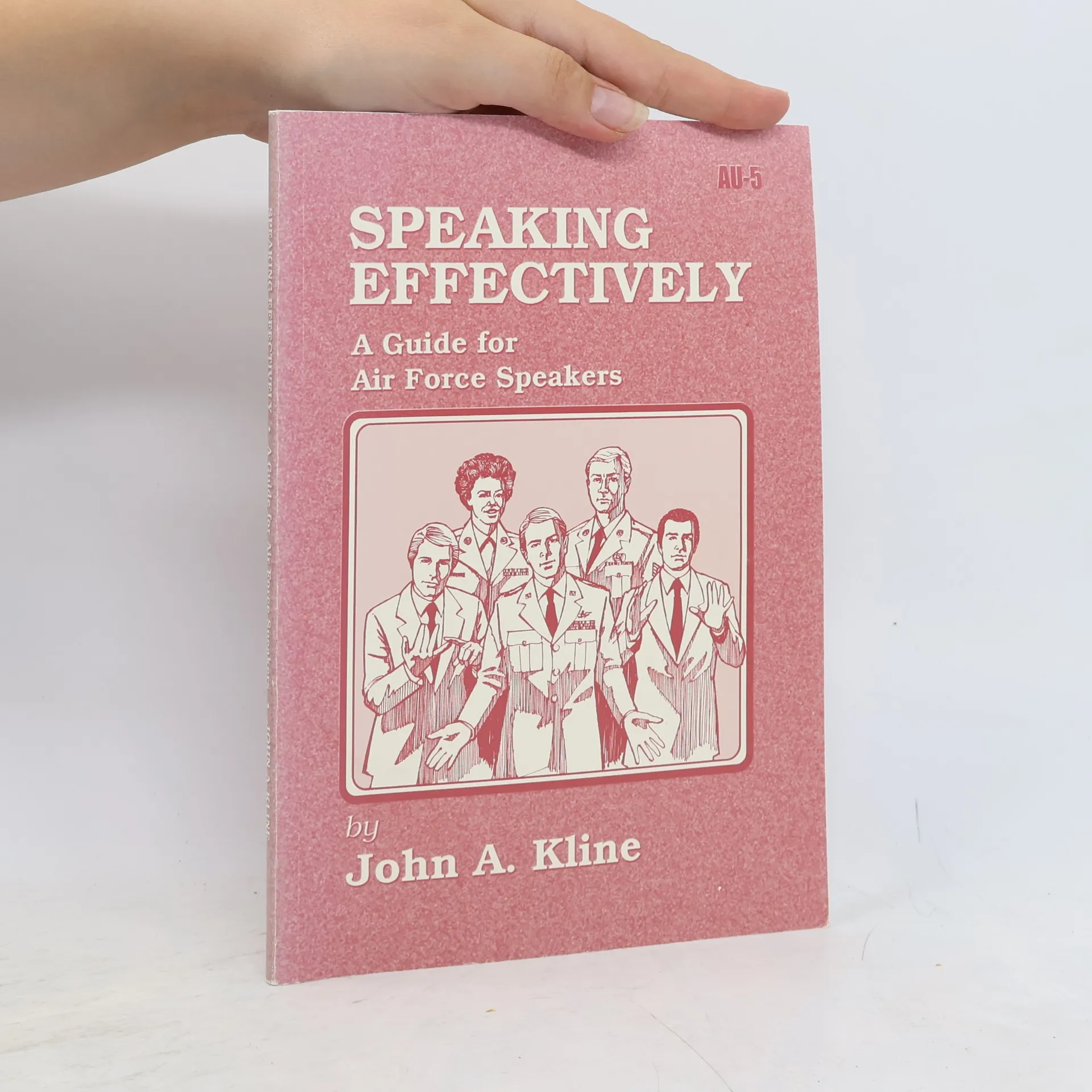
Dr. Kline's "Speaking Effectively" is an essential resource for anyone facing speaking situations. It offers hints, anecdotal examples, and the wisdom accumulated from decades of experience. Highly regarded in government, religious, and corporate circles, Dr. Kline is known for his ability to help anyone communicate more effectively, blending expertise with entertainment. First published in 1989 and now in its fourth printing, the book teaches speakers in the Air Force and other federal agencies how to captivate an audience. It guides readers step-by-step through the stages of developing and delivering briefings, lectures, and speeches, from preparation to presentation. Key principles include speaking clearly, at the right pace and volume, and understanding nonverbal cues, which can significantly impact a presentation. The content is organized chronologically, covering preparation, organization, support material selection, and effective openings and closings. While the book addresses variations for different types of Air Force speaking—briefings, teaching lectures, and formal speeches—the principles and techniques are applicable in all speaking contexts. It is designed for officers, enlisted personnel, and civilians who must communicate effectively in their daily Air Force roles.
John A. Kline Bücher
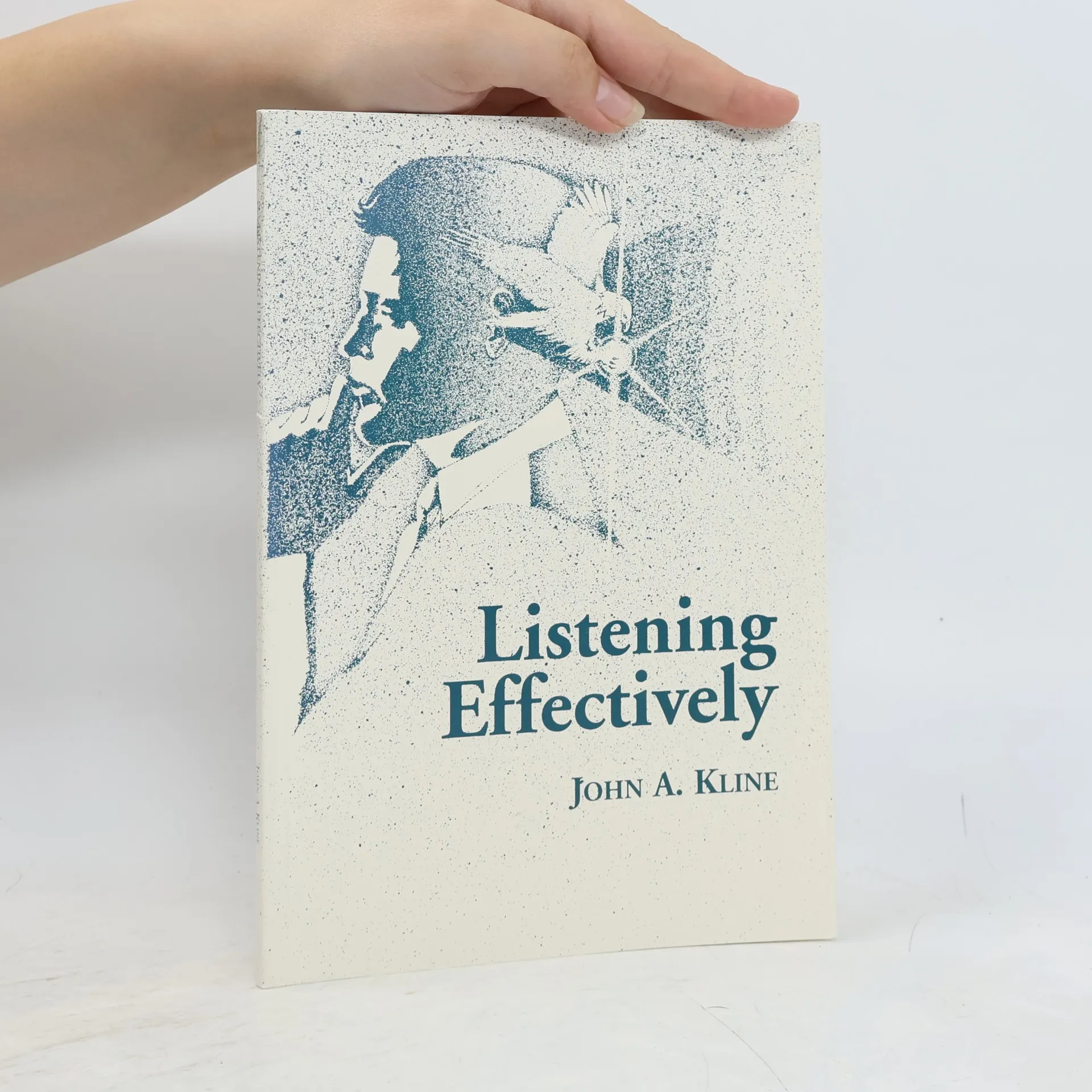
Listening Effectively
- 59 Seiten
- 3 Lesestunden
Listening Effectively offers a practical approach to enhancing listening skills, emphasizing that anyone can improve in this area. The first chapter establishes the necessity for better listening, highlighting that few individuals have received formal training in this skill, supported by real-life examples. The second chapter addresses common misconceptions about listening, challenging readers to reconsider their beliefs, which may be difficult for some. The third chapter outlines the listening process, detailing five essential steps: receiving, attending, understanding, responding, and remembering, with examples to illustrate each step. The fourth chapter categorizes the five types of listening—informative, relationship, appreciative, critical, and discriminative—while stressing the importance of adapting to different listening contexts. The final chapter provides guidelines for effective listening, exploring the interplay between thoughts, feelings, and actions related to listening. This book aims to equip readers with the tools necessary to become better listeners, ultimately enhancing their communication skills and relationships.