Bookbot

Alexis Vaillant

    Barbara Visser
    Options With Nostrils
    • Options With Nostrils

      • 272 Seiten
      • 10 Lesestunden

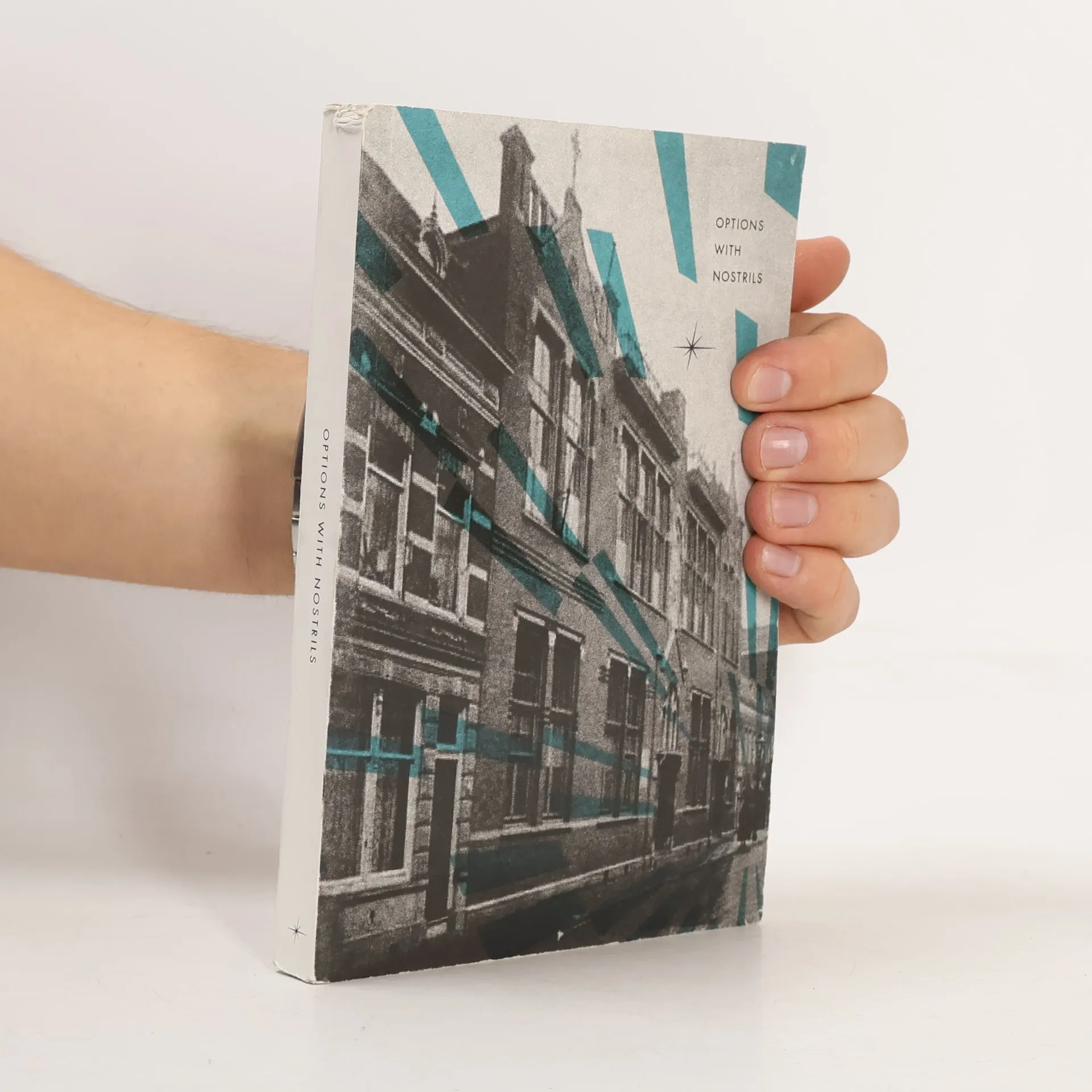
      Options with Nostrils brings together a collection of previouslyunpublished essays, both theoretical and visual, by artists, curators anda group of post-graduates from the Fine Art program at Piet ZwartInstitute in Rotterdam, who together founded the Office for the Unknown.The writings investigate notions of the unpredictable and theunknown while looking at ways in which these notions enable a criticalview on conditions of art making within the context of the present.Mirroring the process, this volume presents a chaos of ideas.Labyrinthine in structure and outlook, Options with Nostrils aims todestabilize the belief that there is an order of things in responseto which the artist holds a decisive position. Because, as Sarat Maharajhas said, ''The artist has an unknowability: the ability to unknow.''Featured contributors include Anthony Huberman, RaimundasMalasauskas, Linda Quinlan plus many more.
      Options With Nostrils
    • Barbara Visser

      • 240 Seiten
      • 9 Lesestunden

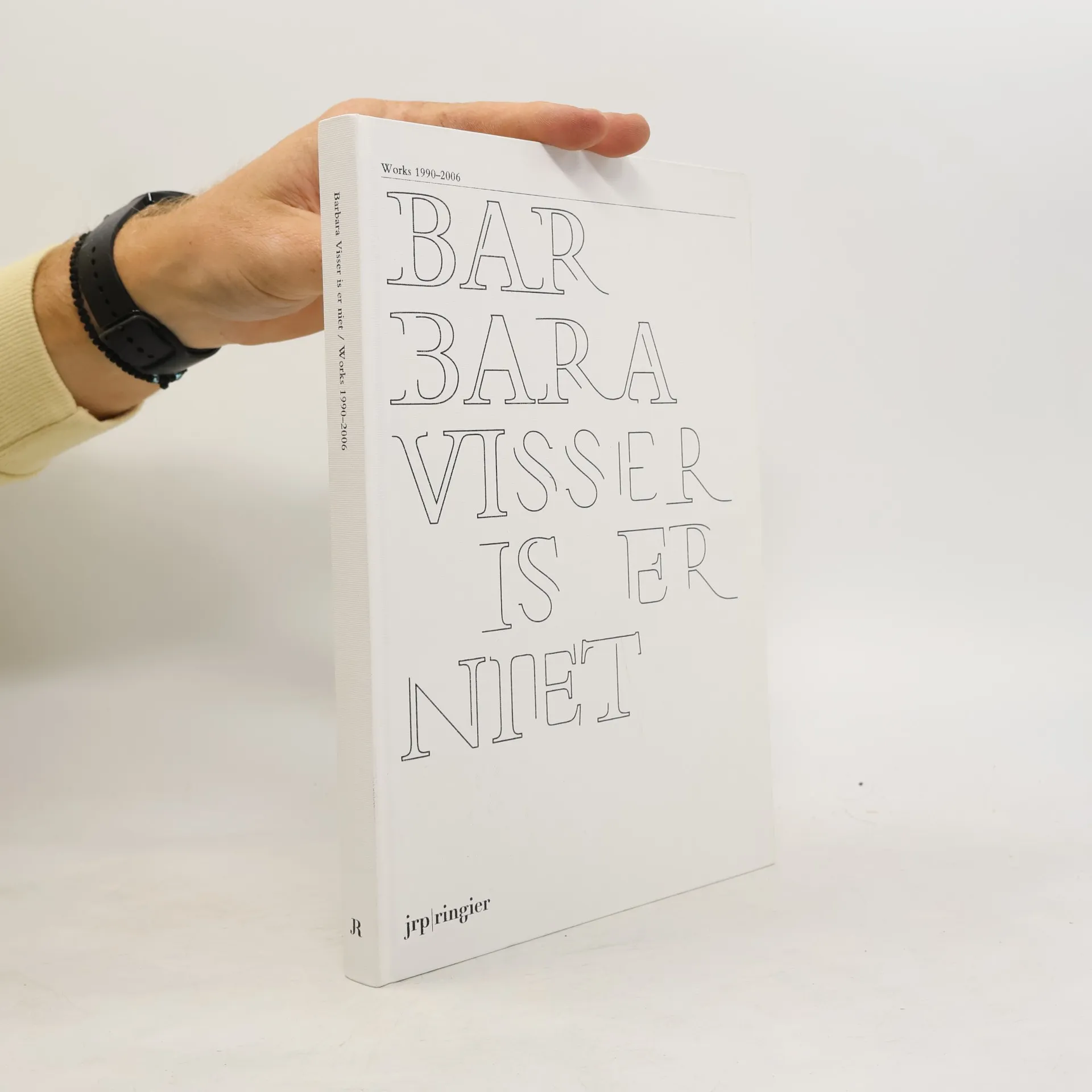
      The title of this first comprehensive monograph on the respected Dutch conceptual artist comes from the outgoing message on Visser's answering machine. An online program translated the message as, "Barbara fisherman are not there." More realistically, it translates, "Barbara Visser ain't here." In any case, Visser's sometimes humorous, always vivid works are occupied with the uncertain relationship between registration and dramatization, between notions of the original and the copy, the natural versus the staged, and the tension between documentary and fiction. Spanning a wide variety of media and formats, including video, computer animation, photography and performance, Visser's takes an incisive look at "civilized" man and the objects he surrounds himself with--whether savaged Eames chairs or lonely, isolated wigs. Separated into two distinct sections, text and image, the book lends itself to multiple interpretations, allowing the reader to access his or her own memories and associations.

      Barbara Visser