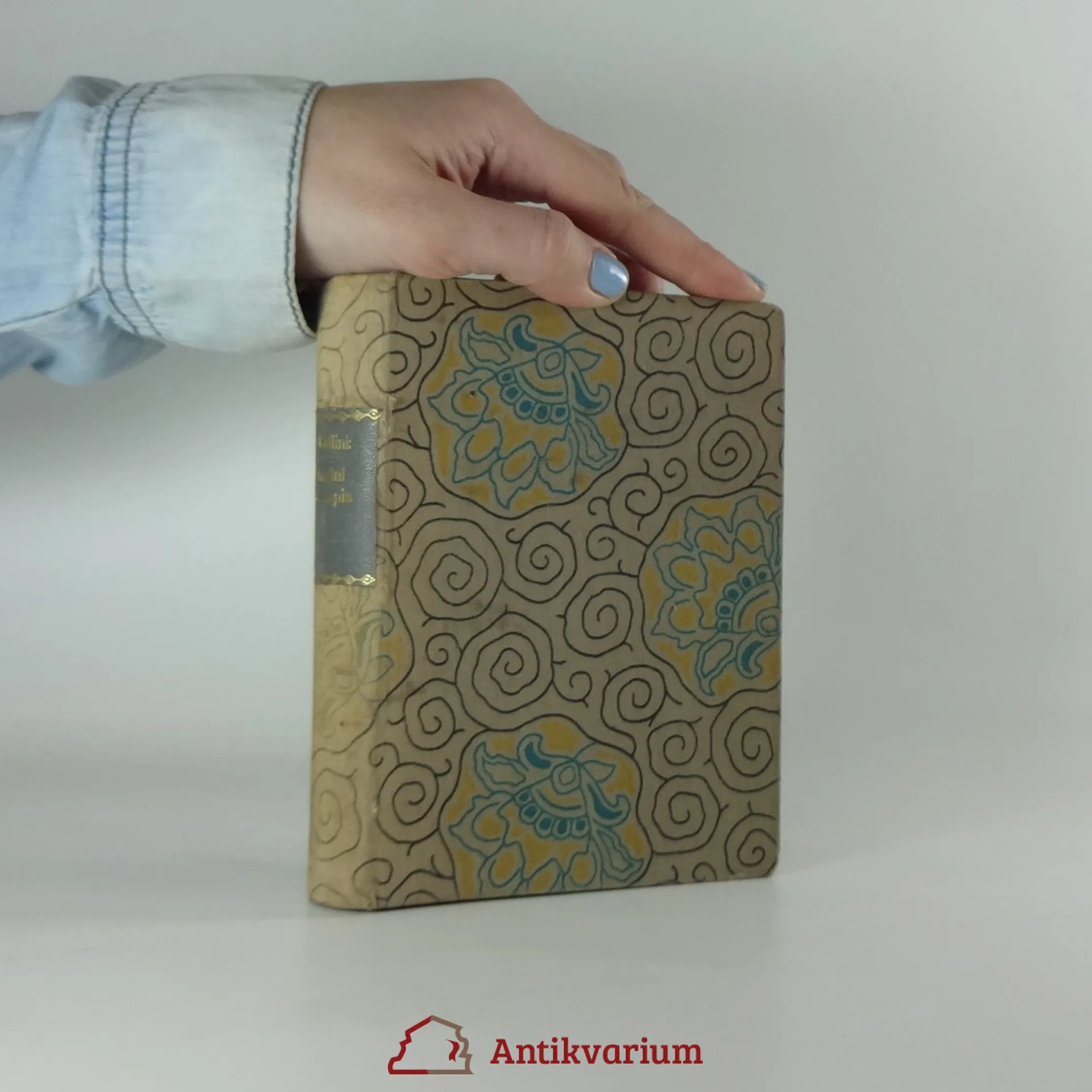
Johann Wolfgang Goethe, am 28. August 1749 in Frankfurt am Main geboren, absolvierte ein Jurastudium und trat dann in den Regierungsdienst am Hof von Weimar ein. 1773 veröffentlichte er Götz von Berlichingen (anonym) und 1774 Die Leiden des jungen Werthers. Es folgte eine Vielzahl weiterer Veröffentlichungen, zu den berühmtesten zählen Italienische Reise (1816/1817), Wilhelm Meisters Lehrjahre (1798) und Faust (1808). Johann Wolfgang Goethe starb am 22. März 1832 in Weimar. Johann Wolfgang Goethe, am 28. August 1749 in Frankfurt am Main geboren, absolvierte ein Jurastudium und trat dann in den Regierungsdienst am Hof von Weimar ein. 1773 veröffentlichte er Götz von Berlichingen (anonym) und 1774 Die Leiden des jungen Werthers. Es folgte eine Vielzahl weiterer Veröffentlichungen, zu den berühmtesten zählen Italienische Reise (1816/1817), Wilhelm Meisters Lehrjahre (1798) und Faust (1808). Johann Wolfgang Goethe starb am 22. März 1832 in Weimar.
Benvenuto Cellini Bücher


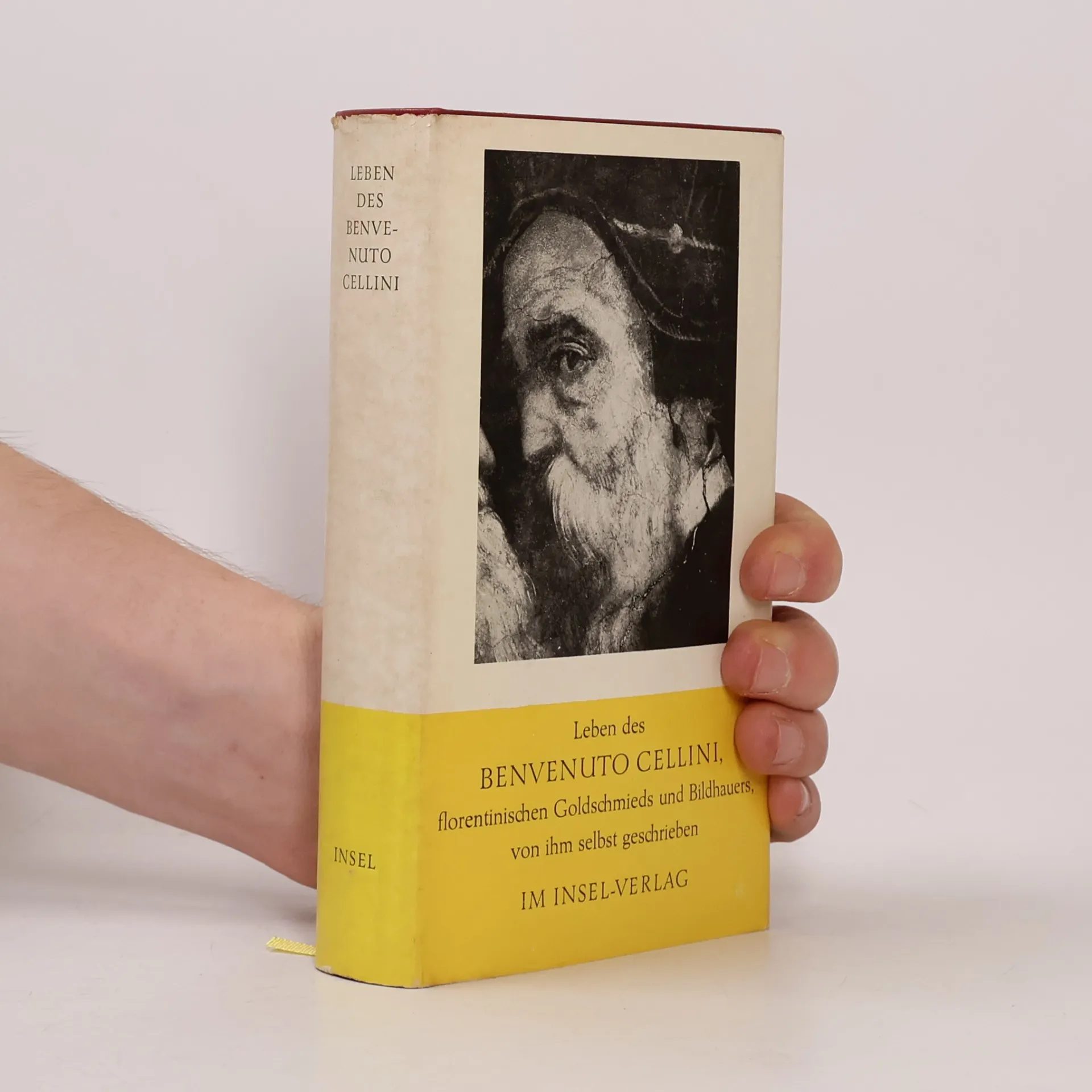
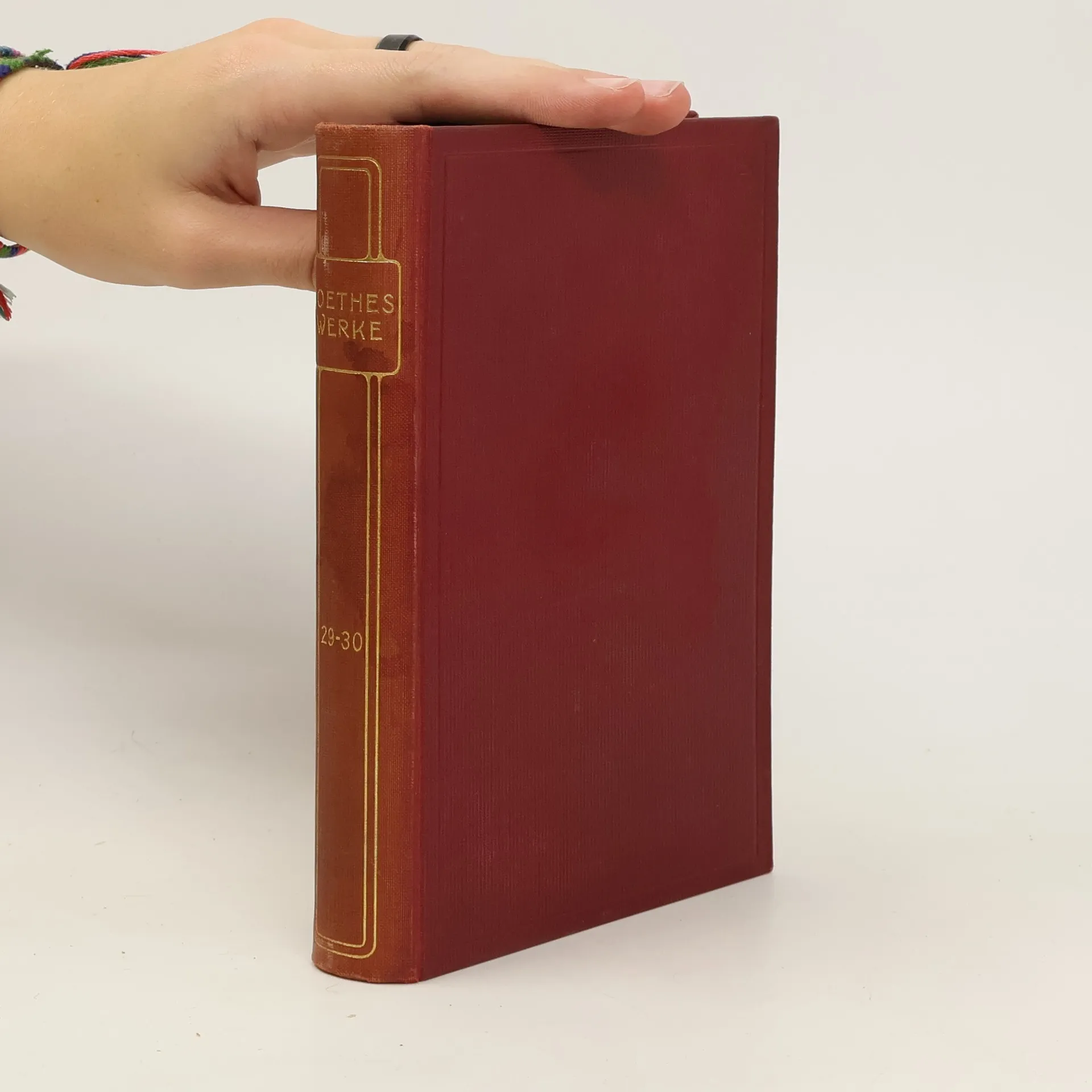
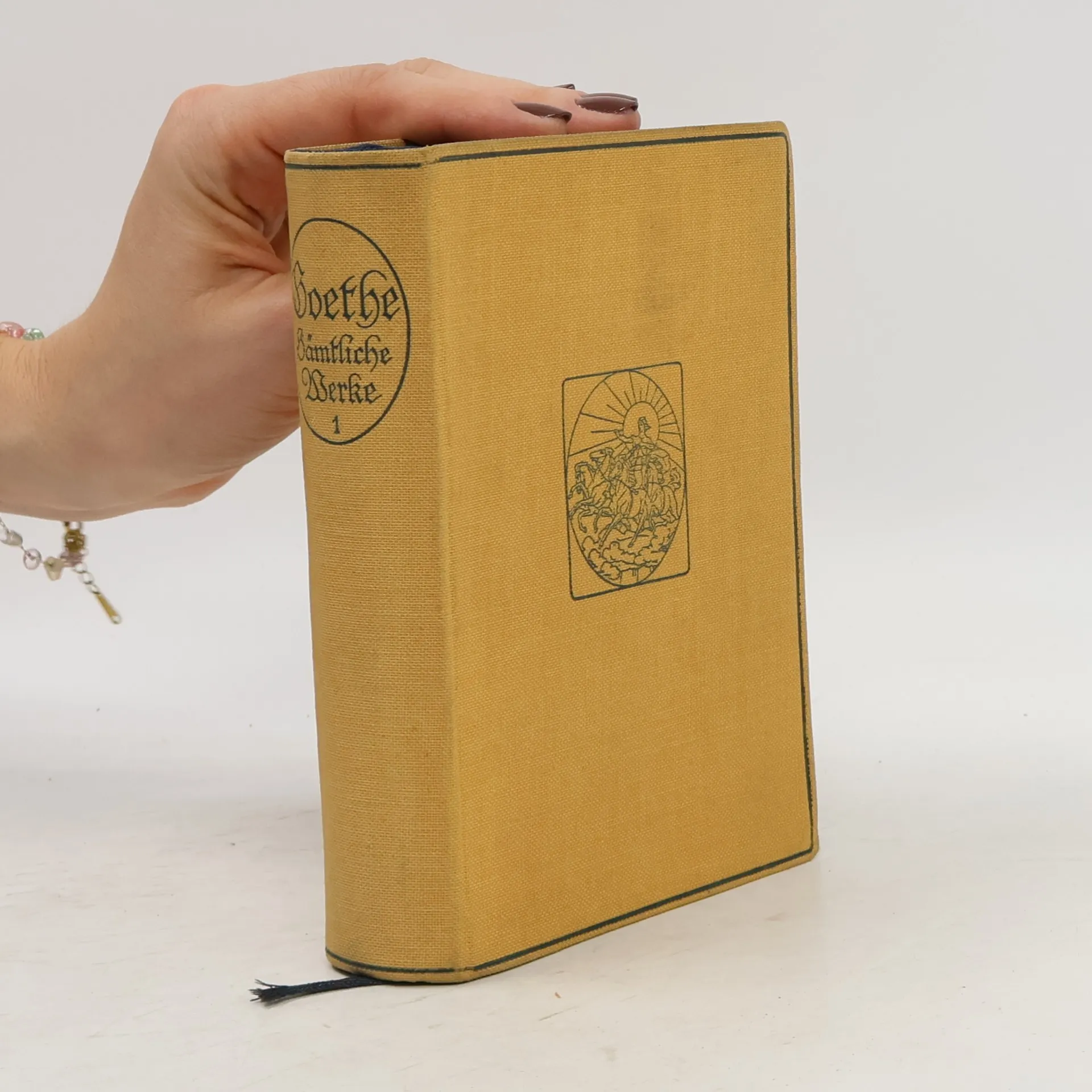
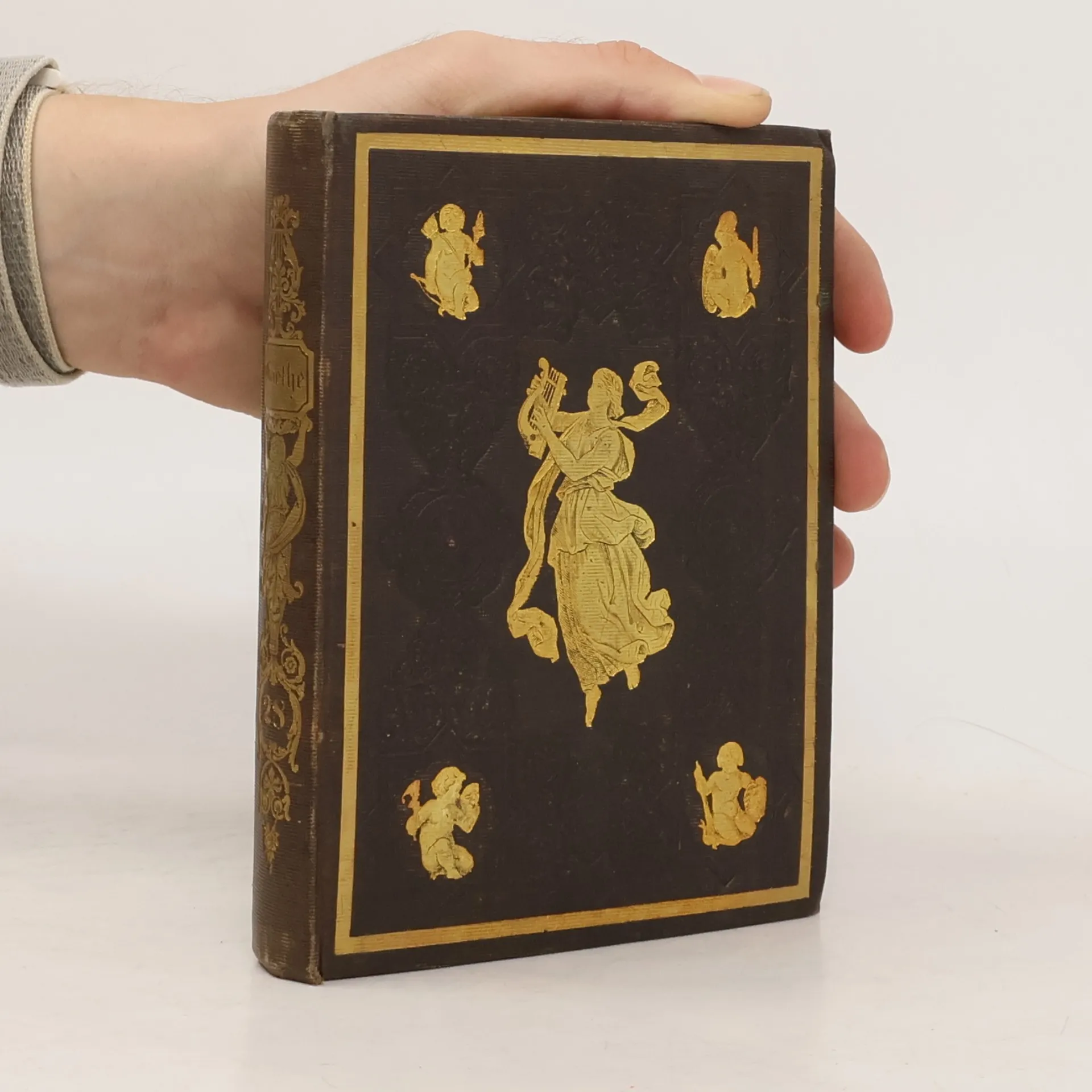
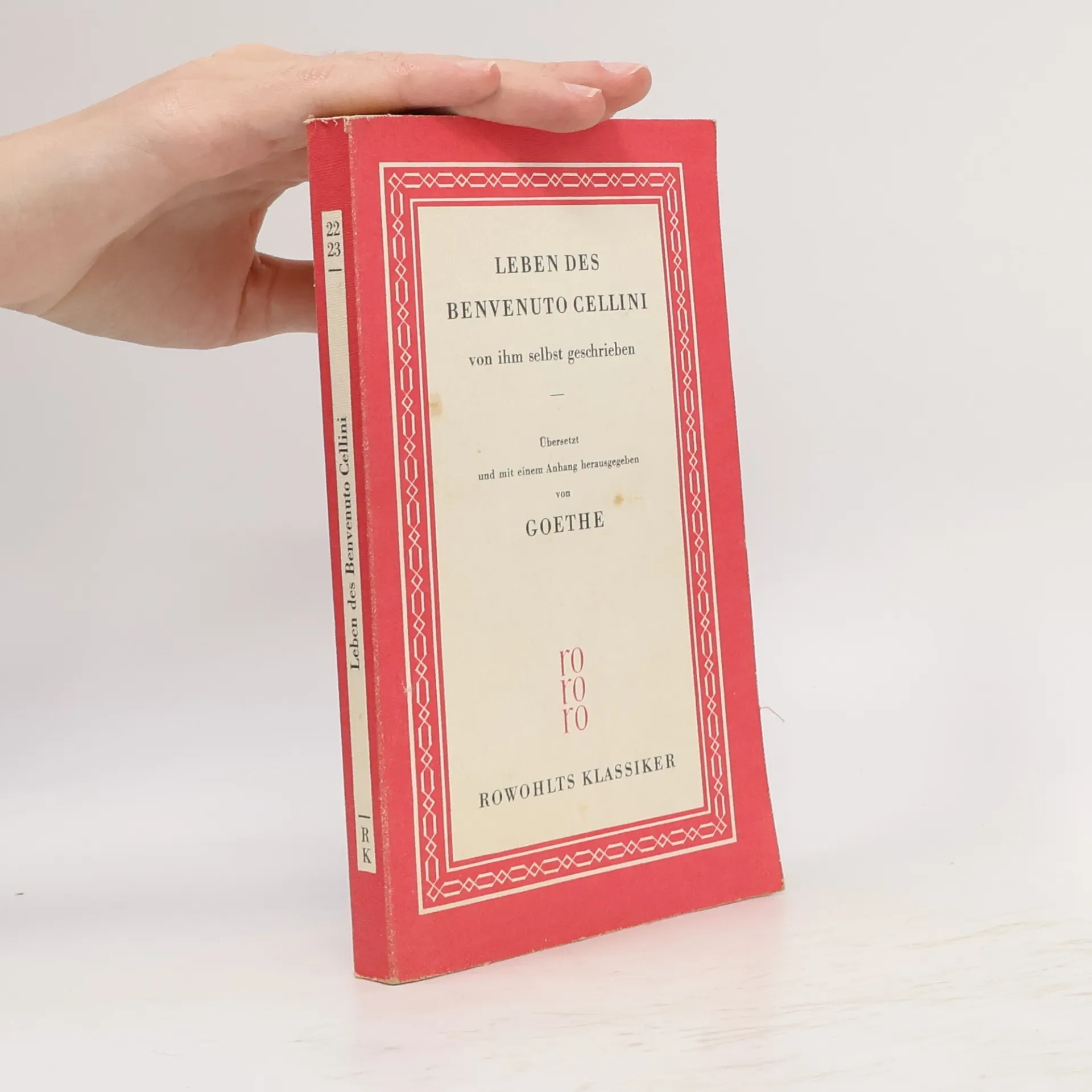
Leben des Benvenuto Cellini
florentinischen Goldschmieds und Bildhauers von ihm selbst geschrieben
Goethes Übersetzung der Autobiografie Benvenuto Cellinis bietet einen faszinierenden Einblick in das Leben eines der bedeutendsten Künstler des Manierismus. Cellinis abenteuerliches Leben, geprägt von Mordanklagen und Begegnungen mit Größen wie Michelangelo, ist eine spannende Mischung aus Kunst, Geschichte und Abenteuer.
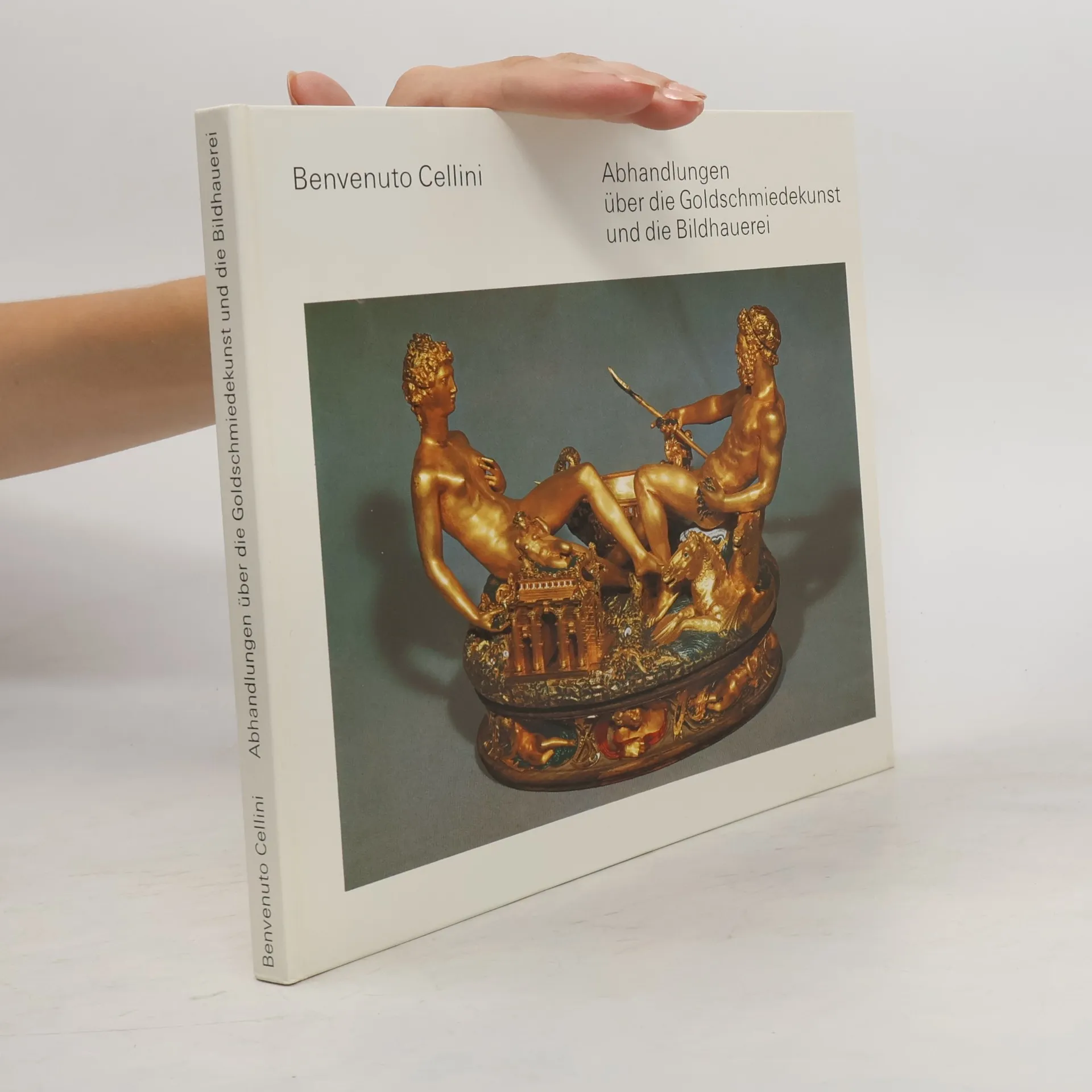
Traktate über die Goldschmiedekunst und die Bildhauerei
- 208 Seiten
- 8 Lesestunden
Benvenuto Cellini, der bedeutendste Goldschmied der italienischen Renaissance, hat seine Werkstatterfahrungen auf den Gebieten der Goldschmiedekunst und der Bildhauerei in den Trattati dell’Oreficeria e della Scultura festgehalten. Im Jahr 1568 wurde das Manuskript abgeschlossen, aber bis heute sind die Trattati sogar in Italien ziemlich unbekannt geblieben. In der vorliegenden deutschen Ausgabe wird das Gesamtwerk der Traktate über die Goldschmiedekunst und die Bildhauerei als Werkstattbuch aufgefaßt und kommentiert. Auf anschauliche Weise wird der Leser mit den Arbeitstechniken des 16. Jahrhunderts bekannt gemacht. Restauratoren, Goldschmiede, Bildhauer und alle kunsthistorisch Interessierten, werden die Entstehung von Meisterwerke der Renaissance besser verstehen können.
Leben des Benvenuto Cellini
nummerierte Ausgabe
The Life of Benvenuto Cellini: A Florentine Artist
- 338 Seiten
- 12 Lesestunden
This memoir by the Italian sculptor and goldsmith Benvenuto Cellini (1500-1571) is one of the great works of Renaissance literature. It recounts Cellini's adventurous life, including his travels throughout Italy and France, his imprisonment in Rome, and his friendships with the likes of Michelangelo and Francis I. It also offers fascinating insights into the artistic methods and aesthetics of the time, and remains a classic of autobiography and art history.
This book is a reproduction of a historical work, presented in large print for accessibility. It is published by Megali, a publishing house dedicated to making literature more readable for individuals with impaired vision. The focus on large print enhances the reading experience, ensuring that important historical texts remain available to a wider audience.
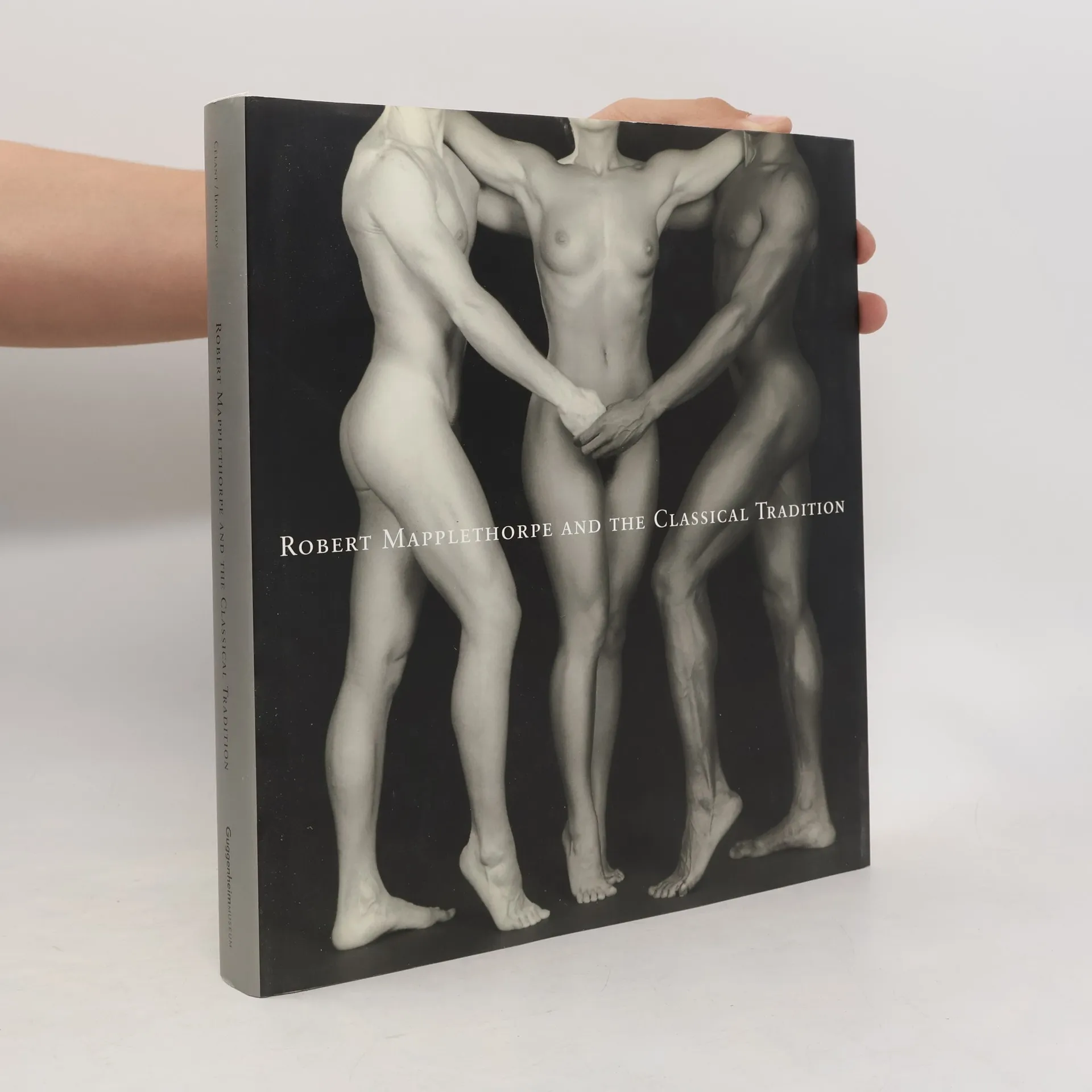
Robert Mapplethorpe And The Classical Tradition
- 208 Seiten
- 8 Lesestunden
Robert Mapplethorpe's fascination with the human figure is vividly captured in his iconic black-and-white photographs, which celebrate the beauty of the athletic and nude body. This exhibition and its catalogue delve into the interplay between Mapplethorpe's photography and Classical art, particularly Mannerist engravings and sculpture. It marks a significant collaboration between the Guggenheim Museum and the State Hermitage Museum. The exhibition highlights Mapplethorpe's connection to Mannerist art, showcasing how his subjects embody classicism through their clarity and dynamic energy. His portrayal of love and Eros resonates with the Mannerist works displayed, drawing parallels between his portraits of models like bodybuilder Lisa Lyons and the classical figures in pieces such as Jan Harmensz Muller's Sabine woman. The Hermitage's extensive collection of Italian art, featuring approximately 50 Mannerist works alongside Mapplethorpe's, enriches this exploration. Curatorial essays discuss the resurgence of Classicism across centuries, examining the shared obsessions of Mapplethorpe and the Mannerists. They also illuminate his artistic sensibility and interest in pure form and allegory, while tracing his complex relationship with art history, referencing figures like Jacques-Louis David and Auguste Rodin. The catalogue captures both the visual and intellectual dialogue between these artistic traditions.
Autobiografický román vynikajúceho renesančného umelca, sochára, zlatníka a klenotníka. Živo a hodnoverne opisuje dobu, v ktorej žil, boje o moc i svoje väzenie na Anjelskom hrade, kam ho uvrhol pápež.
Kniha působí neuměle, neliterárně, nevyrovnaně a právě proto je tak živá. Je plná autora, až domýšlivá v sebeobdivu člověka, jenž vykládá o sobě, o své práci, o lidech, s nimiž se potkal, i o těch, jež nenáviděl. Líčí jejich slabiny, vášně, věrolomnosti, zachycuje však i jejich okolí a podává tak bezděky podivhodnou zprávu o své době. Ve vzpomínkách, které italský zlatník a sochař 16. století nadiktoval na sklonku svého života, zachycuje s velkou živostí a upřímností nejen vlastní pestré životní osudy, ale i celkovou atmosféru neklidné doby. S bezprostředností vypráví o sobě, o své práci, o lidech, s nimiž se setkal a spřátelil, i o těch, které nenáviděl. Celliniho autobiografie je cenným pramenem pro studium renesance. Svoj Vlastní životopis (1558 - 1562) začal psát jako padesát osmiletý, po dokončení sochy Persea. Když mu však psaní nešlo lehce, v pokračování Životopisu Benvenuta Celliniho, které sám napsal, pokračoval jeho mladý pomocník, jemuž ho diktoval. Na rukopise, který je uložen v knihovně Laurenziane ve Florencii, jsou Celliniho vlastnoruční korektury. Další část rukopisu spálil, protože si byl vědom, že jeho lidová florentština nedosahuje úrovně učené literatury. Celliniho rukopis nakonec vyšel bez změn až v roce 1728 v Neapoli, do té doby toto jedinečné dílo kolovalo mezi čtenáři pouze v opisech. Dielo, které od svého vydání patří mezi světovou literaturu, představuje unikátní památník doby, umění a lidí.
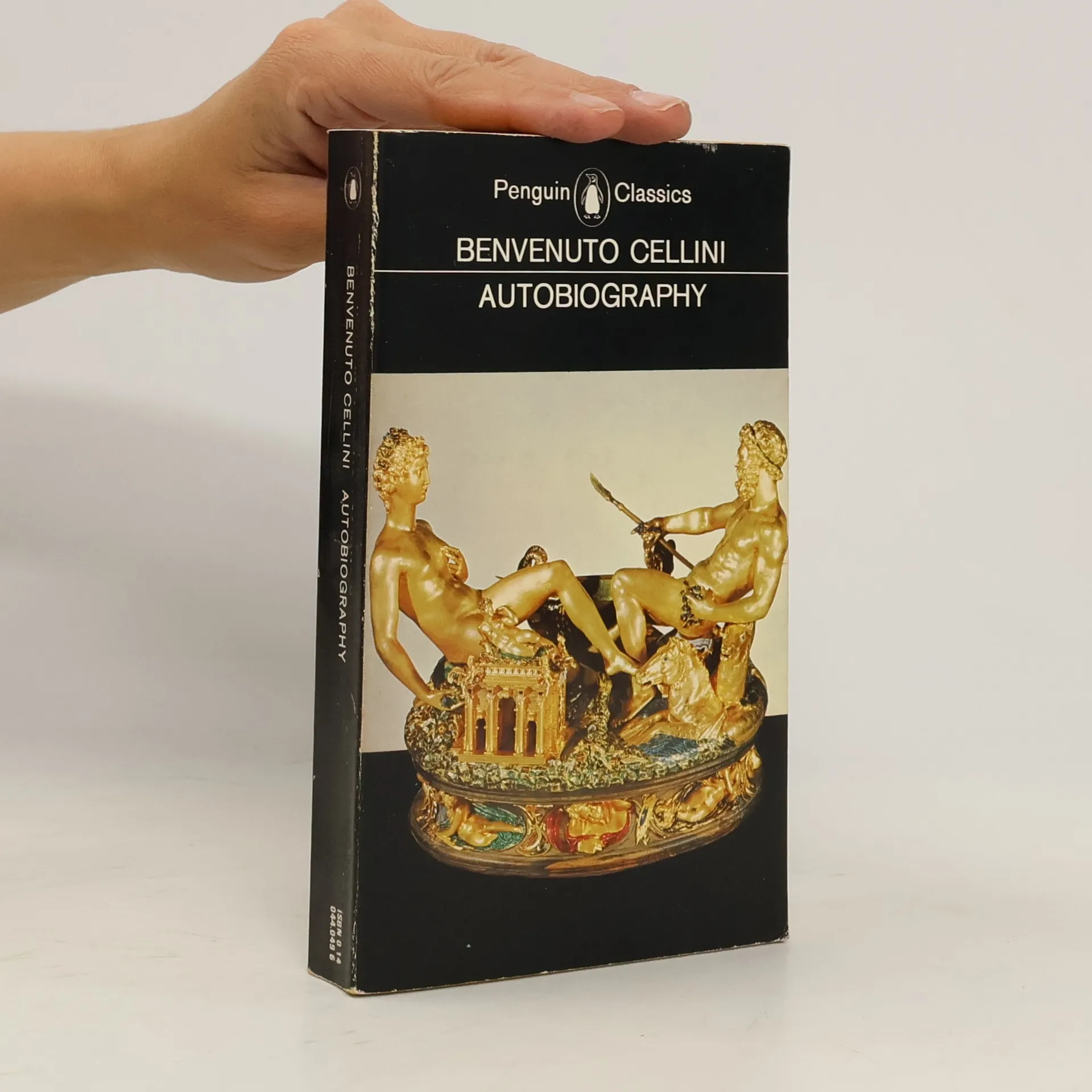
The Autobiography of Benvenuto Cellini
- 400 Seiten
- 14 Lesestunden
"Men like Benvenuto, unique in their profession, need not be subject to the law." --Pope Paul III on learning that Cellini had murdered a fellow artist. Benvenuto Cellini was a celebrated figure in Renaissance Florence, known for his remarkable sculpting and goldsmithing, including the iconic salt-cellar for the King of France and the statue of Perseus with Medusa's head. His life was as dynamic as his art; he participated in the Sack of Rome in 1527 and was known for his fiery temperament and audacious behavior, engaging in acts such as brawling, theft, and even murder. His patrons included popes, kings, and the Medici family. Cellini's autobiography offers a captivating glimpse into sixteenth-century Italy and France, written with the flair of a novel. This new translation, based on the latest critical edition, preserves the original's vibrancy and focuses on the pivotal event of casting the statue of Perseus. The series has provided a diverse range of literature for over a century, reflecting a commitment to scholarship with accurate texts, expert introductions, extensive notes for clarification, and updated bibliographies for further study.
Het leven van Benvenuto Cellini
- 564 Seiten
- 20 Lesestunden
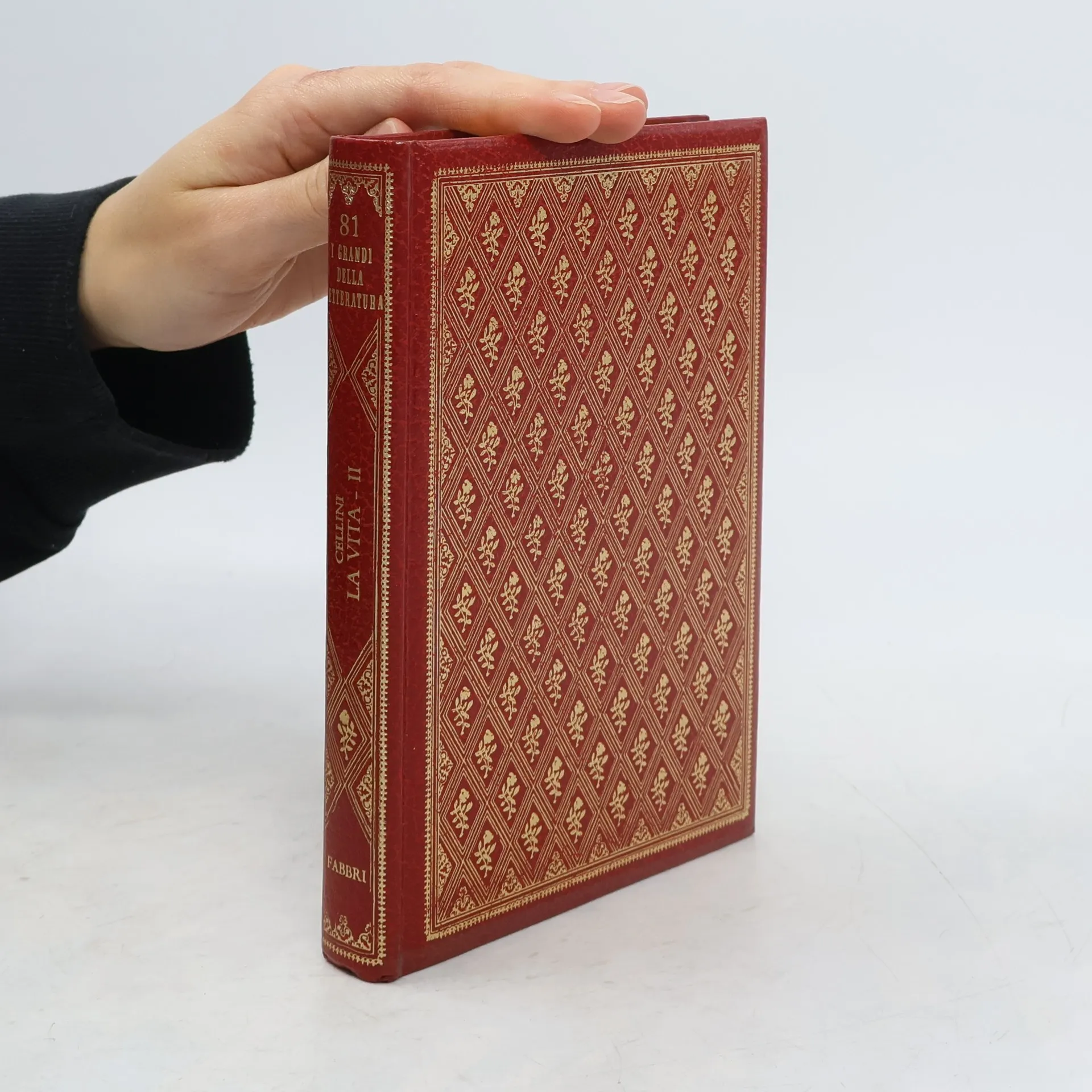
La Vita II
I grandi della letteratura 81
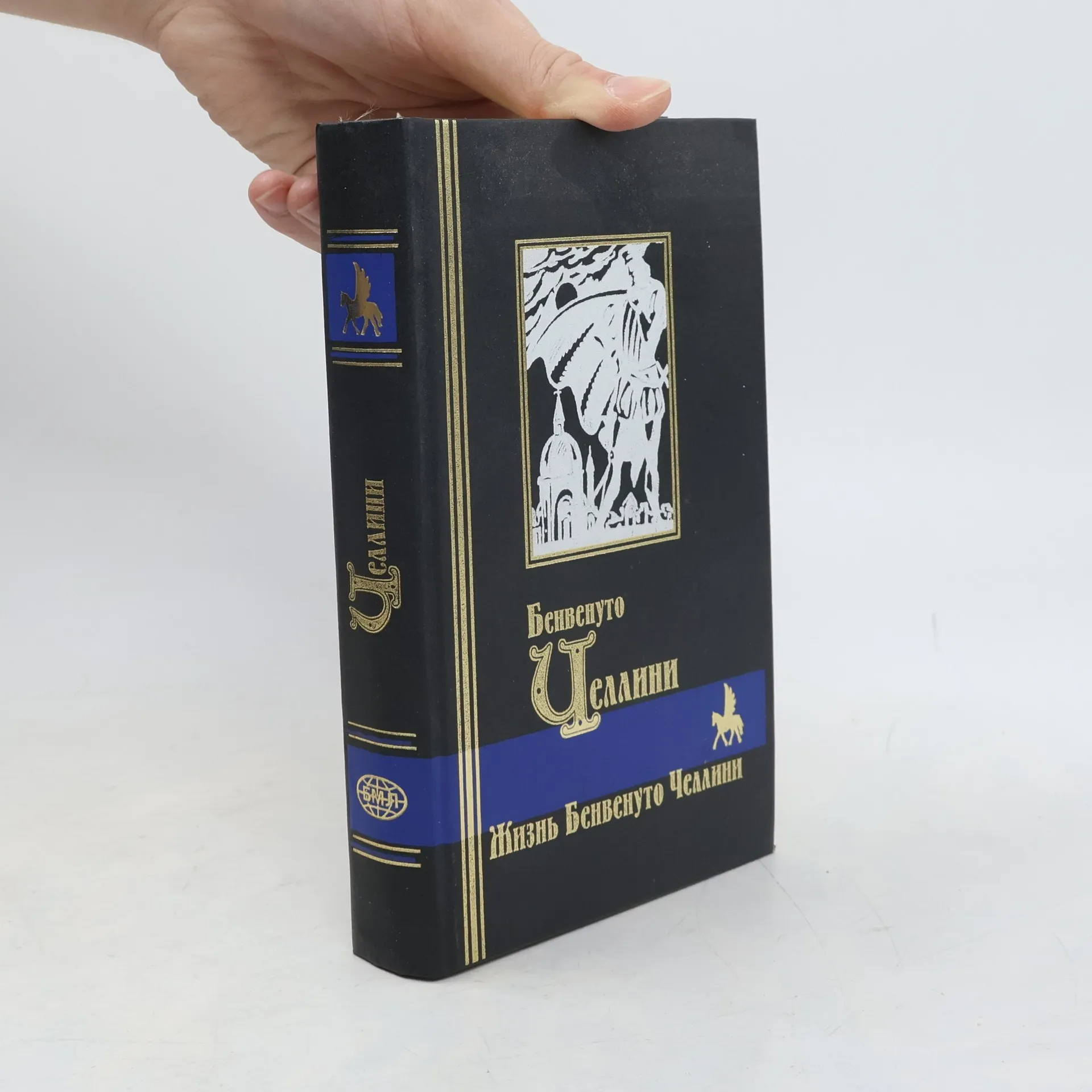
Жизнь Бенвенуто Челлини
- 510 Seiten
- 18 Lesestunden