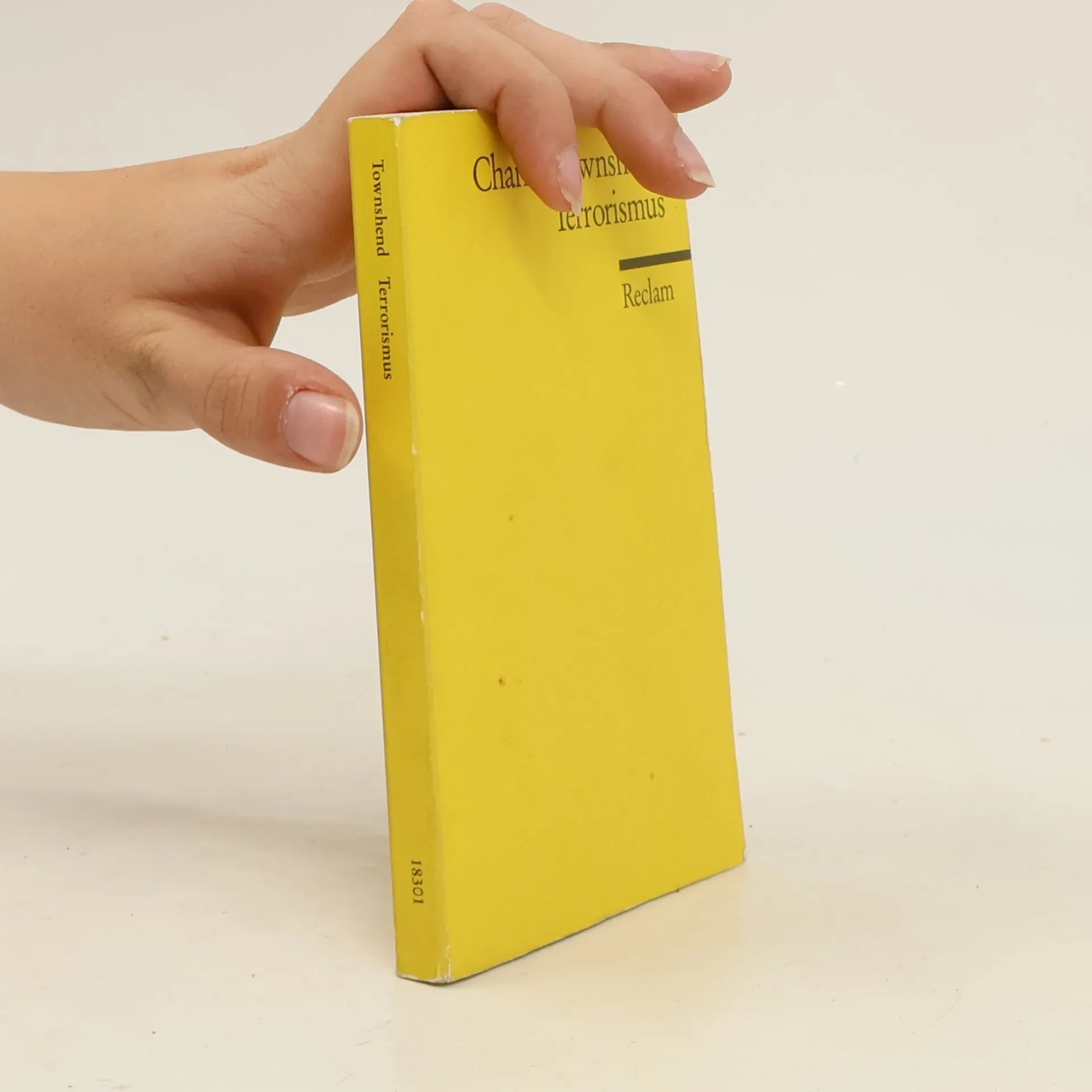
Charles Townshend ist ein britischer Historiker mit besonderer Expertise zur historischen Rolle des britischen Imperialismus in Irland und Palästina. Seine Arbeit befasst sich mit komplexen historischen Prozessen und deren weitreichenden Auswirkungen.
Charles Townshend, Professor für Internationale Geschichte, diskutiert in seinem Band aktuelle Fragen: Wie lässt sich Terrorismus definieren? Welche Strategien werden mit den verschiedenen Definitionen verfolgt? Wie lange schon gibt es Terrorismus? Was haben Nationalismus und Fundamentalismus mit dem Problem zu tun und wie können sich Demokratien gegenüber dem Terrorismus verhalten?
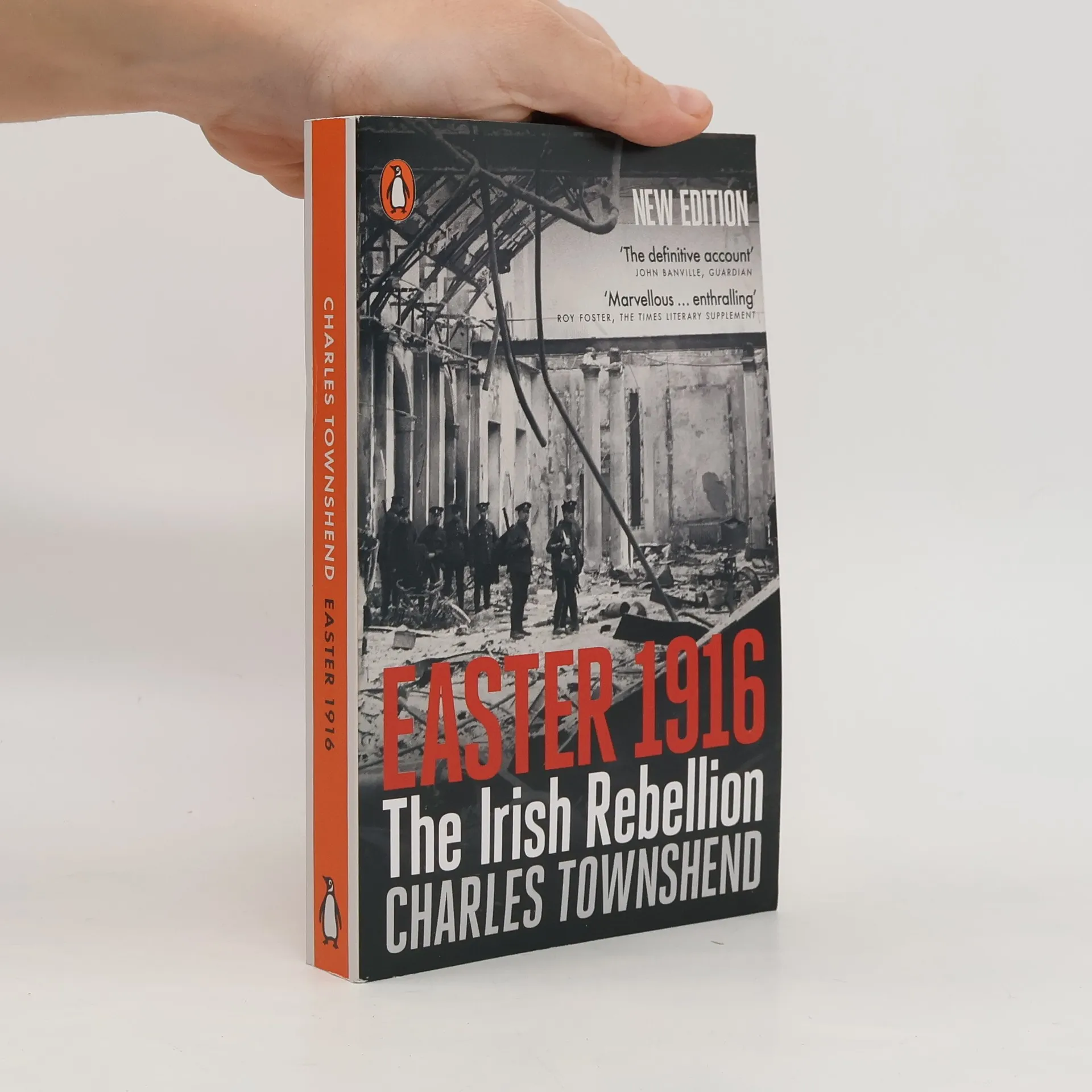
Townshend traces the dramatic events of the Easter Rebellion in Dublin in 1916, the actions and aims of the rebels, the British response to the revolt and the consequences, politically and culturally, of the uprising.
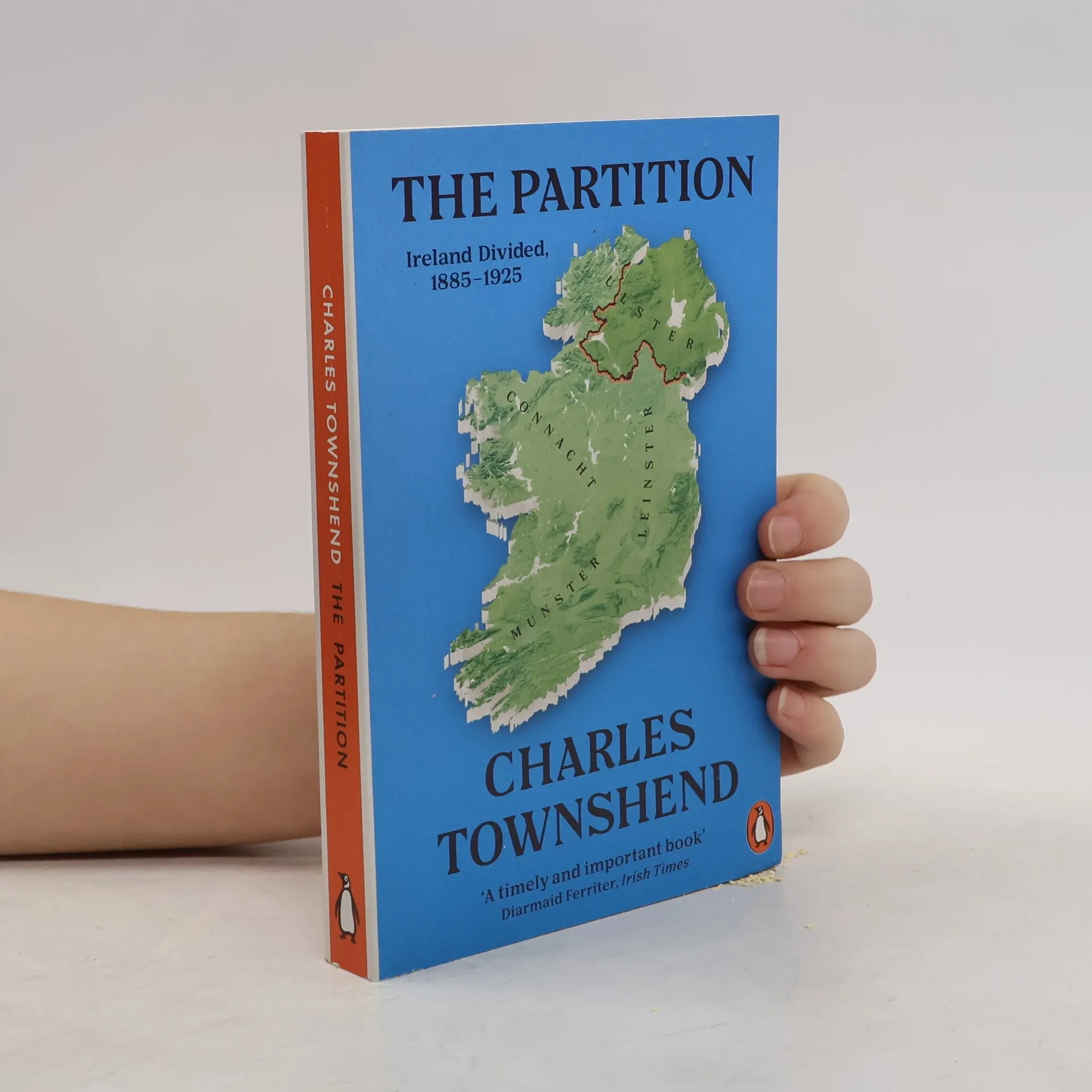
In the aftermath of the horrors of the Irish Famine, the grim, distrustful relationship between Ireland and the rest of the United Kingdom deteriorated into a generations-long argument about 'Home Rule'. The unprecedented nature of the Irish problem made it extraordinarily difficult for either side to reach a compromise. For many years actual independence seemed inconceivable. And then, as these bitter disputes continued, it became clear that under no circumstances would the Protestants be party to any of it. The Partition is a remarkable, clear-sighted and thoughtful account of how two unthinkable events - full Irish independence and the creation of the state of Northern Ireland - came to pass. The Irish nationalist claim to leave ran into a loyalist demand to remain, threatening large-scale violent resistance. Here Charles Townshend lays out what is ultimately a tragic story, as partition became the only answer to an otherwise insoluble problem. The settlement of the Irish question conjured up heroes and villains, led to civil war and finally to Ulster's catastrophic Troubles. The hard border has always been seen as a failure of both British and Irish statecraft, but has endured now for a century. The Partition brilliantly brings to life the contingency and uncertainty that created it.
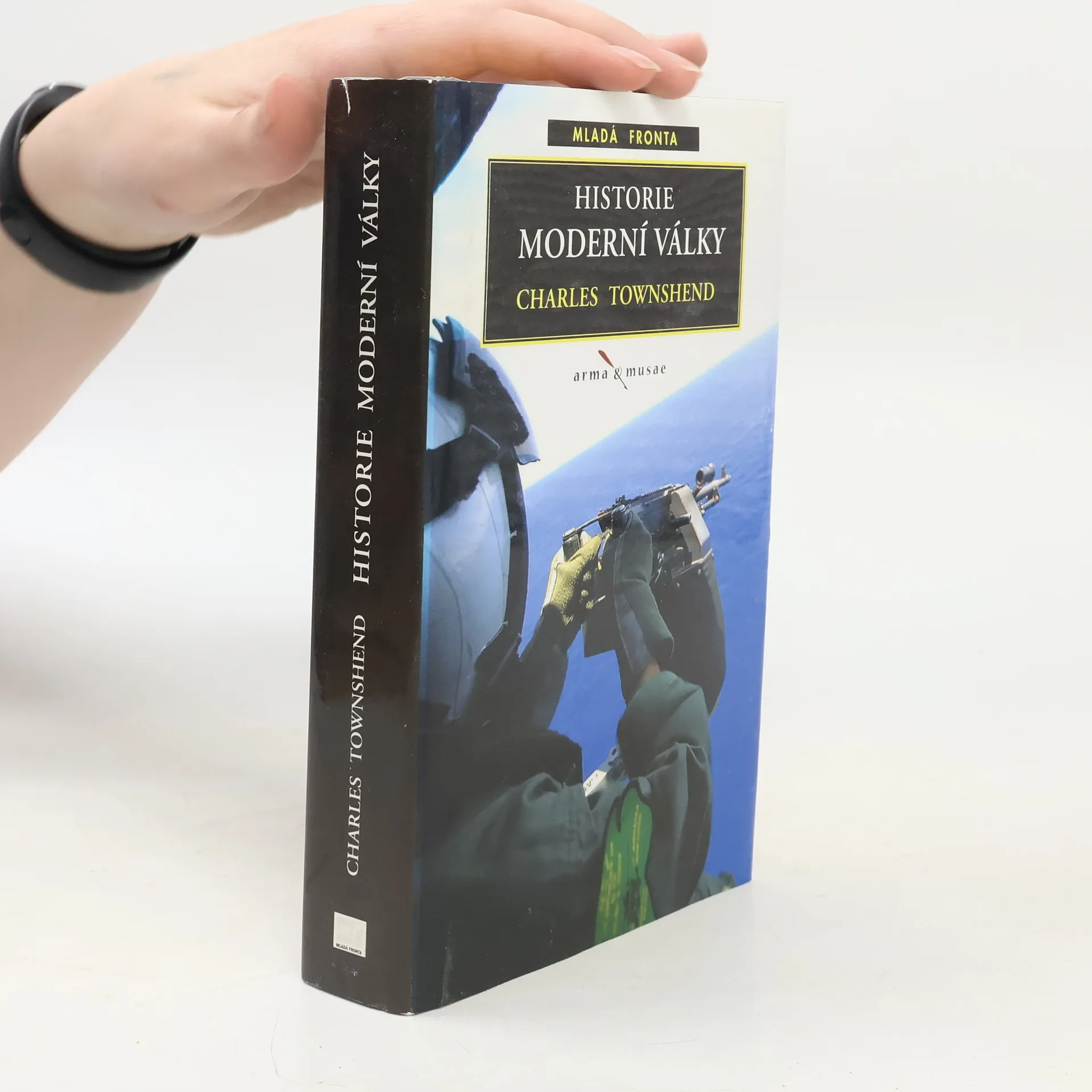
Jak se změnil pojem války od 19. století. Komplexní proces ekonomické, společenské a politické modernizace vyústil v 19. století ve fenomén „národa ve zbrani“ a nakonec, ve dvacátém století, ve fenomén „totální války“. Moderní válka nevznikla jen jako důsledek rozvoje vojenské techniky či vojenské technologie. Začala zahrnovat všechny aspekty života. Tradiční vojenská historie, zabývající se především strategií a taktikou, se rozvinula do širšího a hlubšího studia vztahů mezi válkou a společností. Spoluautoři této knihy si vytkli za cíl shromáždit širokou škálu interpretací, aby objasnili tuto komplexní souvztažnost, a předkládají jak historické vylíčení vývoje války, tak tematické analýzy jejích klíčových prvků.