Chris ClearfieldReihenfolge der Bücher (Chronologisch)
Chris Clearfield, ein Wissenschaftsenthusiast und ehemaliger Derivatehändler, hat seinen Fokus vom Eingehen von Risiken auf deren Beschreibung verlagert. Er ist Co-Autor eines Werkes, das untersucht, warum unsere Systeme versagen und was dagegen getan werden kann, basierend auf seinem tiefen Verständnis komplexer Systeme und menschlichen Verhaltens darin. Seine Einblicke werden durch seine Rolle als zertifizierter Fluglehrer weiter geschärft, was eine einzigartige Perspektive auf Risikomanagement und Entscheidungsfindung bietet.
Prečo naše systémy zlyhávajú a čo s tým dokážeme urobiť?
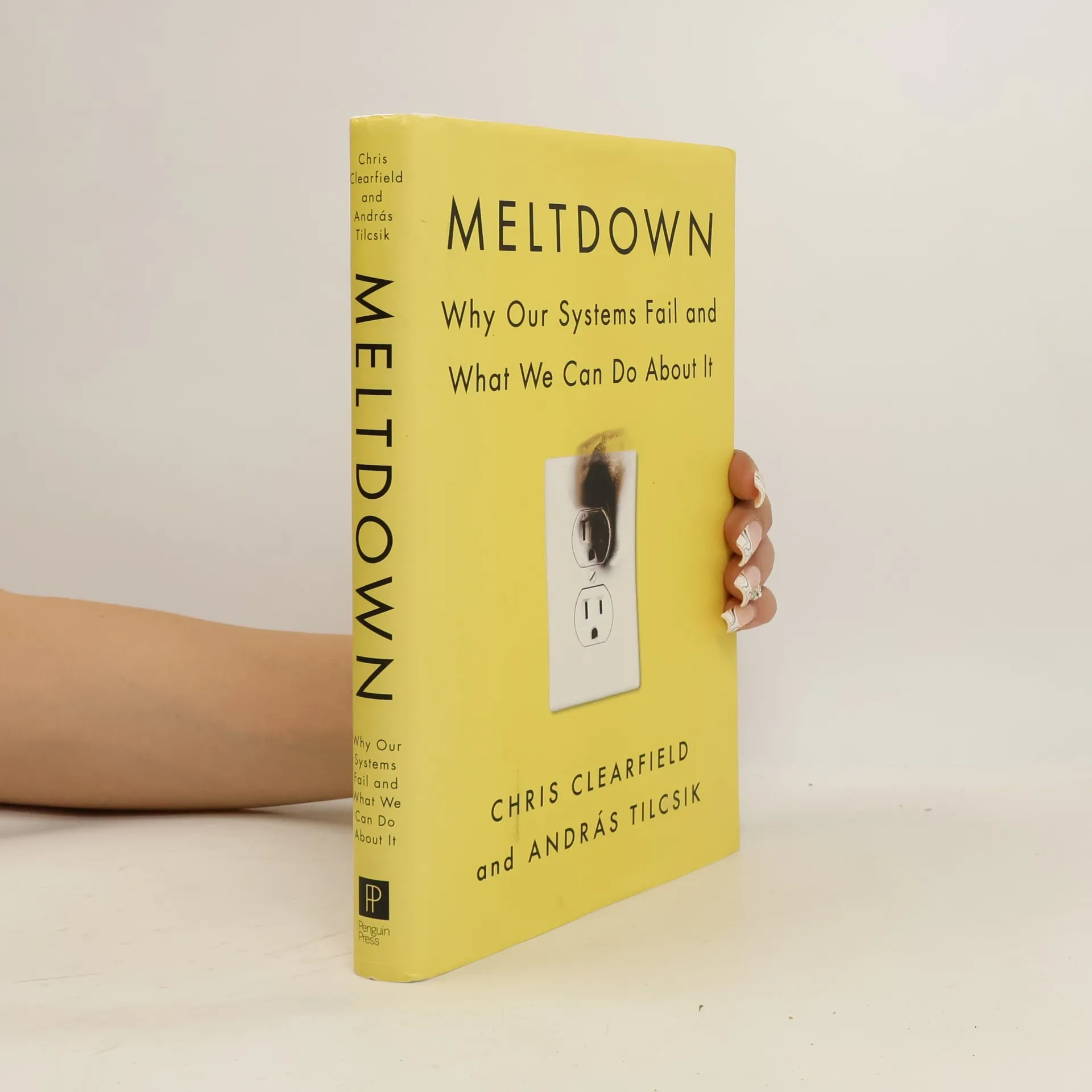
Zrážka v systéme metra Washingtonu D.C. Neúmyselné predávkovanie v najmodernejšej nemocnici. Spečené sviatočné jedlo. Prelomový pohľad na to, ako zložitosť spôsobuje zlyhanie vo všetkých druhoch moderných systémov – od sociálnych médií po leteckú dopravu. Pochopením toho, čo sa za týmito zlyhaniami skrýva, môžeme navrhnúť lepšie systémy, zvýšiť produktivitu našich tímov a transformovať spôsob rozhodovania v práci i doma.
This groundbreaking book explores how complexity leads to failures in modern systems, from social media to air travel, and offers practical solutions to prevent meltdowns in both business and life. Through engaging narratives, it reveals that seemingly unrelated disasters—like a metro crash, a hospital overdose, or a burnt holiday meal—share common causes. By understanding these failures, we can improve systems, enhance team productivity, and make better decisions at work and home.
The authors, Chris Clearfield and Andras Tilcsik, combine cutting-edge social science with captivating stories, taking readers from the Volkswagen scandal to the Oscars and beyond. They illustrate how the increasing complexity of our systems fosters conditions for failure, highlighting the paradox of progress: while modern systems enhance our capabilities, they also become susceptible to unexpected breakdowns and misconduct.
This book is not just about identifying failures; it offers solutions for managing chaos, whether in a team or a family setting. It discusses how simple design changes can enhance safety, how a brief exercise can avert major disasters, the advantages of teams with fewer experts in risk management, and the importance of diversity as a safeguard against failure. Ultimately, it provides an eye-opening perspective that will transform your understanding of our complex world and your role within it.