> Die Geschichte Russlands in spektakulären frühen Farbfotografien > Mit Texten und Kommentaren des bekannten Historikers Philipp Blom > Reise in eine faszinierend fremde Welt voller Gegensätze SEIT MONATEN BLICKT die Welt sorgenvoll auf Russland. Die zunehmende Abschottung des Landes, die politischen Wirren – es fällt uns schwer, dieses Land zu begreifen. Einen Blick in die Vergangenheit, der für die gegenwärtige Situation erhellend ist, liefert dieses faszinierende Buch: Zwischen 1860, dem Beginn der Fotografie, und 1918, dem Ende des russischen Zarenreichs, bedeckte Russland ein Sechstel der Erdoberfläche. Es reichte von Polen bis nach Japan, vom arktischen Meer bis an die Grenzen der Türkei, den Himalaya und China. Die Autoren unternehmen eine Reise durch dieses Riesenreich. Ihre Reisebegleiter sind zeitgenössische Fotografen, aber auch Schriftsteller wie Andrejew, Tschechow und anonyme Zeugen. Durch ihre Augen entdecken wir eine enorm vielseitige Welt zwischen extremer Armut und immensem Reichtum, archaischer Brutalität und überraschender Modernität. Die vielen, hier erstmals veröffentlichten Farbfotografien stammen von Sergej Prokudin-Gorski, der ungemein lebendige Bilder dieser faszinierenden Welt.
Leonid Andreyev Bücher
Leonid Andrejew war ein herausragender russischer Dramatiker und Kurzgeschichtenautor, der die expressionistische Bewegung in der russischen Literatur anführte. Seine Werke, die zwischen den Revolutionen entstanden, erlangten nach der Entdeckung durch Maxim Gorki große Bedeutung. Andrejew stieg schnell zum Literaturstar auf, bekannt für seine frühen Erzählungen und später für seine symbolistischen Dramen. Sein Schreiben zeichnet sich durch eine wachsende Exzentrizität aus, die einen deutlichen Eindruck in der russischen Literatur hinterließ.

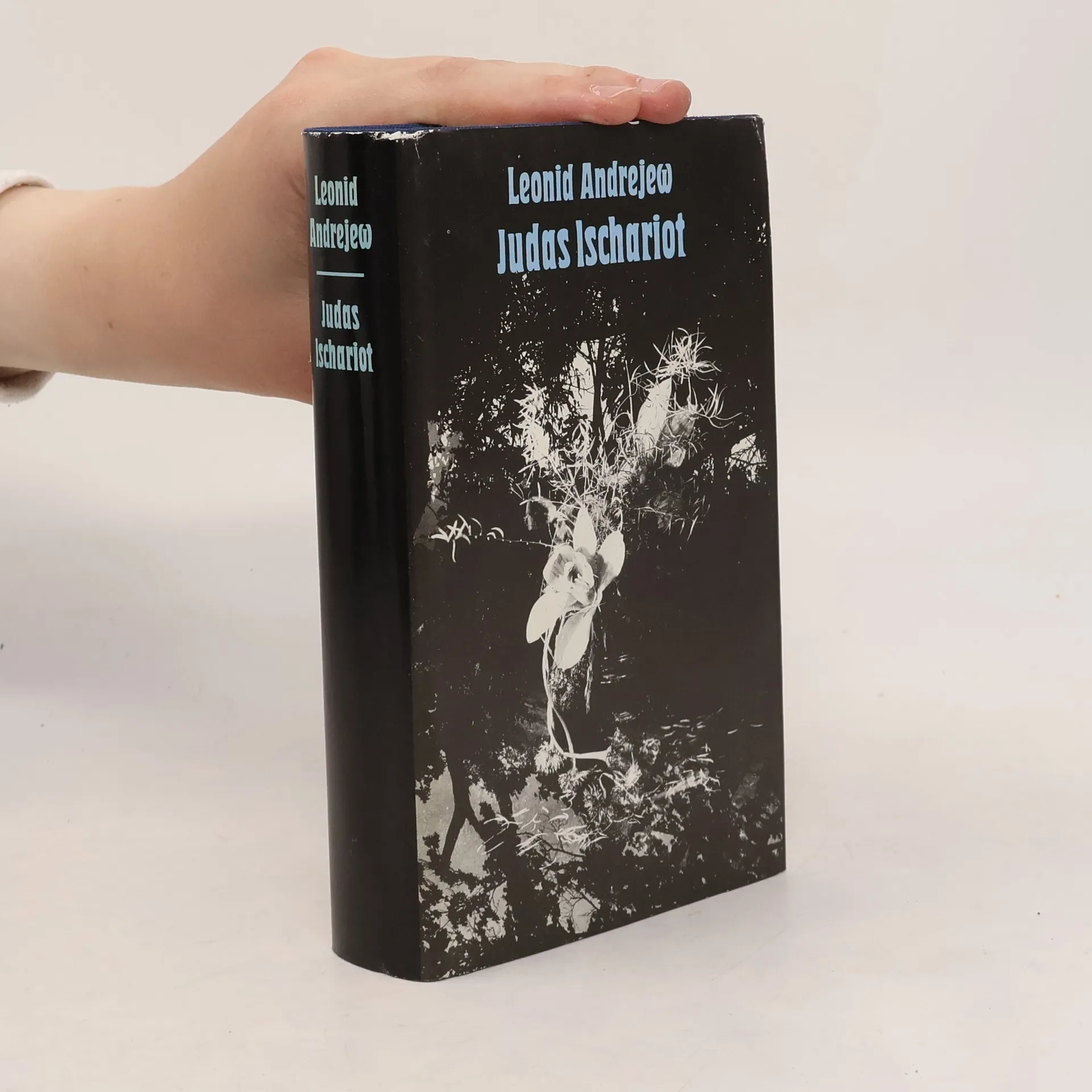
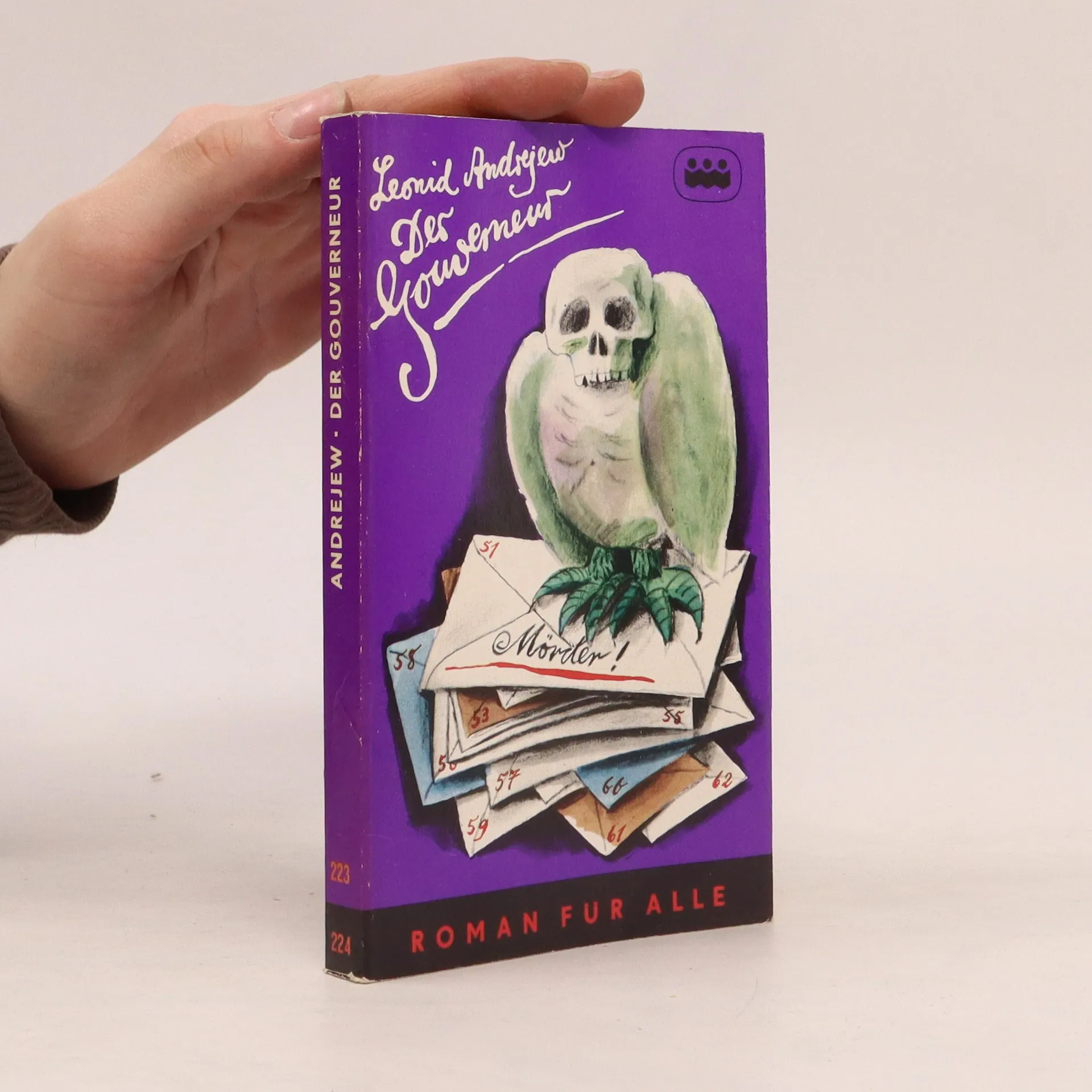
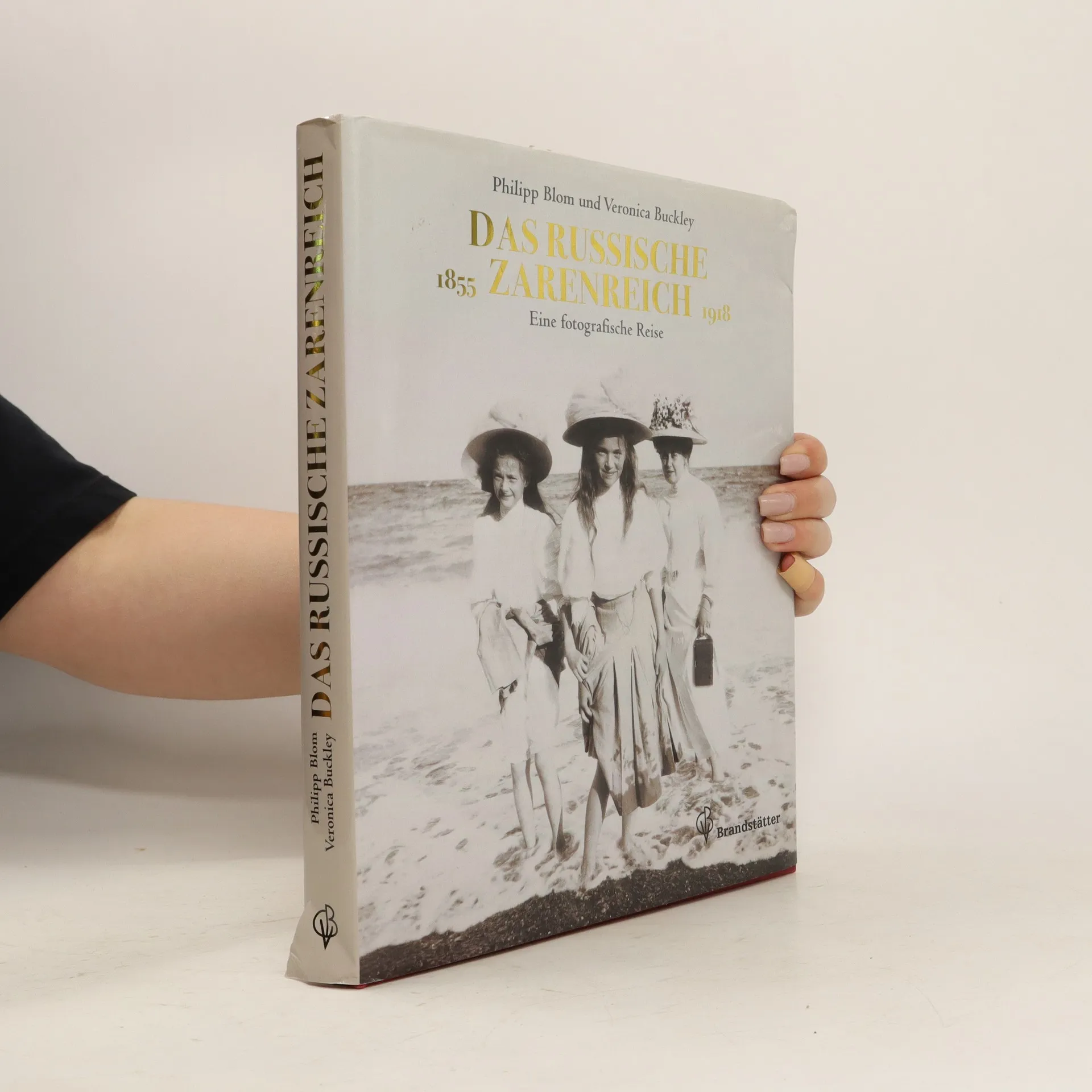
Die Buchreihe TREDITION CLASSICS bietet eine Wiederveröffentlichung von literarischen Klassikern aus über zwei Jahrtausenden, die oft vergriffen oder nur antiquarisch erhältlich waren. Ziel ist es, diese bedeutenden Werke in gedruckter Form zu bewahren und die kulturelle Vielfalt zu fördern. Durch die Wiederaufbereitung wird sichergestellt, dass zahlreiche literarische Schätze nicht in Vergessenheit geraten.
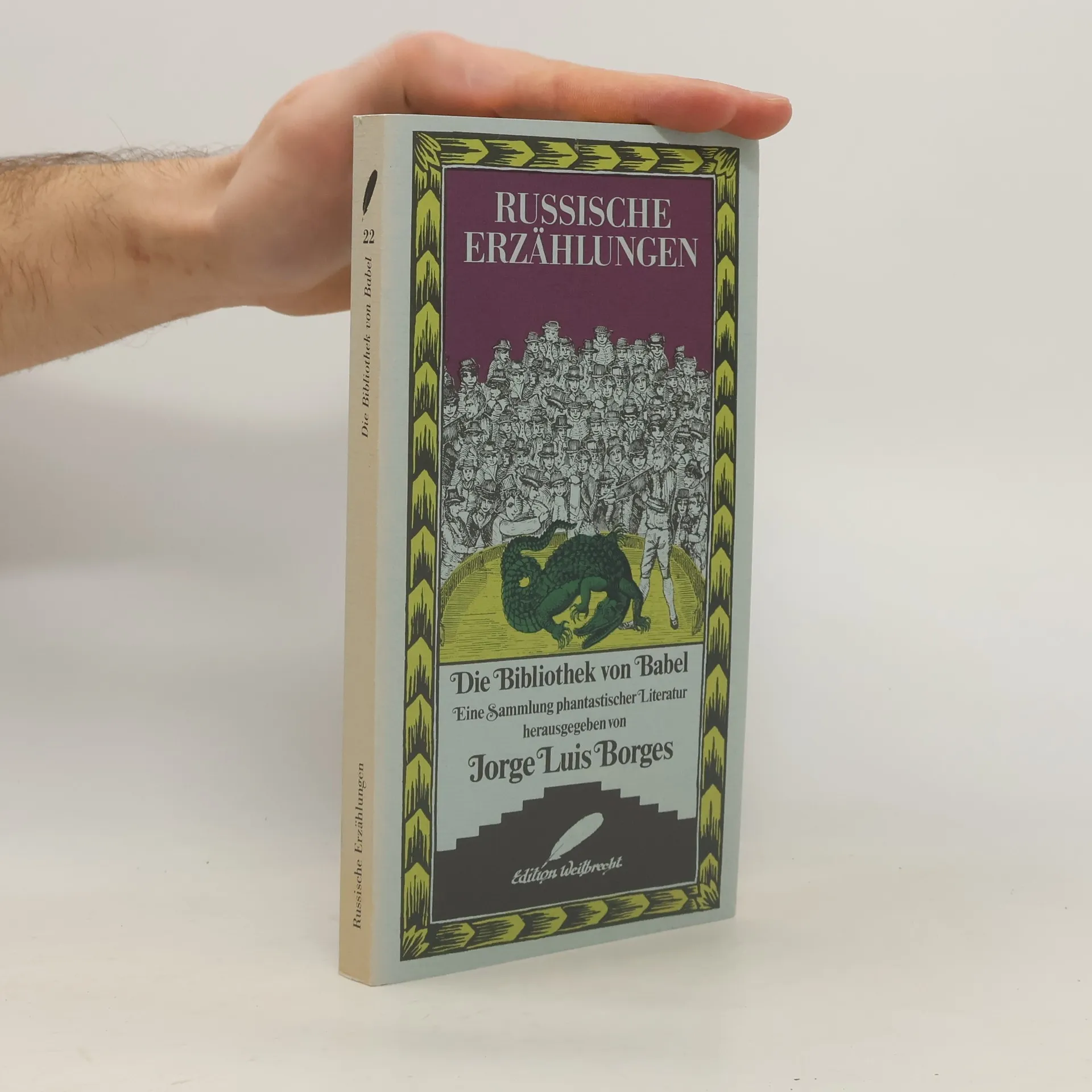
Russische Erzählungen
- 198 Seiten
- 7 Lesestunden
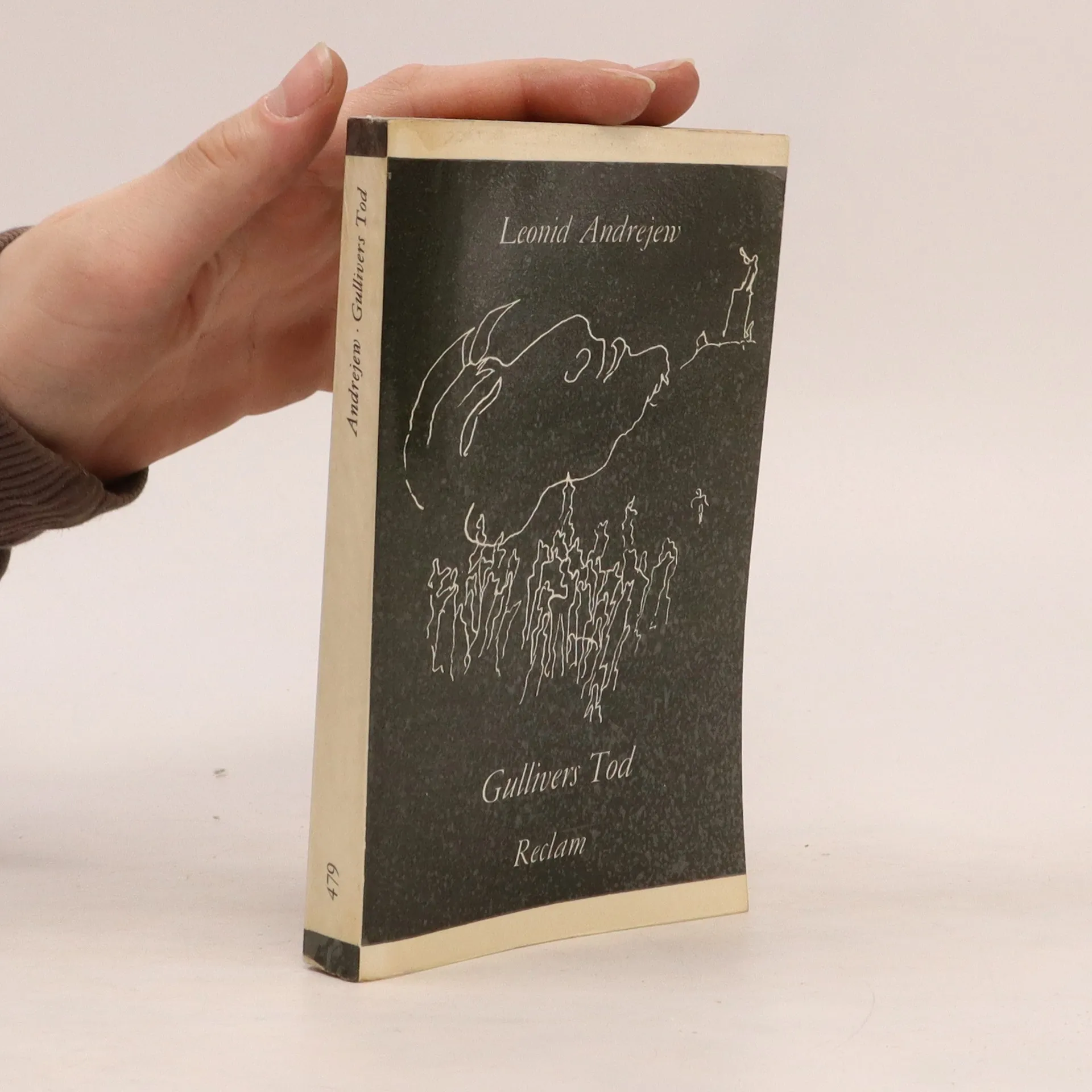
Am dreizehnten Januar des Jahres 1865 gegen halb ein Uhr vormittags äußerte Jelena Iwanowna, die Gattin Iwan Matwejewitsch, meines gebildeten Freundes, Kollegen und entfernten Verwandten den Wunsch, das Krokodil zu sehen, das in der Passage gegen Eintrittsgeld gezeigt wurde. Iwan Matwejewitsch hatte bereits seinen Auslandspass (weniger Krankheitshalber als aus Liebe an der Kultur) in der Tasche, war also auf Urlaub und daher an diesem Morgen vollkommen frei. Daher widersprach er nicht nur keineswegs dem unbezwingbaren Wunsch seiner Gattin, sondern wurde sogar selbst von ihrer Neugier angesteckt. "Eine ausgezeichnete Idee", sagte er zufrieden, "sehen wir uns das Krokodil an! Ehe man nach Europa reist, ist es gut, sich mit den Einwohnern jener Länder vertraut zu machen."Die Bibliothek von Babel ist eine einzigartige Sammlung von bisher weitgehend unbekannten Meisterwerken phantastischer Literatur aus drei Jahrhunderten, verfasst von weltberühmten Autoren. Jorge Luis Borges, der bedeutende lateinamerikanische Schriftsteller, wählte sie aus seinen persönlichen Lieblingsbüchern aus.
Novellen
- 104 Seiten
- 4 Lesestunden
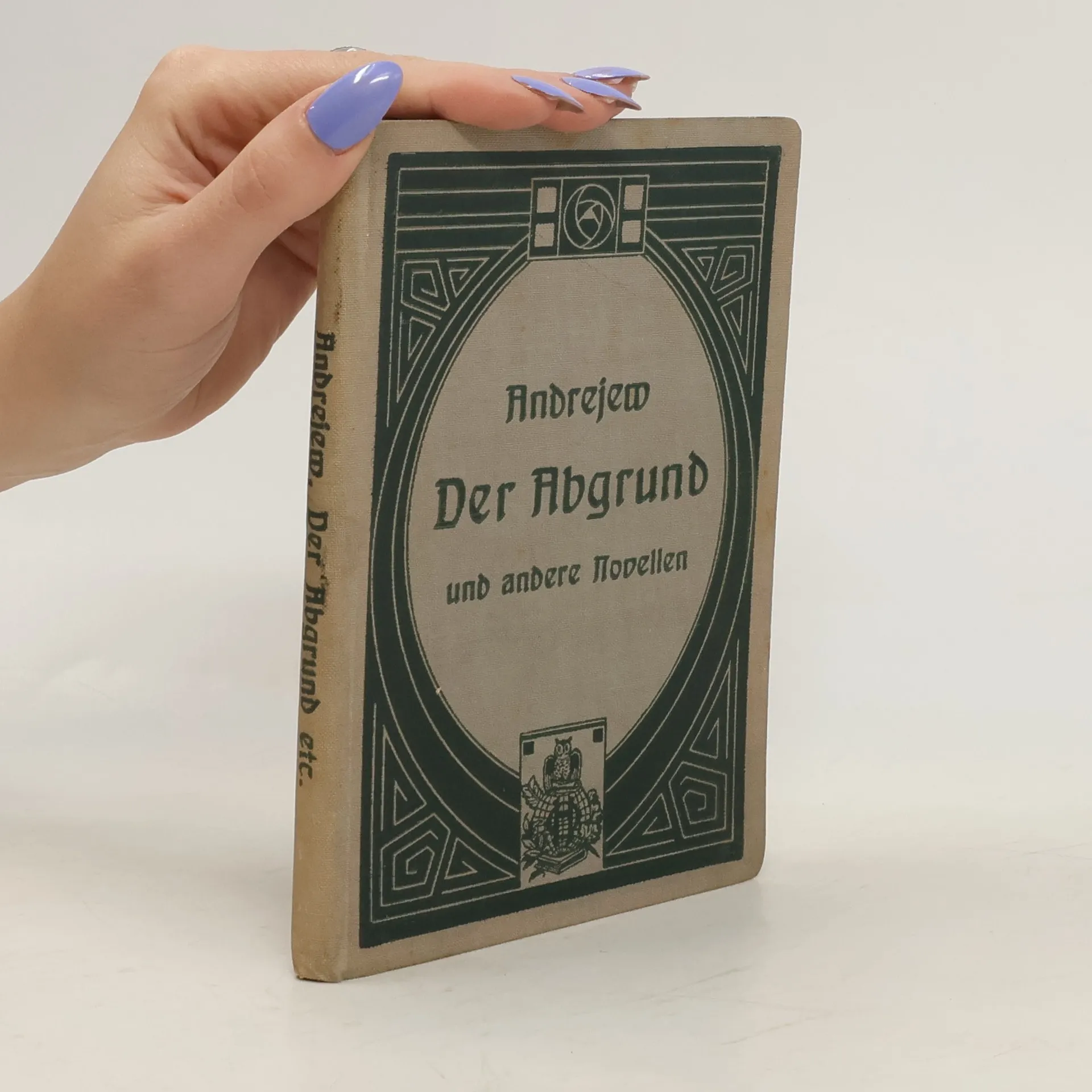
Die Novellen von Leonid Andrejew zeichnen sich durch ihre tiefgründige psychologische Analyse und die Erkundung menschlicher Emotionen aus. In seinen Geschichten beleuchtet er oft das Absurde und Tragische des Lebens, während er die inneren Konflikte seiner Charaktere eindringlich darstellt. Andrejew thematisiert existenzielle Fragen und die Dunkelheit der menschlichen Seele, was seinen Erzählungen eine besondere Intensität verleiht. Die Sammlung bietet einen faszinierenden Einblick in die russische Literatur des frühen 20. Jahrhunderts und die Komplexität menschlicher Beziehungen.
Das Buch bietet eine detaillierte Nachbildung eines Originals und ermöglicht den Lesern, in die historische und kulturelle Bedeutung des Werkes einzutauchen. Es vermittelt nicht nur die Inhalte, sondern auch den Stil und die Ästhetik der ursprünglichen Veröffentlichung. Die Reproduktion ist sorgfältig gestaltet, um Authentizität und Qualität zu gewährleisten, und richtet sich sowohl an Sammler als auch an Interessierte, die ein tieferes Verständnis für das Thema entwickeln möchten.
Sergej Pjetrowitsch plant an einem Freitag im Dezember, seinem Leben ein Ende zu setzen, während seine Kameraden sich auf die Weihnachtsferien vorbereiten. Er besucht die Post, um einen schweren Brief an Nowikow in Smolensk aufzugeben, in dem er seine Suizidabsichten und deren Gründe in übersichtlichen Rubriken darlegt. Der Brief vermittelt den Eindruck, dass er nicht über sich selbst, sondern über eine unbedeutende Person spricht, was seine innere Entfremdung und den emotionalen Abstand zu seinem eigenen Schicksal verdeutlicht.
Der Protagonist hinterfragt die Sinnhaftigkeit von Krieg und Gewalt und sieht darin eine absurde und lächerliche Dummheit. Während höhere gesellschaftliche Akteure wie Politiker und Journalisten möglicherweise einen tieferen Sinn in diesen Konflikten erkennen, bleibt dem Erzähler das Erhabene und Vernünftige unverständlich. Seine Vorstellung, im Krieg zu stehen und absichtlich angegriffen zu werden, verstärkt seine Skepsis und führt zu einer kritischen Reflexion über menschliches Verhalten und die Absurdität des Krieges.
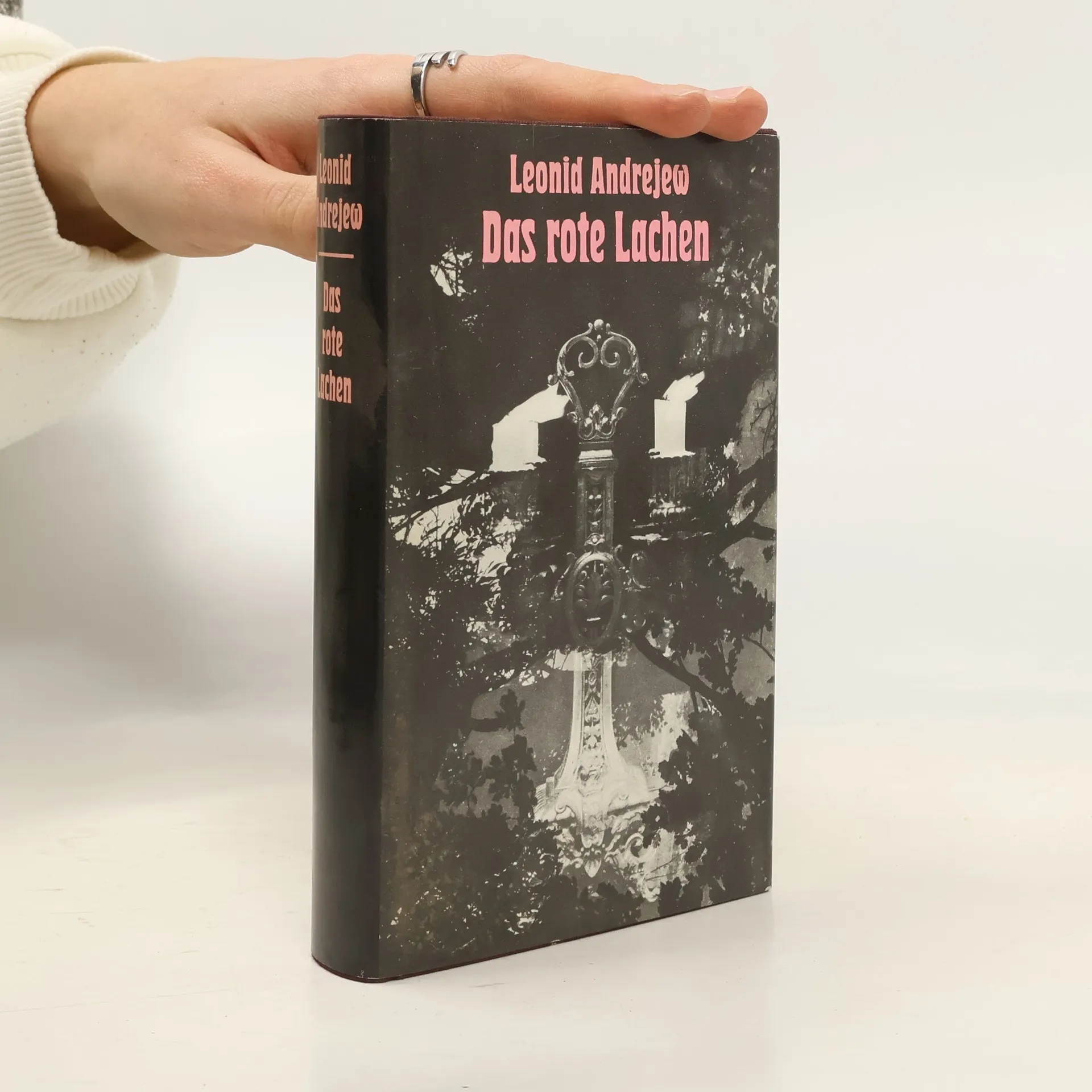
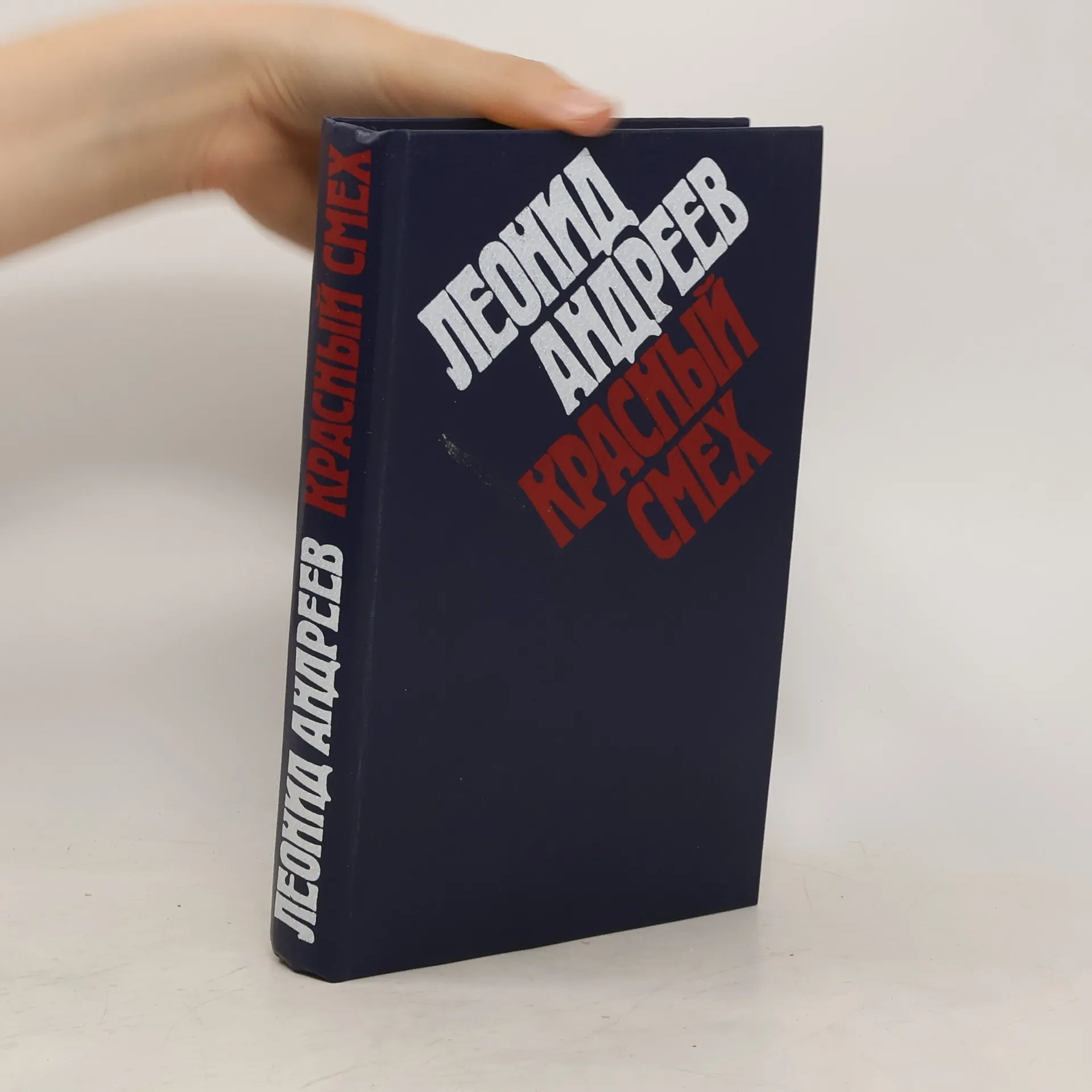
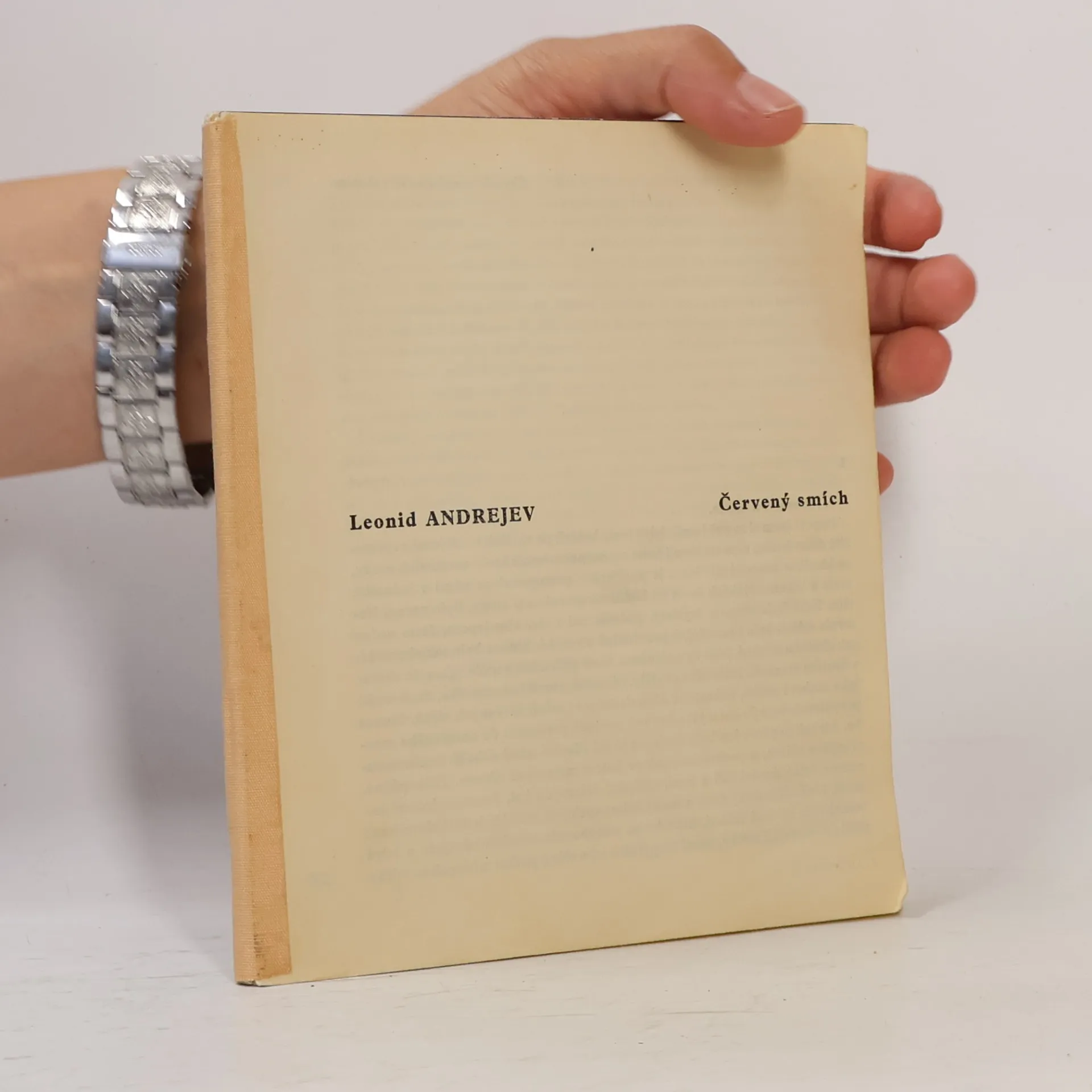
Die Dichtung "Das rote Lachen" von Andrejew wird als kraftvolle Waffe im Kampf für den Frieden beschrieben. Sie ergreift und erschüttert die Leser, während Militärs sie als Übertreibung abtun. Andrejews Werk behandelt moderne Probleme und reflektiert die Zersetzung der Gesellschaft, was ihn zu einem bedeutenden Autor für Russland macht.
Der Schriftsteller, Gesellschaftskritiker und Freund Maxim Gorkis - Leonid Nikolajewitsch Andrejew (1871-1919) - gilt als Begründer des Expressionismus der russischen Literatur. Das Buch "Das rote Lachen" erschien Ende 1904 und schildert die Greueltaten des Krieges und die schauderhafte Verwandlung der humanistischen Gesellschaft in die Anarchie. Obwohl der Krieg als ein abstrakter Wahnsinn der Zerstörung dargestellt wird, wurde dieses Werk als eine Antwort auf die schrecklichen und tragischen Ereignisse des Russisch-Japanischen Krieges verfasst.
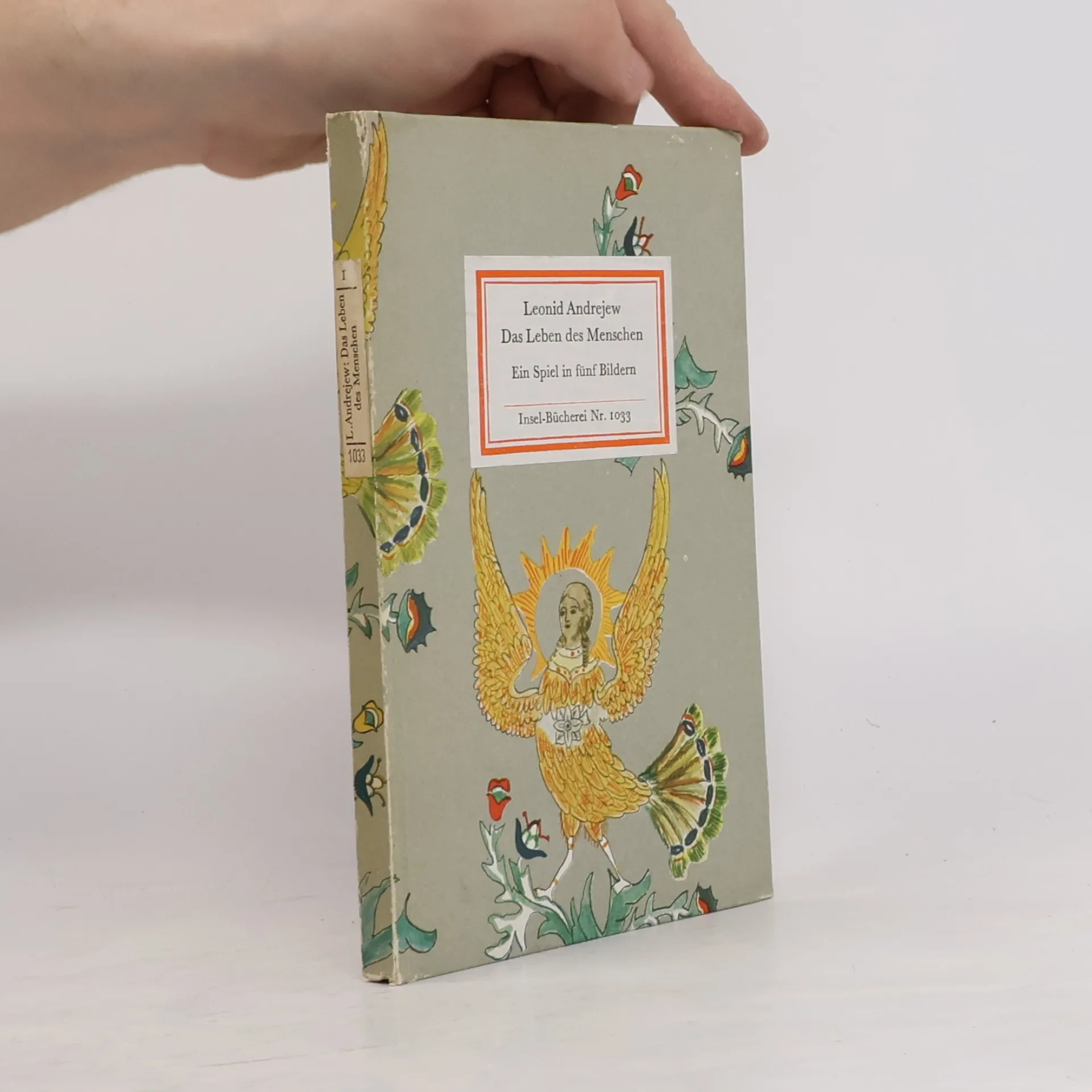
Das Leben des Menschen
Ein Spiel in fünf Bildern
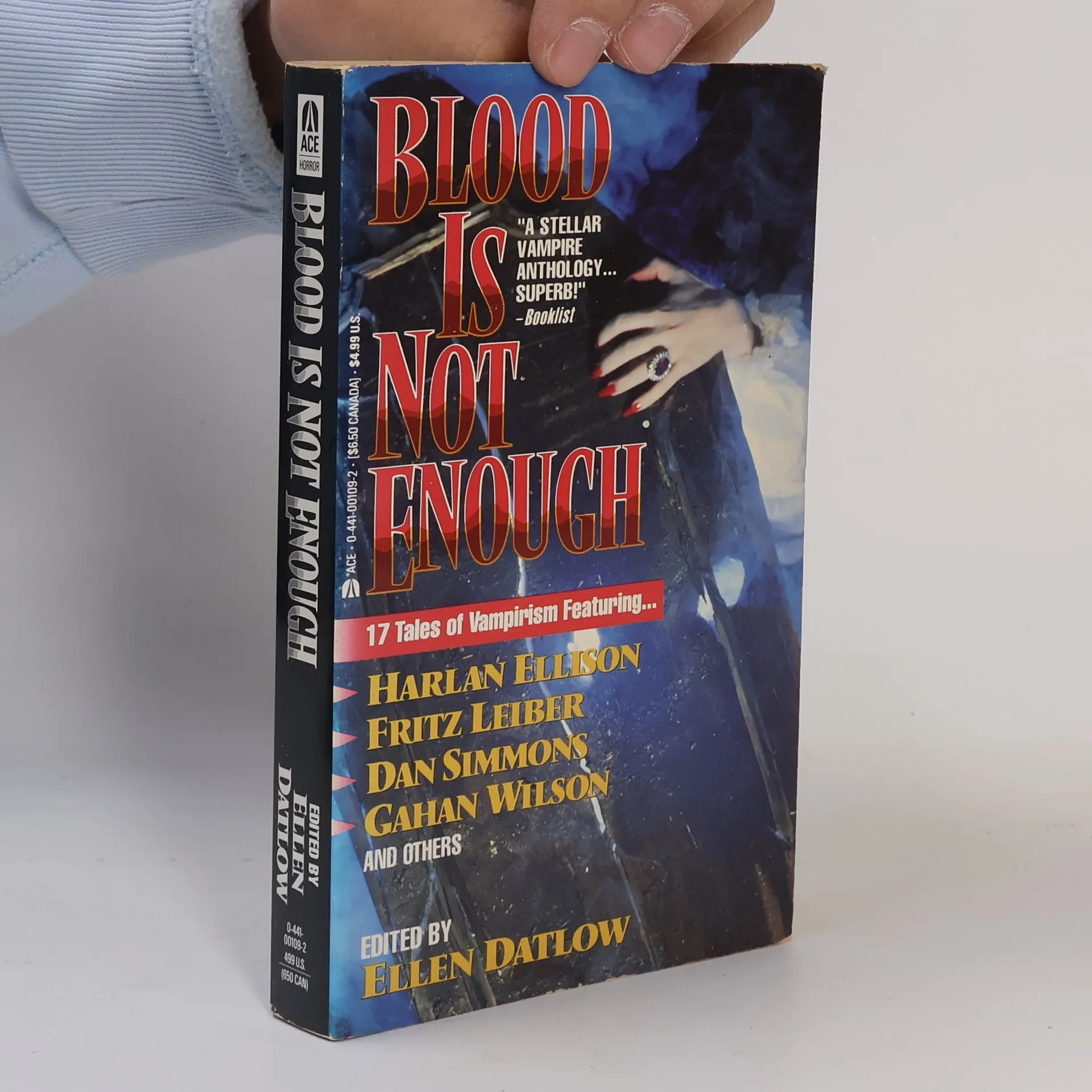
Introduction (Blood Is Not Enough) • (1989) • essay by Ellen Datlow Carrion Comfort • (1983) • novelette by Dan Simmons The Sea Was Wet as Wet Could Be • (1967) • short story by Gahan Wilson The Silver Collar • (1989) • short story by Garry Kilworth Try a Dull Knife • (1968) • short story by Harlan Ellison Varicose Worms • (1989) • novelette by Scott Baker Lazarus • (1906) • short story by Leonid Andreyev L'Chaim! • (1989) • short story by Harvey Jacobs Return of the Dust Vampires • (1985) • short story by Sharon N. Farber Good Kids • (1989) • short story by Edward Bryant The Girl with the Hungry Eyes • (1949) • short story by Fritz Leiber The Janfia Tree • (1989) • short story by Tanith Lee A Child of Darkness • (1989) • short story by Susan Casper Nocturne • (1989) • poem by Steve Rasnic Tem Down Among the Dead Men • (1982) • novelette by Gardner Dozois and Jack Dann …To Feel Another's Woe • (1989) • short story by Chet Williamson Time Lapse • (1989) • poem by Joe Haldeman Dirty Work • (1989) • novelette by Pat Cadigan
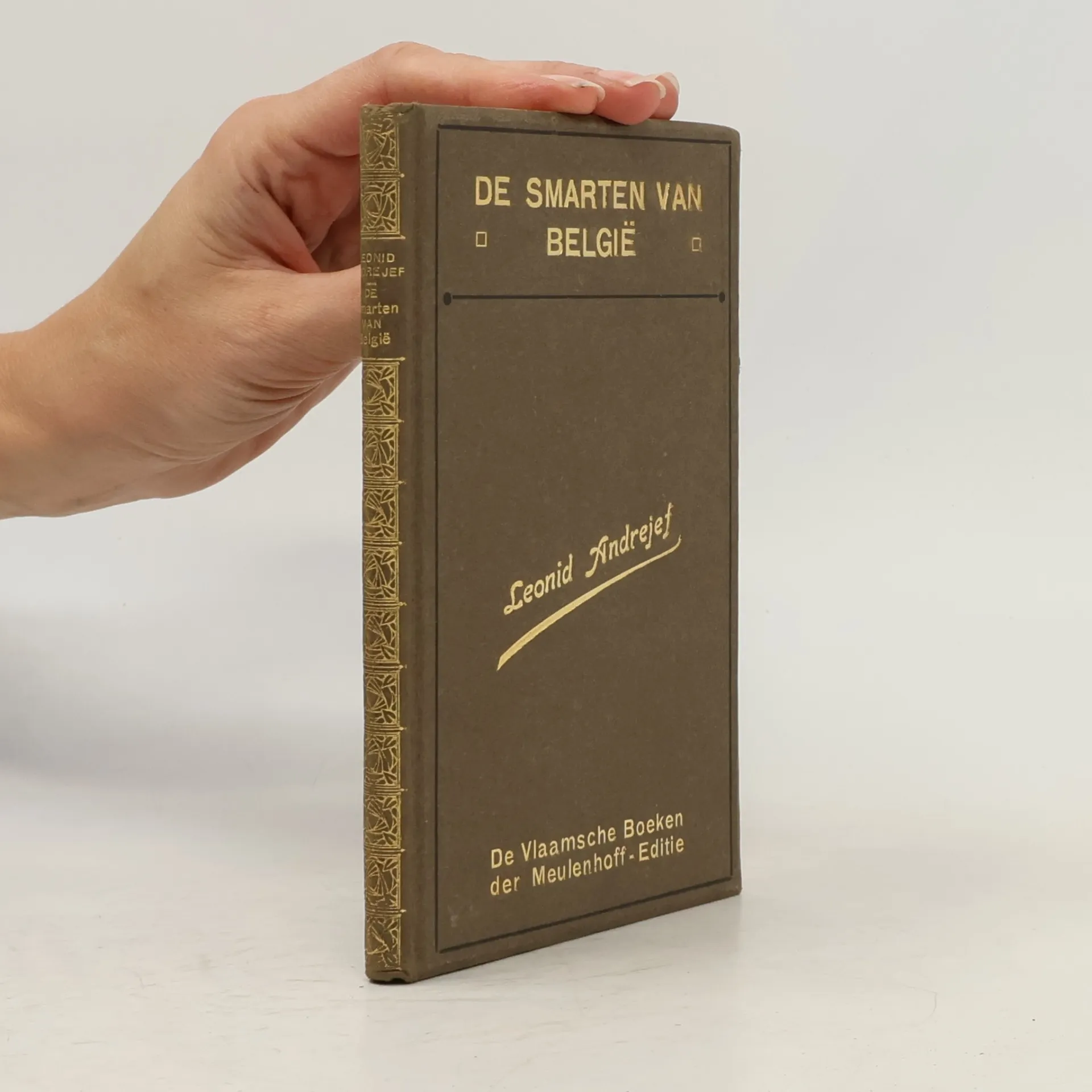
Satan's Diary
- 88 Seiten
- 4 Lesestunden
Satan returns to Earth as a wealthy American businessman, enjoying life in Europe. With good intentions, he meets various morally corrupt individuals and falls for a beautiful young woman, making him vulnerable to those who seek to exploit the Devil himself.
Leonid Nikolaievich Andreyev, a prominent figure of the Silver Age in Russian literature, is celebrated for his contributions as a playwright, novelist, and short-story writer. As a pioneer of Expressionism, his work blends realism, naturalism, and symbolism. Among his 25 plays, "He Who Gets Slapped," written in 1915, stands out as his most acclaimed piece, showcasing his unique literary style and depth.
This play, presented in six scenes, holds significant historical importance and explores profound themes relevant to human experience. Alpha Editions has undertaken efforts to preserve this classic by republishing it in a modern, clear format, ensuring its accessibility for both current and future readers. The book has been carefully reformatted and retyped, providing a fresh presentation that enhances readability while honoring the original work's essence.
This book is a reproduction of a historical work, published in large print to enhance readability for individuals with impaired vision. The publishing house Megali focuses on making classic texts accessible, ensuring that important historical literature can be enjoyed by a wider audience.
The Red Laugh
Fragments of a Dicovered Manuscript
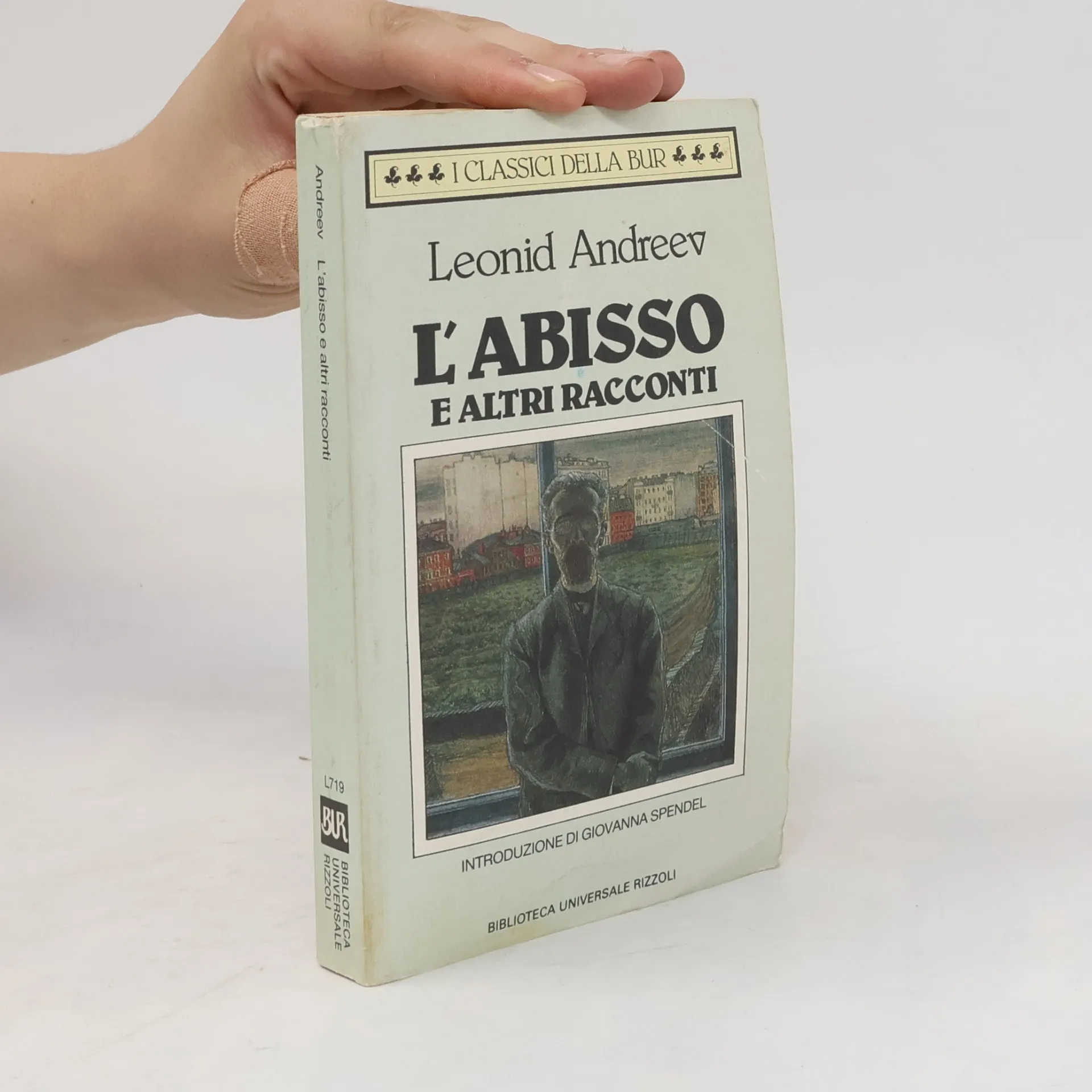
Biblioteca Universale Rizzoli: L'abisso e altri racconti
- 300 Seiten
- 11 Lesestunden
Leonid Andreev (1871-1919) appartiene agli autori più noti e più controversi della letteratura russa, ai suoi tempo confortato da un successo di pubblico che può essere paragonato a quello di un Tolstoj o di un Cechov... Contiene: I sette impiccati L'abisso Giuda Iscariota Lazzaro I cristiani Dies irae Così fu
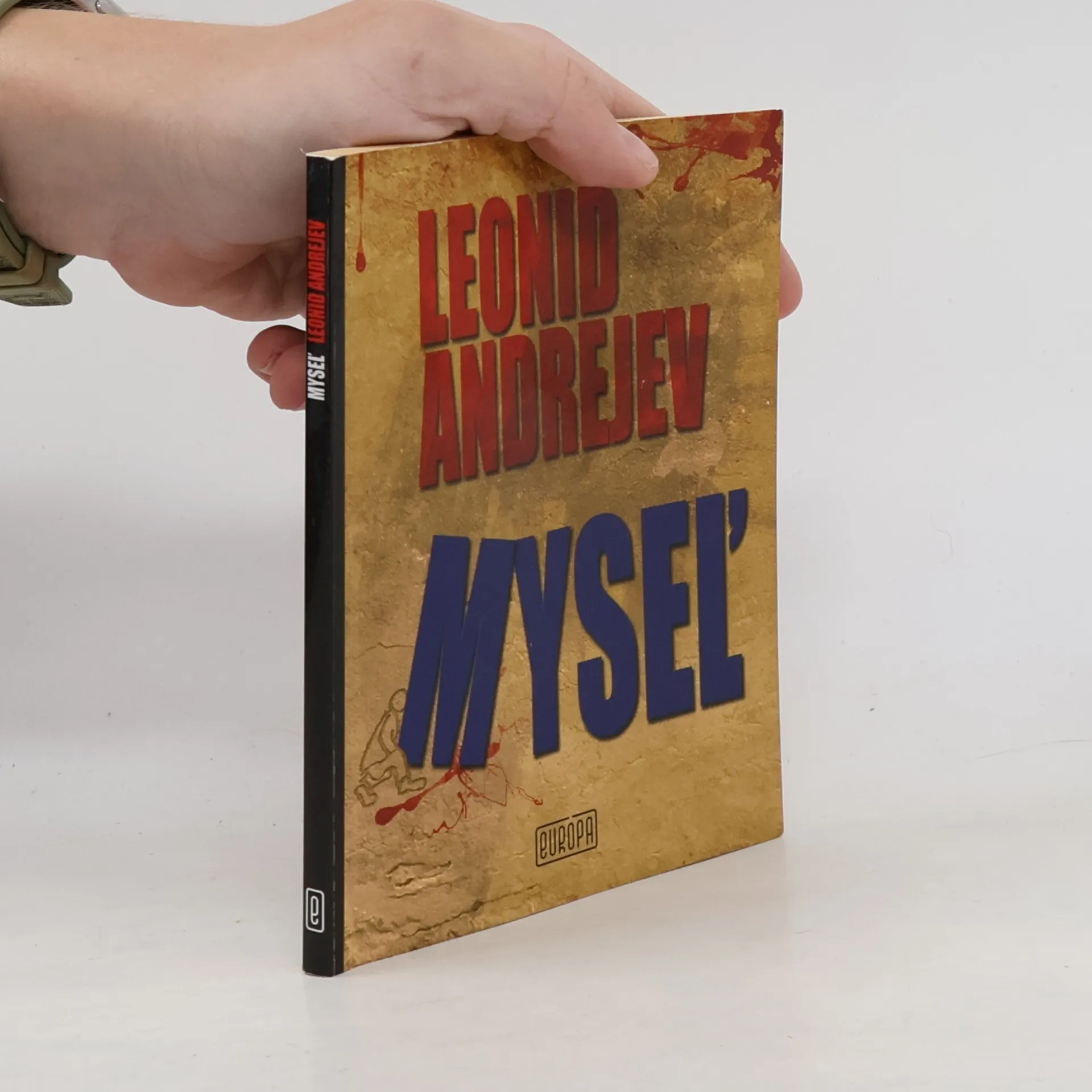
Myseľ
- 80 Seiten
- 3 Lesestunden
Symbolizmus a expresionizmus v spojení s filozofickými náhľadmi na ľudský osud sa spájajú do celistvého celku v diele slávneho ruského spisovateľa Leonida Andrejeva. Múzami obdarený skeptik čelil celý život depresívnym stavom, a pretože neveril ani v Boha, v silu rozumu, ba ani v mravné hodnoty, veľmi bolestne prežíval svoje neľahké rozpoloženie. Ovplyvnený Schopenhauerovou teóriou životného pesimizmu sa dokonca niekoľkokrát pokúsil o samovraždu. A fascinácia smrťou je aj témou jeho majstrovských diel. V svojich prózach dokonale rozbúral obraz človeka, tak ako ho nezávisle od seba prácne budovali Lev N. Tolstoj i Fiodor M. Dostojevskij. Štylisticky a jazykovo výborne vybavený prozaik sa díva na človeka komplexne, tvrdiac, že osud ľudskej bytosti nepodlieha neviditeľným náhodám, ale autentickému uvažovaniu a schopnosti vidieť, vedieť, cítiť, poznať a oddeliť. Znie to nepravdepodobne, no sám introvert nabádal ľudí, aby sa neuzatvárali do seba, pretože sa dostanú do zlej spoločnosti. Jeho dielo desilo, no bolestný pesimizmus nikdy nevykazoval prvky pózerstva, vďaka čomu je Leonid Andrejev dodnes obdivovaným a milovaným spisovateľom.
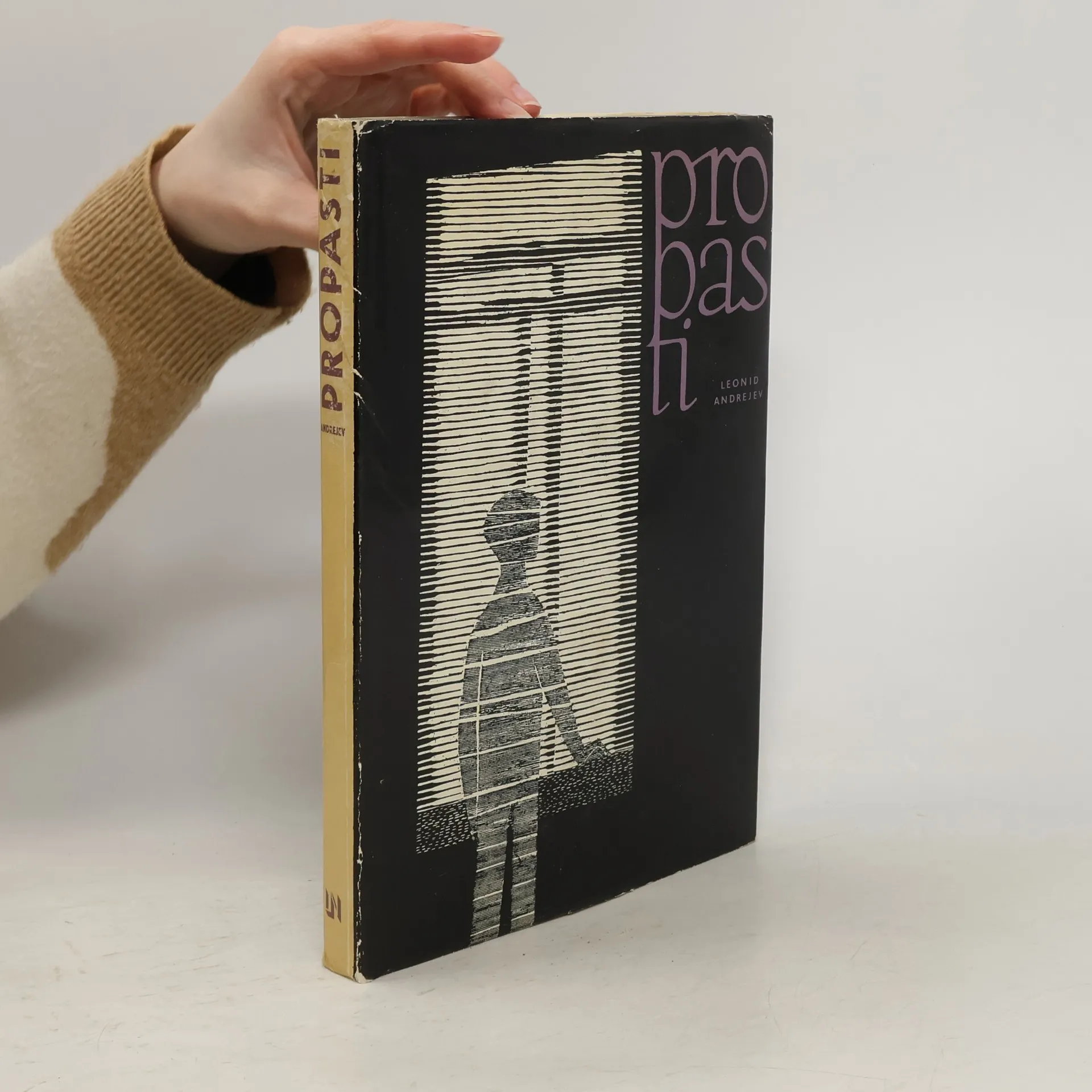
Soubor novel a povídek (Povídka o sedmi oběšených, Propast, Mé zápisky, Lazar, V mlze, Život Vasilie Fivejského) ruského prozaika a dramatika, jehož dílo stojí v ruské literatuře mimo literární směry a jehož prózy byly před druhou světovou válkou hojně čteny. Příběhy na hranici skutečnosti a halucinace, postihující nespoutanou vášeň, pocity z blízkosti smrti, mystickou skepsi, hypnotické napětí a démoničnost.
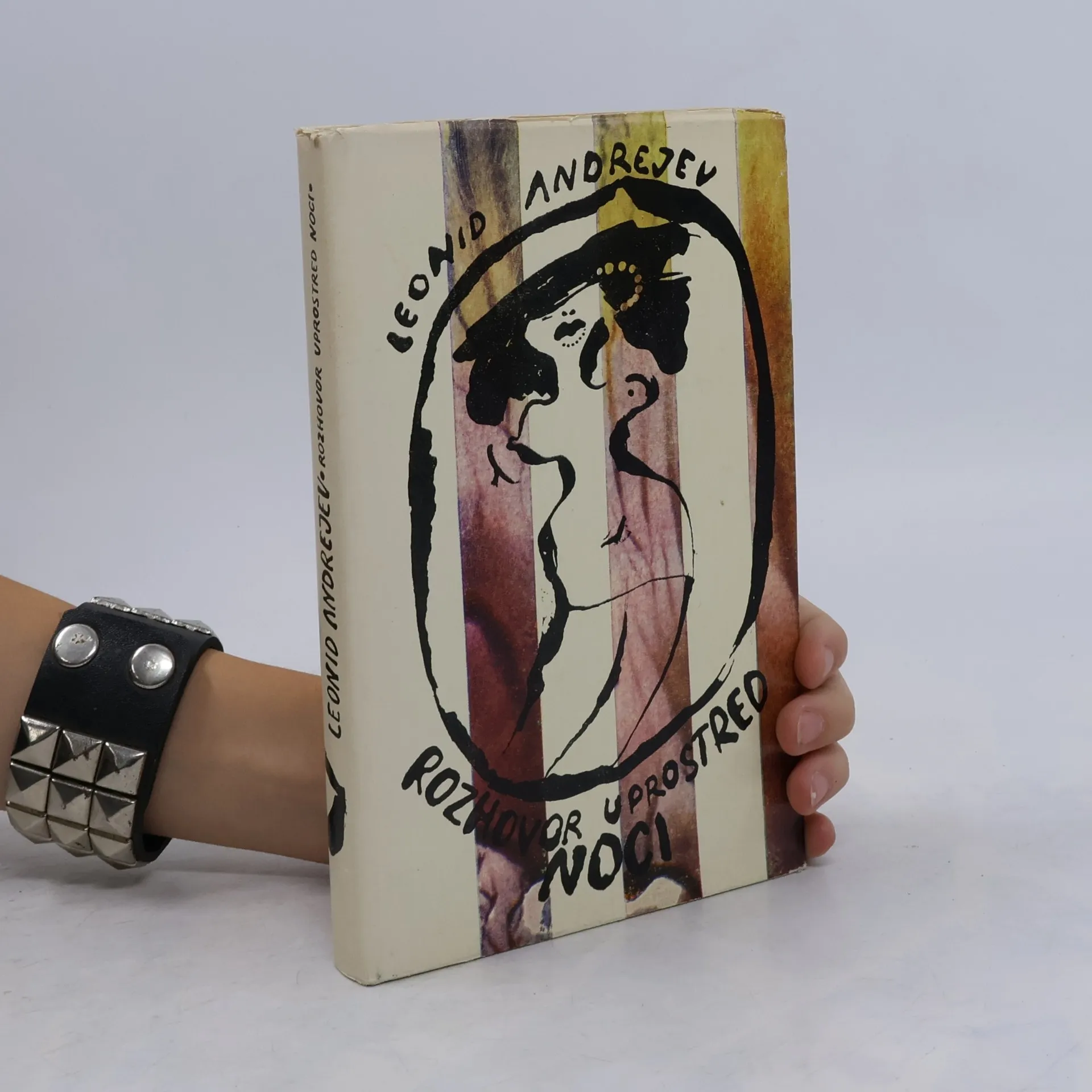
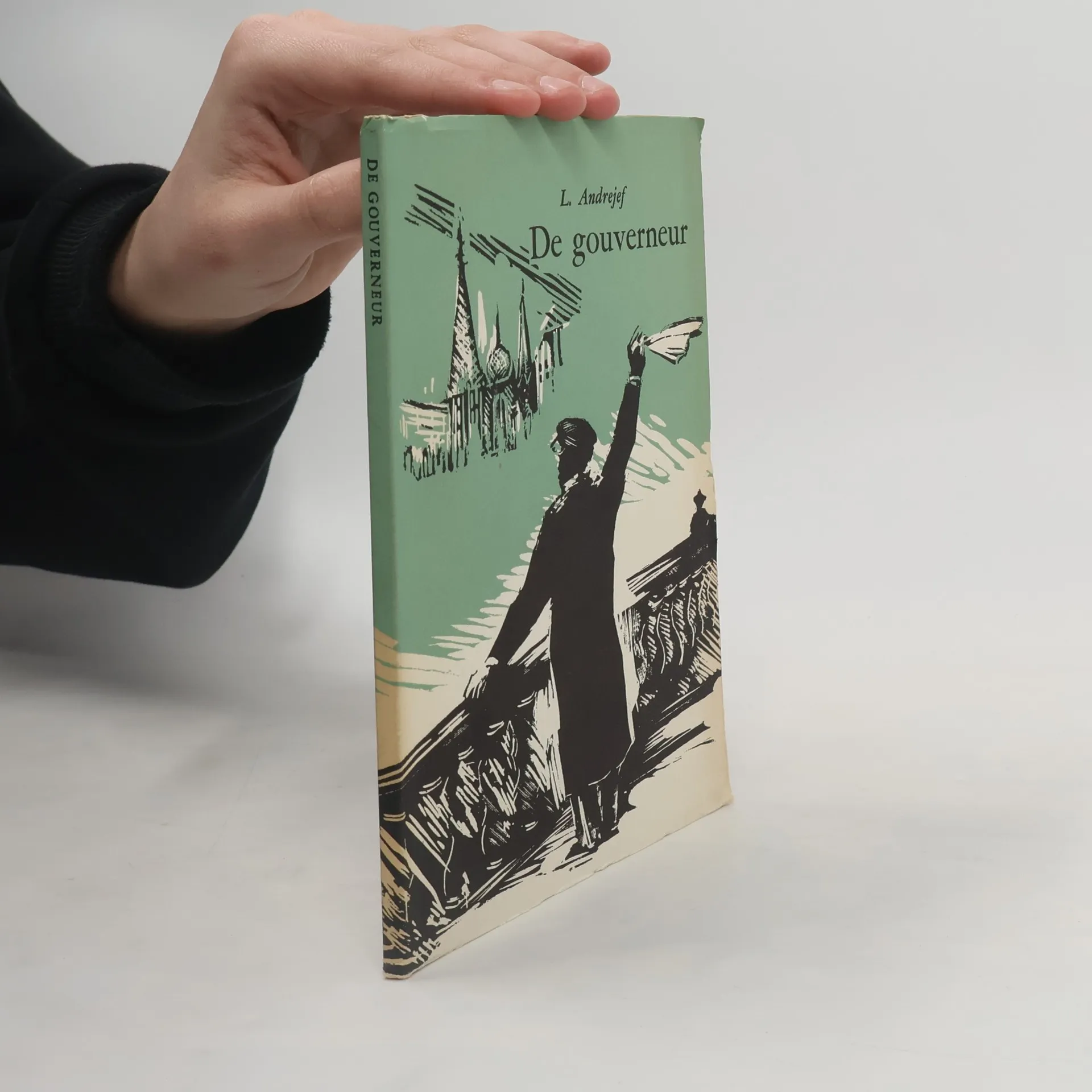
Výber obsahuje: Rozhovor uprostred noci, Tma, Gubernátor, Červený smiech, Judáš Iškariotský
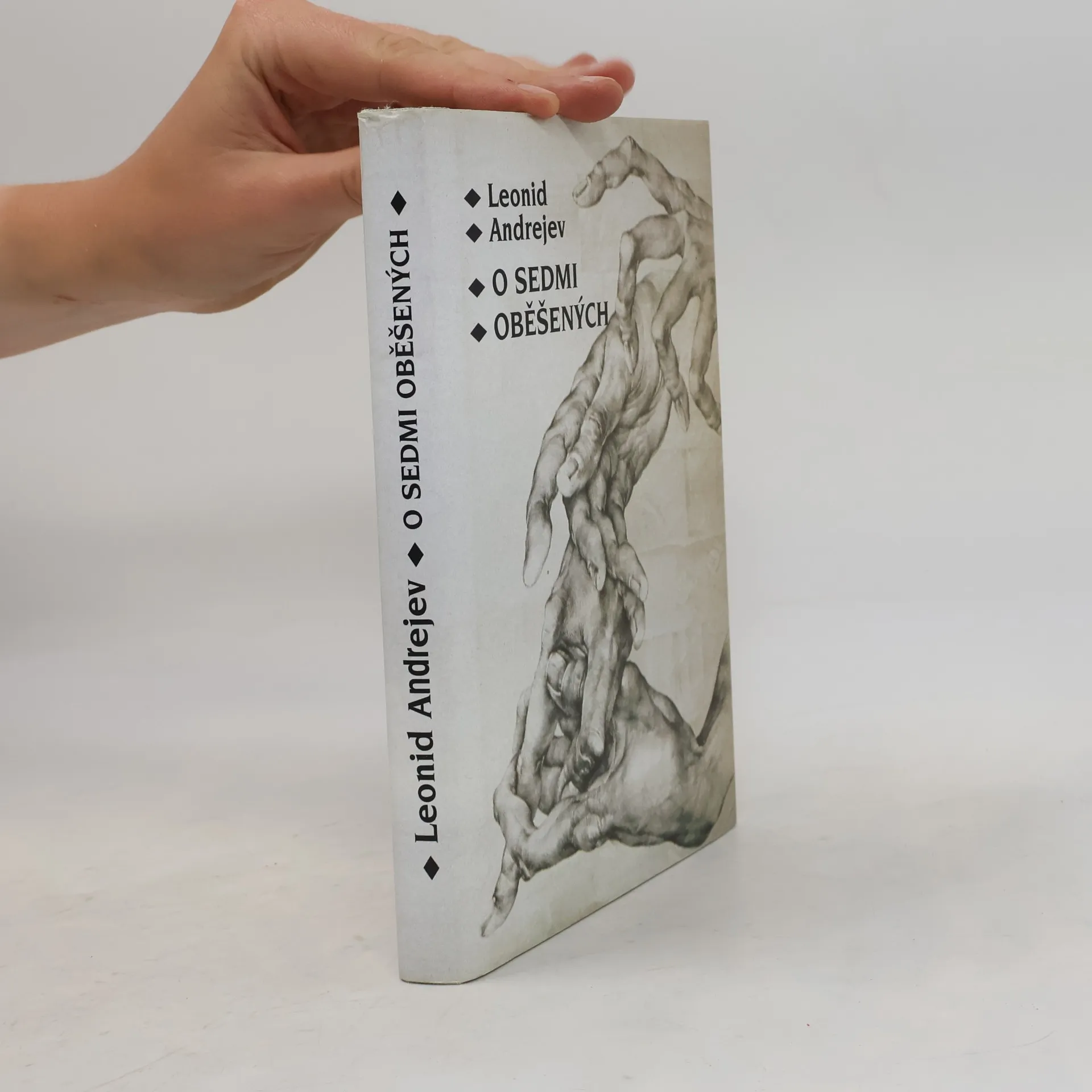
Svazek kromě titulní novely O sedmi oběšených (1906) obsahuje novely Satanův deník a Jidáš.
Obsahuje povídky Propast, Křesťané a Ben-Tovit
Rozsáhlý výbor z povídkové tvorby představitele ruské předříjnové literatury z období prvního desitiletí jeho literární činnosti (1898–1908). Autor v ní svérázným způsobem reaguje na sociální problémy své doby i na revoluční události r. 1905 a ostře kritizuje nesrovnalosti společenského řádu předrevolučního Ruska.
Diablov denník a iné novely
- 376 Seiten
- 14 Lesestunden
Obsahuje diela: Gubernátor, Judáš Iškariotský, Tma, Príbeh o siedmich obesených, Diablov denník. "Leonid Andrejev je nepochybne najvýznamnejším ruským spisovateľom konca 19. storočia a prvých dvoch dekád 20. storočia. Vo svojej tvorbe spája to najlepšie z dvoch velikánov klasickej ruskej prózy - Dostojevského a Čechova. Diablov denník a iné novely je výberom z jeho prozaickej tvorby, obsahuje päť noviel vrátane novely Diablov denník, ktorá v slovenskom preklade vychádza prvý raz, a dnes už klasického diela Príbeh o siedmich obesených. Publikáciu z verejných zdrojov podporil Fond na podporu umenia." - oficiálny text distribútora Prvýkrát v tomto preklade vychádzajú aj ostatné novely.
Deník 1914–1919 / S.O.S.
- 320 Seiten
- 12 Lesestunden
Deník L. N. Andrejeve, autora Fixní ideje a Povídky o sedmi oběšených, z první světové války a především z počátků bolševického teroru. Deníkové zápisky završuje opožděná Andrejevova výzva k záchraně Ruska, která zde vychází v prvním úplném znění.
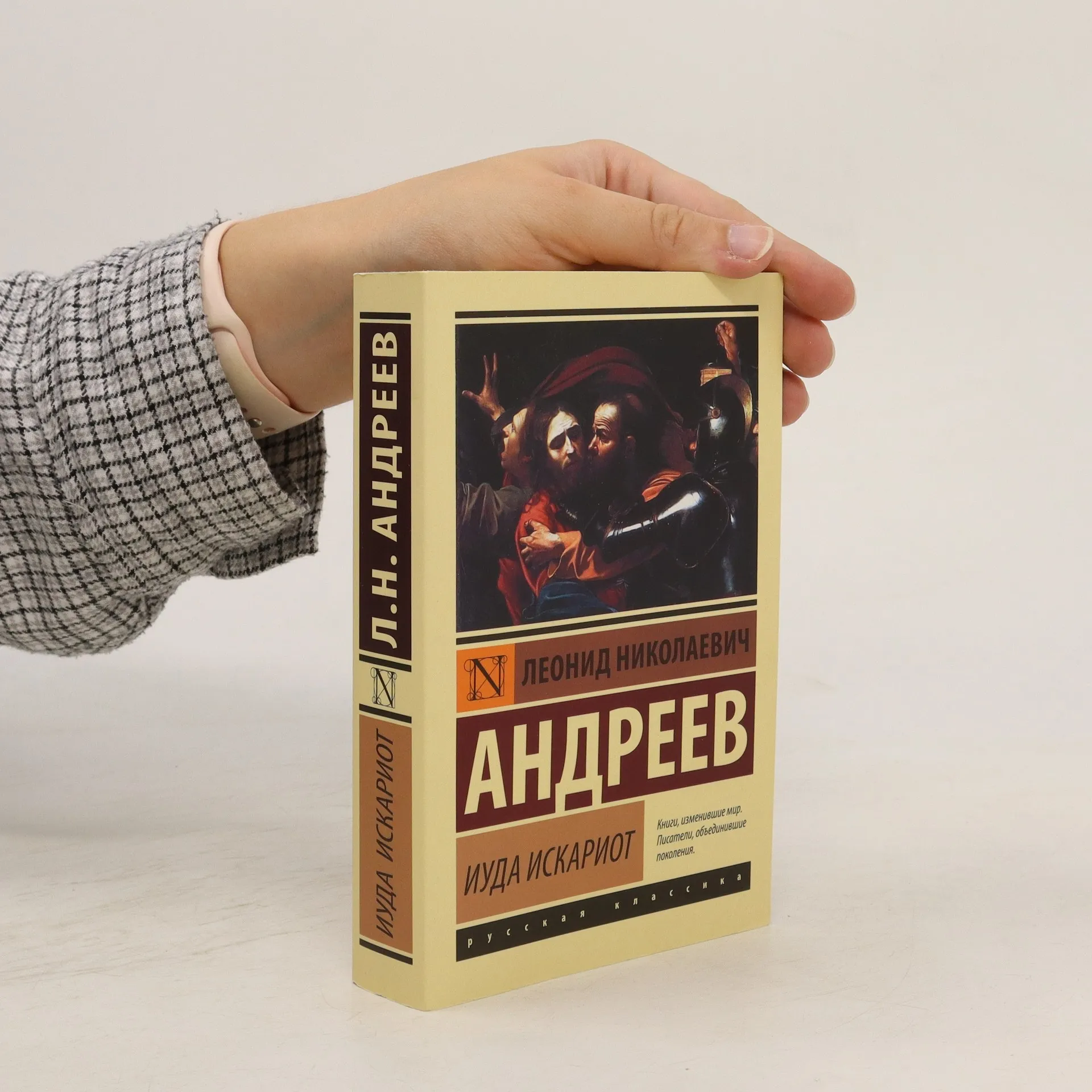
Иуда Искариот. Iuda Iskariot
- 448 Seiten
- 16 Lesestunden
Содержание: Иуда Искариот (повесть), стр. 5-70 Из рассказа, который никогда не будет окончен (рассказ), стр. 71-76 Рассказ о семи повешенных (рассказ), стр. 77-153 Иван Иванович (рассказ), стр. 154-165 Цветок под ногою (рассказ), стр. 166-181 Он. Рассказ неизвестного (рассказ), стр. 182-223 Герман и Марта (рассказ), стр. 224-229 Полет (рассказ), стр. 230-249 Рогоносцы (новелла), стр. 250-263 Чемоданов (рассказ), стр. 264-274 Два письма (рассказ), стр. 275-288 Дневник Сатаны (повесть), стр. 289-443
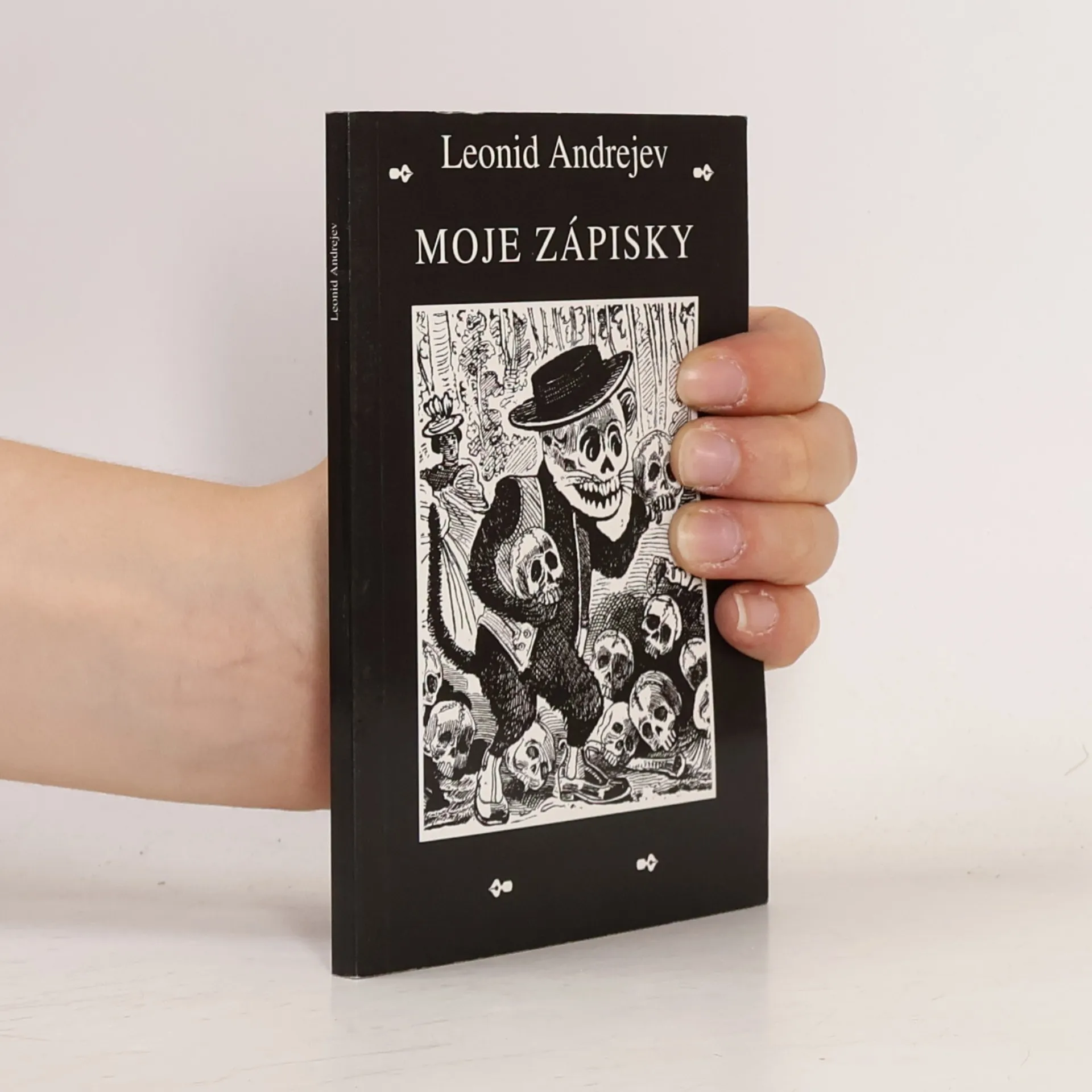
Krátkou novelu Moje zápisky, jejíž vydání bylo v Sovětském svazu až do nástupu perestrojky zakázáno, pokládal L. Andrejev za své nejzdařilejší dílo. Novela byla původně zamýšlena jako pokračování dramatu Sáva, její hrdina se však nakonec stal jeho přímým protikladem a samotný text ostrým útokem proti ideji Lva Tolstého „o neprotivení se zlu násilím“. Moje zápisky vzbudily po svém vydání značný, vesměs však kritický ohlas. Vypravěčem je vězeň odsouzený za hrůzný čin k doživotnímu vězení, a proto se právě zde snaží nalézt smysl svého života; není-li možné změnit vnější svět, je třeba najít vlastní svobodu a tu nachází právě ve vězeňském životě – v jeho řádu.
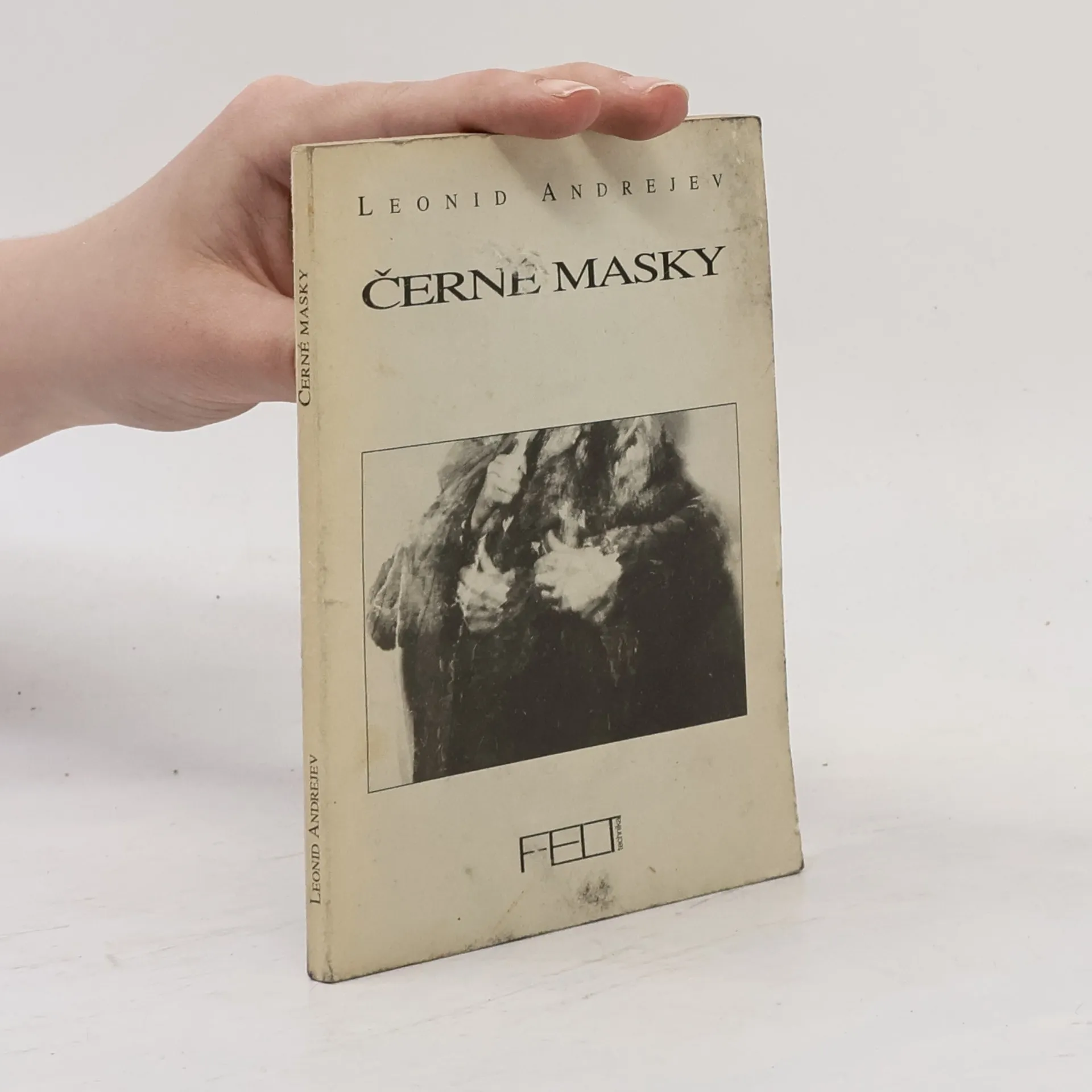
Groteskní drama, odehrávající se během zámeckého plesu ve středověké Itálii, rozvíjí motiv masky a maskování ve více významových rovinách.
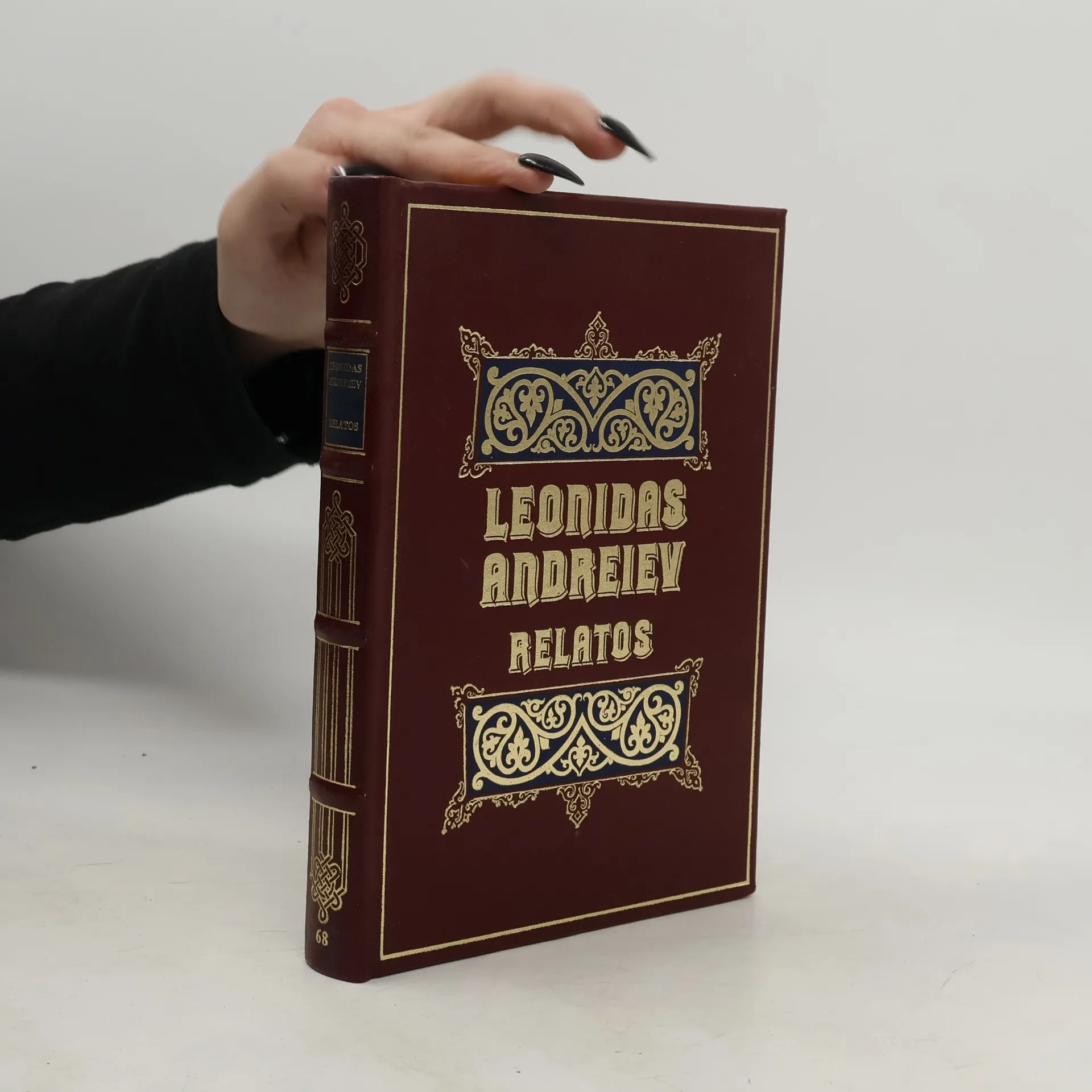
Relatos
- 177 Seiten
- 7 Lesestunden
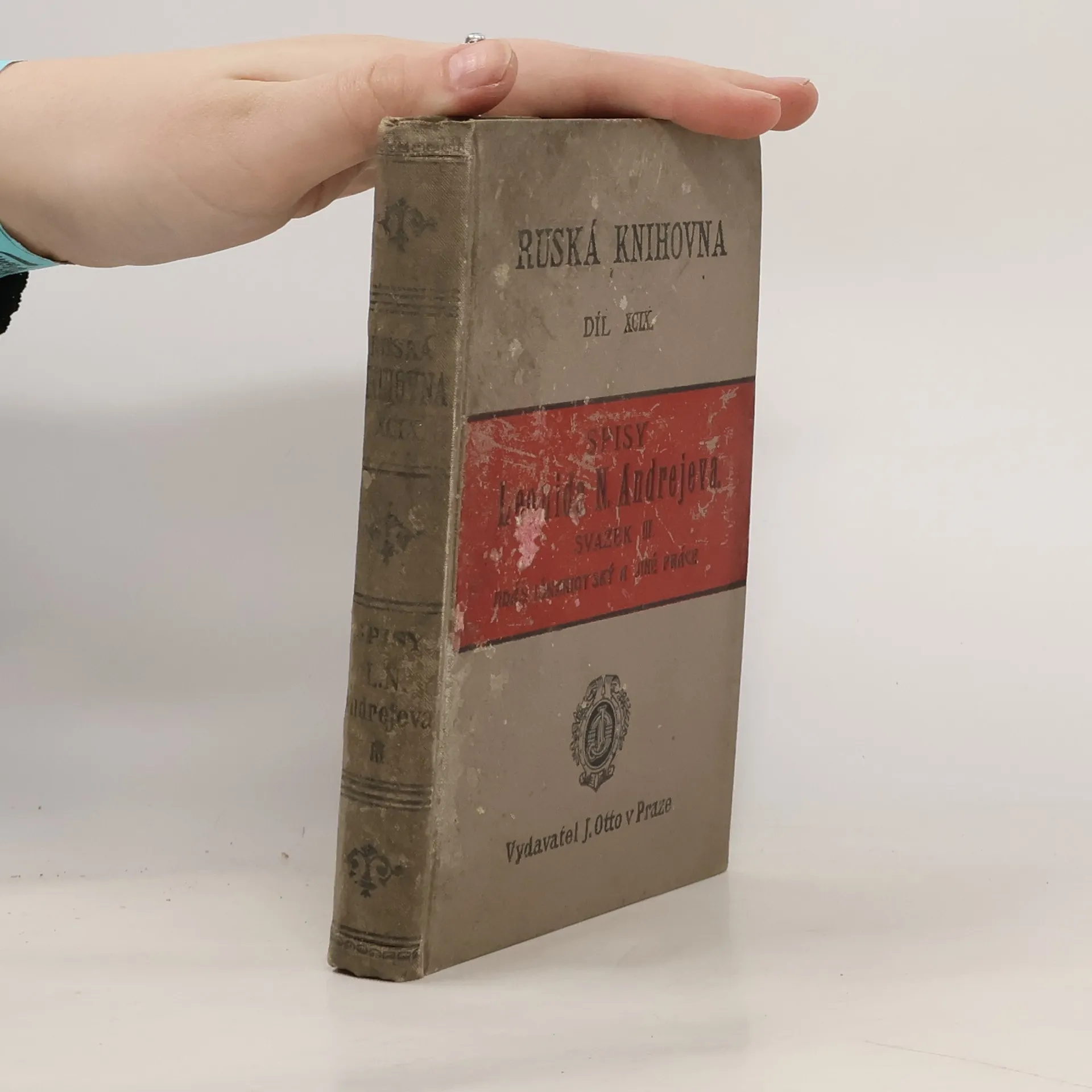
Spisy Leonida N. Andrejeva. Svazek III.
Jidáš Iškariotský a jiné práce
Jidáš Iškariotský - Moje zápisky - Syn člověka - Eleazar - Rozum (drama) - V Saburově - Hlupáček Aljoša - Láska k bližnímu.
Hry
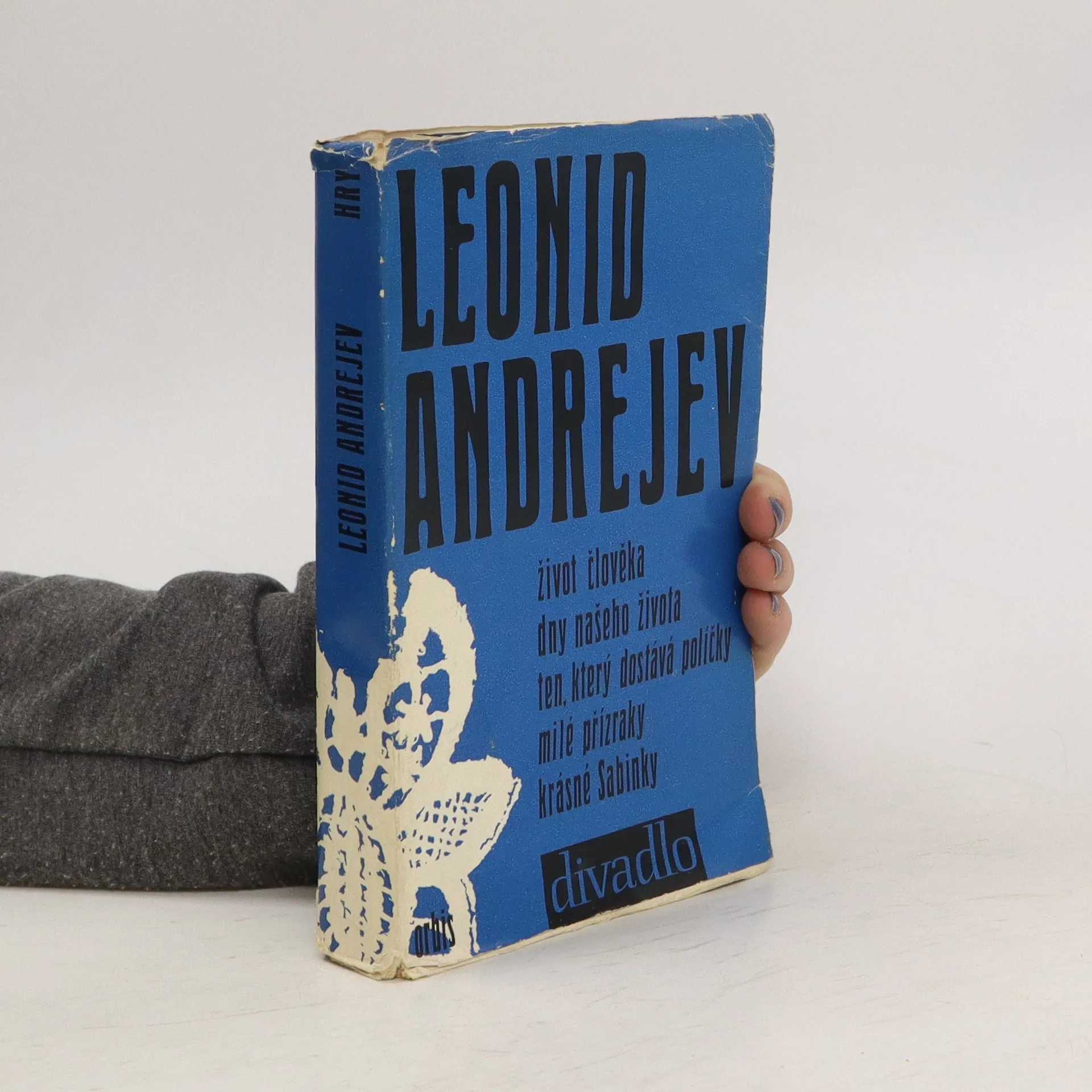
Život člověka. Dny našeho života. Ten, který dostává políčky. Milé přízraky. Krásné Sabinky
Výbor z dramat ruského prozaika a dramatika, jednoho z nejvýznamnějších umělců předrevolučního dvacetiletí. Život člověka (1906) zachycuje drama lidského života ve formě střídajících se symbolizujících a zobecňujících obrazů. Ve hře Dny našeho života dochází ke krizi, když mladý muž zjistí, že dívku, kterou miluje, nutí její matka k prostituci. Hra Ten, který dostává políčky (1915) je zaměřena proti malosti a nelidskosti měšťáckého světa. V dramatu Milé přízraky jsou na postavě chudého studenta zachyceny některé rysy F. M. Dostojevského. Satirická miniatura Krásné Sabinky útočí proti oportunismu opozičních buržoazních stran a proti rozporu mezi jejich činy a slovy.
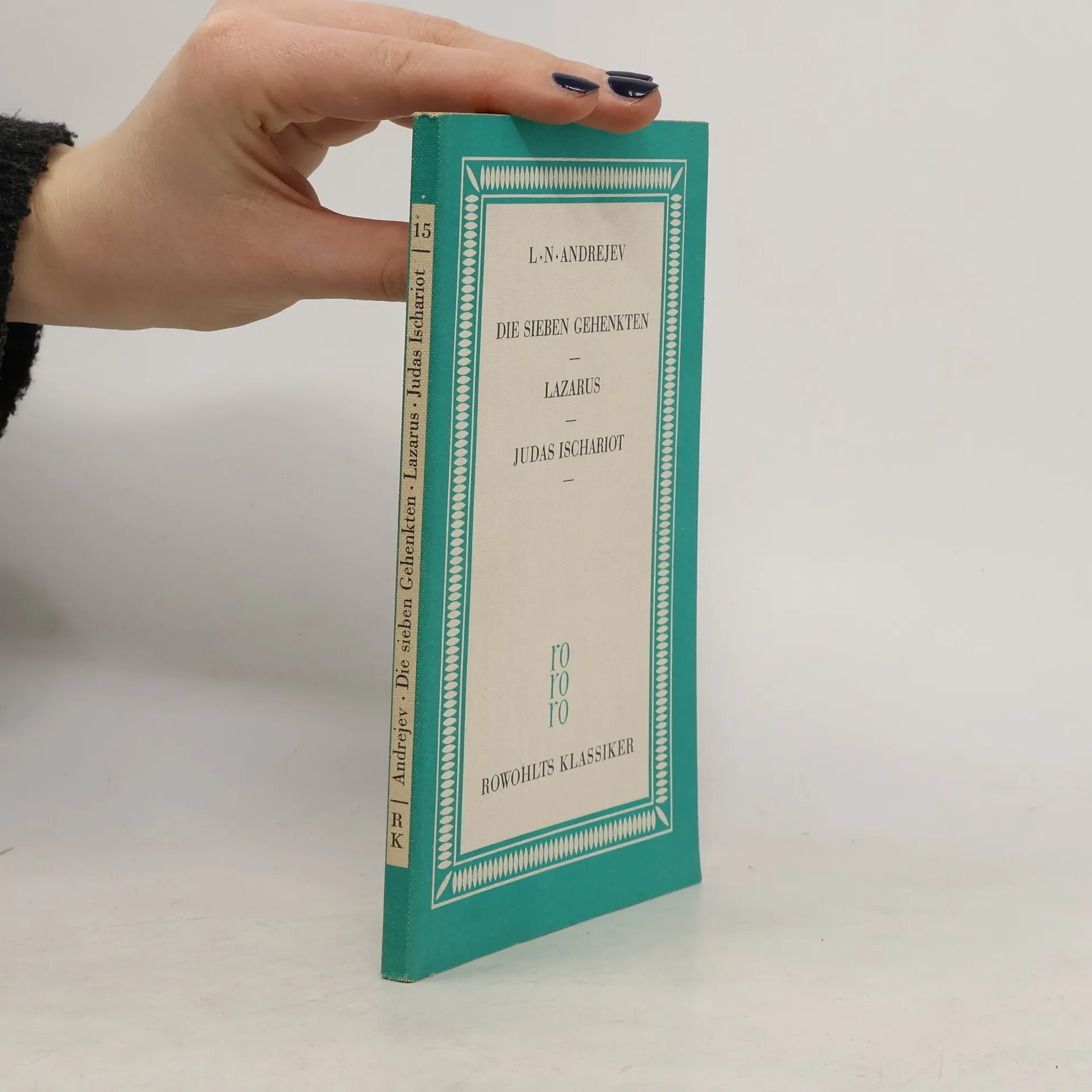
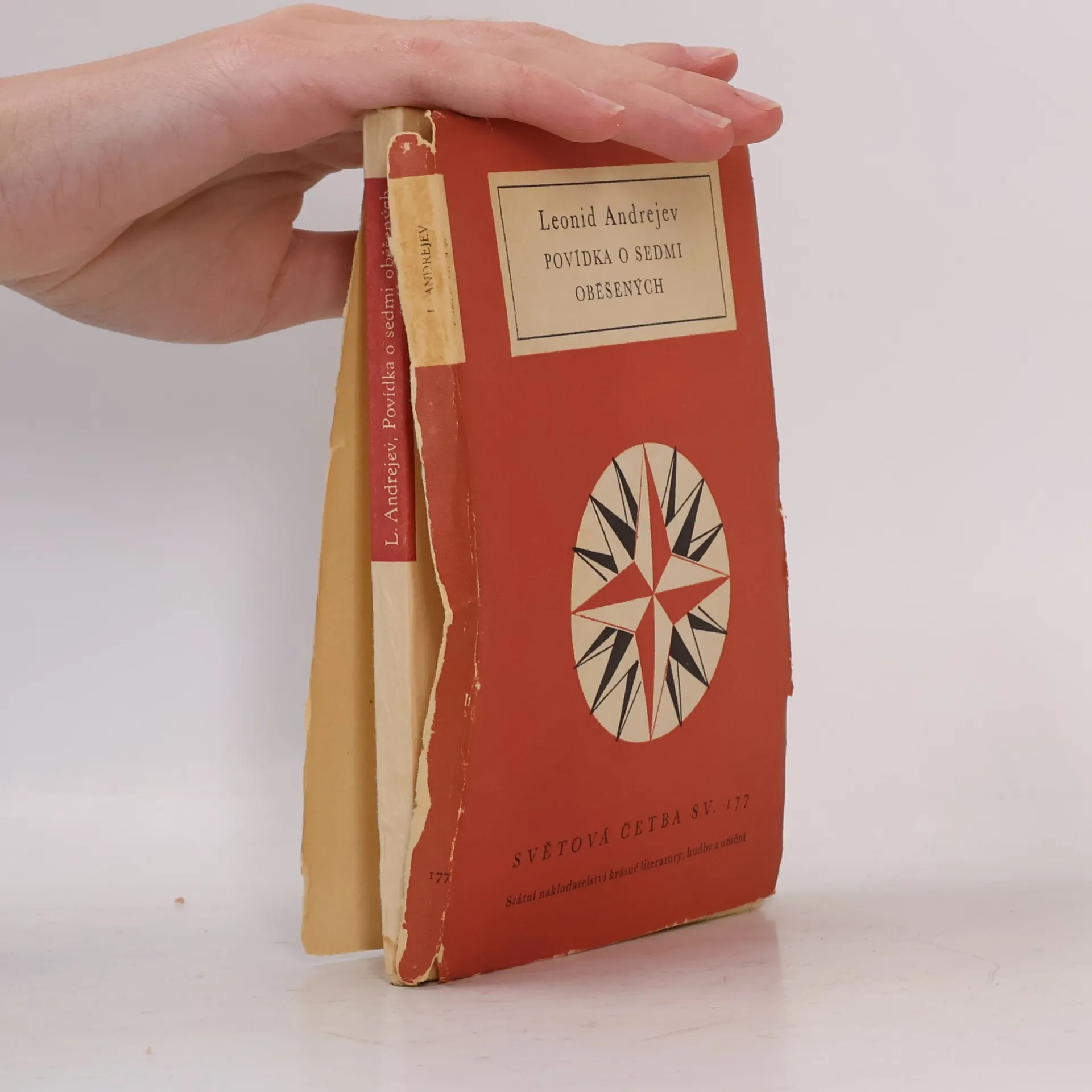
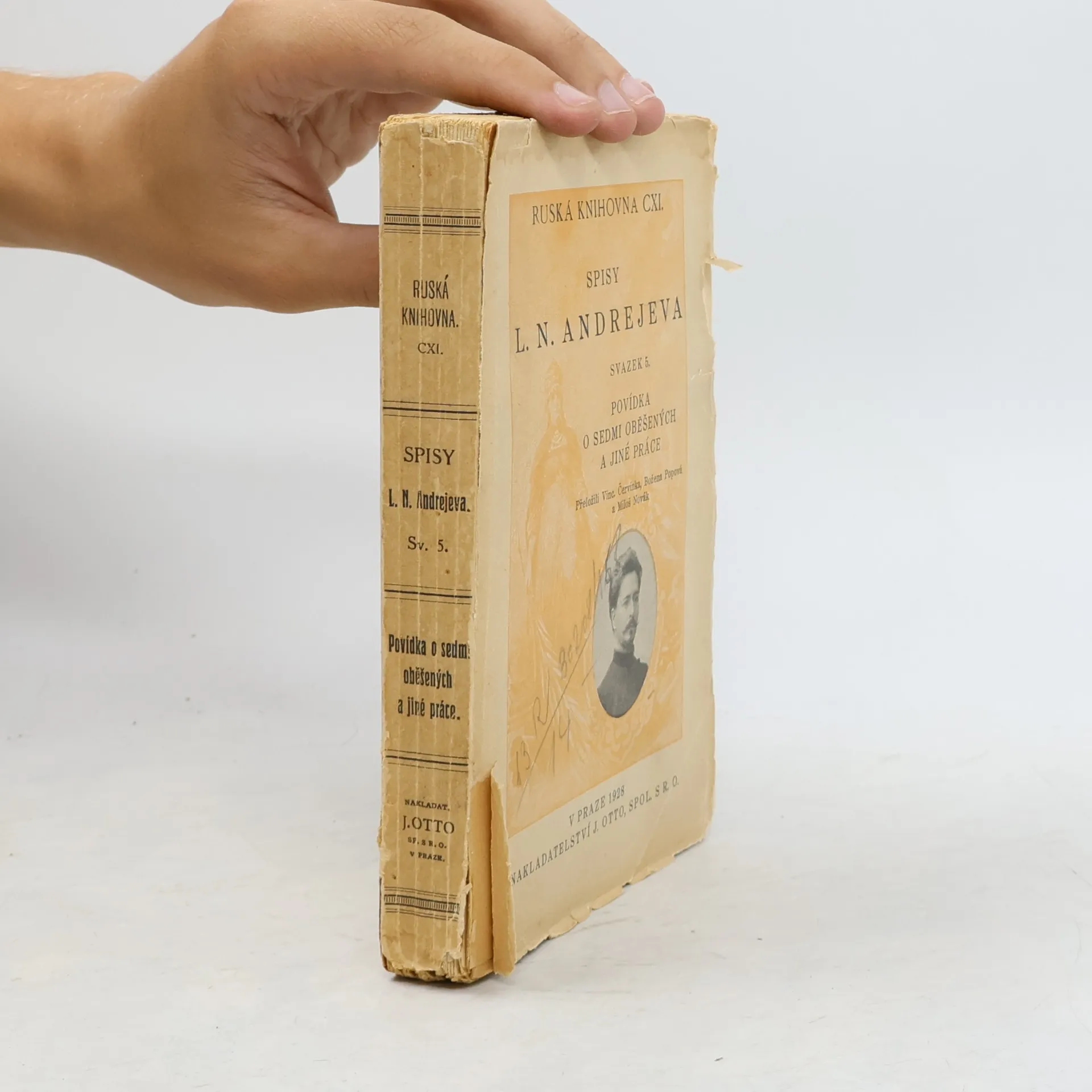
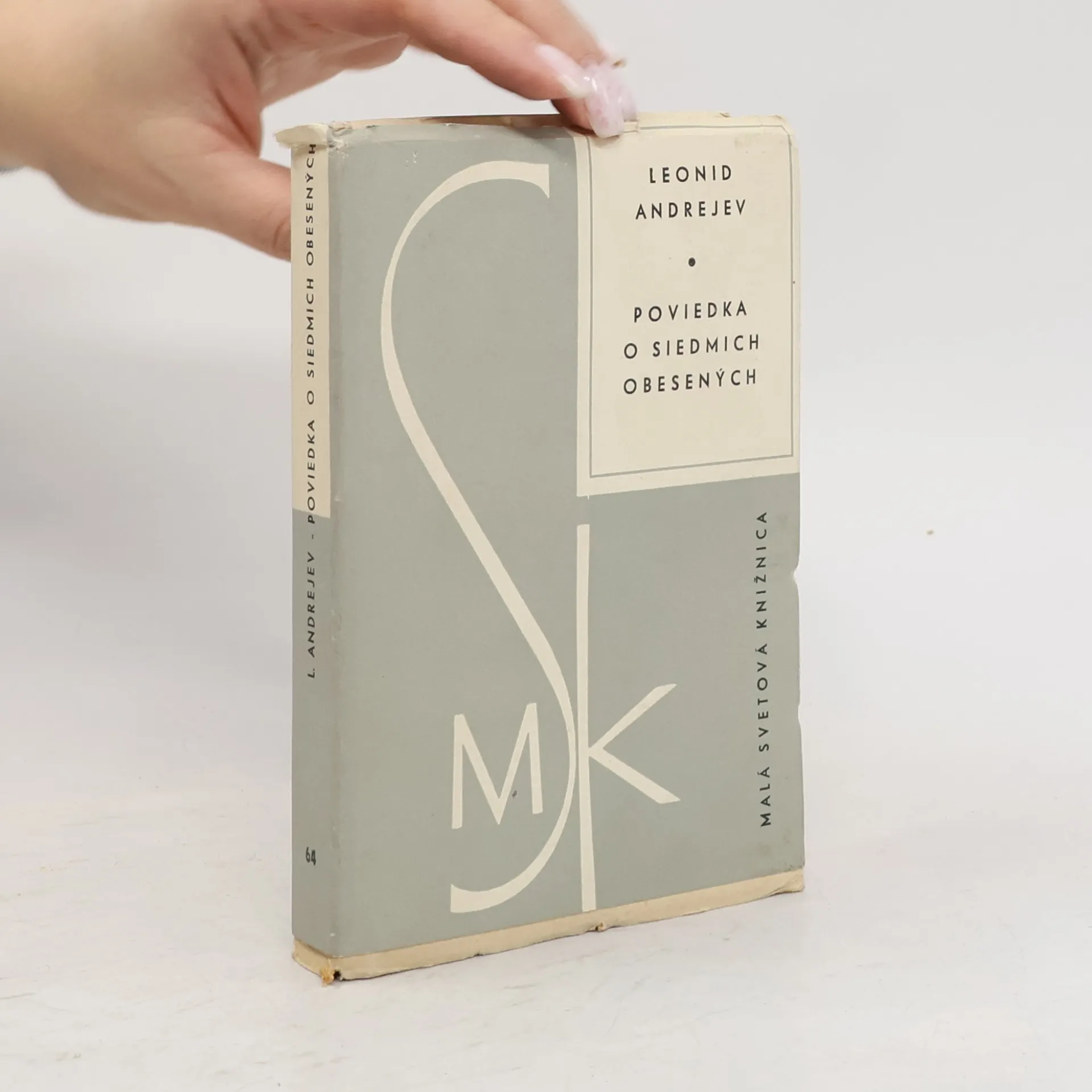
Nejvyzrálejší dílo významného ruského spisovatele předříjnového období (1871–1919), rozsahem nevelká novela z r. 1906, je psychologicky hlubokým a umělecky strhujícím vylíčením posledních chvil sedmi lidí – pěti revolucionářů a dvou zločinců – odsouzených k smrti oběšením. Třebaže autor ani zmínkou nenaznačuje, zač jeho revolucionáři bojovali a zač jdou na smrt, třebaže odsouzence v jejich předsmrtných úvahách nemučí nezdar revolučního díla, nýbrž jen hrůza ze smrti, která je sbližuje s oběma zločinci, přece bylo dílo v době stolypinské reakce chápáno nejen jako protest proti hromadným popravám a proti nelidskosti trestu smrti, ale přímo jako revoluční čin, jako proticarský manifest.
Průřez tvorbou autora velkého talentu, který ve svém díle sugestivně zachytil člověka postaveného tváří v tvář i nejtěžším životním situacím. Výbor uspořádal a doslov napsal Jaroslav Žák.
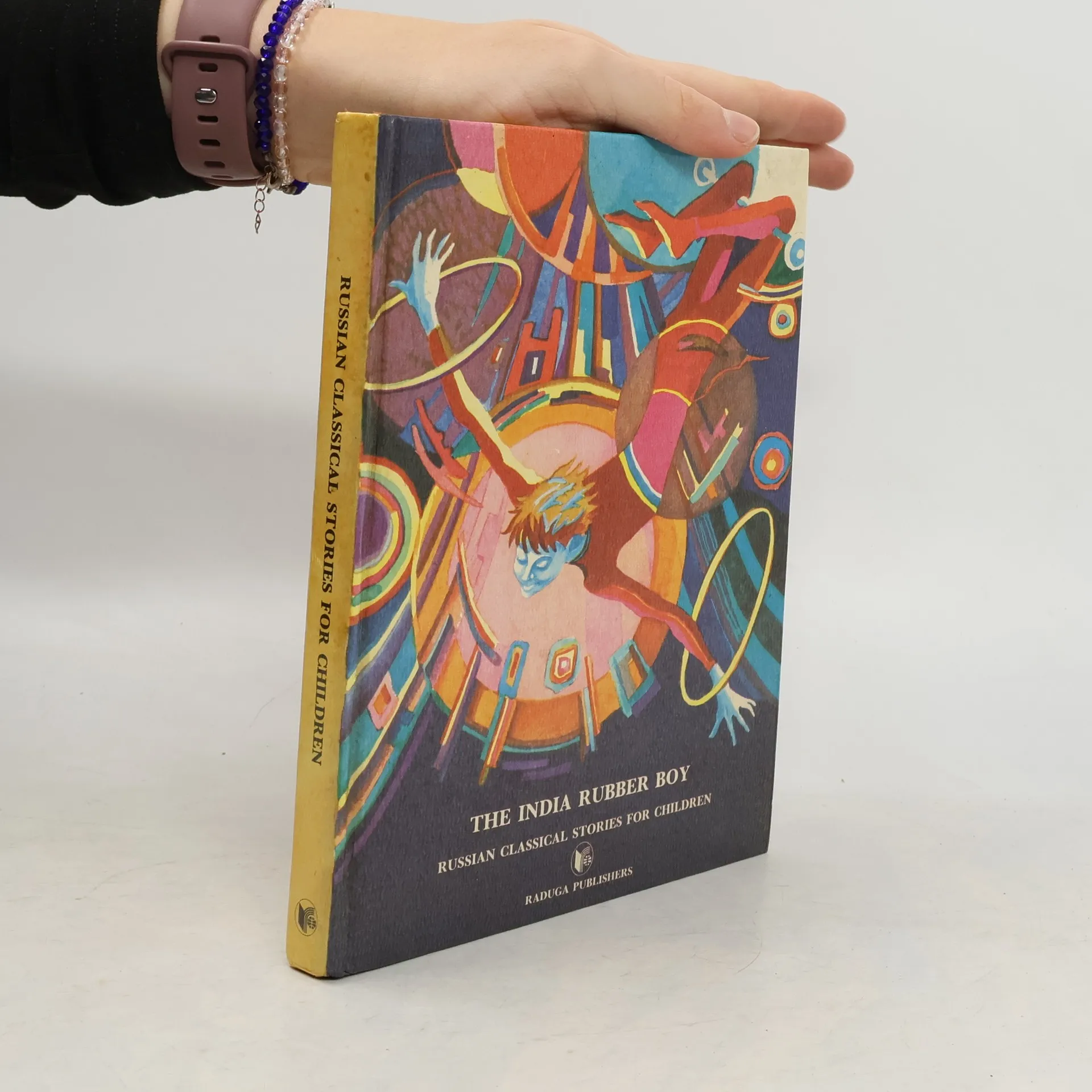
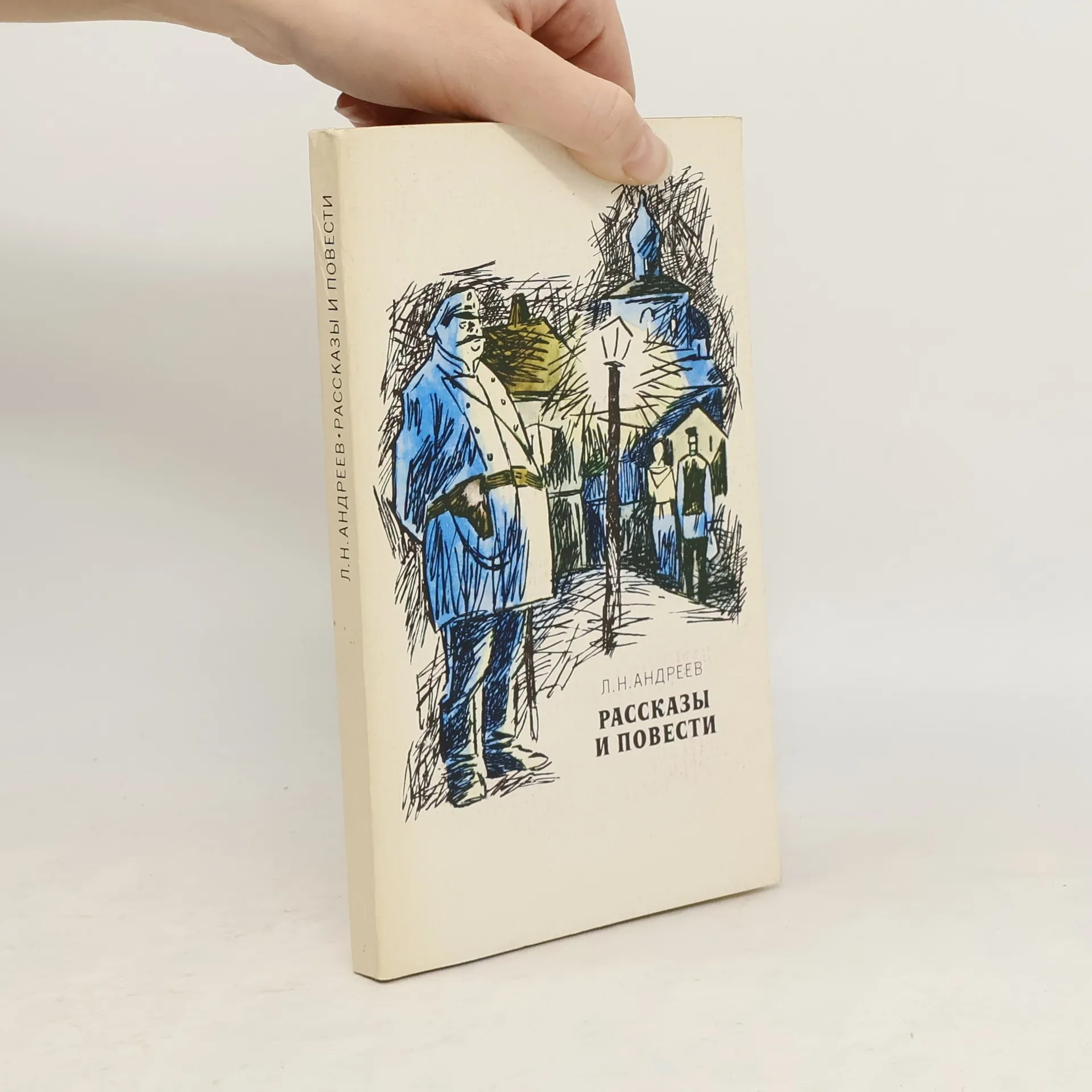
Русские классики: Рассказы
- 509 Seiten
- 18 Lesestunden