Gratisversand in ganz Deutschland!
Bookbot

Anders Åslund

    17. Februar 1952
    The Russia Balance Sheet
    Building Capitalism
    Getting It Wrong: Regional Cooperation and the Commonwealth of Independent States
    Post-Communist Economic Revolutions: How Big a Bang?
    Russia's Crony Capitalism
    How Capitalism Was Built
    • How Capitalism Was Built

      • 440 Seiten
      • 16 Lesestunden
      4,0(4)Abgeben

      The second edition provides comprehensive updates across all chapters, reflecting the significant impacts of the global financial crisis and developments within the European Union. It offers an in-depth analysis of economic dynamics and policies, making it a valuable resource for understanding contemporary financial challenges and their implications.

      How Capitalism Was Built
    • Russia's Crony Capitalism

      • 336 Seiten
      • 12 Lesestunden
      4,0(98)Abgeben

      A penetrating look into the extreme plutocracy Vladimir Putin has created and its implications for Russia's future

      Russia's Crony Capitalism
    • This is an examination of the economic achievements and failures in a number of former communist-bloc countries, focusing on the common issues and the available options. It covers developments in Russia, Poland, Czechoslovakia, Hungary, Yugoslavia, Bulgaria, Romania and Albania, as well as the economic transformations in China and Vietnam. The book also puts forward policy recommendations for the future. One of the author's conclusions is that, the slower a country's process of democratization, the costlier its economic transformation is likely to be.

      Post-Communist Economic Revolutions: How Big a Bang?
    • The book examines the formation and subsequent failure of the Commonwealth of Independent States (CIS) following the dissolution of the Soviet Union. It highlights the initial intentions behind the Belovezh Accords, aimed at fostering cooperation among former Soviet republics. However, the authors argue that the CIS has not achieved its goals of political coordination or economic integration, as the newly independent nations prioritized their sovereignty over collective governance. Insights from leading experts provide a thorough analysis of the challenges faced by the CIS.

      Getting It Wrong: Regional Cooperation and the Commonwealth of Independent States
    • Building Capitalism

      The Transformation of the Former Soviet Bloc

      • 532 Seiten
      • 19 Lesestunden
      3,3(10)Abgeben

      This book offers an in-depth economic analysis of the Soviet bloc countries a decade following the fall of Communism. It examines the transitions these nations underwent, exploring the impacts of policy changes, market reforms, and socio-economic challenges. The author provides insights into the successes and failures of various economic strategies, highlighting the complexities of post-Communist recovery and the ongoing struggles for stability and growth in the region.

      Building Capitalism
    • The Russia Balance Sheet

      • 207 Seiten
      • 8 Lesestunden
      3,4(15)Abgeben

      Product Description: Russia projects a sense of renewed power and prominenence on the world stage; by 2020 it's expected to emerge as the fifth-largest economy in the world. Going forward, how the United States and Russia deal with each and with issues of mutual interest will have a significant impact around the globe. The Russia Balance Sheet sets forth a primer on Russia's current governmental and political infrastructure as well as its opportunity for growth. This important new book provides comprehensive, balanced, and accurate information on all key aspects of Russia and discusses what its status means for the US and other nations. To that end, the authors develop a cohesive, overarching framework that analyzes the nexus point of such areas as economic reforms and integration, domestic politics and society, foreign business partnerships, and energy demands. Based upon this foundation, the book capably suggests constructive policies for Russia and the next US administration that will take office in 2009.

      The Russia Balance Sheet
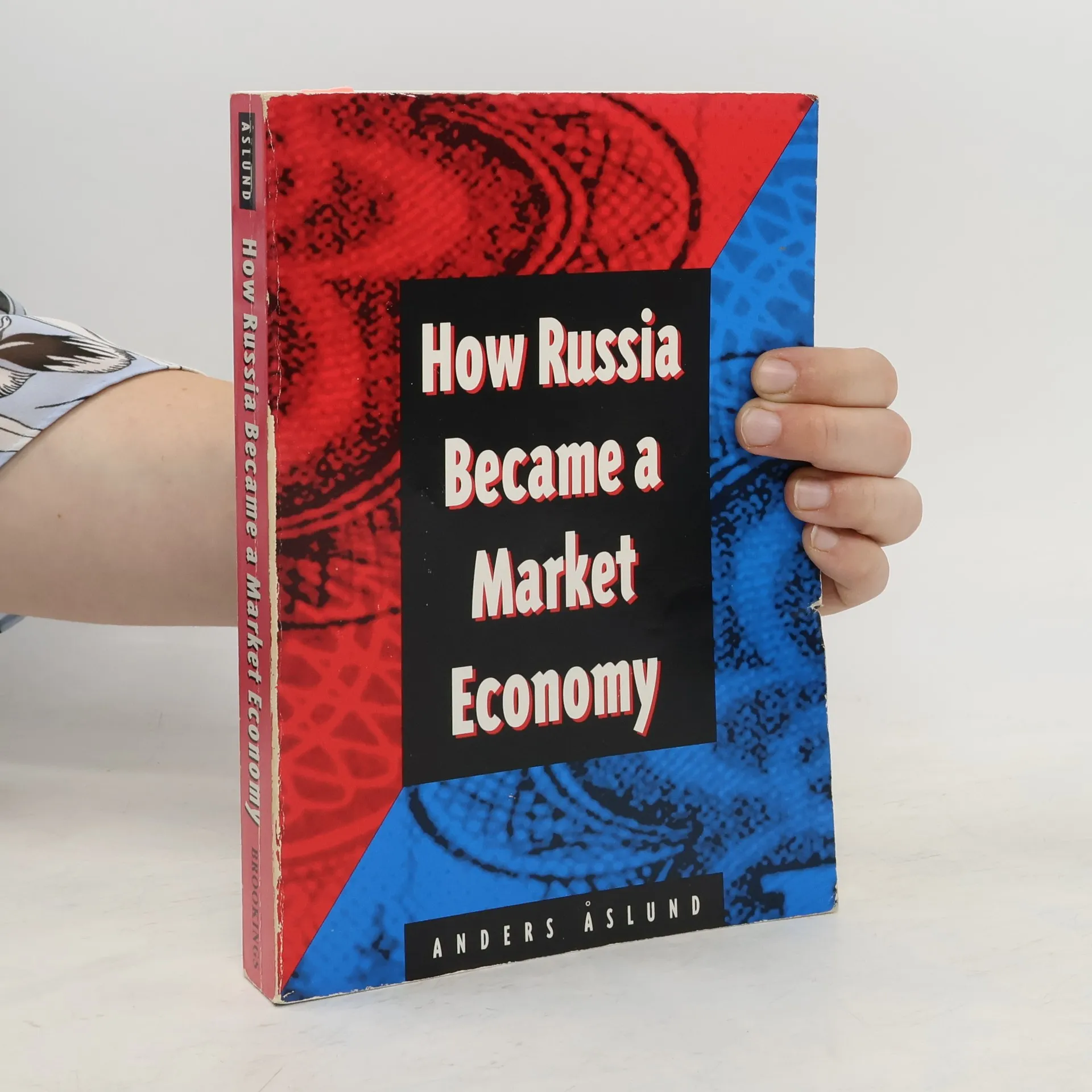
    • How Russia Became a Market Economy

      • 402 Seiten
      • 15 Lesestunden

      This book provides the most detailed and insightful assessment to date of the Russian transformation from a socialist economy to a market economy. As a longtime specialist on the Soviet economy and an economic adviser to the Russian government during most of this period, Aslund analyzes the original intentions of the government, what they were to accomplish, and why they fell short. According to Aslund, the Russian transformation has not been too quick, as many maintain, but rather too slow.

      How Russia Became a Market Economy
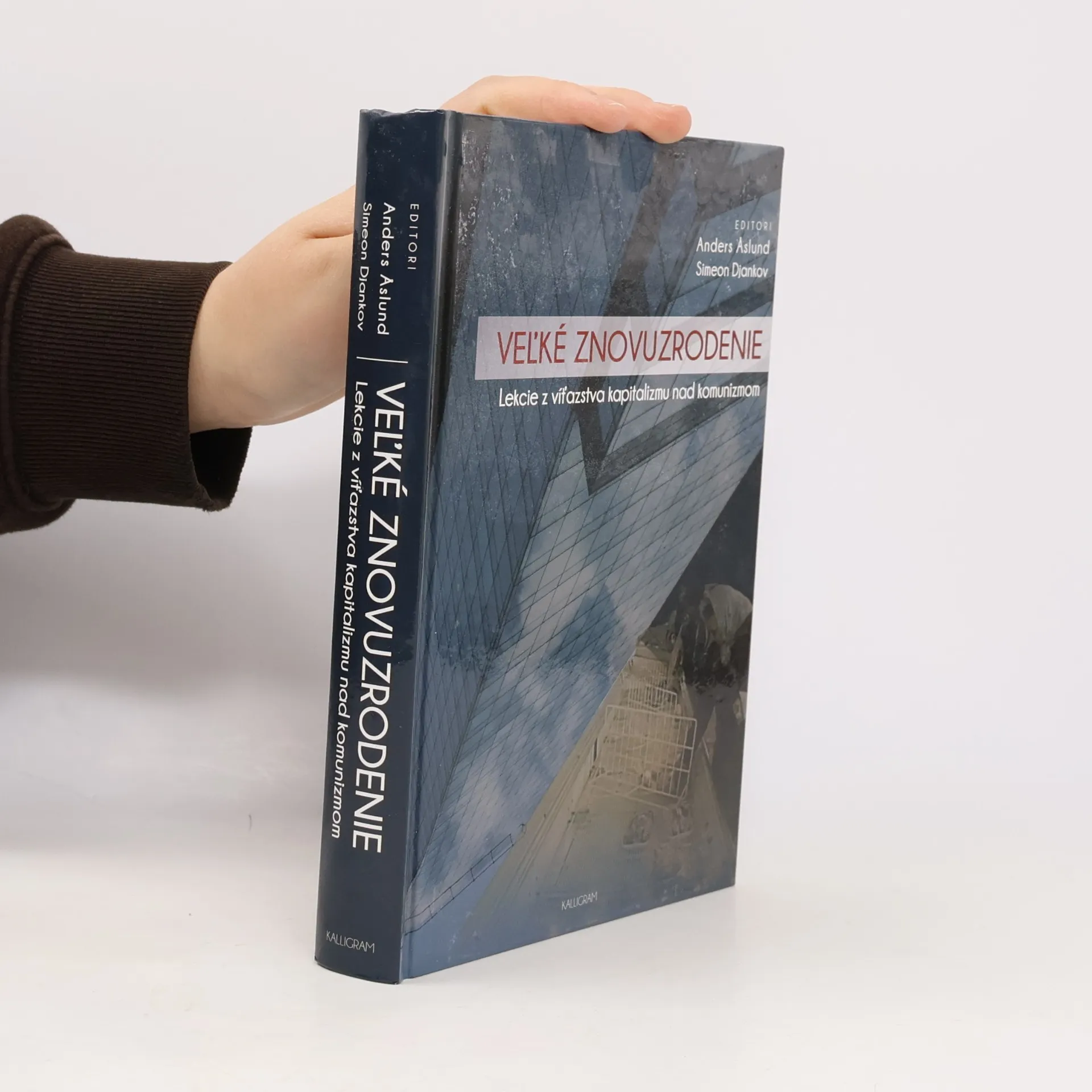
    • Veľké znovuzrodenie

      • 418 Seiten
      • 15 Lesestunden

      Lekcie z víťazstva kapitalizmu nad komunizmom. Pád komunizmu pred 25 rokmi zmenil politické a ekonomické prostredie vo viac ako dvadsiatich krajinách Európy a Ázie. V tejto publikácii vedúci politický činitelia, akademici a tvorcovia politík hodnotia skúsenosti získané z „veľkého znovuzrodenia“ kapitalizmu. Vyzdvihujú tie stratégie, ktoré boli v jednotlivých štátoch najúspešnejšie v procese ich prechodu na stabilné a prosperujúce trhové hospodárstva. Sú v nej však uvedené aj príklady takých krajín, v ktorých opäť prevládlo politické a ekonomické autoritárstvo. Autori štúdií dospeli k záveru, že najlepšie výsledky sa zrodili zásluhou jasných vízií lídrov a ich ochoty podniknúť odvážne kroky, vďaka privatizácii štátnych podnikov a deregulácii cien. Nedávne retardačné tendencie v Rusku a v Maďarsku však vrhajú tieň na odkaz transformácie pred štvrťstoročím. Kniha je výsledkom dvojdňového sympózia v Budapešti 6. až 7. mája 2014, na ktorom odborníci – teoretici a praktickí ekonómovia – reflektovali na minulosť, súčasnosť a budúcnosť reforiem.

      Veľké znovuzrodenie