Martin McCauleyReihenfolge der Bücher (Chronologisch)
18. Oktober 1934
Martin McCauley ist ein Autor und Experte für Osteuropa, China und den neuen Terrorismus, der als Dozent an der Universität London tätig ist. Seine Werke konzentrieren sich auf komplexe geopolitische Fragen und das Aufkommen moderner Terrorismusformen. Durch sein Schreiben bietet er tiefe Einblicke in die Dynamik globaler Konflikte und die treibenden Ideologien. Seine Analysen sind wertvoll für das Verständnis aktueller internationaler Beziehungen.
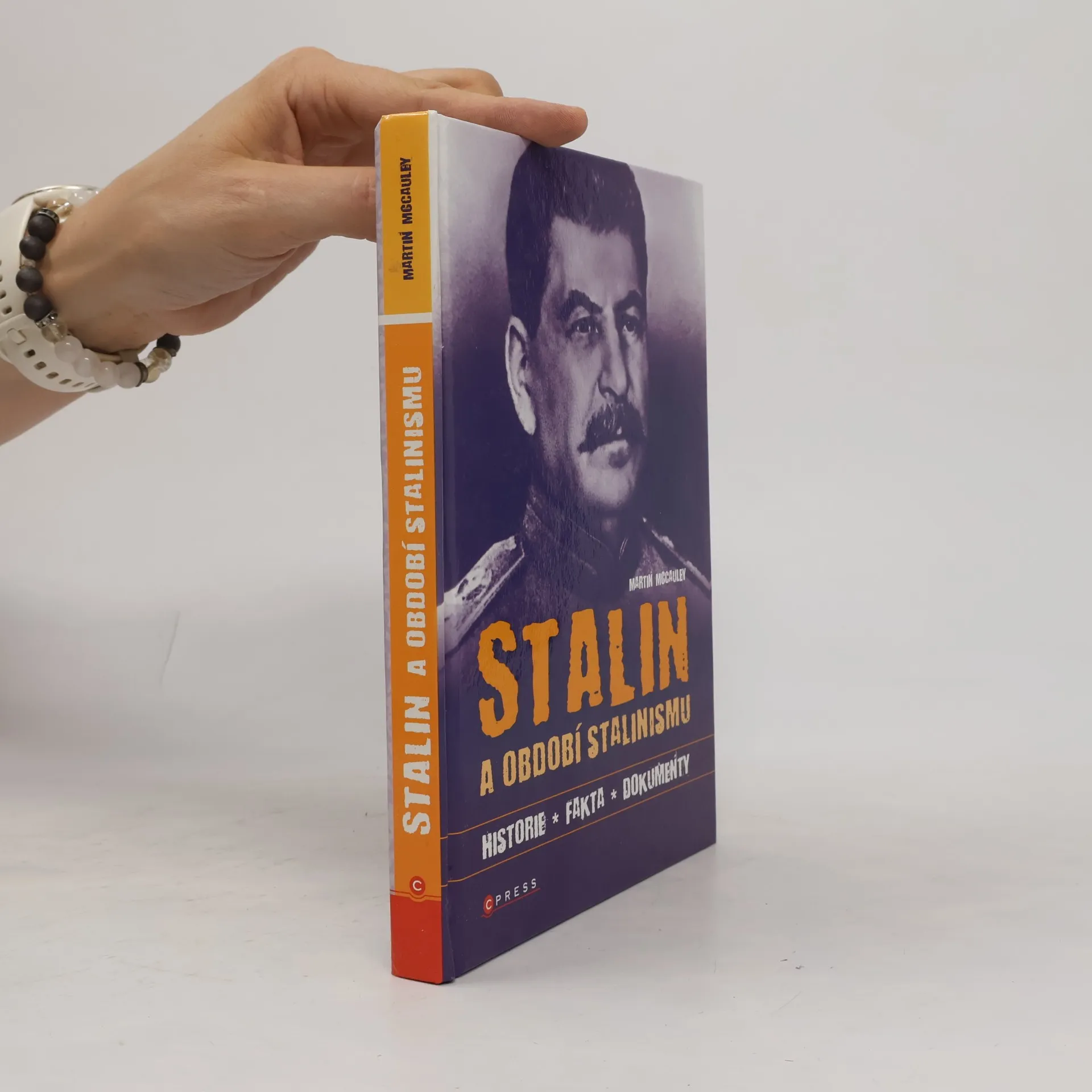
Jeden z nejúspěšnějších diktátorů 20. století. Publikace představuje analýzu celé stalinské éry, zabývá se kultem jeho osobnosti, proč mohla být tak úspěšná a jaký je její vliv i dnes. Stejně jako u předešlé publikace z této série i zde čtenář najde kromě samotného výkladu i řadu citovaných historických dokumentů, které mu mohou pomoci vytvořit si širší obraz o osobnosti Stalina i jeho době. Nechybí také chronologický přehled a podrobné mapky.
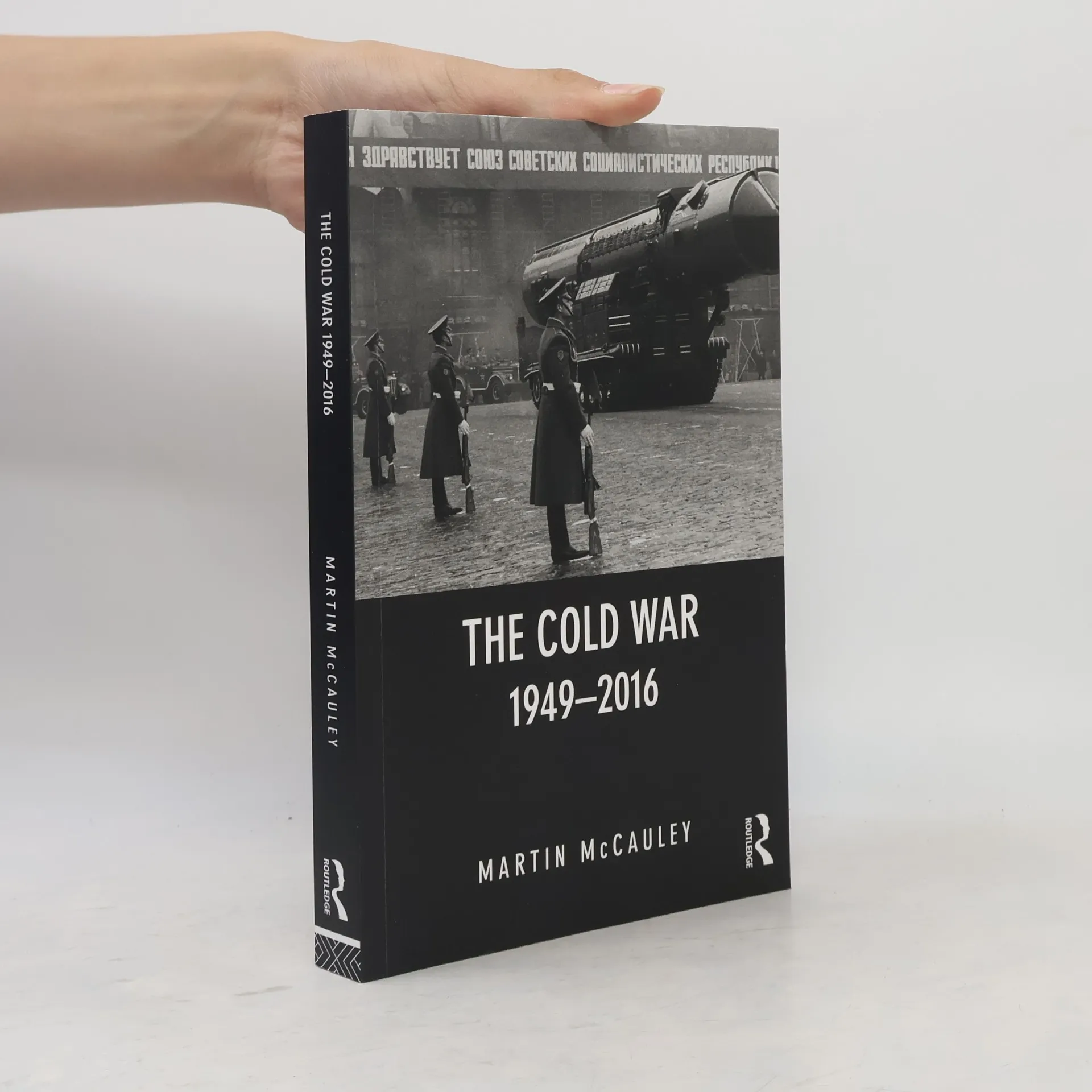
This new edition of Russia, America and the Cold War looks at the struggle between the two superpowers. The book summarises the main turning points in the conflict, looks at how the whole world was sucked into the Cold War, shows how the arms race eventually bankrupted the Soviet Union, and discusses whether or the two sides have learnt anything from this confrontation. This new edition has been completely revised and significantly extended, taking its coverage beyond 1991. Also containing photopgraphs and maps, primary sources, and a glossary, this book is essential reading for all students of twentieth century history.
Now in its fifth edition, this text covers the formative years of the struggle between the United States and the Soviet Union, detailing how the Cold War originated and evolved from 1941 to 1949. It examines the global implications of this conflict, particularly the impact on the developing world through proxy wars. The revised edition includes new insights on various topics, such as the efforts of the Soviet Union, the UK, and France to avert World War II; the motivations behind the Molotov-Ribbentrop Pact; atomic diplomacy; and the influence of Soviet spies in the West. It also discusses Churchill's attempts to draw the US into the war against Germany, Hollywood's role in promoting intervention, and the US's negligence regarding the threat of a Japanese attack. The book highlights the remarkable success of the Soviet Union in recruiting American officials for critical intelligence on politics and technology. Incorporating the latest scholarship, it serves as an essential introduction to a pivotal period that shaped contemporary global dynamics. This work is a vital resource for courses on modern global history and international affairs. The structure includes background information, descriptive analysis, assessments, and relevant documents.
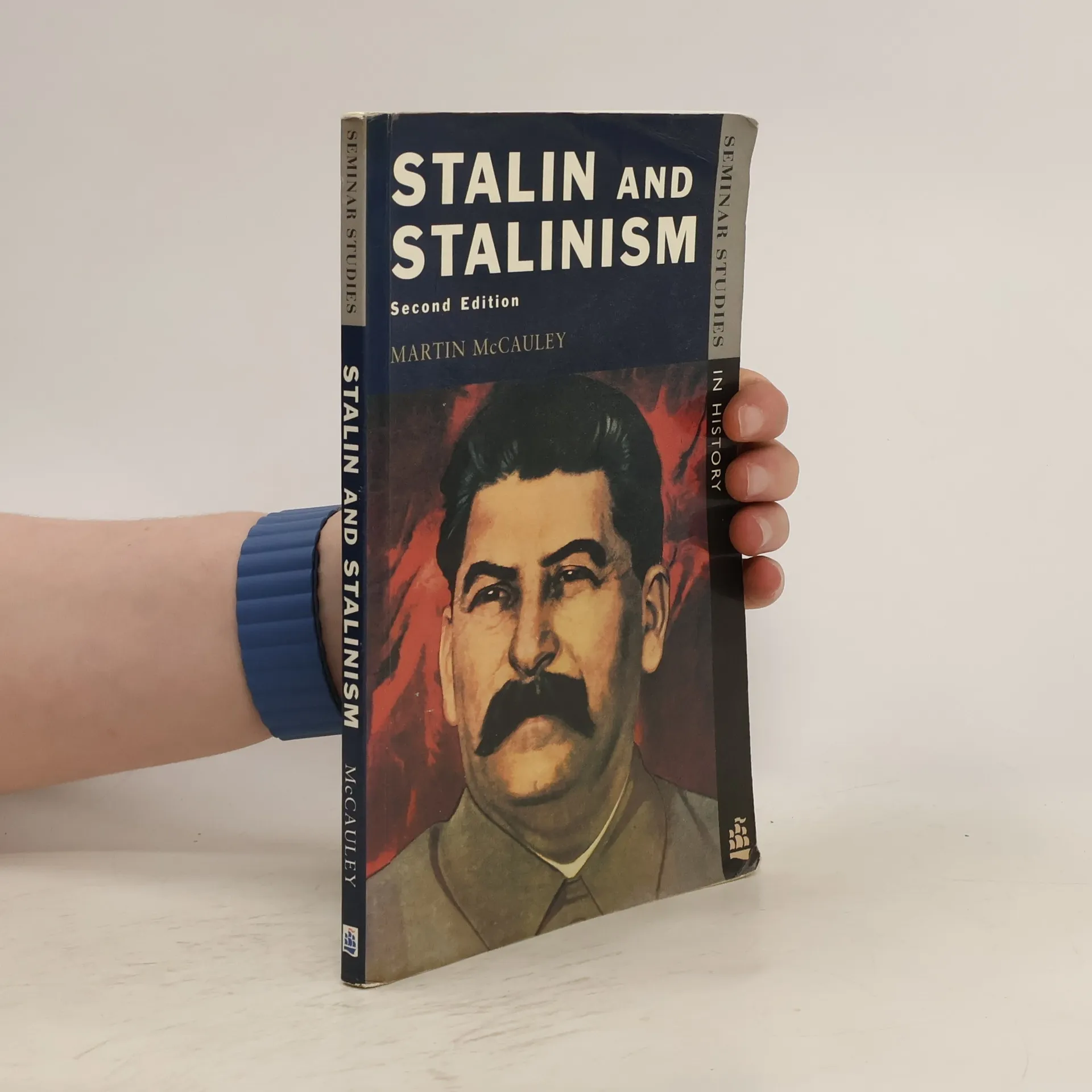
Despite the collapse of the Soviet Union in 1991 Stalinism still casts its shadow over post-Communist Russia. For the Second Edition of this popuar text, the author re-examines this remarkable phenomenon in the light of the latest research findings of the Russian archives. As with all the books in the series Martin McCauley addresses the key questions facing students, and also takes into account the vigorous scholarly debate between the old, dominant totalitarian interpretation of Stalinism and the alternative school of thought put forward by the "social historians'' in the 1980s.
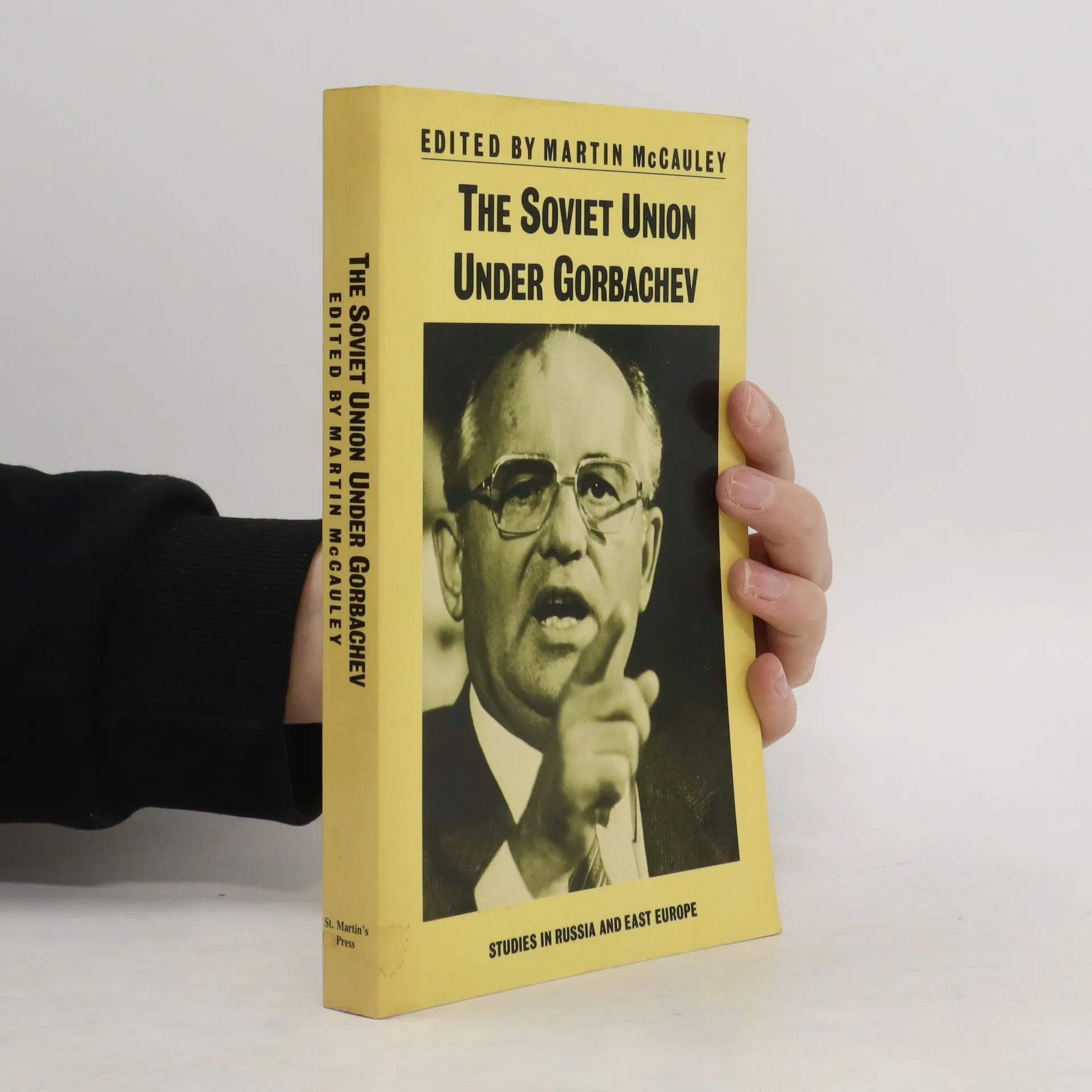
In this book specialists address the main problems facing Gorbachev and are cautiously optimistic about his chances of modernising the USSR. It is absolutely essential that results in 1986 and 1987 are good otherwise he will face failure. He has been faced with serious problems in coming to power; how has he fared?