A visually profound and highly personal portrait of Paik, enriched with recollections by John Cage, Laurie Anderson, and other friends.
Pierre Restany Bücher
24. Juni 1930 – 29. Mai 2003


Yves Klein
- 248 Seiten
- 9 Lesestunden
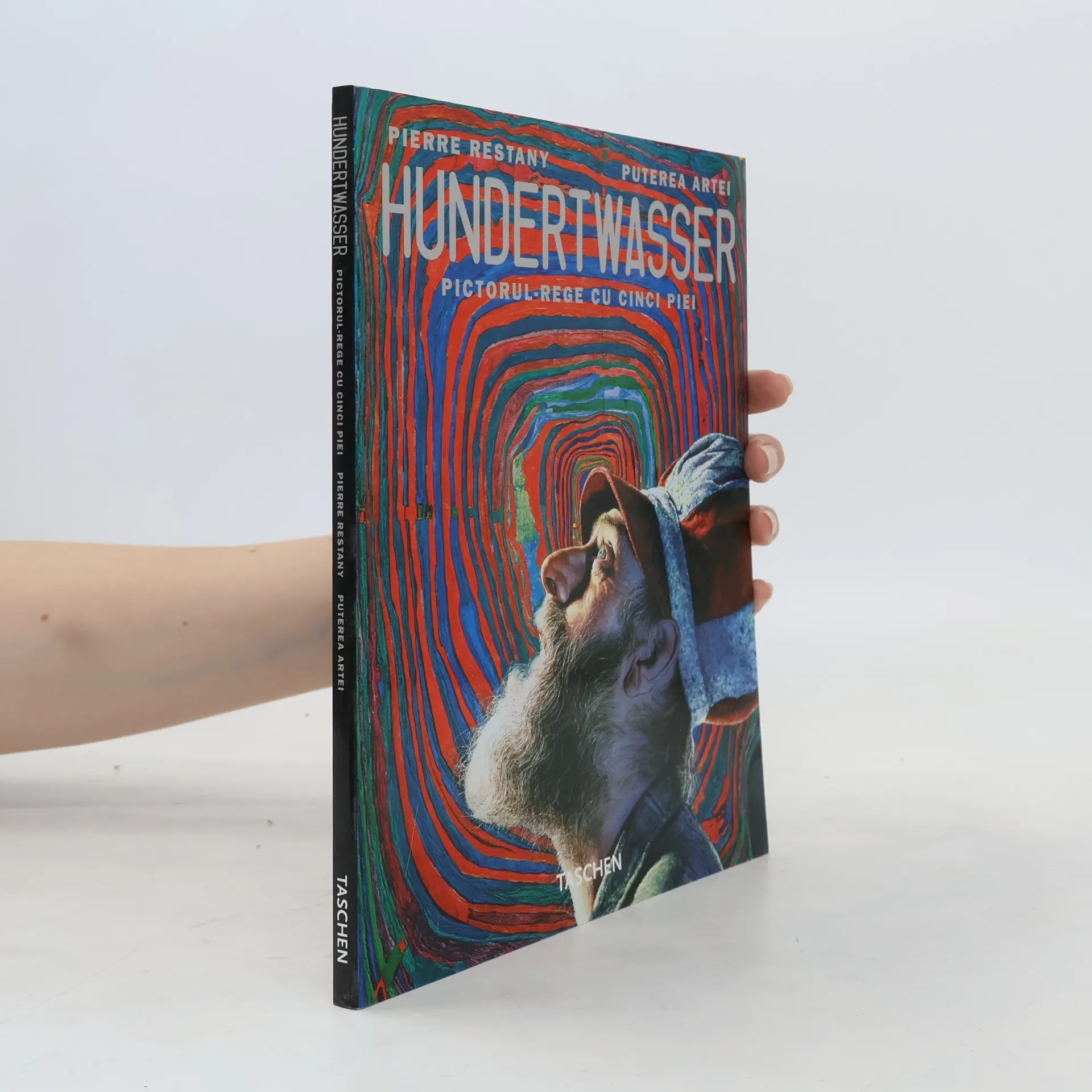
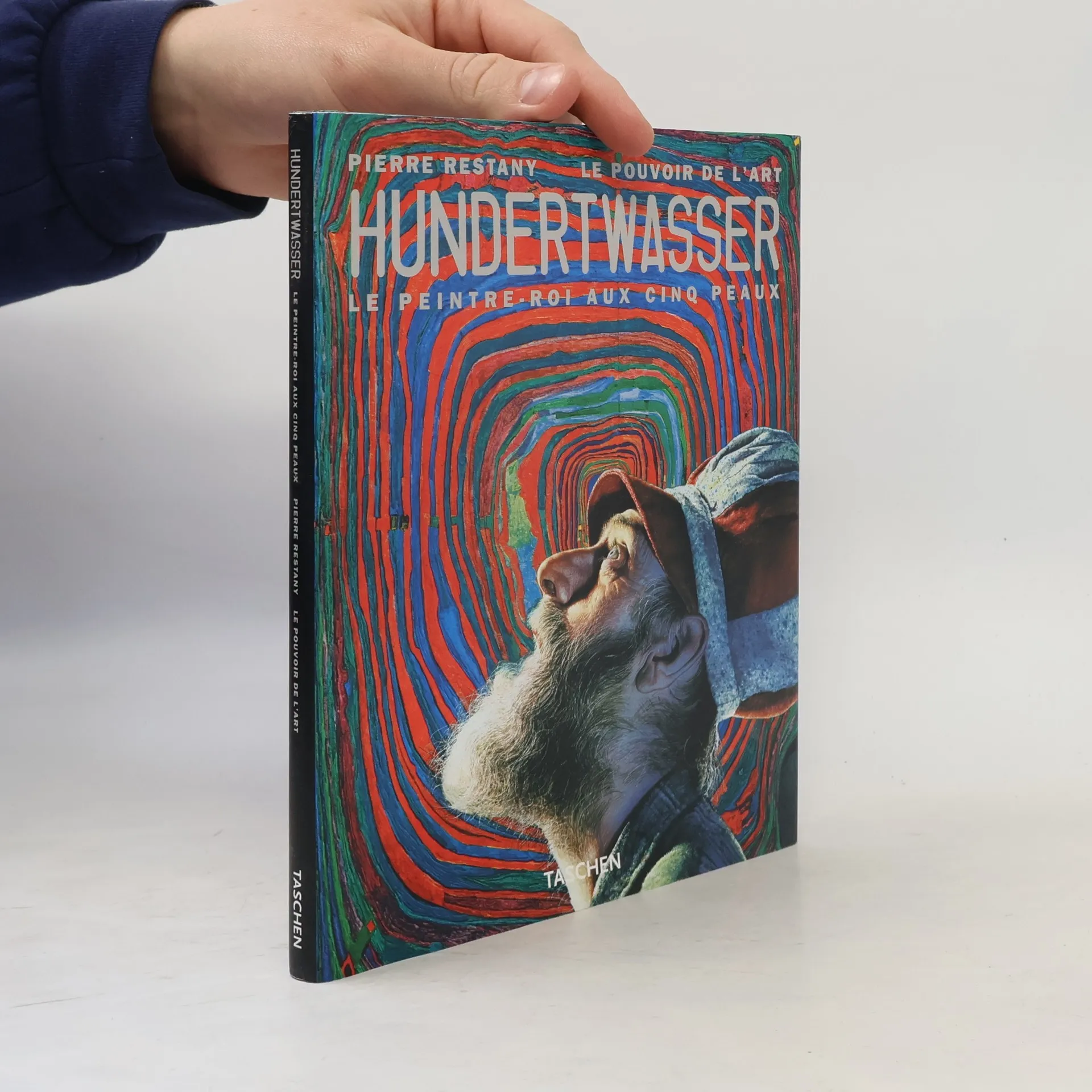
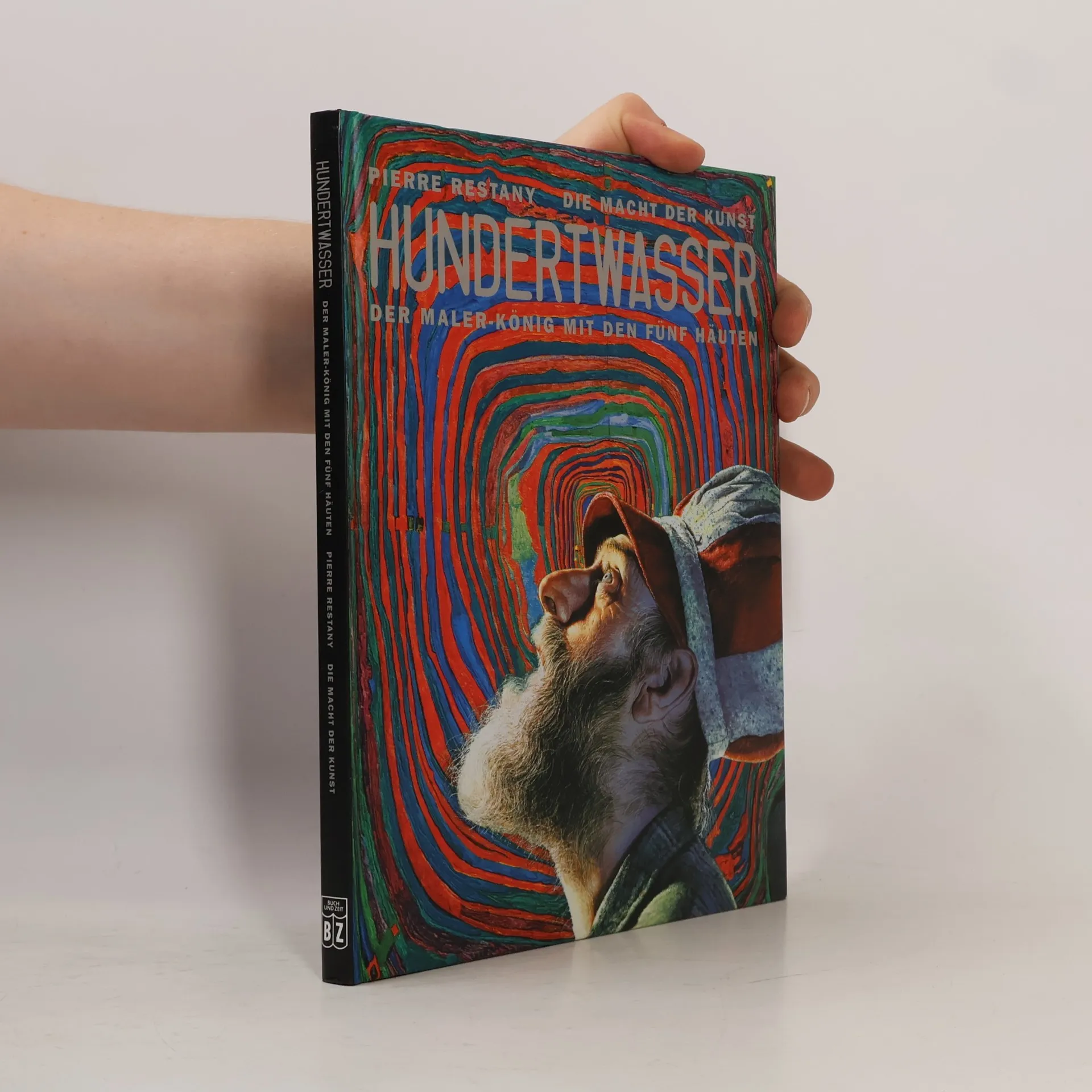
Intensive Farben, organische Formen und eine Abneigung gegen geometrische Linien prägen das Werk von Friedensreich Hundertwasser (1928–2000). Als Maler, Architekt und Umweltaktivist war er ein nonkonformistischer Held, der Kunst als gesellschaftspolitische Intervention verstand und oft polarisiert wurde. Während die etablierte Kunstwelt ihn belächelte, fand er mit seinen fantasievollen Ideen für ein Leben im Einklang mit der Natur und individueller Kreativität eine große Anhängerschaft, insbesondere in alternativen Milieus. Hundertwasser sah die Tristesse des menschlichen Alltags in der fantasielosen, deprimierenden Gegenwartsarchitektur mit ihren monotonen Bauformen. Er stellte sich entschieden gegen Adolf Loos’ Schrift „Ornament und Verbrechen“ und plädierte für organische Formen, individuelle Bauveränderungen und die Einbeziehung der Natur in die Architektur. Sein unverwechselbarer Baustil beinhaltete Konzepte wie das „Fensterrecht“, „Baummieter“, unebene Böden und Dächer mit Wäldern. Beginnend mit dem Verschimmelungsmanifest von 1958, das den Rationalismus in der Architektur kritisierte, über seine ökologischen Ideen bis hin zu seinen kunsttherapeutischen Ansätzen und weltweiten Architekturprojekten, zeichnet Pierre Restany den Lebensweg dieses eigenwilligen Mannes nach, der sich selbst als Prophet verstand und in der Kunstszene eine schillernde Ausnahmefigur war.
Sechziger Jahre - Die neuen Abenteuer der Objekte
- 116 Seiten
- 5 Lesestunden
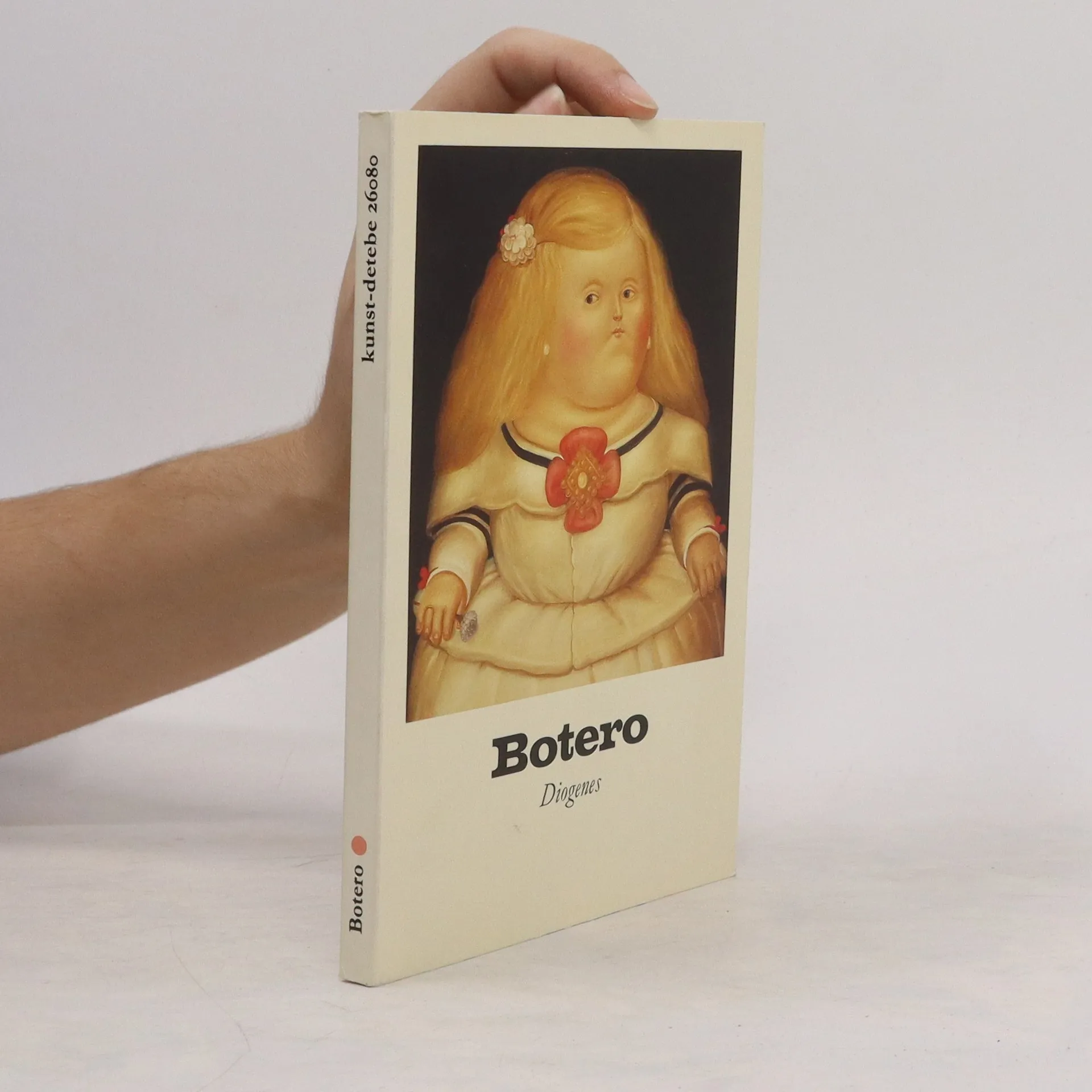
Fernando Botero
- 118 Seiten
- 5 Lesestunden
Herausgegeben Von Werner Spies ; Mit Beiträgen Von Alberto Moravia ... [et Al.] ; Einer Biographie Von Dörte De Chaisemartin ; Sowie Sechs Kurzgeschichten Von Fernando Botero. Catalog Of An Exhibition Held At The Kunsthalle Der Hypo-kulturstiftung, Munich, July 4-sept. 7, 1986, The Kunsthalle Bremen, Jan. 11-mar. 1, 1987, And At The Schirn Kunsthalle Frankfurt, Mar. 12-may 10, 1987. Bibliography: P. 191-193. Filmography: P. 193.
SITE, a "multidisciplinary architecture and environmental organization", designed large scale commercial buildings that combine architecture, art, and technology with contemporary issues such as "ritual, irony, humor, entropy, disorder, and social/political statement. 112 pages, with a list of SITES projects, a bibliography, and 14 "Selected Projects" , briefly described and summarized in a black/white section, then more fully displayed in 79 pages of mostly color plates. An example? The Forest Building, a large Best catalog outlet, planned for a previously forested area, is fronted by the regulation sprawling parking lot placed in a natural clearing, but trees surround and almost obscure the edges of the building, and pop up through the roof as well; a nearby bank has a roof designed of about 35% trees rather than 100% asphalt. Fun and fascinating, but also thought-provoking architecture.
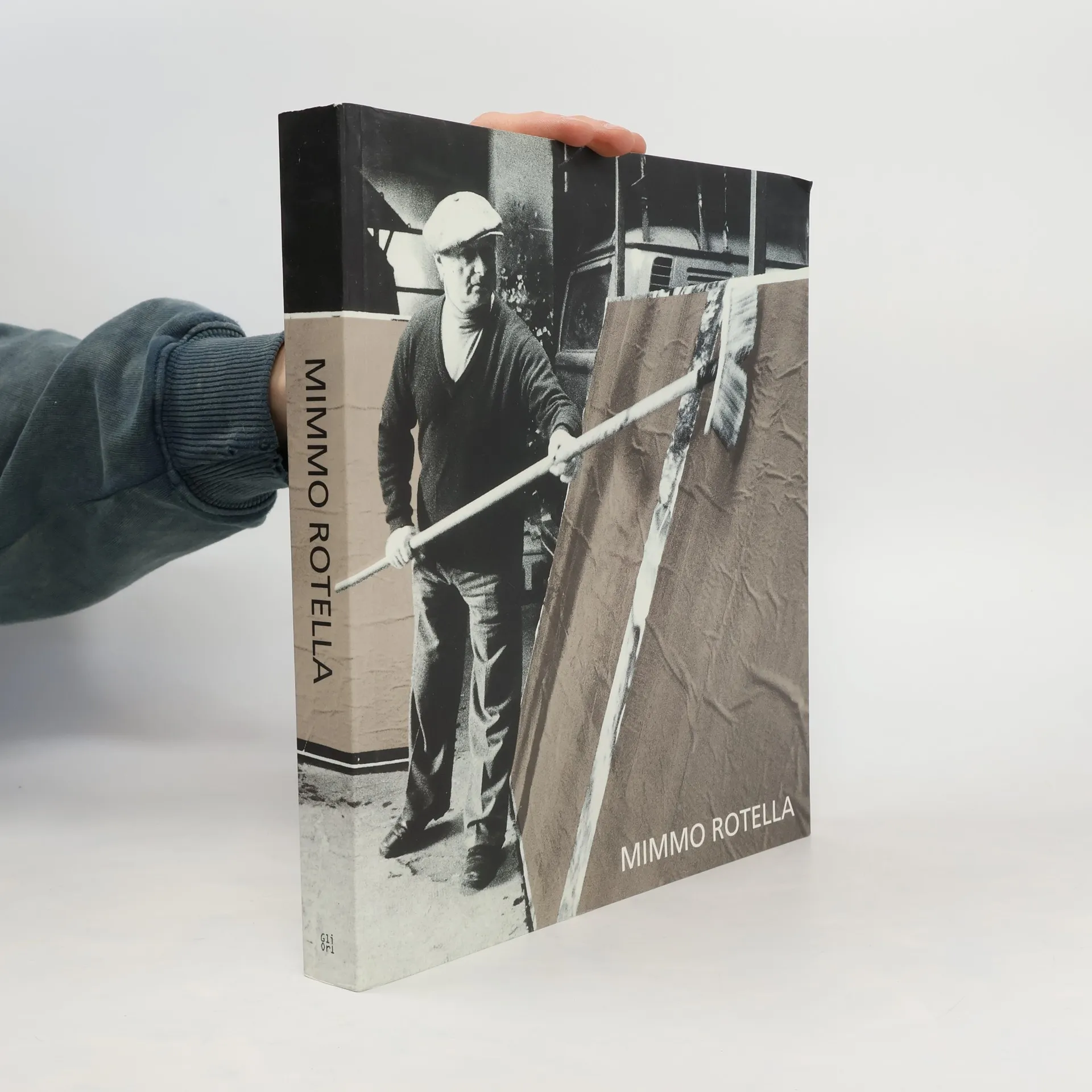
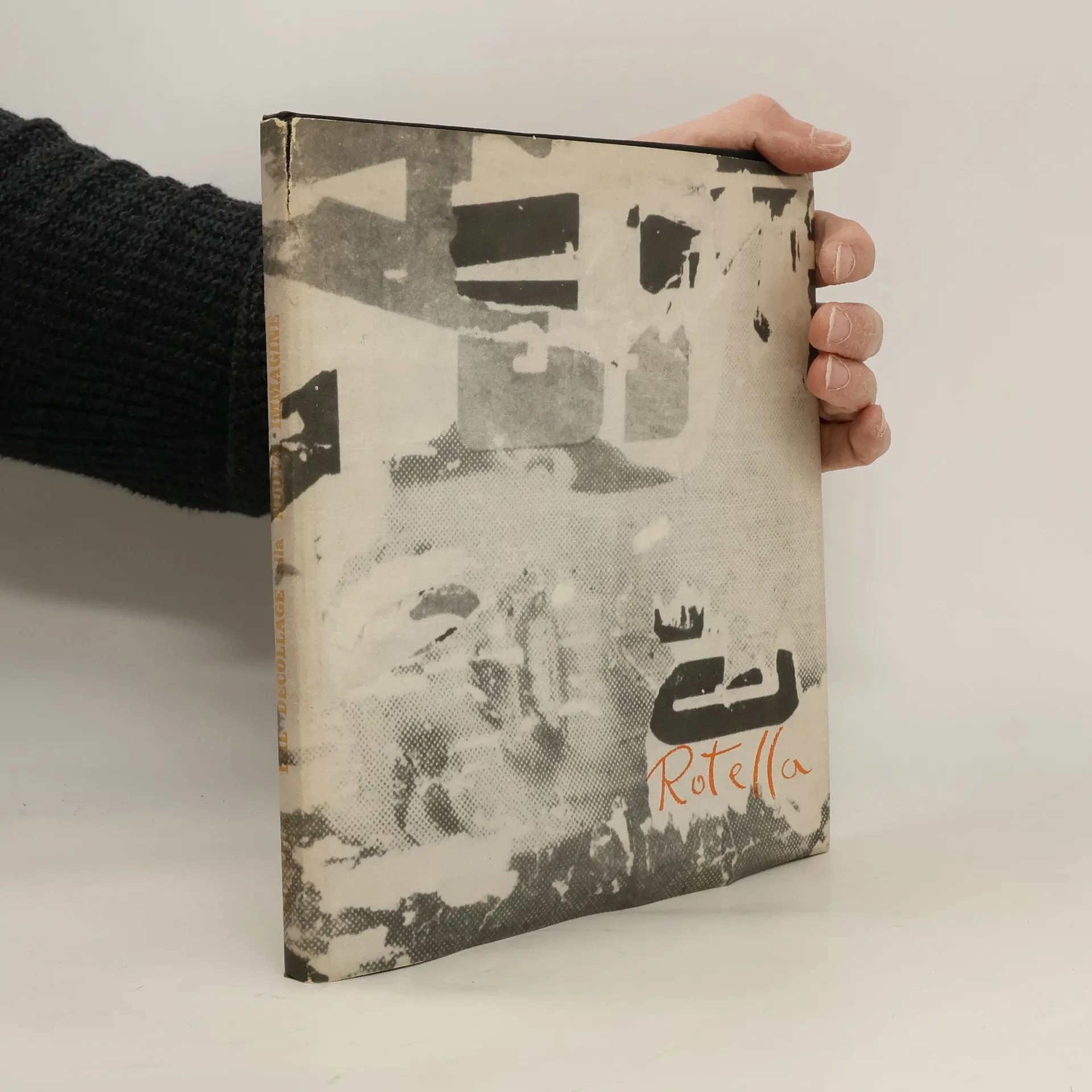
Mimmo Rotella
- 344 Seiten
- 13 Lesestunden
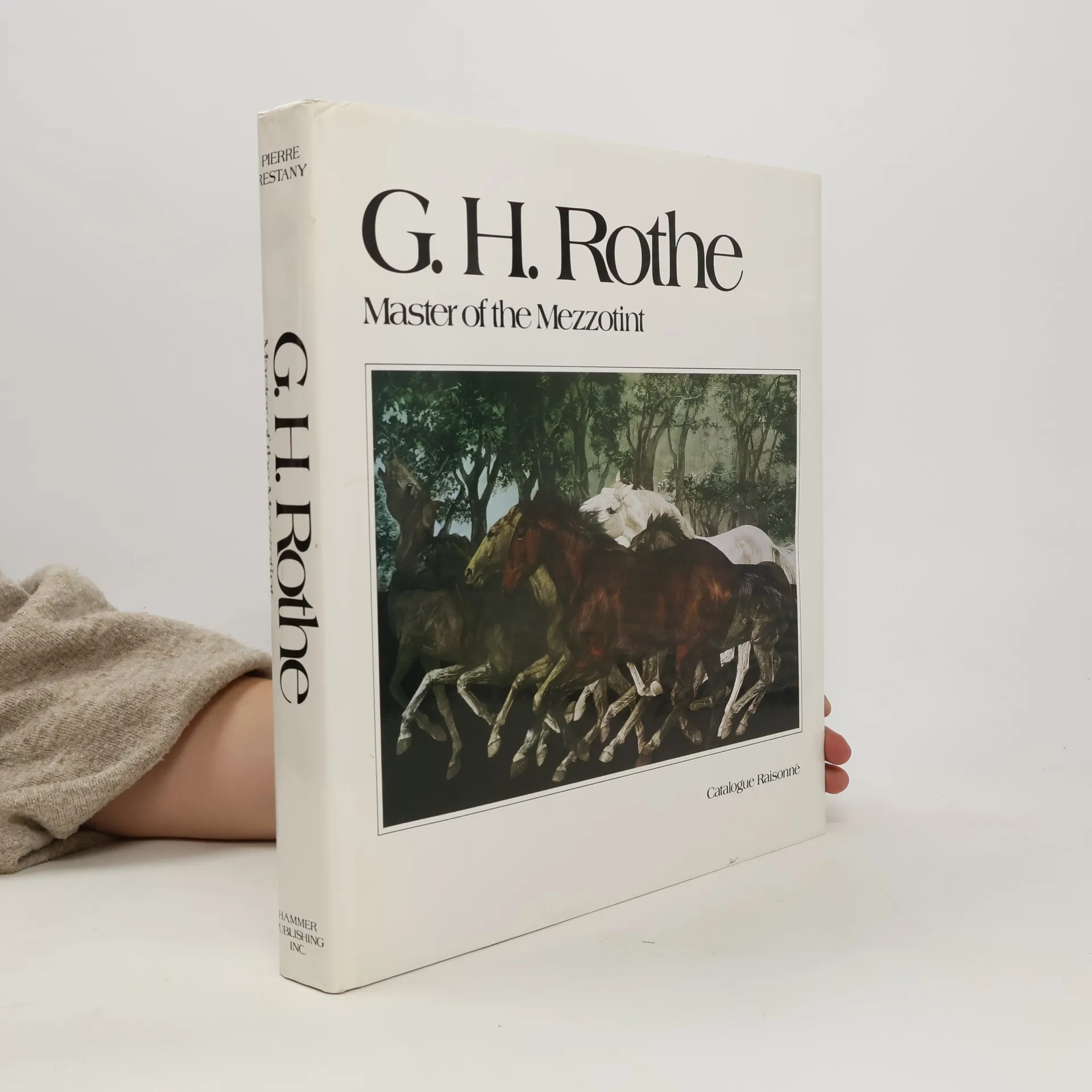
G.H. Rothe
- 271 Seiten
- 10 Lesestunden
271 pages, illustrated throughout. This Catalogue Raisonne of G.H. Rothe's mezzotints has been divided into the following Dance, Horses, Still Life, Landscapes, Figurative. The images within each section have been listed in chronological order, according to published dates.
The paintings and architecture by the artist Friedensreich Hundertwasser are nothing less than revolutionary with respect to nature and individual creativity. His work is not about silent conformity, but about life itself: each individual, in society and in the environment. With their strong, colorful formal vocabulary, Hundertwasser?s works allow nature its space. Even beyond his artwork, though, the Austrian environmentalist fought for new ideas and ideals. In many conversations, lectures, letters, and manifestos, he formulated his notions?from recycling, the greening of roofs and façades, and the democratization of living space?in order to lend them weight. What seemed like a utopia to his contemporaries is now urgently virulent and surprisingly current. Commemorating the twentieth anniversary of Hundertwasser?s death, this attractive book compiles his statements, excerpts from his manifestos, his paintings, examples of his utopian architecture, and his ideas for the future.
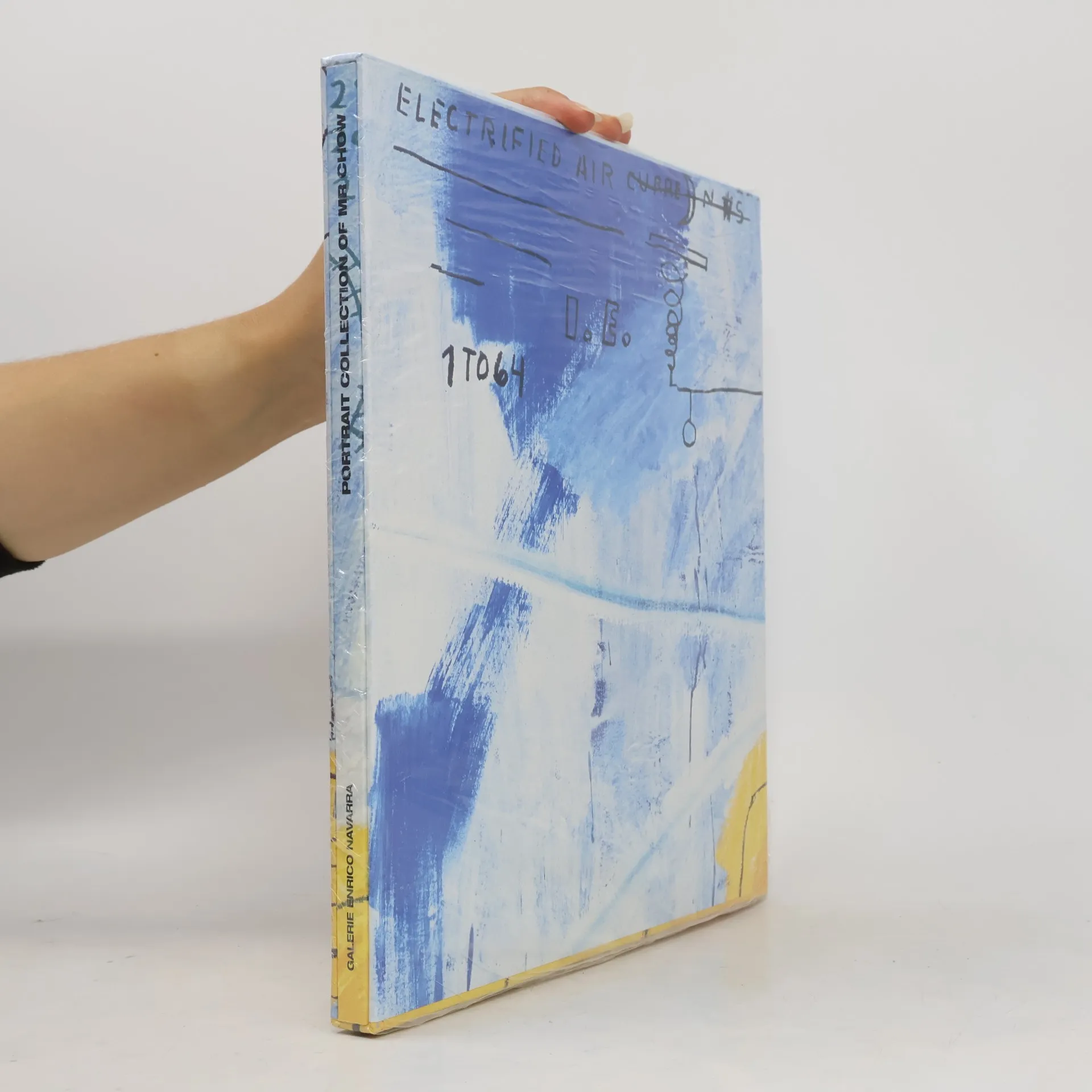
Portrait Collection of Mr Chow
- 127 Seiten
- 5 Lesestunden
Hundertwasser. Pictorul-rege cu cinci piei
- 96 Seiten
- 4 Lesestunden
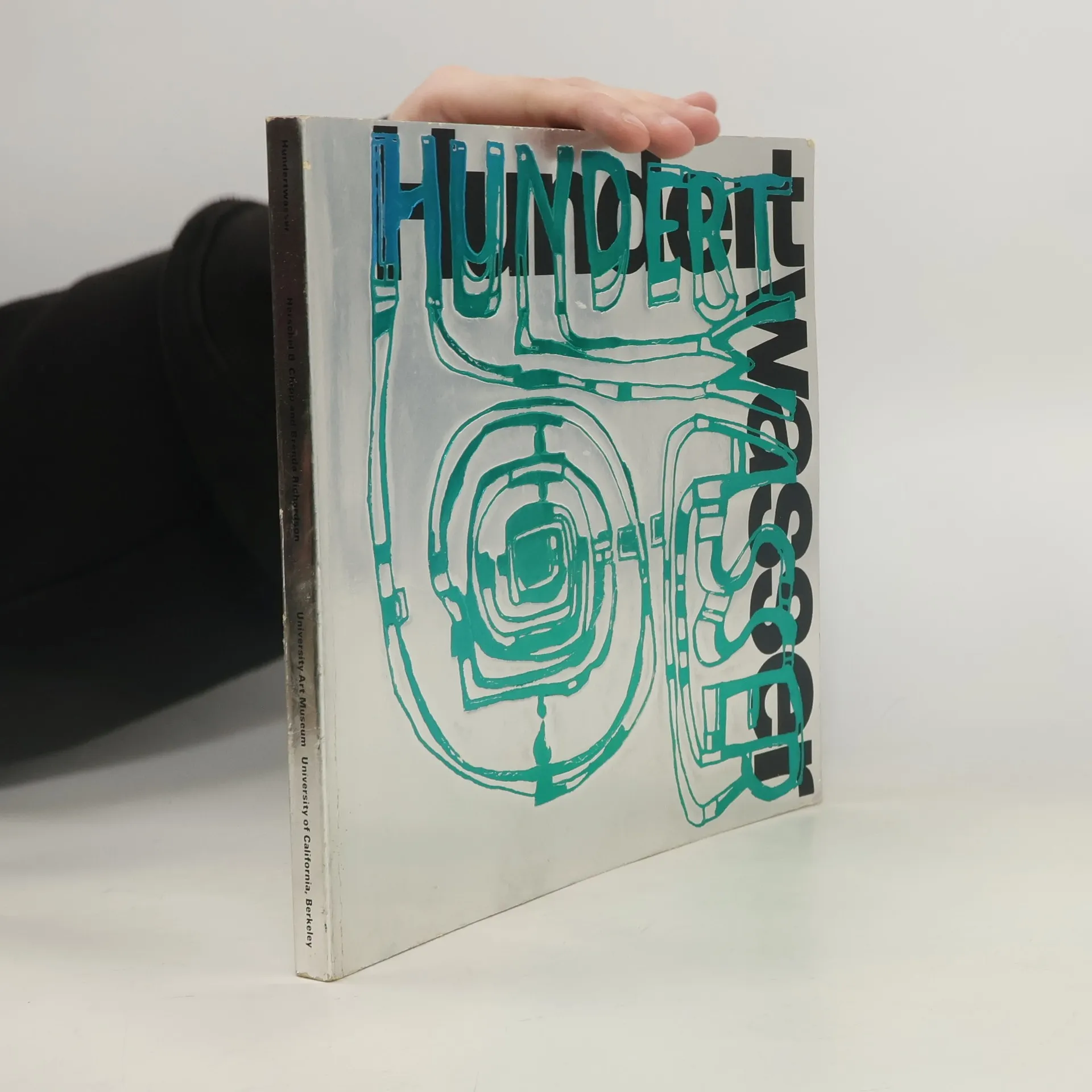
Hundert Wasser
- 95 Seiten
- 4 Lesestunden
L'engagement d'un artiste non-conformiste, chantre d'un mode de vie alternatif qui bouleverse la conception des rapports entre l'homme et la nature. Les structures organiques et la profusion de couleurs qui dominent son style reflètent une vision sereine et optimiste de l'époque actuelle.
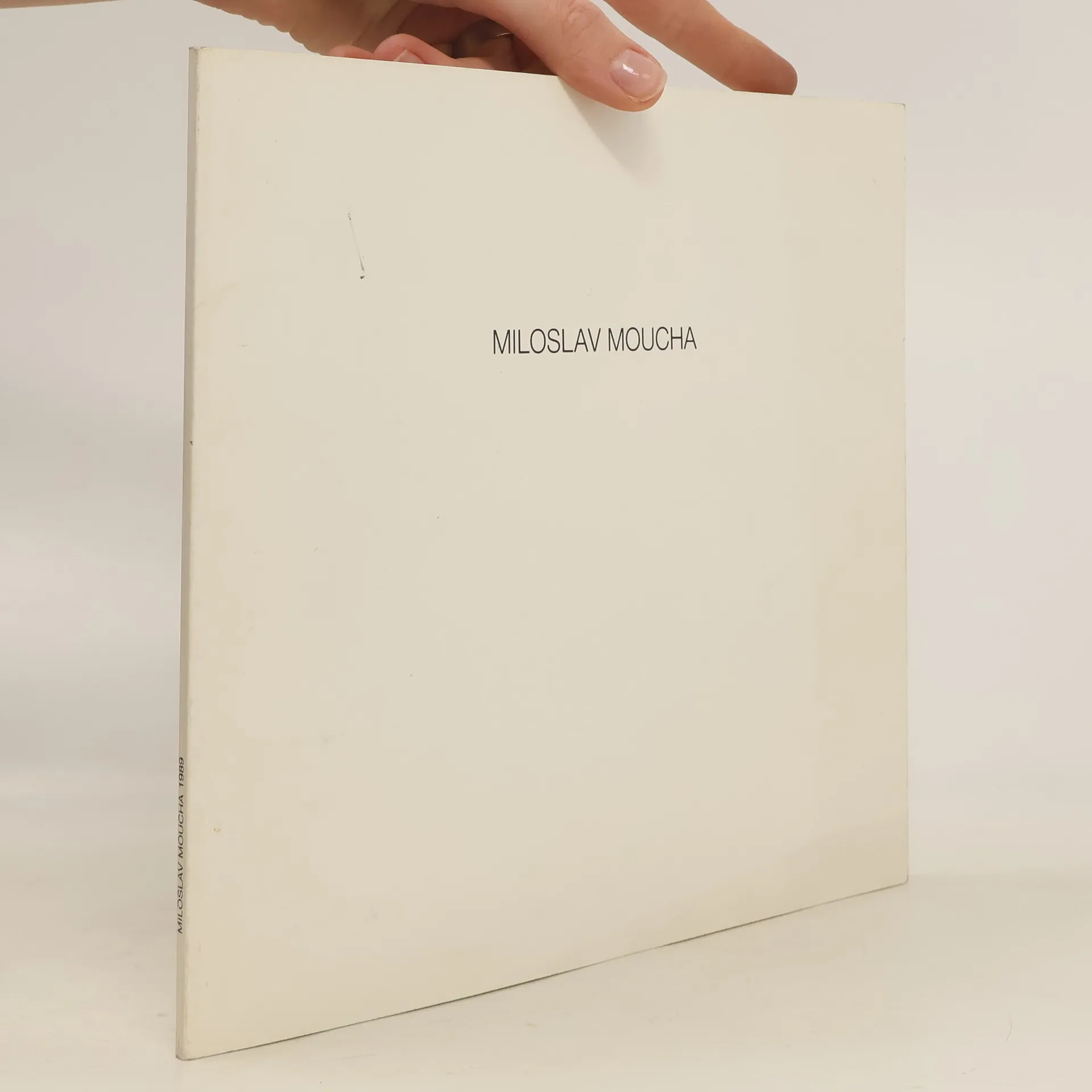
Miloslav Moucha
- 48 Seiten
- 2 Lesestunden
Obrazy – grafiky – objekty. Miloslav Moucha est un peintre, graphiste et écrivain reconnu mondialement. Cette publication retrace son parcours, des débuts à Litvínov, à son émigration à Paris en 1968, puis son retour en République tchèque après la révolution de velours, jusqu'aux récents confinements. Elle explore également son œuvre, les questions artistiques qu'il a abordées et ses inspirations : la philosophie, la géométrie et la Bible.
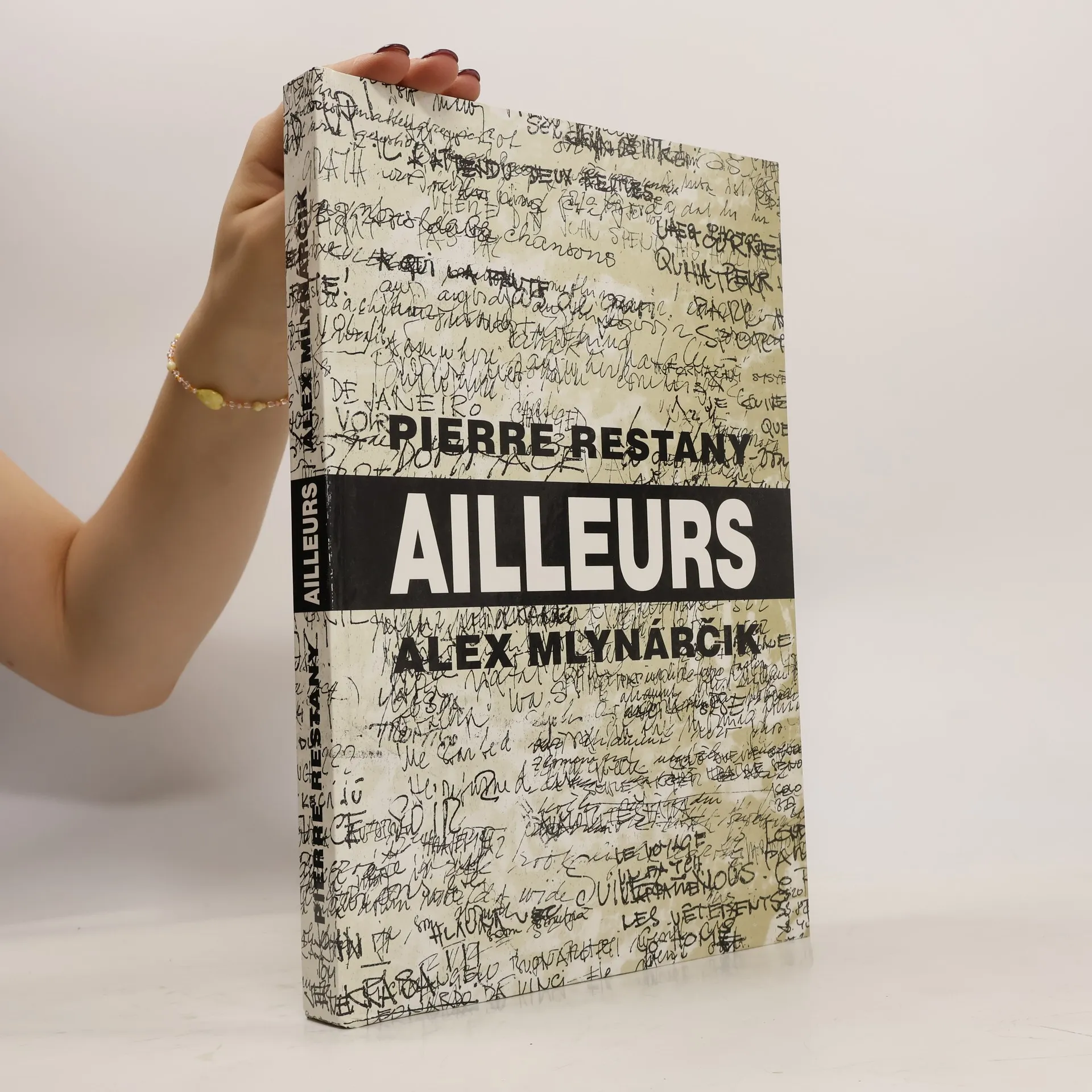
Ailleurs
- 283 Seiten
- 10 Lesestunden
Hundertwasser
Le peintre-roi aux cinq peaux
Rotella
Dal decollage alla nuova immagine.