Neuman ist ein Autor, der sich tiefgehend mit Themen wie Erinnerung, Identität und Exil auseinandersetzt und oft aus seiner persönlichen Geschichte und seinen europäischen Wurzeln schöpft. Sein Prosawerk, das auf frühe Gedichtsammlungen folgte, wurde für seine literarische Tiefe und Kraft gefeiert. Kritiker haben ihn als einen der bedeutendsten zeitgenössischen spanischsprachigen Schriftsteller bezeichnet, der eine einzigartige Stimme besitzt, die bei Lesern weltweit Anklang findet. Neuman engagiert sich auch aktiv für die Förderung und Analyse der Kurzgeschichte und festigt damit ihre Stellung in der literarischen Landschaft.
Exploring the complexities of love and familial bonds, this narrative unfolds through the perspectives of three characters on a transformative journey. Set against a backdrop of rich emotional landscapes, it delves into two intertwining love stories that reveal the intricacies of relationships and the impact of a single trip on their lives. With a distinctive voice that captures the essence of Latin American storytelling, the book promises a profound exploration of connection and identity.
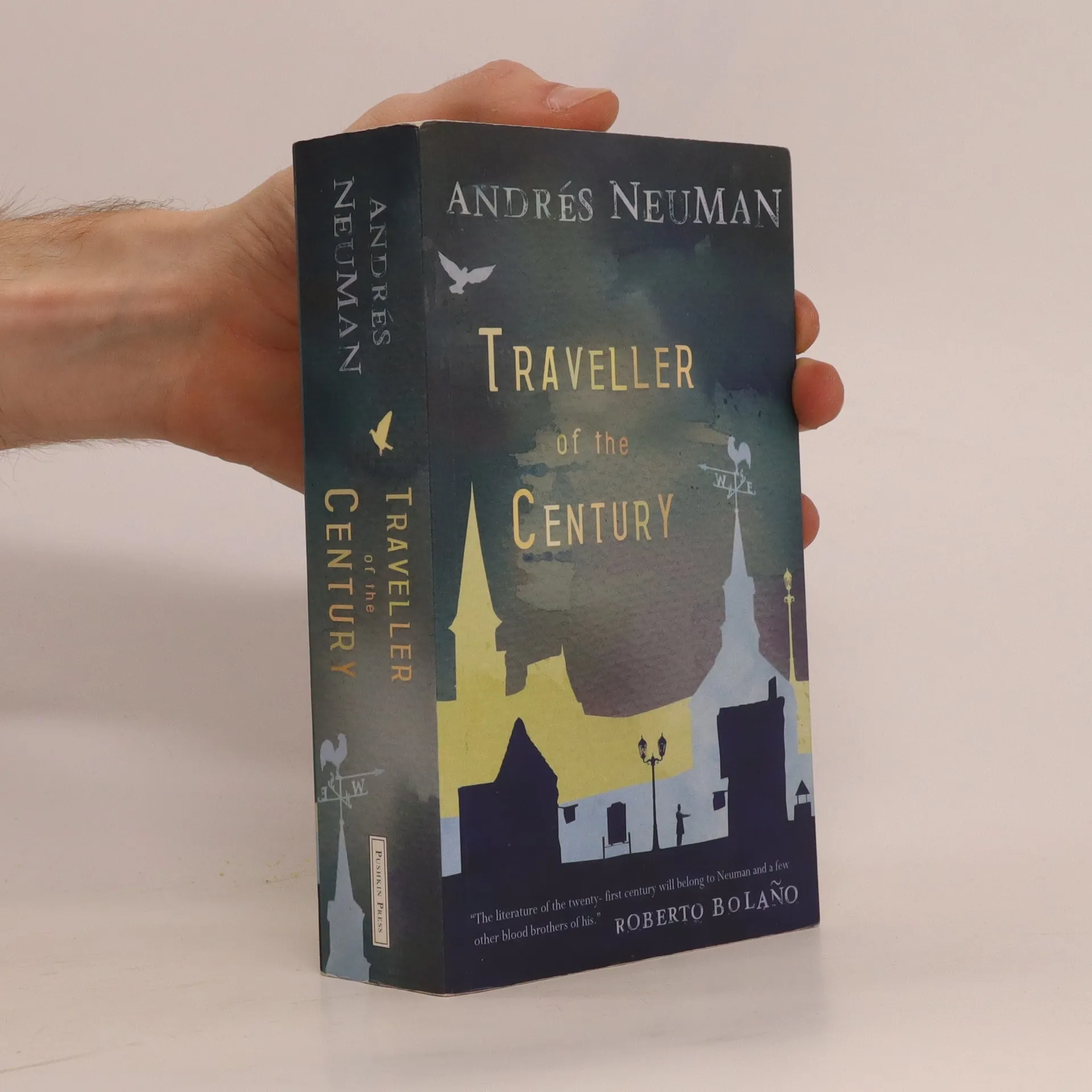
Searching for an inn, the enigmatic traveler Hans stops in a small city on the border between Saxony and Prussia. The next morning, Hans meets an old organ-grinder in the market square and immediately finds himself enmeshed in an intense debate—on identity and what it is that defines us—from which he cannot break free. Indefinitely stuck in Wandernburg until his debate with the organ-grinder is concluded, he begins to meet the various characters who populate the town, including a young freethinker named Sophie. Though she is engaged to be married, Sophie and Hans begin a relationship that defies contemporary mores about female sexuality and what can and cannot be said about it.
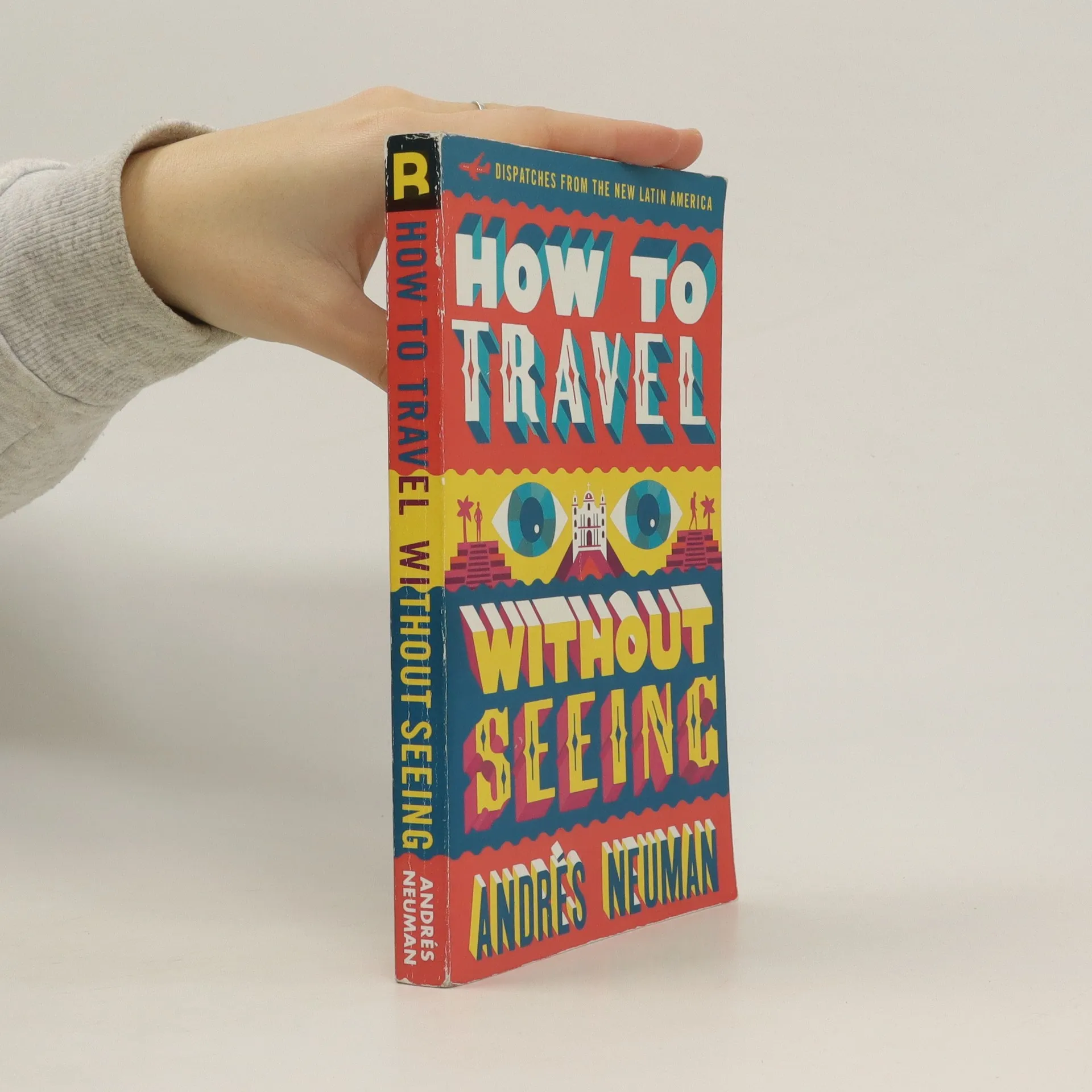
A kaleidoscopic, fast-paced tour of Latin America from one of the Spanish-speaking world’s most outstanding writers. Lamenting not having more time to get to know each of the nineteen countries he visits after winning the prestigious Premio Alfaguara, Andrés Neuman begins to suspect that world travel consists mostly of “not seeing.” But then he realizes that the fleeting nature of his trip provides him with a unique opportunity: touring and comparing every country of Latin America in a single stroke. Neuman writes on the move, generating a kinetic work that is at once puckish and poetic, aphoristic and brimming with curiosity. Even so-called non-places—airports, hotels, taxis—are turned into powerful symbols full of meaning. A dual Argentine-Spanish citizen, he incisively explores cultural identity and nationality, immigration and globalization, history and language, and turbulent current events. Above all, Neuman investigates the artistic lifeblood of Latin America, tackling with gusto not only literary heavyweights such as Bolaño, Vargas Llosa, Lorca, and Galeano, but also an emerging generation of authors and filmmakers whose impact is now making ripples worldwide. Eye-opening and charmingly offbeat, How to Travel without Seeing: Dispatches from the New Latin America is essential reading for anyone interested in the past, present, and future of the Americas.
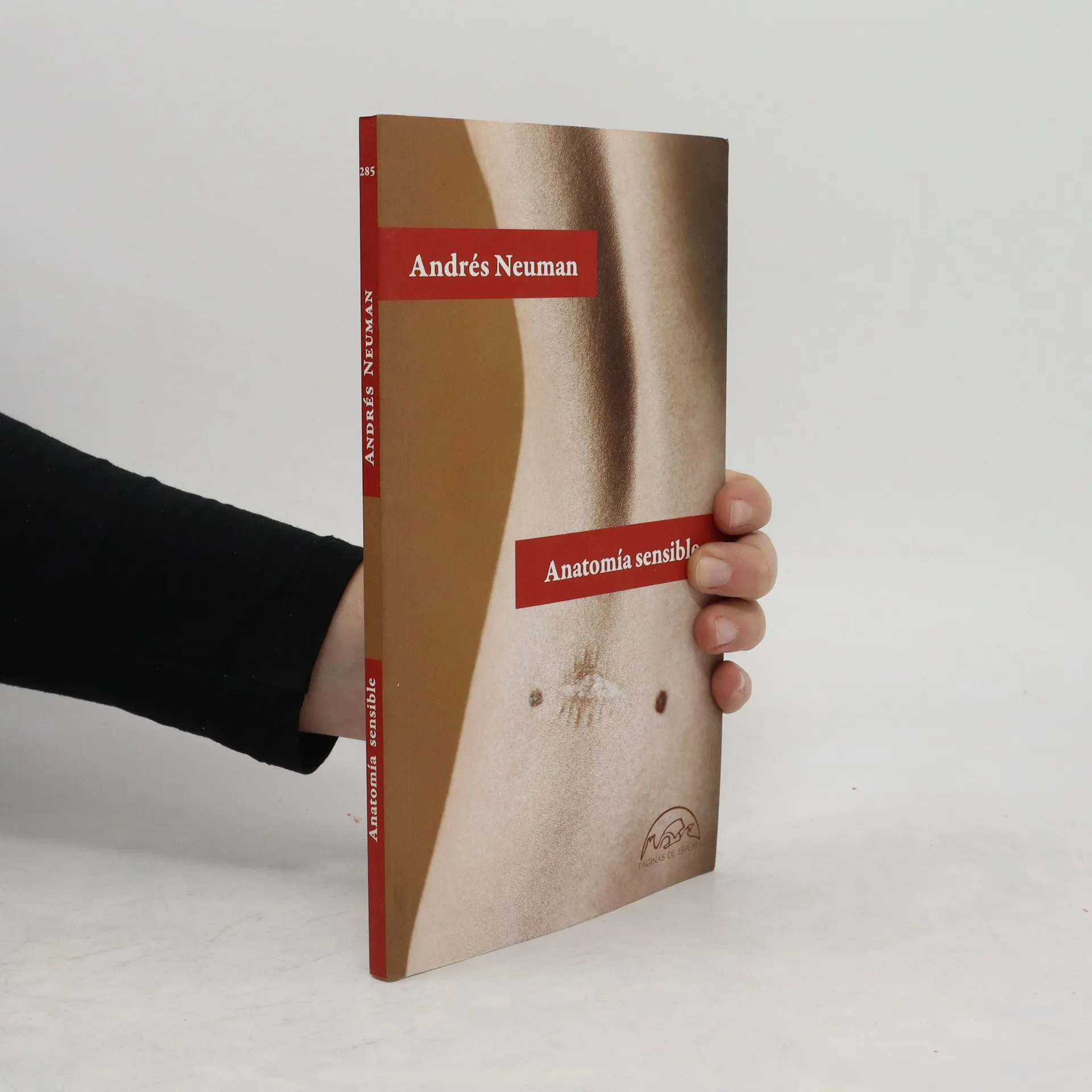
Anatomía sensible es una celebración del cuerpo en toda su amplitud. Una defensa de la imperfección y sus bellezas alternativas, mediante un recorrido poético, político y erótico por la materia que somos. Un libro que revela con humor cómo nos vemos o nos inducen a mirar, proponiendo una estética desmitificadora. Estas páginas se nutren de una intensa observación, aventura vital y exploración lingüística: el cuerpo como estilo, el estilo como cuerpo. Pero la experimentación de Anatomía sensible no se limita al género literario, y pone también en juego una perspectiva que desborda las identidades canónicas. Asistimos así a la creación de una mirada intergeneracional y poligénero que despliega una extraordinaria riqueza imaginativa, una prosa tan elegante como radical. Conscientes de que el cuerpo es un campo de batalla social, estos textos nos invitan a admirar sus rincones periféricos y repensar sus zonas evidentes. Construyendo un tratado heterodoxo, cada uno de sus capítulos se rebela con hedonismo contra la cultura del Photoshop. En tiempos de retoque compulsivo y poses digitales, acaso sea hora de releer nuestro cuerpo para recuperarlo. Todos los cuerpos son bienvenidos aquí
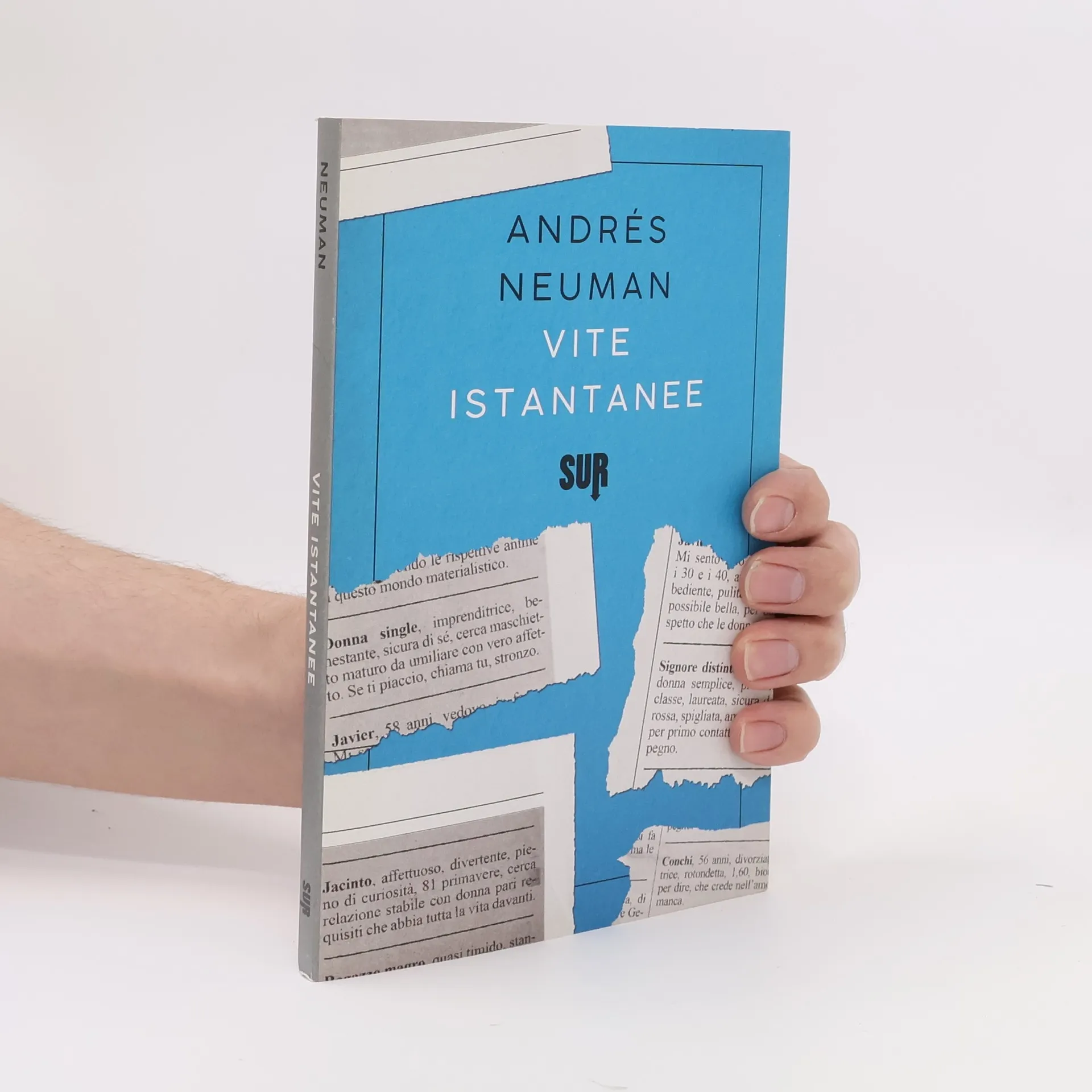
Un’adolescente osserva le vite altrui chiedendosi perché sembrino sempre così interessanti mentre a lei non accade mai nulla; due innamorati si scrivono lettere inventandosi vite parallele fatte di successi ed episodi memorabili, senza mai confessarsi i reciproci sentimenti; il vecchio Aristídes si trova a fare i conti con una vita in cui non ha mai avuto tempo per nessuno, nemmeno per i propri figli; Kenzaburo decide di tentare la sorte mangiando un pesce letale ma delizioso; una figlia sogna di correre per mano insieme alla madre morta senza però riuscire ad afferrarla.Che raccontino addii, solitudini o semplicemente lo scorrere del tempo, in queste istantanee sulle vite degli altri Andrés Neuman ferma l’immagine su momenti decisivi nelle esistenze dei suoi personaggi. Con una prosa che dimostra un tatto e una grazia senza precedenti, in queste storie l’autore riflette sulla fugacità del tempo e su come, nel quotidiano, le cose più evidenti solo raramente saltano davvero agli occhi.Dopo il successo delle Cose che non facciamo, Neuman torna in libreria con una nuova raccolta di racconti selezionata appositamente per i lettori italiani, in cui riunisce il meglio delle sue prose brevi, dimostrando ancora una volta di avere il talento dei grandi nomi.
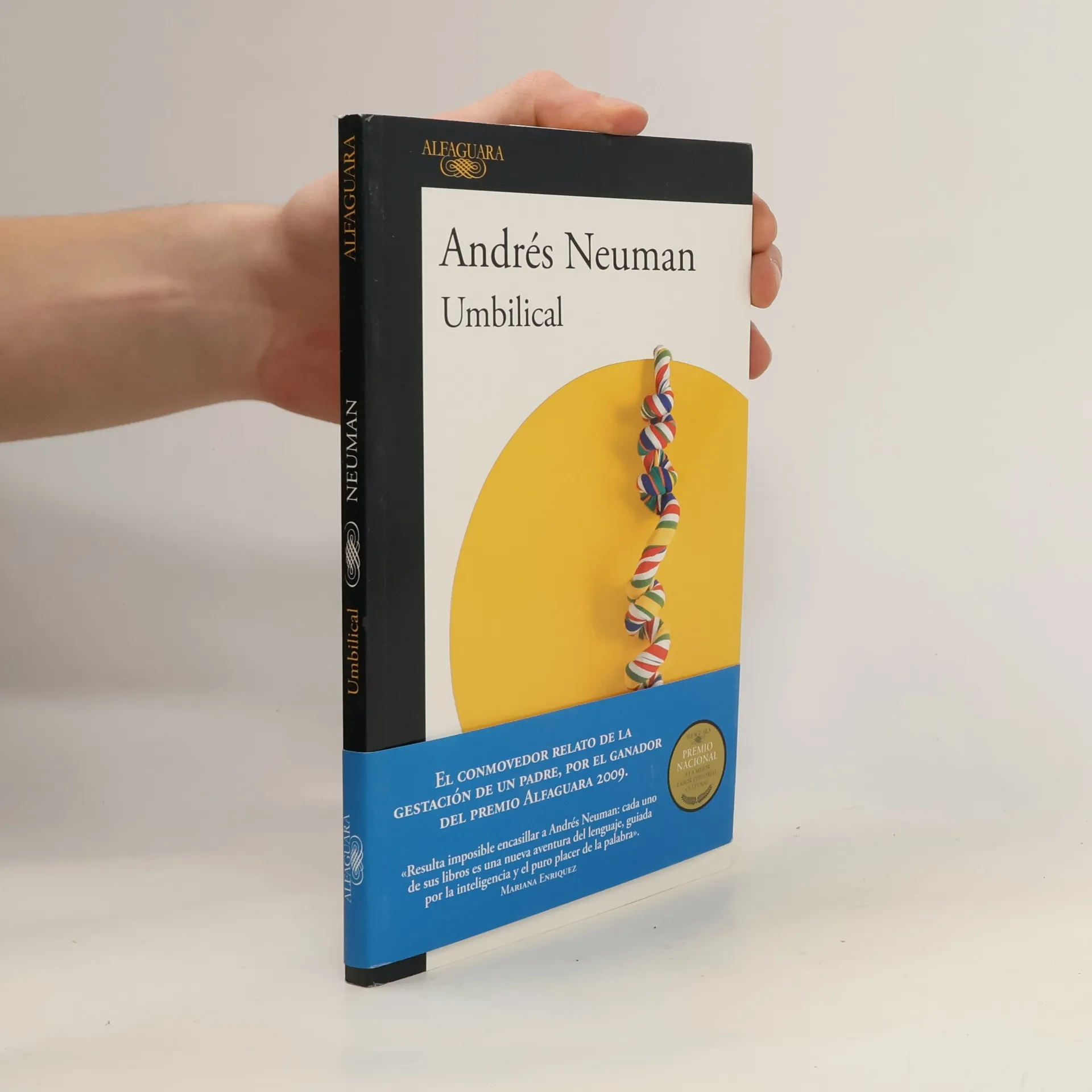
«Encantado, hijo mío, de empezar a la vez a ser lo que seremos».Un hombre aguarda el nacimiento de su hijo. Asiste fascinado a la gestación junto a la madre, imagina a ese ser que vendrá a revolucionar su casa, su lenguaje, su pareja y su propia historia familiar. A lo largo de un año memorable, el hombre narra los primeros compases de una existencia nueva: la suya como padre junto a la madre y el hijo, tres personajes de una historia universal que encuentra palabras recién nacidas.Umbilical es un relato lírico cuyas búsquedas resuenan tanto en el plano íntimo como en el colectivo. Sus reflexiones sobre la experiencia de la paternidad sitúan a la masculinidad frente al milagro de la vida y su incesante relectura del presente, en una época de redefinición de los roles, aceptando así la invitación de la poeta Anne Waldman que encabeza estas páginas: «Que los hombres detengan su alboroto / frente a la maravilla del bebé». Pero es también, y sobre todo, una declaración de amor.El libro más íntimo de un autor fundamental en el catálogo para lectores de todo el mundo.
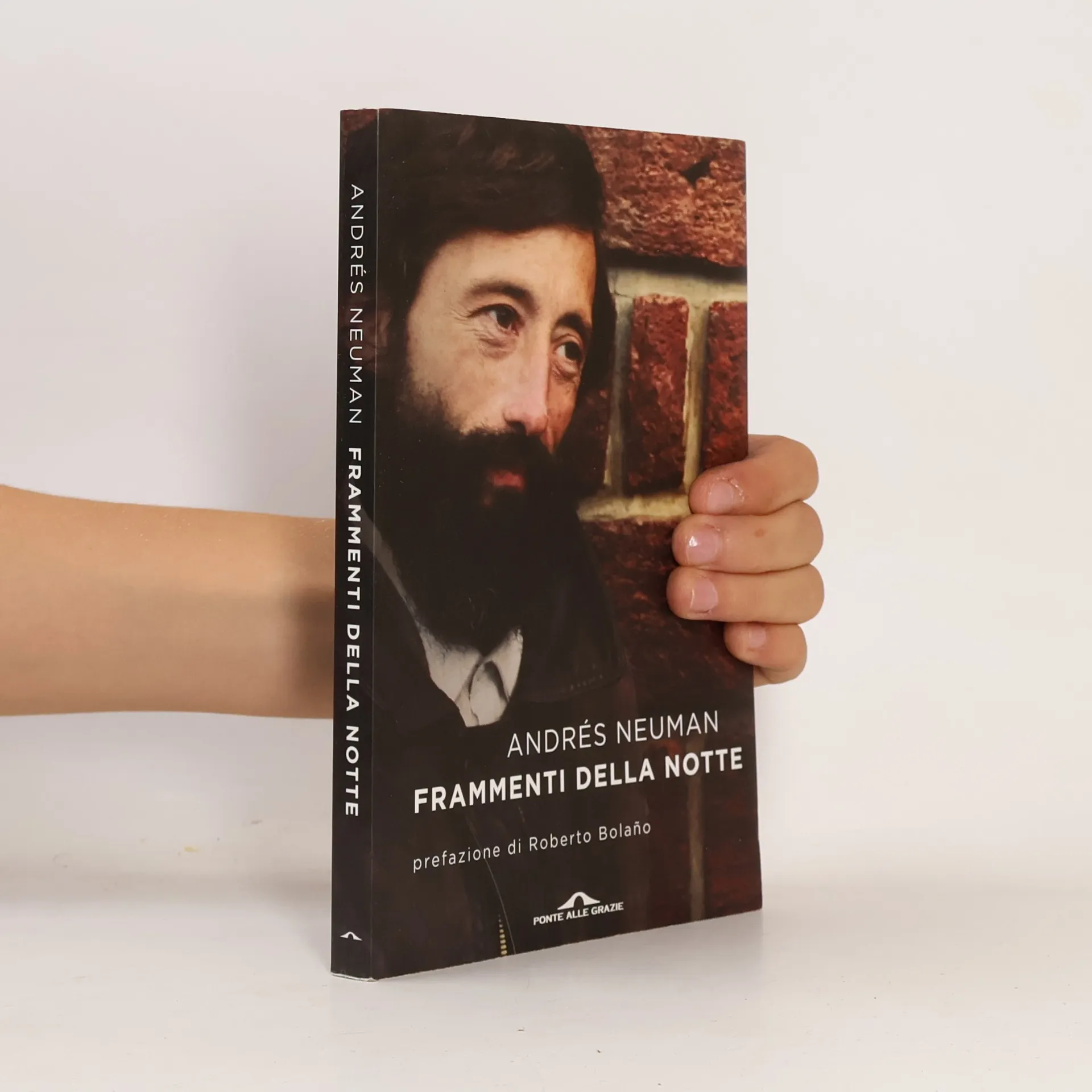
Chi è Demetrio Rota? Un sonnambulo? Un poeta? Uno spostato? Sappiamo che per vivere fa il netturbino di notte, in una Buenos Aires onirica, avvolgente, quasi viva. Che ha una relazione illecita, furtiva e sensuale e senza futuro. E che di giorno, quando non lavora, compone puzzle –forse un tentativo di dare un senso a un travolgente amore di gioventù, soltanto sfiorato sotto i cieli di una Patagonia mitica e di una bellezza lancinante. Con un linguaggio lirico e allo stesso tempo concretissimo, la narrazione oscilla tra le promesse degli inizi e il disincanto del presente, tra l’idealizzazione della campagna e l’asfissia della città, tra le origini e lo sradicamento, dandoci un’immagine unica della vita, di quello che è di quello che potrebbe essere. Con questa nuova edizione di Frammenti della notte, in gran parte riscritta a distanza di quindici anni, presentiamo al lettore italiano il primo romanzo di Andrés Neuman che, dopo aver ottenuto l’unanime consenso della critica, è diventato un libro di culto e ha fatto annoverare il suo autore tra i più importanti scrittori in lingua spagnola. Come ha scritto Roberto Bolaño: «Nessun buon lettore mancherà di avvertire nelle sue pagine qualcosa che è possibile trovare solo nell’alta letteratura, quella che scrivono i veri poeti, quella che osa affrontare il buio a occhi aperti».