Audrey Magees journalistischer Hintergrund verleiht ihrem Schreiben Dringlichkeit und Tiefe. Ihre umfangreichen Reisen und Berichterstattung aus globalen Konfliktzonen und sozial aufgeladenen Regionen haben ihre Perspektive auf die menschliche Natur und gesellschaftliche Strukturen geprägt. In ihren Werken erforscht sie die komplexen Zusammenhänge zwischen Individuen und Geschichte, oft mit Fokus auf die Nachwirkungen von Konflikten und gesellschaftlichen Umwälzungen. Ihre Prosa zeichnet sich durch Präzision und Einsicht aus, die die verborgenen Motivationen ihrer Charaktere und die ethischen Zwickmühlen, denen sie gegenüberstehen, aufdecken.
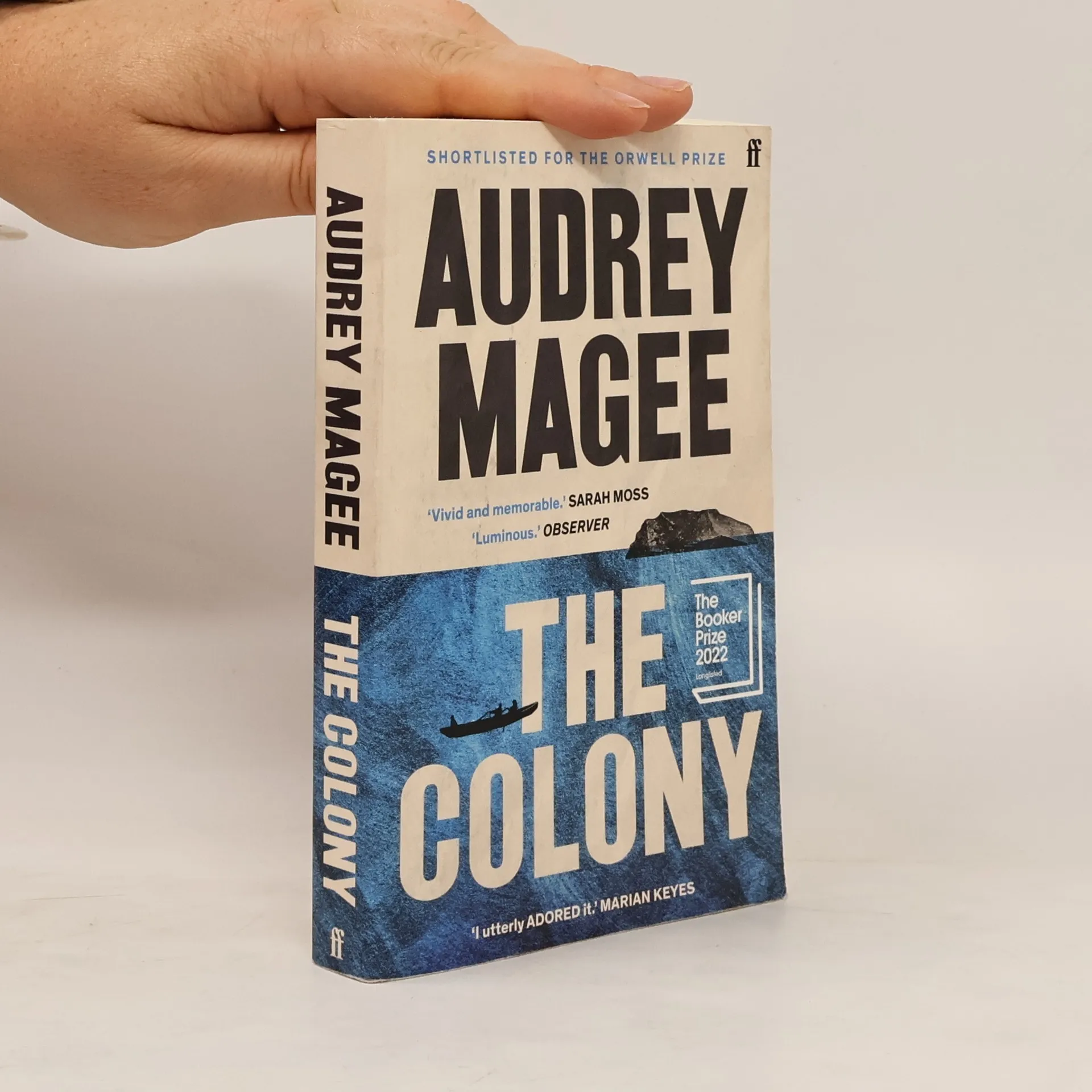
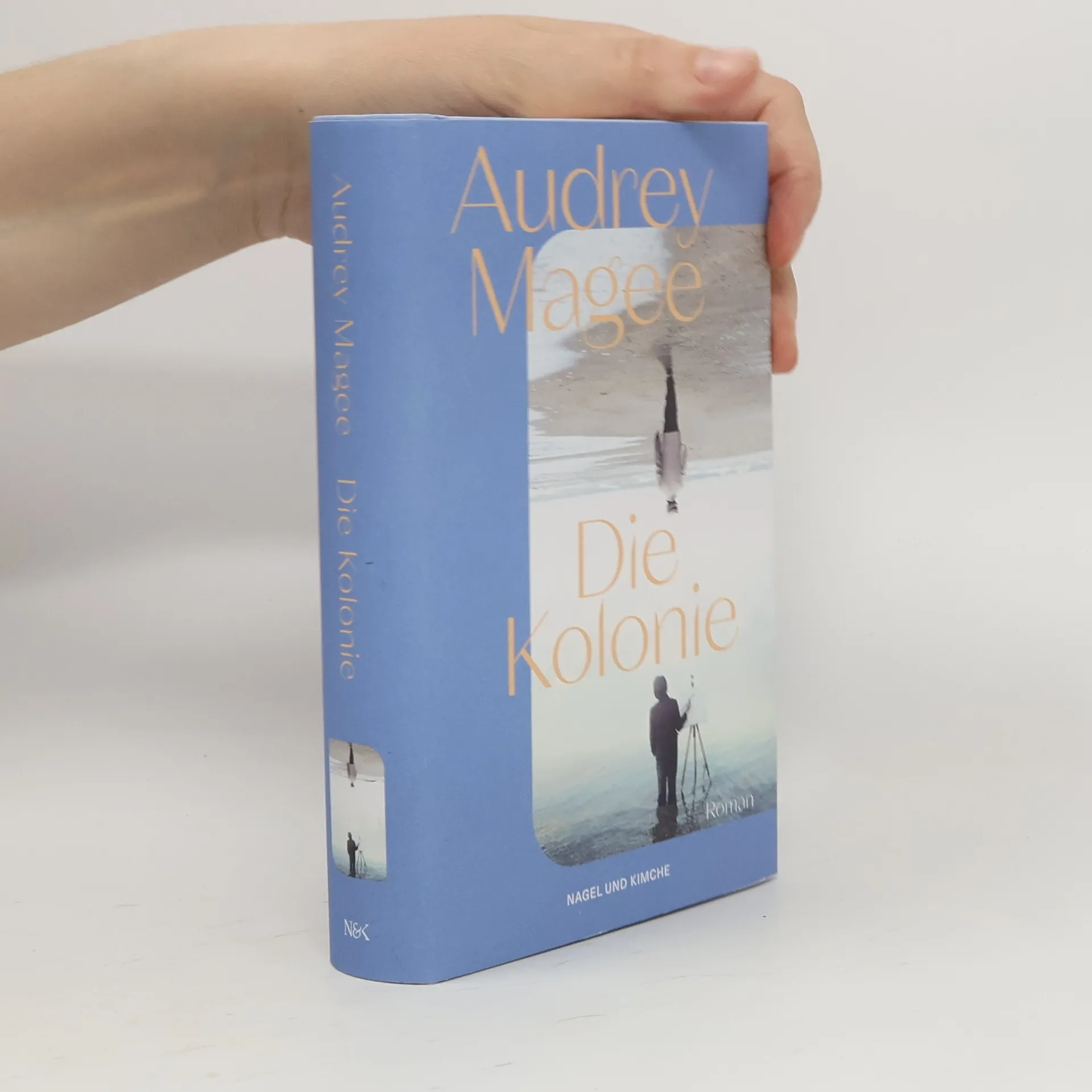
Roman | Longlisted Booker Prize 2022 | Ein eindrucksvoller Roman über die Macht der Sprache und der Kunst
400 Seiten
14 Lesestunden
Der Roman thematisiert auf eindrucksvolle Weise den Verlust einer Sprache und die damit verbundene kulturelle Nachhaltigkeit. Durch seine poetische Erzählweise vermittelt er universelle Botschaften über Identität und das Streben nach Bewahrung von Traditionen. Die tiefgründigen Reflexionen und emotionalen Elemente machen das Werk zu einem bedeutenden Kommentar über die Herausforderungen, denen sich Kulturen in der modernen Welt gegenübersehen.
In 1979, amidst escalating violence in Ireland, two outsiders journey to a small island off the west coast, seeking personal revelations at the potential expense of the island's inhabitants. An English painter, Mr. Lloyd, opts for a currach to reach the island, craving an authentic experience that will inspire his art, despite his discomfort with the sea. Unbeknownst to him, a Frenchman, Jean-Pierre Masson, closely follows. Having visited the island for years, he studies the local language and fiercely guards the islanders' isolation, believing it vital for his theories on language preservation and identity. However, the island's residents—ranging from great-grandmother Bean Uí Fhloinn to widowed Mairéad and fifteen-year-old James, who wishes to escape a life of fishing—hold their own perspectives on what should be documented and what should be reciprocated. As summer unfolds, they grapple with their values and desires against a backdrop of national turmoil. This narrative intricately explores character and setting, delving into the quest for identity and the political ramifications of imperialism, ultimately celebrating beauty and connection while confronting the inevitable challenges of independence.
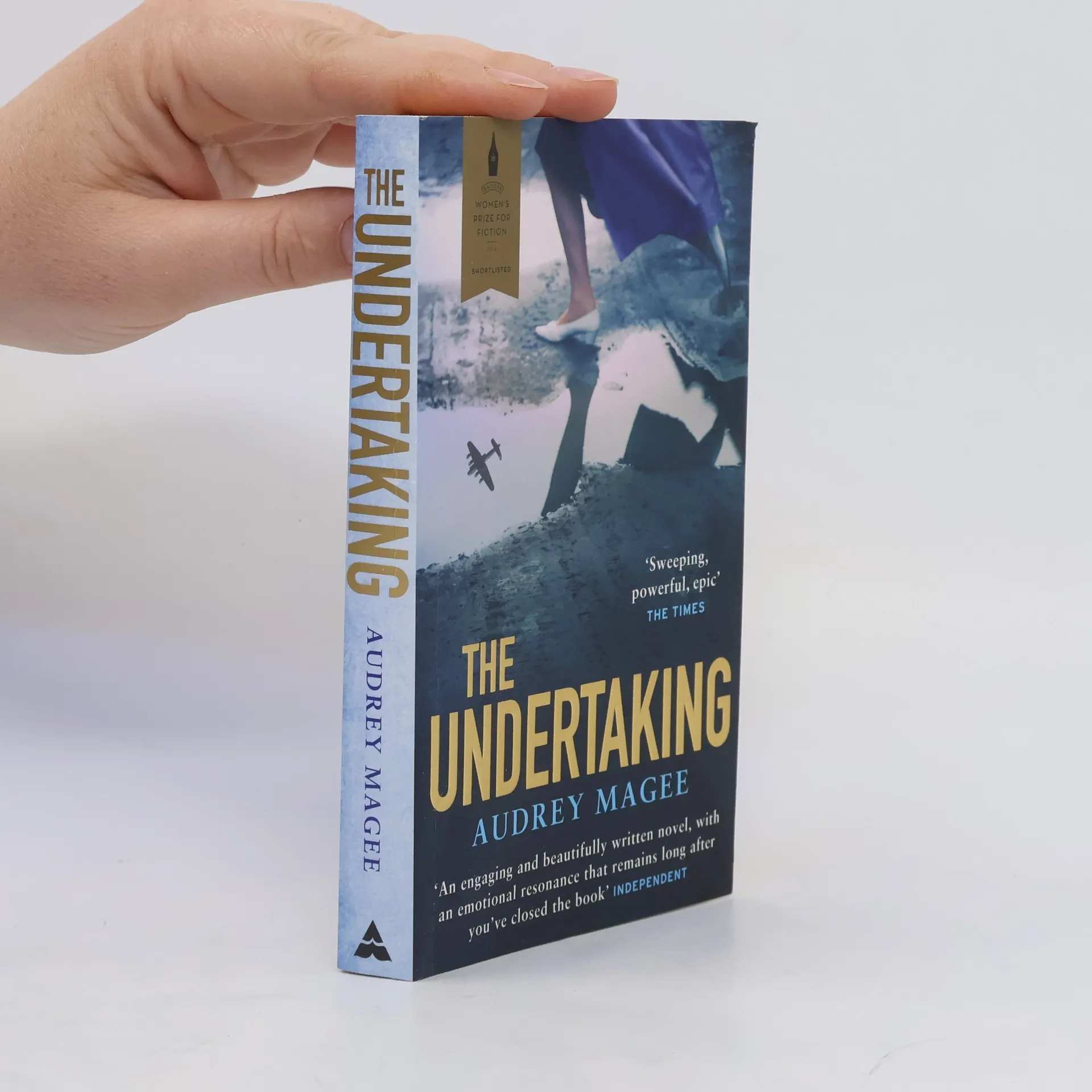
An immensely powerful first novel set in Germany and the Soviet Union during World War II, its ambition and achievement reminiscent of Rachel Seiffert's 'The Dark Room', Hans Fallada's 'Alone in Berlin', and Helen Dunmore's 'The Siege'.
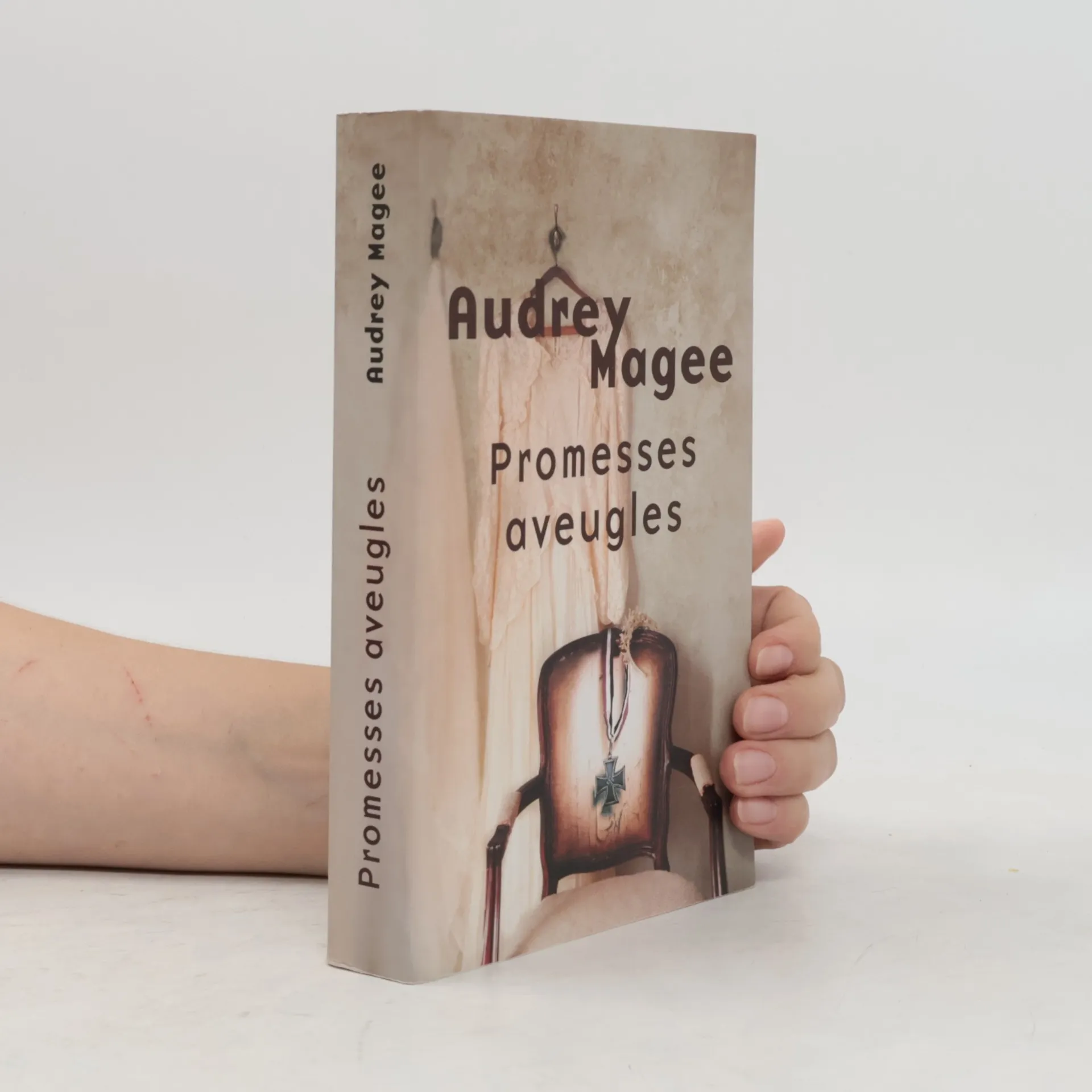
Peter, soldat allemand, s'apprête à épouser une femme qu'il n'a jamais rencontrée. Il ne connaît d'elle que son nom, Katherina Spinell, et la photo qu'elle a envoyée. Pour elle, c'est la garantie d'une pension de veuve s'il meurt au front; pour lui, la promesse d'une permission de dix jours. Pendant cette courte lune de miel, les jeunes mariés découvrent qu'ils se ressemblent et s'assemblent bien plus qu'ils ne s'y attendaient. Lorsque Peter retrouve le champ de bataille, à l'approche du bourbier de Stalingrad, seul le souvenir de Katherina lui donne du courage. À Berlin, la famille de la jeune femme s'enfonce de plus en plus dans les arcanes du système nazi, tentant, sans scrupule ni regret, de tirer avantage des circonstances, même les plus horribles. Mais le conflit bascule et les nazis perdent Berlin. Katherina et Peter réussiront à échapper aux stigmates d'une culpabilité collective ?