

Bookbot

Kevin Davies

    1. Januar 1960

    Kevin Davies verfasst fesselnde Erzählungen über die neuesten Fortschritte in den Bereichen Genetik und Molekularbiologie. Er versteht es meisterhaft, komplexe wissenschaftliche Unterfangen in spannende Geschichten zu übersetzen, wobei er oft das menschliche Drama und den Wettbewerbsgeist hervorhebt, die der wissenschaftlichen Entdeckung innewohnen. Davies besitzt die Gabe, die komplizierten Prozesse und tiefgreifenden Auswirkungen von Durchbrüchen aufzuzeigen, die unser Verständnis von Leben selbst neu gestalten. Seine Arbeit beleuchtet die dynamische Geschichte und das zukünftige Potenzial der genetischen Forschung für ein breites Publikum.

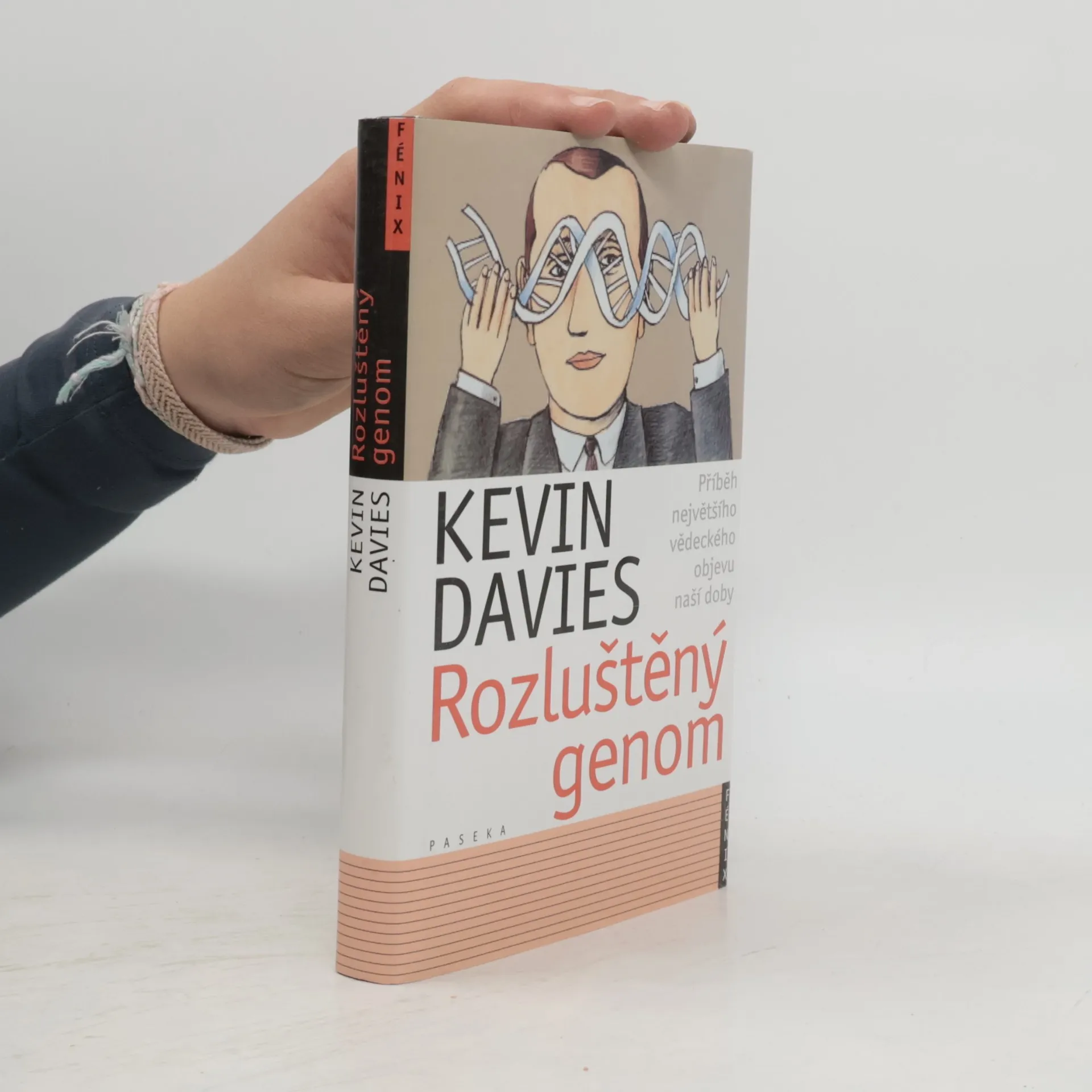
    Rozluštěný genom
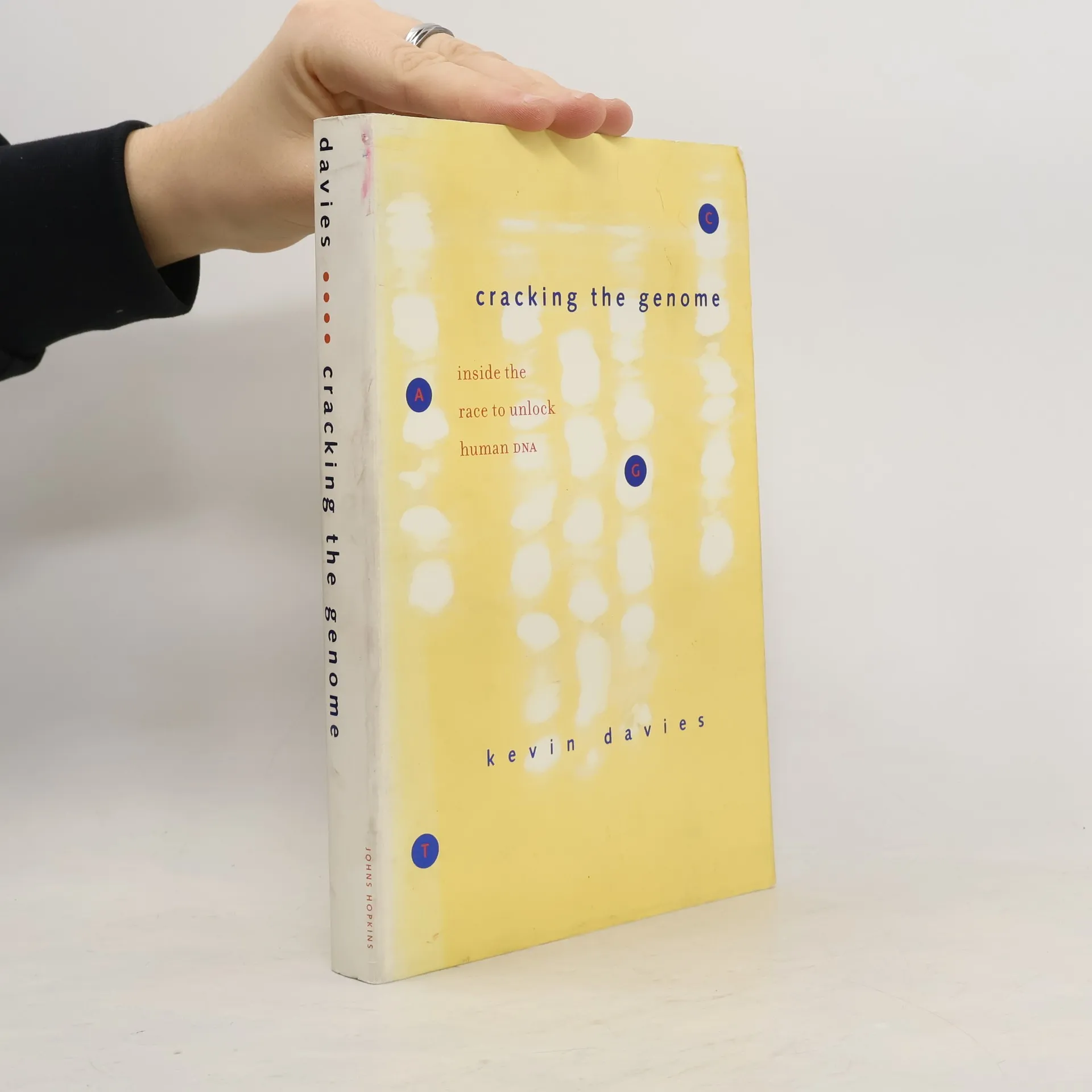
    Cracking the Genome
    Editing Humanity: The Crispr Revolution and the New Era of Genome Editing
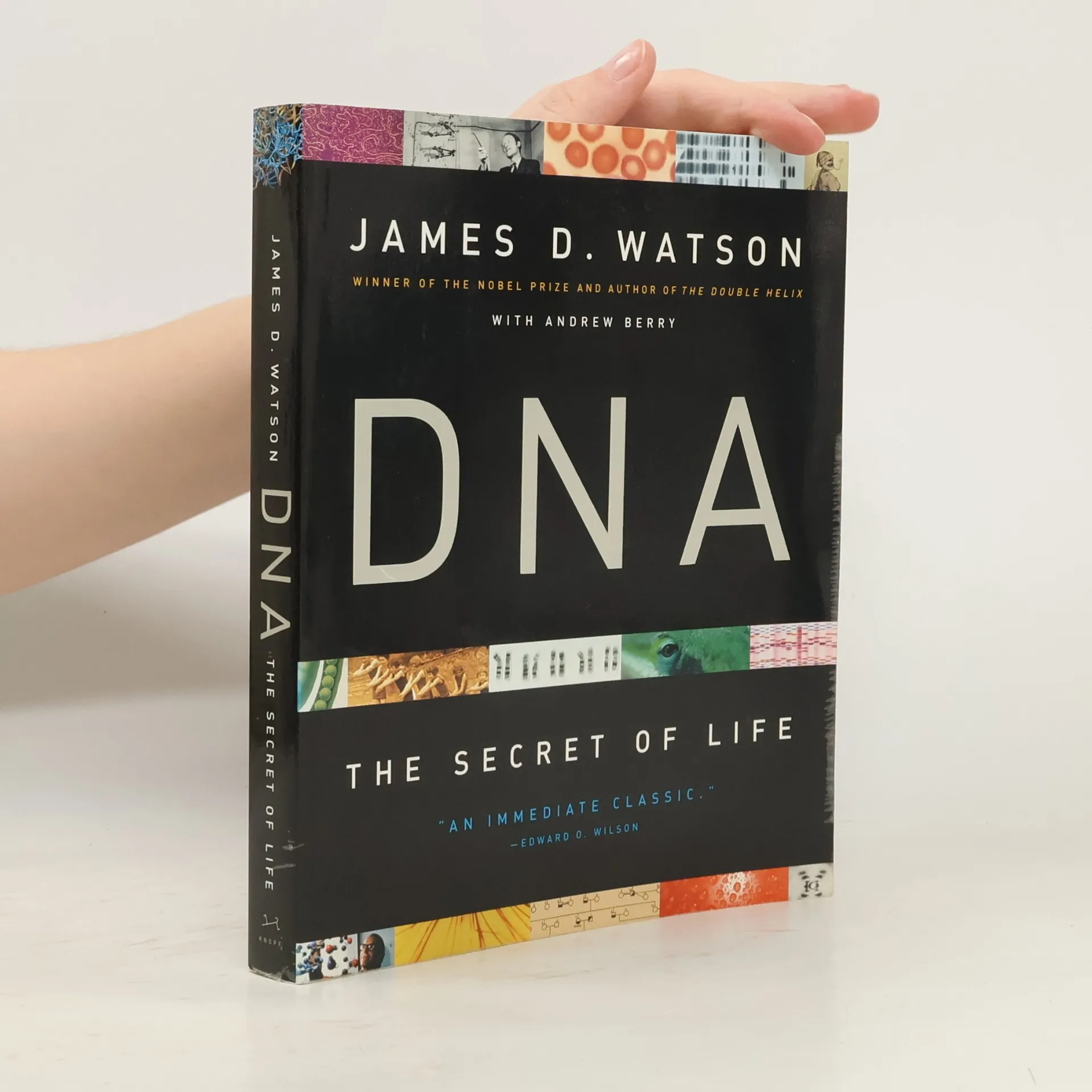
    DNA
    Die Sequenz
    • Die Sequenz

      • 416 Seiten
      • 15 Lesestunden

      »Mit vielen kleinen Geschichten macht Davies deutlich, wie stark die Genforschung schon heute unsere Gesellschaft beeinflusst.« Die Woche 1990 bewilligte die US-Regierung drei Milliarden Dollar für das Human Genome Project (HGO). In 15 Jahren sollten die drei Milliarden Buchstaben des menschlichen Genoms entschlüsselt sein. Leiter wurde 1993 Francis Collins, ein überzeugter Christ, dem es um nicht weniger als um die Entzifferung der »Sprache Gottes« ging. Craig Venter, Vietnamveteran und Sportsegler, stieg aus und gründete ein eigenes Forschungsinstitut. 1998 löste seine Erklärung, in nur drei Jahren und mit Hilfe von nur 300 Millionen Dollar die Entschlüsselung des Genoms abzuschließen, Panik aus. Er verkörpert einen neuen Forschertyp, den Geschäftsmann, der jenseits staatlicher Kontrolle die Bausteine des Lebens selbst auf den Markt bringt. Damit ist die Sorge um den Missbrauch der Genpatentierung nicht mehr aus der Welt zu schaffen und größte Vorsicht angesagt, wie gerade die jüngsten Ereignisse um das Europäische Patentamt zeigen.

      Die Sequenz
    • DNA

      The Secret of Life

      • 464 Seiten
      • 17 Lesestunden

      Fifty years ago, James D. Watson, at just twenty-four, played a key role in launching a monumental scientific quest. With unique authority, he offers a comprehensive account of the genetic revolution, tracing its journey from ancient speculations to the groundbreaking discovery of DNA's structure, for which he received a Nobel Prize in 1962. His narrative begins with Gregor Mendel's 1866 insights into inheritance, leading to the modern understanding of genetics, which allows us to manipulate the essence of life itself. Watson elucidates molecular processes and emerging technologies, demonstrating how DNA reshapes our understanding of human origins and identities. He reveals the vast possibilities genetics presents, from genetically modified foods to babies, and its evolution into a significant business sector. This dynamic world is filled with ambitious minds striving to enhance the human condition while also pursuing financial gain. As we face future choices laden with social and ethical implications, Watson serves as an insightful guide, employing the same engaging storytelling that made his earlier work, The Double Helix, a classic. Infused with scientific wonder and humanist empathy, this account is poised to become a definitive narrative of our age's scientific saga.

      DNA
      4,3
    • "Editing Humanity brings readers inside the fascinating world of a new gene editing technology called CRISPR, a high-powered genetic toolkit that enables scientists to not only engineer but also to edit the DNA of any organism down to the individual building blocks of the genetic code"--Back cover

      Editing Humanity: The Crispr Revolution and the New Era of Genome Editing
      3,3
    • Cracking the Genome

      Inside the Race to Unlock Human DNA

      • 352 Seiten
      • 13 Lesestunden

      This newly updated edition sheds light on the secrets of the sequence, highlighting the myriad ways in which genomics will impact human health for generations to come.

      Cracking the Genome
      3,4
    • V roce 1990 poskytla vláda USA miliardy dolarů na projekt rozluštění lidského genomu, podle jednoho z protagonistů knihy Francise Collinse "jazyka Boha", v němž sehrál významnou roli i James Watson, spoluobjevitel struktury DNA. Rozluštění lidského genomu se považuje za jeden z největších úspěchů vědy 20. století. Očekává se, že povede k zásadně novým přístupům v diagnostice dědičných poruch, ale i nádorových onemocnění, infekčních chorob apod. a stane se základem pro ekonomicky významný vývoj nových léčiv. Proto se na tento projekt soustředila pozornost nejen vědců, politiků a veřejnosti, ale i farmaceutických a biotechnologických firem. Soutěž o to, kdo jako první uspěje, byla tvrdá a nevybíravá. Autor ve své brilantně napsané knize sleduje krok za krokem tento dramatický vývoj z profesionálních pozic, ale měl možnost nahlédnout i do nesmírně zajímavého a poučného zákulisí tohoto vědeckého usilování.

      Rozluštěný genom
      3,5