Too Many Pills
- 320 Seiten
- 12 Lesestunden
An eye-opening account of the over-medicalisation of our lives, by a leading medical practitioner and popular Telegraph health expert.


James Le Fanu ist ein Arzt und Schriftsteller, dessen Werk die Bereiche Medizin und Geisteswissenschaften miteinander verbindet. Er untersucht kritisch aktuelle Kontroversen und leistet originelle Beiträge zu Debatten über menschliche Embryonenexperimente, Umweltschutz, ernährungsbedingte Krankheiten und Fehldiagnosen von Kindesmisshandlung. Le Fanu bietet eine scharfsinnige Perspektive auf die Schnittstelle von Wissenschaft, Ethik und gesellschaftlichen Gesundheitsfragen. Seine Schriften regen die Leser an, komplexe Probleme mit einem nachdenklichen und analytischen Ansatz zu betrachten.



An eye-opening account of the over-medicalisation of our lives, by a leading medical practitioner and popular Telegraph health expert.
How Science Rediscovered the Mystery of Ourselves
The imperative to `know thyself' is both fundamental and profoundly elusive - for how can we ever truly comprehend the drama and complexity of the human experience?
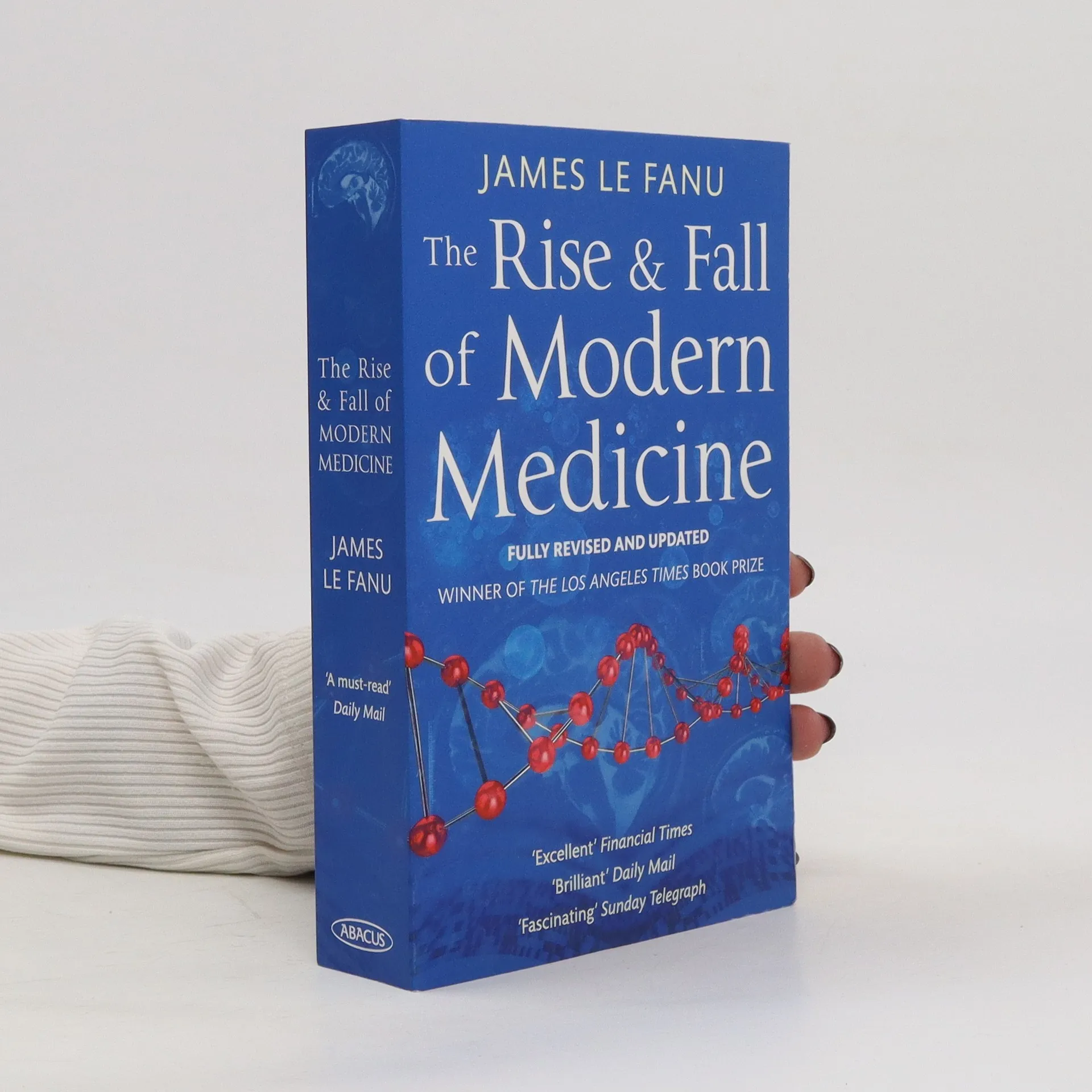
A fascinating survey of the key moments of post-war medical discovery - fully revised and updated for this new edition
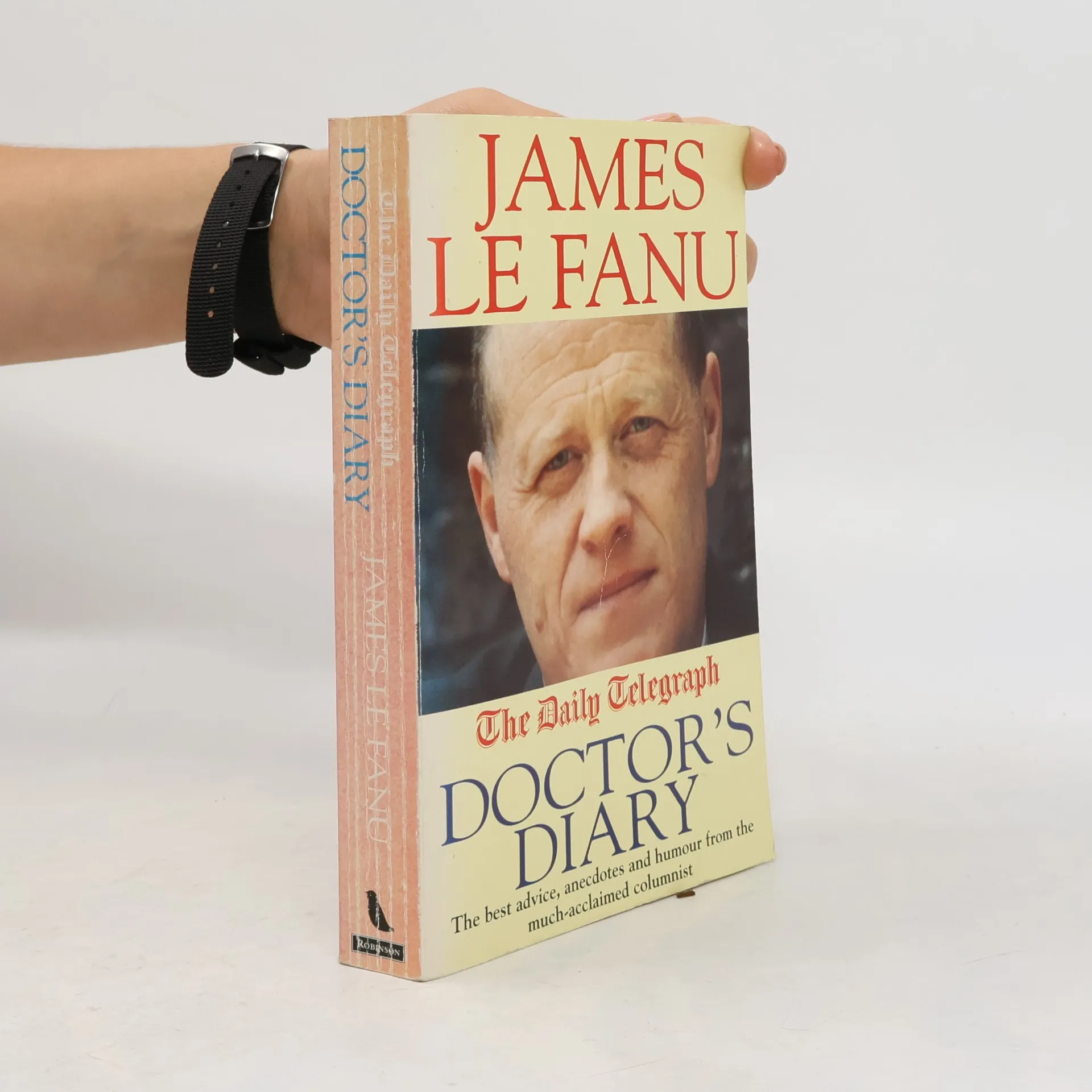
This guide contains advice and anecdotes from the author of the medical columns in the "Daily Telegraph". It discusses issues from ageism to the pros and cons of surgery, and the value of alternative therapies. It also takes a light-hearted look at the curious side of medicine and human nature.
Over the years, Dr Le Fanu has amassed scores of effective self help remedies sent in by readers of his columns, which require neither a trip to the doctor or the purchase of medicine. This common sense approach gives power back to the patients
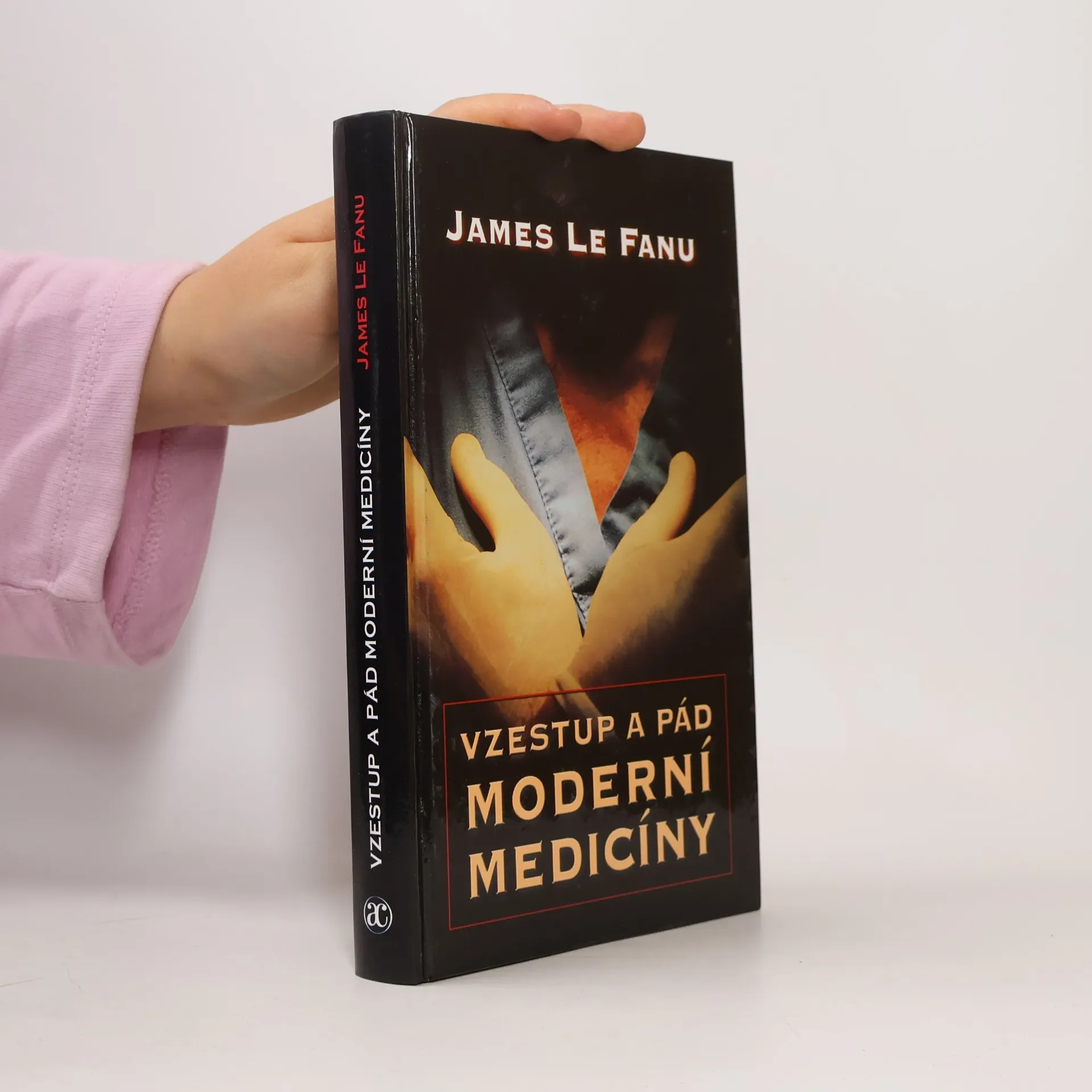
Rozvoj medicíny od konce druhé světové války do let devadesátých bychom mohli považovat za zázrak. Sulfonamidy, pak antibiotika, očkování proti obrně, operace srdce, přenos srdce, dialýza ledvin, přenos ledvin, pilulky proti početí. Autor, známý žurnalista, který se medicíně věnuje podstatnou část svého života, vytyčil takových mezníků dvanáct a každému z nich věnuje kapitolu. Jsou to napínavé příběhy šťastných objevů. O klinické vědě a medicíně se dozvíte všechno podstatné. Ale pak se autor ptá: Proč lidé utíkají k alternativní medicíně a o své zdraví se bojí víc než v dobách infekcí, kdy se při artróze kyčelních kloubů zchromlo a při zápalu plic se umíralo?