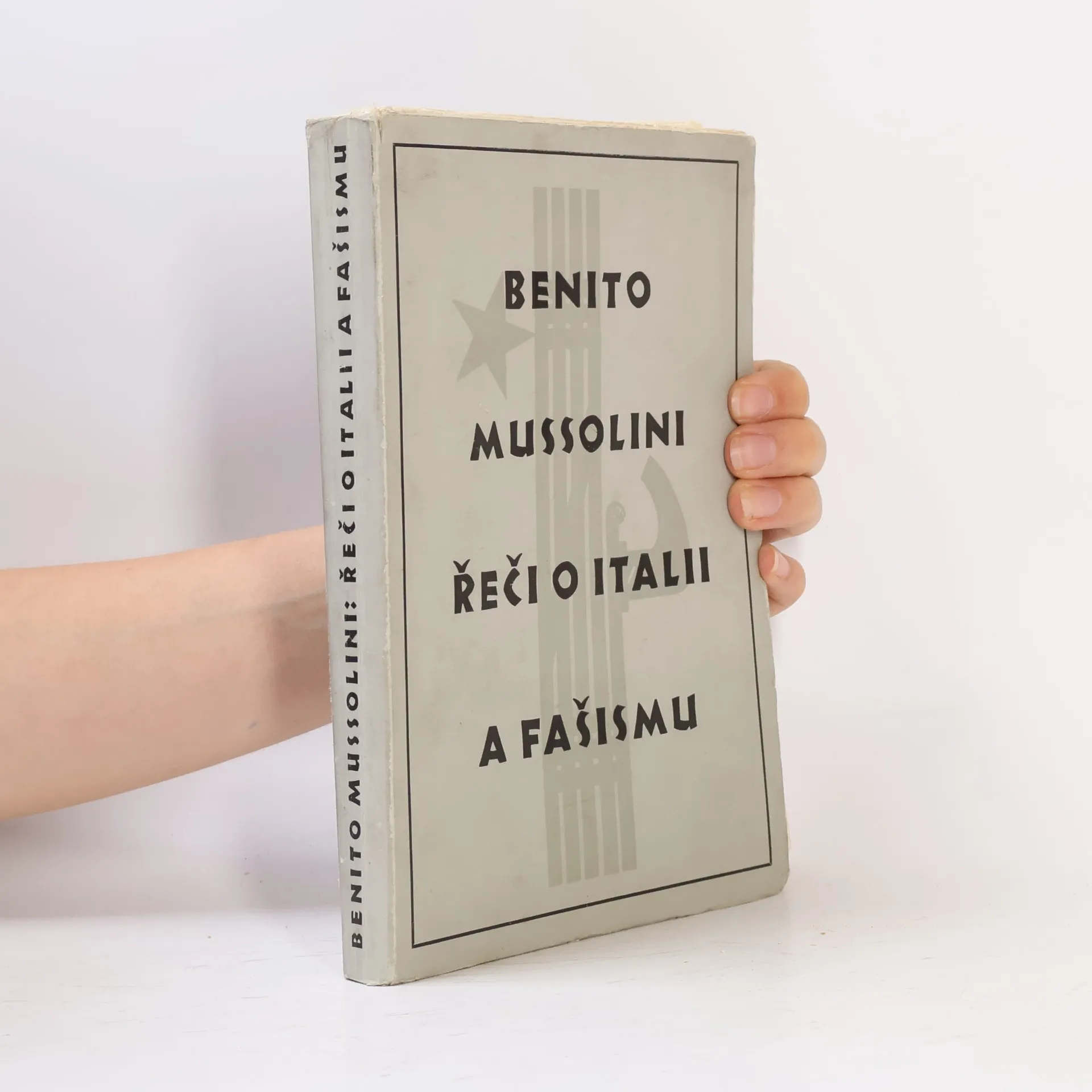
Benito MussoliniReihenfolge der Bücher (Chronologisch)
Dieser Autor ist bekannt für seine politische Karriere und seine journalistischen Bemühungen, die die literarische und politische Landschaft seiner Zeit prägten. Seine Werke tauchen tief in komplexe gesellschaftliche und ideologische Strömungen ein und konzentrieren sich auf Themen wie Macht, Identität und radikale gesellschaftliche Veränderungen. Ein Kennzeichen seines Stils ist die scharfsinnige Analyse der menschlichen Psychologie im Kontext von Massenbewegungen und politischen Umwälzungen. Leser werden seine Fähigkeit schätzen, die Spannung zwischen individueller Freiheit und kollektivem Handeln einzufangen.
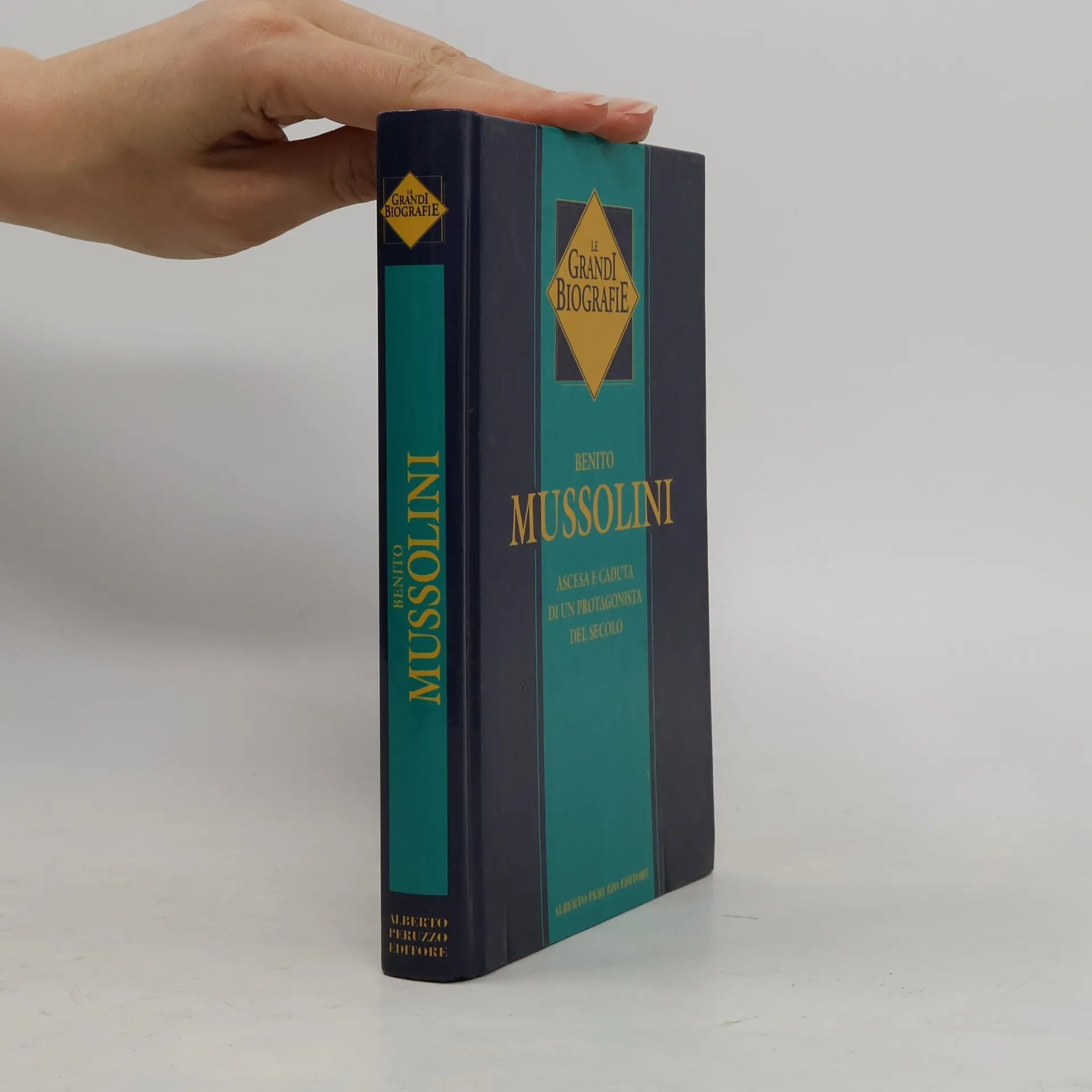
Focusing on the pivotal year from October 1942 to September 1943, this historical work details the military and political crises in Italy that culminated in Benito Mussolini's overthrow and the decline of Fascism. It provides an in-depth analysis of the events and dynamics that shaped this transformative period in Italian history, offering valuable insights into the factors that led to significant political change.
Focusing on the ideological foundations of fascism, this essay, attributed to Benito Mussolini but written by Giovanni Gentile, argues for a political shift from 19th-century individualism to a 20th-century emphasis on authority and the collective state. Published in the 1932 Enciclopedia Italiana, it serves as a cornerstone for understanding fascist doctrine, contrasting previous political models like socialism and liberalism. The text is part of a broader entry on fascism, featuring extensive illustrations and a comprehensive exploration of its principles.
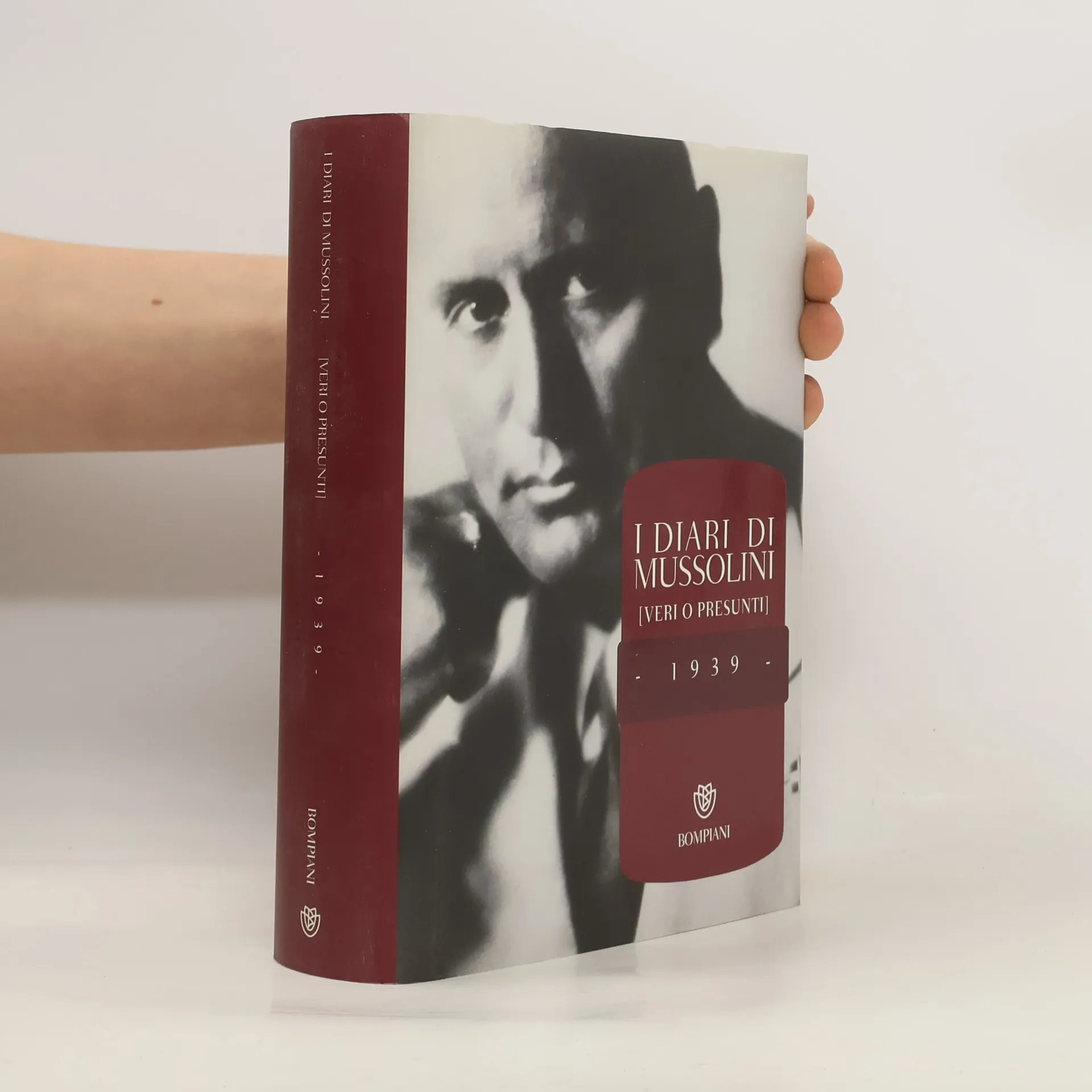
L'eredità di un ex partigiano recentemente deceduto che aveva partecipato all'arresto di Mussolini rivela una scoperta clamorosa: sei taccuini di più di trecento pagine ognuno, attribuibili al Duce e recanti una preziosa testimonianza autografa degli anni dal 1935 al 1942. Inizia così una delle vicende editoriali più appassionanti degli ultimi anni, che ruota attorno ai "Diari di Mussolini": la comunità scientifica e la stampa si sono divise sull'autenticità degli scritti, con illustri sostenitori a favore e contro. Se ancora dibattuta è l'attribuzione dei diari, è certo il loro valore e interesse storico e artistico: un documento inedito che racconta i retroscena degli anni che hanno segnato la storia moderna del nostro paese. Il primo volume è dedicato al 1939, anno dell'invasione tedesca in Polonia, scintilla della seconda guerra mondiale: i rapporti con Hitler, i contatti con Churchill e gli Alleati, le incertezze sull'ingresso in guerra, i commenti al vetriolo sui gerarchi fascisti, un diario quotidiano che descrive la personalità di uno statista, i suoi errori e le sue debolezze attraverso un testo di grande intensità.
This memoir recounts the Italian dictator's years as an agitator, journalist, and soldier, the formation of the Fascist Party, the "March on Rome," and his early years in power. It articulates Il Duce's vision of his nation's return to glory and includes his definitive statement on the doctrine of Fascism and its political justification. 8 illustrations.
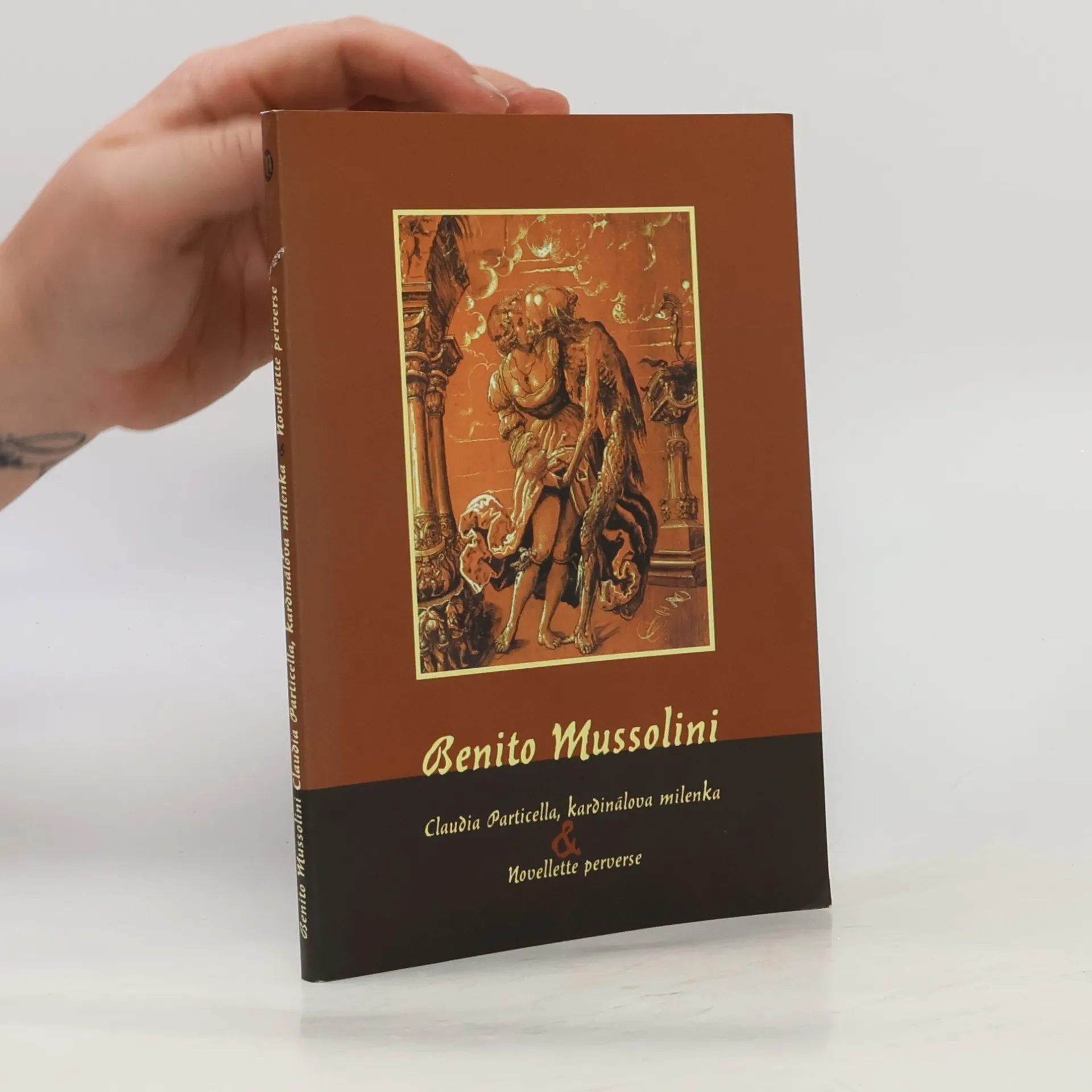
Dvě novely, související s tridentským pobytem mladého Mussoliniho.
" Novellette perverse", tedy zvrácené novely, tak se mělo jmenovat jejich souborné vydání. To se nikdy neuskutečnilo, a tak světlo světa spatřili pouze dvě. První z nich, původně nazvaná "Sebevrah" vyšla na pokračování pod názvem "Nic není opravdové, vše je dovoleno" během dubna a května 1909 v týdeníku " Vita Trentia, jenž byl přílohou deníku "Il Popolo". V něm byla vydáná i povídka "Svatební jízda."
Přestože terčem těchto příběhů je pokrytectví a povrchnost bohatší společnosti, nelze zcela vyloučit, že se v nich v některých detailech projevil i sám autor.
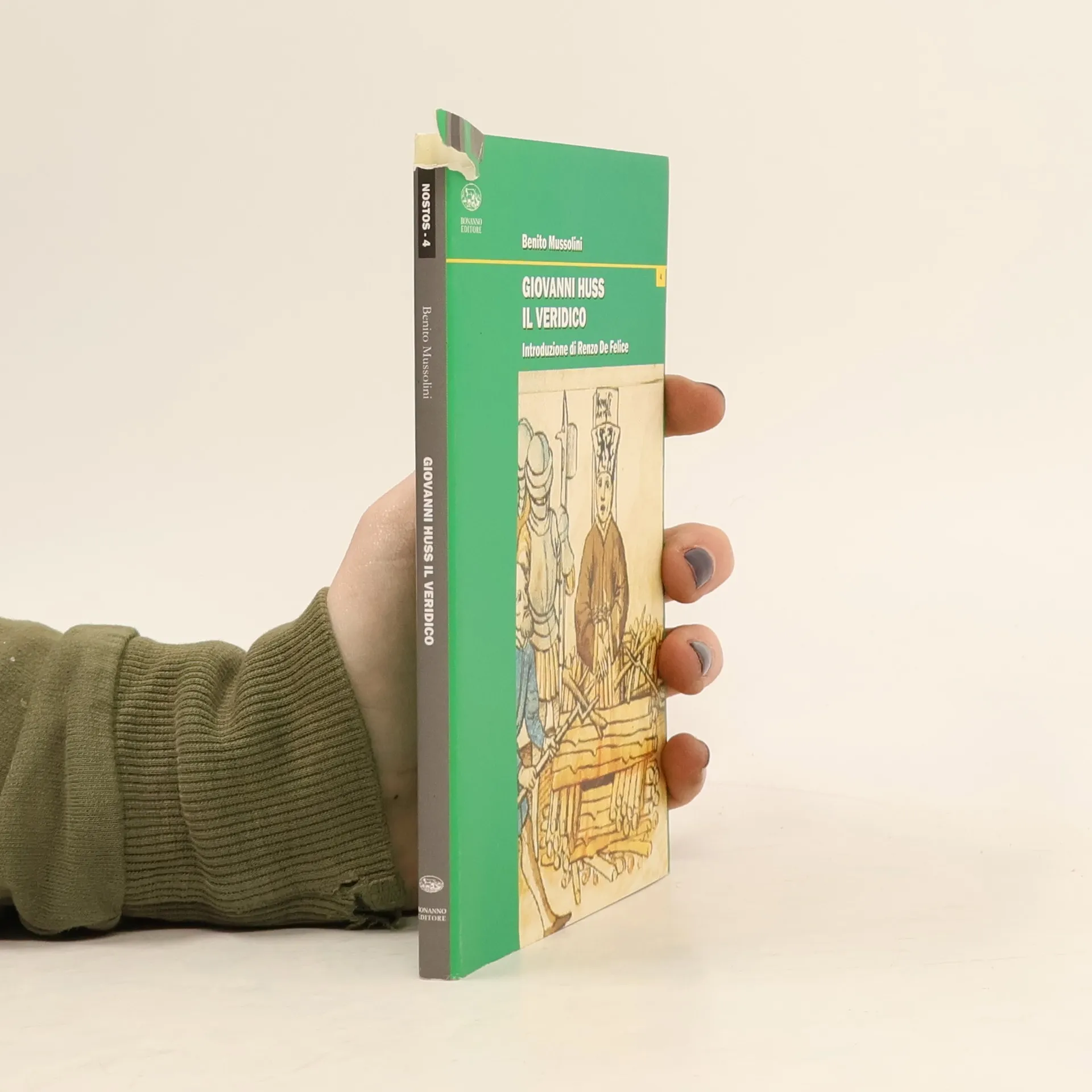
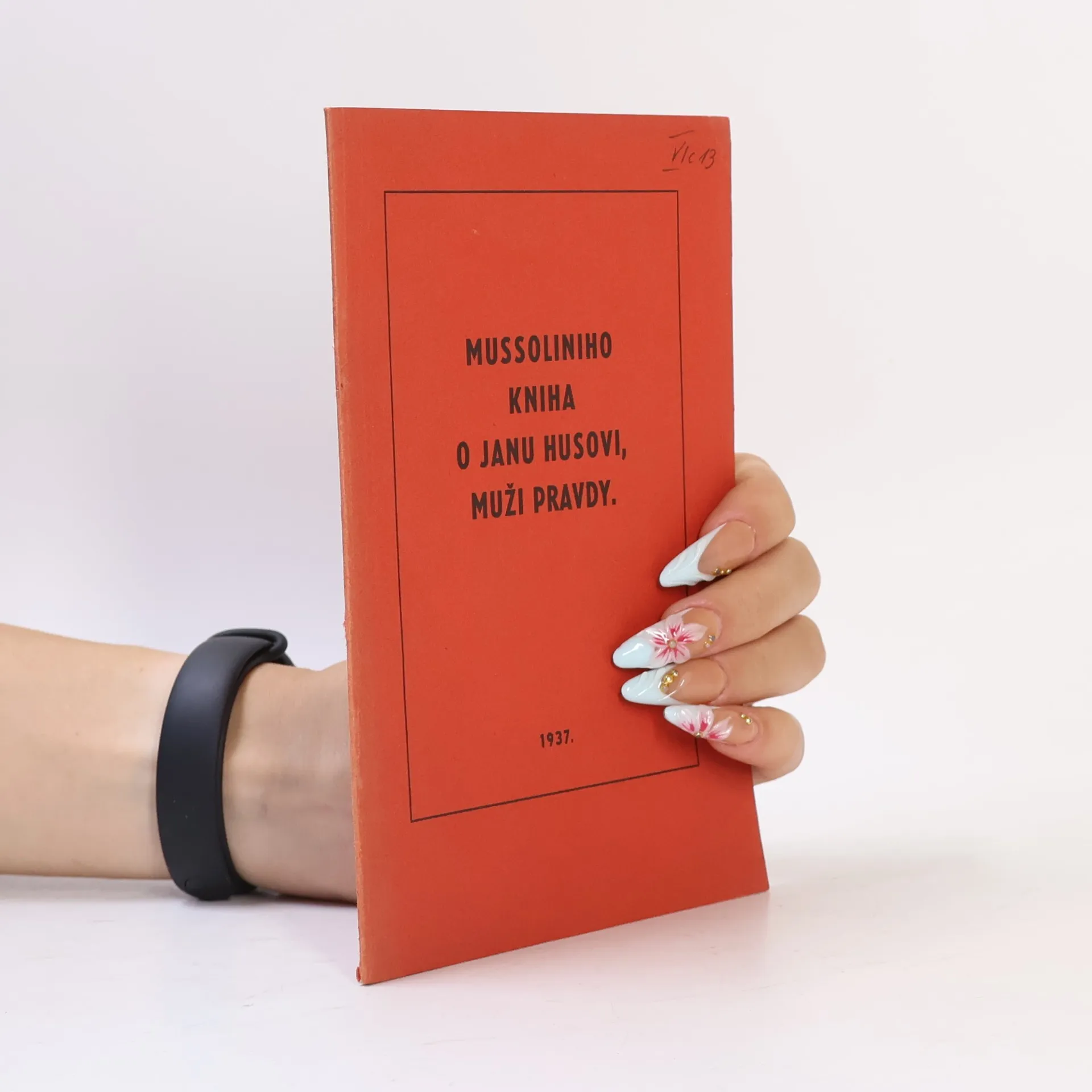
This is not a joke. Benito Mussolini is best known as a despotic bully who participated in the fascist destruction of Europe a mere 65 years ago. He had another side: scholar and writer. Before he morphed into a right-wing despot, he started out as a socialist newspaperman. Go figure. Mussolini published this book in Italian in 1913 and in English in 1929. No longer in print, it is a rare book: I found it on the shelves of Powell's in Portland, Oregon about 10 years ago and eagerly grabbed it for $45. John Huss and John Wycliffe were the first Protestant reformers, anticipating Luther by over 100 years. Wycliffe was English and Huss was a Czech who tried mightily to reform the corrupt Roman Catholic church in the early years of the 15th century.
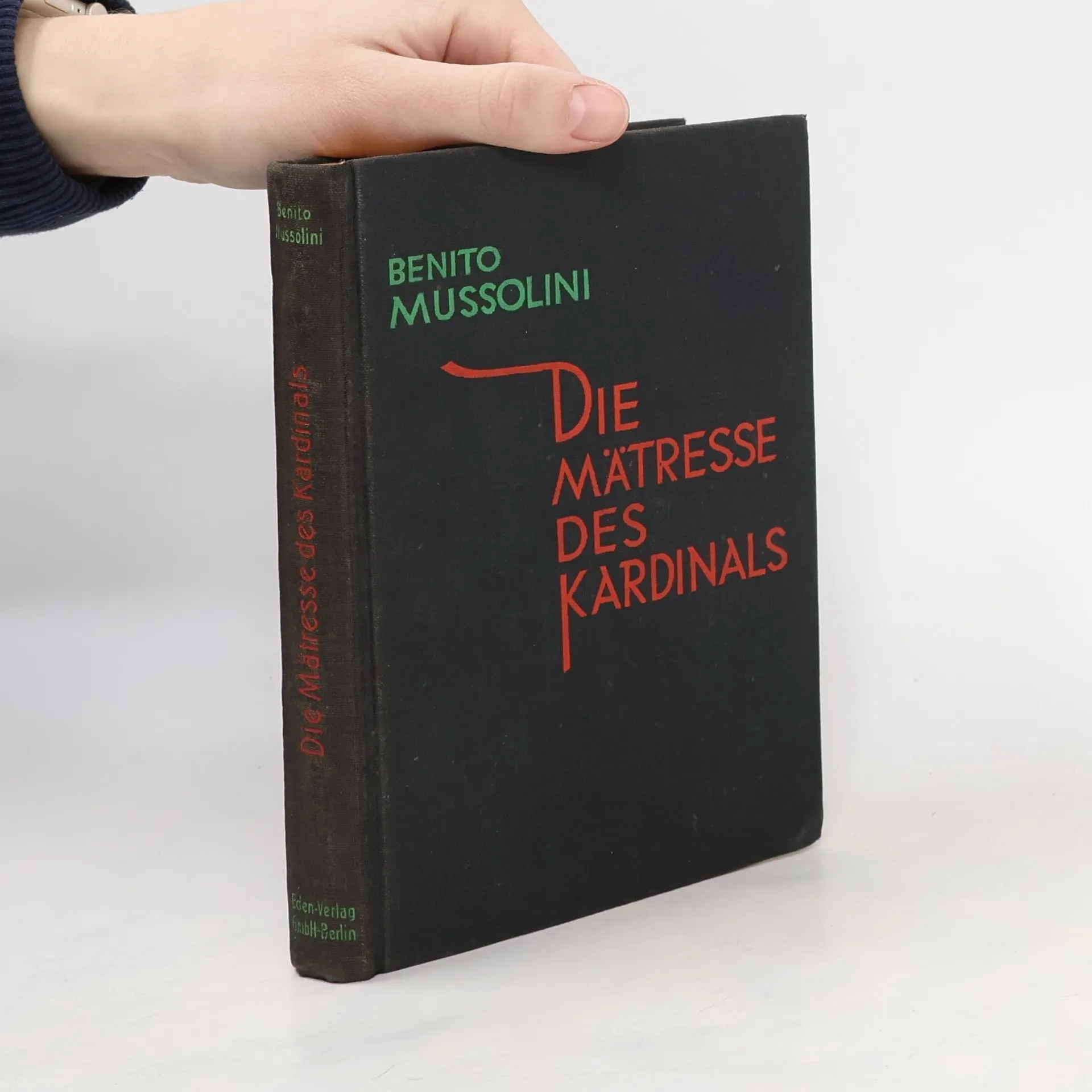
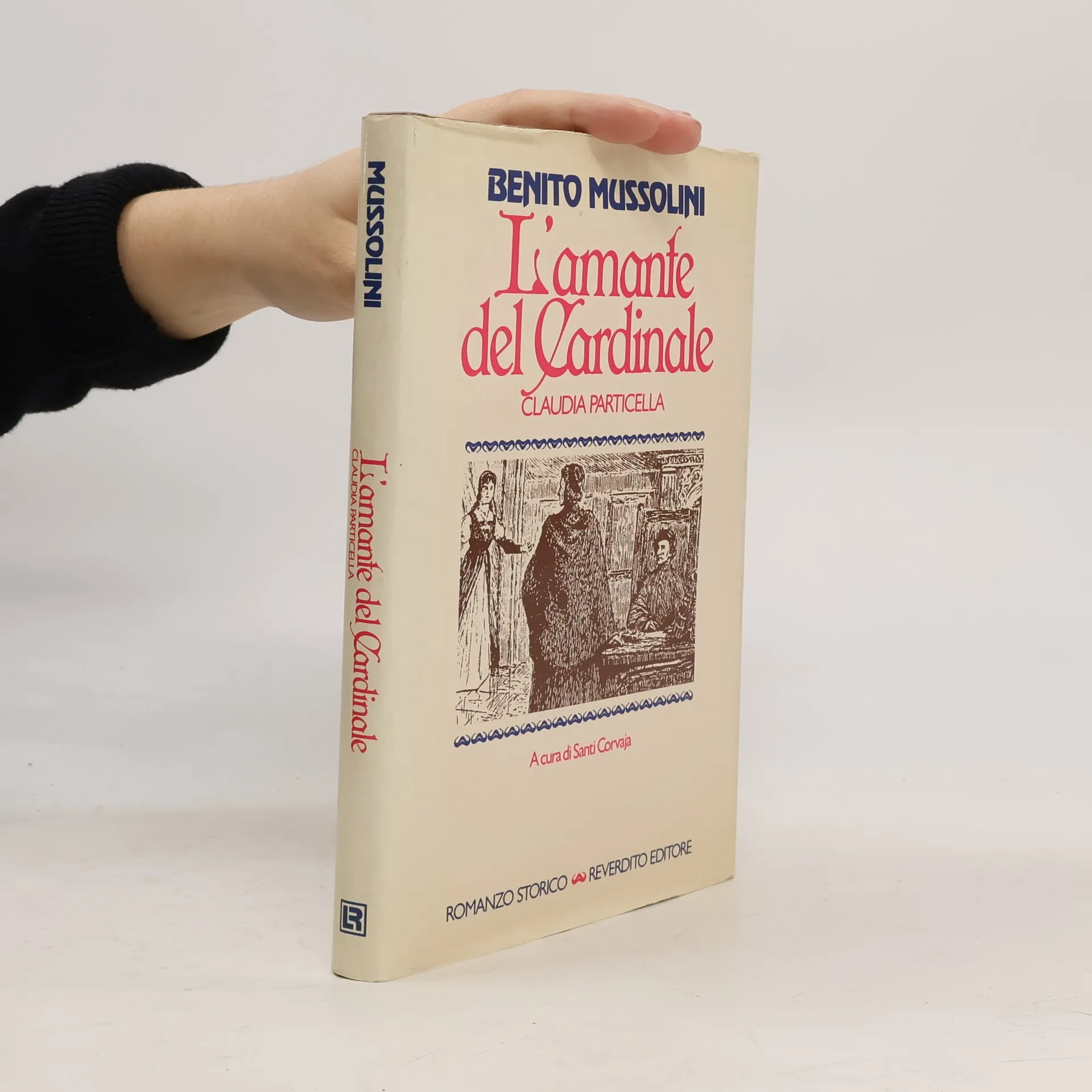
Unico romanzo scritto da Mussolini. Dichiaratamente anticlericale, scritto dal giovane Mussolini riuscì nello scopo di scandalizzare e indignare i cattolici. Rispondendo, nel 1932, ad una domanda sul libro, di Emil Ludwig, Mussolini affermò: "La storia del cardinale l'ho scritta con intenzioni politiche. Allora il clero era veramente inquinato da elementi corrotti. E' un libro di propaganda politica".