Bookbot

Timothy Ferris

    24. August 1944

    Timothy Ferris ist ein gefeierter Wissenschaftskommunikator, dessen umfangreiches Werk zwölf Bücher, Hunderte von Artikeln und Essays sowie drei preisgekrönte Dokumentarfilme umfasst. Er wurde als herausragende Stimme in der Wissenschaftspublizistik gefeiert und erhielt zahlreiche Auszeichnungen für seine Fähigkeit, komplexe Themen einem breiten Publikum zugänglich und ansprechend zu vermitteln. Ferris' Schriften befassen sich oft mit dem Kosmos und dem Platz der Menschheit darin und vermitteln die Wunder der Wissenschaft mit Klarheit und Begeisterung. Sein unverwechselbarer Ansatz hat ihn zu einer der bedeutendsten Persönlichkeiten bei der Popularisierung wissenschaftlicher Erkenntnisse gemacht.

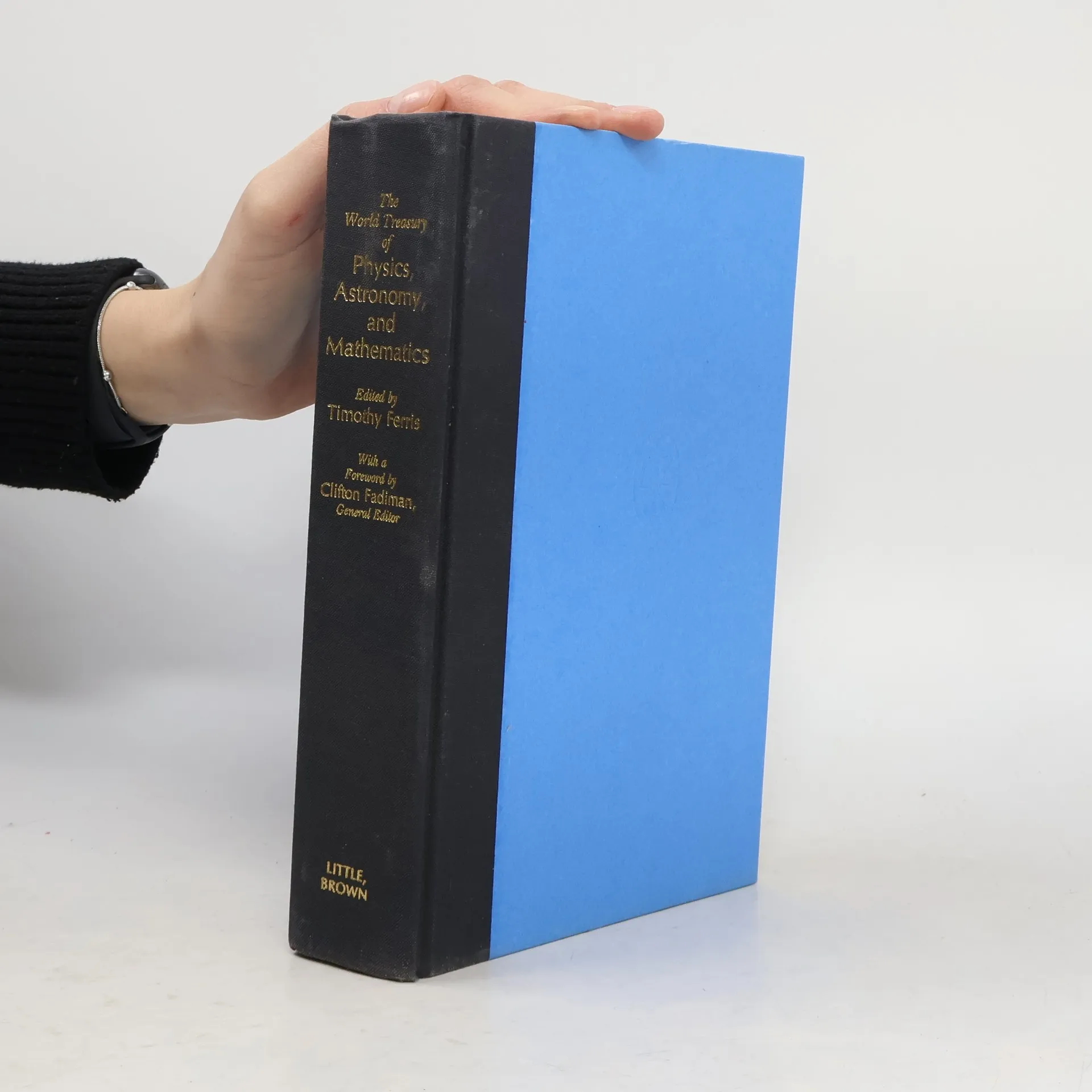
    The World Treasury of Physics, Astronomy, and Mathematics
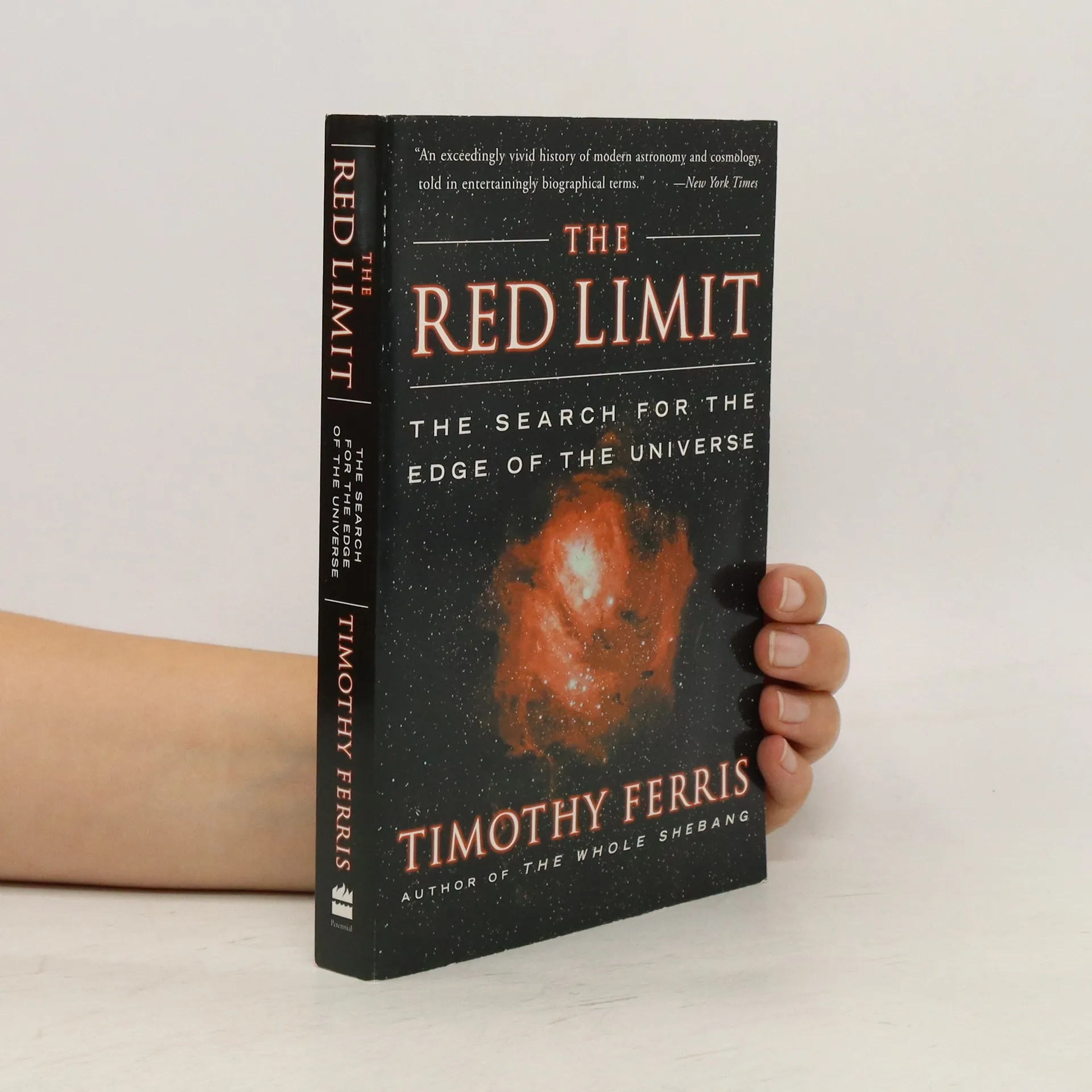
    Die Rote Grenze
    Galaxien
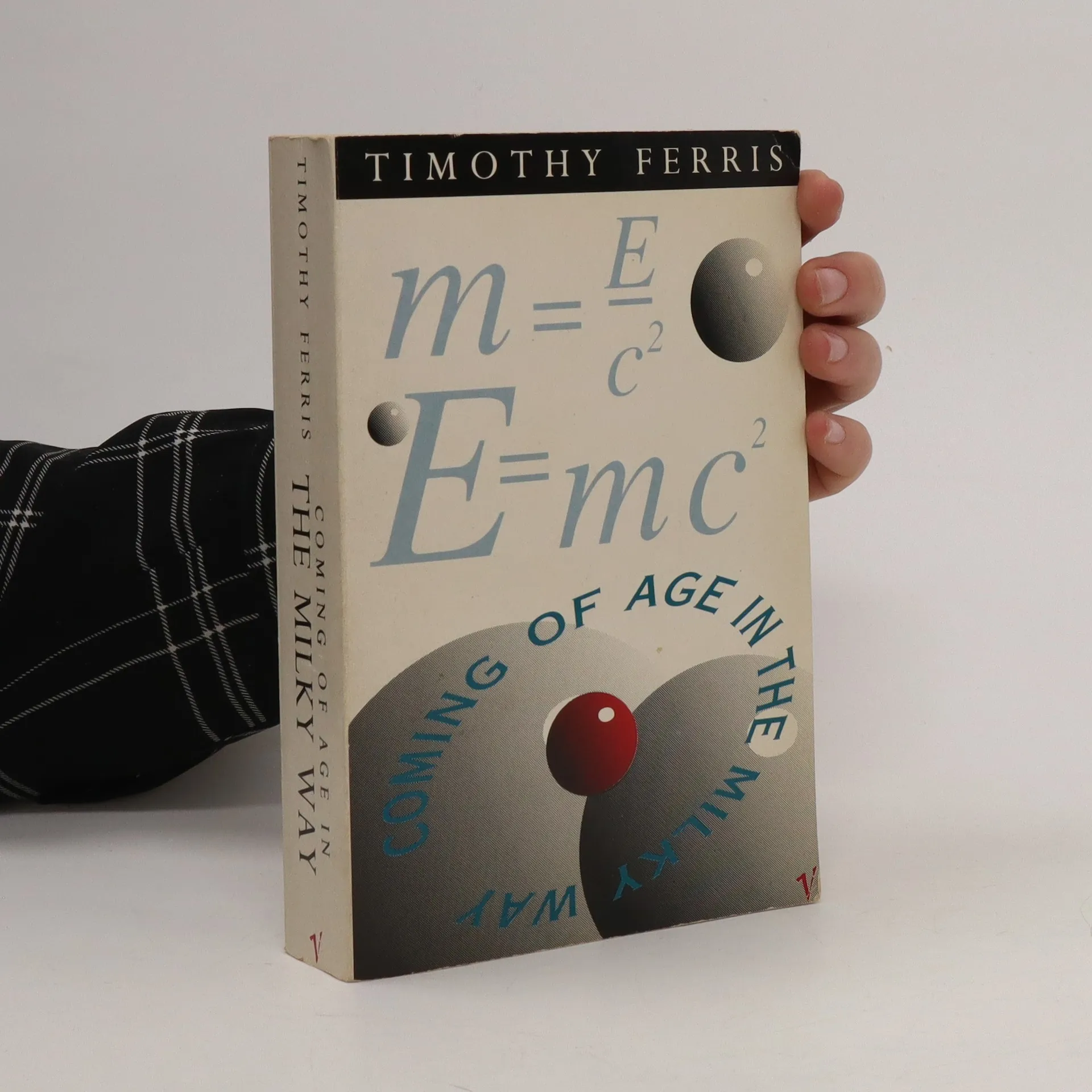
    Kinder der Milchstrasse
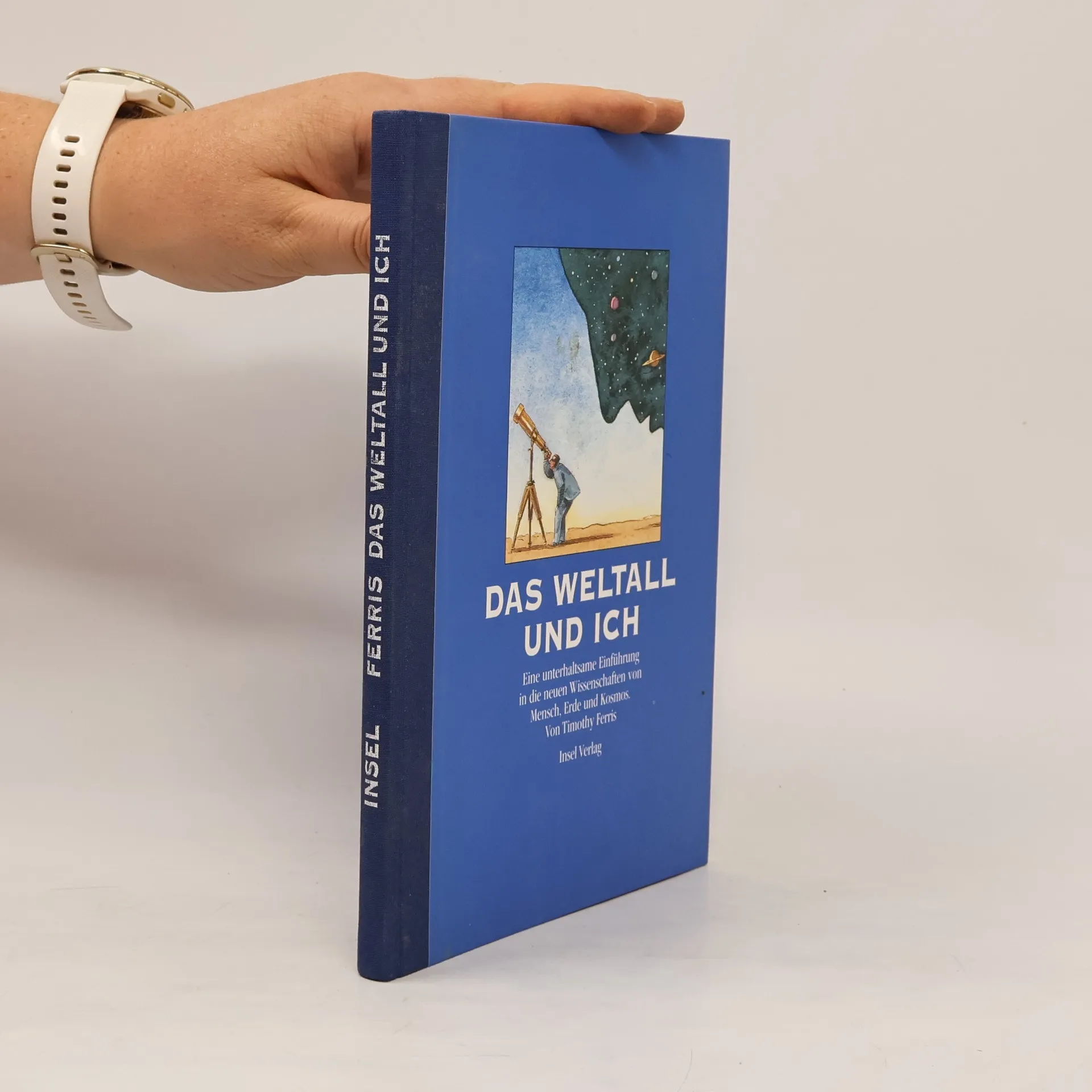
    Das Weltall und ich
    Das intelligente Universum
    • The Science of Liberty

      • 368 Seiten
      • 13 Lesestunden

      “Ferris is a master analogist who conveys his insights on the history of cosmology with a lyrical flair.” — The New York Times Book Review In The Science of Liberty , award-winning author Timothy Ferris—called “the best popular science writer in the English language today” by the Christian Science Monitor and “the best science writer of his generation” by the Washington Post —makes a passionate case for science as the inspiration behind the rise of liberalism and democracy. In the grand tradition of such luminaries of the field as Bill Bryson, Richard Dawkins, and Oliver Sacks—as well as his own The Whole Shebang and Coming of Age in the Milky Way —Ferris has written a brilliant chronicle of how science sparked the spread of liberal democracy and transformed today’s world.

      The Science of Liberty2010
      3,9
    • Budoucnost prostoročasu

      • 175 Seiten
      • 7 Lesestunden

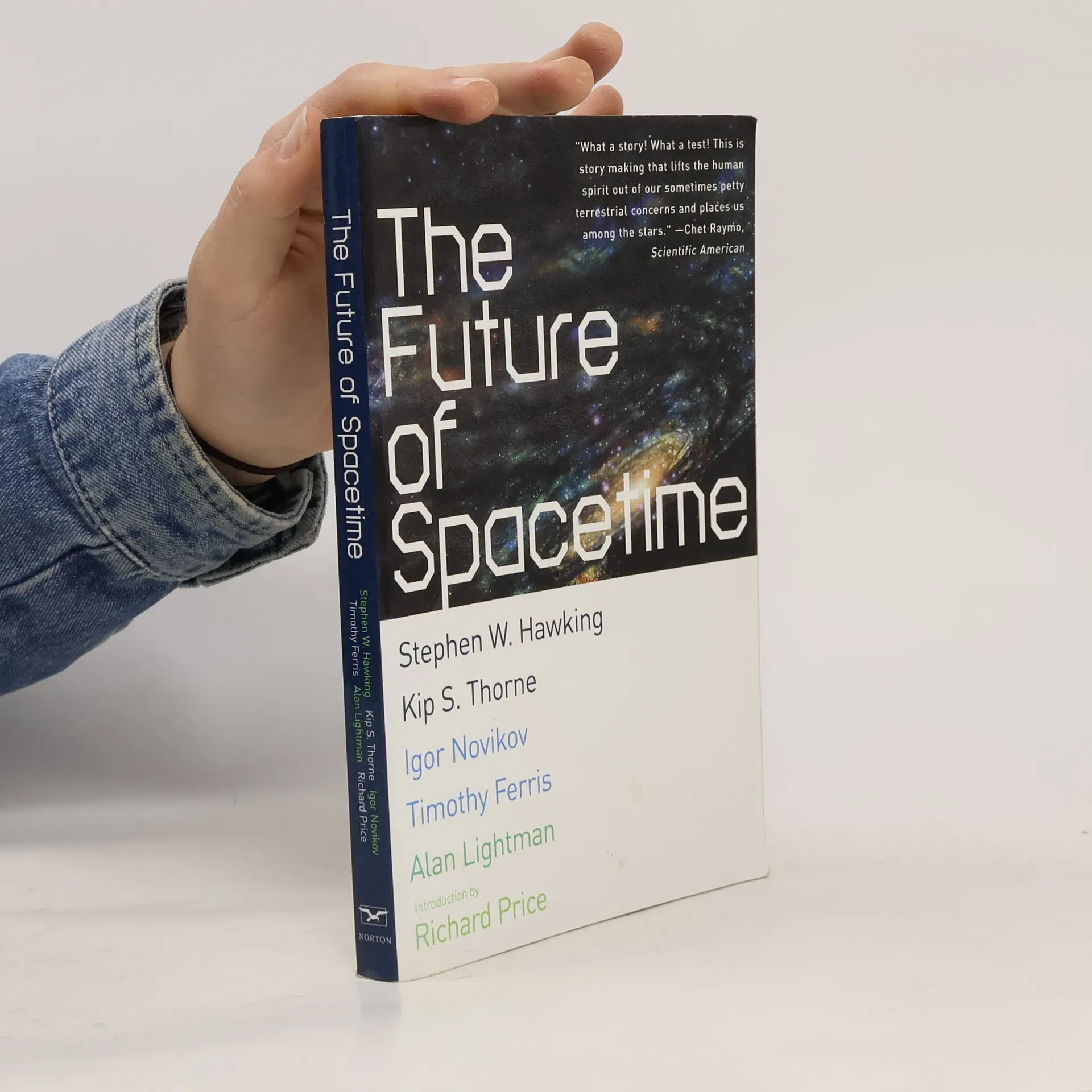
      Krátký úvod do historie fyzikálních teorií spojených s prostoročasem od Richarda Price, teoretika z oddělení fyziky na University of Utah, připravuje jeviště pro vědecká objasnění a myšlenky známých vědců. Igor Novikov, ředitel Centra pro teoretickou astrofyziku v dánském NORDITA, pojednává o cestování v čase a objasňuje, jak se vyhnout paradoxům při cestování do minulosti. Stephen Hawking, profesor matematiky v Cambridge a jeden z nejznámějších vědců na světě, ukazuje, proč je takové cestování nemožné. Kip Thorne se pokouší cestovat do budoucnosti za pomoci astronomie gravitačních vln. Poslední dva eseje se poněkud odlišují od ostatních, protože nepodávají vědecká vysvětlení. Timothy Ferris, vynikající novinář a popularizátor vědy, vypráví, jak je nezbytné a zároveň obtížné popularizovat vědu. Alan Lightman, přední fyzik se zálibou v psaní, má zkušenost s vědeckou i uměleckou tvorbou, je oprávněn ve svém eseji srovnávat tyto dva rozdílné typy kreativity.

      Budoucnost prostoročasu2009
      4,8
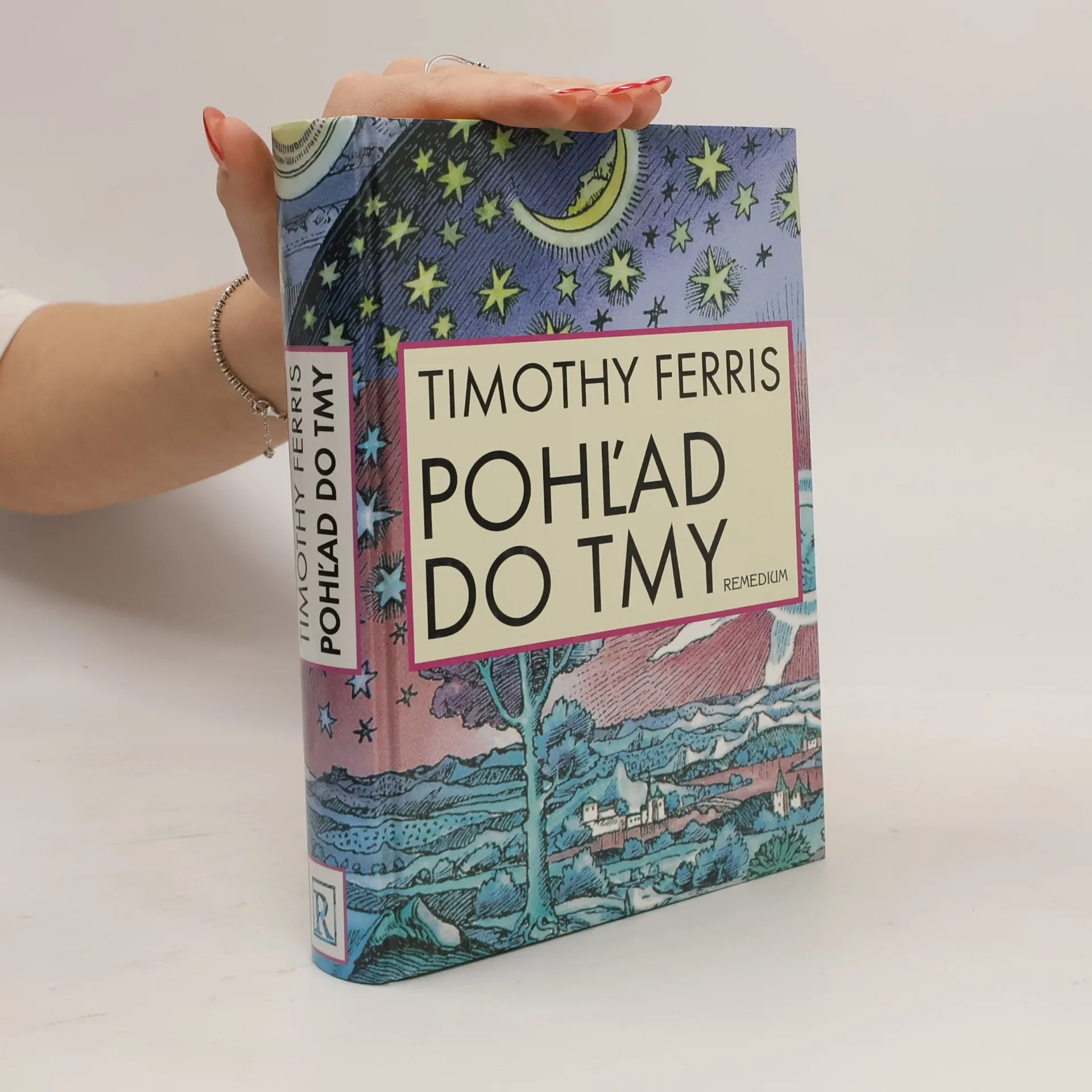
    • Pohľad do tmy

      • 436 Seiten
      • 16 Lesestunden

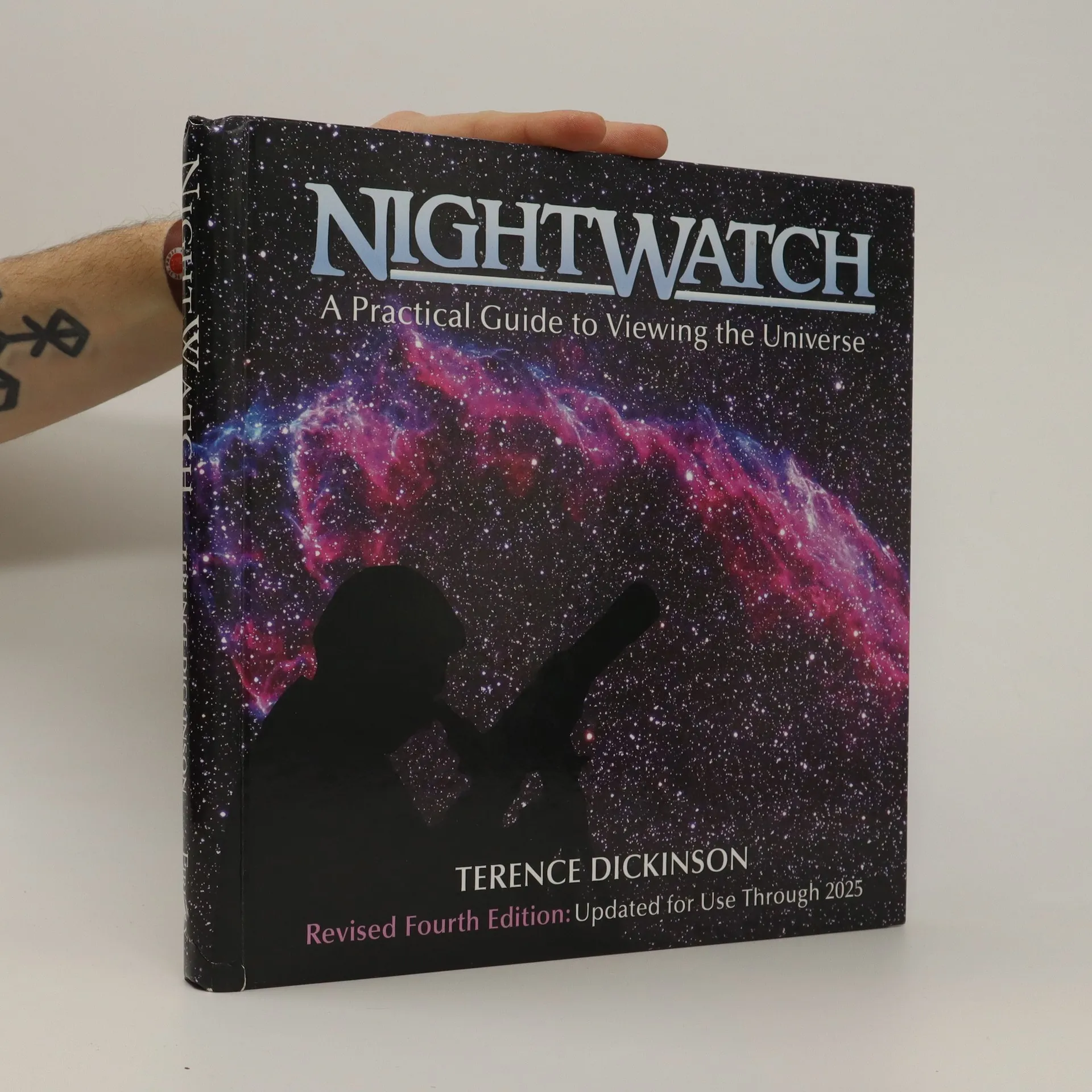
      Autor sleduje hviezdy celý život, ale hĺbky vesmíru dostupné kedysi iba profesionálom, alebo dokonca nikomu, sú dnes na dosah pozorovateľom, ktorých motivuje vlastná zvedavosť. Mnohí z amatérov nachádzajú uspokojenie v radosti z estetiky kozmického divadla, iných väčšmi zaujíma, čo je tam "vonku"- čo vlastne predstavujú Saturn, planetárna hmlovina Prstenec, galaxia Strieborná minca alebo kopa galaxií v Súhvezdí Severná koruna...

      Pohľad do tmy2005
      4,7
    • Future of Spacetime

      • 222 Seiten
      • 8 Lesestunden

      This collection features insights from renowned physicists on the nature of spacetime, time travel, and the future of science. Richard Price introduces spacetime physics, while Stephen Hawking discusses the concept of chronology protection. Igor Novikov explores the possibility of altering the past, and Kip S. Thorne speculates on future scientific advancements. Timothy Ferris addresses the challenges of making science accessible to the public, and Alan Lightman reflects on the intersection of physics and literature, highlighting the role of physicists as storytellers.

      Future of Spacetime2003
      4,0
    • Všetko o vesmíre

      • 416 Seiten
      • 15 Lesestunden

      Je toho iste viac, než sa dá vmestiť do jednej knihy. Profesor Tomothy Ferris sa jednako pokúsil zostaviť akýsi prehľad, sumu najdôležitejších vedomostí. Jeho kniha sa napriek obsiahlosti témy a vysoko špecializovanej problematike súčasných kozmologických a astrofyzických teórií usadili na vrchných priečkach rebríčkov knižných bestsellerov a svojmu autorovi zabezpečila svetoznámosť.

      Všetko o vesmíre2000
      5,0
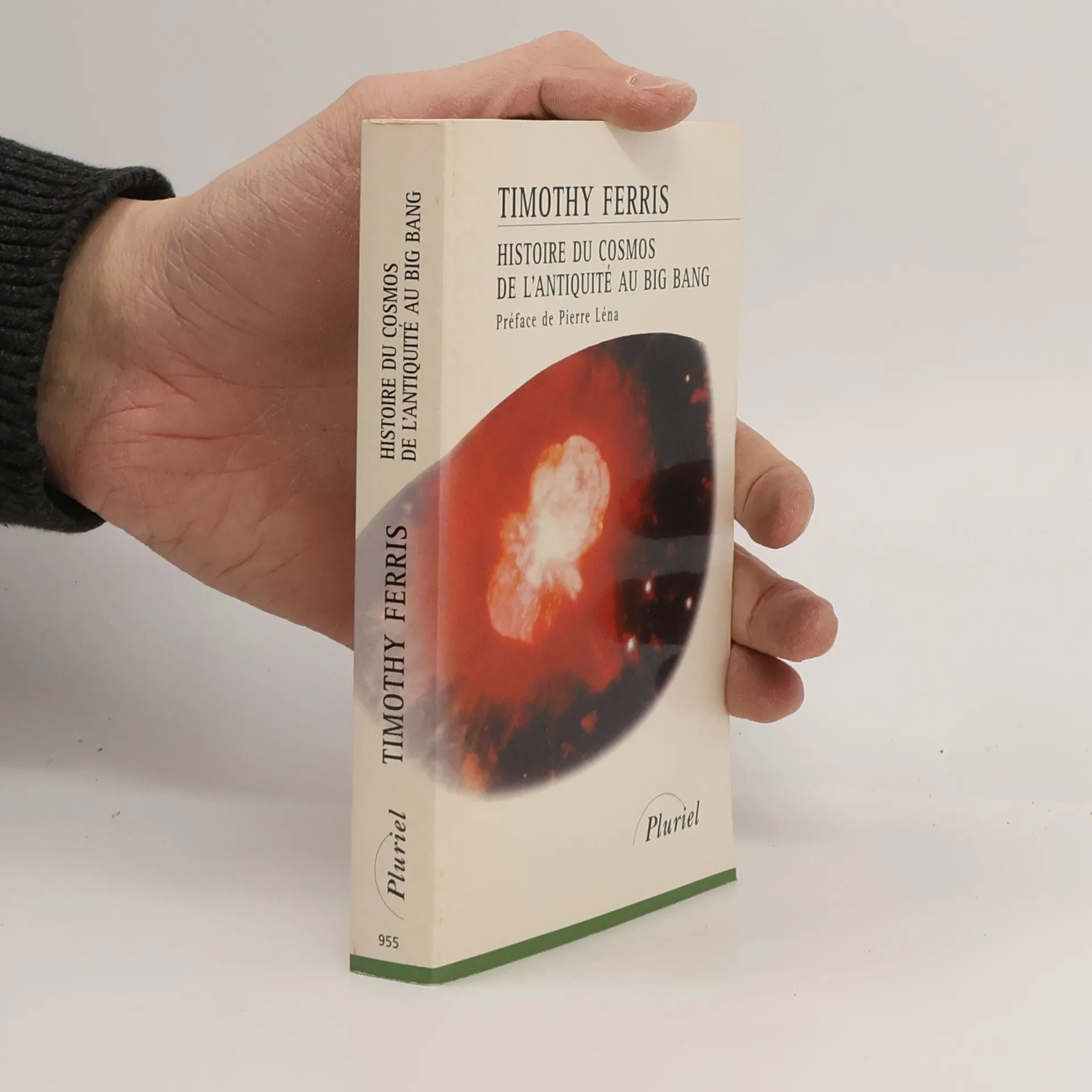
    • Que savons-nous de l'espace et du temps, ou encore de la matière ? Comment en sommes-nous arrivés à nos représentations actuelles ? Vastes questions, vaste entreprise que de tâcher d'y répondre : "je ne sache pas qu'aucun livre ait récemment tenté la grande fresque de Timothy Ferris", écrit Pierre Léna dans son enthousiaste préface. En fait, d'Eudoxe, Platon ou Archimède à Einstein ou Stephen Hawking, en passant par Christophe Colomb ou Galilée et Newton, Ferris nous entraîne dans le passionnant voyage de la connaissance. Une histoire, comme toute histoire humaine, jalonnée de crises, de passions et de fulgurantes nouvelles, de sources imprévues jaillissant après de longues aridités opaques."Pour lire le bel ouvrage de Timothy Ferris écrit encore Pierre Léna, il faut faire en soi le silence et accueillir son récit avec la fraîche sensibilité d'un enfant étonné."Timothy Ferris enseigne à Berkeley le journalisme scientifique. Il est l'auteur entre autre de Opéra Cosmique (Calmann Lévy, 1986).

      Histoire du cosmos de l'Antiquité au Big Bang1999
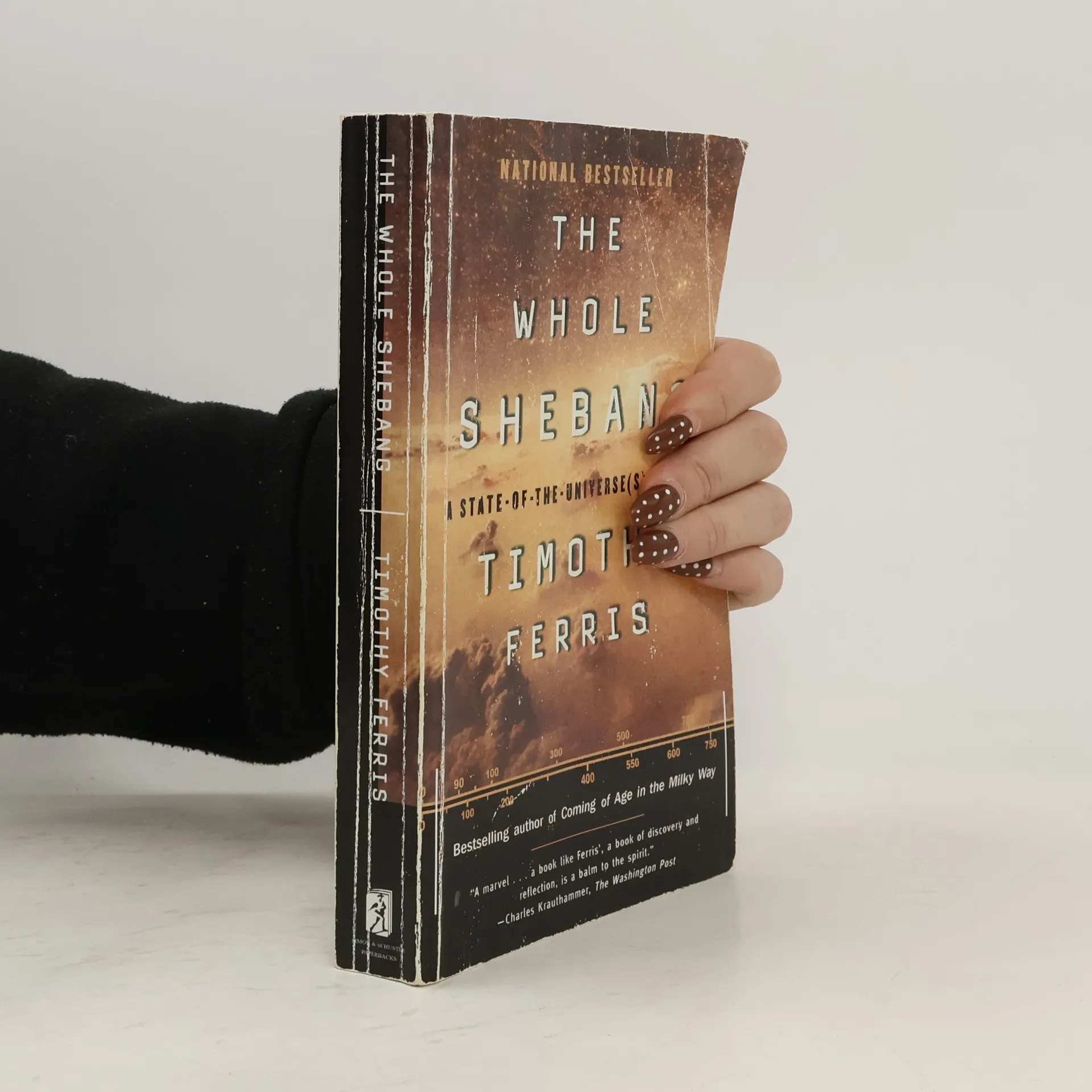
    • The Whole Shebang

      A State-of-the-Universe[s] Report

      • 393 Seiten
      • 14 Lesestunden

      From the prizewinning author who has been called "the greatest science writer in the world" comes this delightfully comprehensive and comprehensible report on how science today envisions the universe as a whole. Timothy Ferris provides a clear, elegantly written overview of current research and a forecast of where cosmological theory is likely to go in the twenty-first century. He explores the questions that have occurred to even casual readers -- who are curious about nature on the largest scales: What does it mean to say that the universe is "expanding," or that space is "curved"? -- and sheds light on the possibility that our universe is only one among many universes, each with its own physical laws and prospects for the emergence of life.

      The Whole Shebang1998
      4,1
    • From the Publisher: An astonishing cast of more than ninety renowned writers provides thoughtful and lucid reflections on some of the major scientific topics of our time-from black holes and galaxies to artificial intelligence and chaos theory. Featuring essays, articles, and poems penned by notables in the worlds of both science and literature, this unique book will delight the science enthusiast and the inquisitive general reader alike.

      The World Treasury of Physics, Astronomy, and Mathematics1991
      4,1