Chancen
- 335 Seiten
- 12 Lesestunden


Edward de Bono war ein maltesischer Arzt, Autor, Erfinder und Berater. Er ist am besten als Urheber des Begriffs „laterales Denken“ (strukturiertes kreatives Denken) und als führender Verfechter der bewussten Vermittlung des Denkens in Schulen bekannt. Seine Arbeit konzentriert sich auf die Entwicklung innovativer Ansätze und Methoden, die helfen, traditionelle Denkmuster zu überwinden und kreative Problemlösungen anzuregen. De Bono bietet den Lesern damit Werkzeuge für ein tieferes Verständnis und zur aktiven Gestaltung ihrer eigenen Denkprozesse.

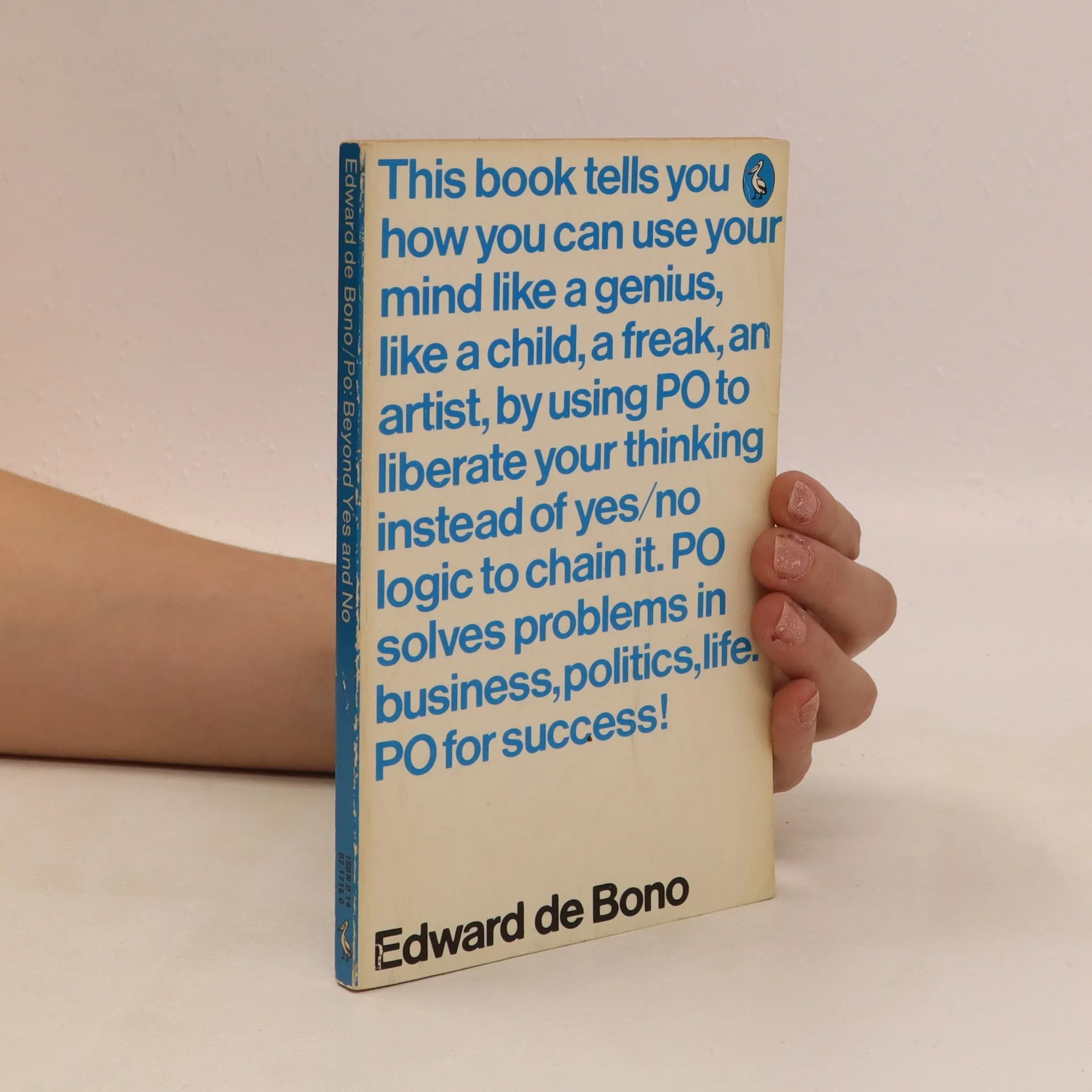
Dieses Buch präsentiert Edward de Bonos ursprüngliche Theorien darüber, wie das Gehirn funktioniert, Informationen verarbeitet und organisiert. Es erklärt, warum das Gehirn, der 'Mechanismus', nur auf bestimmte Weise arbeiten kann, und führt die vier grundlegenden Denkarten ein, die sein Lebenswerk geprägt haben: natürliches Denken, logisches Denken, mathematisches Denken und laterales Denken. De Bono skizziert auch sein Argument für die Einführung des Wortes PO als Alternative zum Wort NEIN, wenn laterales Denken in die Praxis umgesetzt wird. Anhand von anschaulichen visuellen Bildern, die helfen, seine Theorien und Denkprozesse zu erklären, bleibt Der Denkprozess ebenso faszinierend und aufschlussreich wie bei seiner ersten Veröffentlichung im Jahr 1969. Dies ist ein Muss für jeden, der ein besseres Verständnis dafür gewinnen möchte, wie der Geist funktioniert und Informationen organisiert, und wie Edward de Bono seine kreativen Denkwerkzeuge entwickelte.
Der Erfinder des Verfahrens des lateralen Denkens bietet einen Leitfaden zur Förderung der Kreativität.
Kreativer Denken, effektiver arbeiten, mehr erreichen
**Besser denken lernen** Edward de Bono beschäftiigt sich seit vielen Jahren mit den Themen Kreativität und effektives Denken. In seinem Buch zeigt er, dass die meisten Menschen ihr Potenzial nicht voll ausschöpfen. Mithilfe seiner »Werkzeugmethode« führt Edward de Bono an die neue Art des Denkens heran. Sein Programm ist kinderleicht umsetzbar und bietet eine Vielzahl von Anregungen, wie man seine Wahrnehmung schärft. Der Dauerseller jetzt im neuen Look!
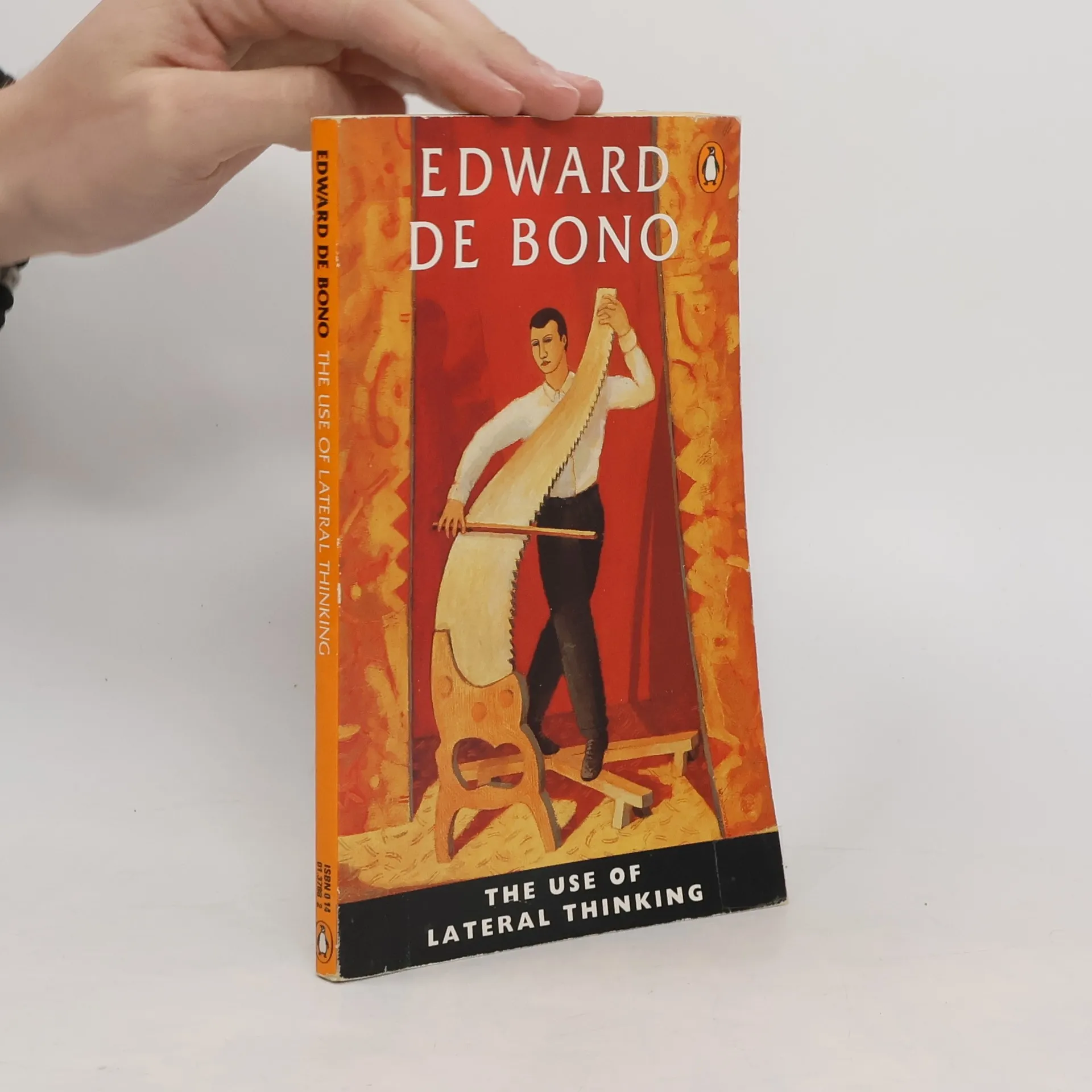
Warum scheinen einige Menschen immer neue Ideen zu haben, während andere mit gleicher Intelligenz nie welche entwickeln? Laterales Denken ist Edward de Bonos ursprüngliche Darstellung dessen, was laterales Denken ist, wie es funktioniert und wie man es nutzen kann, um das eigene Potenzial für Denken und Problemlösung zu entwickeln. De Bono argumentiert, dass konventionelles vertikales Denken oft unsere Fähigkeit einschränkt, Probleme zu lösen und neue Ideen zu entwickeln. Er zeigt, dass laterales Denken ein viel einfacherer und natürlicherer Weg ist, um einfache, fundierte und effektive Ideen zu generieren, und bietet Anleitungen, wie man die eigene Fähigkeit zum lateralen Denken entwickeln kann. Laterales Denken ist eine Technik, die jeder lernen und von der jeder profitieren kann.
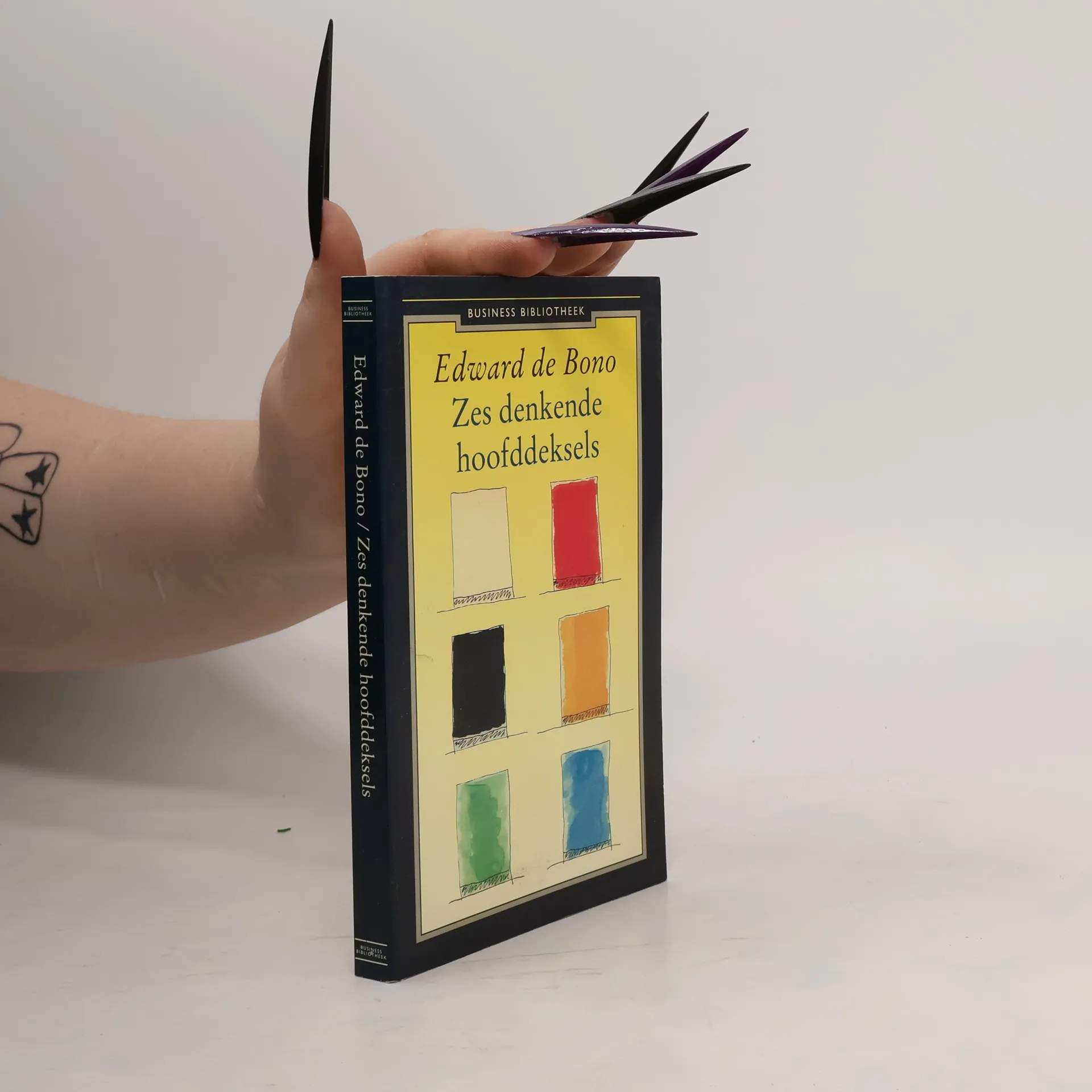
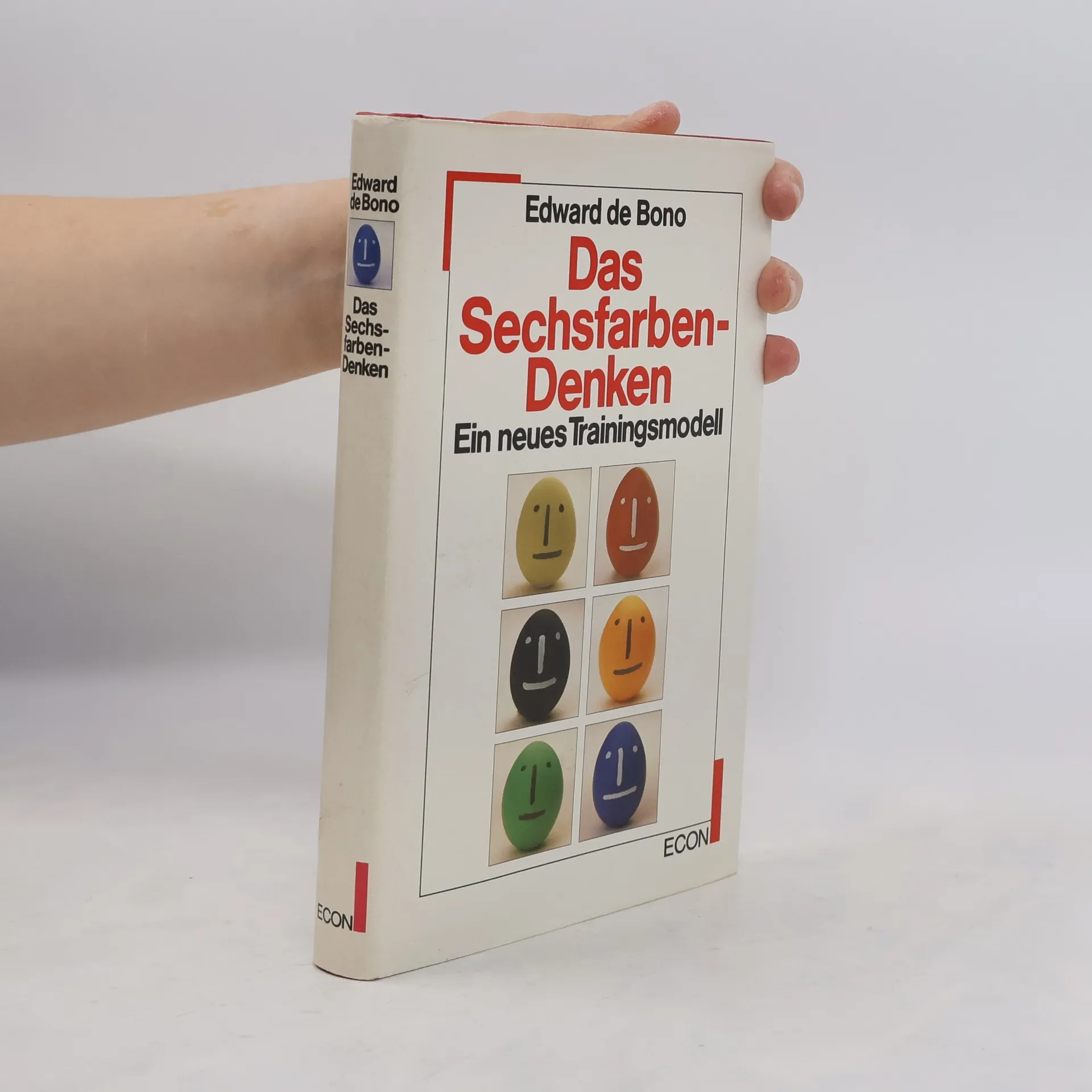
Das Buch „Sechsfarbendenken“ von Edward de Bono widmet sich der gleichnamigen Methode, die als Six Thinking Hats Method bekannt ist. Es handelt sich um eine Sammlung von Techniken des kreativen Denkens, die insbesondere für Gruppen-Diskussionen, Beratungen und Meetings gedacht sind. In Kombination mit der Technik des parallelen Denkens bietet sie Gruppen und Einzelpersonen Werkzeuge für effektiveres Denken, Planen und Entscheiden. Die sechs verschiedenen farbigen Hüte (weiß, rot, schwarz, gelb, grün und blau) repräsentieren sechs unterschiedliche Denkweisen, in die sich die Teilnehmer, die sich die Hüte gedanklich aufsetzen, versetzen und innerhalb derer sie denken. Die Hüte bieten einen formalen Rahmen für die Diskussion, der verhindern soll, dass die Debatte in unkontrolliertes Gerede oder aggressive Auseinandersetzungen abgleitet. Der Autor beschreibt die Methode in verständlicher Sprache und fügt praktische Anwendungsbeispiele hinzu. Obwohl das Buch ursprünglich 1985 veröffentlicht wurde, bleibt die Methode aktuell. Jeder, der in seinem Beruf mit Führung, Entscheidungsfindung und Teamleitung zu tun hat, wird ihre potenziellen Vorteile zu schätzen wissen.
Edward de Bono ist eine weltweit anerkannte Autorität zu den Themen Kreativität und effektives Denken. In seinem Bestseller De Bonos neue Denkschule zeigt er, dass die meisten intelligenten Menschen ihr Potential nicht voll ausschöpfen: Anstelle guter Lösungen hervorzubringen sind sie damit beschäftigt, ihren persönlichen Standpunkt zu verteidigen, so dass sie es gar nicht nötig haben, weiter zu denken. De Bonos neue Denkschule vermittelt Leserinnen und Leser, wie sie stattdessen zahlreichere und bessere Lösungen sowie Ideen finden und Ihre Wahrnehmung schärfen - denn: kein gutes Output ohne gutes Input!
Schuld an den Problemen unserer Welt ist unser Denken. Deshalb müssen wir es verändern. Edward de Bono, einer der wichtigsten Denker unserer Zeit, hat genau hingesehen: Was stimmt nicht mit unserem Denken? Und wie können wir es verbessern? De Bono erklärt seine auf den neuesten Stand gebrachten Denkmethoden. Brillant beschreibt er, wie jeder seine Denkprozesse ändern und damit nicht nur sein Privat- und Berufsleben erheblich verbessern kann, sondern in letzter Konsequenz auch unsere Welt.
Spielerisch Denken Warum Logik dumm machen kann, und wie man sich dagegen wehrt. Ein vergnüglicher und positiver Lehrgang in 10 Lektionen
A Guide to Thinking, Laughing, Living and Dancing Your Way Through
Tells how one woman said 'Bah!' to cancer through thinking strategies, a proactive approach to treatment, and a determination to keep the rest of her life going. This book shares what she learnt along the way, from the nature of cancer cells and chemotherapy drugs, to how she was able to help her friends and family to help her.
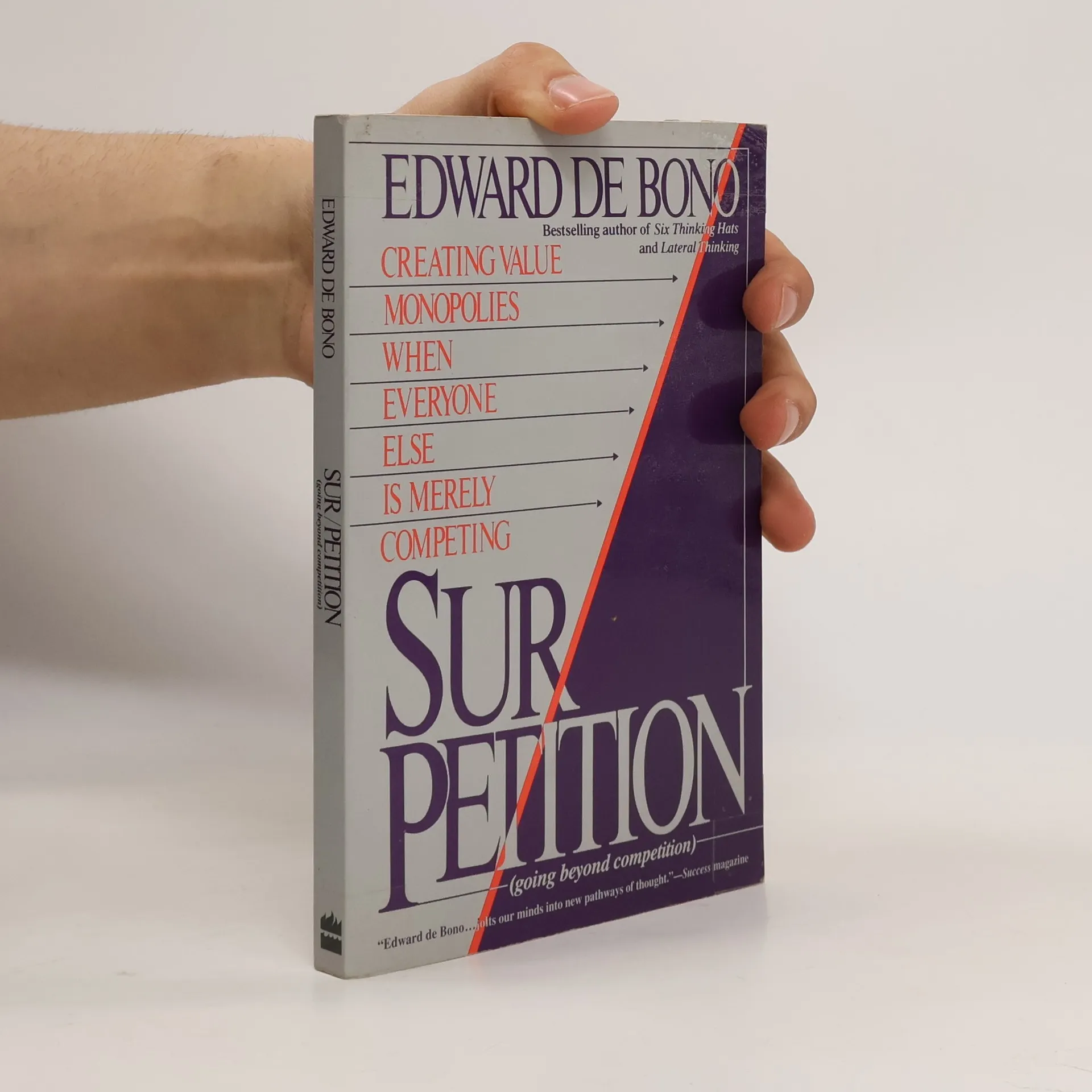
Don’t chase the market leader, be the market leader. Edward de Bono, the bestselling author of Serious Creativity and inventor of lateral thinking teaches you how to move beyond the baseline of competition and find success with sur/petition. It's simple. If you want to survive in the global marketplace a competitive streak is essential. But what if you want to do more than just survive? In Sur/petition de Bono explains how choosing to run in your own race instead of alongside others will give you the edge over other businesses and creating value monopolies will allow your business to not only survive but become successful. Broken down into 3 sections Sur/petition will explain: 1. Why most fundamental habits of management thinking maybe inadequate and even dangerous for your business 2. The difference between traditional competition and sur/petition 3. The meaning of ‘valufacture’ and how to create value for your business Drawing from his immense experience consulting the top corporations in the world, de Bono shows you how to go 'beyond competition' and create a new winning game.
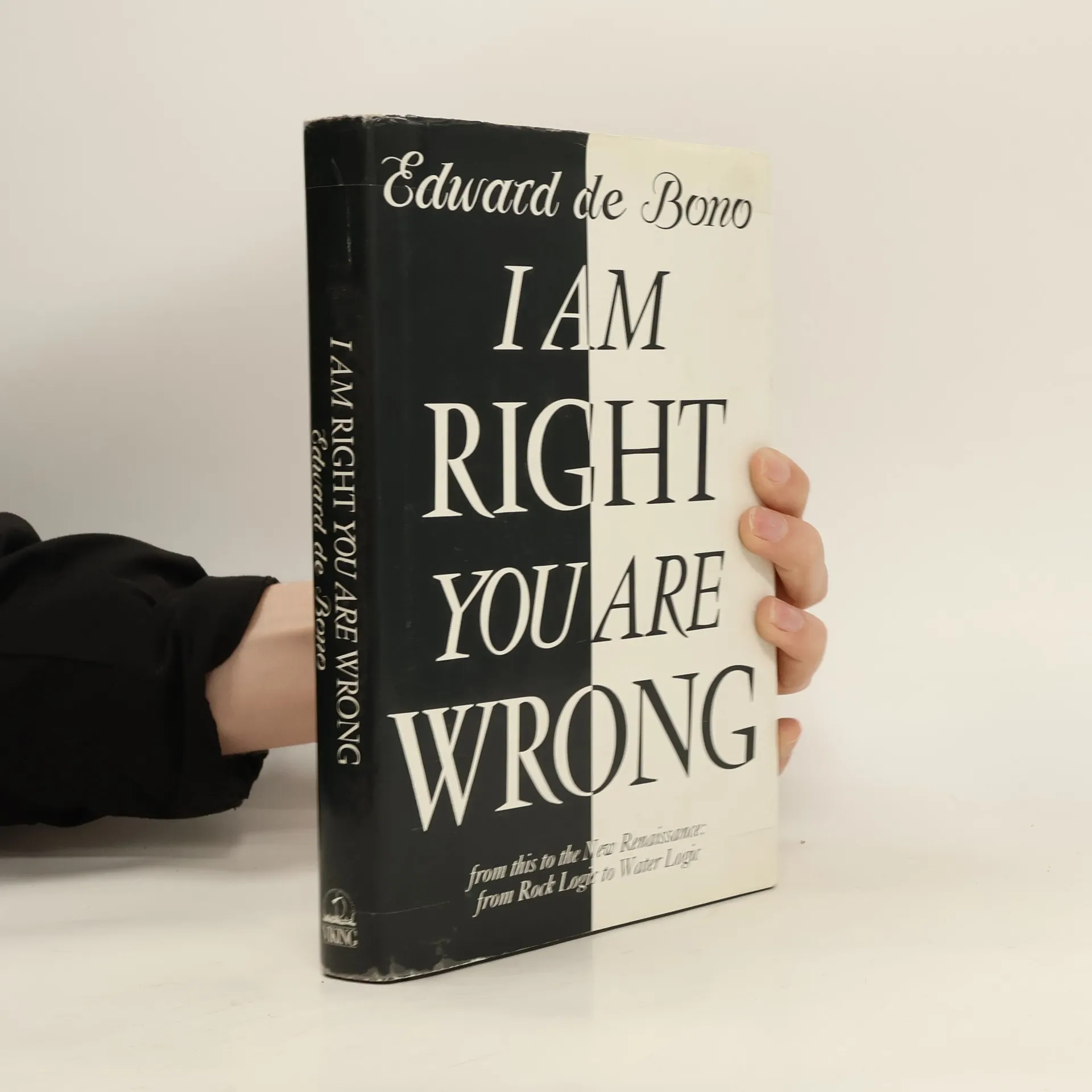
Providing techniques on creative thinking, the author has also written 20 other books including "Practical Thinking" and "I am Right, You are Wrong".
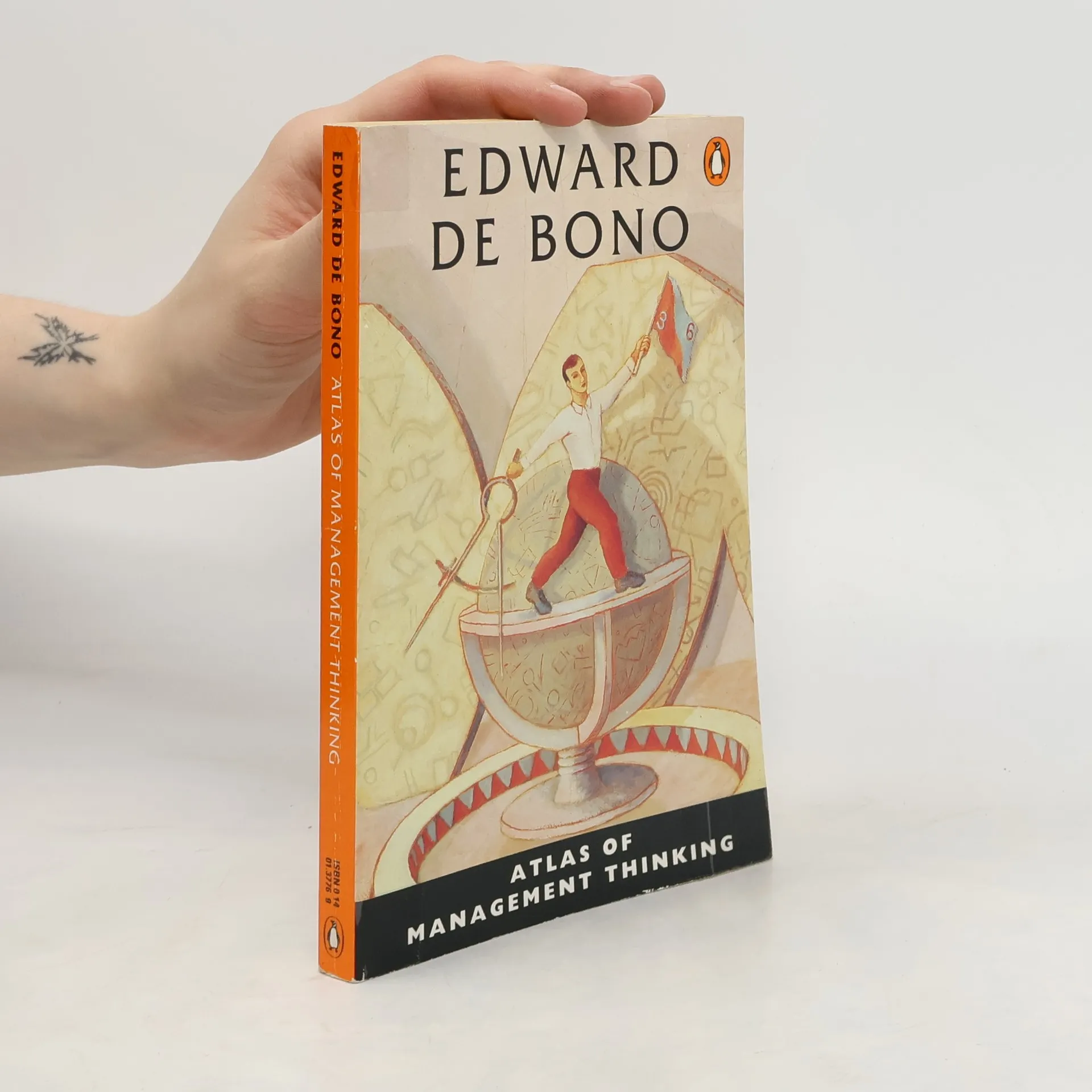
First published in 1981, this was the first book ever to be written explicitly for the right side of the reader’s brain. Much has been made of the research conducted into the left side of the brain – home to language and logic. The right side works in images, whole patterns and undefined feelings – none of which can be verbalized. This more elusive thinking often functions as what is loosely called ‘intuition’. In Atlas, de Bono shows us how to use the right side. It is an atlas because it is a visual reference of images and illustrations that point the reader in the right direction (literally). For anyone who has ever been told to trust their instinct, or who is concerned with management and decision-making, this book is a de Bono classic.
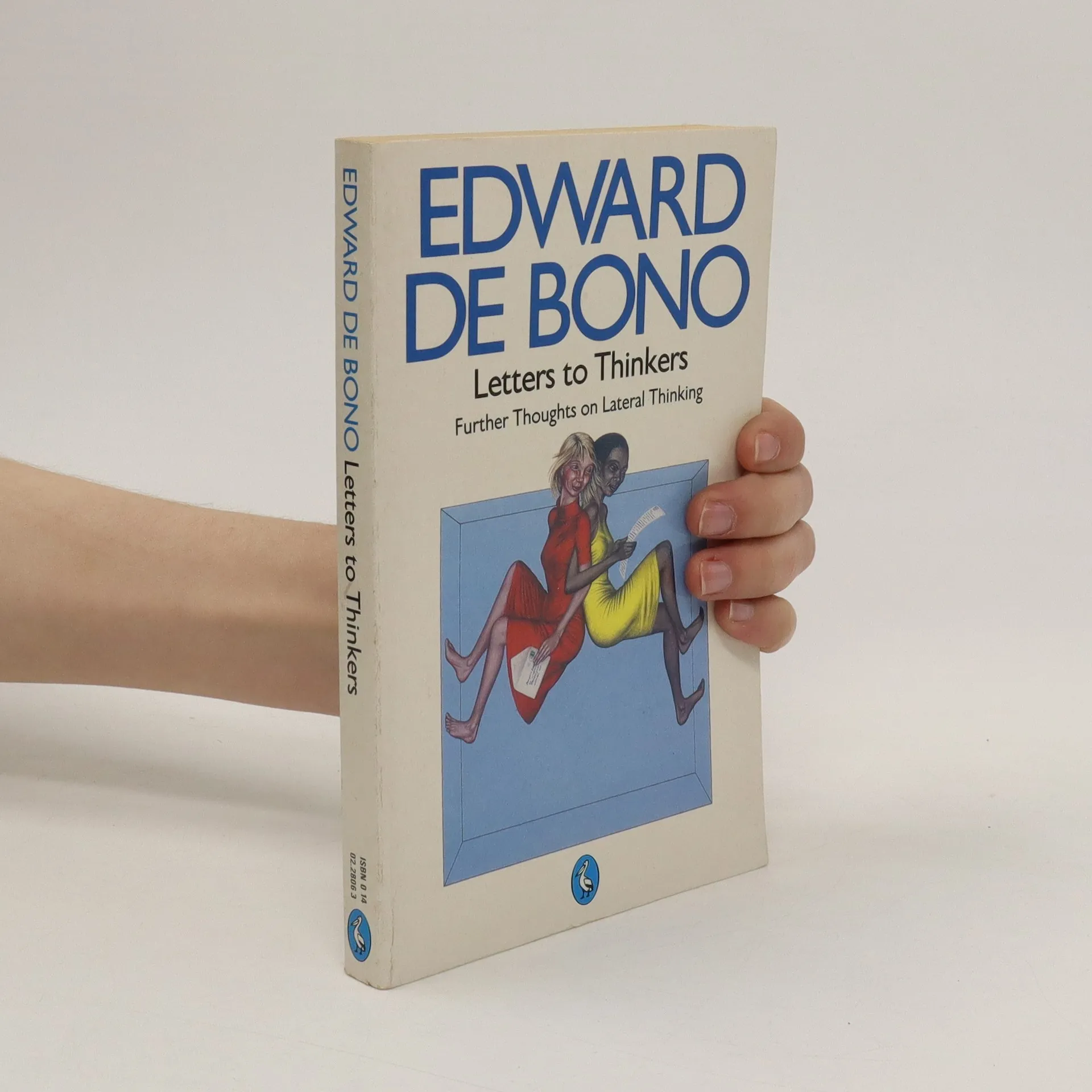
Letters to Further Thoughts on Lateral Thinking
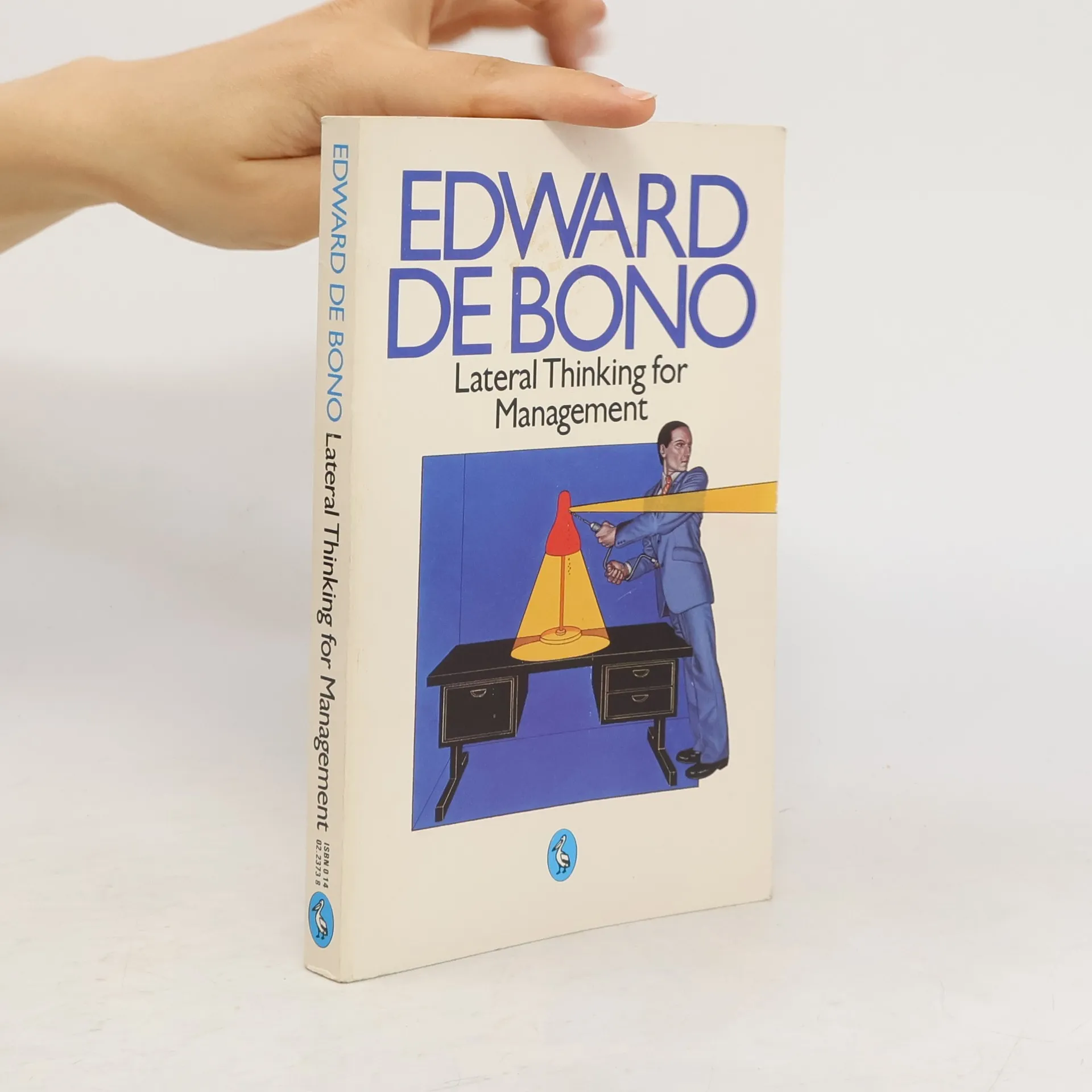
The author shows how he sees creativity and lateral thinking working together in the process of management to develop new products and new ideas; and to generate new approaches to problem-solving, organisation and future alternatives in planning
Creating Value Monopolies when Everyone Else is Merely Competing
Creative genius and bestselling author Edward de Bono reveals the startling future face of business: the creation of value monopolies that change the very nature of company and customer.
Alternate-cover for this ISBN can be found here This is Edward de Bono's original portrayal of a mental process which he in no way claims to have invented, In it he deliberately uses the lateral approach (with intriguing visual examples in one chapter) to sketch in the nature of lateral thinking.
From this to the New Renaissance, from Rock Logic to Water Logic
A claim that we can now for the first time in history, begin to understand how the brain behaves as a self-organizing system in which information arranges itself into patterns. It suggests that humour is the most significant activity of the brain while argument is a poor method of exchange
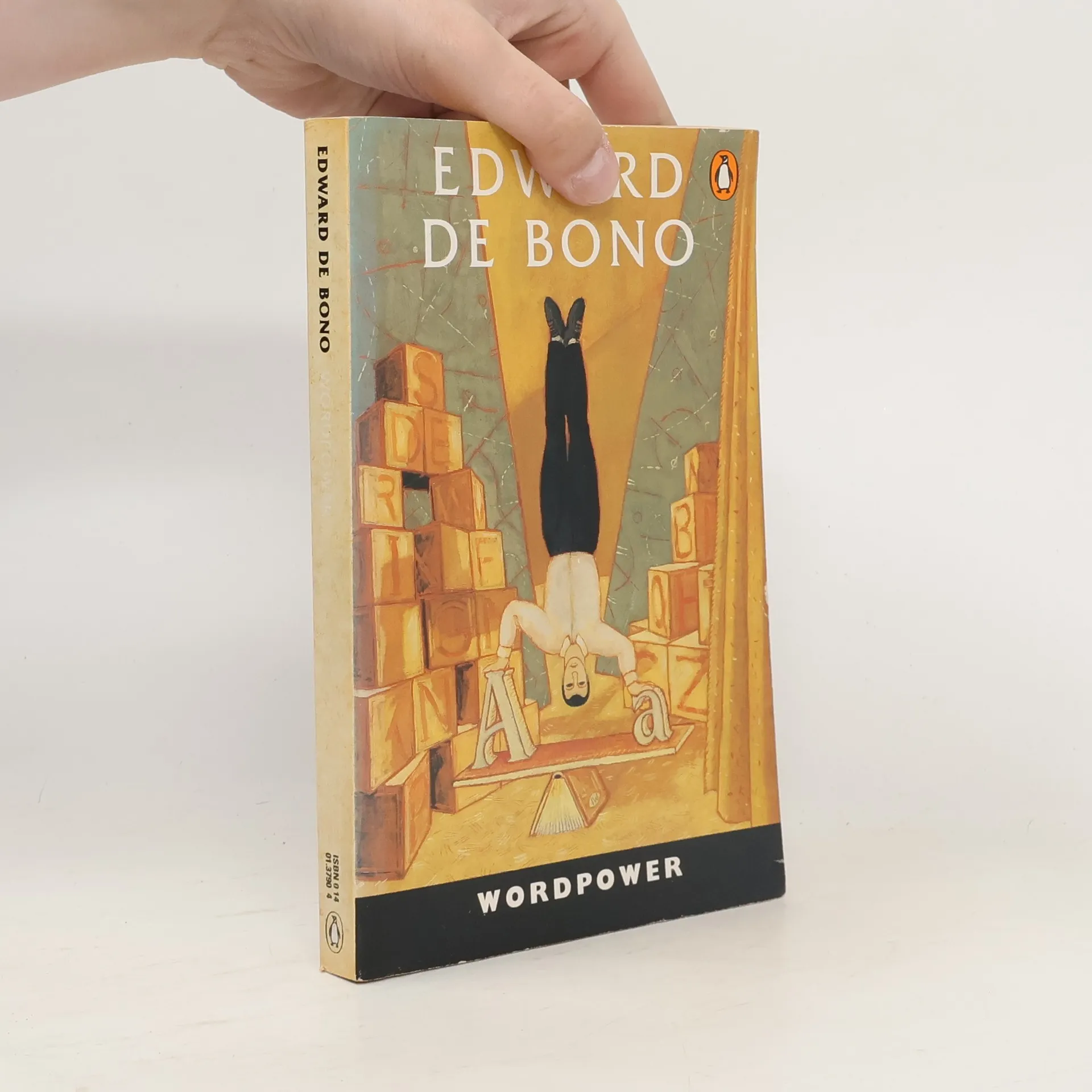
Two hundred sixty-five words and phrases are defined in terms of their usage and with the aid of cartoon illustrations
Based on the tenet that an error can lead to the right decision, the author guides the reader through a series of non-mathematical problems and puzzles, all designed to help us analyse our personal style of thinking, work out its strengths and weaknesses, and to consider the potential methods that we never use.
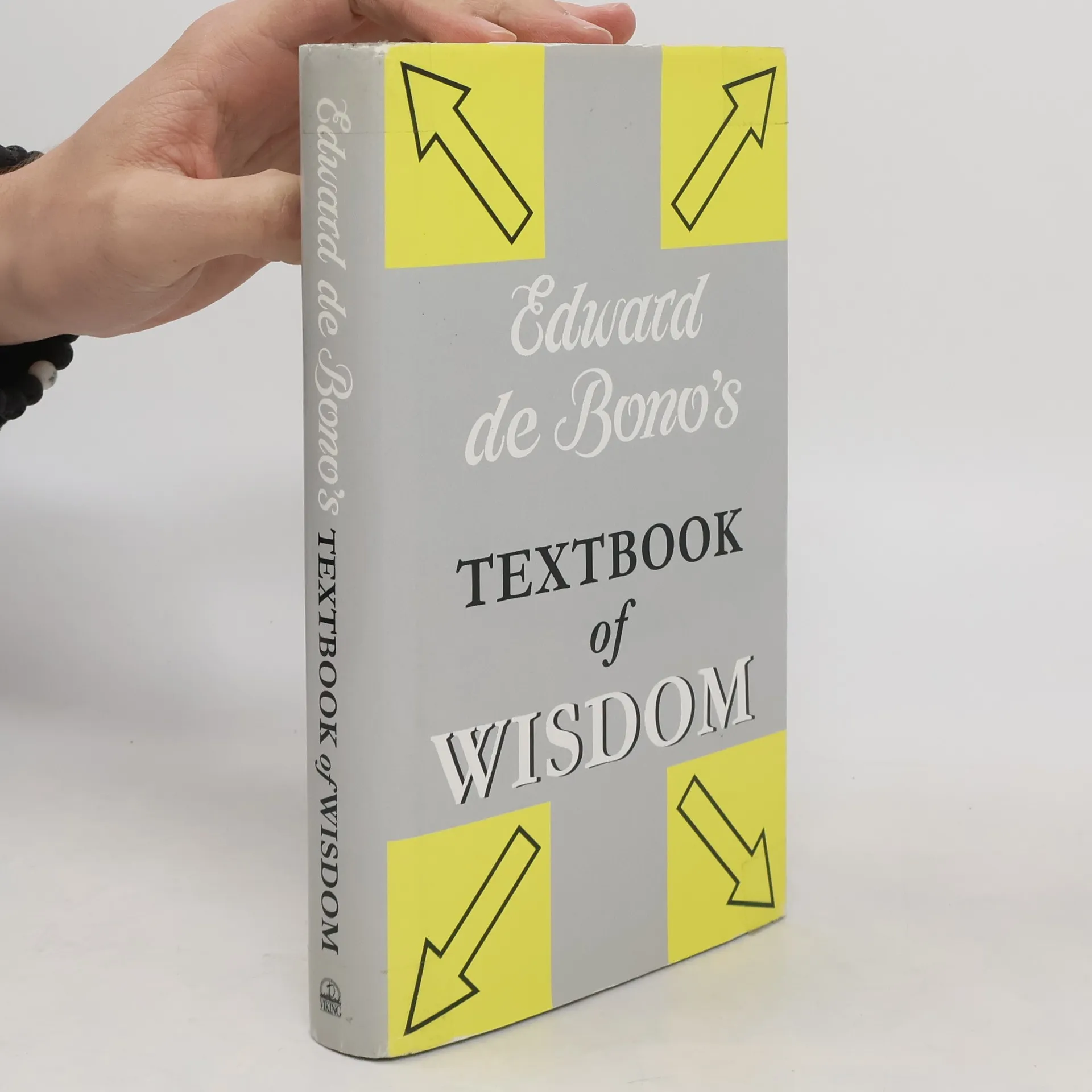
This is a textbook on wisdom. It provides a presentation of "thinking tools", guidelines and principles. Edward de Bono is the author of "Teach Your Child How to Think", "Water Logic, Parallel Thinking" and "Teach Yourself to Think".
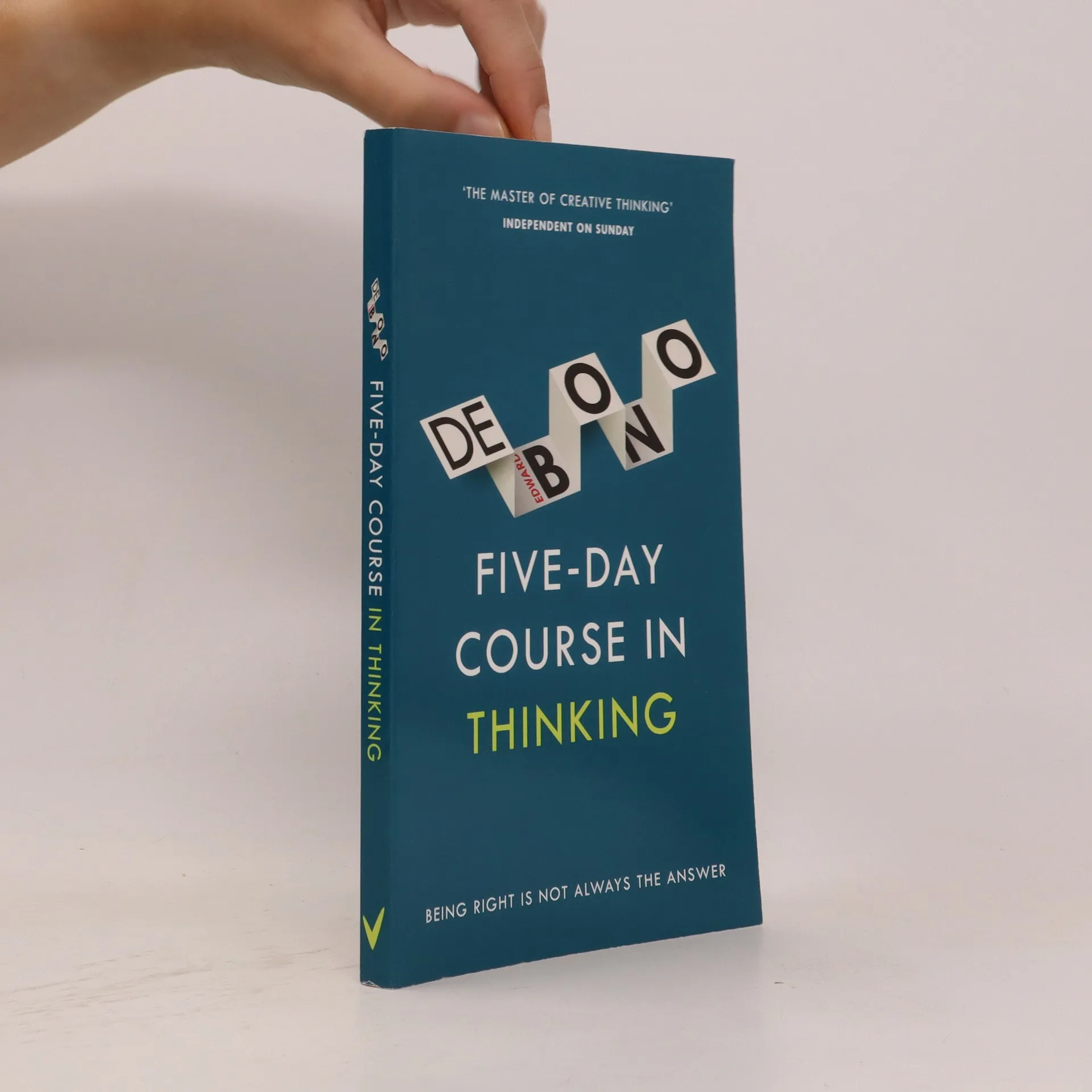
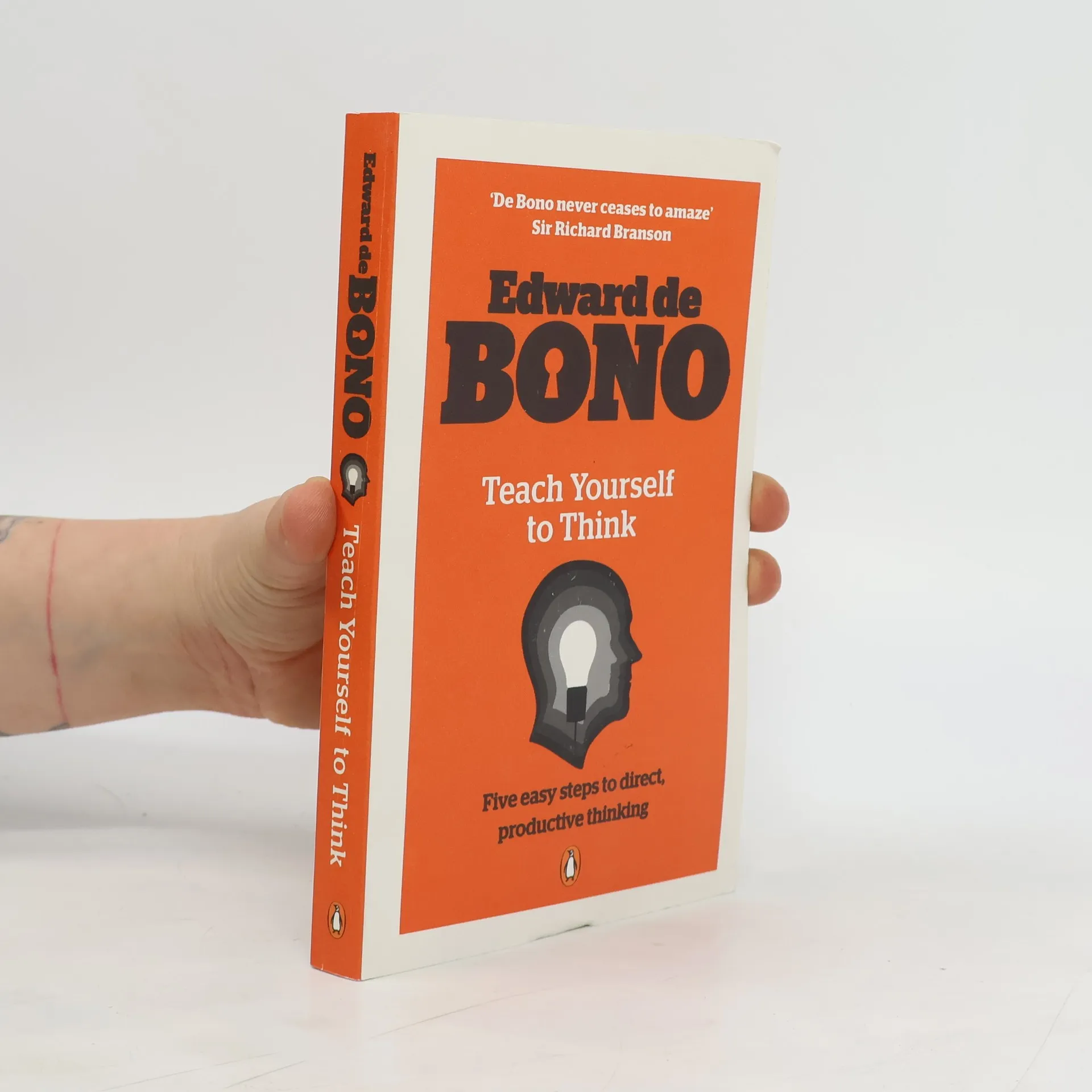
In this book, Edward de Bono lays out a very simple five-stage structure as a framework for thinking. Much of thinking is a matter of directing attention to what matters and this structure does just that.
From confusing manuals to uninterpretable jargon and bureaucratic red-tape, modern life can be highly complicated and frustrating. For many of us it is almost impossible to make sense of. In Simplicity, lateral-thinking guru Edward de Bono shows us how to bring clarity into our increasingly complicated lives. Through his ten rules of simplicity, he encourages us to be creative and break down the complex into manageable and recognisable parts. By making the complicated simple, you will free up time, reduce stress and make better decisions.
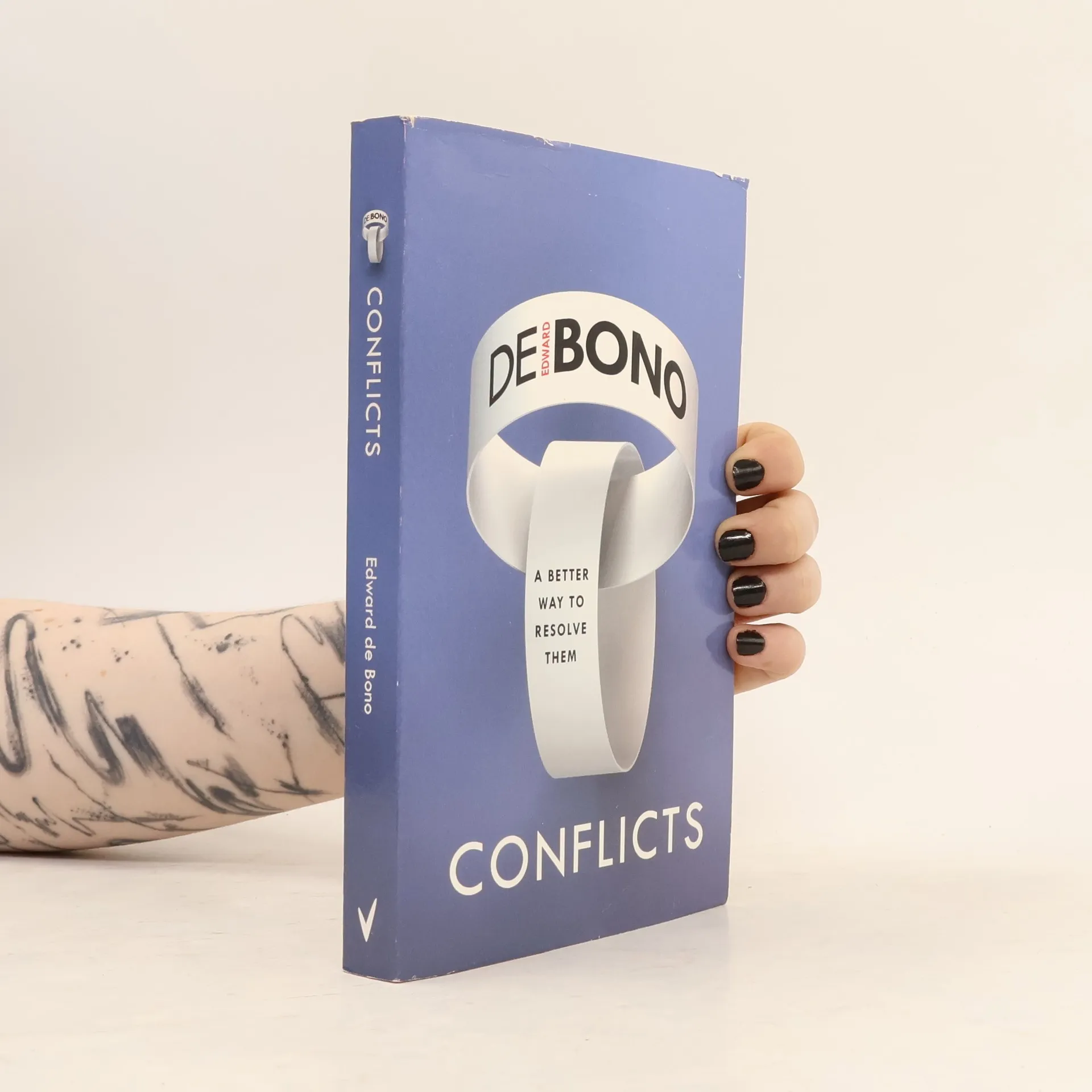
Think, don't fight.Conflicts argues that instead of our age old system of debate we should adopt what de Bono calls a `design idiom' and use lateral thinking to navigate a feud. De Bono explains how this concept of triangular thinking and map making is the way forward.
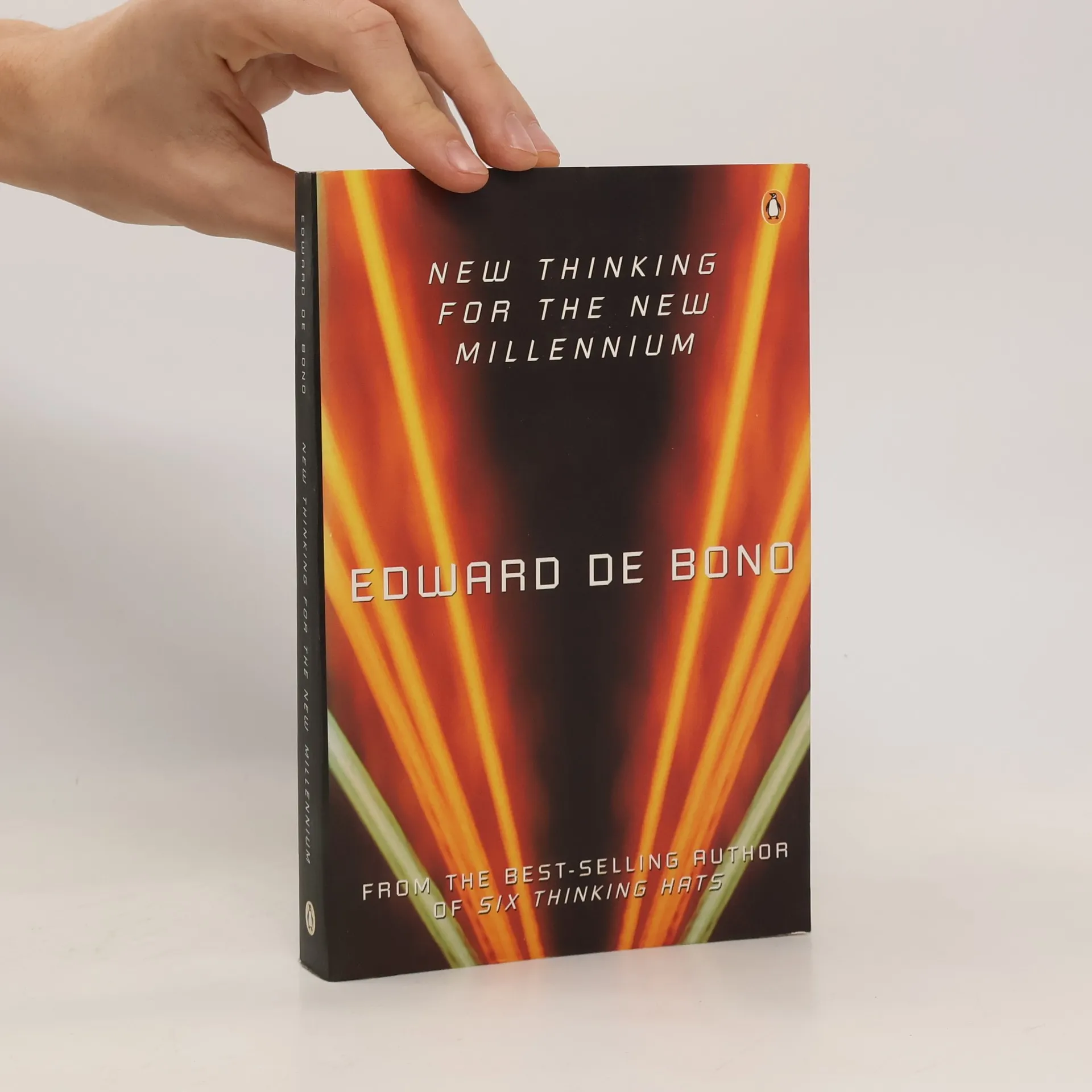
The last millennium has not been a great success. We have advanced in science and technology, but not much in human behaviour. Is it possible that this has been due to poor thinking? Edward de Bono maintains that the thinking of the last millennium has been concerned with WHAT IS. This is the thinking of analysis, criticism and argument. What we have not sufficiently developed is the thinking concerned with WHAT CAN BE. This is thinking that is creative and constructive, and which seeks to solve conflicts and problems by designing a way forward. The emphasis of his proposed new thinking is on design and not judgement.
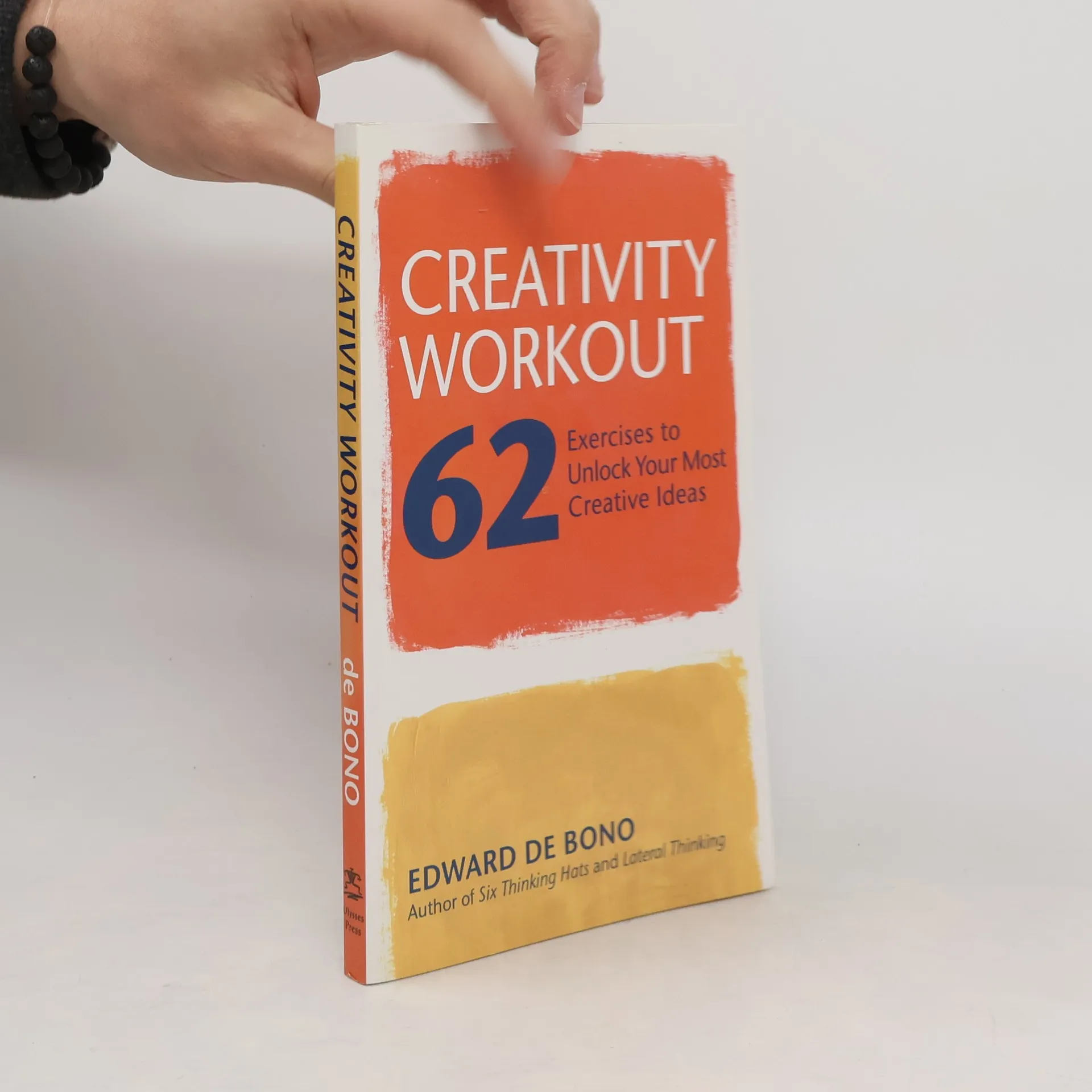
TAP INTO YOUR CREATIVE POTENTIAL Creativity was once thought to be a talent bestowed upon a lucky few. Today it is understood as a skill that we can all learn, develop and apply. And in today's economy--with information available to everyone and support services outsourced overseas--creativity is the most valuable asset you can possess and the best way to get ahead. Learn to unlock these abilities with Creativity Workout. In 62 excercises designed by Edward de Bono, the world's leading creativity expert, you'll discover how to tap into your most original thinking. Each exercise is fun and simple and will get you in the creative state of mind necessary to think yourself to success. You'll learn to: •make connections •think beyond your peers •recognize possibilities •create opportunities
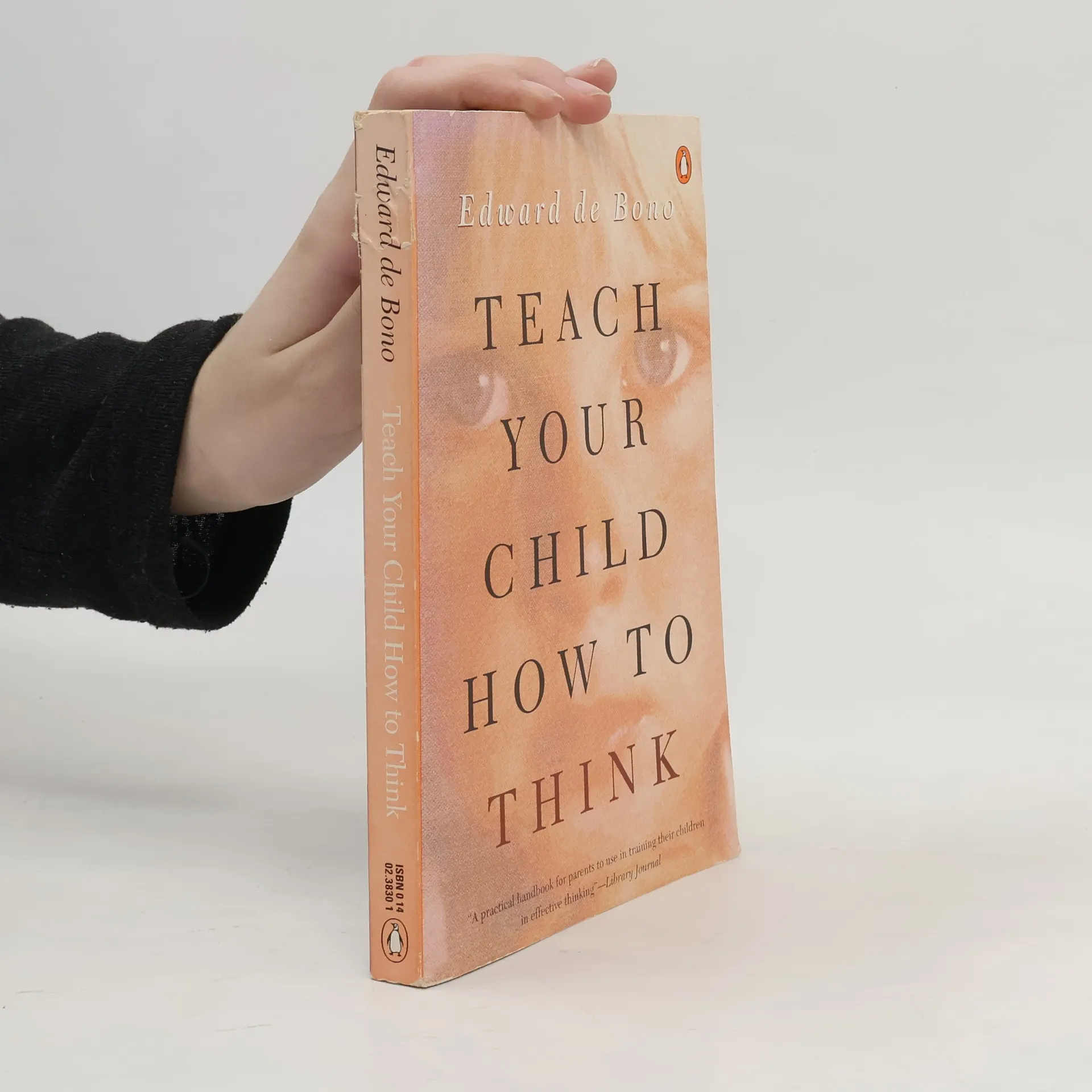
"A practical handbook for parents to use in training their children (ages nine and up) in effective thinking, although adults will surely benefit from the concepts as well."--Library Journal.
People spend vast amounts of money, time and trouble to achieve and maintain beauty, yet despite its undisputed importance few of us devote similar efforts to being interesting. De Bono demonstrates how anyone can acquire this life-enhancing skill.
Anyone can join the positive revolution. All you need is creativity. Historically, revolutions have been negative - defining, overthrowing or destroying an enemy, fuelled by a sense of mission and direction. After victory, however, this energy often races on, causing factionalism and strife among the victors. The positive revolution also has energy and direction, but its opponents are entrenched patterns in thought. Progress, maintains Edward de Bono - whether on a personal or global scale - depends on thinking and behaviour that are positive and constructive. The world today is undergoing dramatic, often violent changes, and human behaviour is frequently shaped by guilt and negativity. To lift this dark cloud and create positive revolution, we need to rely more on humour, a key element in changing perception. In this inspiring book, Edward de Bono demonstrates clearly and simply how we can learn to think and interact constructively, efficiently and with respect for core human values.
Is thinking a matter of intelligence or a skill that can be taught deliberately? Can thinking be taught directly as a curriculum subject in schools?
Filosofische beschouwingen over de zgn. laterale manier van denken.
Georges Philips' newest offering in the personal development and self-help field is, above all else, a very practical book on the process of changing direction. Its straightforward language and methodical, step-by-step approach makes the process easy to comprehend. From analyzing different situations involving change to going through the specific thinking and action steps needed in order to change direction, every detail and each step is clear and powerful. His message is clear: it is your thinking fuelled by your determination that brings about a change of direction. Profound and actionable, this is the most compelling treatise on affecting personal growth and fulfillment to be published in recent memory. Full of practical, easy to understand steps capable of transforming both your personal and professional lives, Change Directions: Perceive it, Believe it, Achieve it is as engaging as it is encouraging and enlightening.
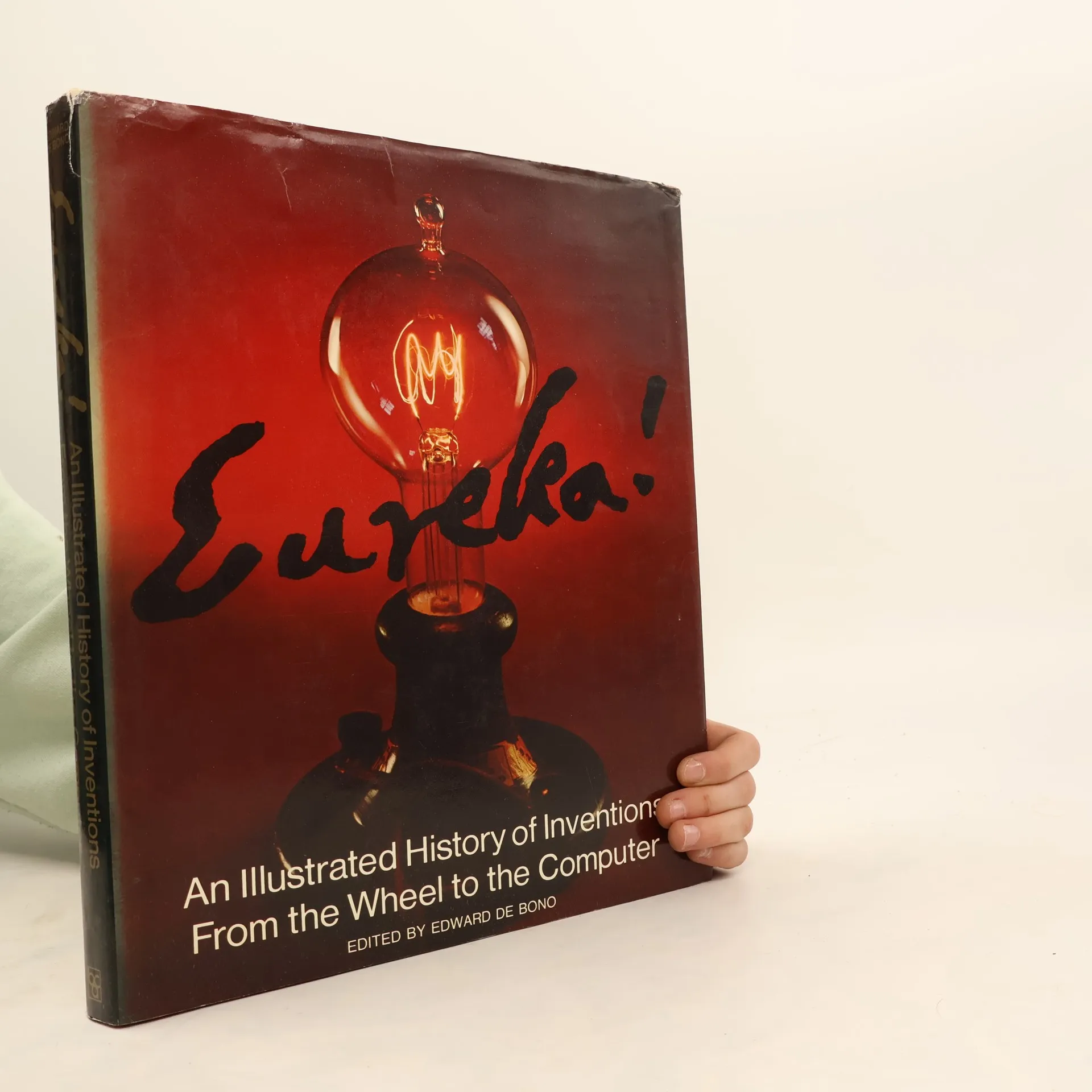
How and When the Greatest Inventions Were Made
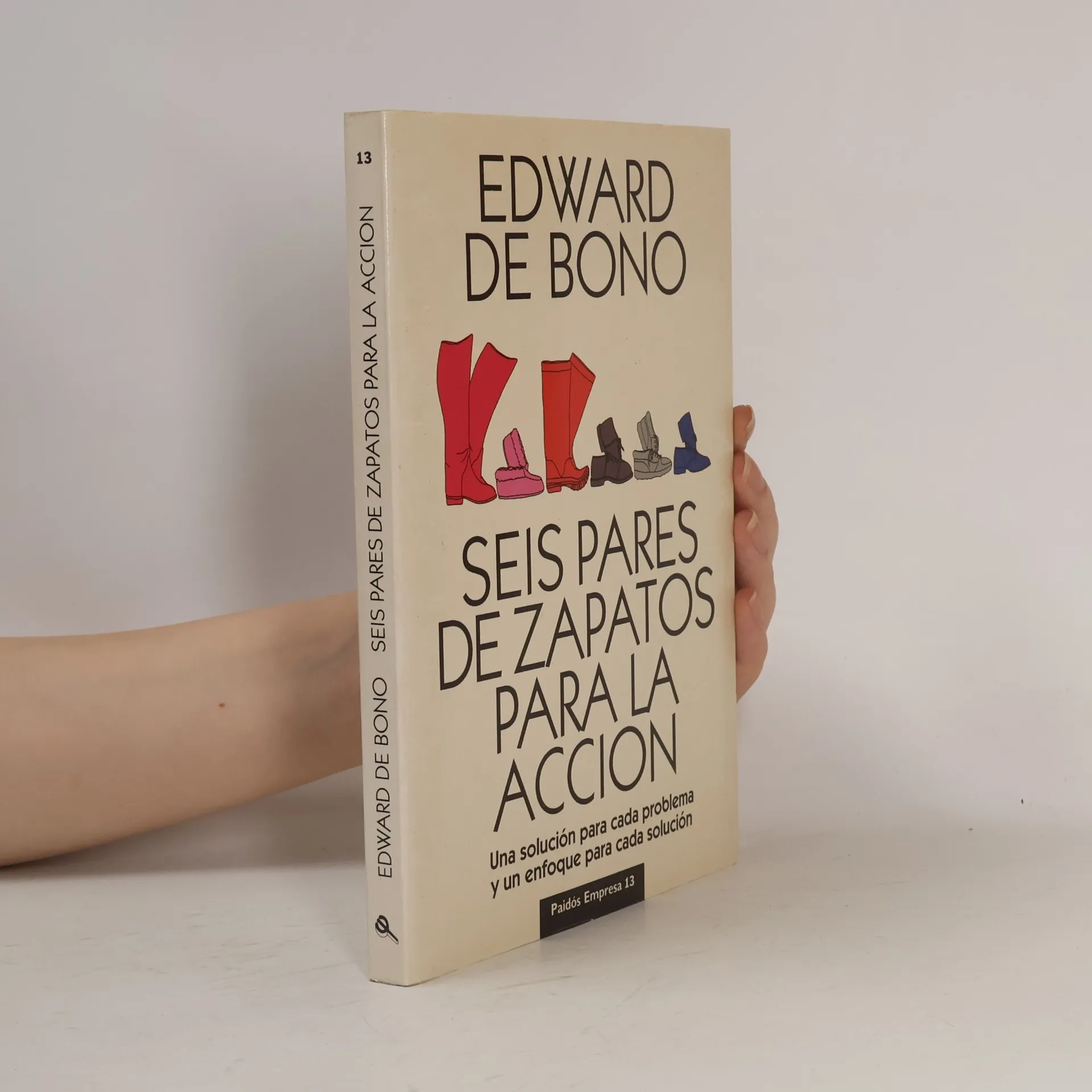
A partir de la metafora y el juego, De Bono construye un sistema didactico mediante el que cualquiera podra aprender por fin a actuar, es decir, a aplicar la accion que convenga a cada momento concreto.
Pleidooi voor een "versimpeling" van vrijwel alle facetten van het menselijk leven, zowel zakelijk als privé.
Inleiding tot een methode om helder en creatief te leren denken, door opsplitsing van de verschillende mogelijke benaderingswijzen.


![Die 4 [vier] richtigen und die 5 [fünf] falschen Denkmethoden](https://rezised-images.knhbt.cz/1920x1920/92010678.webp)