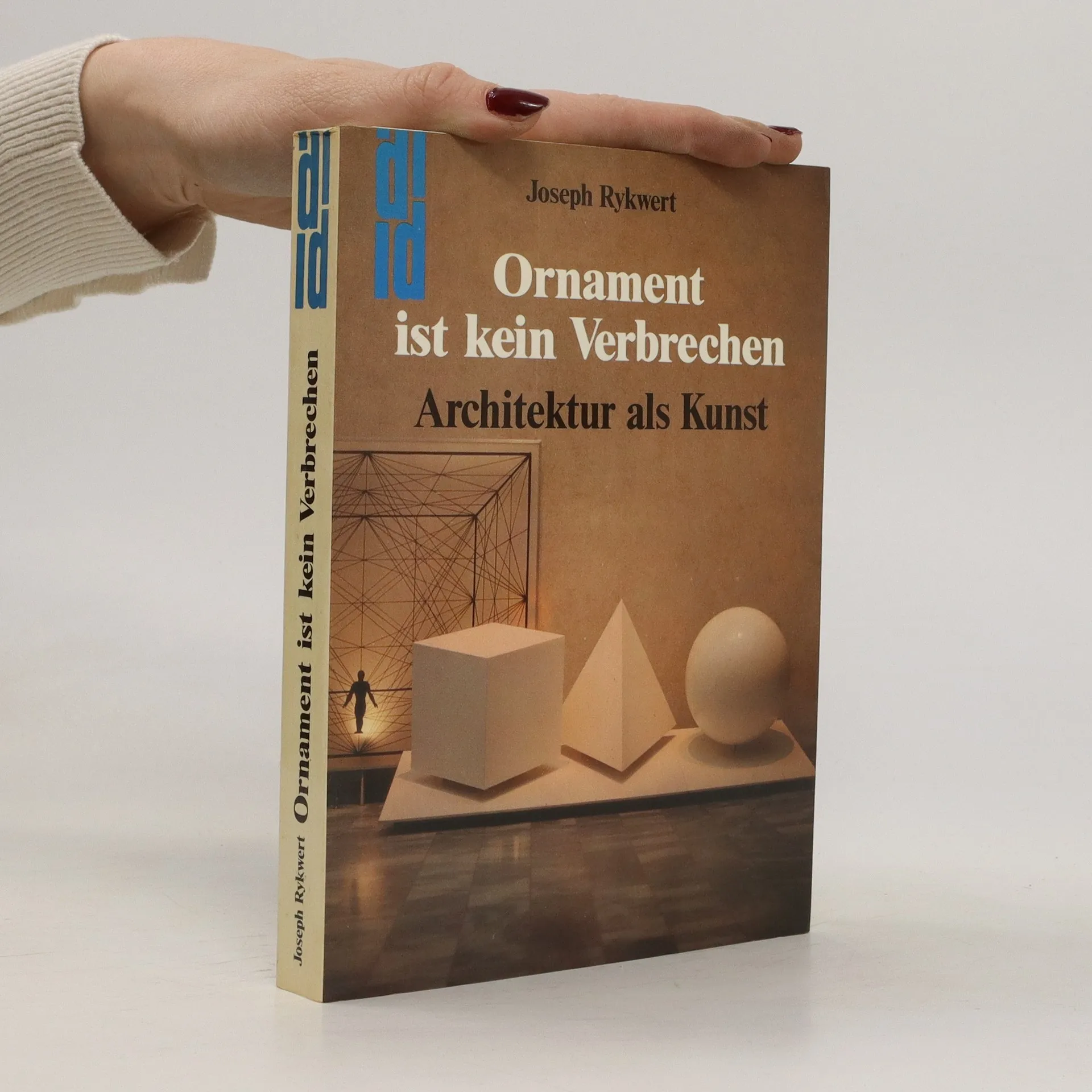
Ornament ist kein Verbrechen
- 258 Seiten
- 10 Lesestunden




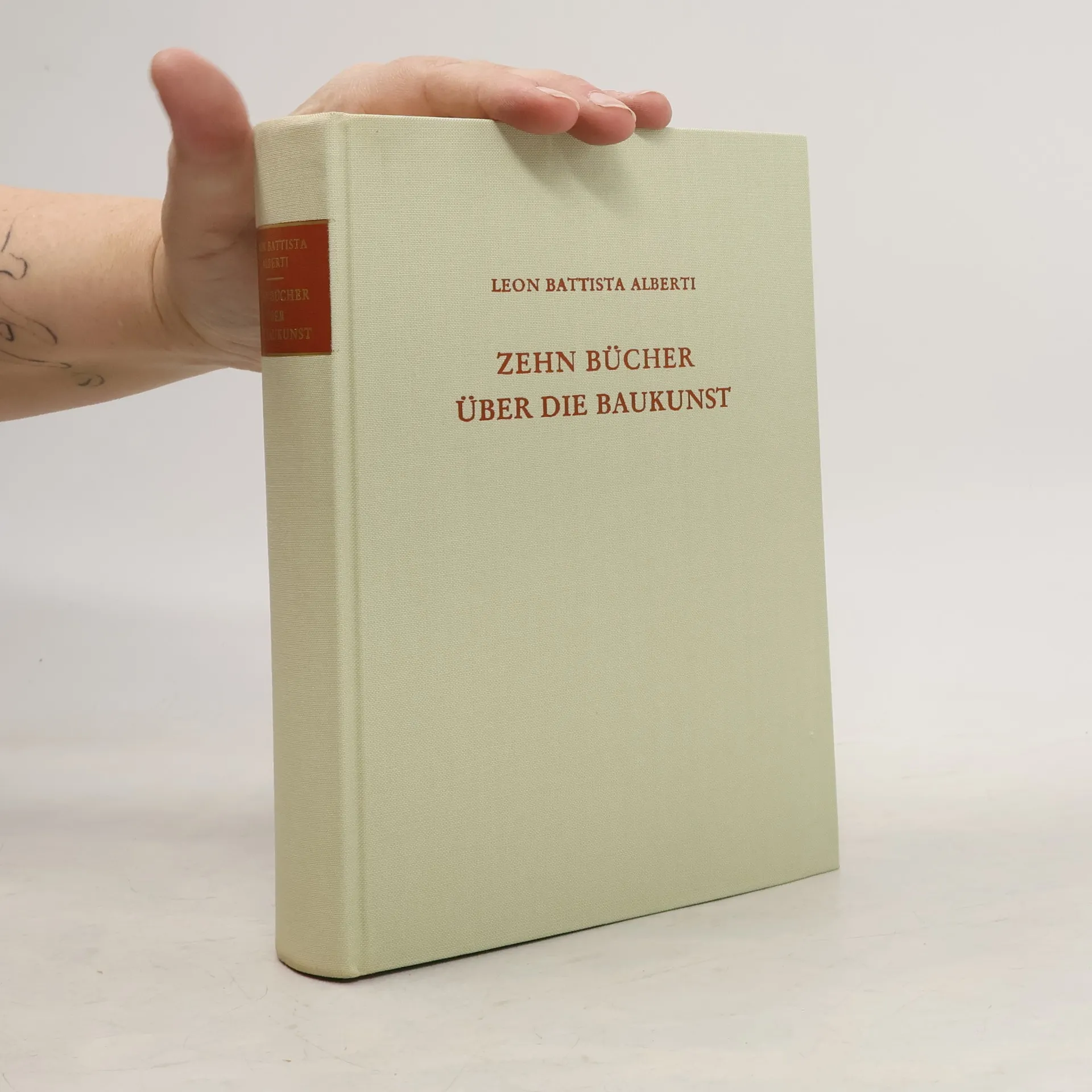
Alberti (1404 – 72) war der führende Architekturtheoretiker und einer der Begründer der Renaissance. Er hat Jura studiert, betätigte sich aber als Architekt, Dramatiker, Musiker, Maler, Mathematiker und Naturwissenschaftler. Seine Hauptleistung wurde seine Schrift ›De re aedificatoria‹, 1443/1452, erste gedruckte Ausgabe (lat.) 1485. Vorbild und wichtigste Quelle waren ihm Vitruvs ›Zehn Bücher über Architektur‹, die er für die Renaissance wiederentdeckte.
On Adam's House in Paradise takes off backward through history hunting for Adam's house, the original image. En route, with wry wit and charm, Rykwert singes every generation of architectural theoreticians back to Vitruvius, but he manages to illuminate their efforts and their immolations.-Charles Moore, Progressive Architecture
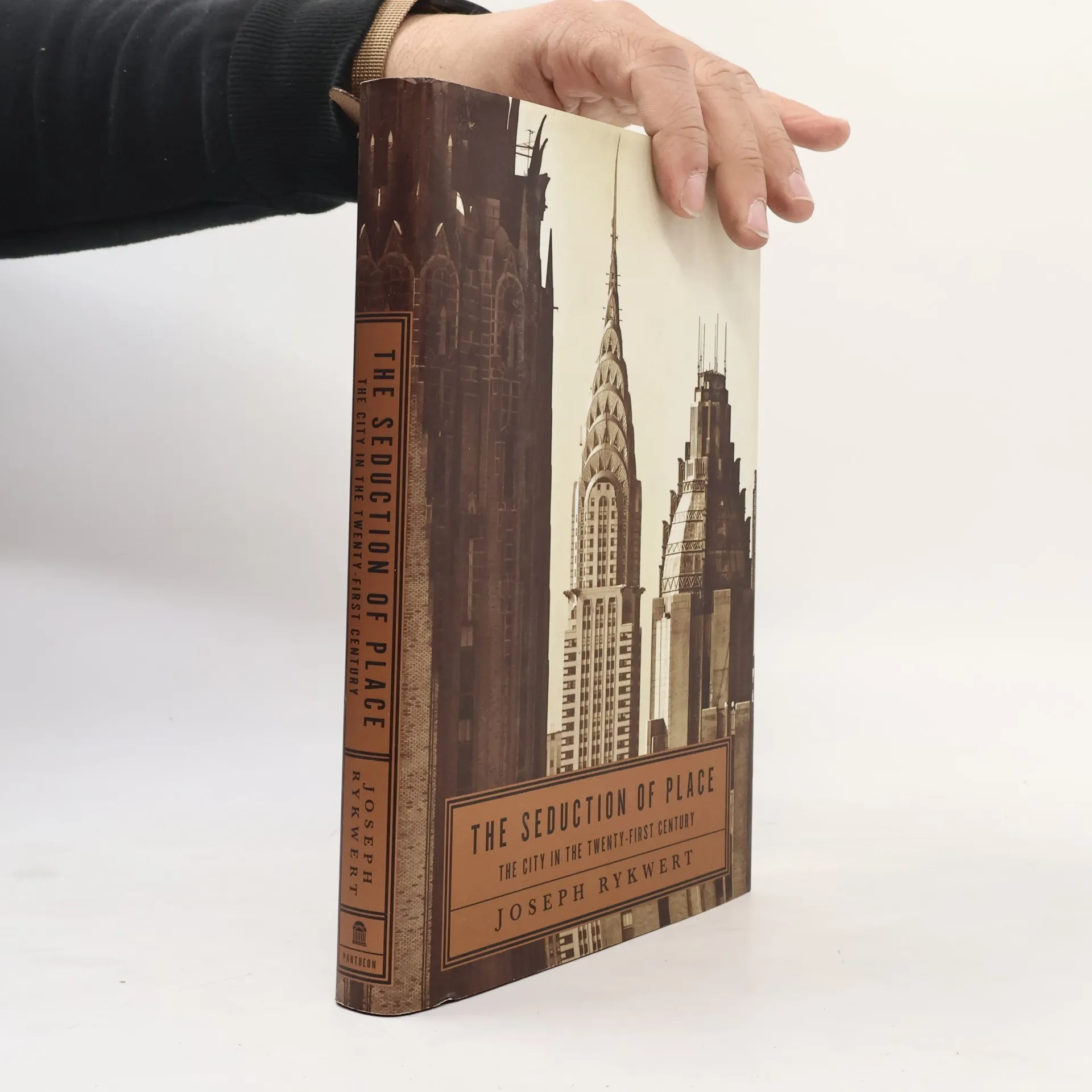
"To understand why people love or hate their cities and why cities succeed or fail their inhabitants, Joseph Rykwert examines a broad spectrum of urban centers. Among them are Mexico City, the world's largest metropolis, sprawled around its old center; Berlin, newly reunited and furiously rebuilding; New Delhi and Islamabad, new capitals that exist alongside older towns; grandly planned cities like Chandigarh, Canberra, and Brasilia; and more modest new towns like Columbia, Maryland, and Celebration, Florida, built in an attempt to correct the problems endemic to big cities.". "Rykwert looks at image, style, and ornament; at public space and buildings; at infrastructure and street layout; at the visual qualities of contrast, strife, and energy that contribute to a city's appeal. Discussing both successes and failures, he suggests ways in which we can retain - or return to - the sense of place and individuation that determines the nourishing character and soul of the urban landscape."--BOOK JACKET.
-First comprehensive monograph of the architects' work -Spans six decades and includes all the architects' major buildings, including Tate Street Ives - awarded the Art Fund Museum of the Year 2018 -Introduction by Joseph Rykwert, recognized internationally for the quality of his scholarship It is difficult to imagine the history of modern architecture in Britain being written without reference to the work of Eldred Evans and David Shalev. From 1967, when they won the international competition for Newport High School, Evans and Shalev maintained a distinctive presence as designers, creating a body of work that is uniformly innovative, elegant and sensitive to place, and realized with care, skill and intelligence. This new monograph documents their remarkable oeuvre as it developed over six decades. Introduced by Joseph Rykwert, the book includes critical commentaries by Marcus Binney, David Dunster, Patrick Hodgkinson, David Hamilton Eddy and others. Contents: Introduction by Joseph Rykwert; Principle works: Newport High School, Children's Reception Home Alexander Road, Truro Crown Courts, Tate St. Ives, The Quincentenary Library, Jesus College, Bede's World Museum; Complete Project Index; Credits.
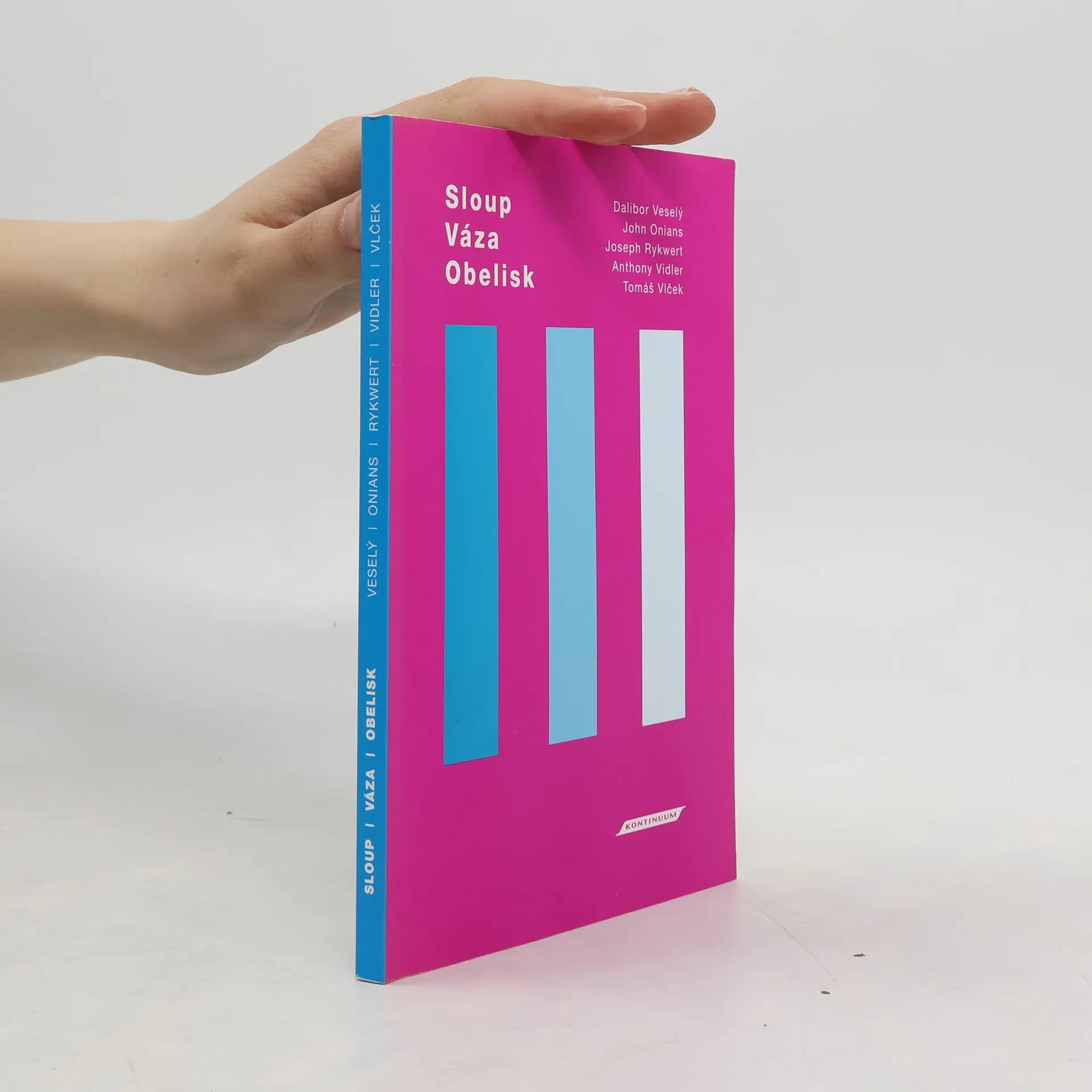
Soubor esejí věnovaných významu třech základních architektonických prvků: sloupu, vázy, obelisku. Sborník představuje tyto elementy v retrospektivě kritického pohledu na vývoj architektonického myšlení od pravěku do současnosti. Mezinárodní uměnovědný diskurs emeritních profesorů Pennsylvánské universtiy (J. Rykwert), University Anglie (John Onions), Cambridgeské university (Dalibor Veselý), spolu s děkanem Cooper Union, New York (Antony Vidler) a ředitelem Sbírky moderního a současného umění Národní galerie v Praze Tomášem Vlčkem přináší nový pohled na roli základních prvků jazyka architektury.