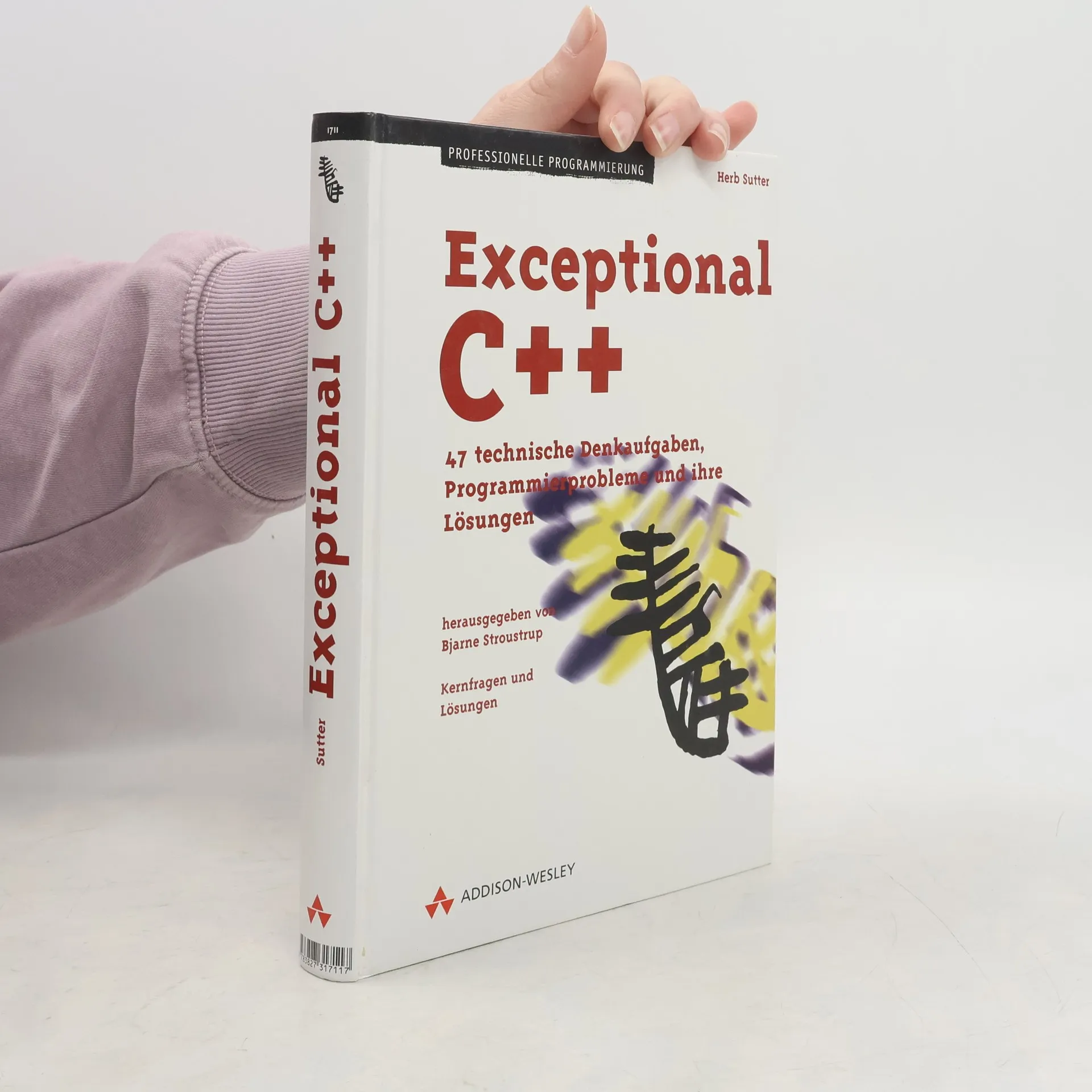
Exceptional C++
- 248 Seiten
- 9 Lesestunden


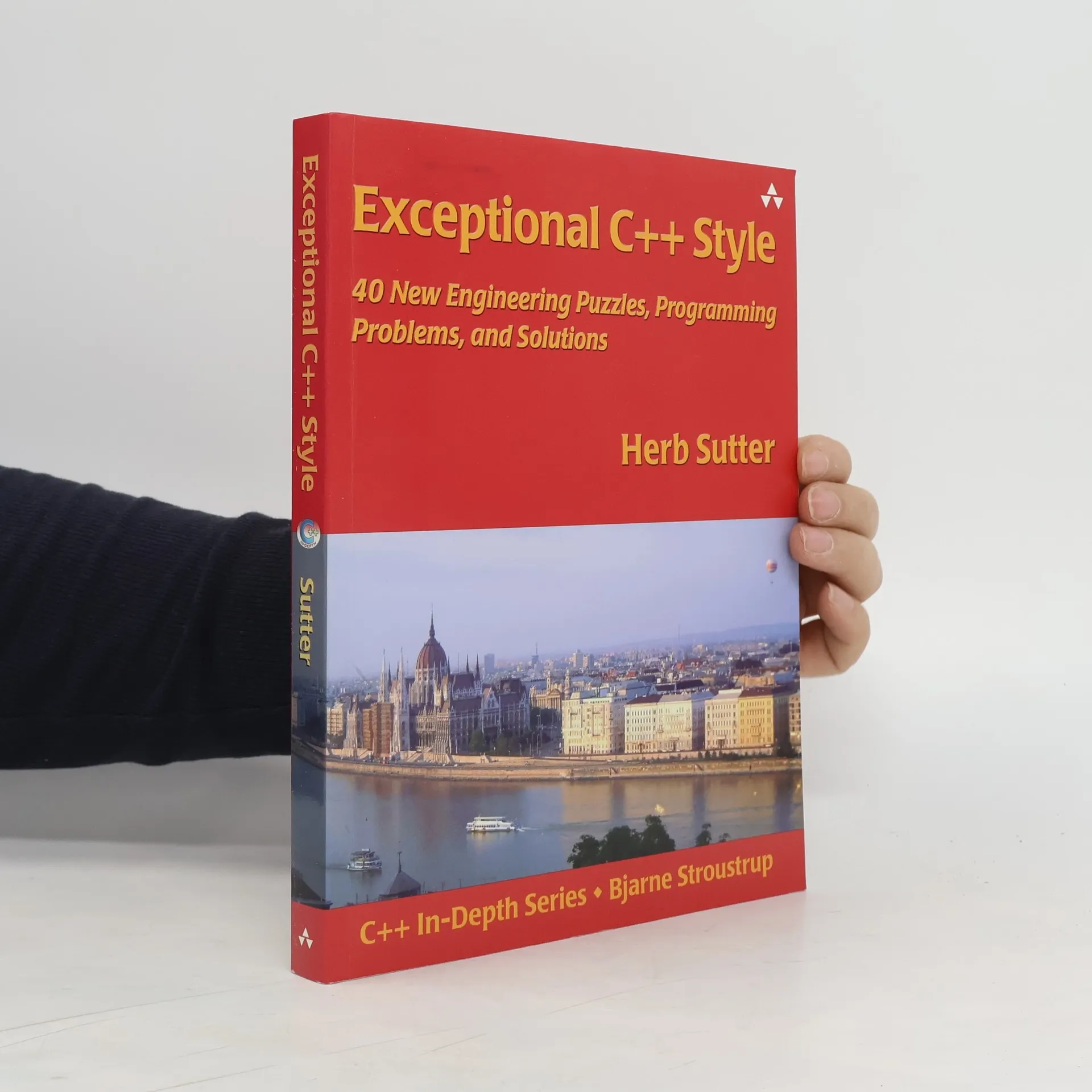
Software "style" is about finding the perfect balance between overhead and functionality... elegance and maintainability... flexibility and excess. In Exceptional C++ Style , legendary C++ guru Herb Sutter presents 40 new programming scenarios designed to analyze not only the what but the why and help you find just the right balance in your software. Organized around practical problems and solutions, this book offers new insight into crucial C++ details and interrelationships, and new strategies for today's key C++ programming techniques--including generic programming, STL, exception safety, and more. You'll find answers to questions Exceptional C++ Style will help you design, architect, and code with style--and achieve greater robustness and performance in all your C++ software.
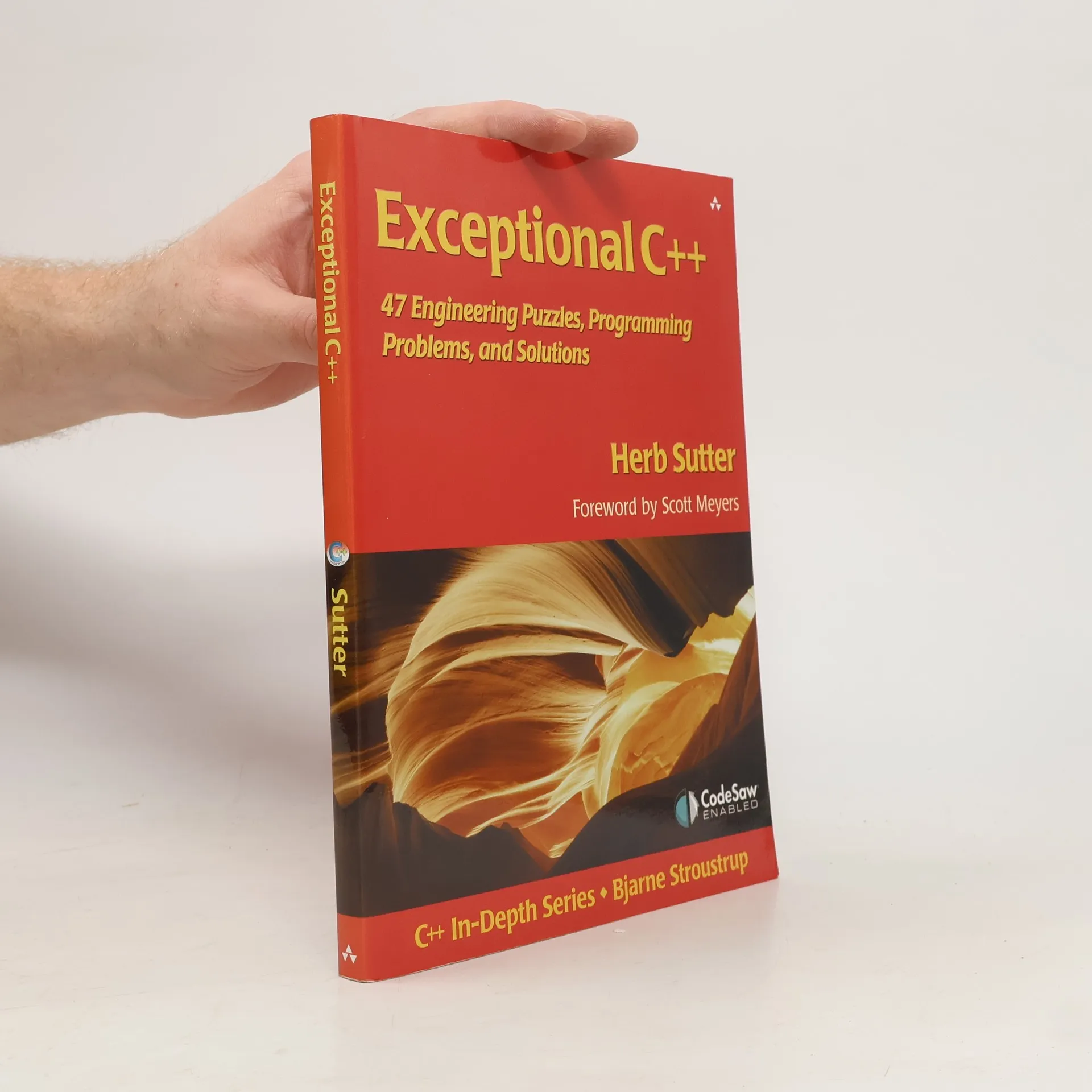
"The puzzles and problems in Exceptional C++ not only entertain, they will help you hone your skills to become the sharpest C++ programmer you can be. - Many of these problems are culled from the famous Guru of the Week feature of the Internet newsgroup comp.lang.c++, moderated, expanded and updated to conform to the official ISO/ANSI C++ Standard."--BOOK JACKET. - "Try your skills against the C++ masters and come away with the insight and experience to create more efficient, effective, robust, and portable C++ code."--Jacket.
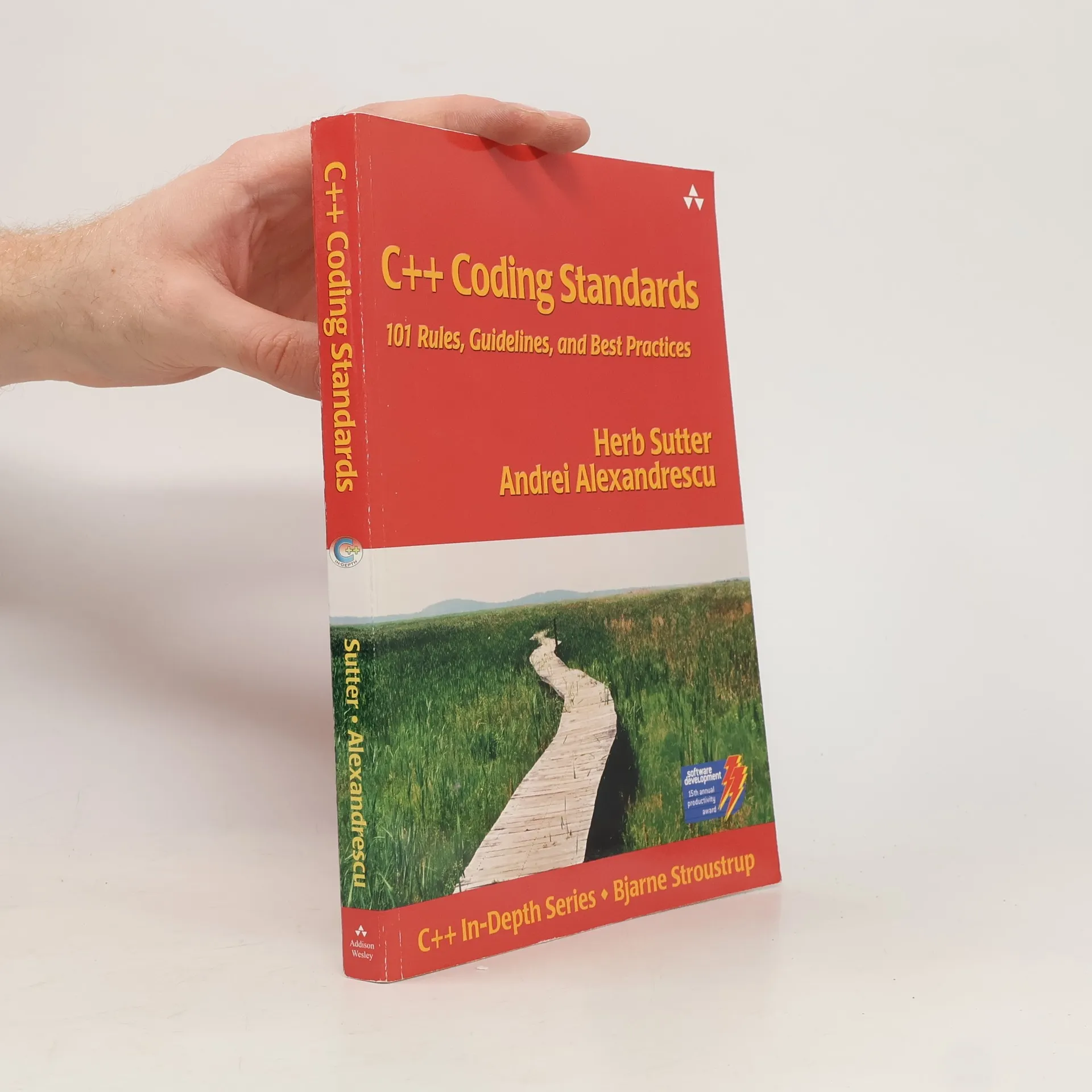
Covering the facets of C++ programming, this book discusses: design and coding style, functions, operators, class design, inheritance, construction/destruction, copying, assignment, namespaces, modules, templates, genericity, exceptions, and STL containers and algorithms. Each standard is described concisely, with practical examples.
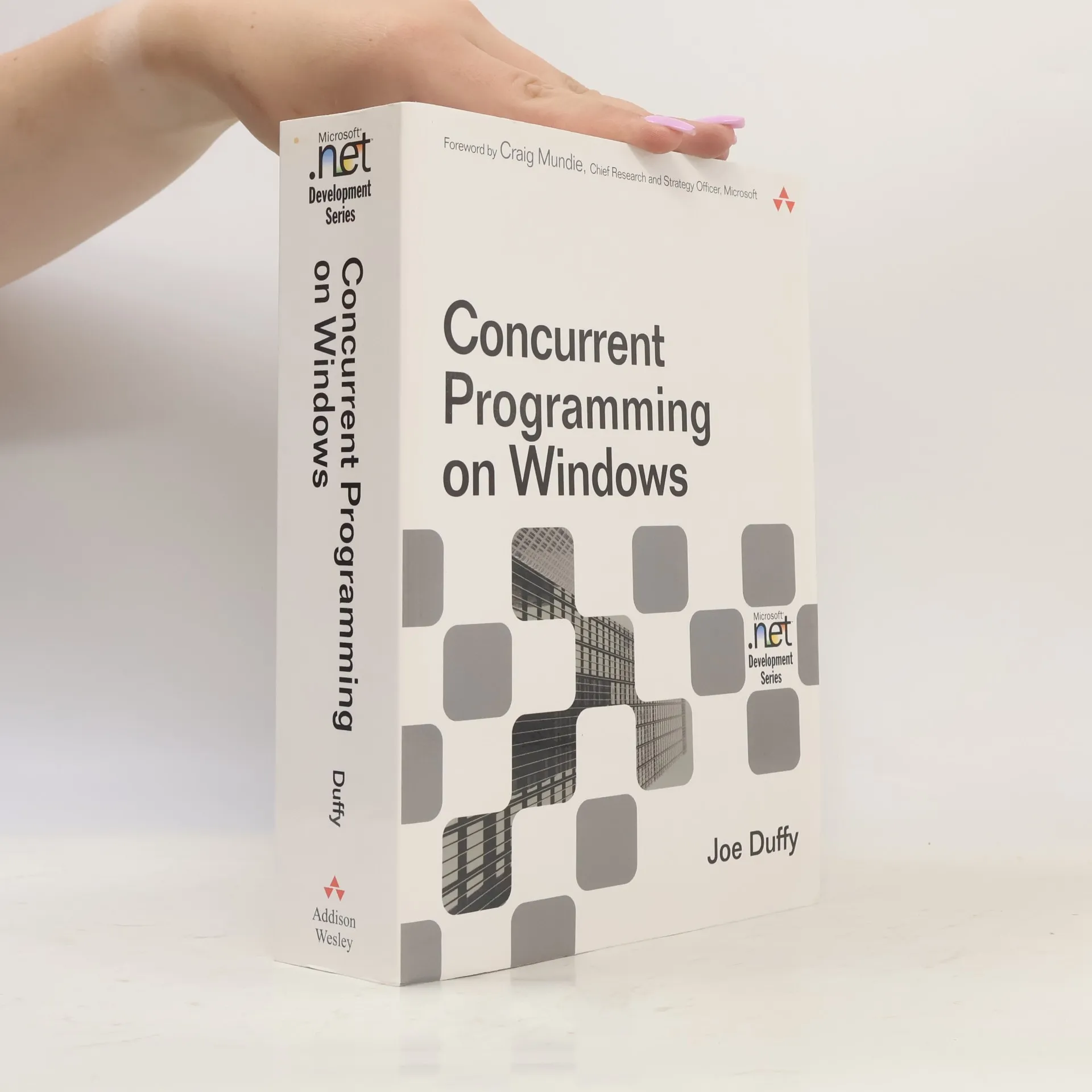
When implementing multi-threading in an application, clean architecture and design become crucial. This requires an understanding of the platform's capabilities and emerging best practices. The author effectively combines theory with practical insights throughout the text. Joe Duffy tackles the challenge of explaining how to write software that fully utilizes concurrency and hardware parallelism. He focuses on designing, implementing, and maintaining large-scale concurrent programs, primarily using C# and C++ for Windows. Duffy provides developers with the necessary tools and techniques to create efficient, safe code for multicore processors. This knowledge is essential for problems where concurrency is naturally advantageous, such as server applications, image manipulation, financial analysis, simulations, and AI algorithms. It is also valuable for tasks that can benefit from parallelism, like math libraries, sorting, report generation, XML manipulation, and stream processing. The book is structured into four main sections: an introduction to concurrency, a focus on fundamental platform features and API details, a discussion of common patterns and best practices, and a final section addressing system-wide architectural concerns. This comprehensive resource equips readers with the best practices and patterns for programming with concurrency on Windows and .NET.