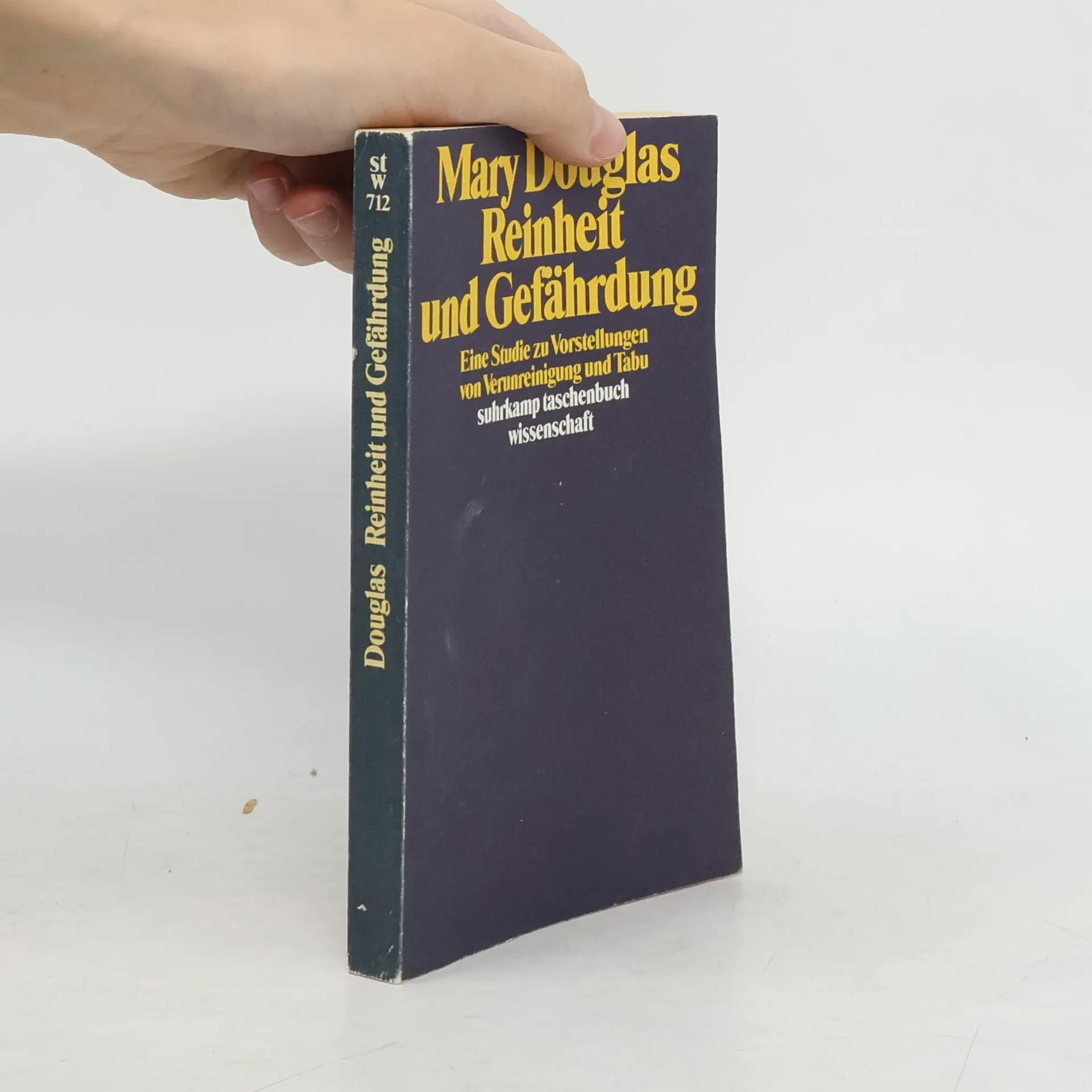
»Reinheit und Gefährdung« ist eine der anregendsten und wichtigsten Publikationen der neueren Religionssoziologie und Ethnologie. Anhand anschaulicher Beispiele aus der jüdisch-christlichen Vergangenheit und aus zeitgenössischen außereuropäischen Stammesgesellschaften weist die Autorin nach, daß die Reinheitsrituale und Tabuvorstellungen anderer Völker, die unserer moderner Welt- und Lebensauffassung fremd zu sein scheinen, einen Grundgedanken enthalten, der auch unseren profanen Maßnahmen gegen Schmutz und Unordnung zugrunde liegt: sie sollen die soziale Umgebung organisieren helfen und eine einheitliche, geordnete Erfahrung ermöglichen.
Natural Symbols ist eines der bedeutendsten Werke der modernen Anthropologie. Es untersucht die sozialen Bedeutungen natürlicher Symbole sowie das Bild des Körpers in der Gesellschaft und der religiösen Kosmologie. Das Buch bringt die Anthropologie in den Bereich der Religion und beteiligt sich an der laufenden Debatte über Bedeutung und Ritual in religiösen Kreisen. Vor dem Hintergrund der Studentenunruhen der späten 1960er Jahre nimmt Mary Douglas die revolutionäre Begeisterung der Zeit ernst. Anstatt die Rituale und Symbole, die regieren und unterdrücken können, zu zerstören, sieht sie, dass Transformation nur durch ein besseres Verständnis möglich ist. Die klare und dynamische Ausdrucksweise macht die leidenschaftliche Analyse zu einer der aufschlussreichsten und lohnendsten Studien menschlichen Verhaltens, die je verfasst wurde.
In diesem Buch wird die Rolle nationaler Währungen im Kontext mobiler Gelder und neuer Zahlungsmethoden untersucht. Mary Douglas bietet eine historische Perspektive auf Geld und Tokens, die die sozialen Anforderungen und die Identität der Menschen reflektieren. Ihre Analysen basieren auf Beobachtungen aus Westafrika und dem Nachkriegsbritannien.
Weaving a creative path through the seasons, Entertaining with Longaberger provides inspiration, ideas, recipes, projects, and helpful hints for making holiday events and everyday things just a bit more special for your friends and family.
This is one of Mary Douglas' favorite books. It is based on her meetings with friends in which they attempt to apply the grip/group analysis from Natural Symbols. The essays have been important texts for preparing grid/group exercises ever since. She is still trying to improve the argument of Natural Symbols and is always hoping to find better applications to illustrate the power of the two dimensions used for accurate comparison.
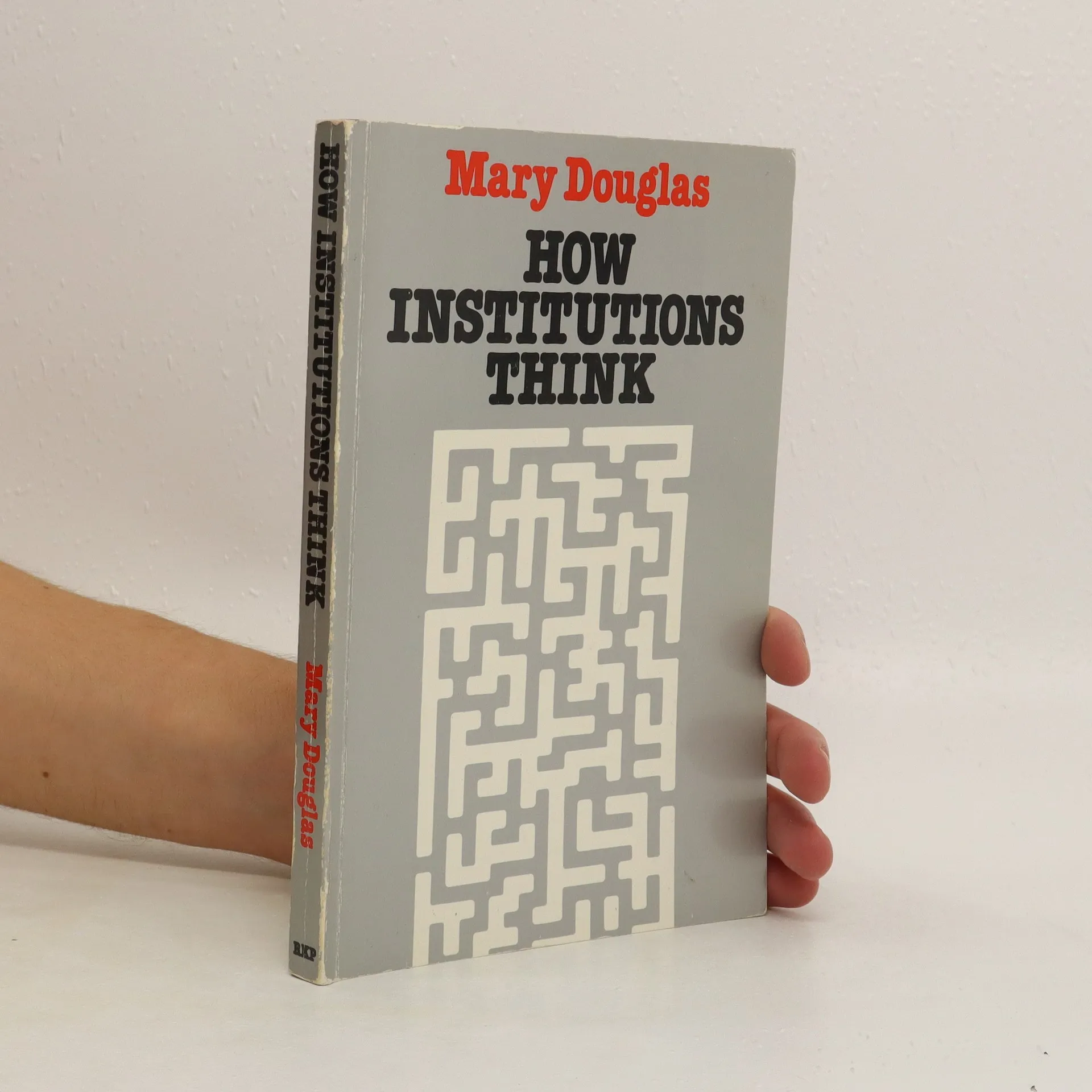
Do institutions think? If so, how do they do it and what thoughts occupy these suprapersonal minds? Mary Douglas delves into these questions as she lays the groundwork for a theory of institutions.
The Patient-Practitioner Relationship and Therapeutic Responsibility
256 Seiten
9 Lesestunden
This book combines the expertise of practitioners and researchers to address the wide range of debates currently taking place in relation to the politics of the practitioner-client relationship.
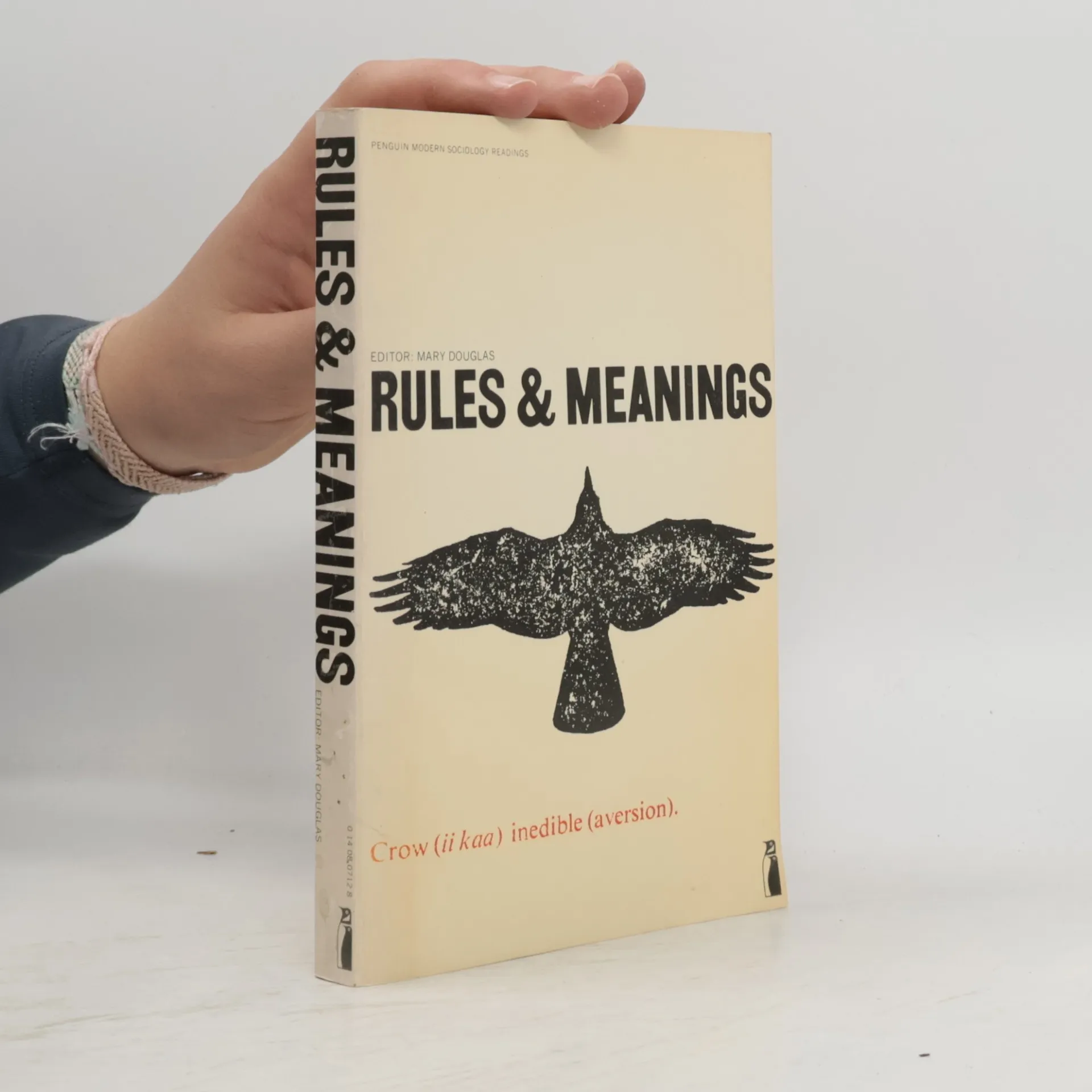
Focusing on the construction of meaning, this anthology showcases Mary Douglas' efforts to blend anthropological insights with modern philosophical thought. It features influential works by thinkers like Wittgenstein, Schutz, and Husserl, exploring themes such as hidden assumptions, tacit conventions, and the impact of spatial organization on language. By integrating philosophical perspectives on everyday language with anthropological theories of knowledge, the collection offers a unique examination of how meaning is shaped in contemporary society.
The prevailing Western cultural consensus, rooted in free markets and individualism, has led many social scientists to view poverty primarily as a personal experience, characterized by material deprivation and distribution failures. Mary Douglas and Steven Ney critique this dominant perspective, highlighting its contradictions and tracing them back to a limited understanding of the human person shaped by two centuries of intellectual history. They identify two key principles—solipsist self and objectivity—as central to these contradictions.
The concept of Economic Man, originating in 18th-century economic theory, has permeated various fields, including psychology, consumption, public assistance, political science, and philosophy. Douglas and Ney argue that this perspective distorts statistical data used in policy analysis, often masking political biases. To address this, they advocate for a revised model of the person that incorporates cultural biases and recognizes political dissent, thereby restoring the "persons" often overlooked in social science discussions.
By drawing on insights from anthropology, economics, political science, and sociology, the authors offer a fundamental critique of the social sciences. Their work appeals not only to social scientists but also to anyone involved in contemporary debates about poverty. This publication is a collaboration with the Russell Sage Foundation.
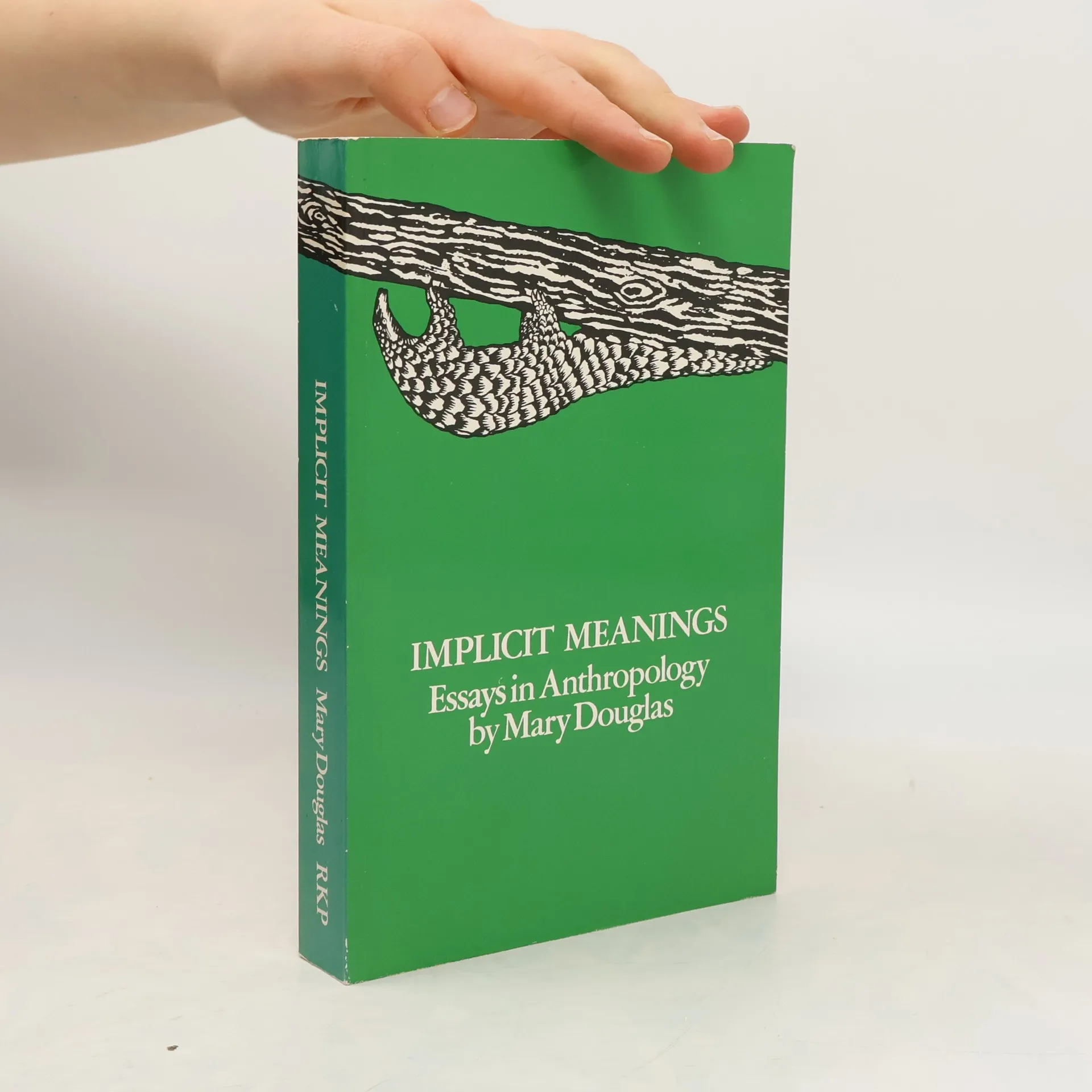
This book provides an excellent introduction to the thought of anthropologist Mary Douglas. It includes writings on key themes associated with her work that have had a major influence on anthropological thought, such as food, pollution, risk, animals, and myth. Among the new pieces included are: The Lele of the Kasai, Techniques of Sorcery Control in Central Africa, The Lele Revisited, Obituary of Godfrey Lienhardt, The Depoliticization of Risk, and Rightness of Categories.