

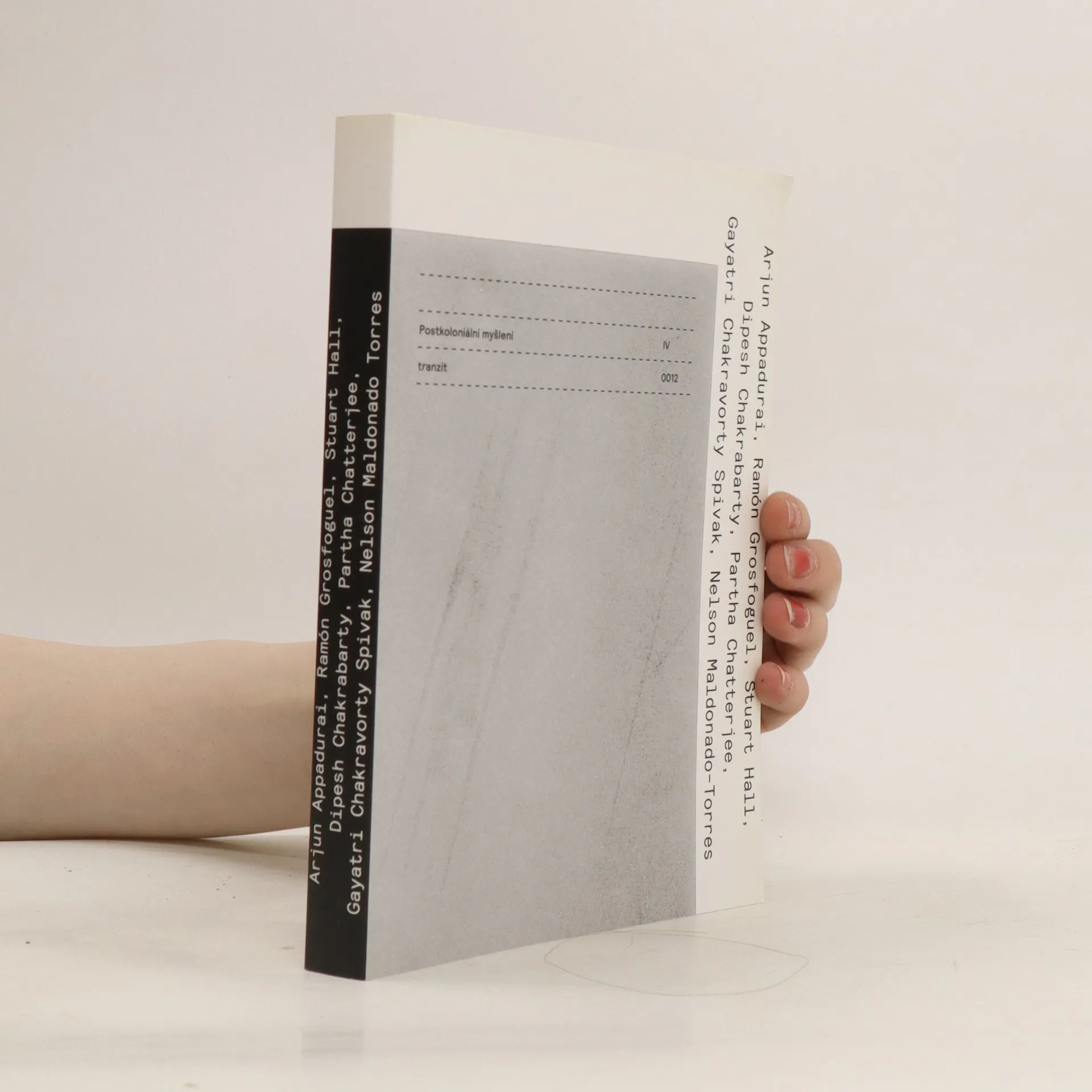
Výbor teoretických studií a esejů je čtvrtým svazkem série Postkoloniální myšlení. Tato série má volně chronologickou návaznost a obsahuje jak překlady ucelených knih (Frantz Fanon – Černá kůže, bílé masky a Homi K. Bhabha – Místa kultury), tak dvě antologie vybraných textů. Stávající svazek se zaměřuje na následující období od osmdesátých let dvacátého století po současnost. V průběhu této doby se postkoloniální reflexe autorů a autorek působících na převážně anglo-amerických univerzitách rozvinula napříč celou sférou humanitních disciplín. Tato reflexe přináší kritickou revizi filosofických, historických, antropologických, literárních, kulturních i genderových či jinak předsudečně zaměřených reprezentací, identit a narativů/vyprávění dějin. Klíč pro pochopení současné situace nejen v kolonizovaných zemích, ale také v kontextu globalizace je možné nalézt v rozličných proměnách pojmu postkoloniality. Sám tento pojem není však nikterak homogenní a byl či je často problematizován pro svoji historickou neurčitost, teoretickou nezakotvenost či obecně pojmovou proměnlivost. Smyslem výboru je českému čtenáři nabídnout pluralitu přístupů a kritických stanovisek teoretického postoje, jenž vedl ke změně společenskovědního paradigmatu v posledních třiceti letech.
Partha Chatterjee Reihenfolge der Bücher (Chronologisch)
Partha Chatterjee ist ein politischer Theoretiker und Historiker, dessen Werk sich kritisch mit Fragen der Politik, Geschichte und des postkolonialen Denkens auseinandersetzt. Sein Schreiben zeichnet sich durch eine tiefe Auseinandersetzung mit komplexen sozialen und politischen Strukturen aus, wobei er oft die Perspektiven der Marginalisierten beleuchtet. Durch seinen theoretischen Ansatz und seine historische Forschung bietet er eine kritische Perspektive auf die Entstehung moderner Nationalstaaten und deren Einfluss auf globale Gerechtigkeit. Seine Texte sind unerlässlich für das Verständnis zeitgenössischer Debatten in der politischen Theorie und den Postkolonialen Studien.

An Insider's View of Hindi Cinema is a collection of the late film critic Anil Saari's writings on Hindi cinema. Saari began writing on the nature and popularity of Hindi cinema more than thirty years ago, much before this cinematic genre gained credibility in academic circles. He was probablyone of the earliest critics of Hindi films and this volume shows how Saari combined his knowledge of Indian society and history to make a rich interpretation of the narrative structures, aesthetics, and institutions of Hindi cinema.Saari was a passionate advocate of Hindi cinema and emphasized the value of its popularity, as well as its roots in Indian folk theatre traditions. His critical and incisive essays span the entire ambit of modern Hindi cinema and discuss issues as varied as the social consciousness of Hindi cinema,children's cinema, and the dubious aesthetics of the latest remake of Devdas . Also included in this volume is his seminal essay 'The Dynamics of Tradition and Modernity in Hindi Cinema'.