

1. vydání. Každý občas zažije neobvyklou shodu okolností, která je mimořádně významná. Smysluplná shoda okolností, které se říká synchronicita, nám však naznačuje, že nejsme možná jen jedinými autory svých příběhů.
Robert H. Hopcke Reihenfolge der Bücher (Chronologisch)
1. Januar 1958


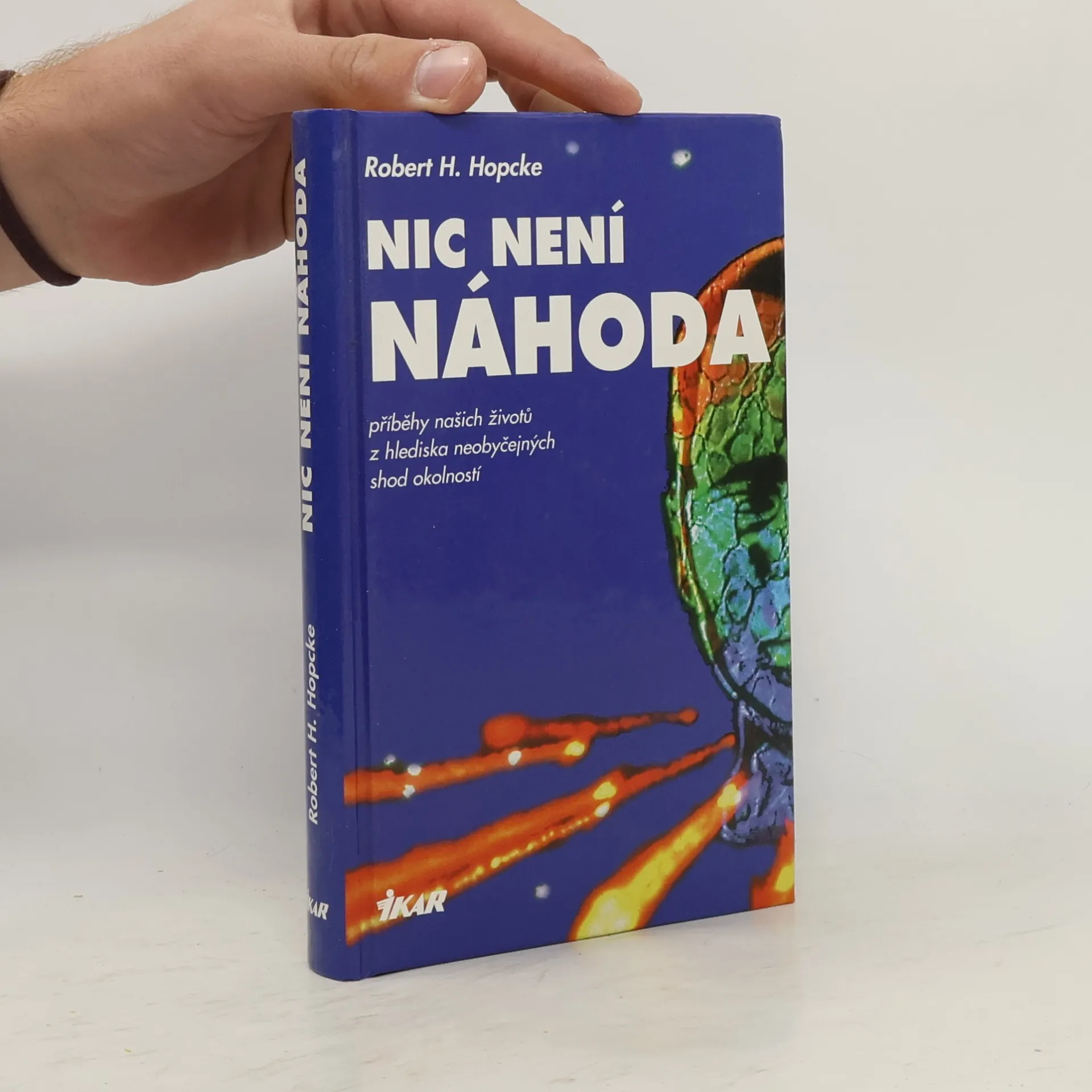




Zufälle gibt es nicht
- 302 Seiten
- 11 Lesestunden
Zufälle passieren ständig. Manche übersehen wir, andere registrieren wir mit belustigtem Erstaunen. Und wieder andere berühren uns seltsam, weil im Zusammentreffen scheinbar zusammenhangloser Ereignisse für einen Moment eine bis dahin verborgene Ordnung unseres Daseins aufscheint. Der Psychotherapeut Robert H. Hopcke hat sich eingehend mit »sinnvollen Koinzidenzen« befaßt unter dem Blickwinkel der Jungschen Analytischen Psychologie. In vielen Fallgeschichten schärft er unsere Wahrnehmung für das Phänomen Synchronizität und zeigt, welch einschneidende Folgen sie haben kann: auf unser Arbeitsleben, unsere Beziehungen, unser Selbstbild, unsere Empfindungen und unser spirituelles Bewußtsein.
C. G. Jung, Jungianer und Homosexualität
- 308 Seiten
- 11 Lesestunden
Despite the revolution of thought on homosexuality over the past thirty years, the literature of Jungian psychology gives little attention to the subject. In an effort to provide the first coherent theory of sexual orientation in the tradition of analytical psychology, this important book examines the way in which Jung and Jungians have regarded homosexuality both clinically and theoretically. Following a survey of references to homosexuality in Jung's writings and the work of Jung's followers and contemporary analysts, the author shows that within the great diversity of opinion there exist many creative ways to deepen an understanding of the lives and loves of gay men and lesbians. In particular, he discusses the ways in which the archetypes of the Masculine, the Feminine, and the Androgyne are expressed in gay male culture, in both past and present, in the United States and other cultures. Hopcke proposes a view of homosexuality that is archetypally based, empirically supportable, psychologically profound, and spiritually evocative. In doing so he provides gay people with something that is often missing in the rhetoric of the gay political movement: a profound, individual sense of self-understanding