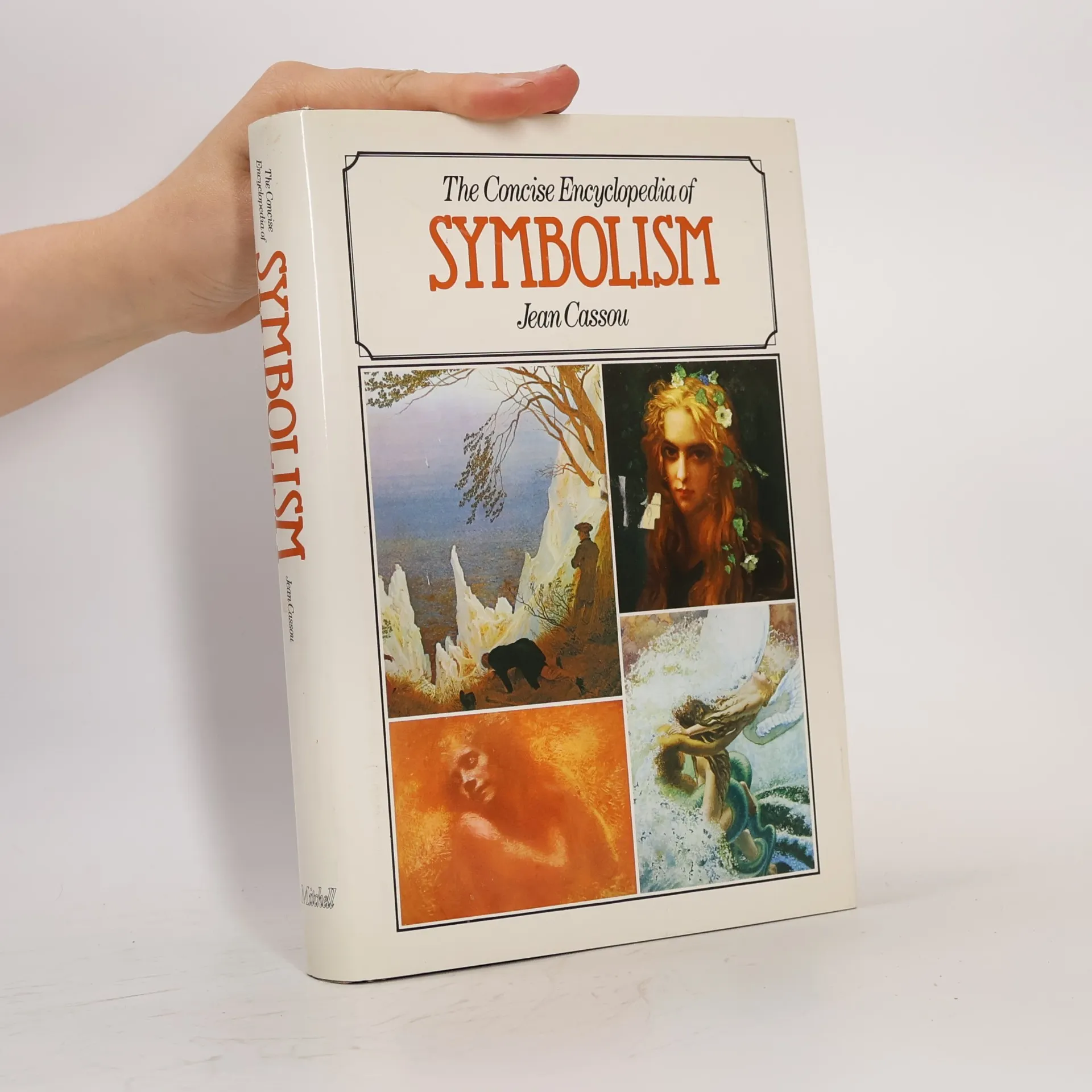
Encyklopedia symbolizmu
- 371 Seiten
- 13 Lesestunden





Der verrückte Möchtegern-Ritter Don Quijote und sein einfältiger Knappe Sancho Pansa ziehen aus, um edle Taten zu vollbringen. Doch dabei geraten sie immer wieder in haarsträubende Konflikte mit der Wirklichkeit - wie in ihrem berühmtesten Abenteuer, dem legendären Kampf gegen die Windmühlen. Zwei komische Antihelden in einem Ritterroman der besonderen Art! Miguel de Cervantes führte ebenfalls ein abenteuerliches Leben: bevor im Jahr 1605 der erste Teil von Don Quijote erschien, war er Kammerdiener und Matrose, wurde von Piraten verschleppt, als Sklave verkauft und verlor im Kampf die linke Hand!
"In the last decade of the nineteenth century, the term Symbolism came to represent a literary, artistic and intellectual movement of great influence. Orginating in France around 1880, then spreading throughout Europe and America, it was above all a movement of protest against positivism, scientism and philistinism, and embraced all the idealist aspirations of the age, having in some respects strong links with other movements of the time such as Decadence and Art Nouveau. Symbolism turned towards the shadows of our inner nature, and explored man's fascination for the strange, the unusual, the dark, the mysterious. Closely connected with the Romantic spirit, and inseperable from Naturalism and Impressionism through its violent reaction against them, it in many ways heralded Expressionism and Surrealism-and is thus a movement found at the very heart of our contemporary culture."--BOOK JACKET.
Román z doby Pařížské komuny. Pařížský masakr je skutečný román souputníka komunardů, syna pařížského řemeslníka, který zkrachoval a zanechal ženu s chlapcem v bídě. Není to však suchý či pietní popis jedné revoluce, je to román mladého člověka, který vyrazil do života, vložildo svého boje vše a o vše přišel. Autor mu dal duši i vědomí moderního člověka, udělal z něj našeho druha a oslavil tím Pařížskou komunu, utopenou v krvi za pomoci cizích bodáků, způsobem vskutku velkolepým. Vydáno k 100. výročí Pařížské komuny.
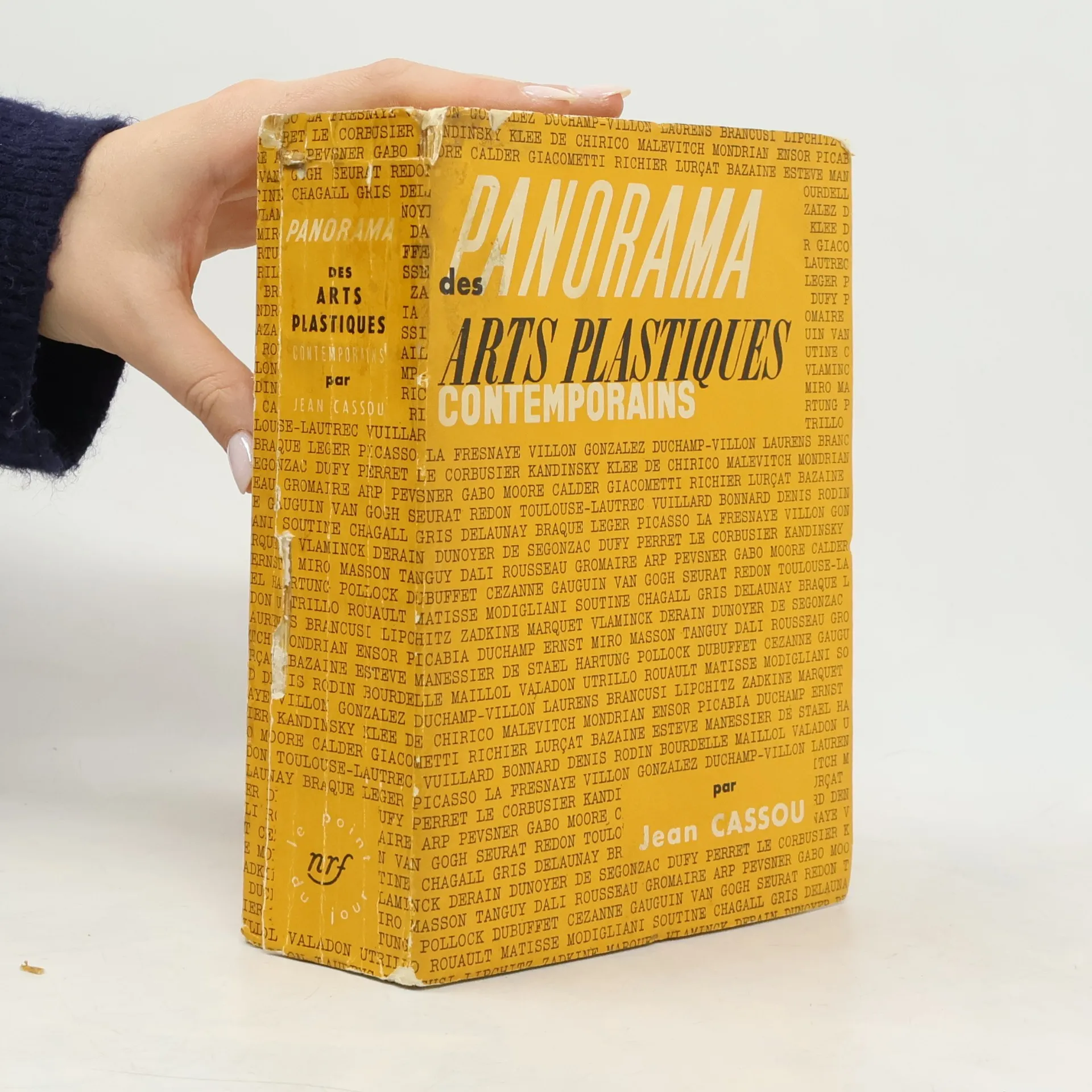
Trad. de l'espagnol par André Belamich , Pierre Darmangeat , Jean Prévost et Jules Supervielle . Préface de Jean Cassou Ce volume contient : Poème du Cante Jondo - Chansons - Romancero gitan
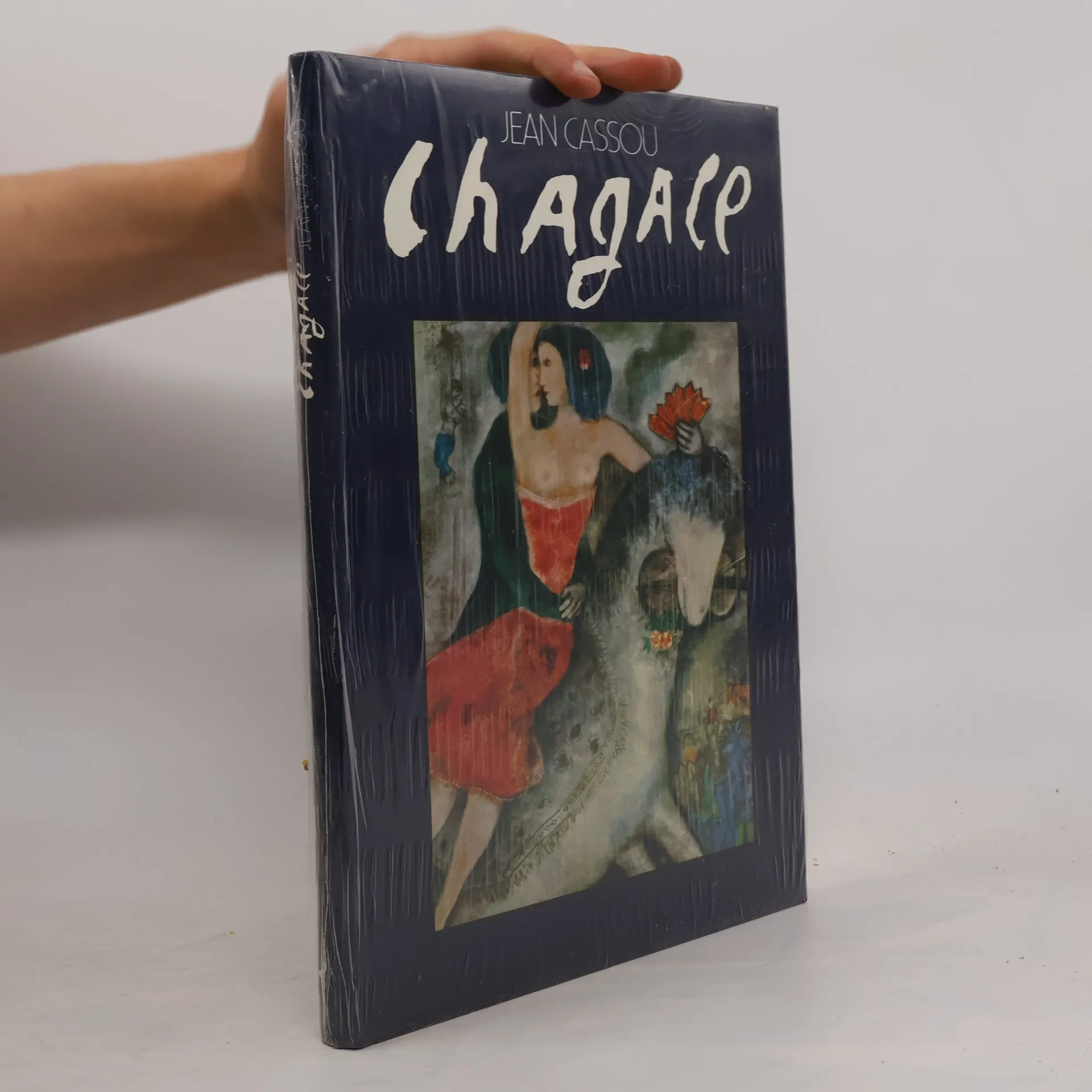
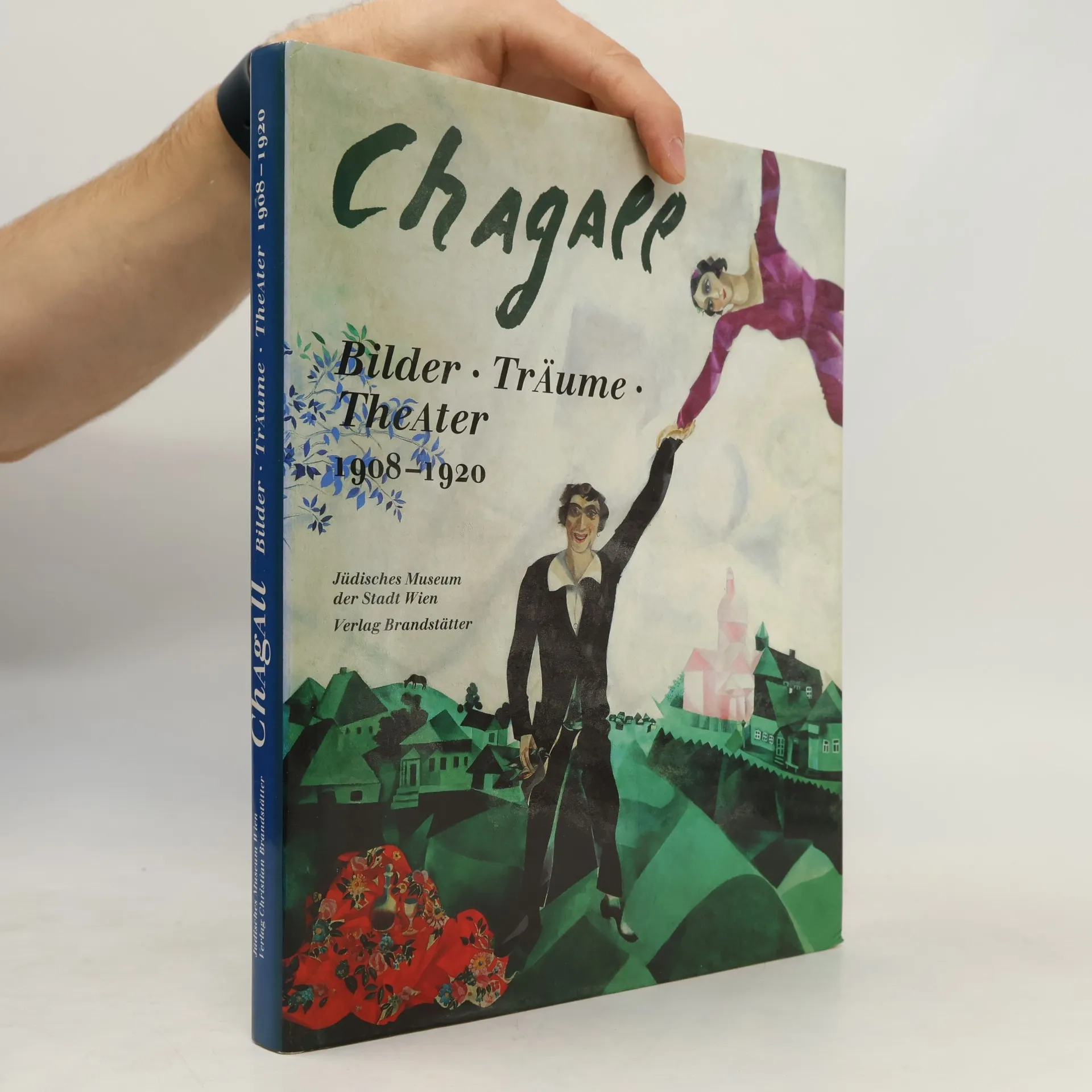
„Ich kenne keinen anderen Künstler, dessen Werk mit solcher Leichtigkeit und Glückseligkeit einen Zustand der Poesie erreicht“, schreibt André Pieyre de Mandiargues. Von den Dächern Vitebsk und den Bildern seiner Kindheit bis zu den Ufern der Seine hat Chagall unsere Träume seit fast siebzig Jahren mit Magie erfüllt. Mandiargues lädt den Leser ein, in seinen neuesten Bildern all die fabelhaften Wesen wiederzuentdecken, die Chagalls Pinsel und Palette hervorgebracht haben… eine Welt von Engeln und Liebenden, von Saltimbanques und Geigern, die in den Wolken schweben, von Pferden, die Blumensträuße anbieten. Wenn wir heute so viele Wunder genießen können, gebührt unser Dank in erster Linie Chagall. Es gibt mehr als 148 Illustrationen, von denen 48 farbig sind, sowie eine doppelseitige Original-Lithografie. Zudem wird eine Biografie des Künstlers und eine Bibliografie bereitgestellt.
Kunst und Kultur der Jahrhundertwende
Erschienen zur gleichnamigen Ausstellung: Städtische Galerie in der Reithalle Paderborn - Schloss Neuhaus 17.07.2010 - 26.09.2010 Galerie Boisserée Köln 09.10.2010 - 20.11.2010