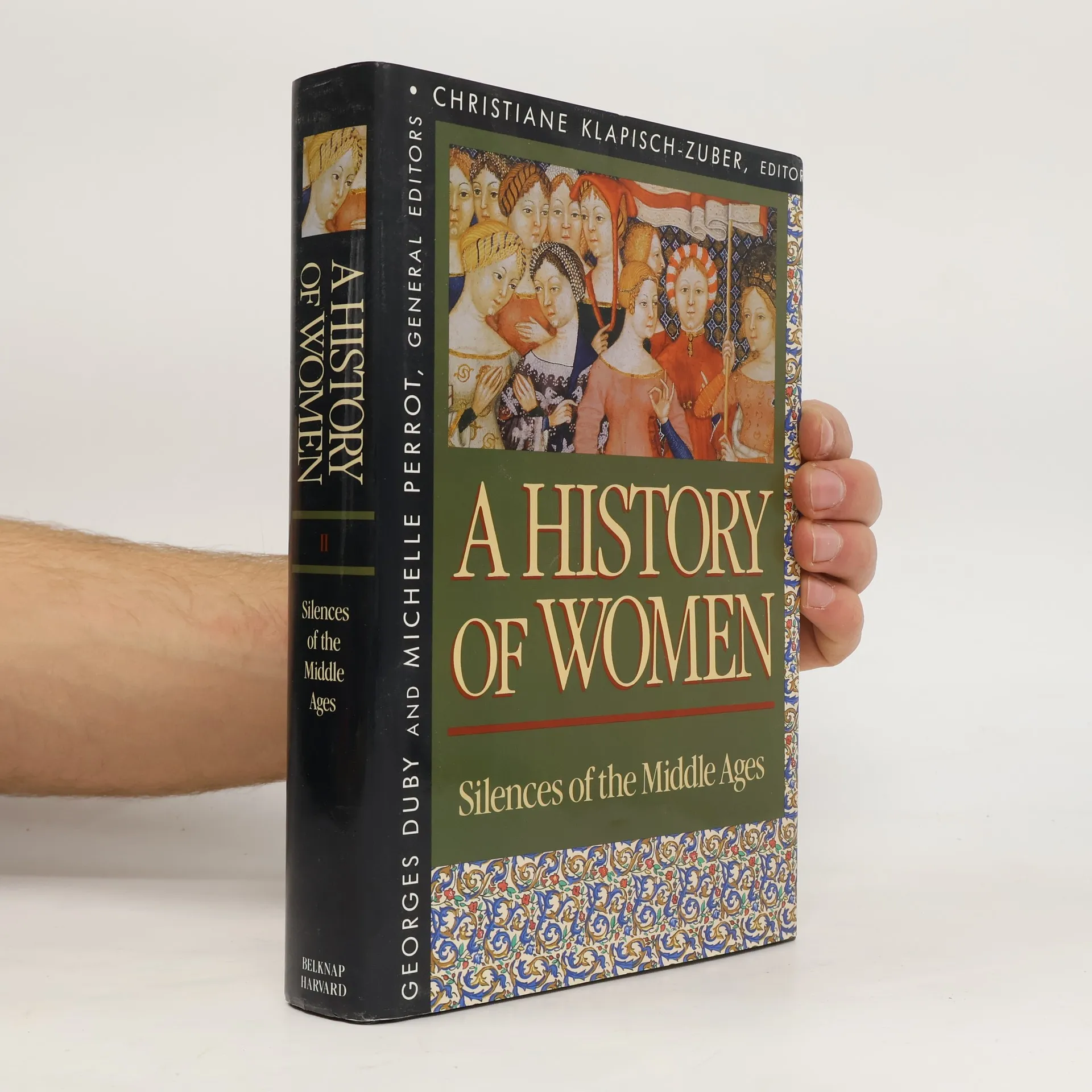
Drawing on myriad sources - from the faint traces left by the rocking of a cradle at the site of an early medieval home to an antique illustration of Eve's fall from grace - this second volume in the series offers new perspectives on women of the past. Twelve historians from many countries examine the image of women in the masculine mind, their social condition, and their daily experience from the demise of the Roman Empire to the genesis of the Italian Renaissance.
Arthur Goldhammer Bücher



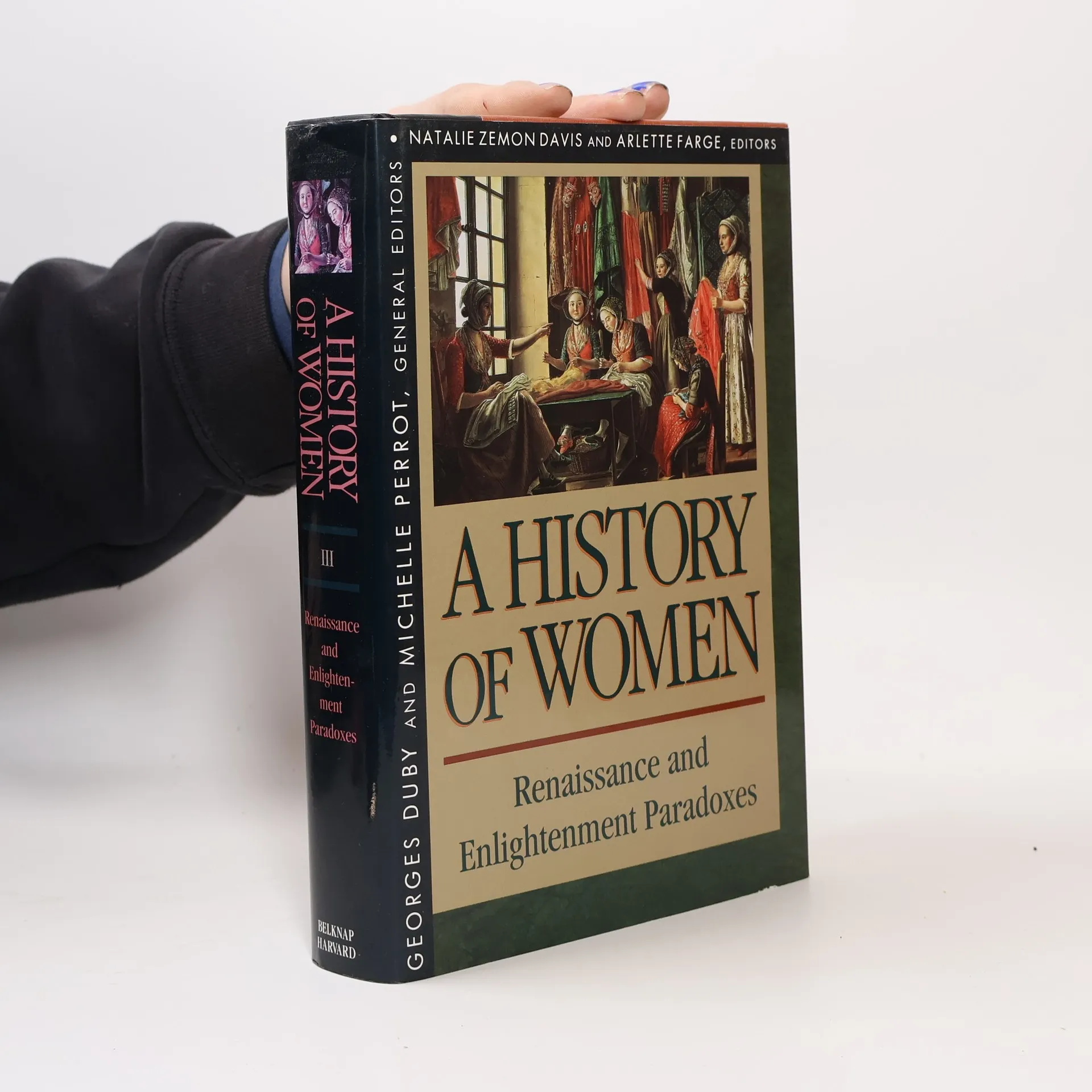
History of Women in the West - 3: Renaissance and the Enlightenment Paradoxes
- 608 Seiten
- 22 Lesestunden
In the words of the general editors, this series seeks to understand women's roles, conditions, and representations throughout history. Drawing on the expertise of seventy-five distinguished historians, it presents a panoramic chronicle from antiquity to the present. The inaugural volume shifts the focus from the margins of ancient history to the forefront, offering fresh insights into over twenty centuries of Greek and Roman history. The authors analyze a vast landscape, from the North Sea to the Mediterranean, revealing that ancient perceptions often relegated women to silent roles in motherhood and homemaking, largely ignored by historical records. In Rome, for instance, only heiresses were counted in the census. This scarcity of information about women contrasts sharply with the abundance of texts and images created by men regarding women and gender. The authors utilize diverse sources—gravestones, floor plans, stele inscriptions, papyrus rolls, vase paintings, and literary works—to illustrate the evolution of women's representations. They delve into the minds of men, from the Greeks envisioning goddesses to Church Fathers crafting the image of martyred female saints, uncovering an imaginative history of women and the dynamics between the sexes. Through this exploration, the authors highlight select aspects of women's experiences and the cultural narratives that shaped their identities.
Realms of Memory III.
- 688 Seiten
- 25 Lesestunden
The third and final volume in Pierre Nora's award-winning (for Volume I) REALMS OF MEMORY, which includes groundbreaking discussions of France's past, powerfully demonstrates how a nation can both recover and rediscover its identity through remembrance, how rewriting history can forge new paradigms of cultural identity, and how meanings attached to an event can be as significant as the event itself. 146 illustrations.
Mit seinem neuen Werk präsentiert Thomas Piketty eine umfassende Globalgeschichte der sozialen Ungleichheit und ihrer Ursachen. Er bietet eine unnachsichtige Kritik der gegenwärtigen Politik und entwirft ein neues, gerechteres ökonomisches System. Piketty argumentiert, dass der Kapitalismus kein Naturgesetz ist, sondern von Menschen geschaffen wurde. Die Funktionsweise von Märkten, Profiten und Kapital hängt von unseren Entscheidungen ab. In seiner Analyse untersucht er die Entwicklungen des letzten Jahrtausends, die zu Sklaverei, Kolonialismus, Kommunismus und Hyperkapitalismus führten und das Leben von Milliarden Menschen prägten. Diese weltgeschichtliche Betrachtung reicht über Europa und den Westen hinaus und beleuchtet die globalen Ungleichheitsregime mit ihren unterschiedlichen Ursachen und Folgen. Piketty nutzt diese eindrucksvolle Analyse, um die gegenwärtige Krise zu erläutern. Er betont, dass ein Verständnis der ökonomischen und politischen Ursachen der Ungleichheit der Schlüssel ist, um notwendige Schritte für eine gerechtere Zukunft zu benennen und zu ergreifen. Dieses Werk ist ein bedeutender Beitrag zur Diskussion über soziale Gerechtigkeit und bietet wertvolle Einsichten, um die heutige Welt zu verstehen und zu verändern.
Für ein anderes Mittelalter
- 189 Seiten
- 7 Lesestunden
Erst seit kurzem ist auch im deutschsprachigen Raum das Mittelalter, seine Geschichte, Gesellschaft und Kultur, wieder ein Thema. In Frankreich allerdings steht das Mittelalter wie sonst nur wenige Epochen schon seit Jahrzehnten im Zentrum des fachlichen und öffentlichen historischen Interesses. Jacques Le Goff gehört neben Georges Duby zu den bekanntesten und kompetentesten Mediävisten der neueren französischen Geschichtsschreibung, der "Nouvelle Histoire" - In der Aufsatzsammlung "Für ein anderes Mittelalter", die bereits im Titel programmatisch für ein neues, umfassendes Mittelalterbild plädiert, behandelt Le Goff die ganze Epoche vom 5. bis zum 15. Jahrhundert und gruppiert eine Vielzahl von Aspekten und Themen um die zentralen Begriffe Zeit, Arbeit und Kultur: Die Arbeitszeit in der Krise des 14. Jahrhunderts. Zur Dreigliedrigkeit der Gesellschaft, zur Begründung des monarchischen Gedankens und zum wirtschaftlichen Aufschwung in der Christenheit des 9. bis 12. Jahrhunderts. Arbeit, Techniken und Handwerker. Zum Selbstverständnis der Universität. Universität, Staat und Verwaltung im Mittelalter und in der Renaissance. Kirchliche Kultur und Volksüberlieferungen. Der Traum in der Kultur und in der Kollektivpsychologie. Melusine - Mutter und Urbarmacherin. Geschichtswissenschaft und Erforschung des Alltags.
Counter-Democracy
- 350 Seiten
- 13 Lesestunden
The latest contribution to one of the most distinguished and important series in political thought in the world.
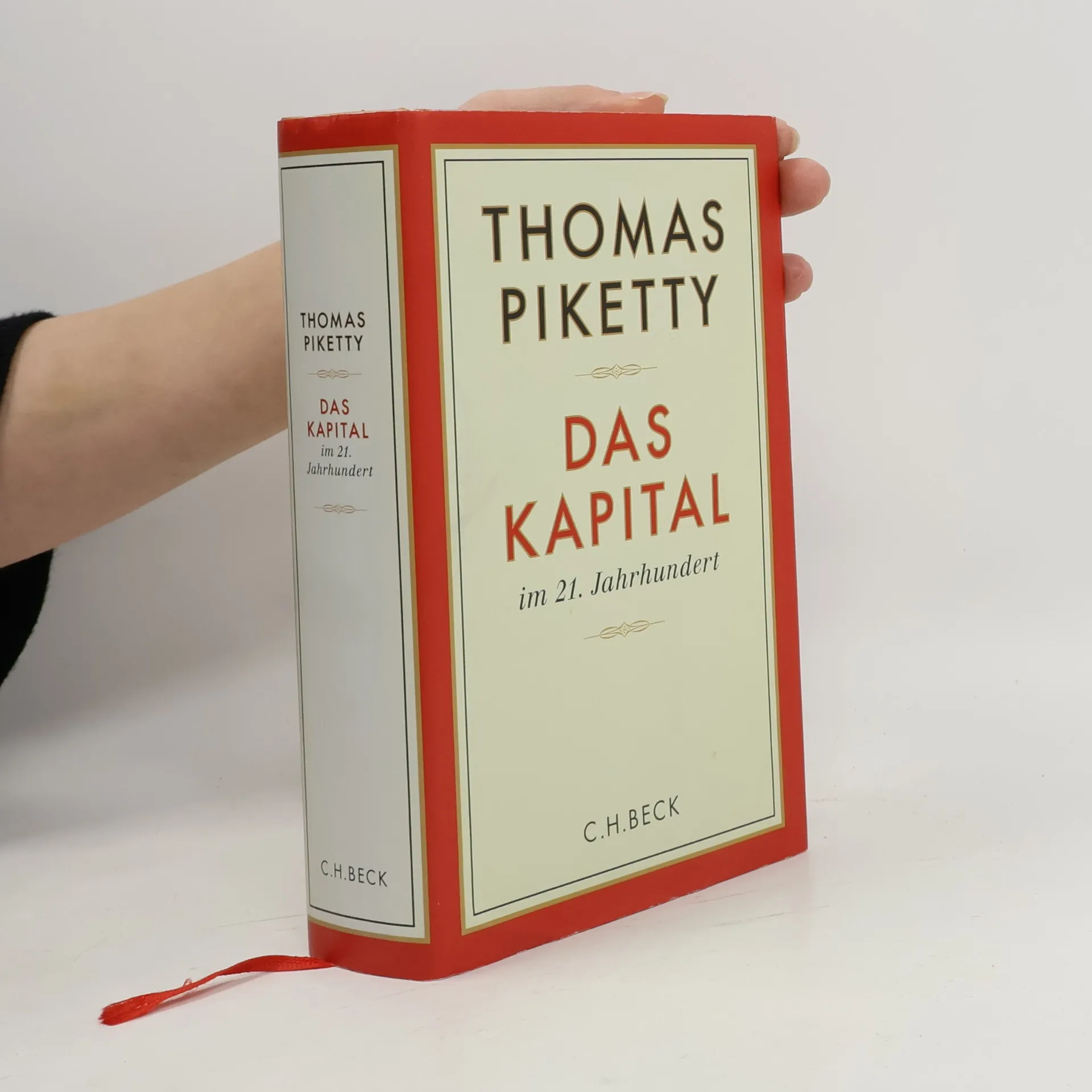
Das Kapital im 21. Jahrhundert
- 816 Seiten
- 29 Lesestunden
„Das Kapital im 21. Jahrhundert“ ist ein außergewöhnliches Werk, das unser Verständnis von Ökonomie revolutioniert und uns mit ernüchternden Lektionen konfrontiert. Es beleuchtet die Akkumulation und Distribution von Kapital sowie die dynamischen Faktoren, die entscheidend dafür sind. Die langfristige Evolution von Ungleichheit, die Konzentration von Wohlstand und die Chancen für ökonomisches Wachstum sind zentrale Themen, zu denen es bislang kaum befriedigende Antworten gab, da geeignete Daten und klare Theorien fehlten. Thomas Piketty analysiert Daten aus 20 Ländern, die bis ins 18. Jahrhundert zurückreichen, um wesentliche ökonomische und soziale Muster offenzulegen. Seine Ergebnisse werden die Debatte über Wohlstand und Ungleichheit neu gestalten und die Agenda für zukünftige Diskussionen setzen. Piketty argumentiert, dass modernes ökonomisches Wachstum und Wissensverbreitung uns vor der apokalyptischen Ungleichheit bewahrt haben, die Karl Marx prophezeite. Dennoch haben wir die Strukturen von Kapital und Ungleichheit nicht in dem Maße verändert, wie es die optimistischen Jahrzehnte nach dem Zweiten Weltkrieg vermuten ließen. Der Haupttreiber der Ungleichheit – dass Kapitalgewinne höher sind als Wachstumsraten – könnte extreme Ungleichheit hervorrufen, die den sozialen Frieden und die demokratischen Werte gefährdet. Politisches Handeln hat in der Vergangenheit ökonomische Ungleichheiten korrigiert, so Piketty, und kann di
Der zweite Band der Geschichte des privaten Lebens ist eine Schatzkammer voller reicher und farbenfroher Details, die aus einer erstaunlichen Vielfalt von Quellen stammen. Dieses fesselnde "geheime Epos" zeichnet ein lebendiges Bild des Lebens von Bauern und Patriziern im elften bis fünfzehnten Jahrhundert. Alle Geheimnisse, Erdverbundenheit und Romantik des Mittelalters werden in diesem Panorama des Alltagslebens eingefangen. Die sich entwickelnden Konzepte von Intimität werden untersucht – vom semi-obskuren elften Jahrhundert bis zu den ersten Regungen der Renaissance im fünfzehnten Jahrhundert.
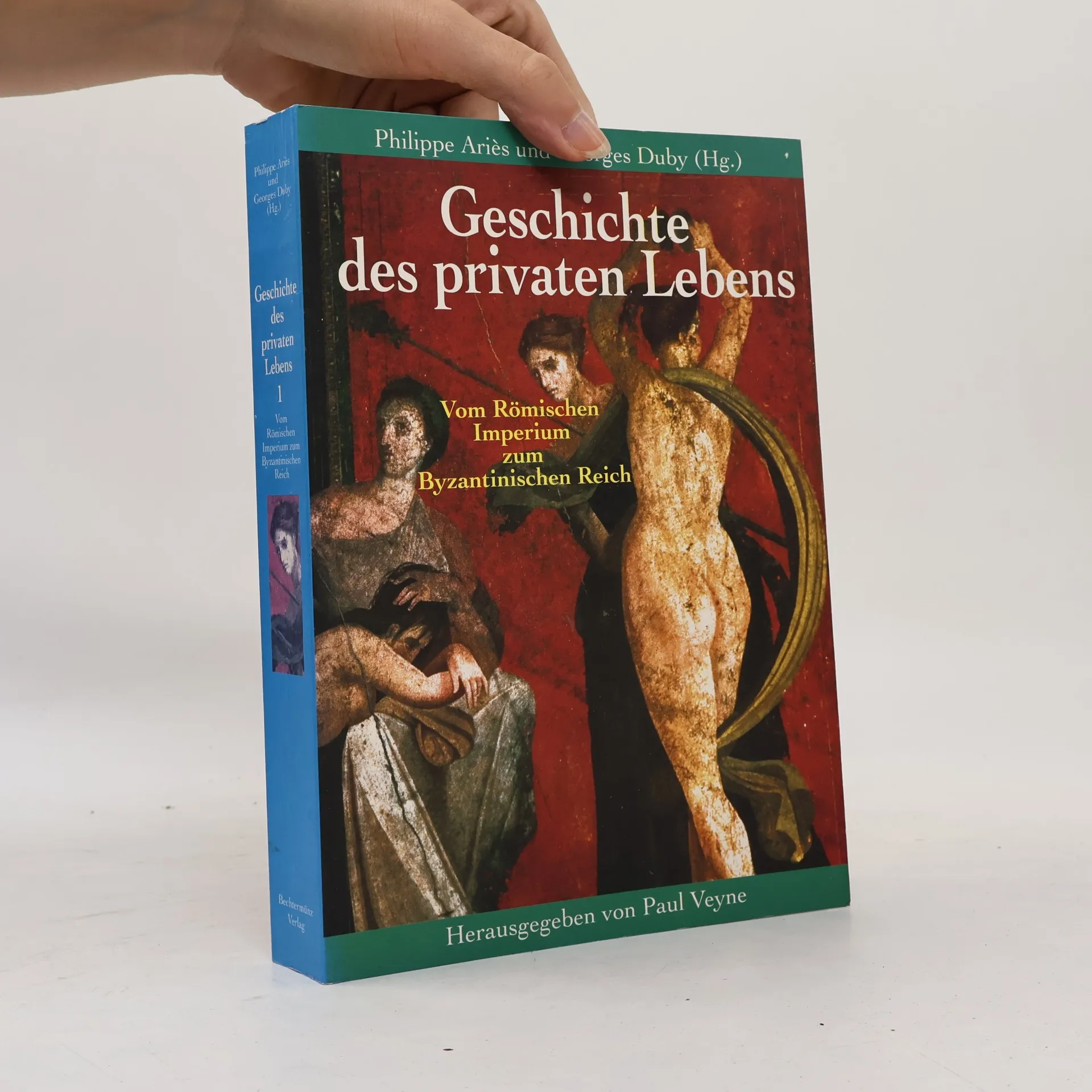
Das erste Buch einer weithin gefeierten und prächtig illustrierten Reihe enthüllt im Detail, wie das Leben in der Antike wirklich war. Hinter dem weiten Panorama des heidnischen Römischen Reiches entdeckt der Leser das intime Alltagsleben von Bürgern und Sklaven – von Konzepten der Männlichkeit und Sexualität über Ehe und Familie, die Rollen der Frauen, Keuschheit und Verhütung, Techniken der Geburt, Homosexualität, Religion, den Sinn von Tugend bis hin zur Trennung von privaten und öffentlichen Räumen. Das Aufkommen des Christentums im Westen und der Triumph der christlichen Moral mit ihrem Schwerpunkt auf Enthaltsamkeit, Zölibat und Askese stehen in starkem Kontrast zum profanen und undisziplinierten Privatleben des Byzantinischen Reiches. Mit aufschlussreichen Motiven verweben die Autoren ein reiches, farbenfrohes Gewebe, das mit den Ergebnissen neuer Forschungen und den breiten Interpretationen geschmückt ist, die nur Meister des Themas bieten können.
Algerian Chronicles
- 224 Seiten
- 8 Lesestunden
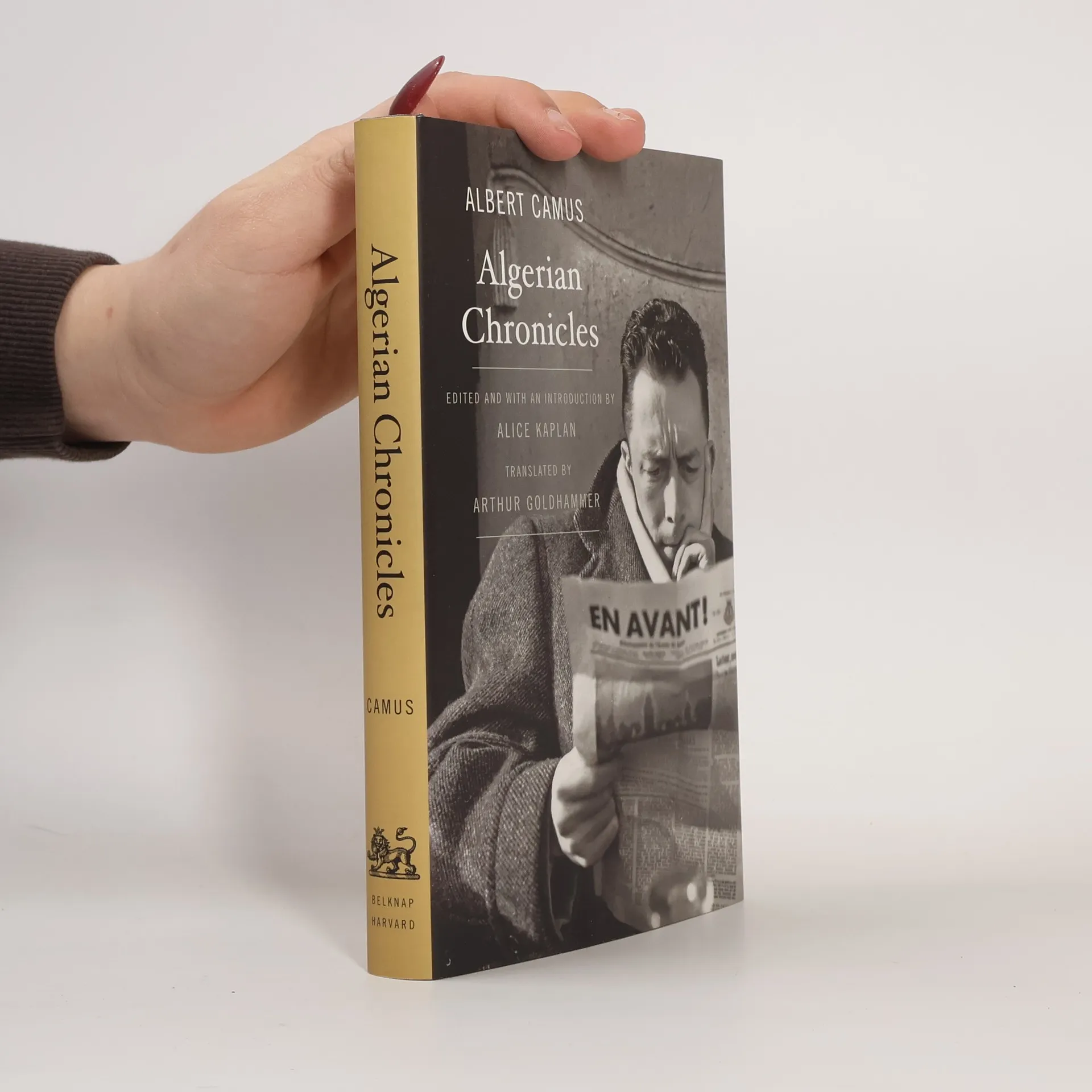
More than fifty years after Algerian independence, Albert Camus "Algerian Chronicles" appears here in English for the first time. Published in France in 1958, the same year the Algerian War brought about the collapse of the Fourth French Republic, it is one of Camus most political works an exploration of his commitments to Algeria. Dismissed or disdained at publication, today "Algerian Chronicles, " with its prescient analysis of the dead end of terrorism, enjoys a new life in Arthur Goldhammer s elegant translation. Believe me when I tell you that Algeria is where I hurt at this moment, Camus, who was the most visible symbol of France s troubled relationship with Algeria, writes, as others feel pain in their lungs. Gathered here are Camus strongest statements on Algeria from the 1930s through the 1950s, revised and supplemented by the author for publication in book form. In her introduction, Alice Kaplan illuminates the dilemma faced by Camus: he was committed to the defense of those who suffered colonial injustices, yet was unable to support Algerian national sovereignty apart from France. An appendix of lesser-known texts that did not appear in the French edition complements the picture of a moralist who posed questions about violence and counter-violence, national identity, terrorism, and justice that continue to illuminate our contemporary world.
The Medieval Imagination
- 302 Seiten
- 11 Lesestunden
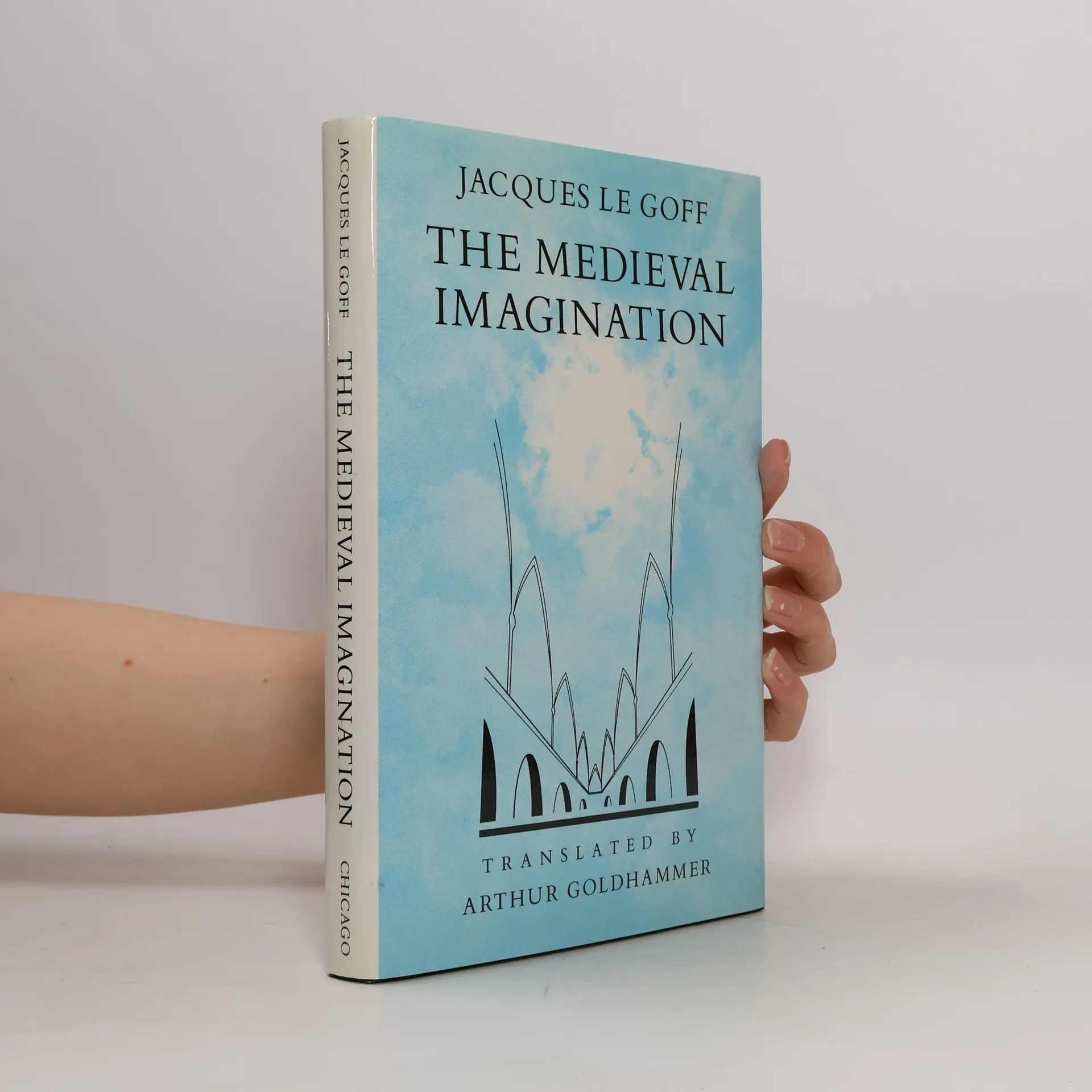
The collection begins with an essay on 'the marvelous.' Le Goff highlights subtle changes in medieval attitudes and sensibilities by contrasting the marvelous (representing a 'secularization' of the supernatural after the thirteenth century) with the miraculous (depending solely on God's saving grace) and the magical (governed by Satan's destructive activity).
Thomas Piketty, Autor des Weltbestsellers "Das Kapital im 21. Jahrhundert" gibt hier eine Einführung in die wirtschaftlichen Zusammenhänge hinter dem Phänomen der ungleichen Einkommensverteilung. Kurz und prägnant erklärt er, wie Ungleichheit entsteht, wie Ökonomen sie messen, in welchem Missverhältnis Arbeitseinkommen und Kapitalerträge zueinander stehen und welche Möglichkeiten die Politik hat, diese Lücke zu schließen.
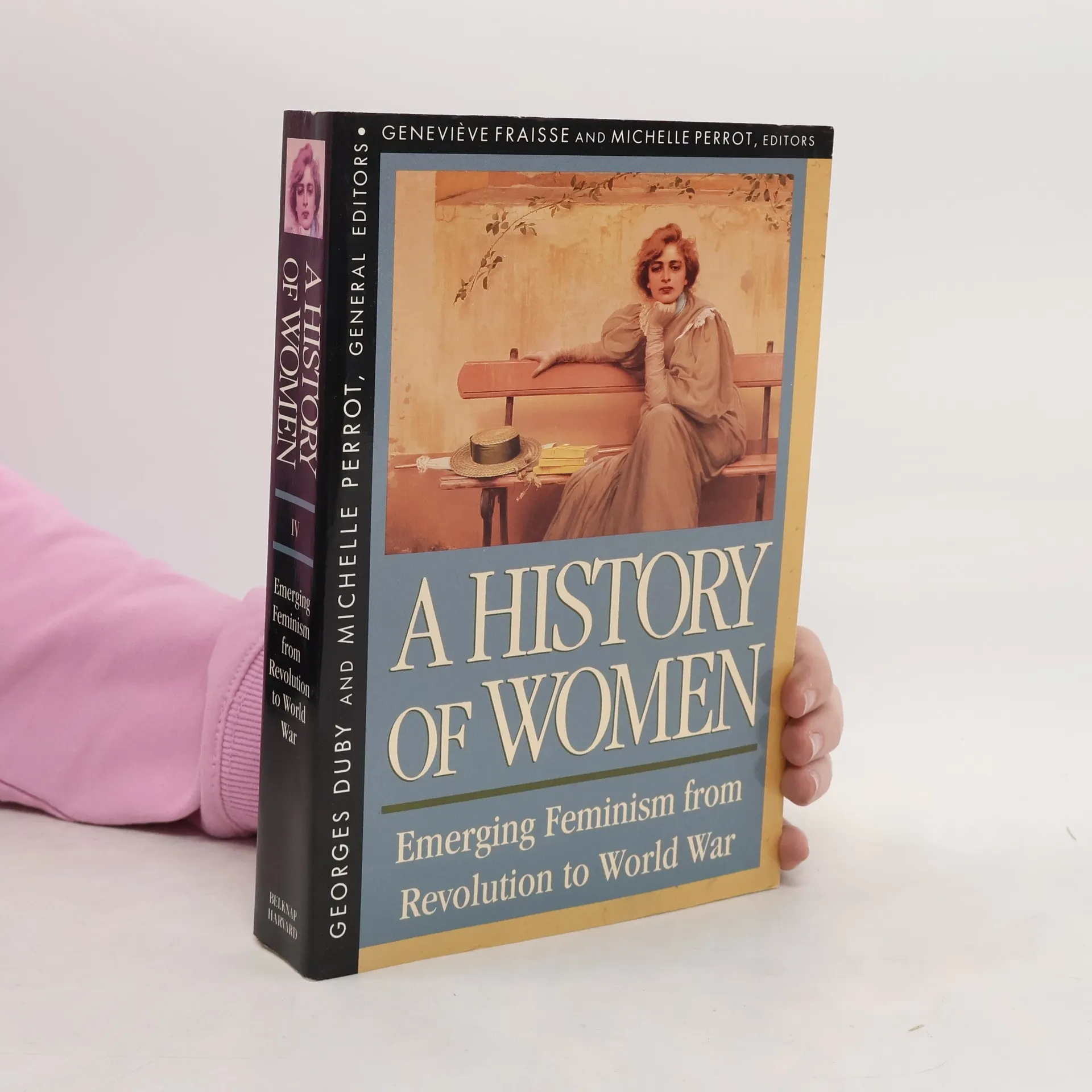
A History of Women in the West
Emerging Feminism from Revolution to World War
- 652 Seiten
- 23 Lesestunden
The French Revolution opened a whole new stage in the history of women, despite their conspicuous absence from the playbill. The coming century would see women’s subordination to men codified in all manner of new laws and rules; and yet the period would also witness the birth of feminism, the unprecedented emergence of women as a collective force in the political arena.The fourth volume in this world-acclaimed series covers the distance between these two poles, between the French Revolution and World War I. It gives us a vibrant picture of a bourgeois century, dynamic and expansive, in which the role of woman in the home was stressed more and more, even as the economic pressures and opportunities of the industrial revolution drew her out of the house; in which woman’s growing role in the family as the center of all morals and virtues pressed her into public service to fight social ills.